North Korea on the Move: Finding Inner Happiness Between Isolation and Openness
Here is the SEO-optimized and rewritten article based on the source material. It has been restructured for search visibility, readability, and user engagement while strictly maintaining the original factual accuracy.
SEO Title: North Korea Travel Guide 2024: Finding Happiness Between Isolation and Openness
Meta Description: Is North Korea happy? A rare first-person account of traveling from Dandong to Pyongyang. Discover the reality of daily life, food, and culture in the "Hermit Kingdom."
North Korea on the Move: Finding Inner Happiness Between Isolation and Openness
Some trips take years to finally happen. During the 2019 National Day holiday, while most people flocked to popular tourist spots, I boarded a train bound for Pyongyang—a country forgotten by time, yet quietly moving forward.
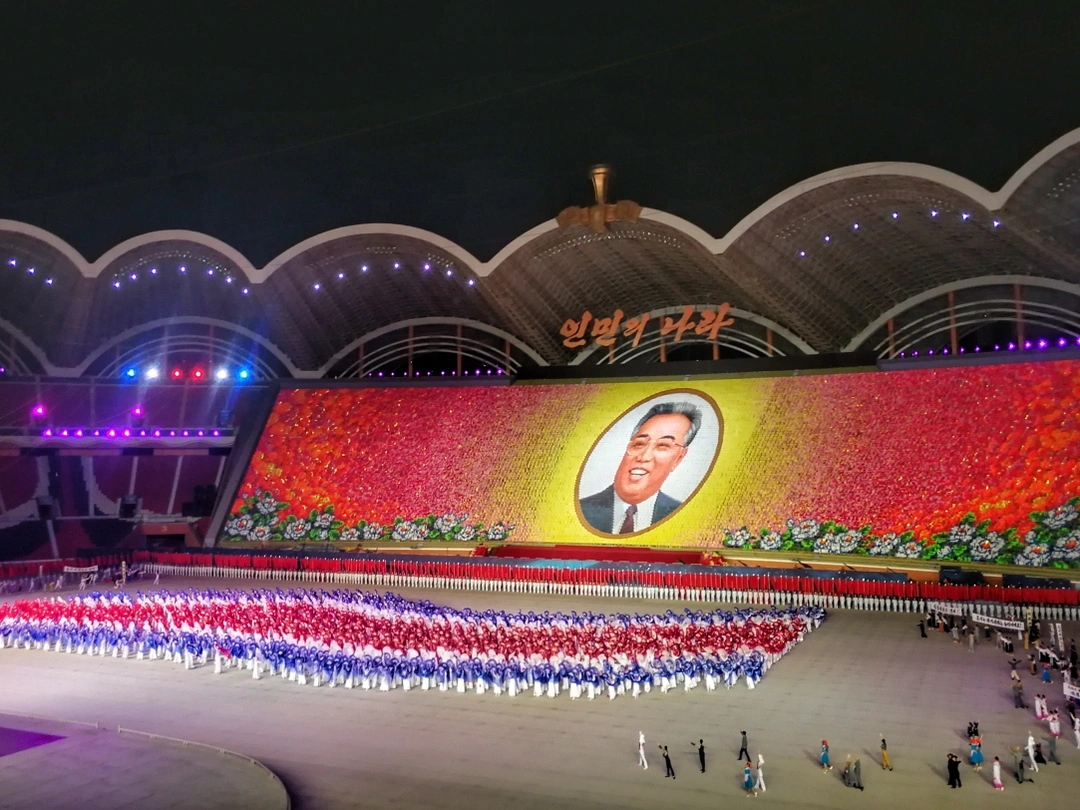
To be honest, I didn't have high expectations before departure. North Korea, that mysterious nation, always seems wrapped in a gray veil thanks to media portrayals. Poverty, isolation, authoritarianism—these labels cling like stubborn shadows. But when I actually set foot on that land, I saw something different: children laughing at amusement parks, young people curiously observing foreigners on the subway, elderly citizens laying flowers in public squares. These images made me reconsider a single word—happiness.
Perhaps happiness is never defined by others, but felt by oneself.
Pre-Trip Preparation: A Journey Where "Plans Never Match Reality"
How to Get a Visa for North Korea

A trip to North Korea isn't smooth sailing. My plans had fallen through twice before finally succeeding on the third attempt. Considering the overcrowded domestic attractions during National Day, this "off-the-beaten-path" destination actually became a perfect escape.
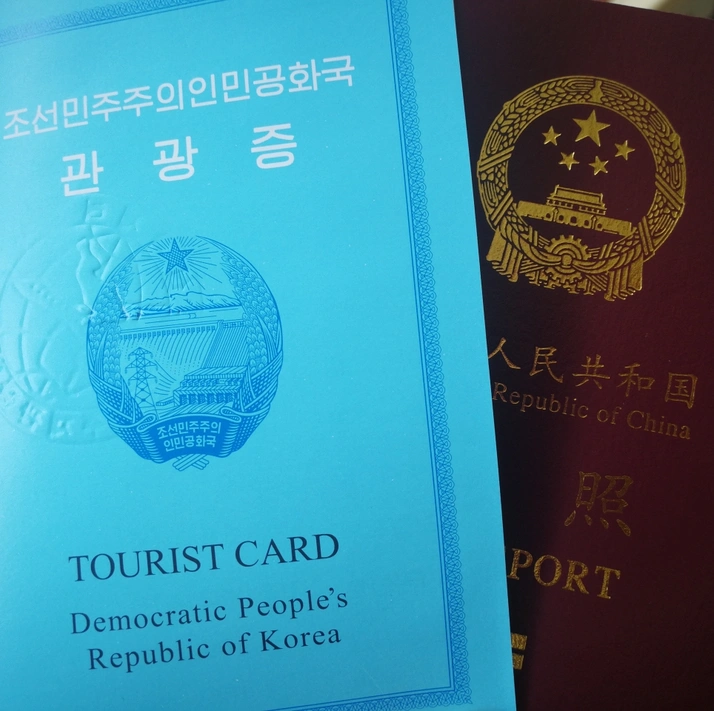
Travel to North Korea must be with a tour group, and the routes are largely similar. A friend recommended the "IN Korea" (IN朝鲜) WeChat public account. Their customized itinerary was appealing, so I signed up for the Golden Week in-depth tour. For the visa, you just provide materials to the travel agency, and they handle everything.
Cost Reference: Approximately 10,000 RMB per person (including flights, tour fees, optional activities)
North Korea Itinerary Overview (7 Days)
- Day 1: Jinjiang → Shenyang → Dandong
- Day 2: Dandong → Pyongyang
- Day 3: Pyongyang → Kaesong
- Day 4: Kaesong → Pyongyang
- Day 5: Pyongyang city
- Day 6: Pyongyang → Dandong → Shenyang
- Day 7: Shenyang → Jinjiang
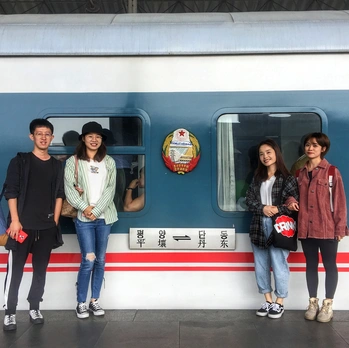
From China to North Korea, you can take the train from Dandong or fly directly to Pyongyang from Shenyang, Beijing, or Shanghai. We chose the train because we wanted to experience that ceremonial feeling of crossing the border.
Day 1: Dandong, Red Memories on the Border
The group required assembly at Dandong Train Station at 8 AM on the 2nd. I flew to Shenyang a day early, then took a bullet train to Dandong. Shenyang Airport is very close to Shenyang South Station, so departing from there is more convenient.
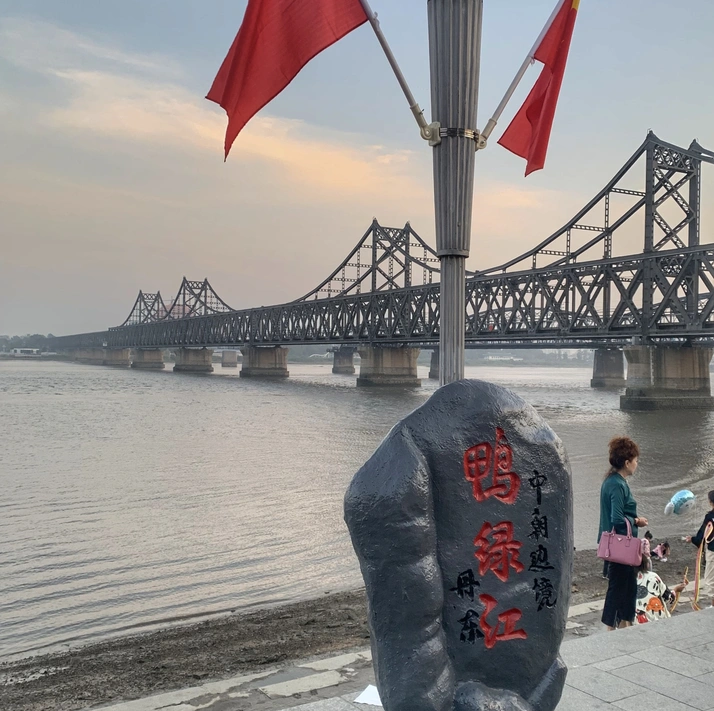
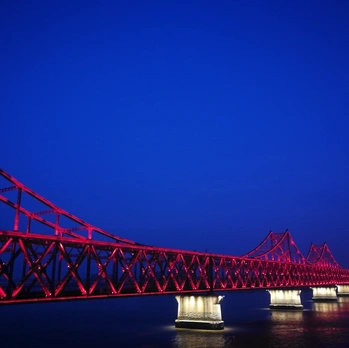
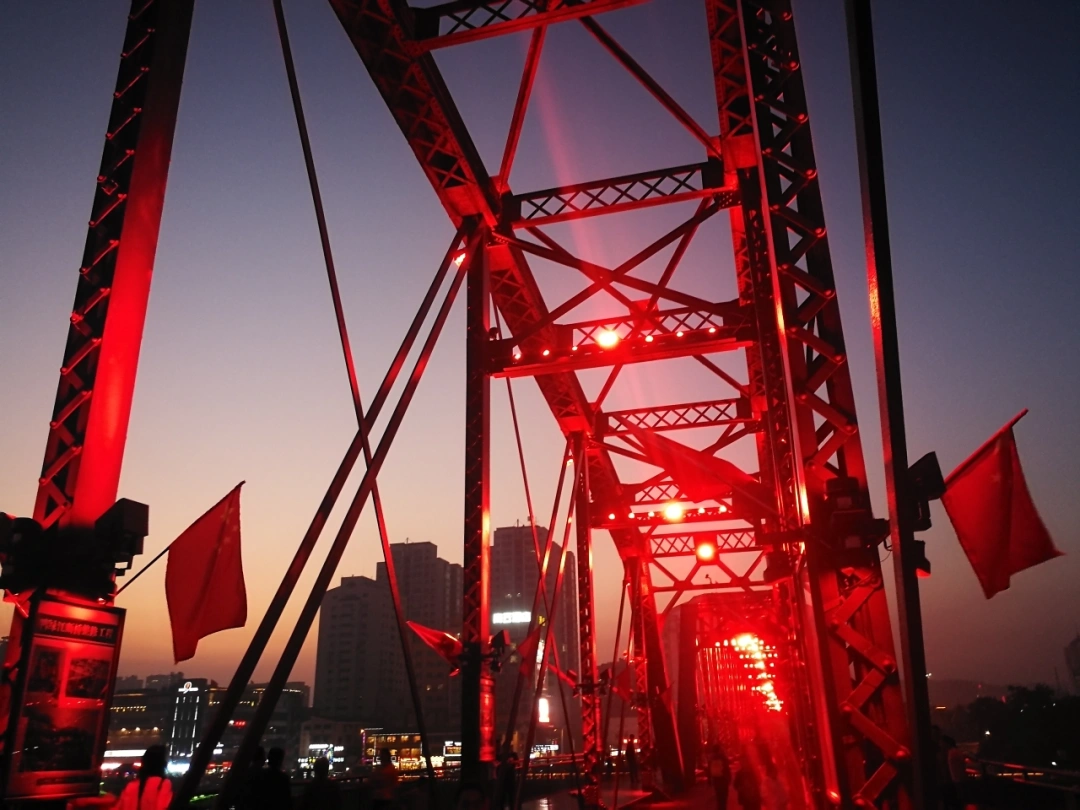
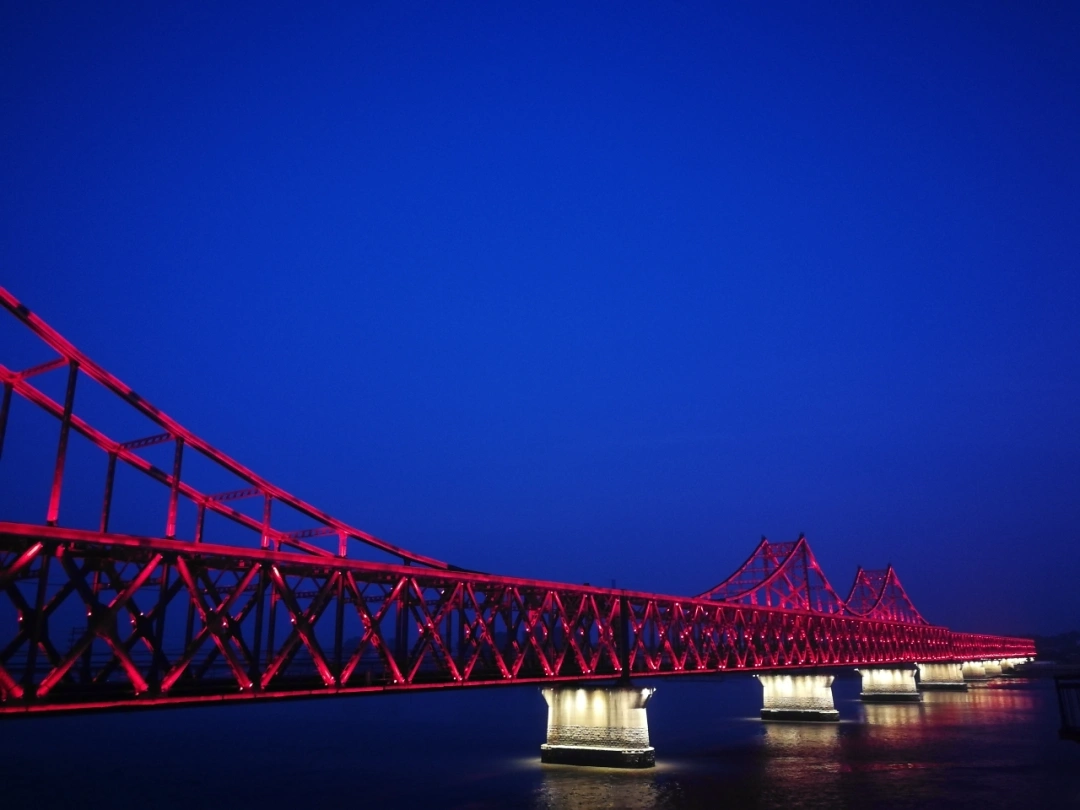
A ten-minute walk from Dandong Station takes you to the Yalu River. There are two bridges on the riverbank: on the left is the China-North Korea Friendship Bridge, now used by both trains and cars; on the right is the Yalu River Broken Bridge—the remains of a bridge bombed by the U.S. military during the Korean War. It was National Day, so red flags fluttered across the bridge, a sea of crimson.
Tip: The broken bridge scenic area costs 30 RMB per person. I recommend "Yu Niu Jia" (昱牛家) barbecue near Dandong Station—authentic local flavor.
Standing by the river, looking across at North Korea, I felt an indescribable complexity. One river apart, two different worlds.
[Link: Best things to do in Dandong before crossing the border]
Day 2: Crossing the Border, Entering Another Era
From Dandong to Pyongyang: Long Immigration and Silent Scenery
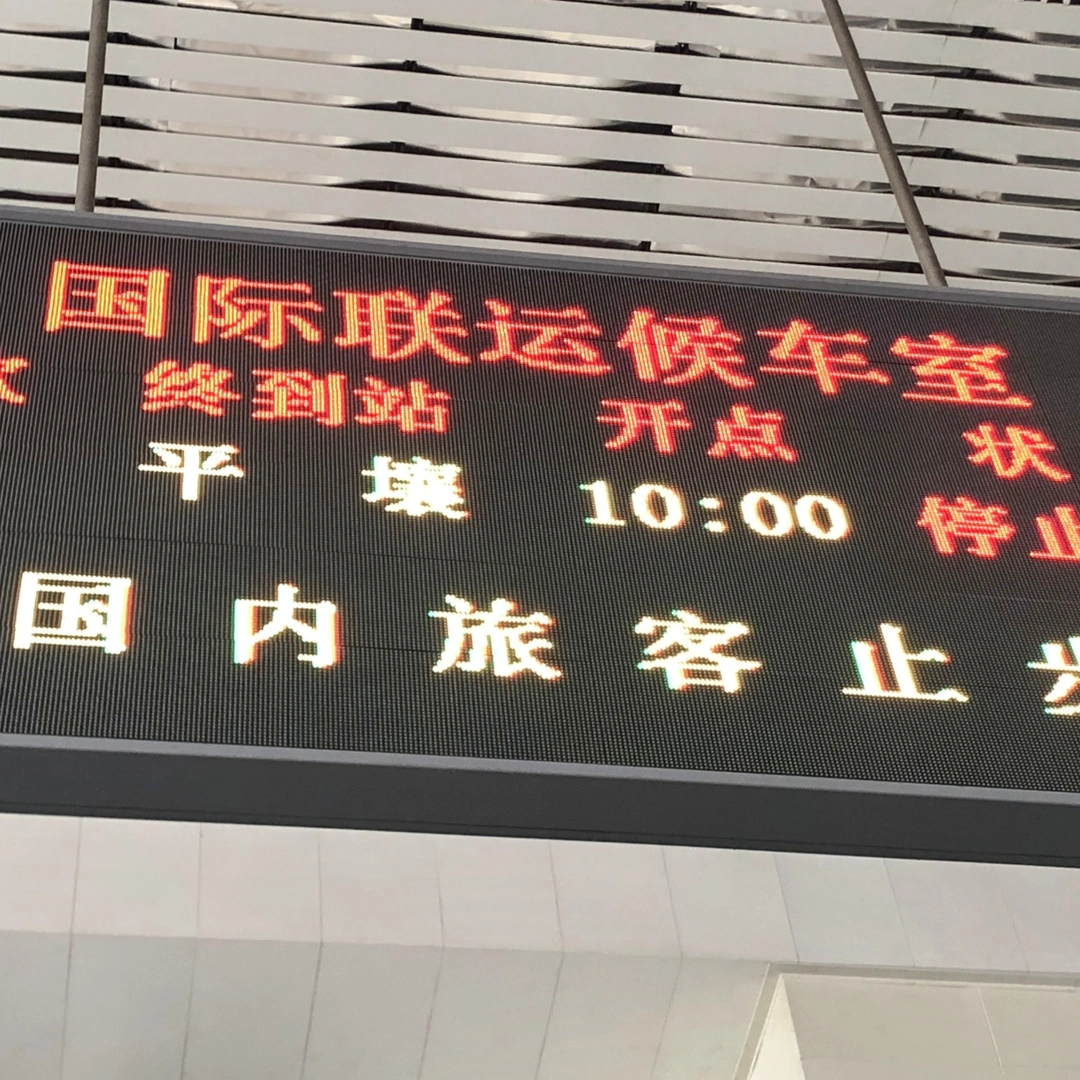
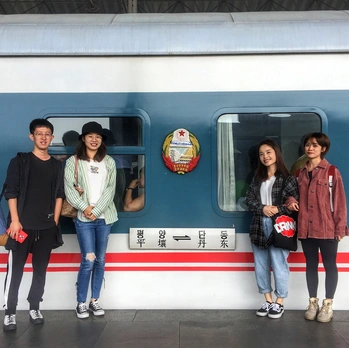
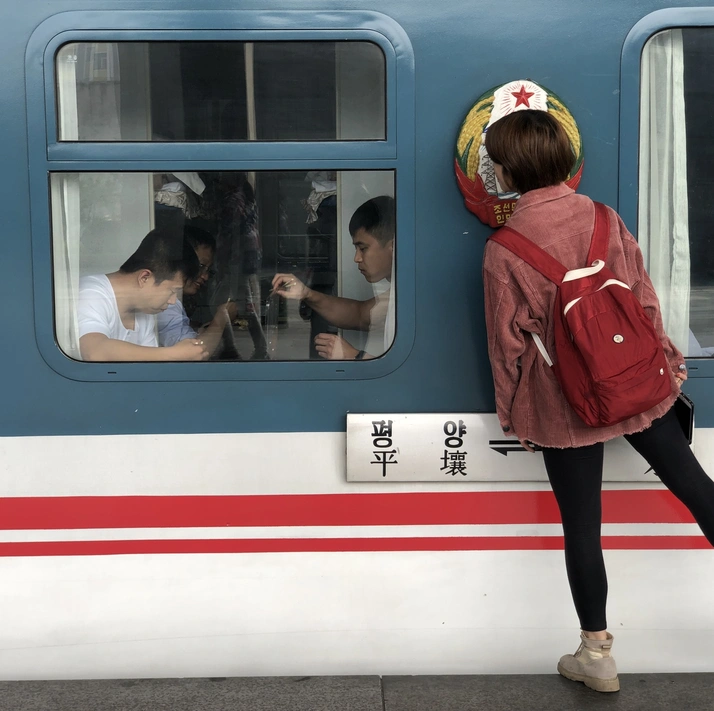
We gathered at Dandong Station at 8 AM, departing at 10 AM. The train was an international direct service to Pyongyang, but we had to disembark at Sinuiju Station for immigration checks.
The ride from Dandong to Sinuiju takes only a few minutes, but immigration took a full two hours. Apparently, they used to check on the train, but recently some country donated inspection equipment, so now everyone must get off with their luggage. During immigration, we had to register the number of electronic devices and phone models.
Dining Car Experience: 62 RMB per person—don't expect too much. North Korean rice isn't high quality; every meal had some impurities, but the kimchi was delicious.
After leaving Sinuiju, my phone completely lost signal. No internet, no notifications—the whole world suddenly fell silent. I leaned against the window, watching the scenery slowly drift by—
The North Korean countryside looked like a documentary from 1980s China. In the fields, people bent over doing manual labor, with few machines in sight. Occasionally a car passed, kicking up dust. Female soldiers stood guard at every tunnel and bridge along the railway. By regulation, photographing military personnel is prohibited, but I couldn't resist snapping a few shots discreetly.
First Impressions of Pyongyang: Future Scientists Street
We arrived in Pyongyang in the afternoon, with no rest—straight into our first activity: a night tour of Future Scientists Street.
North Korea places great emphasis on education and scientific research. The houses on this street were built by the government for talented individuals, ready for immediate move-in. Our guide said that teachers earn the highest income in North Korea, followed by researchers, then military personnel, and finally civil servants.
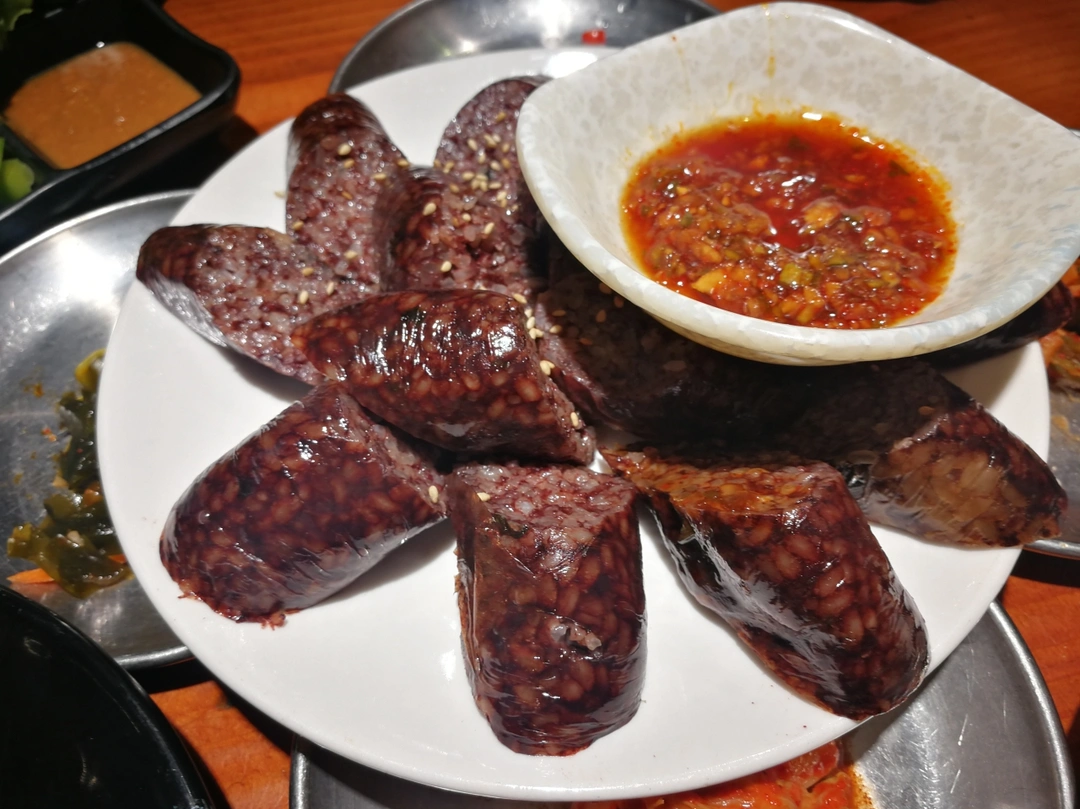
The street wasn't long—we finished walking it in about ten minutes. But the atmosphere of "knowledge changes destiny" left a deep impression.
Accommodation: We stayed at the Ryanggang Hotel (两江宾馆), a first-class North Korean hotel with facilities equivalent to a three-star Chinese hotel, but with good service. You can also choose special-class hotels like the Yanggakdo Hotel or the Koryo Hotel. Our leader warned that once tourists step outside the hotel at night, they're under real-time surveillance. The area around the hotel was indeed pitch black, so I gave up on any night exploration.
Group Meals: Beer was provided with every meal—a small perk.
Day 3: Pyongyang to Kaesong, a Journey Through History
Morning in Pyongyang: From Kim Il-sung Square to the Grand People's Study House
At dawn, I looked out from the hotel over the Taedong River. Maybe it was the temperature drop, but the air felt especially fresh.
Kim Il-sung Square: This is North Korea's largest square, used for parades and celebrations. People hurried across it, occasionally stopping to take photos.
Foreign Language Bookstore: I bought a small pin as a souvenir.
Female Traffic Police: In North Korea, being a female traffic officer is a great job with good pay and benefits. Our guide joked that many female officers end up marrying drivers they "lock eyes with" on the road, and some drivers even cause accidents on purpose to get their attention. Hard to tell if it's true, but it was amusing.
Grand People's Study House: This is where North Korean adults go to study. Anyone over 17 with a citizenship card can enter and learn. North Korea's lifelong learning system is admirable.
Mansudae Grand Monument: This is the most sacred place in the hearts of North Koreans. Many people come to pay respects to the bronze statues of Kim Il-sung and Kim Jong-il and lay flowers. Newlyweds in Pyongyang also come here to take vows and photos. Note: North Korean regulations require photographing the full body of the statues—no half-body shots allowed. There's a flower stall near the parking lot, 20 RMB per bouquet.
Okryu-gwan: The Warmth of a Bowl of Cold Noodles

Lunch was at Okryu-gwan (玉流馆) for authentic North Korean cold noodles (naengmyeon). It's a popular spot even among locals, and has even hosted Moon Jae-in and high-ranking North Korean officials. For the first time in North Korea, I encountered a traffic jam and crowds.
The cold noodles tasted good, but they were too cold. For those not used to it, it might feel "cold upon cold."
Gwangbok Area Commercial Center: The Only Place to Use North Korean Won
This is the only place in North Korea where foreigners can exchange for North Korean won. The exchange rate that day was 1,130 won to 1 RMB. I exchanged 200 RMB and got over 200,000 won.

Note: You cannot use North Korean won outside of this specific commercial center. Most purchases for tourists are in RMB, USD, or EUR.
[Link: What to buy in Pyongyang - Souvenirs and local products]
Day 4: Kaesong and the DMZ - Where History Stands Still
The Korean War Museum and the Armistice Village
Kaesong feels different from Pyongyang. It is older, more traditional, and closer to the border. The highlight here is the Panmunjom Joint Security Area (JSA) and the Armistice Village.
Standing at the demarcation line, you can literally step into South Korea for a moment (with permission). The tension is palpable, yet the guides are surprisingly relaxed. They tell stories of defectors and tourists who accidentally crossed the line.
Lunch in Kaesong: We ate a traditional "Pungsan" meal—a 12-dish spread featuring braised beef, fresh vegetables, and of course, more kimchi.
Day 5: Pyongyang City - The Heart of the Hermit Kingdom
The Pyongyang Metro: A Subway Like No Other
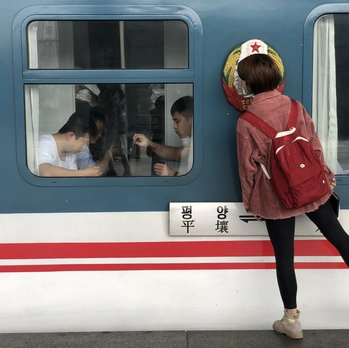
The Pyongyang Metro is one of the deepest in the world, serving as a bomb shelter as much as a transit system. The stations are ornate, featuring chandeliers, mosaics, and socialist realist murals.
Riding the metro is a must-do for any tourist. Locals stare, but they are friendly. Some young people even try to practice their English with you.
The Juche Tower: A View from Above
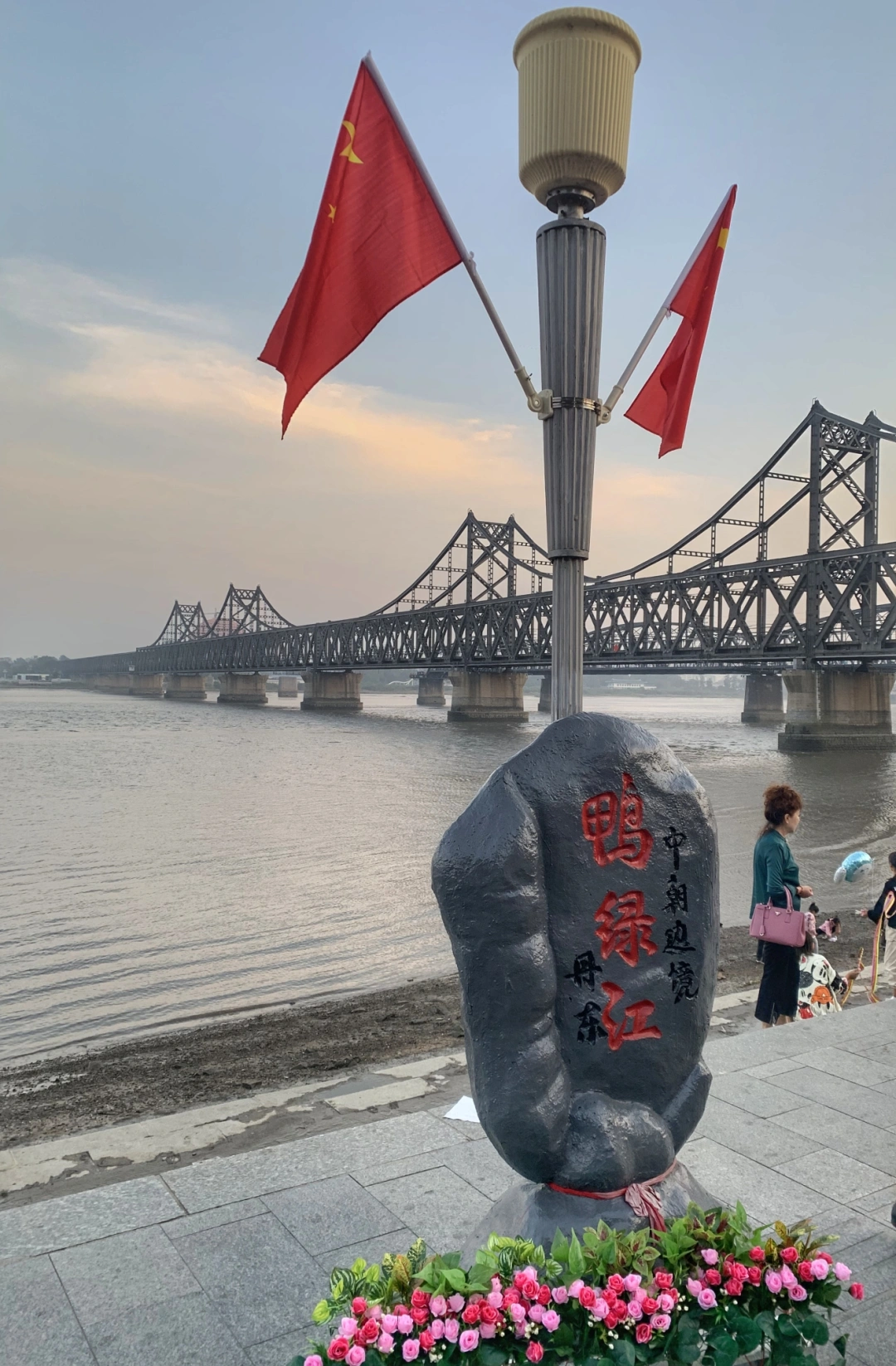
The Juche Tower offers a panoramic view of Pyongyang. It is a symbol of the North Korean ideology of self-reliance. From the top, you can see the city's symmetry: wide boulevards, massive squares, and very few cars.
Day 6: The Long Ride Home
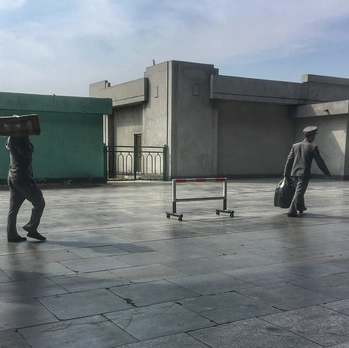
We took the train back to Dandong. The return journey felt faster, perhaps because we were used to the silence. Crossing the bridge back into China, my phone buzzed to life with notifications. It felt jarring.
The contrast was stark: from the quiet, orderly streets of Pyongyang to the bustling, chaotic energy of Dandong.
Frequently Asked Questions (FAQ) About Traveling to North Korea
1. Is it safe to travel to North Korea?
 Yes, for organized tours. The government strictly controls tourist movements. You will be accompanied by two guides at all times. The biggest risk is unintentionally breaking local rules (e.g., taking photos of military personnel or statues).
2. Can I use my phone and internet in North Korea?
 No. Your SIM card will not work. You can buy a local SIM card at the airport, but it is expensive and heavily monitored. Most tourists use the trip as a "digital detox."
3. What is the best time to visit North Korea?
 Spring (April-June) and Autumn (September-October) are ideal. The weather is mild, and the skies are clear. Summer can be hot and rainy; winter is bitterly cold.
4. Can I travel independently in North Korea?
 No. All foreign tourists must book through an authorized travel agency and be part of a guided tour. You cannot wander off alone.
5. What should I bring to North Korea?
Bring cash (RMB, USD, or EUR), toiletries, snacks (as food can be bland), and a power bank. Do not bring books about South Korea or political materials.
Conclusion: Is North Korea Happy?
The question of happiness is complex. In North Korea, happiness is not about freedom of choice or material wealth. It is about collective purpose, national pride, and community.
The people I met were not sad. They were curious, proud, and resilient. They live in a world that is both isolated and moving forward.
If you are looking for a travel experience that challenges your worldview, forces you to disconnect from the digital world, and makes you appreciate the simple things, North Korea is a destination unlike any other.
Ready to step off the beaten path? Book your North Korea tour today and discover a world that most people only see in headlines.
[Link: Best North Korea tour packages for 2024]
You should also read:
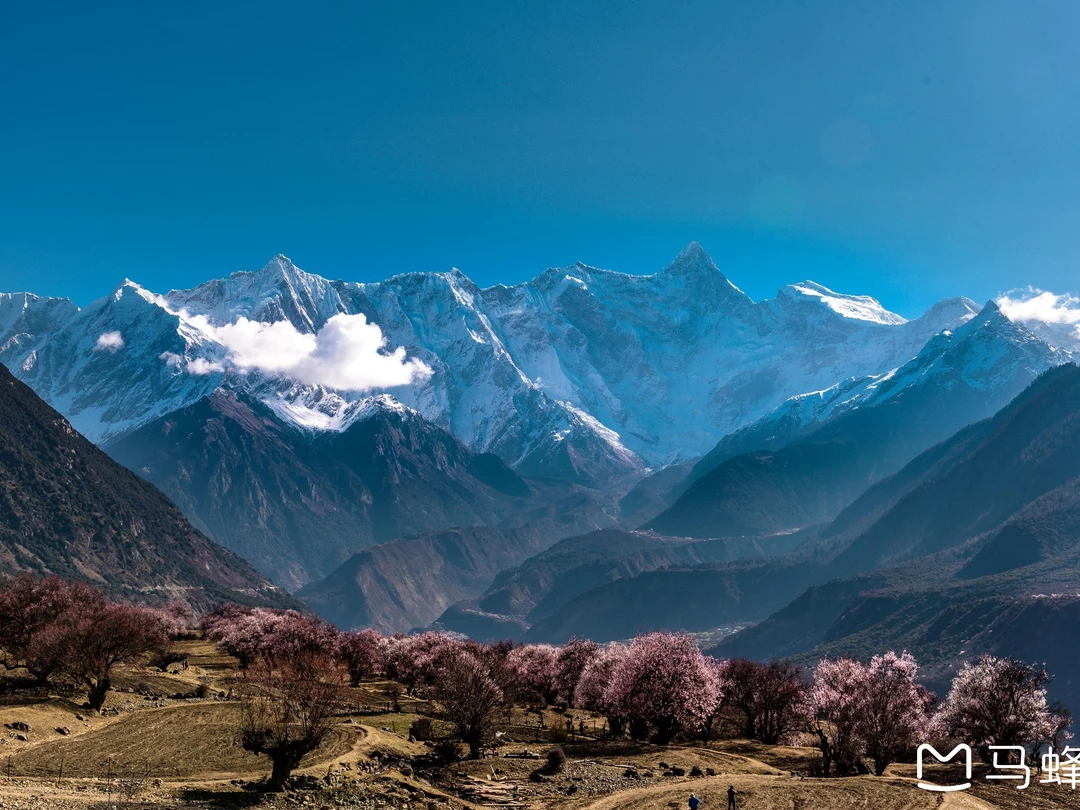
Spring at 30 Degrees North, Blooming Silently Beneath the Sacred Namcha Barwa – A Spring Journey Through Tibet
Meta Description: Discover Tibet's spring peach blossoms in Nyingchi, from Lhasa's Potala Palace to the Yarlung Tsangpo Grand Canyon. A 13-day itinerary with altitude tips, bloom timing, and hidden photo spots. Tibet. For many, this word is more than just a place name; it's an…
Continue reading...
Beijing · A Solo Journey: Finding a City's Warmth in Solitude
Here is the SEO-optimized and rewritten article based on your source material. It is structured to target high-intent keywords while preserving the authentic, personal narrative of the original journey. SEO Title: Beijing Solo Travel Guide: Finding Warmth & Connection on a Solo Trip to China’s…
Continue reading...
Two Fools Roam North: A Graduation Trip Through Beijing's Heartbeat – An SEO-Optimized Guide
Meta Description Discover how a nearly-broken friendship sparked an unforgettable Beijing graduation trip. From Haidilao hot pot to the Summer Palace, follow two fools roaming north in this heartfelt travel story. There's something magical about a friendship that nearly ended—only to rise from the ashes…
Continue reading...