Off-the-Beaten-Path Beijing: The Ultimate Weekend Road Trip on G108, Red Well Road & Six Stone Road
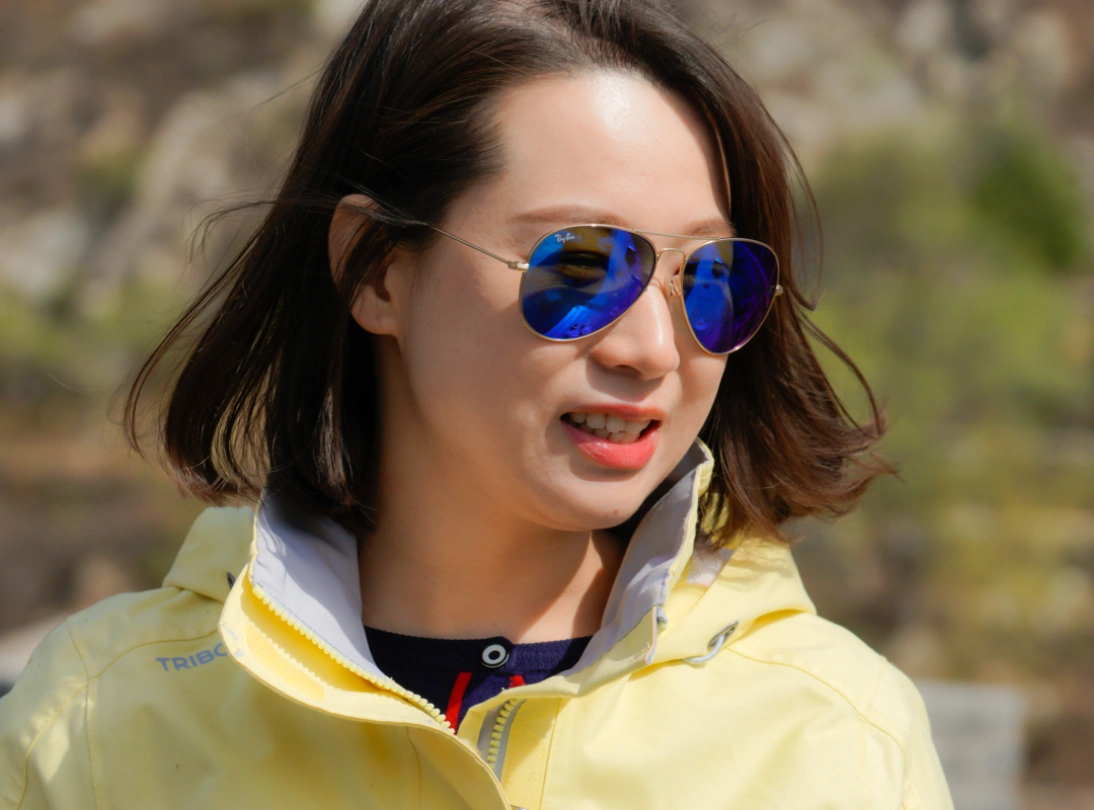
Meta Description: Escape the crowds! Discover Beijing's hidden western gems—G108 National Highway, Red Well Road, and Six Stone Road. A 340km day trip through ancient temples, revolutionary history, and mountain serenity. Perfect weekend adventure.
Beijing is suffocatingly big—until you turn west. Beyond the Forbidden City's tourist throngs and the hutongs' selfie sticks lies a completely different capital. It doesn't flaunt itself in glossy travel guides. Instead, it whispers through Baroque spires, anti-Japanese base villages, and mountain roads that demand nothing but your full attention.
One spring Saturday, a friend and I made a spontaneous decision. No itinerary. No must-see obsessions. Just a simple desire to "get out and walk." We covered 340 kilometers in a single day, packing in scenery, stories, and just a touch of thrill. Here's your guide to rediscovering weekend serenity on Beijing's western roads.
Beijing Exhibition Center in Morning Light: A Century of Architectural Grandeur
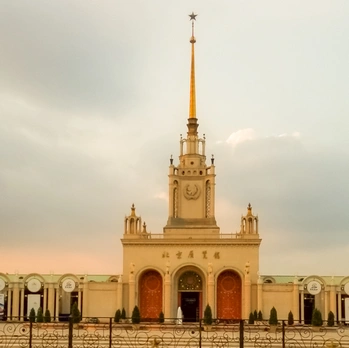
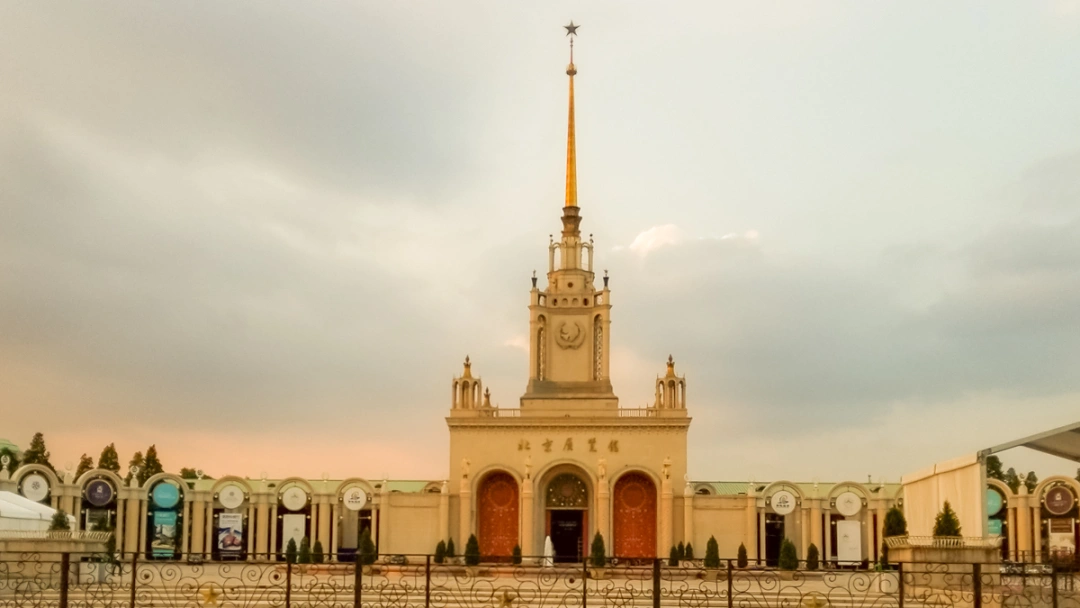
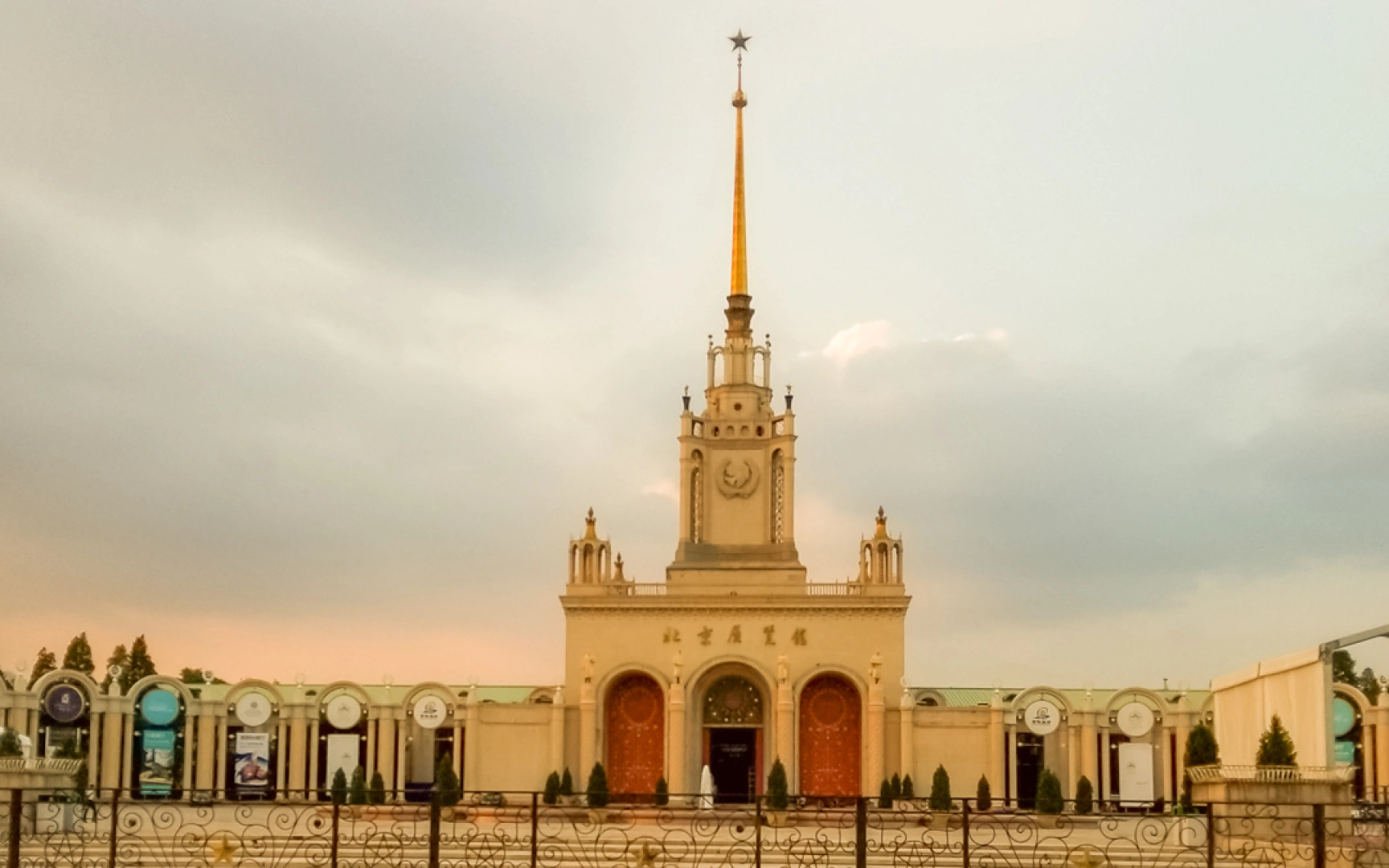
Just after seven in the morning, while waiting for my ride, I finally took a proper look at the Beijing Exhibition Center. On ordinary days, it's wrapped in commercial efficiency—too busy to notice its own beauty. But in soft morning light, those Baroque-style reliefs and ornaments come alive.
Originally named the "Soviet Exhibition Hall," this building was a product of post-1949 Soviet influence. The massive red star atop its spire—weighing a full ton—once guided an era's direction. In 1958, Chairman Mao personally inscribed the name "Beijing Exhibition Center," which remains today.
Art lovers will appreciate the irony: during the Cold War, Westerners mockingly called this "Stalinist Baroque." But art is art—why slap political labels on beauty? The building's elegance is undeniable.

Don't miss the Moscow Restaurant—affectionately called "Lao Mo" (Old Moscow) by locals. It was Beijing's first premium Russian-style Western restaurant open to the public, with silver cutlery and a guest list that included Khrushchev, Mao Zedong, Zhou Enlai, the Dalai Lama, the Panchen Lama, and even Puyi (China's last emperor). Today, Lao Mo has spawned spin-offs like "Xiao Mo" and "Mo Duo Duo," but the original remains a cultural icon.
[Link: Beijing Exhibition Center history and architecture]
G108 National Highway: Where Your Sunday Needs No Plan
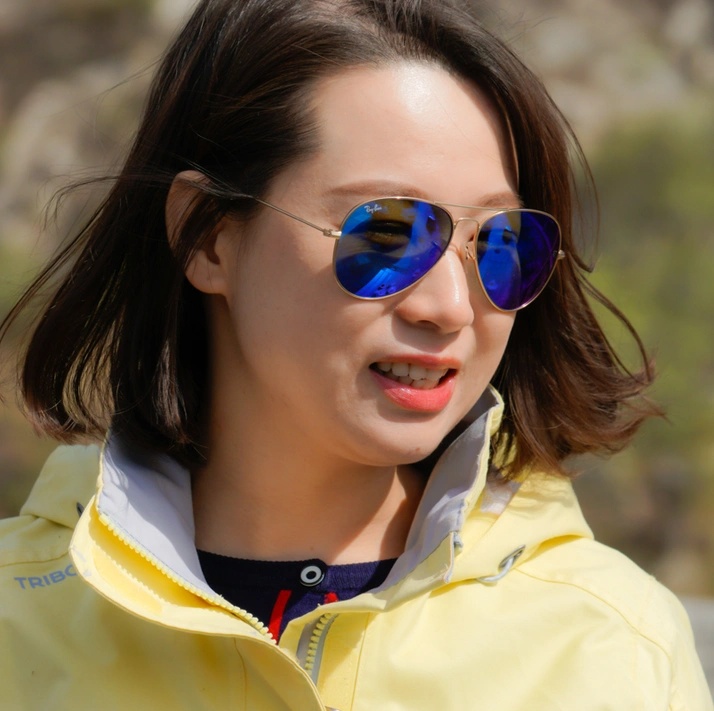
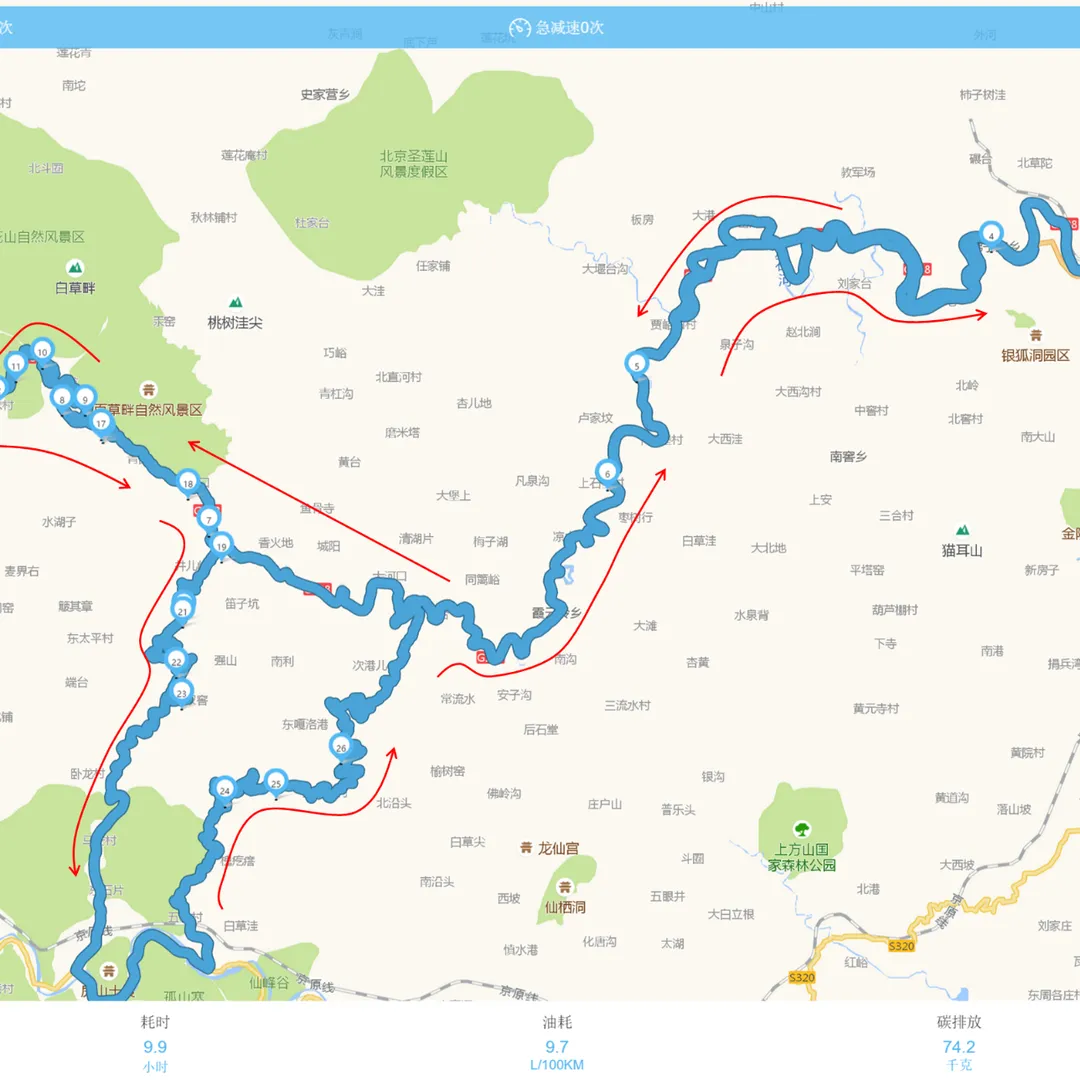
Heading west along Lianshi Road, we entered G108 National Highway, stretching over 130 kilometers within Beijing's borders. Unlike flashy internet-famous roads, G108 offers quiet, winding charm—like a traditional Chinese landscape painting brought to life.
Hidden gems along G108 include: - Tanzhe Temple – One of Beijing's oldest Buddhist temples - Jietai Temple – Famous for its ancient juniper trees - Shihua Cave – A limestone cave wonderland - Silver Fox Cave – Underground river and stalactites
"The grass and trees know spring won't last long; a riot of reds and purples vies for attention." Han Yu's poem fits perfectly—though I'll skip the second half about willow catkins. I'm allergic.
Breakfast at Hebei Town
Near a bus stop in Hebei Town, we grabbed breakfast. The meat pies were decent, and a local woman briefly became our "Meat Pie Beauty." Continuing west on G108, altitude gradually rises. The road is thoughtfully designed with pull-off spots and bus stops built like sheltered bays, complete with flowers and plants. With so much to see left and right, what worries could possibly linger?
The Dashi River and Wang Erxiao's Legacy
For a stretch, G108 runs alongside the Dashi River in Xiayunling Township. Before liberation, this area was part of the Pingxi Anti-Japanese Base. The story of Wang Erxiao—the young boy who pushed over a signal tree to warn villagers of enemy soldiers—took place right here.
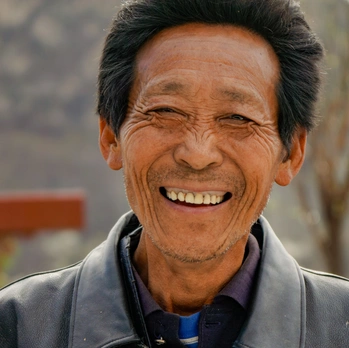
Today, Wang Erxiao has "grown up." Standing by that signal tree, he no longer hides. Instead, he seems to shout, "City folks, come dig for wild vegetables!"
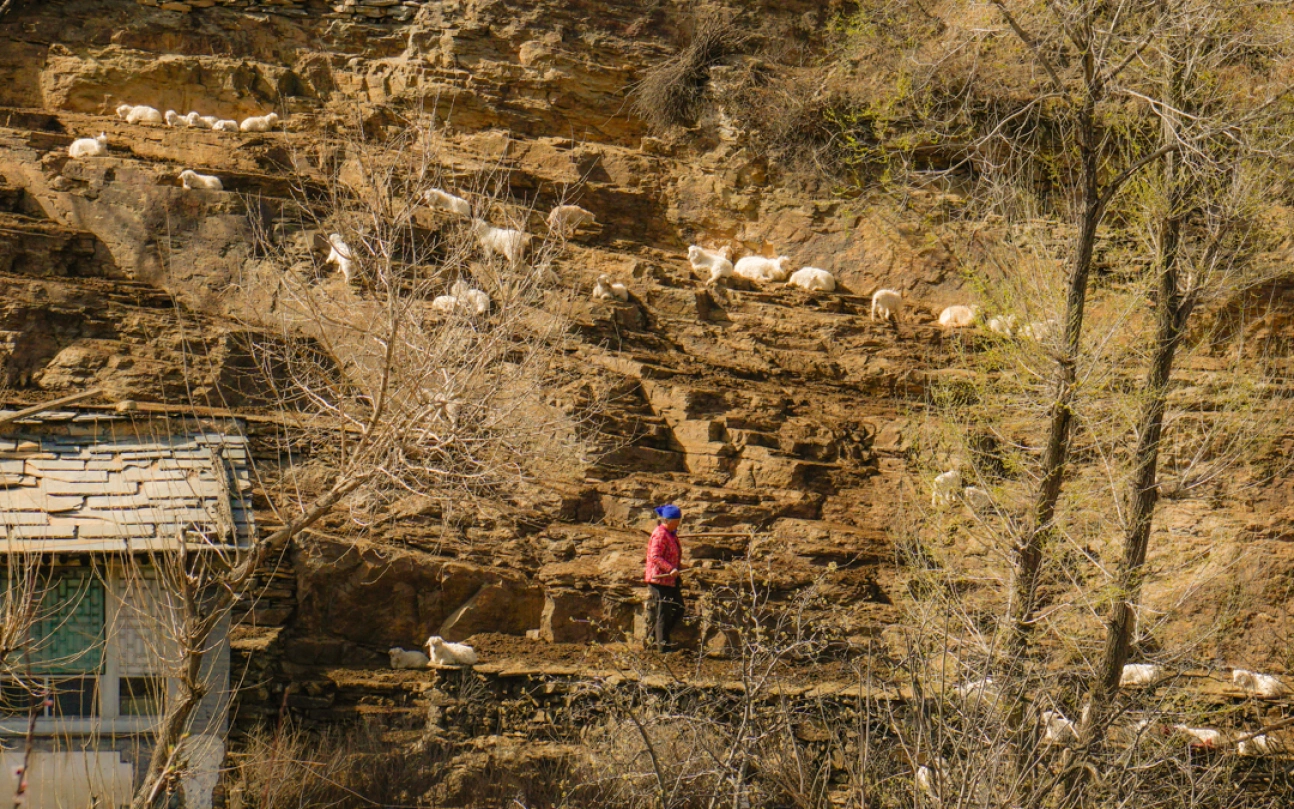
April in Beijing is a high-risk season for forest fires, so every village has fire prevention officers. In their spare time, they also sell mountain delicacies and wild greens. I met an elderly man selling "Mulan sprouts" —tender shoots of the goldenrain tree. Legend says when Hua Mulan's army was trapped on Mount Ling, they survived on these very wild vegetables.
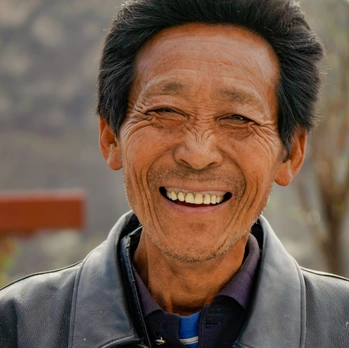
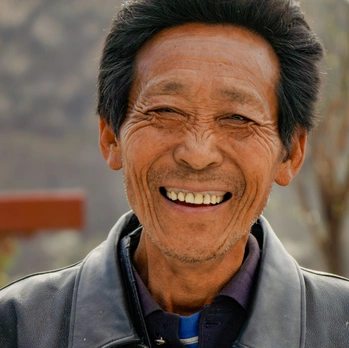
The old man said two bags of sprouts took half a day to pick and clean. At 10 yuan per bag, I thought it was a bargain. After I paid, he threw in two more bundles of other wild greens. His face was etched with life's hardships, but his eyes still held kindness and innocence. A dog beside him stared at me wistfully, as if asking, "Can you take me to the city?" I laughed. "There's a guy named Fang Hongjian who had a lot to say about that question," I muttered. The dog didn't understand, of course, but I found it amusing.
[Link: Beijing wild vegetable foraging guide]
Tangshang Village: Where a Revolutionary Song Was Born
We spent two hours at a small square in Xiayunling Township. Pear blossoms drifted down as tea steeped to clear amber. Black tea with soy milk—we sat idly by the bridge.
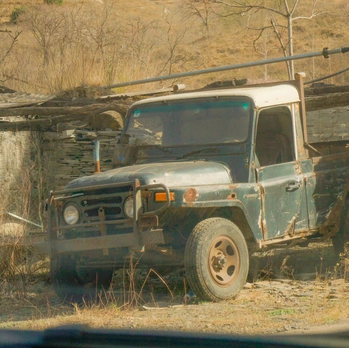
Our next stop was Tangshang Village—the birthplace of the song "Without the Communist Party, There Would Be No New China." In 1943, a young man named Cao Huoxing, holed up in a small village temple, was inspired by a local folk tune called "Overlord's Whip." He wrote the song on the spot. Later, Chairman Mao heard it and added the character "new," resulting in the version we know today.
On the village's northern square stands a 960-square-meter giant party flag—said to be the largest in the world. At higher altitudes, you can afford a little indulgence: who cares if it's spring? Snow and mountains can still cling to each other.
Beyond Tangshang, the mountain road began to twist and turn. G108 is well maintained, with no cars ahead or behind. It's hard not to feel happy. The only concern: how good is your driving?
[Link: Tangshang Village travel guide and history]
Dong Village: Beijing's Highest "Little Tibet"
Dong Village is the last settlement G108 passes through in Fangshan before heading west—and it's Beijing's highest village. With drastic temperature swings and unpredictable weather, it's nicknamed "Little Tibet." A bit further, and you'll cross into Hebei Province.
Nearby Huatai Scenic Area was nearly deserted in spring. But it would make a lovely summer retreat. Choose from row houses or private courtyards, go foraging, listen to rustling pines, and gaze at rolling mountains. In this season, every plant and tree seems to be racing for attention, revealing their distinct "personalities."
Beside the Cloud Sea Pavilion in Huatai, there's a concrete pillar—a national benchmark. Out of curiosity, I looked it up: it's a reference point for China's elevation control system. The country's elevation origin is at Guanxiang Mountain in Qingdao, and all height measurements are based on that.
[Link: Huatai Scenic Area accommodation and hiking tips]
Red Well Road: A Mountain Highway Without Altitude Sickness
We backtracked along G108 from Dong Village, then turned toward Laibao Road at Baoshui Village. A viewing platform offered a glimpse of terraced fields arranged in layers. I imagined them lush in summer and golden in autumn, making a mental note: come back again.
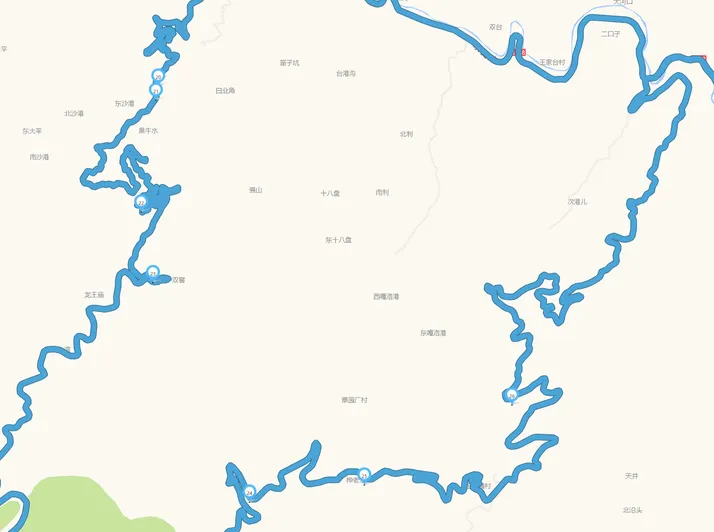
Returning to G108, we headed toward Jing'eryu (Well Valley). Passing Butterfly Valley around 2 p.m., the afternoon sun was harsh—but the valley's youthful energy didn't care. "You can be sharp; I'll stay tender." Layers of fallen leaves whispered of last year's reluctance to leave, while spring's vitality eagerly pushed through.
Next to Butterfly Valley, we found an open space and cooked a meal. After eating, the way we looked at the scenery changed—a bit dreamy, a bit content.
Red Well Road is a connector between Shidu (Ten Ferries) and G108, about 20 kilometers long with a maximum elevation of 830 meters. So you can skip the altitude sickness pills—nobody's getting winded here.
Six Stone Road: The Final Stretch of Serenity
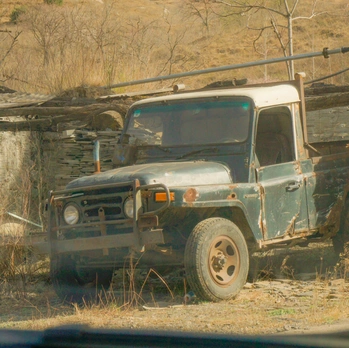
After Red Well Road, we connected to Six Stone Road (Liushi Lu) , a lesser-known route that winds through valleys and past small farming villages. Unlike the tourist-packed highways near Beijing's center, Six Stone Road offers genuine solitude. The pavement is good, the curves are gentle, and the views are pure countryside—cornfields, persimmon trees, and the occasional donkey cart.
This is where you truly feel Beijing's western frontier. The city's noise fades to a distant hum. What remains is the sound of wind through pine needles, the crunch of gravel under tires, and your own thoughts.
FAQ: Beijing Western Road Trip Essentials
1. How long does the full G108-Red Well Road-Six Stone Road loop take?
 The complete 340km loop takes a full day (8-10 hours including stops). Start by 7 AM to enjoy morning light at the Beijing Exhibition Center and finish before sunset on Six Stone Road.
2. Is the drive suitable for beginner drivers?
 Most sections are well-maintained, but the mountain roads after Tangshang Village have sharp curves and elevation changes. Confident driving skills are recommended, especially on Red Well Road's narrow sections.
3. What's the best season for this trip?
 Spring (April-May) offers blooming wildflowers and comfortable temperatures. Autumn (September-October) provides golden foliage and clear skies. Summer can be hot but Huatai Scenic Area offers cool retreats. Winter roads may be icy at higher elevations.
4. Where can I buy wild vegetables and local products?
 Village fire prevention stations along G108 often sell foraged items. The elderly man selling Mulan sprouts near Xiayunling is a reliable source. Cash is preferred.
5. Are there accommodation options along the route?
Yes! Huatai Scenic Area offers row houses and private courtyards. Xiayunling Township has basic guesthouses. For a unique experience, consider staying at Tangshang Village's revolutionary-themed lodgings.
Your Weekend Escape Awaits
Beijing's western roads don't advertise themselves. They don't appear on Instagram feeds or TikTok challenges. They simply exist—quiet, patient, waiting for those willing to turn their gaze away from the crowded center.
Whether you're chasing architectural history at the Beijing Exhibition Center, foraging wild vegetables along G108, or feeling the wind in your hair on Red Well Road, this 340km loop offers something the city never can: genuine serenity.
Ready to rediscover Beijing? Pack your car, grab a friend (or your dog), and head west. The mountains are calling—and they don't care about your schedule.
[Link: Complete Beijing road trip itinerary planner] [Link: Best weekend drives from Beijing]
You should also read:
Four Days, Three Nights in Beijing: A Super Practical Self-Guided Travel Guide (Including Food, Stay, and Transport Tips)
Here is the SEO-optimized, rewritten version of your article, structured for maximum search visibility and reader engagement. SEO Title: 4 Days 3 Nights in Beijing: The Ultimate Self-Guided Travel Guide (Food, Stay & Transport) Meta Description (160 chars): Plan the perfect 4-day Beijing itinerary. From…
Continue reading...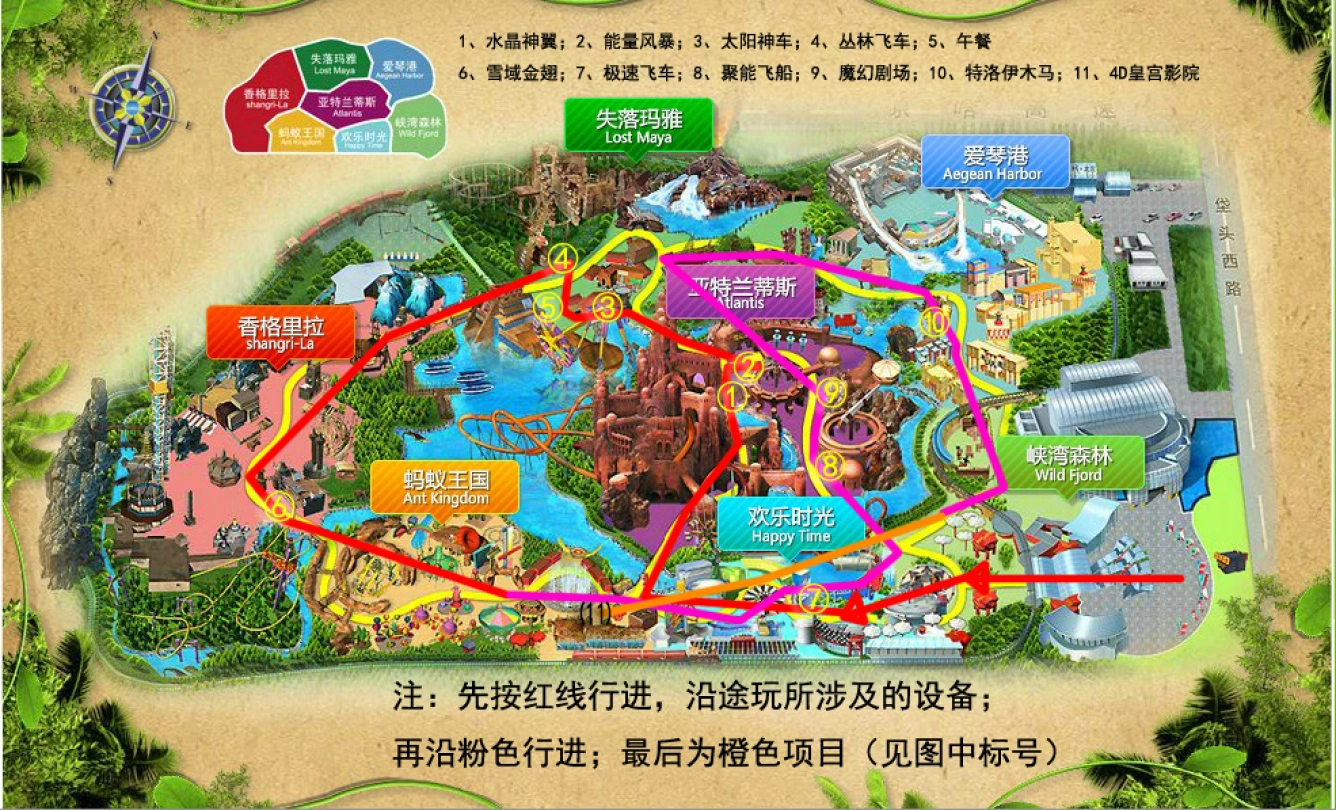
Beijing Happy Valley Ultimate Money-Saving Guide: Ride Everything, See Every Show in One Day
Here is the SEO-optimized, rewritten article based on the source material. It is structured for readability, keyword density, and user engagement, targeting approximately 1500 words. SEO Title: Beijing Happy Valley Ultimate Money-Saving Guide: Ride Everything & See Every Show in One Day Meta Description: Maximize…
Continue reading...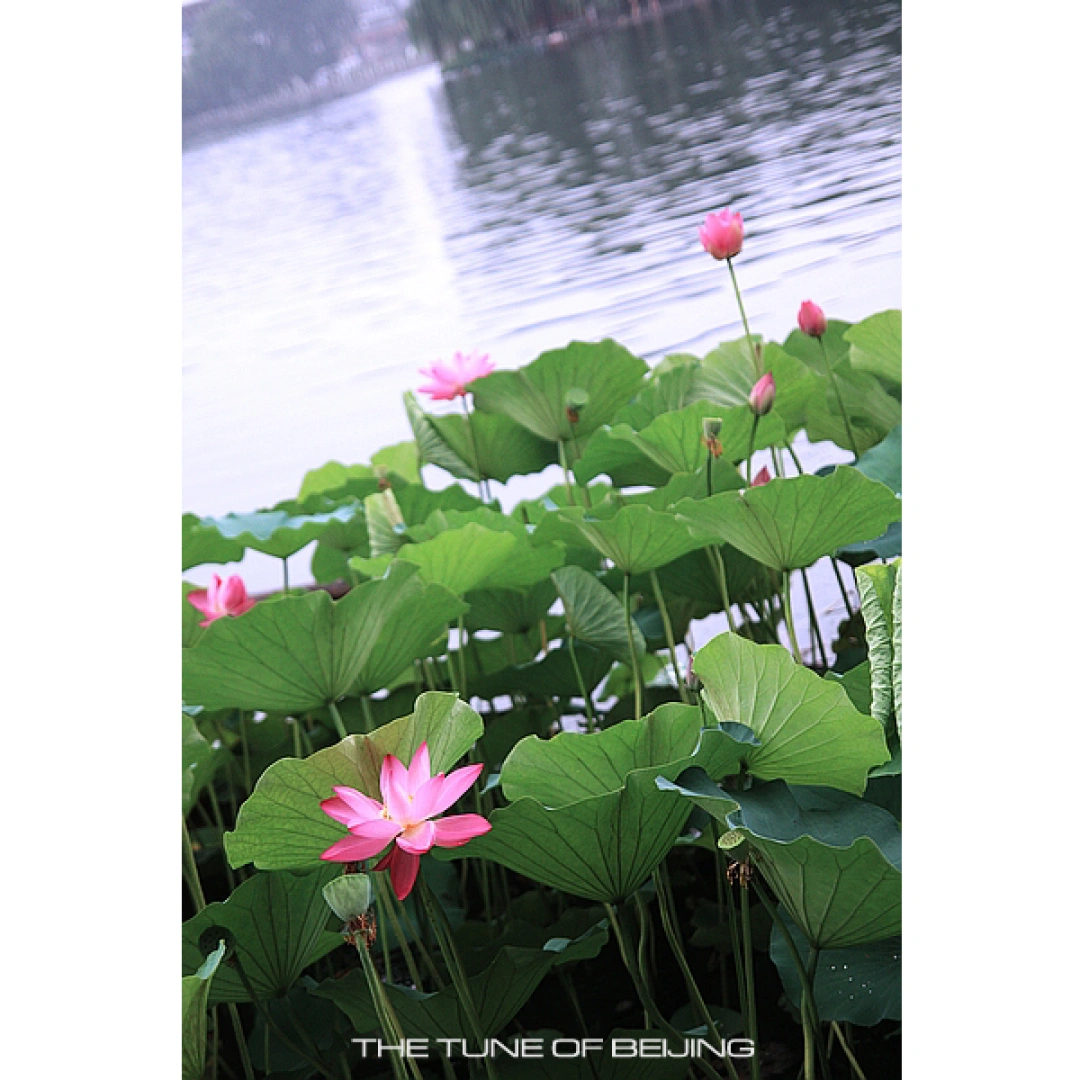
The Accent of Beijing: A Hutong Odyssey in a Downpour – Exploring Beijing's Hidden Charms
Meta Description: Discover Beijing's soul through a rain-soaked hutong odyssey. From Shichahai's melancholy to Mianhua Hutong's philosophy, experience the authentic "accent of Beijing" in this immersive travel story. I'm probably going to laze myself to death. I visited Beijing eight hundred years ago—took the high-speed…
Continue reading...