One Beijing City, Half the History of Ming and Qing: My 15-Day Deep Immersion in the Imperial Capital
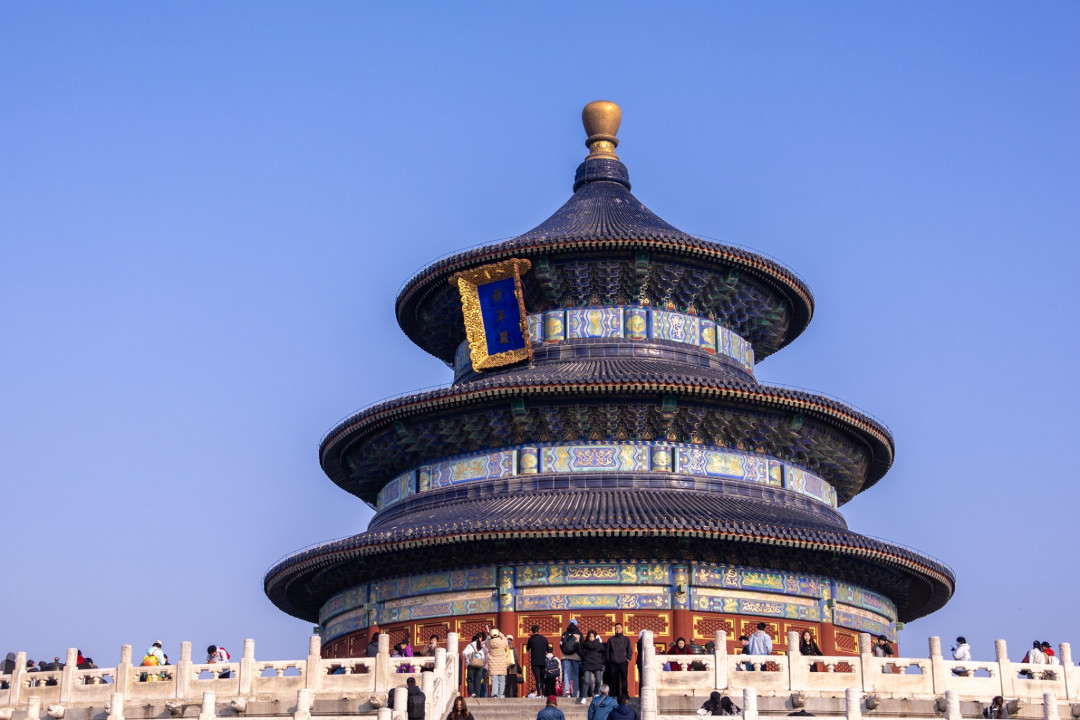
Meta Description: Discover Beijing's Ming and Qing dynasty history in this 15-day immersion guide. From cycling 21km daily to exploring hidden temples and night tours, experience the imperial capital like never before.
Introduction: When High-Speed Rail Shrinks Time, History Never Fades
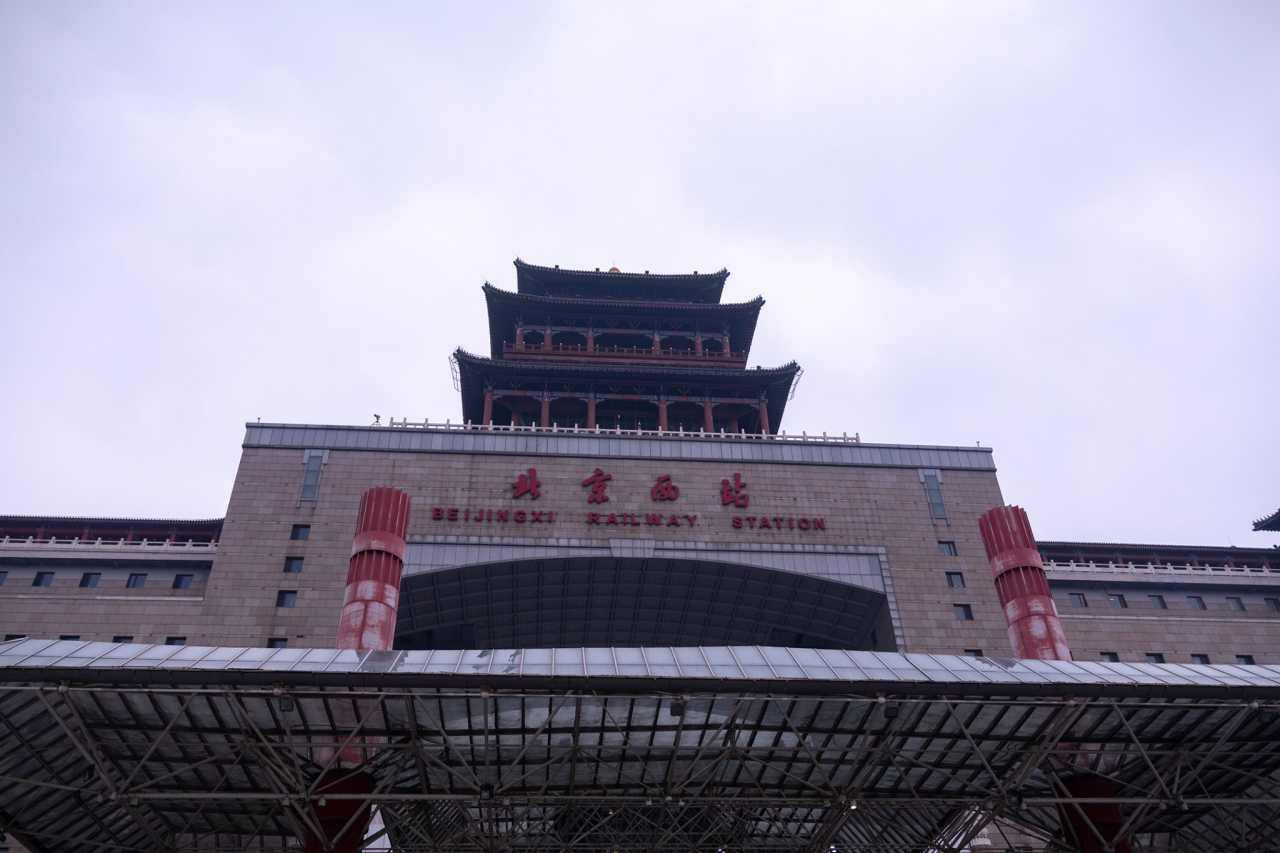
In March 2026, an unexpected spring snowstorm dragged me, a southerner, back into Beijing's winter. Twelve years ago, I had passed through this city in a hurry; twenty-four years later, as I stepped onto the platform at Beijing West Station, the G322 train had taken only seven and a half hours to get here from Chengdu. Back in 2002, the T8 train covering the same distance needed a full twenty-eight hours.
High-speed rail has transformed time and space, but the history within Beijing still presses heavily on every brick and stone, just like that snow. With a two-week business trip ahead of me, I decided to turn my daily commute into a series of "micro-journeys," using my feet and bicycle wheels to measure this ancient capital—a city where "one Beijing holds half the history of the Ming and Qing dynasties."
This 15-day deep immersion guide will show you how to experience Beijing's imperial heritage even with limited time, blending modern commuting with ancient wonders.
Chapter One: The Commute Road – A "Micro-Journey" from the Fifth Ring to the Second Ring
The Philosophy of a 21-Kilometer Ride
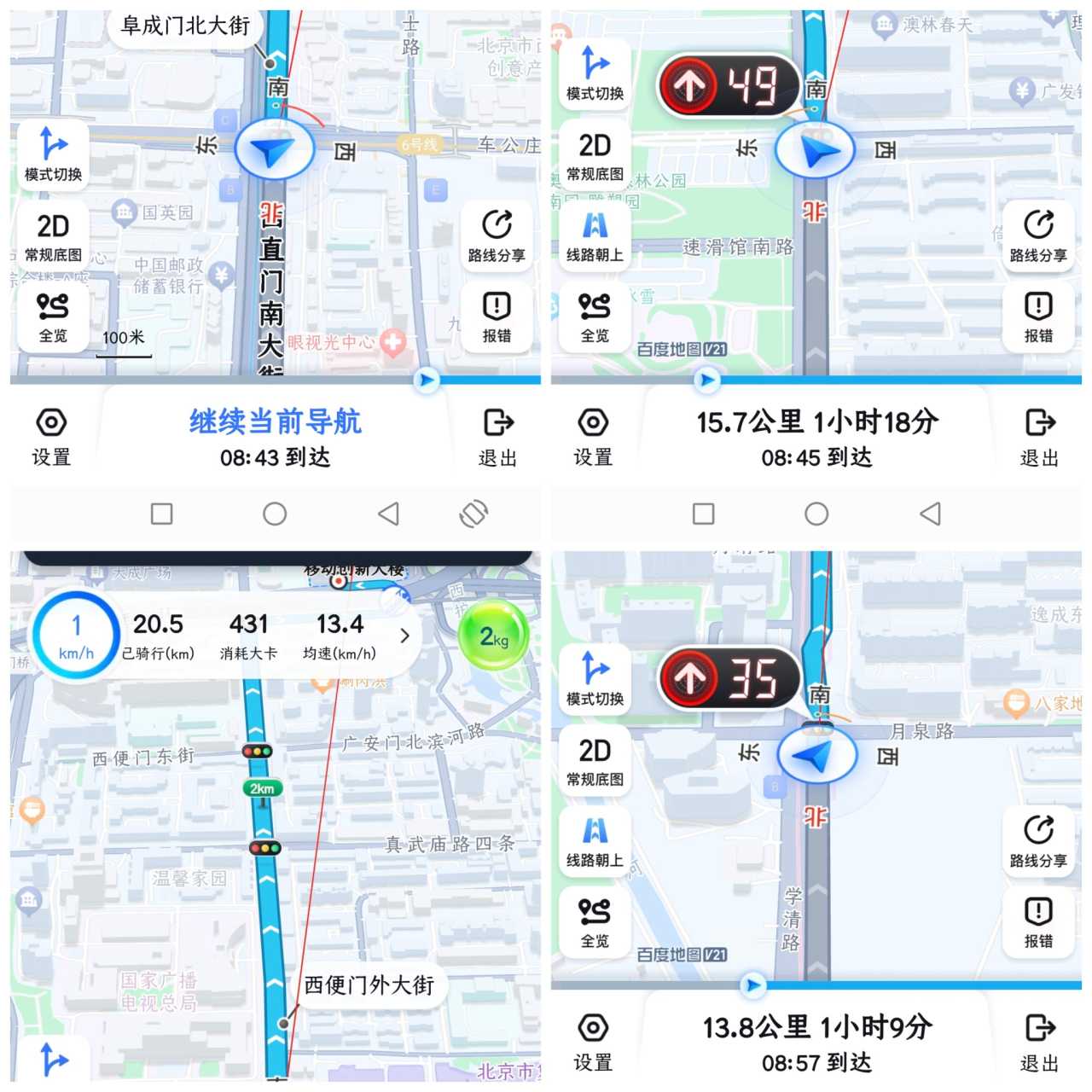
My accommodation was arranged near Huilongguan, a full 21 kilometers from my workplace at Xibianmen. The taxi driver sized me up and said, "With your build, you should be able to squeeze onto the subway." I smiled. The subtext was clear: you might get on, but you might also get crushed.
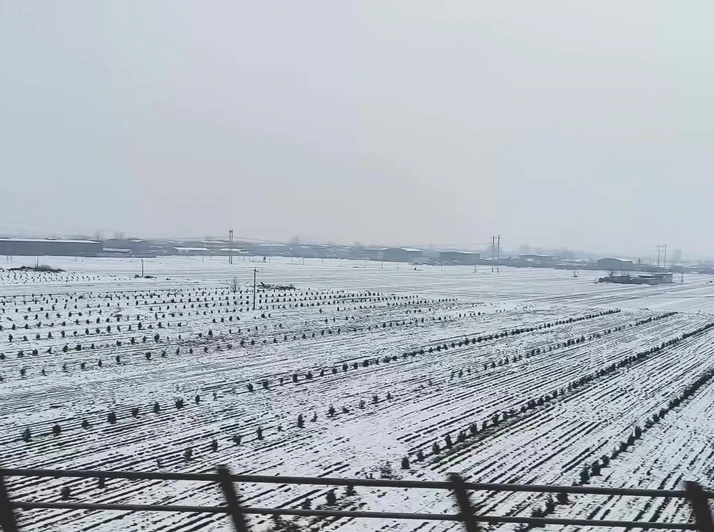
Baidu Maps recommended a subway route: bike 4 kilometers to a station, transfer once, then bike another kilometer after exiting—about 1 hour and 30 minutes total. But I chose a crazier option: using a shared bike for the entire trip. So for eight consecutive days, I cycled 21 kilometers to work each morning, turning my commute into a "micro-journey." Starting at 1 hour 45 minutes, I eventually stabilized at 1 hour 35 minutes—essentially no different from the subway option.
This cycling commute became my daily Beijing history immersion, allowing me to witness the city's evolution from the modern Fifth Ring into the historic core.
Xueyuan Road (College Road): Where Youth Meets History
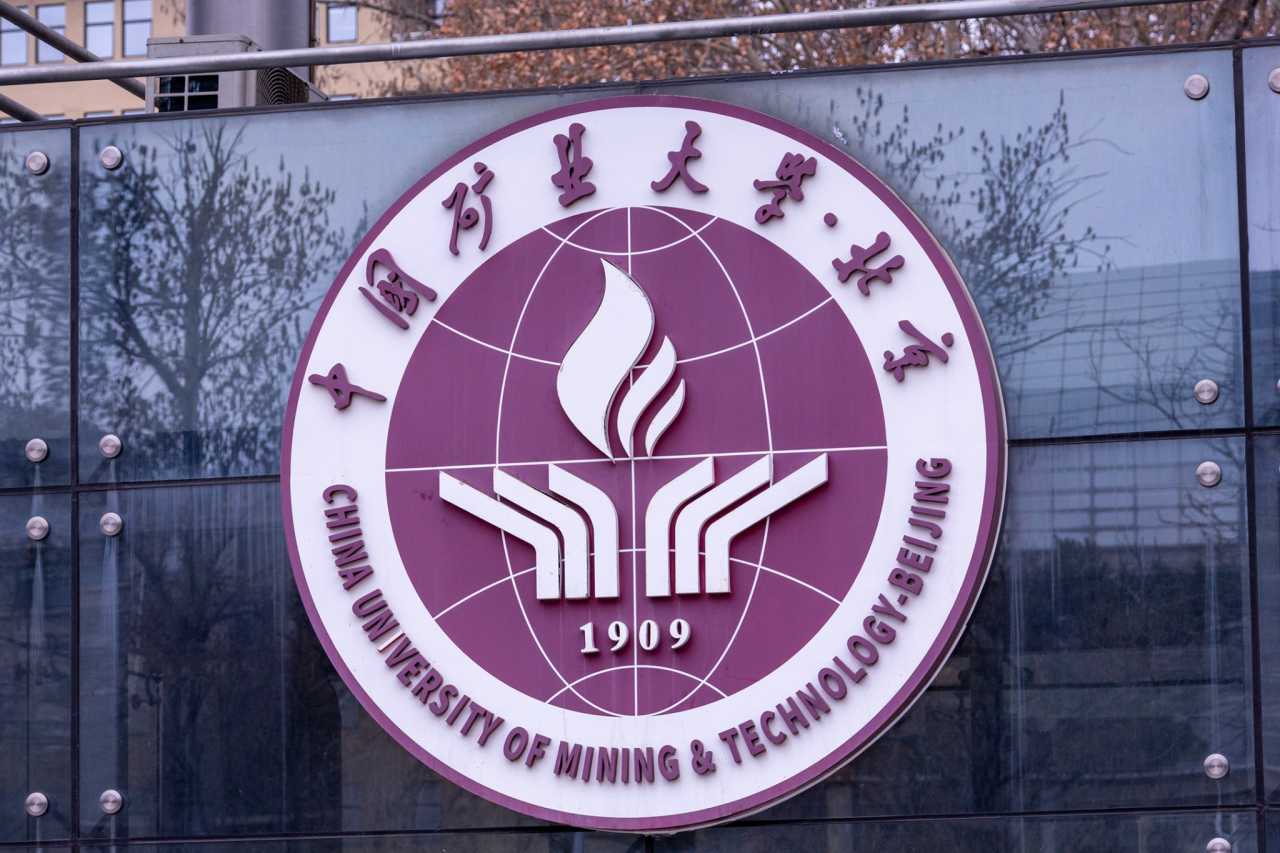
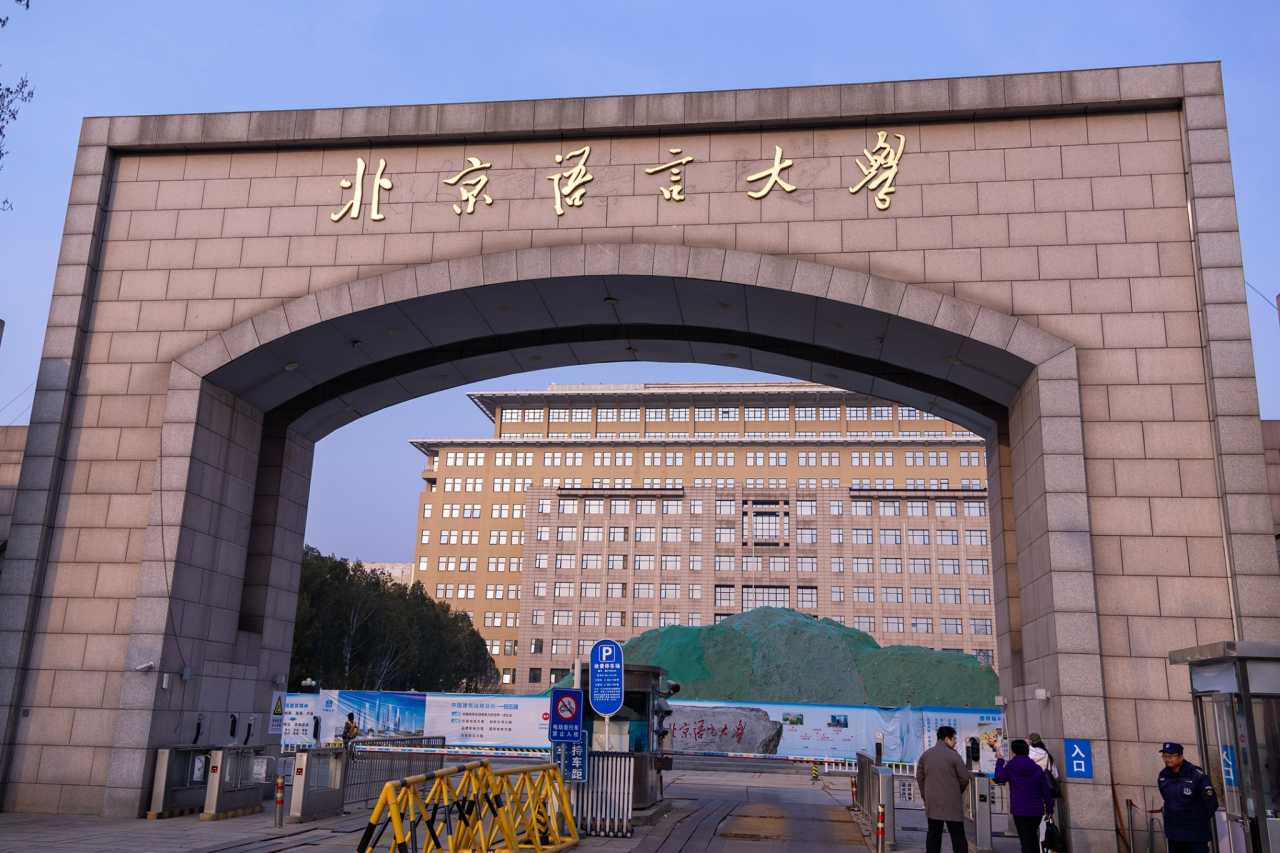
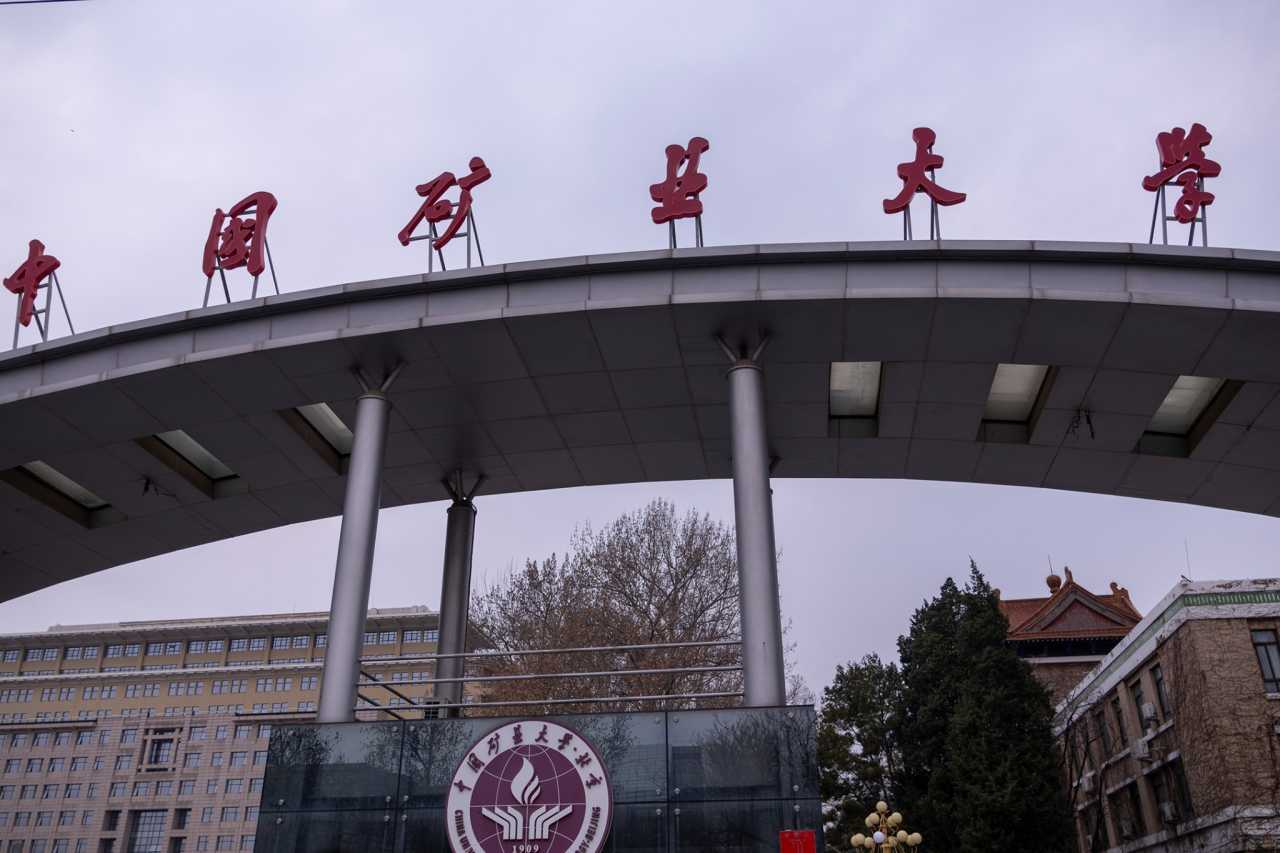
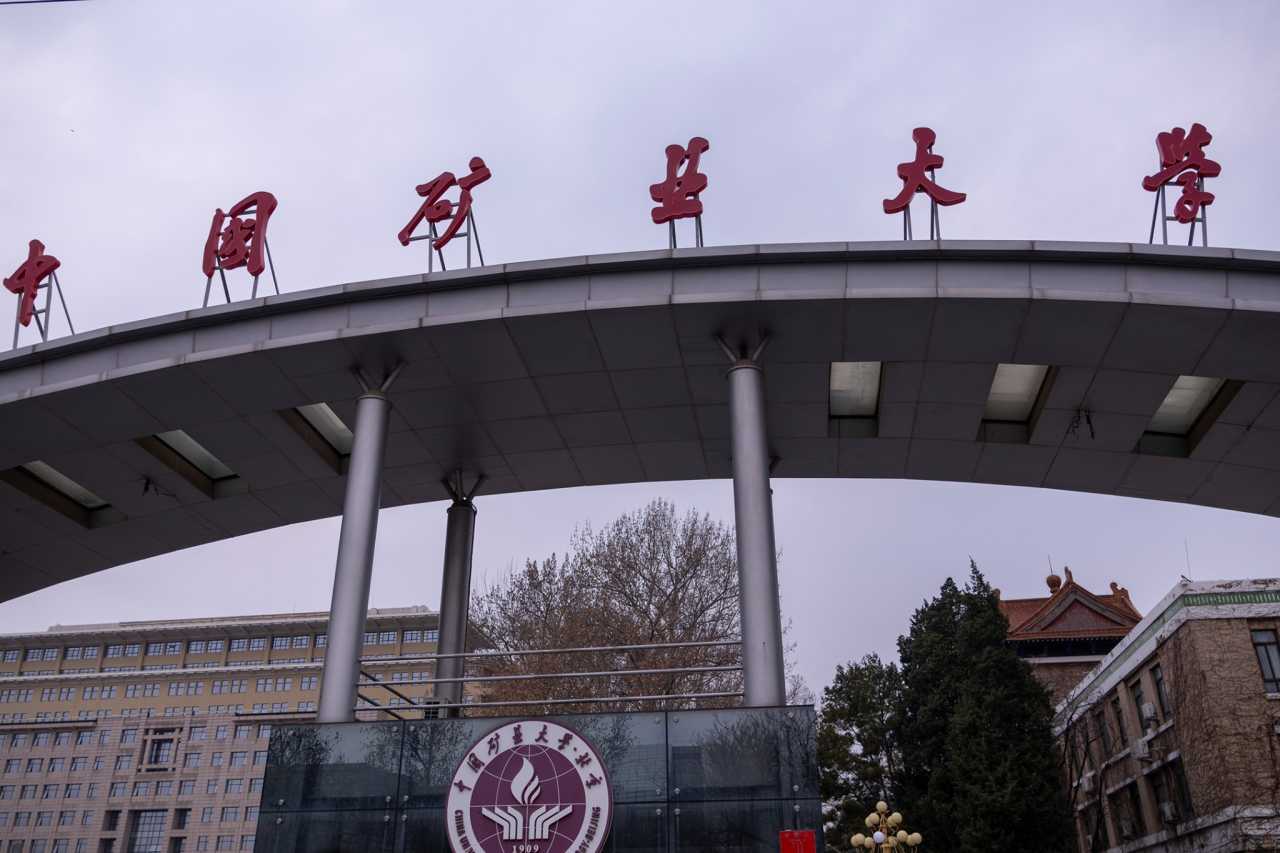
The highlight of my cycling route was Xueyuan Road. This road connects a cluster of universities: China University of Mining and Technology, Beijing Language and Culture University, China University of Geosciences, and Beihang University. Next to BLCU lies the Train Culture Park, where railway tracks and green trees create a poetic scene. Inside the China University of Geosciences campus, a statue of Run Gong (Mao Zedong) stands quietly, as if watching over generations of students.

From the Shangqing Bridge on the Fifth Ring, to the Xueyuan Bridge on the Fourth Ring, then to the Jimen Bridge on the Third Ring, and finally to the Xizhimen Bridge on the Second Ring—this route was my daily "pilgrimage" into the city center. My only regret was that Tsinghua and Peking Universities required a detour, and I simply didn't have time to go out of my way during my commute.
After work, I would have dinner in the city, wander around, and finally take the subway back to my lodging. That's why many of the following sections describe "night tours"—because Beijing's nights hold just as much history.
[Link: Best cycling routes in Beijing for history lovers]
Chapter Two: Lunchtime Strolls – The Hidden National Treasures in Corners
Tianning Temple: The Silence of a Liao Dynasty Brick Pagoda
On the first Tuesday at noon, during my two-hour lunch break, I wandered to Tianning Temple near Xibianmen. Its centerpiece is the Tianning Temple Pagoda, a brick pagoda built during the Liao Dynasty (907–1125). The pagoda was under renovation, so I couldn't get close, but the plaque reading "勅建天宁寺" (Imperially Built Tianning Temple) was still clearly visible. Beijing is full of temples bearing the "勅建" mark—a stamp of its status as an imperial capital. Tianning Temple's predecessor was the Tianwang Temple of the Tang Dynasty, and a stele marking the "Site of the Tang Tianwang Temple" stands nearby.
This Liao Dynasty architecture is one of Beijing's oldest surviving structures, offering a glimpse into pre-Ming history that many visitors overlook.
Baiyun Guan (White Cloud Temple): The Serenity of a Snowy Taoist Temple
On Wednesday, it started snowing—the last snowfall of early 2026. I visited Baiyun Guan, also "imperially built," originally constructed in the Tang and rebuilt during the Jin and Yuan dynasties. Inside, the Wofeng Bridge (Nestling Wind Bridge), built during the Kangxi reign of the Qing, has a large copper coin hanging beneath it for visitors to toss coins at for good luck. A strange beast statue caught my attention: the body of a mule, face of a donkey, ears of a horse, and hooves of an ox—seeing it in the Year of the Horse felt especially fitting.
The Qiuzu Hall is the core building of Baiyun Guan, dedicated to Qiu Chuji, a Taoist master from the late Song and early Yuan dynasties. Legend has it that he was buried here. The winding railings at the entrance, arranged like a Bagua (Eight Trigrams) formation, hinted at the crowds that flood in on the first and fifteenth days of the lunar month. But on this weekday afternoon, with only a few visitors, I could truly feel the temple's tranquility.
[Link: Taoist temples in Beijing worth visiting]
Snowy Xibianmen: A Southerner's Excitement Over "Accumulated Snow"
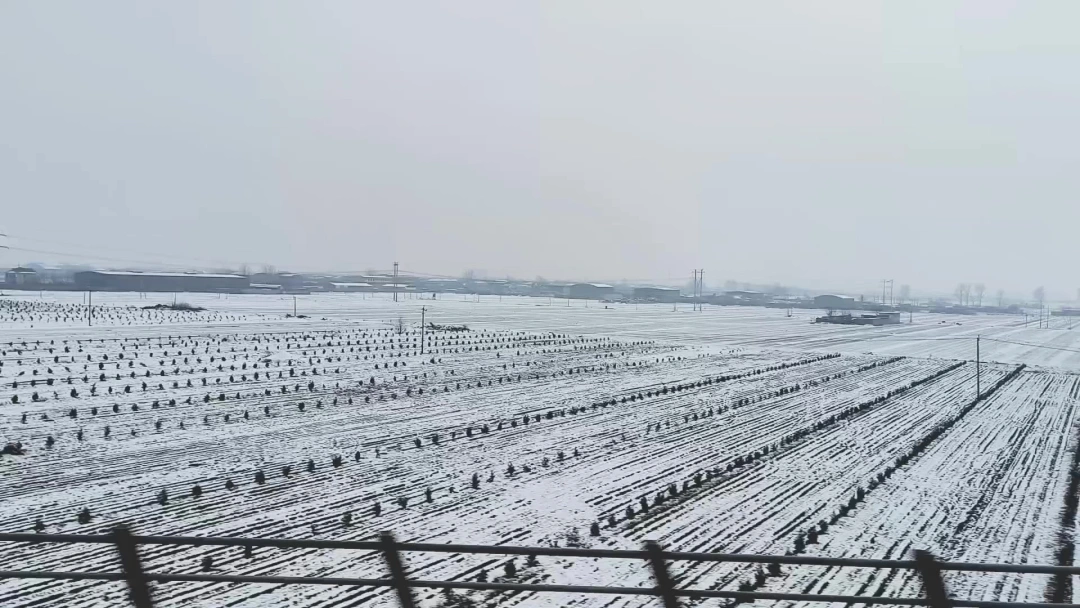
By Thursday morning, Beijing was blanketed in white. I ran to Xibianmen Heritage Park to enjoy the snow. Southerners get excited about snow, but honestly, my hometown isn't completely snow-free—we see it every two or three years. What really thrilled me was the accumulation: back home, snow melts as soon as it hits the ground, but here, it was thick enough to build a snowman.
The snow piled up beneath the city wall at Xibianmen, framed by the ancient fortifications and distant skyscrapers, creating a scene that bridged past and present. This is a National Heritage Site—the Ming Dynasty Beijing City Wall Remains (Xibianmen Section). Its counterpart, the Dongbianmen Section, lies near Chongwenmen.
Changchun Temple (Xuan Nan Culture Museum): The Spiritual Home of Scholars
The snow stopped, and the sky cleared. On Friday at noon, I visited Changchun Temple—yet another "imperially built" site, now home to the Beijing Xuan Nan Culture Museum. During the Ming and Qing dynasties, this area was a gathering place for scholars; imperial examination candidates from across the country mostly stayed nearby. The exhibition featured a scene with the phrase "风声雨声读书声" (The sound of wind, the sound of rain, the sound of reading)—a classic line from a scholar's couplet. Large characters reading "宣武门" (Xuanwu Gate) were on display, and although Xuanwu District has been merged into Xicheng District, the name "Xuanwu" will never disappear from the hearts of old Beijingers.
Changchun Temple takes its name from the Chinese character "椿" (toon tree), symbolizing longevity. It was built by Emperor Wanli of the Ming Dynasty to pray for blessings for his biological mother, Empress Dowager Li. This empress dowager was a key figure during the Longqing and Wanli reigns, even influencing the later "Struggle for the Heir Apparent." The exhibition that touched me most was a temporary one called "Most Memorable is Xuan Nan"—full of everyday life: grain coupons, cloth coupons, candied hawthorn sticks (bingtanghulu), bicycle parking tokens... The phrase "吃了嘛,您" (Have you eaten?) was pure Beijing flavor.
Leaving Changchun Temple, the red walls face Changchun Street. This street is more than just a stop on Subway Line 2—it holds countless stories yet to be told.
[Link: Ming dynasty history sites in Beijing]
Chapter Three: Night Tours of the Capital – From the Square to the Hutongs
Night at Tiananmen Square: A Reunion After Twelve Years
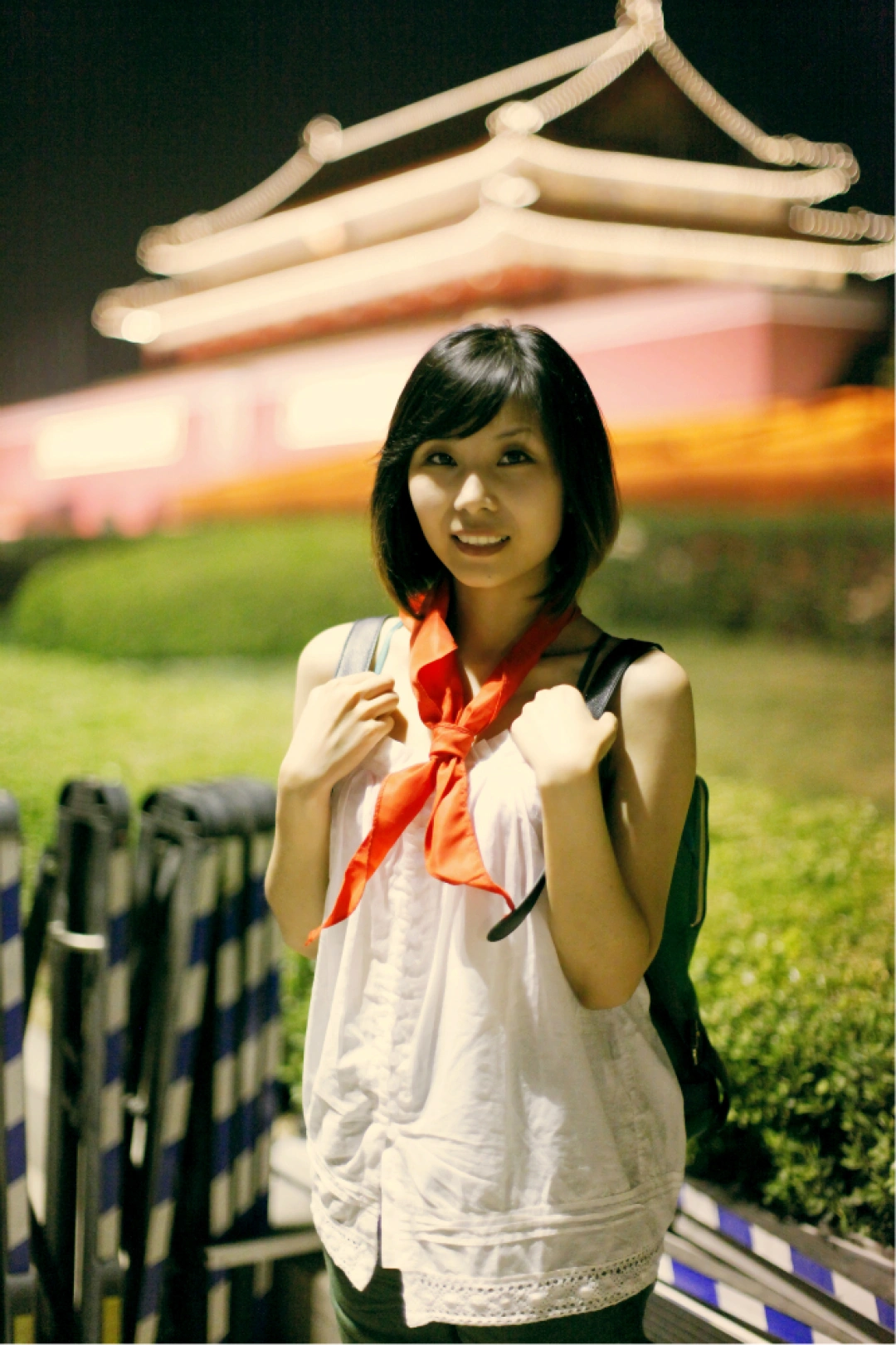
On Monday evening of the second week, I had booked a visit to Tiananmen Square in advance. I had been here twelve years ago, and standing on the square again stirred the same emotions. During the day, it's packed with people, but at night, only a few dozen visitors remained—the experience was excellent.
The gate tower opposite looked especially solemn in the darkness. The Military Museum, the Run Gong Memorial Hall, the Great Hall of the People—all with red flags fluttering. The Monument to the People's Heroes bears an inscription by Run Gong on the front and a text drafted by Run Gong.
Night visits to Tiananmen Square are a Beijing travel tip many miss: the crowds thin out, the lighting creates dramatic shadows, and the history feels more intimate.
Exploring Beijing's Hutongs by Night
After the square, I wandered into the nearby hutongs—narrow alleyways that have existed since the Yuan dynasty. Unlike the daytime chaos, night brings a peaceful hush. The Beijing hutong culture comes alive in small ways: elderly residents playing chess under dim lights, the aroma of late-night noodle shops, and the occasional cat darting across cobblestones.
These alleyways are living museums of Qing dynasty residential architecture, with courtyard homes (siheyuan) that have housed Beijing families for centuries. Some have been converted into trendy cafes, but many remain untouched, their wooden doors and stone thresholds worn smooth by generations.
[Link: Best Beijing hutong tours for history enthusiasts]
FAQ: Your Beijing History Immersion Questions Answered

Q1: How many days do you need to explore Beijing's Ming and Qing history?
A minimum of 7–10 days allows you to cover major sites like the Forbidden City, Temple of Heaven, and Summer Palace, plus hidden gems like Tianning Temple and Changchun Temple. For a truly deep immersion like this 15-day itinerary, you can explore lesser-known sites and revisit favorites without rush.
Q2: What's the best way to get around Beijing for history lovers?
Cycling is ideal for short distances—it lets you stop spontaneously at temples, parks, and hutongs. The subway is excellent for long hauls (Lines 1, 2, and 4 cover most historical sites). For night tours, the subway runs until around 11 PM, but taxis are affordable for late returns.
Q3: Are Beijing's historical sites crowded? When should I visit?
Major sites like the Forbidden City and Tiananmen Square are packed during peak hours (10 AM–3 PM). Visit early morning (before 9 AM) or evening (after 5 PM) for a quieter experience. Weekday lunches are perfect for smaller temples like Baiyun Guan and Changchun Temple.
Q4: What are the must-see Ming and Qing dynasty sites in Beijing?
The Forbidden City (Ming/Qing palace), Temple of Heaven (Ming altar), Summer Palace (Qing garden), and the Ming Tombs are essential. Don't miss the lesser-known: Tianning Temple Pagoda (Liao Dynasty), Xibianmen City Wall Remains (Ming), and Changchun Temple (Ming scholar hub).
Q5: Can I combine business travel with historical exploration in Beijing?
Absolutely—this itinerary proves it. Use lunch breaks for nearby temples, cycle to work through historic routes like Xueyuan Road, and dedicate evenings to night tours. Pre-book popular sites like Tiananmen Square to save time.
Final Thoughts: Why Beijing Remains the Imperial Capital
After 15 days of cycling, walking, and wandering, I understood why people say "one Beijing holds half the history of Ming and Qing." The city isn't just a collection of monuments—it's a living tapestry where ancient bricks meet modern bike lanes, where temple bells ring alongside subway announcements.
From the snow-covered walls of Xibianmen to the silent pagoda of Tianning Temple, from the scholar's spirit of Changchun Temple to the solemn majesty of Tiananmen Square at night—every corner tells a story. And the best part? You don't need a month-long vacation to experience it. Even a two-week business trip, with careful planning, can become a deep immersion into China's imperial capital.
Your turn: Have you explored Beijing's hidden historical gems? Share your favorite discovery in the comments below—or better yet, book your trip and start your own micro-journey through the city where "one Beijing holds half the history of Ming and Qing."
[Link: How to plan a history-focused Beijing itinerary]
Traveled in March 2026 | Words by a southerner who fell in love with Beijing's snow, history, and endless stories
You should also read:
The Beijing Adventures of "Dunderhead" and "Grumpy": A Heartwarming Journey Through Time and Childlike Wonder
Meta Description: Discover Beijing through the eyes of two playful travelers—"Dunderhead" and "Grumpy." From the Great Wall to the Forbidden City, this SEO-optimized guide blends nostalgia, history, and practical tips for an unforgettable trip. In June, Beijing's sky hung gray, the air thick with an…
Continue reading...
Savoring the Flavors of Di'anmen: A Culinary Journey Through Beijing's Heart
Meta Description: Discover the authentic tastes of old Beijing in Di'anmen. From douzhi to stir-fried liver, explore hidden hutong food stalls, legendary snack shops, and the vibrant street food culture surrounding Shichahai Lake. The story of Beijing has never been solely about crimson walls, golden…
Continue reading...
A Spontaneous Escape Through Tianjin, Beijing, and Shandong: An Unforgettable Solo Travel Adventure
Meta Description: Discover the raw beauty of a spontaneous solo journey through Tianjin, Beijing, and Shandong. From Quanjude roast duck to Tanggu night views, read this heartfelt travelogue of escape and self-discovery. The July wind carried restlessness and unease. After abruptly ending a ten-day job…
Continue reading...