One Woman's Tibetan Adventure: At 30, I Journeyed Alone to the Roof of the World
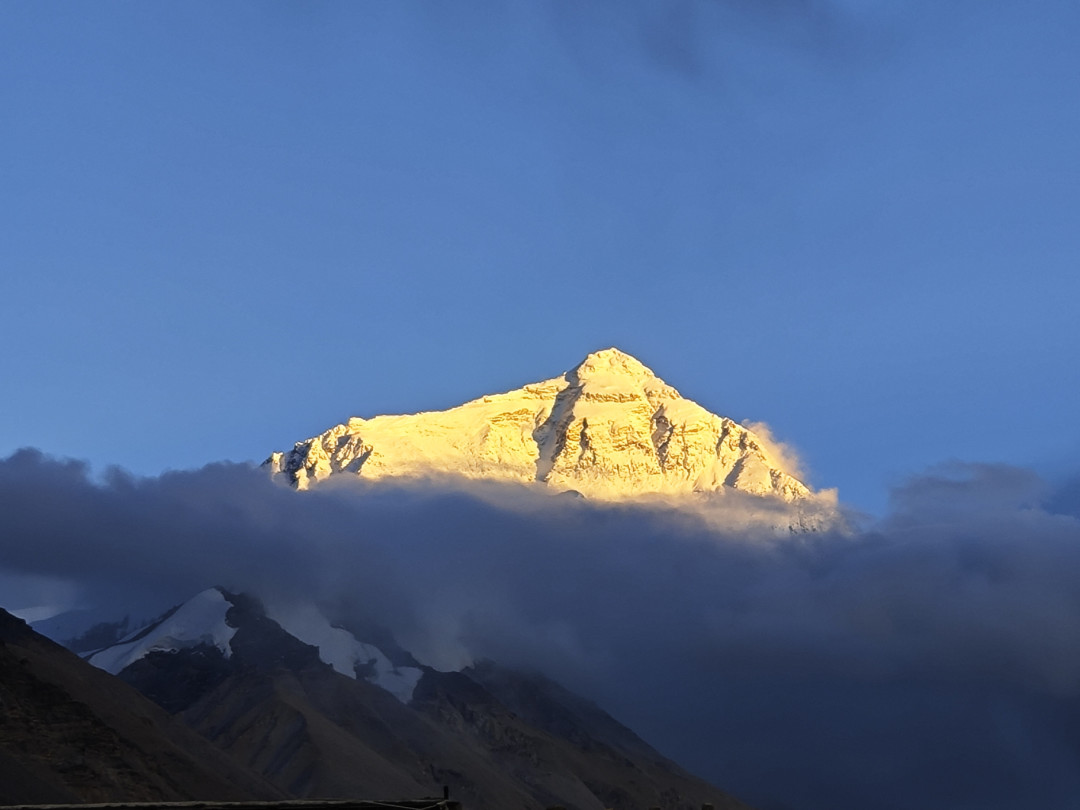
Meta Description: A solo female traveler shares her transformative Tibet journey at 30—from altitude sickness and nosebleeds to spiritual awakening. Discover tips for traveling alone in Tibet, must-see destinations, and how to prepare for the "Roof of the World."
Introduction: When Life Falls Apart, the Roof of the World Calls
I've always believed that the purpose of recording is this: when the future you looks back at past images, memories will redevelop like a double exposure, and you can trace those marks to once again feel your heartbeat and breath from that moment.
At 30, I lost both love and work simultaneously. Confusion enveloped me like thick fog. Late one night, a thought suddenly burst into my mind — I would go to Tibet alone. Not to escape, but to truly see myself in that place closest to heaven. At three in the morning, I booked my flight and hotel without hesitation.
This is my story—a solo female Tibet travel experience that tested my courage, pushed my physical limits, and ultimately helped me find myself on the Roof of the World.
Preparing for a Solo Tibet Trip: What You Need to Know

The Anxiety and Courage Before Setting Off
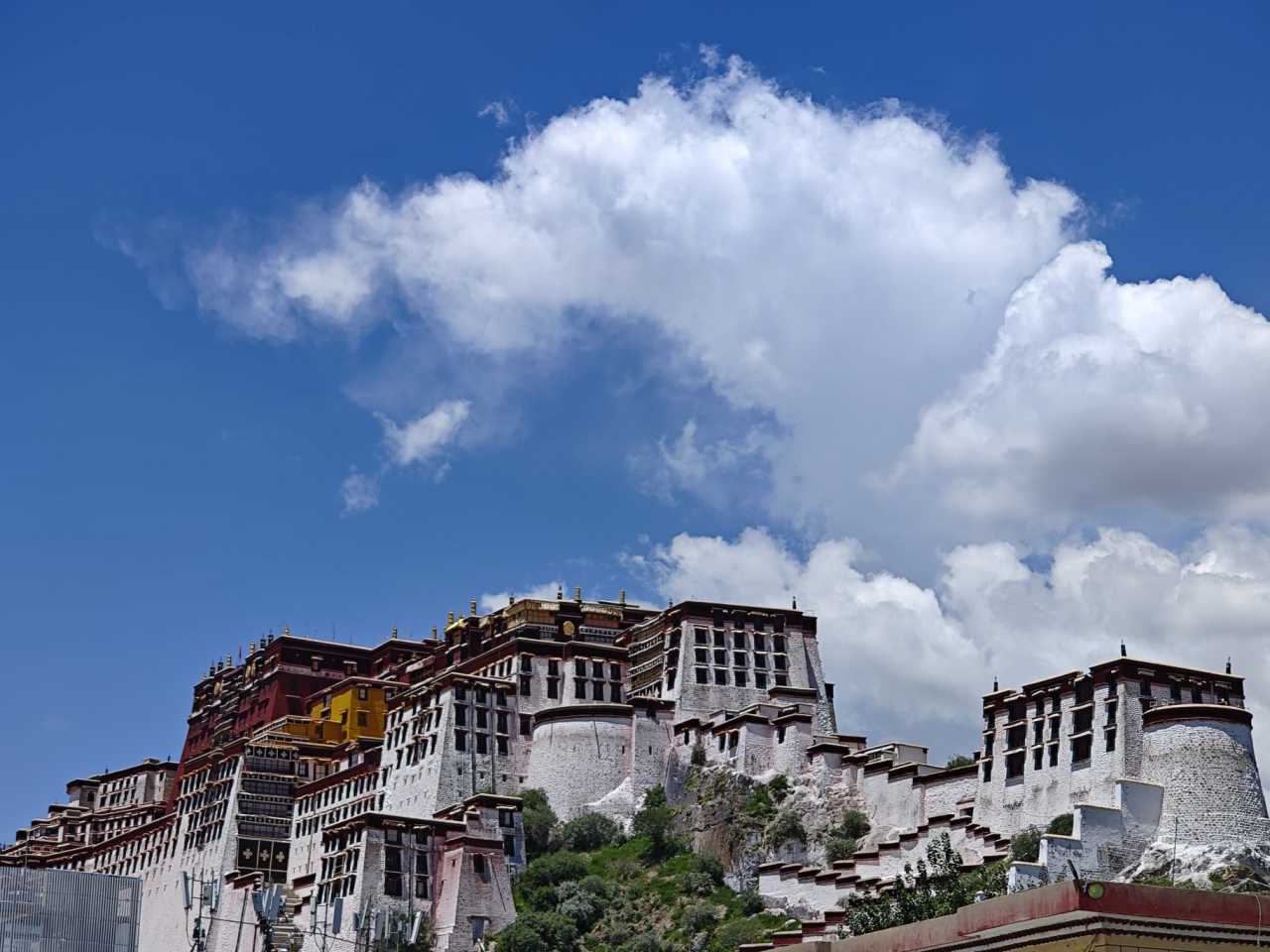
On departure day, I woke up just after three in the morning and started packing at four. Walking through the empty airport terminal, my emotions were mixed — proud of my courage yet unable to hold back tears. Security check, boarding — I silently rehearsed a transition video: from the ticket screen to the Potala Palace.
The moment the plane took off, tears streamed down uncontrollably. I wondered how life had come to this. My seatmate was an elegant woman traveling alone to visit family. We started chatting. When she heard I was heading into Tibet solo, she looked surprised: "You're so brave!" I told her I'd just quit my job and wanted to get away. But I also worried about altitude sickness in Tibet and having no one to help me. She sighed: "Life pressure is too much these days. It's good to give yourself a break."
We talked about work and life like old friends. She asked if I'd brought Rhodiola rosea or anti-altitude medication. I said no — I'd tried them before on the plateau with little effect. Without a word, she pulled out glucose powder, chocolate, and squalene from her bag, urging me: "The places you're going are high altitude. Better to have them than not." She was the first kind person I met on this journey.
Essential Packing for a Tibet Solo Trip
Based on my experience, here's what I wish I'd packed:
- Altitude sickness remedies: Rhodiola rosea, glucose powder, headache powder
- Moisturizer and saline spray: Lhasa's dry air causes nosebleeds
- Sun protection: High-SPF sunscreen, UV-blocking sunglasses, wide-brimmed hat
- Layered clothing: Temperatures swing dramatically between day and night
- Portable oxygen canisters: Psychological comfort, but they help
[Link: Best time to visit Tibet for solo travelers]
Arriving in Lhasa: First Encounters with the "City of Sunlight"
Landing in Lhasa: Racing Heart, Purple Lips
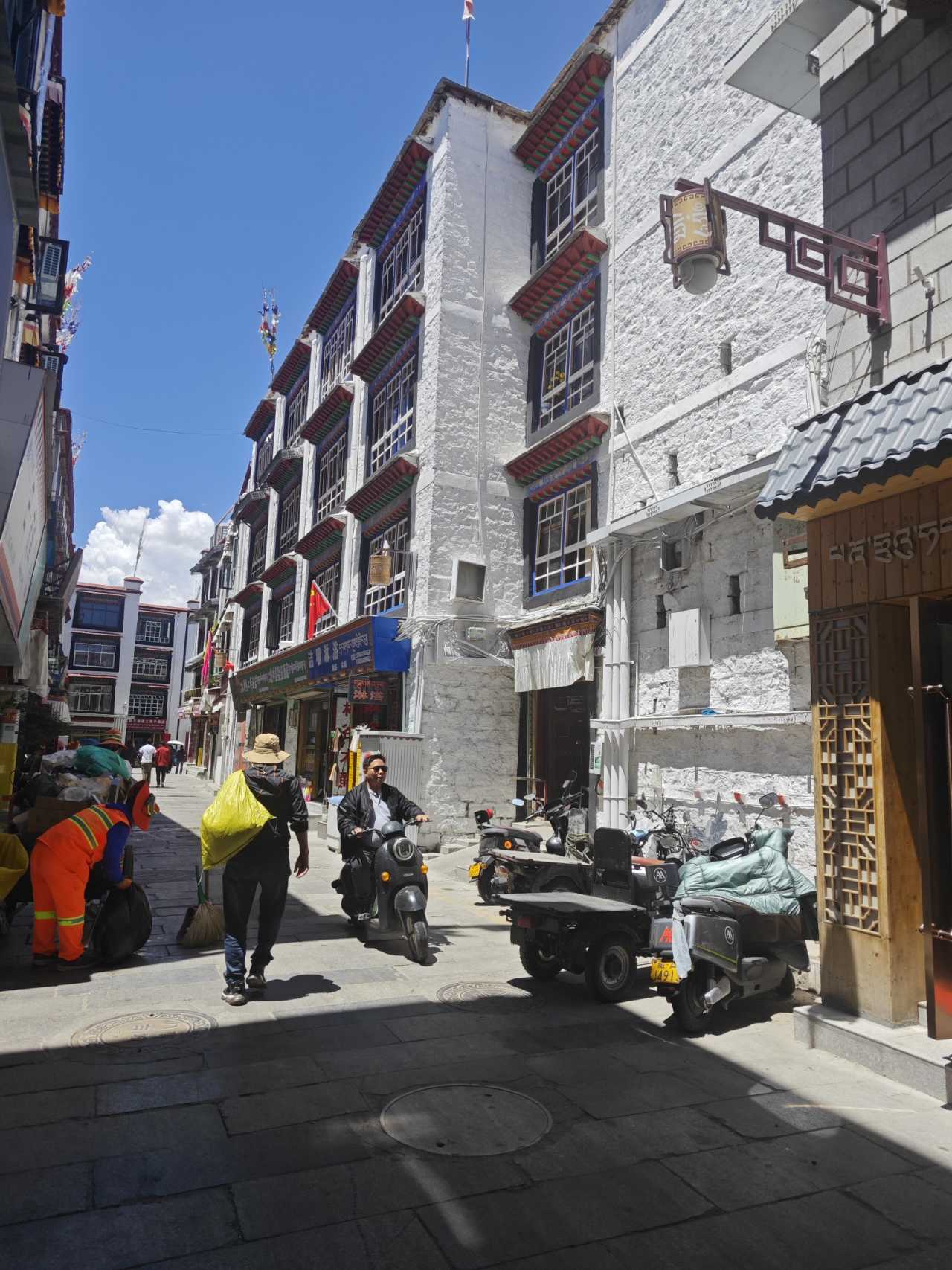
As the plane descended, my heart started pounding. Looking in the mirror, I saw my lips had turned purple. After collecting my luggage, I boarded the airport bus and stared out the window with one thought: I've finally made it! The sky in Tibet was an unreal blue. Some say there are two kinds of blue in Tibet: the sky is a clear vow, the sacred lakes are silent proverbs.
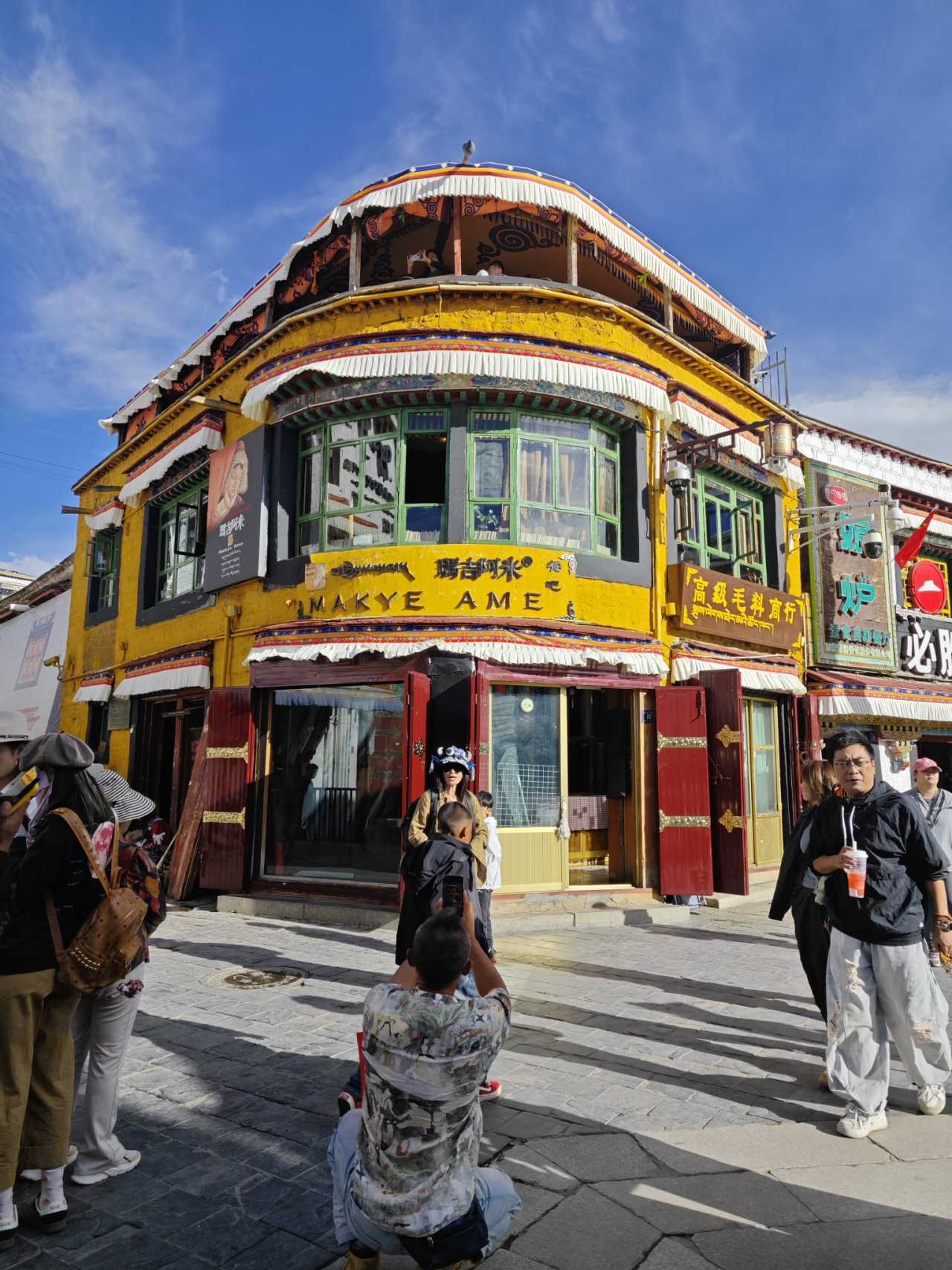
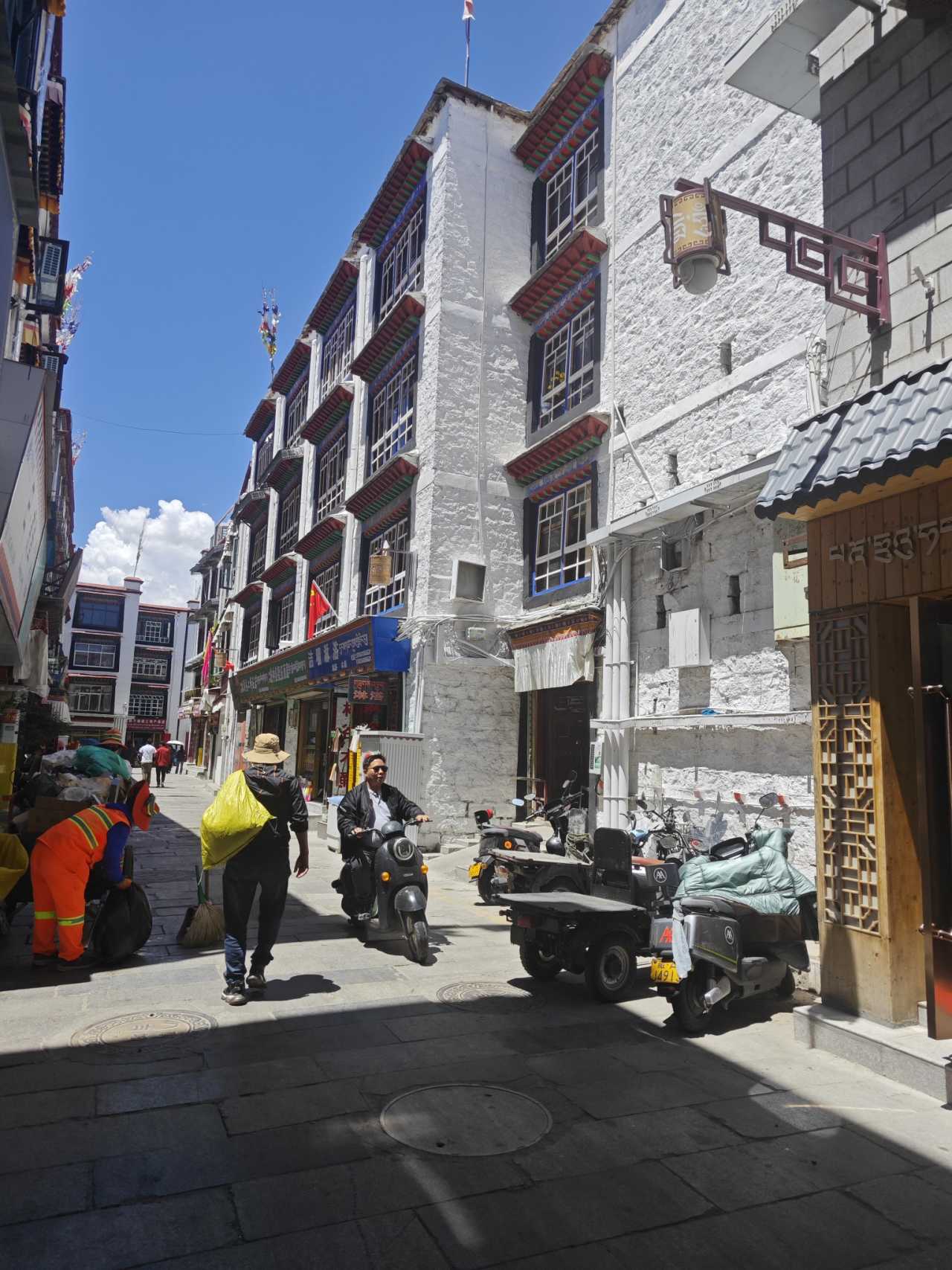
Arriving at Barkhor Street, I checked into a Tibetan-style hotel in Lhasa. The front desk young man helped with my luggage. I rested a bit, felt okay, and set off for a Tibetan costume photoshoot. While waiting in line after changing clothes, I felt dizzy, my heart raced, and I was terribly weak. I asked the photographer how much longer — if I couldn't get my turn soon, I'd quit. Stepping outside for air helped a little.
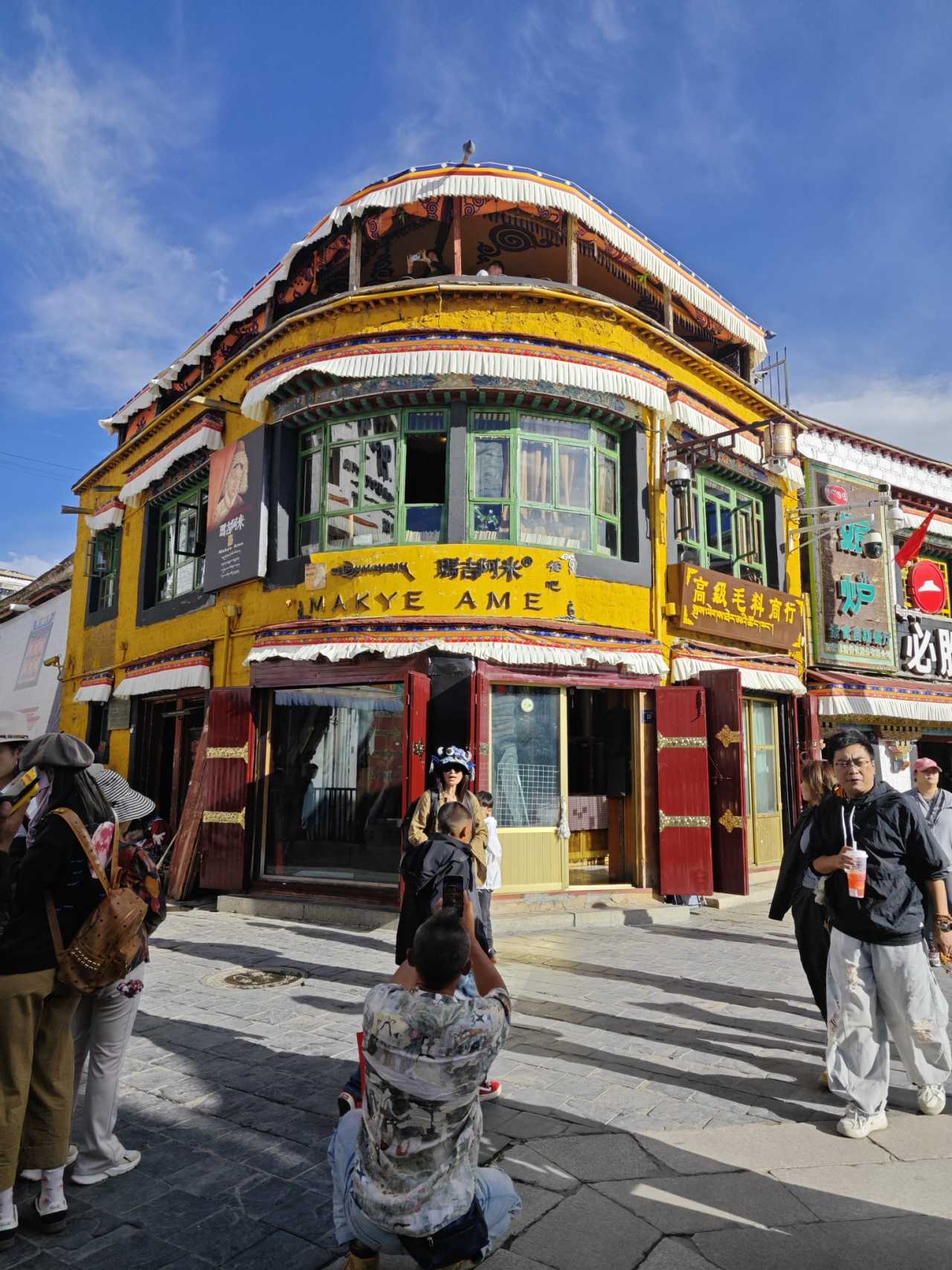
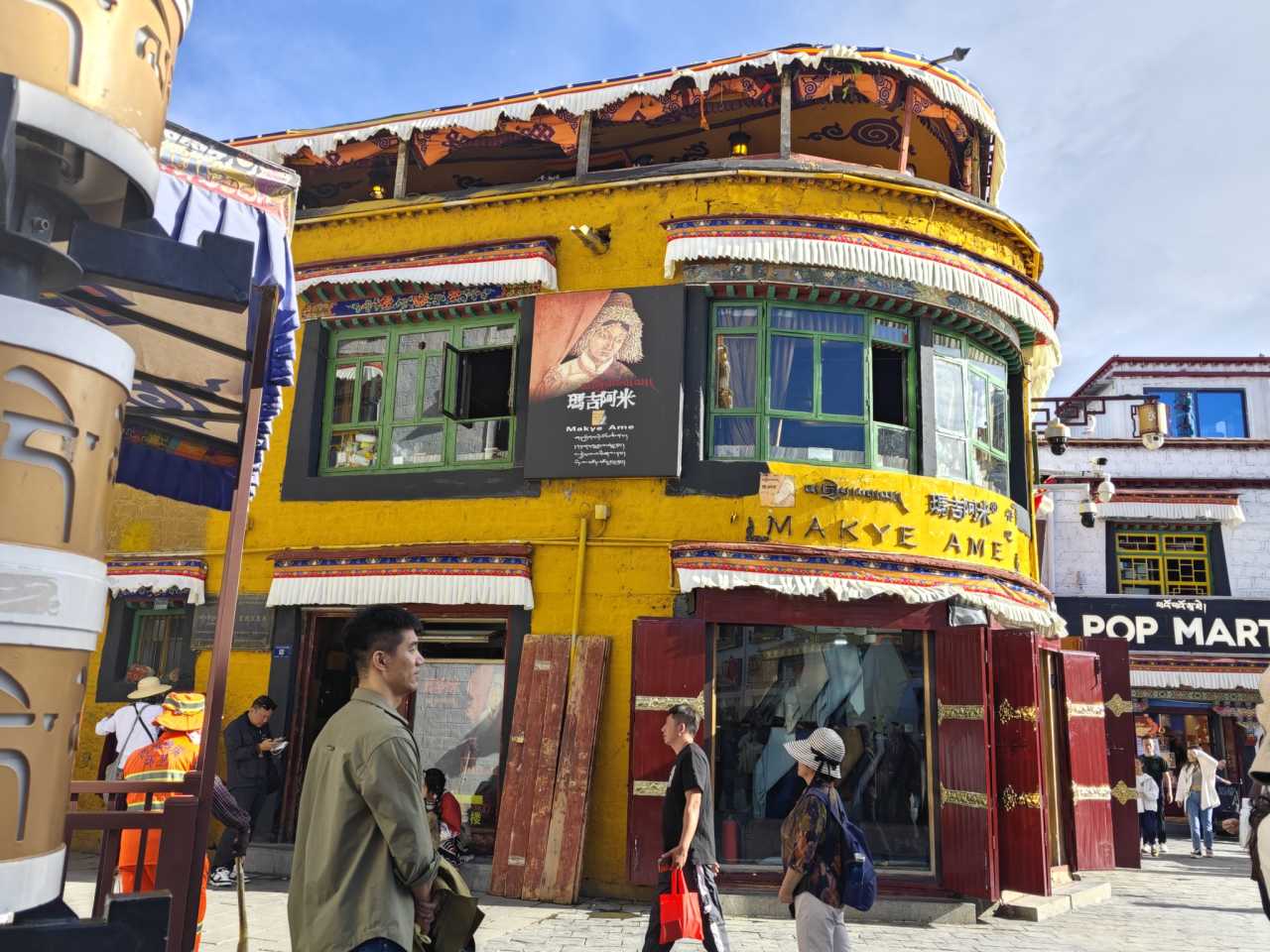
Dressed in Tibetan clothing, walking through Lhasa's streets, I felt transformed into a Droma (Tibetan woman). I stopped outside the Makye Ame restaurant, where lines from the poet Tsangyang Gyatso flashed through my mind: "In the Potala Palace, I am the greatest king of the snowy land; wandering the streets of Lhasa, I am the most beautiful lover in the world." Did he truly love her? Only the wind knows.
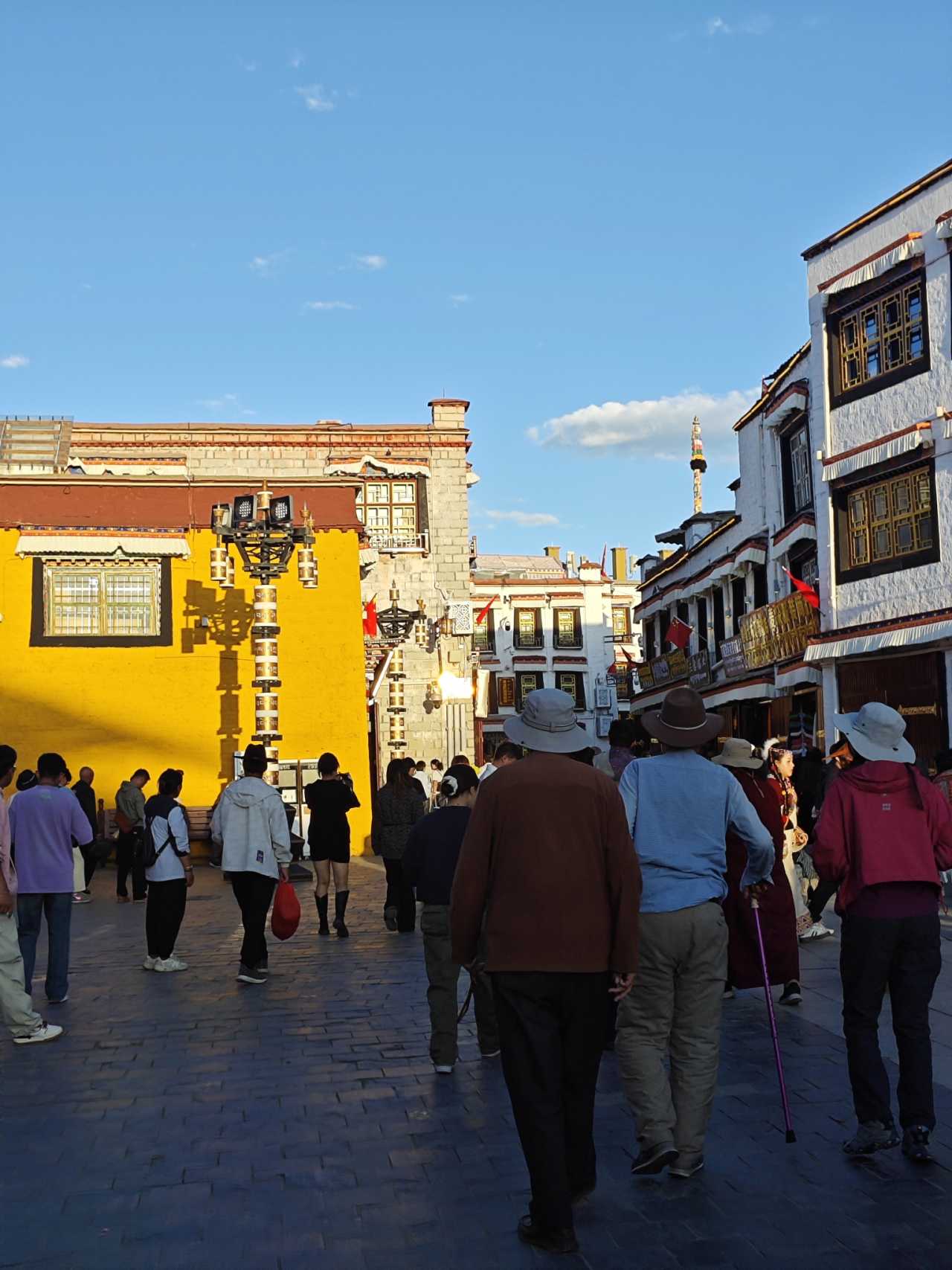
I walked the Barkhor circumambulation path. Wanting to sit among the crowd for a photo, two Tibetan grandmothers noticed my intention and waved me over before I could even ask. After the shoot, I wanted to change clothes and eat at Makye Ame, but the makeup artist reminded me: if I'd already circled once today, I'd need to circle twice more — you can only walk odd numbers here. I decided to rest at the hotel instead.
The First Day's "Warning Shot": Altitude Sickness Hits
On the way back to the hotel, I thought I had a runny nose. When I sniffed, it was blood! I blocked it with one hand while fumbling for tissues. Just the first day, and I was already getting nosebleeds — I was panicking. I'd heard you shouldn't shower or wash your hair for the first three days, but I thought that meant doing it yourself, so I went to a salon. The owner saw how dazed I looked and asked how long I'd been in town. "Just arrived today," I said. She was shocked: "If I'd known, I wouldn't have washed it! Dry it quickly and go rest." Hearing that made me even more anxious. I put on my hat and hurried out.
I went to a Tibetan noodle shop. The owner was busy in the kitchen, and all the customers were locals staring at me — an outsider with tissue stuffed up her nose. The owner said the Tibetan noodles were sold out, so I packed some food and went back to the hotel.
The hotel owner scolded me for not doing research when he saw I'd washed my hair despite the nosebleed. I explained I thought it was fine. He sighed: "You should adapt for two or three days before going out. Since you're heading to Nyingchi tomorrow, I won't say more." He gave me a packet of headache powder, saying to take it if I got pain at night to ensure sleep. He also had the Tibetan young man adjust the humidifier — the nosebleed was from dryness, nothing to fear. Before leaving, I asked for the front desk number. He wrote it on a note. The owner and the young man tied as my second kindest people.
That night, I hugged my oxygen canister, my heart racing constantly. When I finally fell asleep, I'd wake up gasping. Each time, I'd press the oxygen button — useless, but psychologically comforting.
From Nyingchi to Lhoka: Scenery and Practice on the Road
Day Two: Namcha Barwa, Seen by Few
On the second morning, my heart stopped pounding. I happily texted friends to say I was fine. Then I did something stupid — I blew my nose. Blood gushed uncontrollably. I stuffed tissue in, but blood seeped through and trickled down my throat. In the two seconds it took to change tissues, blood splattered the sink. I pinched my nose with one hand and splashed cold water on my forehead with the other. After several minutes, the bleeding stopped. I worried the hotel staff might call the police when they saw the mess, but it was time to meet the group, so I left with tissue stuffed in my nose.
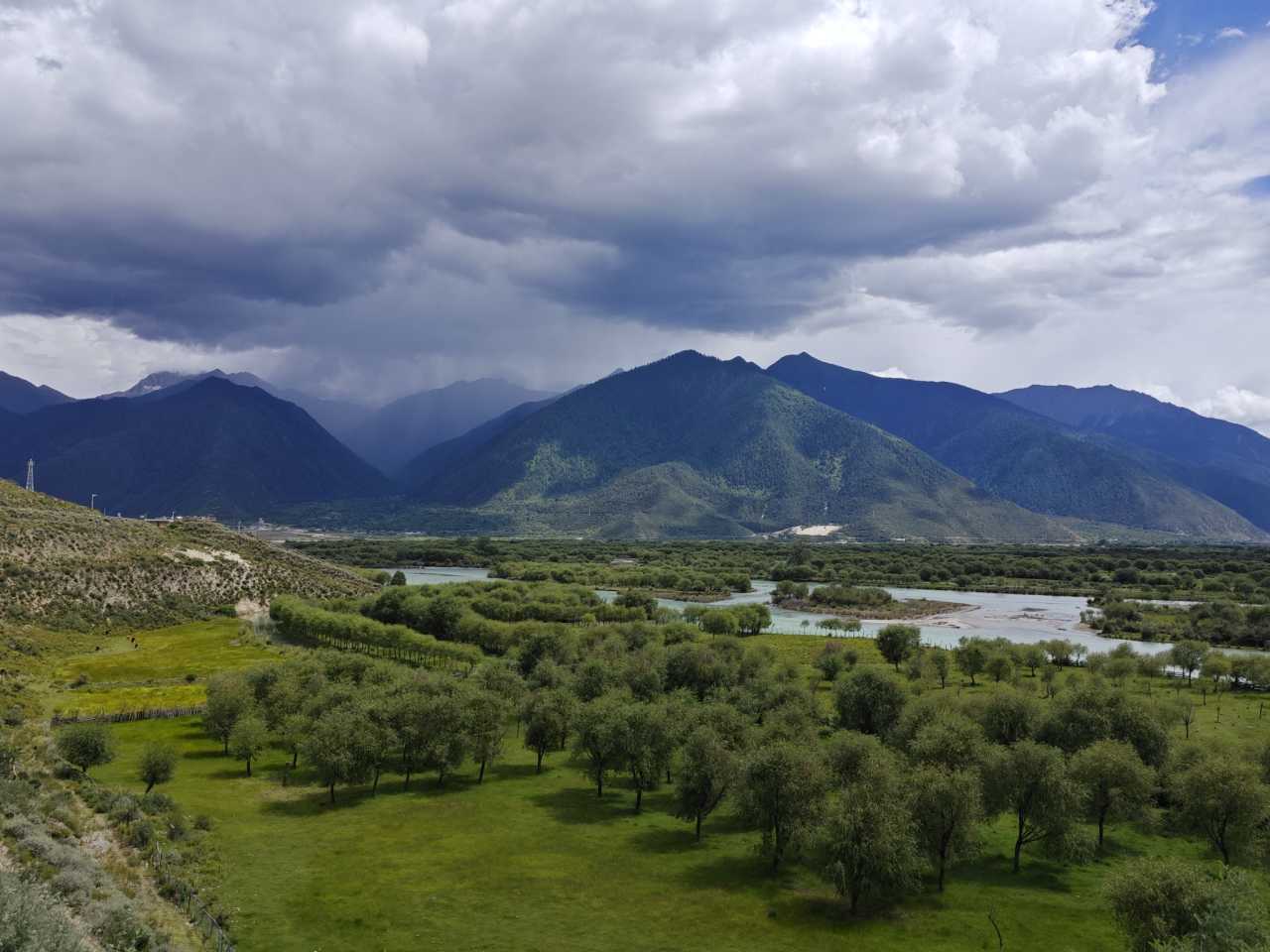
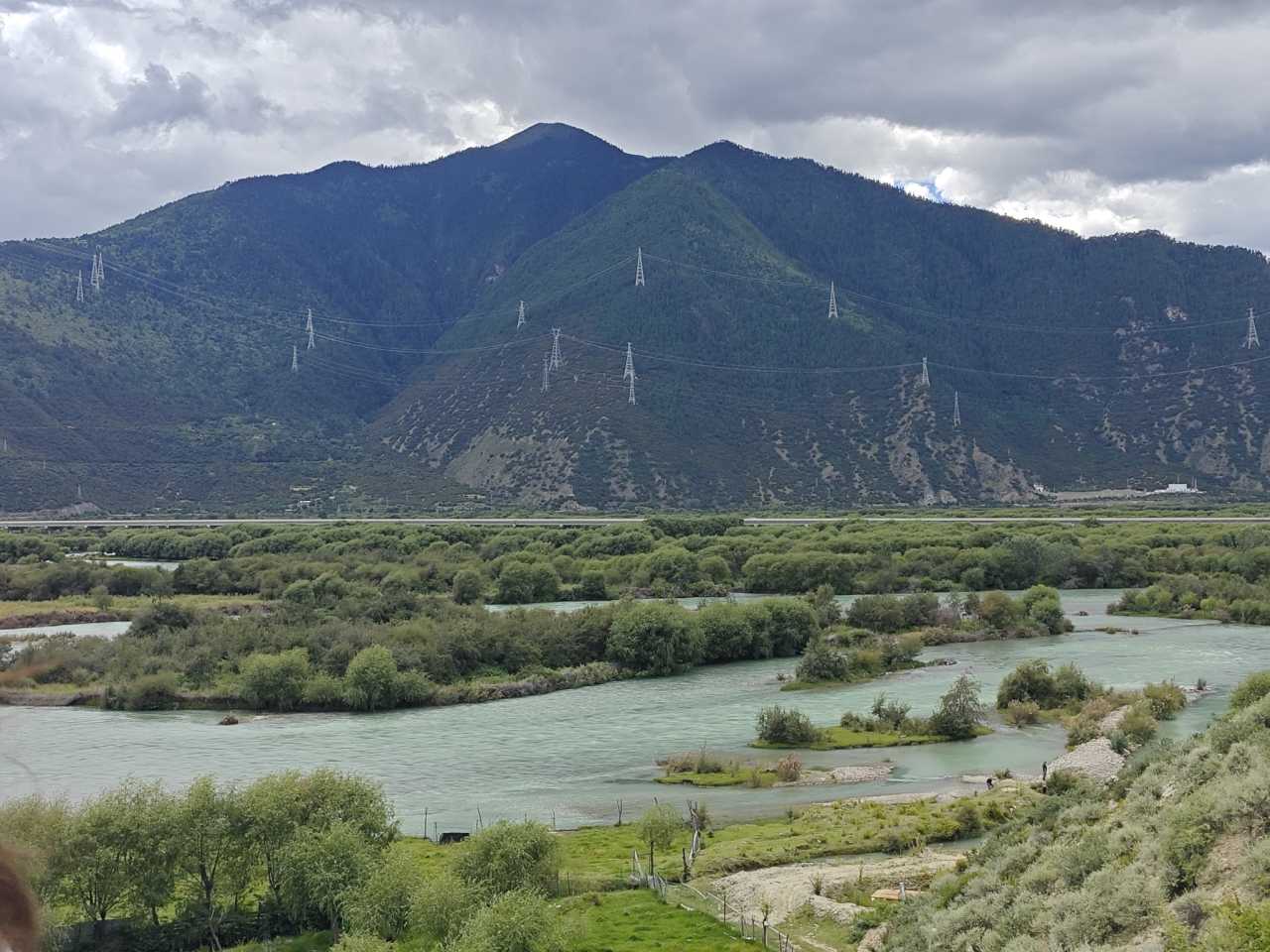
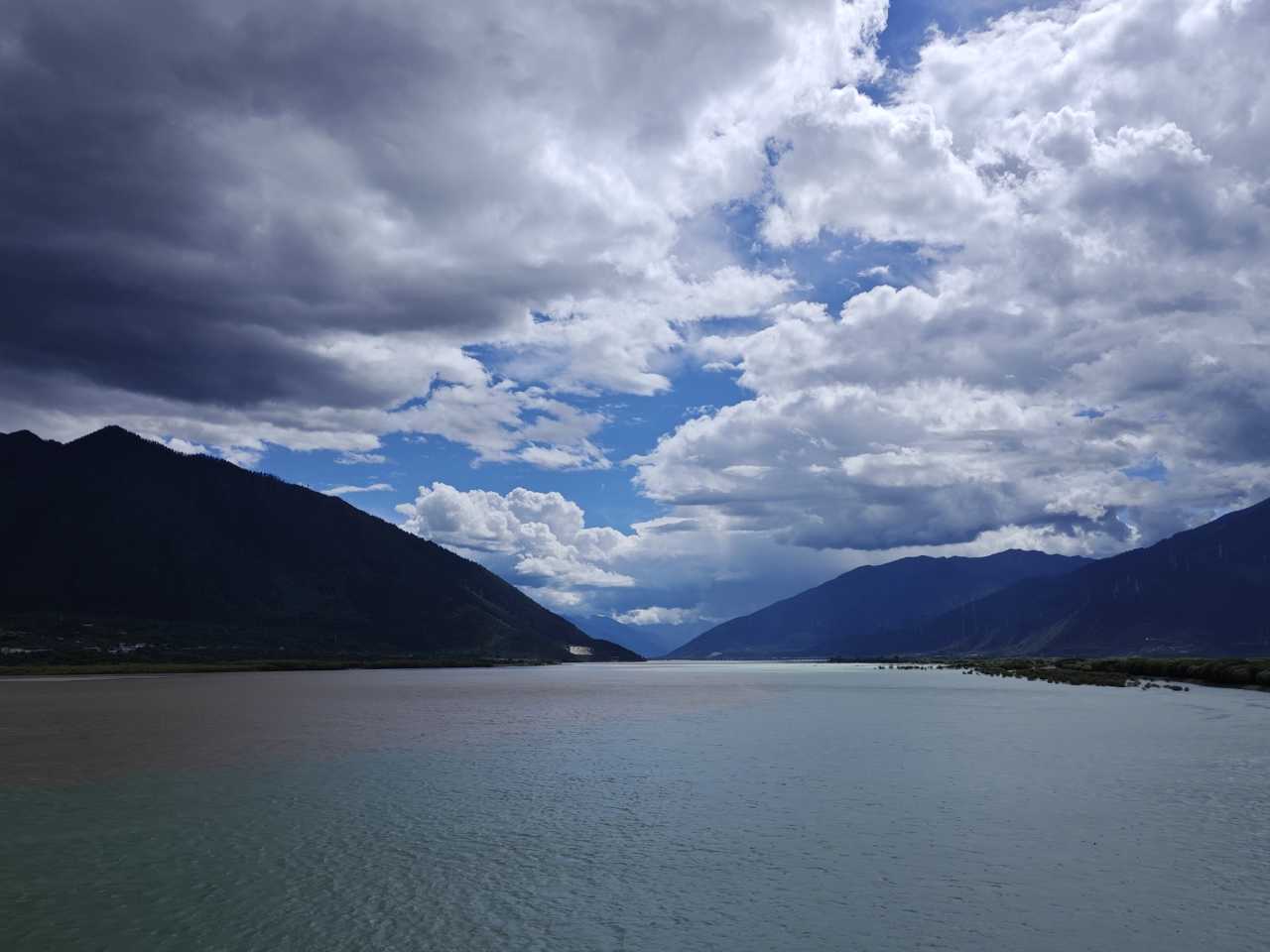
On the road to Nyingchi, we passed the Nyang River. Within Lhasa's borders, it's called the Lhasa River; in Nyingchi, it becomes the Nyang River; further on, it's the Yarlung Tsangpo River. At the junction, the colors were distinct — seemingly merged yet separate. We encountered two yaks fighting in the middle of the road. Honking did nothing. They bumped our car before slowly moving aside.
At the viewing platform, we waited for the legendary Namcha Barwa — the "Shy Peak" that only appears about 60 days a year. After a long wait, we only saw its tip, but I was content. The accommodation that night had a small bar called "Black Shop," where people drank and sang noisily. If I'd had company, I'd have gone.
Day Three: Crossing Mila Pass, Traversing Ganden Grassland
Waking up, I pulled back the curtain to reveal snowy mountains. I prayed the sun would come out and the clouds would scatter, but only a sliver appeared. Still, the flowers looked especially beautiful against the snow.
We crossed Mila Pass at 5,013 meters (16,447 feet). I regretted coming and even wanted to go home — I didn't want my heart to keep pounding for the next seven days. Getting off the bus, I felt dizzy and looked pale. The wind was fierce. I built a small mani pile (stone cairn) — no special prayer, just for good luck. Remember: mani piles must have an odd number of stones, and you can never add stones to someone else's pile.
Crossing Ganden Grassland, I appreciated the advantage of sitting in the front passenger seat — the most beautiful scenery really is on the road. I built another mani pile. This time, I wasn't wearing a sun hat. The sunlight was blinding, as if shining straight into my soul.
I fell asleep while crossing the grassland. When I woke up, I was in a canyon. The shock was indescribable — like time travel, one moment on the grassland, the next in a canyon carved by ancient rivers.
[Link: Tibet road trip itinerary for solo travelers]
FAQ: Solo Female Travel to Tibet
1. Is it safe for a woman to travel alone in Tibet?
Yes, Tibet is generally safe for solo female travelers. Local Tibetans are welcoming and helpful, as I experienced with the grandmothers on Barkhor Street and the hotel staff. However, take standard precautions: avoid walking alone at night in remote areas, keep your belongings secure, and share your itinerary with someone back home.
2. How do I prepare for altitude sickness in Tibet?
Acclimatize for 2-3 days in Lhasa before heading to higher elevations. Bring Rhodiola rosea, glucose powder, and headache powder. Avoid alcohol, heavy meals, and strenuous activity for the first few days. Don't shower or wash your hair for the first 48 hours—it can trigger altitude symptoms.
3. What should I pack for a Tibet solo trip?
Pack layers (temperatures vary dramatically), high-SPF sunscreen, UV sunglasses, moisturizer, saline nasal spray for dryness, and a wide-brimmed hat. Portable oxygen canisters are available locally but provide mostly psychological comfort.
4. Do I need a guide for solo travel in Tibet?
For certain areas like Mount Everest Base Camp or remote regions, a guide is required. For Lhasa and well-touristed spots like Nyingchi, you can explore independently, but joining a small group tour can ease logistics and provide safety in numbers.
5. What are the must-visit destinations for a solo Tibet trip?
Must-visits include Lhasa (Potala Palace, Barkhor Street, Jokhang Temple), Nyingchi (Namcha Barwa, Nyang River), Ganden Grassland, and Mila Pass. For a deeper experience, consider Lhoka (Tsetang) and Yarlung Valley.
Conclusion: Finding Yourself on the Roof of the World
My solo Tibet journey taught me that the Roof of the World isn't just a physical destination—it's a place where you confront your fears, embrace uncertainty, and discover resilience you never knew you had. From the kindness of strangers to the raw beauty of snow-capped peaks, every moment reminded me that sometimes, losing everything is the first step to finding yourself.
If you're at a crossroads—whether at 30, 40, or any age—consider answering the call of Tibet. It won't solve all your problems, but it will show you that you're stronger than you think.
Ready to plan your own Tibetan adventure? Start by researching solo female travel in Tibet and booking your flight to Lhasa. The journey begins with one brave decision.
[Link: How to get Tibet travel permit for solo travelers] [Link: Best budget hotels in Lhasa for solo travelers] [Link: Tibet tour packages for solo women]
Have you traveled solo to Tibet? Share your experience in the comments below—I'd love to hear your story!
You should also read:
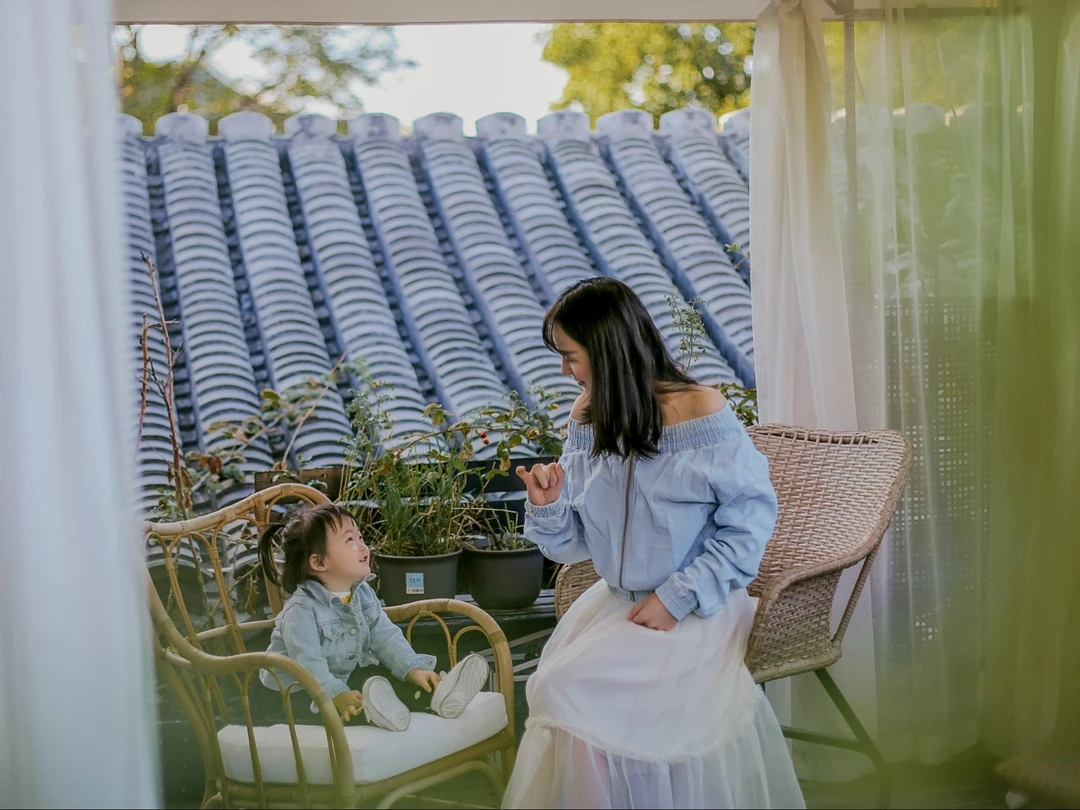
Taking Our Little Girl on a Beijing Adventure: Climbing Rooftops and Exploring Hutongs in the Capital's Autumn
Meta Description: Discover the magic of autumn in Beijing with our family-friendly itinerary. From rooftop coffee at Berry Beans to hutong explorations and Forbidden City memories, this guide shows you how to experience the capital's golden season with a toddler. Autumn in Beijing is a…
Continue reading...
Antarctica: At the End of the World – A Journey to Earth’s Ultimate Romance
Meta Description: Discover Antarctica travel tips, wildlife encounters, and the raw beauty of the White Continent. From crossing the Drake Passage to meeting penguins, this is your ultimate guide to Earth’s most remote paradise. At twenty-five, I embarked on a journey to the edge of…
Continue reading...
The Hidden Wonders of Northern Shaanxi: Four Natural Marvels Around Yan’an That Rival the World’s Best
Meta Description: Discover four breathtaking natural wonders near Yan’an, China—Yucha Grand Canyon, Jingbian Wave Rock, Hukou Waterfall, and Qiantun Bay. These hidden gems rival global landmarks like Antelope Canyon and Horseshoe Bend. When travelers think of Shaanxi Province, the Terracotta Army, Xi’an’s ancient city walls,…
Continue reading...