Post-Pandemic Era: My Five-Day Wandering Journey Through Beijing – A Complete Travel Guide
Meta Description: Discover the best of Beijing in 5 days post-pandemic. From Nanluoguxiang hutongs to the Forbidden City, this Beijing travel guide covers itineraries, food, and pandemic-era tips for a safe, memorable trip.
Introduction: Why Beijing Still Beckons After the Pandemic
"Too long a century, seize the day." No words better capture the magnetic pull of Beijing—a city where 600 years of imperial history meets the vibrant pulse of modern China. For many travelers, the post-pandemic era has redefined what it means to explore. Health codes, advance reservations, and sudden alerts have become part of the journey. Yet, as this five-day wandering journey through Beijing proves, the ancient capital's magic endures.
Whether you're a first-time visitor or a returning wanderer, this Beijing travel guide will help you navigate the city's iconic landmarks, hidden hutongs, and culinary treasures—all while adapting to the new normal of post-pandemic travel.
Part One: Your Five-Day Beijing Itinerary – A Step-by-Step Urban Wander

Day 1: Nanluoguxiang to Beihai Park – First Taste of Beijing Flavor
Route: Nanluoguxiang → Drum Tower → Yandaixiejie → Shichahai Front Lake → Beihai Park
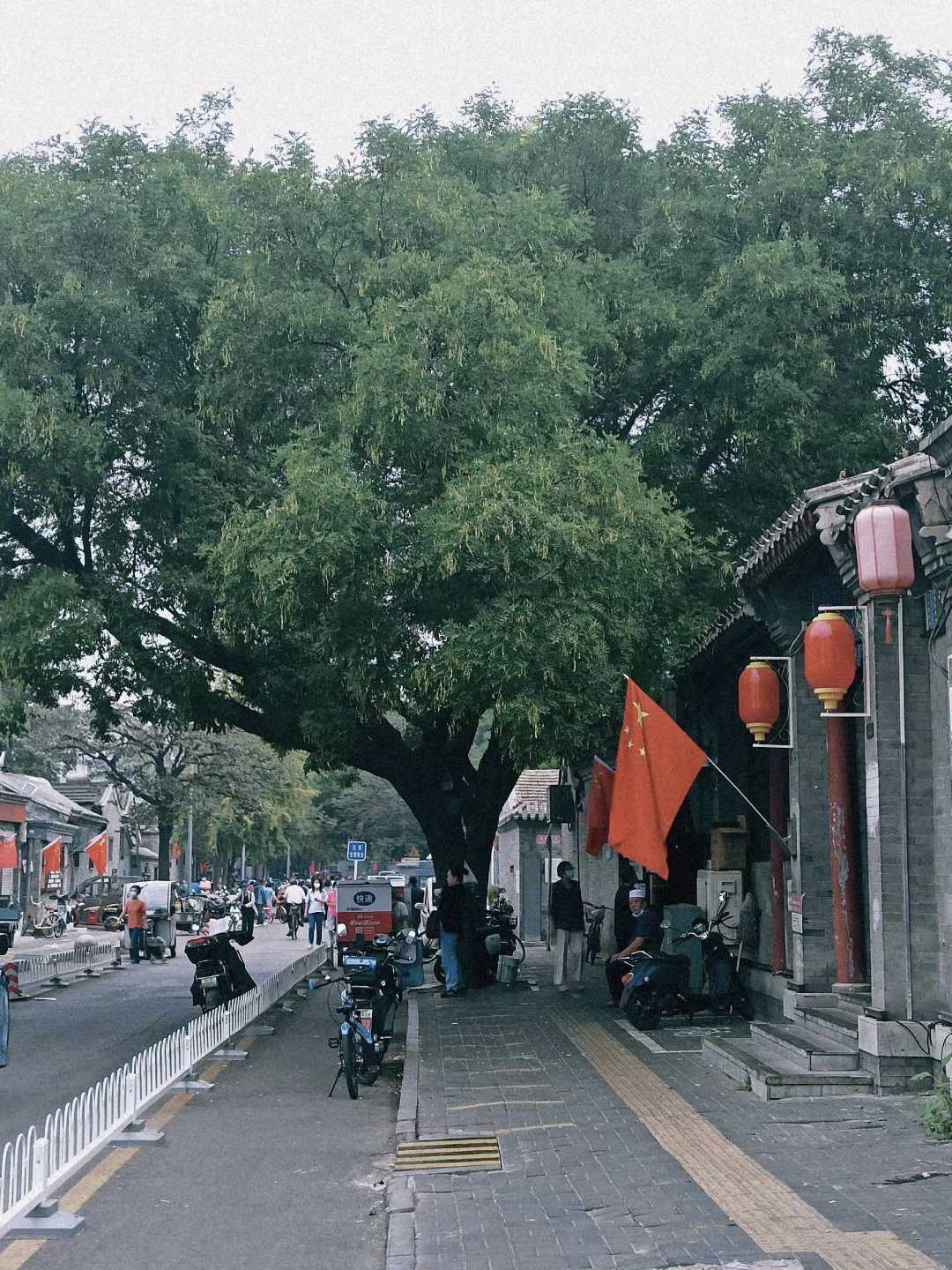
Arriving at Beijing South Station, your first stop should be Nanluoguxiang, the famous hutong-turned-trendy street. While the main strip is shorter than expected (only a few hundred meters), the real treasures lie in the side alleys. In autumn, every household's national flag ripples in the wind, creating a sea of red against gray brick walls.
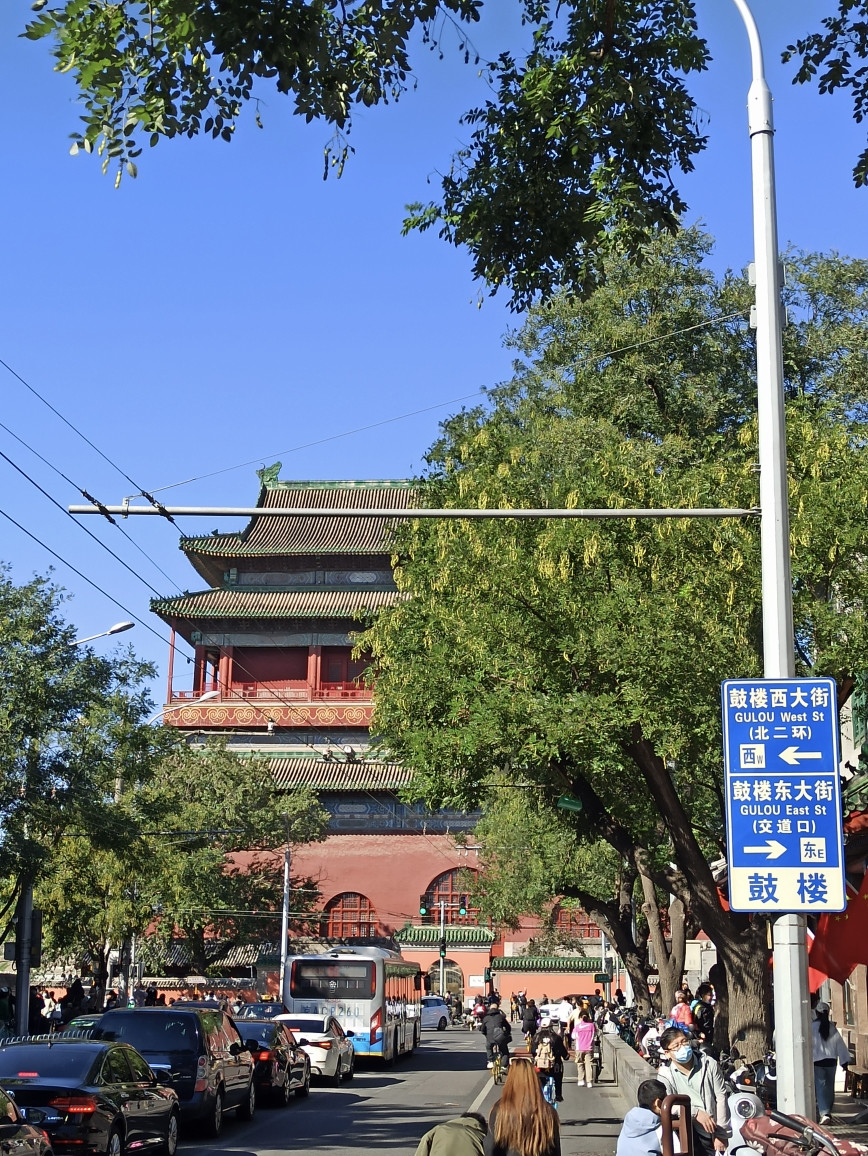
As you wander north, the Drum Tower (Gulou) suddenly emerges. Built during the Yuan Dynasty, its gray walls and green tiles stand stoically amid modern traffic. For the best photos, shoot from across the street—bicycles and pedestrians in the foreground add a lived-in, authentic feel.
Yandaixiejie (Tobacco Pipe Alley) was under renovation when I visited, but a bowl of small pear soup (小吊梨汤) at a corner shop healed my spirits. Silver fungus, pear, and red dates simmered into a thick, sweet broth—a perfect autumn warmer.
At the end of the alley, Shichahai Front Lake opens up. Boats dot the water; on shore, a violinist plays while an artist sketches portraits. "20 yuan a portrait, I've been on the news!" an old man calls out. If you have time, sit for a sketch—it's a quintessential Beijing experience.
By evening, Beihai Park awaits. Enter through the North Gate, but don't miss the Nine-Dragon Wall (I walked right past it in my exhaustion!). Climb to the White Pagoda on Qionghua Island for panoramic views of the lake and city. Though boating queues are long, watching others' little boats bob gently is satisfying enough.
Pro Tip: Book Beihai Park tickets in advance via WeChat. The queue can be 30+ minutes on weekends.
Day 2: The Forbidden City and Jingshan – A Dialogue Across Six Centuries
Route: Forbidden City (Palace Museum) → Jingshan Park → Wangfujing
Tickets to the Forbidden City require advance reservation—snag yours at least a week ahead. Walking on the stone slabs before the Meridian Gate, history rushes toward you in a way no photograph can convey. With limited time, focus on the central axis: from the Hall of Supreme Harmony to the Palace of Heavenly Purity, every brick tells a story.
Don't skip the Treasure Gallery. The intricately detailed gold and silver artifacts will leave you marveling at ancient craftsmanship.
Exit through the Gate of Divine Might, and Jingshan Park stands directly opposite. Climb to Wanchun Pavilion for the quintessential Beijing photo: the entire Forbidden City laid out before you, yellow tiles and red walls glowing gold in the sunset. This is what "a glance spanning ten thousand years" truly means.
That evening, head to Wangfujing for food. Be warned: post-pandemic travel means health code checks. My companion's code triggered an alert at the mall, despite a recent test in Shanghai. This sudden hassle is a必修课 (required course) for traveling in the post-pandemic era.
Pro Tip: Carry a printed copy of your negative PCR test result. Some venues accept it even if your health code glitches.
Day 3: Temples and Hutongs – Seeking Quiet Corners of Old Beijing
Route: Lama Temple (Yonghe Temple) → Wudaoying Hutong → Confucius Temple and Imperial College
The Lama Temple (Yonghe Temple) is a standout among Beijing's temples. This Tibetan Buddhist temple's halls are resplendent, and the prayer wheels have been polished shiny by countless hands. Make a wish here—I did, and nothing else went wrong for the rest of the trip.
Wudaoying Hutong is quieter than Nanluoguxiang, with more character-filled shops. In one handmade leather goods store, the owner hammered away while walls displayed leather bags. I bought a keychain as a souvenir—a small piece of Beijing to take home.
The Confucius Temple and Imperial College sit side by side, with ancient cypress trees towering overhead and stone steles standing in rows. Few tourists visit here, making it perfect for a slow, leisurely stroll. You can almost hear students reciting lessons from centuries ago.
Pro Tip: Combine these three sites in one morning. They're within walking distance of each other.
Day 4: Alternative Exploration Under the Alert
Route: Drum Tower → Shichahai Back Lake → Liulichang → Yangmeizhu Xiejie → Beijing Fun → Qianmen Street
When your health code triggers an alert (as mine did on Day 4), adapt your plans. You can't enter places requiring QR code scans—so explore the streets that don't.
Liulichang (Glass Street) is a haven for antique book lovers. Browse old bookstores and art shops. I sat for an hour in a teahouse, ordering hot chocolate and green tea cookies. Only when I reached the bottom of the cup did I realize the chocolate powder hadn't been stirred—but sitting by the window, watching people pass by, had its own charm.
Yangmeizhu Xiejie offers artsy little shops and quiet corners. The tram on Qianmen Street provides a nostalgic ride through old Beijing. These places let you see a more authentic side of the city.
Pro Tip: If your health code alerts, focus on outdoor attractions and street-level exploration. Many hutongs and markets don't require scanning.
Day 5: Farewell – With Regrets and Expectations
Route: Dongjiaomin Lane → Qianmen Street → Liulichang Teahouse → Beijing Fengtai Station
On your last day, walk along Dongjiaomin Lane, where Western-style buildings look beautiful in autumn sunlight. Then return to Qianmen Street to buy pastries for the road.
At the train station, sign a letter of commitment (required for code alerts), and staff will quickly let you through. On the train home, scroll through your photos. Though you may miss the Summer Palace or National Museum, these five days will still feel fulfilling.
Part Two: Beijing on the Tongue – From Street Snacks to Time-Honored Brands
Must-Try Foods in Beijing
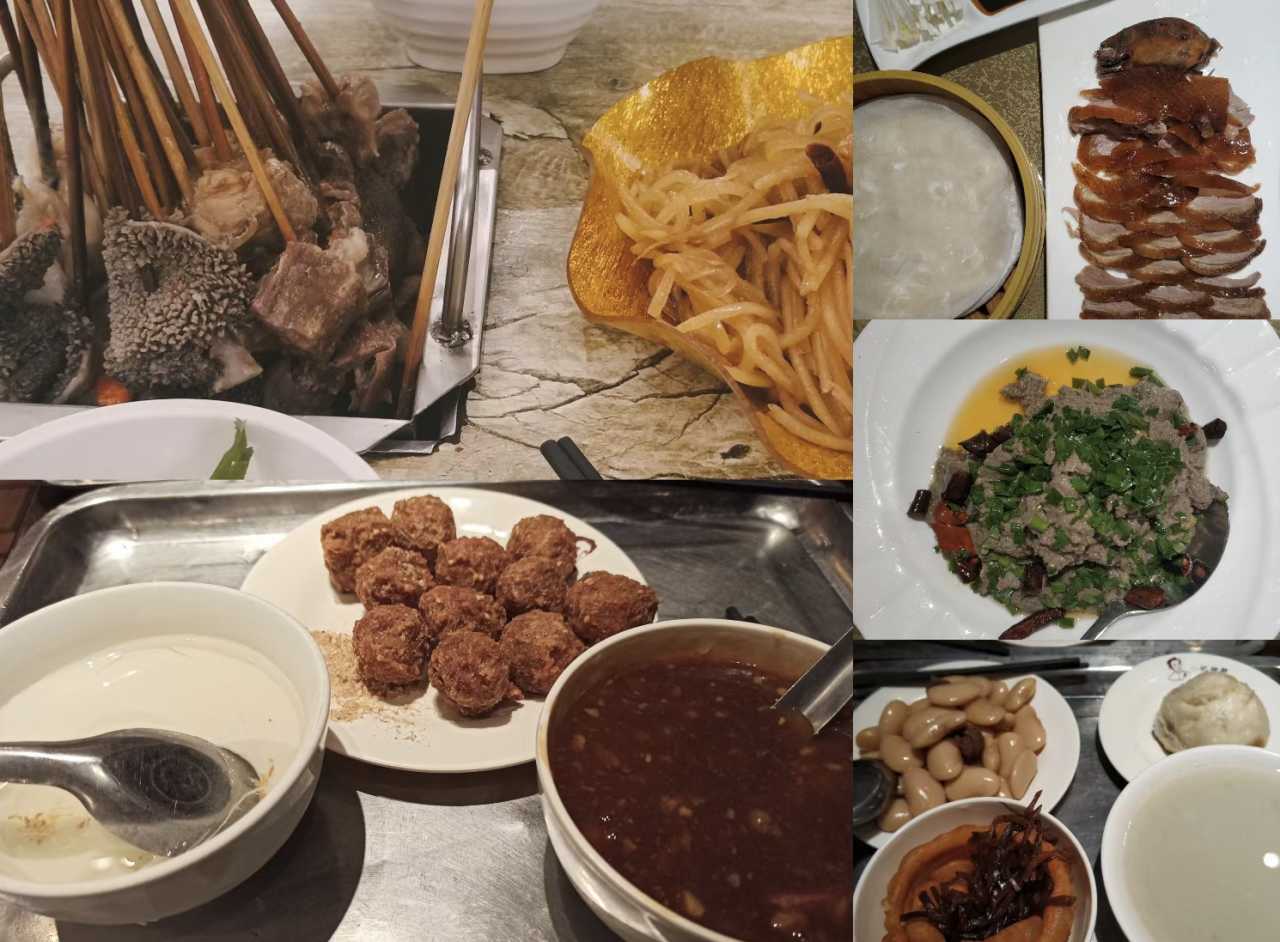
Lao Xu's Tripe Hot Pot (老徐涮肚) – Near Nanluoguxiang, this spot offers incredible value. A two-person set meal (over 160 yuan) arrives as a table full of dishes: tripe, crispy tripe, chicken skewers, beef and lamb, plus a large plate of sour and spicy shredded potatoes. The chicken skewers are incredibly tender, and the potatoes are perfectly sour. Two of us spent just over 200 yuan—great value.
Small Pear Soup (小吊梨汤) – Found at corner shops throughout hutongs. Silver fungus, pear, and red dates simmered into a thick, sweet broth. Perfect for autumn.
Chicken-Skin-Stuffed Flatbread – Separate order at Lao Xu's. Crispy, savory, and satisfying.
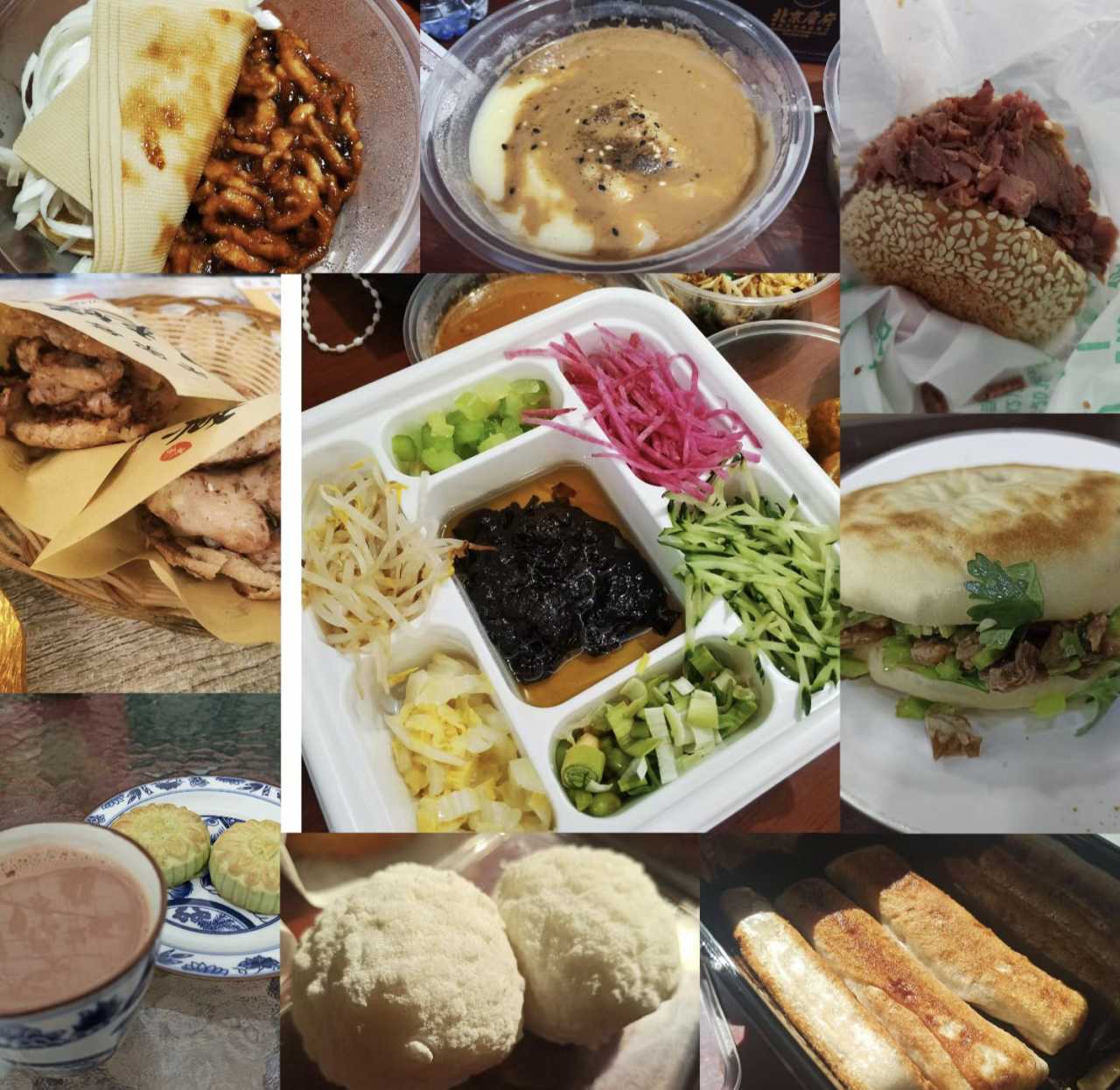
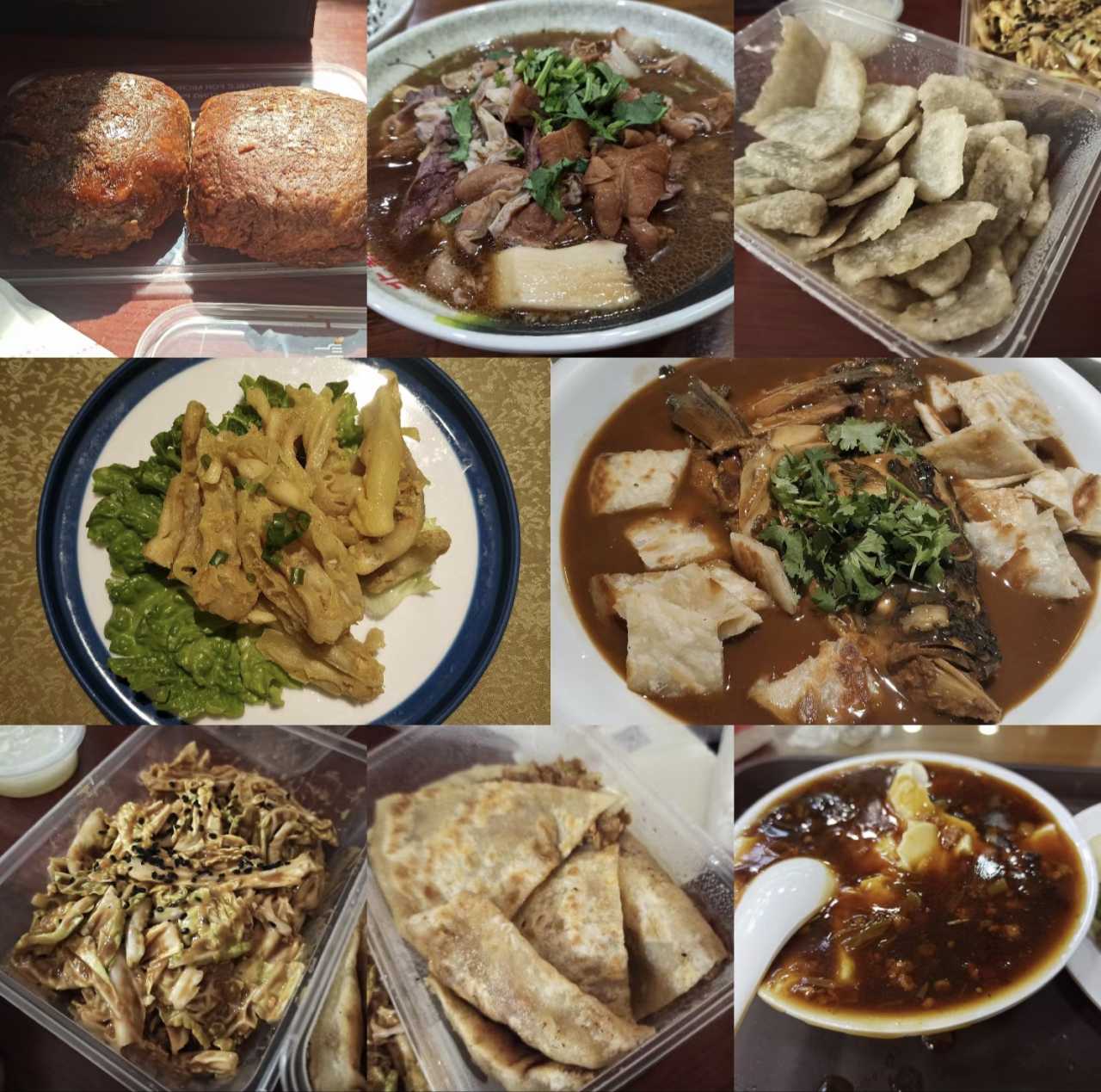
Beijing Pastries – Buy from Qianmen Street for the road. Try the pine nut cake and bean paste pastries.
Pro Tip: For authentic Beijing snacks, skip tourist traps on Wangfujing. Head to Niujie (Ox Street) for Muslim cuisine or Guijie (Ghost Street) for late-night hot pot.
FAQ: Post-Pandemic Travel in Beijing
Q1: Do I need to book attractions in advance? Yes. The Forbidden City, National Museum, and Summer Palace require advance reservations (often 1-7 days ahead). Book via WeChat mini-programs or official websites.
Q2: What happens if my health code triggers an alert? You'll be denied entry to venues requiring QR code scans. Focus on outdoor attractions (hutongs, parks, streets) and carry a printed negative PCR test result. At train stations, sign a letter of commitment to pass through.
Q3: Is Beijing safe for solo female travelers? Yes. Beijing is generally safe, with well-lit streets and frequent police patrols. Use common sense: avoid deserted alleyways at night, and keep valuables secure.
Q4: What's the best time to visit Beijing? Autumn (September-October) offers crisp air, golden leaves, and comfortable temperatures. Spring (April-May) is also pleasant, though dusty. Avoid summer (June-August) for heat and crowds.
Q5: How do I get around Beijing? The subway is efficient and cheap (3-7 yuan per ride). Download the "Beijing Subway" app or use Alipay's transport feature. Taxis are affordable but traffic can be heavy.
Internal Linking Suggestions
[Link: How to Book Forbidden City Tickets in 2024] [Link: Best Hutongs in Beijing – A Walking Guide] [Link: Post-Pandemic Travel Tips for China] [Link: Beijing Street Food Guide – What to Eat and Where]
Conclusion: Your Beijing Journey Awaits
The post-pandemic era has changed how we travel, but it hasn't dimmed Beijing's allure. From the Forbidden City's grandeur to the quiet corners of Wudaoying Hutong, from steaming bowls of tripe hot pot to the golden sunset over Jingshan Park—this city rewards the curious wanderer.
Yes, health codes may glitch. Yes, plans will change. But that's the beauty of travel: adapting, discovering, and finding magic in the unexpected.
Ready to plan your own Beijing journey? Start by booking your Forbidden City tickets and downloading the Beijing Subway app. Then, pack your walking shoes, bring your appetite, and prepare for five days of wandering through one of the world's greatest cities.
Share your Beijing travel story in the comments below! What's the first thing you want to see when you arrive?
You should also read:
Solo in Beijing: Discovering Another Side of the Capital Amid Red Walls and Grey Tiles
Meta Description: Traveling solo in Beijing on a student budget? Discover hidden gems, practical tips for first-time solo travelers, and how to explore the capital's red walls and grey tiles without breaking the bank. When my friends asked why I chose to go to Beijing…
Continue reading...
A Passionate Journey Through Beijing & Tianjin: Beijing Complete Guide – JOJO's In-Depth Travel Notes
Meta Description: Explore Beijing & Tianjin in 5 days with this complete travel guide. From the Forbidden City to the Great Wall, discover insider tips, transportation hacks, and must-see attractions. Plan your perfect China trip today. Beijing is not just a city—it's a living museum…
Continue reading...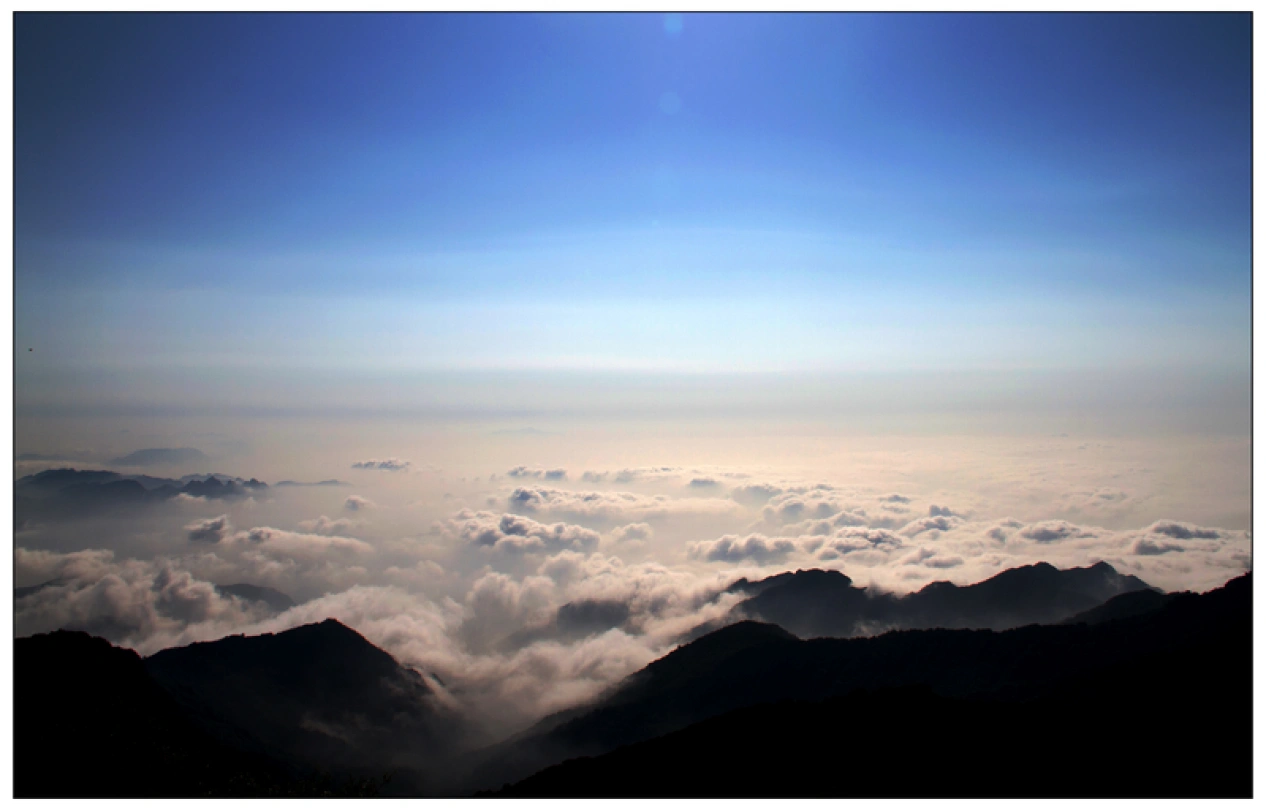
Hai Tuo Mountain Above the Sea of Clouds: A Skyward Feast on the Roof of Beijing
Meta Description: Discover Hai Tuo Mountain, Beijing's second-highest peak, where sea of clouds, starry nights, and alpine meadows await. Your ultimate guide to hiking, camping, and photography on the "Roof of Beijing." At the border of Beijing's Yanqing District and Hebei's Chicheng County lies a…
Continue reading...