"Pseudo" Solo Travel: Exploring Beijing District by District · Part Two (A 4-Day In-Depth Tour of Dongcheng District)
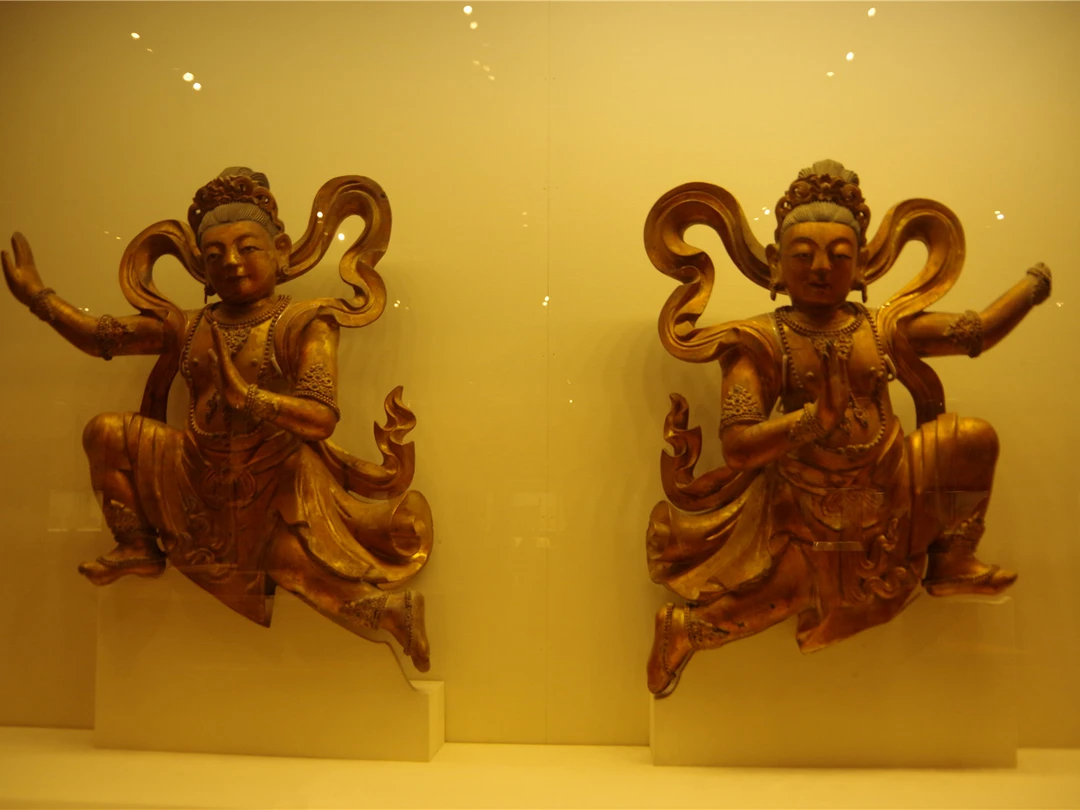
Meta Description: Discover the soul of old Beijing in Dongcheng District—hutongs, museums, and hidden gems. This 4-day solo travel guide covers Nanluoguxiang, Shichahai, the National Museum, and more. Perfect for slow travelers and culture lovers.
Introduction: Why Dongcheng District Is the Heart of Old Beijing
Every departure is a conversation with yourself. In late spring 2018, I set out with a restless heart, spending nine days "playing Beijing by district." The first part covered my initial impressions of Chaoyang, Haidian, and Dongcheng. In this installment, I'll take you deep into Dongcheng District—where the soul of old Beijing hides in its hutongs, where millennia of civilization sleep in its museums, and how a "pseudo" solo traveler found his own rhythm in this city.
If you missed Part One (Chaoyang Park, Summer Palace, Forbidden City, Lama Temple, etc.), do check it out first. This second part focuses entirely on Dongcheng District, with a few highlights from Xicheng District sprinkled in. It's perfect for slow travelers, hutong enthusiasts, and museum addicts like you.
What makes Dongcheng unique? If Chaoyang is modern and Haidian academic, then Dongcheng is "living Beijing." There's no oppressive skyscraper here—instead, you get gray-brick alleys, weathered vermilion gates, and the aroma of fried sauce noodles drifting through the lanes. Wander into any nameless hutong, and you might see an old man playing chess under a tree, a woman picking vegetables at her doorstep, or a cat lounging lazily on a wall. This kind of everyday life is far more touching than any Instagram-worthy spot.
Practical Tips for Your Dongcheng District Adventure
Before you dive into the itinerary, here are essential tips for a smooth solo travel in Beijing:
- Transport: Get a municipal transportation card. It works for both subway and buses, saving time and hassle.
- Accommodation: Stay at a hostel or guesthouse in Dongcheng or Xicheng District, within walking distance of hutong areas.
- Dining: Don't just stick to the snack street at Nanluoguxiang. Small eateries deep in the hutongs often hold bigger surprises.
- Self-care: Beijing is dry—bring lip balm and hand cream. Expect to average 20,000 steps a day, so comfortable shoes are non-negotiable.
- Museum Strategy: The National Museum requires at least a full day. Bring your ID and some snacks; they sell eight-treasure porridge and small cakes inside, but options are limited.
Day 6: From the Art Museum to Shichahai—A Hutong Walking Tour

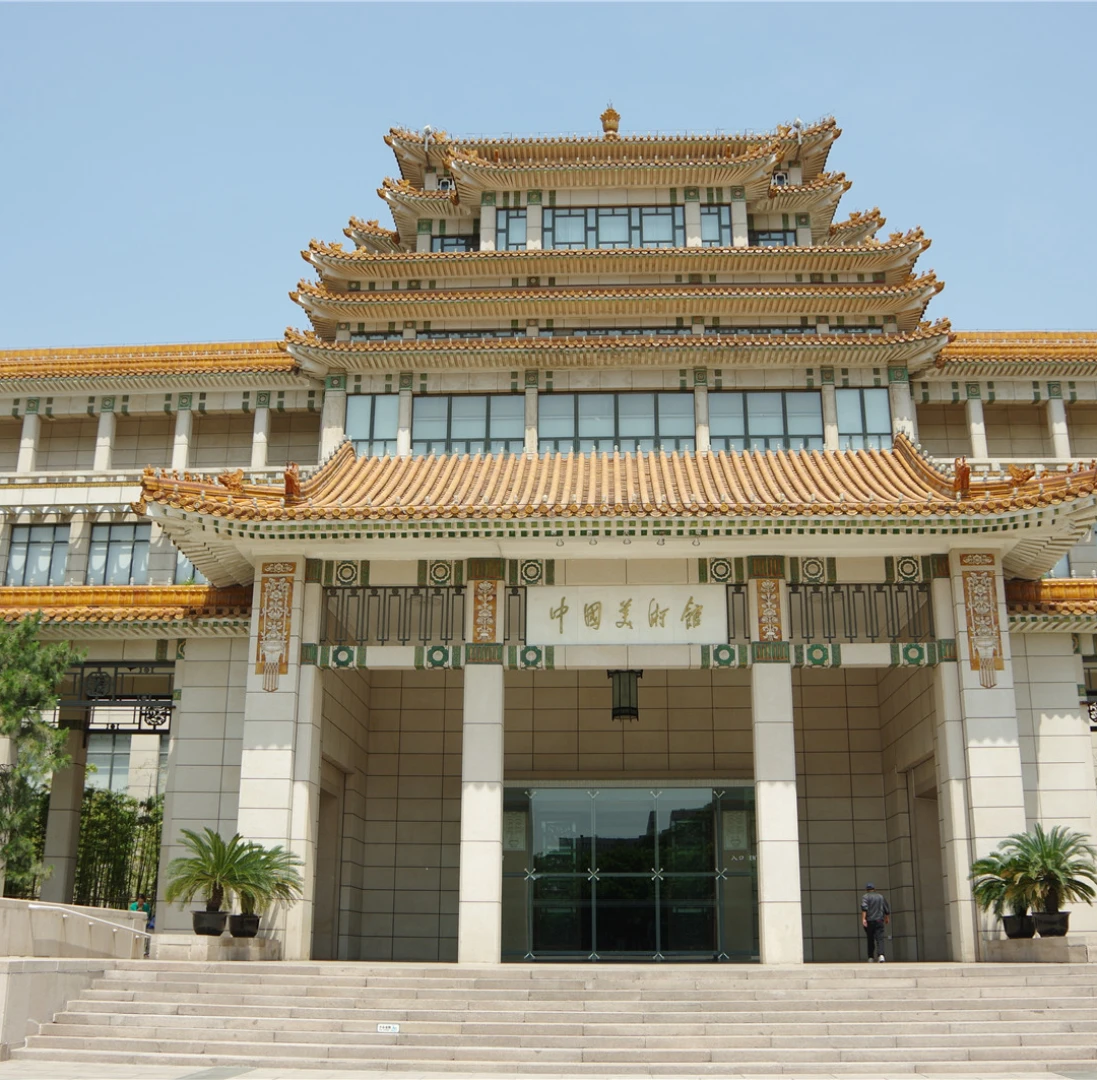
National Art Museum of China: Free Art for the Soul
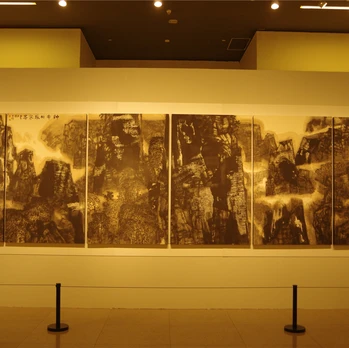
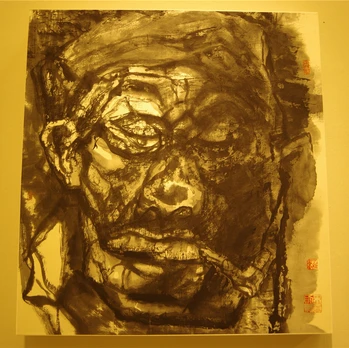
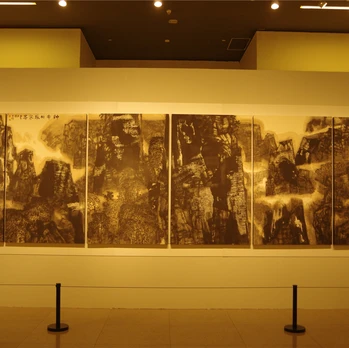
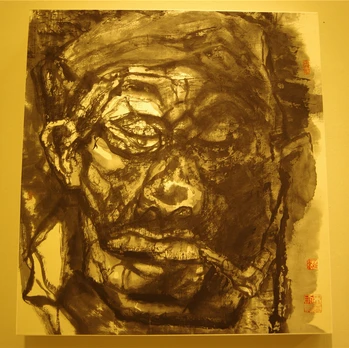
The museum operates on a "free but ticket-needed" policy—just bring your ID to claim a ticket on-site. When I visited, there was an exhibition of Chen Fanggui's artworks, still being set up, but the atmosphere alone was worth the stop. It's a great starting point for a hutong walking tour.
East Imperial City Wall North Road: Forgotten Memories of the City Wall
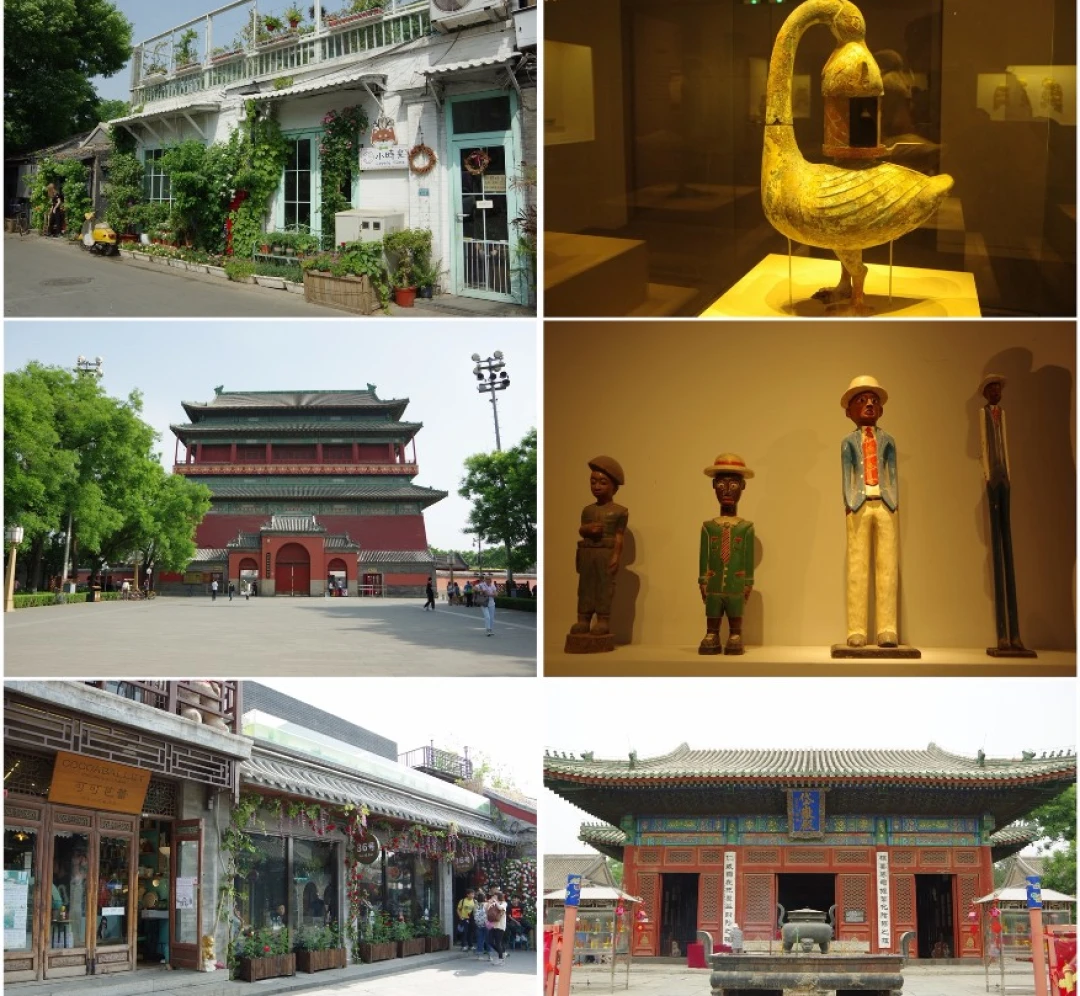
From the museum, head south along East Imperial City Wall North Road, which runs north-south, connecting Di'anmen East Street in the north and Wusi Street in the south. Alongside it lies the Imperial City Wall Ruins Park—a 2.8-kilometer-long open linear park planted with thousands of trees and over 30,000 flowers. The park features ten stepped fountains, three sections of original wall ruins on display, and dozens of urban sculptures. Walking here, you can imagine the majesty of the old imperial city wall while soaking in the leisurely afternoons of modern Beijingers.
Nanluoguxiang vs. Beiluoguxiang: Commerce Meets Authenticity
Nanluoguxiang is one of Beijing's oldest neighborhoods, built at the same time as the Yuan Dynasty capital, over 740 years ago. But today, it's just like any "ancient street" in a tourist city—boutique shops, trendy food, and crowds. The sense of history? Diluted by commercialism.
But just one street away, Beiluoguxiang is a completely different world. Fewer people, quieter, more raw. Walking through Beiluoguxiang, you see the real old Beijing: peeling courtyard walls, clothes hanging on lines, elderly people sitting on doorsteps soaking up the sun. Turn from Beiluoguxiang into Baochao Hutong, then cut through to Gulou East Street—every step is a discovery.
Drum and Bell Towers: Timekeepers on the Central Axis
Gulou East Street was once the "rear market" of the Yuan capital, bustling with merchants. Today, it's still lively, but with a more artistic vibe. The Bell Tower and Drum Tower stand one behind the other, imposing in their grandeur. The Drum Tower is 46.7 meters tall, while the Bell Tower marks the northern terminus of Beijing's central axis.
Ticket Info: - Drum Tower: Full price 20 yuan, half price 10 yuan - Bell Tower: Full price 15 yuan, half price 7 yuan - Combo ticket: 30 yuan, half price 15 yuan
Opening Hours: - Peak season (April–October): 9:00 AM–5:30 PM - Off-season (November–March): 10:00 AM–5:00 PM
The Drum Tower hosts drum performances—7 shows daily in peak season, 6 in off-season. Worth a listen.
Yandai Xiejie & Shichahai: Beijing's "Water Town"
Yandai Xiejie, or Tobacco Pipe Slant Street, was famous in the late Qing Dynasty for selling smoking pipes, antiques, and calligraphy. Today, it connects with Gulou and Nanluoguxiang, making it a great spot for food and antique hunting.
Shichahai comprises Qianhai (Front Sea), Houhai (Back Sea), and Xihai (West Sea, also known as Jishuitan). It's the only area in Beijing's inner city with open water views. Since the Qing Dynasty, it's been a summer retreat and recreation spot. Originally, ten Buddhist temples surrounded the area, giving it the name "Ten Temples Sea." Walking along Houhai North Bank, you'll pass the Prince Regent's Mansion Stables (a Xicheng District heritage site), then Ya'er Hutong—one of Beijing's longest hutongs, stretching 820 meters. Inside is Guanghua Temple (home to the Beijing Buddhist Association, but it was closed when I arrived).
Song Qingling's Former Residence sits on Houhai North Bank. Originally the mansion of Mingzhu, a Grand Secretary under Emperor Kangxi, it later served as a retreat for Heshen, then became Prince Cheng's Mansion and Prince Chun's Mansion garden. From 1963 to 1981, Song Qingling lived and worked here. Ticket: 20 yuan. Peak season hours: 9:00 AM–5:00 PM. I arrived after closing, so I'll have to save it for next time.
Finally, I reached Huitong Temple (also known as Zhenshui Guanyin Nunnery), built in the Yongle era of the Ming Dynasty and renovated during the Qianlong era of the Qing. Inside is the Guo Shoujing Memorial Hall, dedicated to the Yuan Dynasty water engineer. Opened in 1988, it's a great stop for history buffs.
Day 7: Wangfujing & the National Museum—From Street Market to Grand Hall
Wangfujing: The "Modern" Face of a Shopping Street
Wangfujing Pedestrian Street is hailed as "Beijing's premier commercial street." Stretching 810 meters from Goldfish Lane to Chang'an Avenue, it's lined with 12 major shopping malls. The red granite pavement is clean and smooth, with no curbs to trip over—a pleasure to walk on.
Wangfujing Snack Street sits on the south side of the Haoyou World Shopping Center, with over a hundred stalls selling Beijing and regional snacks. I tried the fried sauce noodles at Xuanwenlou—not cheap, and just average. My advice: go for the old-school eateries hidden in the hutongs instead.
National Museum of China: A Feast of Civilization That Needs More Than a Day
This was the main event. I planned to finish in five hours, but by the 4:30 PM closing, I'd only seen two-thirds. So I went back the next day. My advice: set aside at least a full day and bring lunch.
Located on the east side of Tiananmen Square, the National Museum of China covers nearly 200,000 square meters of floor space, houses over 1 million artifacts across 48 exhibition halls, and is the largest single-building museum in the world. Since March 2018, paper tickets have been eliminated—just bring your ID for free entry.
[Link: Visiting the Forbidden City and Tiananmen Square]
Day 8: Return to the National Museum & Hidden Gems
Completing the National Museum
I returned the next morning to finish what I started. Highlights include the Ancient China permanent exhibition, which traces Chinese civilization from the Paleolithic era to the Qing Dynasty. Don't miss the Jade Burial Suit from the Han Dynasty and the Simuwu Ding—a massive bronze ritual vessel.
Hidden Hutong Eateries
After the museum, I wandered into a small hutong restaurant near Dongsi for lunch. The fried sauce noodles were authentic—thick, chewy noodles tossed in a savory sauce of minced pork and fermented soybean paste. Cost? Under 20 yuan. This is the real Beijing food experience.
Day 9: Final Stroll Through Dongcheng's Hidden Corners
Dongsi Mosque & the Ancient Observatory
Start your morning at Dongsi Mosque (one of Beijing's oldest mosques, built in 1356), then walk to the Beijing Ancient Observatory (built in 1442). The observatory features bronze astronomical instruments from the Ming and Qing dynasties—a must for science and history buffs.
Liulichang Cultural Street
End your trip at Liulichang, a street famous for antiques, calligraphy, and traditional art supplies. It's quieter than Nanluoguxiang and offers a more authentic shopping experience.
FAQ: Solo Travel in Dongcheng District
1. Is Dongcheng District safe for solo travelers?
Absolutely. Beijing is one of the safest cities in the world for solo travelers. Dongcheng is well-lit, has a strong police presence, and locals are generally helpful.
2. How many days should I spend in Dongcheng District?
 At least 3–4 days. This gives you time to explore hutongs, visit the National Museum, and enjoy the lakes at Shichahai without rushing.
3. What's the best time of year to visit?
Spring (April–May) and autumn (September–October) offer pleasant weather. Summer can be hot and humid, while winter is cold but less crowded.
4. Can I visit the National Museum without a reservation?
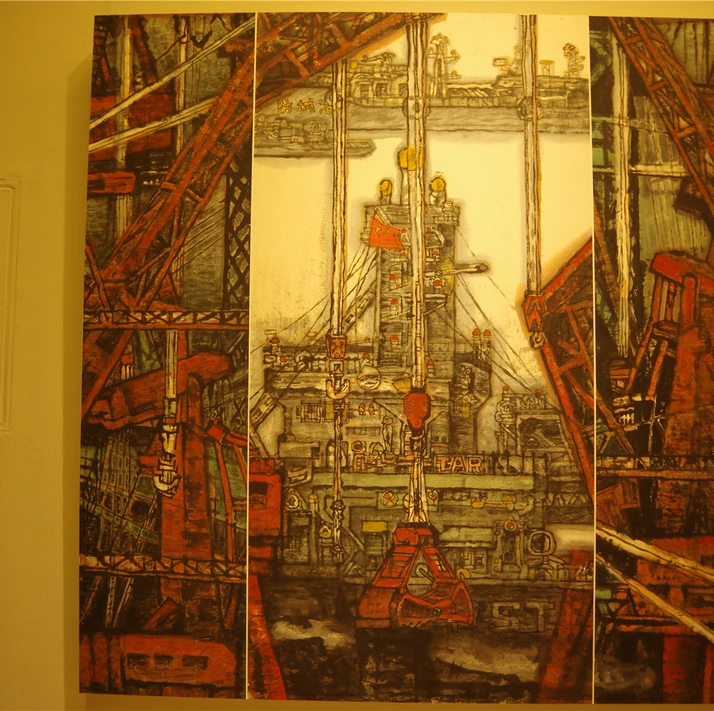 Since March 2018, the National Museum requires free tickets obtained with your ID on-site. No advance reservation is needed, but arrive early to avoid long queues.
5. What should I eat in Dongcheng?
Don't miss fried sauce noodles (zhajiangmian), Beijing roast duck (find a local spot, not a tourist trap), and savory soybean milk for breakfast. Small hutong eateries are your best bet.
Call to Action: Start Your Own "Pseudo" Solo Adventure
Ready to explore Beijing like a local? Dongcheng District offers the perfect blend of history, culture, and authentic everyday life. Whether you're a first-time visitor or a seasoned traveler, this 4-day itinerary will help you uncover the hidden soul of old Beijing.
Your next step: Book a hostel in Dongcheng or Xicheng, pack comfortable shoes, and download a map of the hutongs. Then, let the city surprise you. Share your own discoveries in the comments below—I'd love to hear about your favorite hutong moments.
Safe travels, and remember: every departure is a conversation with yourself.
You should also read:
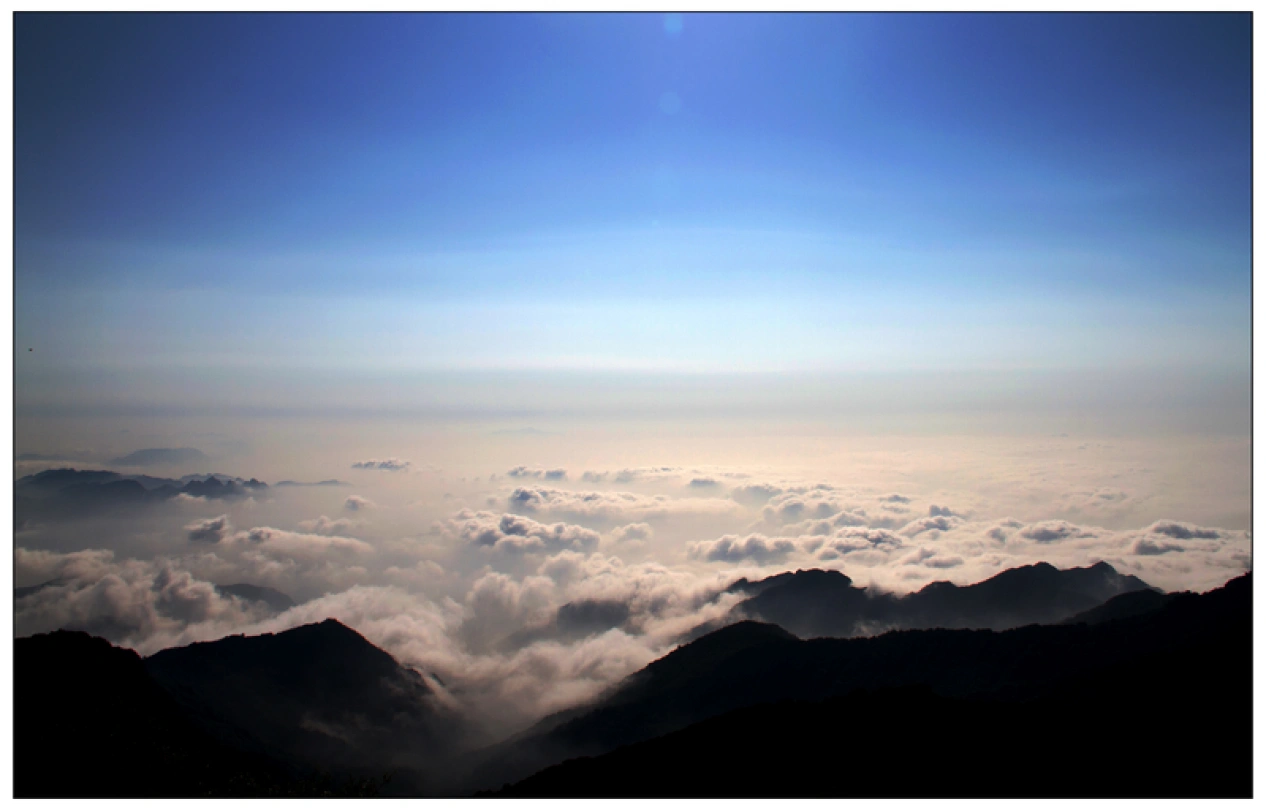
Hai Tuo Mountain Above the Sea of Clouds: A Skyward Feast on the Roof of Beijing
Meta Description: Discover Hai Tuo Mountain, Beijing's second-highest peak, where sea of clouds, starry nights, and alpine meadows await. Your ultimate guide to hiking, camping, and photography on the "Roof of Beijing." At the border of Beijing's Yanqing District and Hebei's Chicheng County lies a…
Continue reading...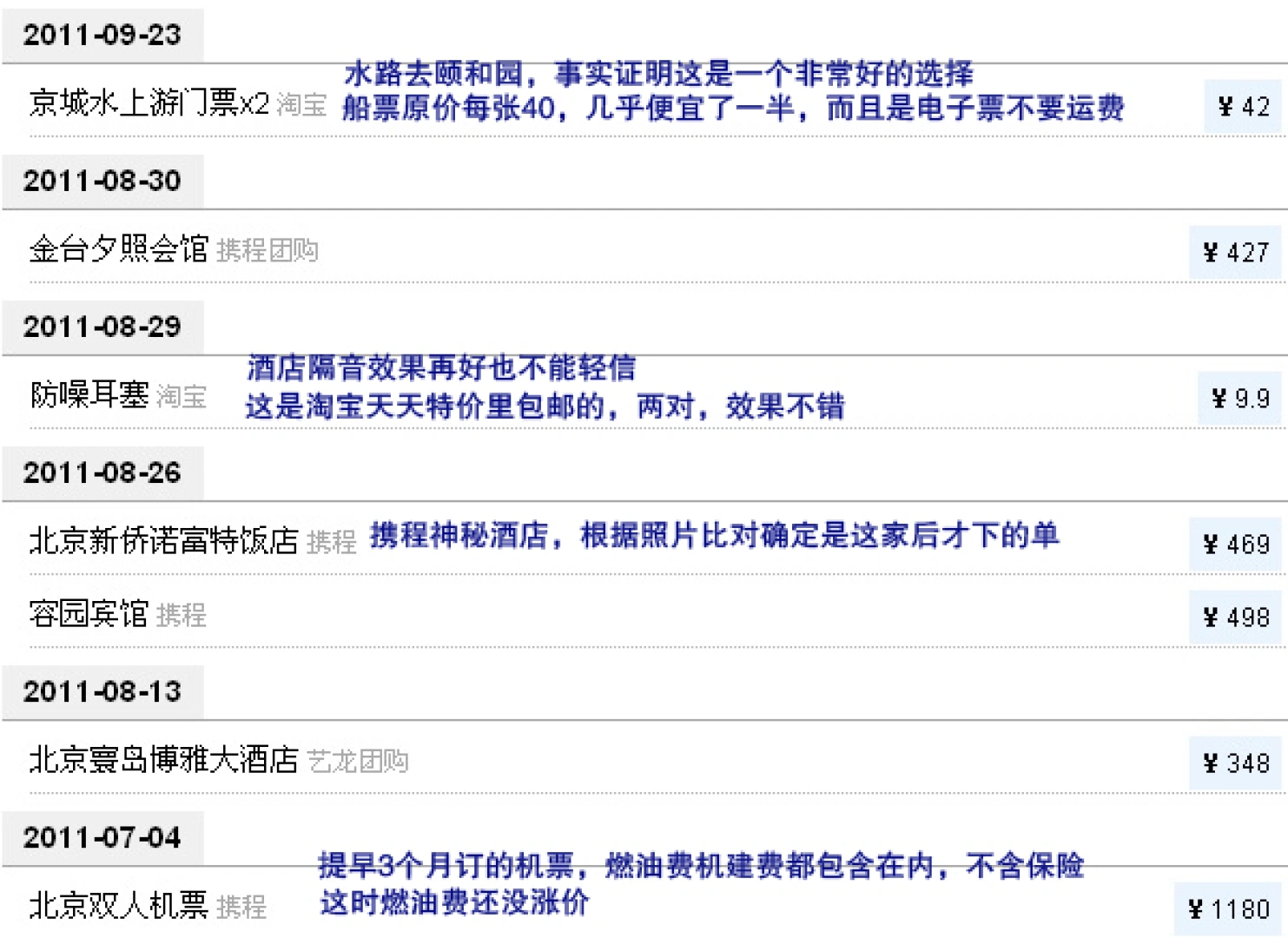
National Day 2011 Beijing Trip: 6-Day, 5-Night Father-Son Itinerary & Budget Breakdown
Meta Description: Planning a National Day Beijing trip? Discover our 2011 father-son adventure with complete expense breakdown, hotel reviews, and insider tips. Total spending under 8,000 RMB for 6 days. Start planning now! When National Day rolls around, most people's first reaction is "packed with…
Continue reading...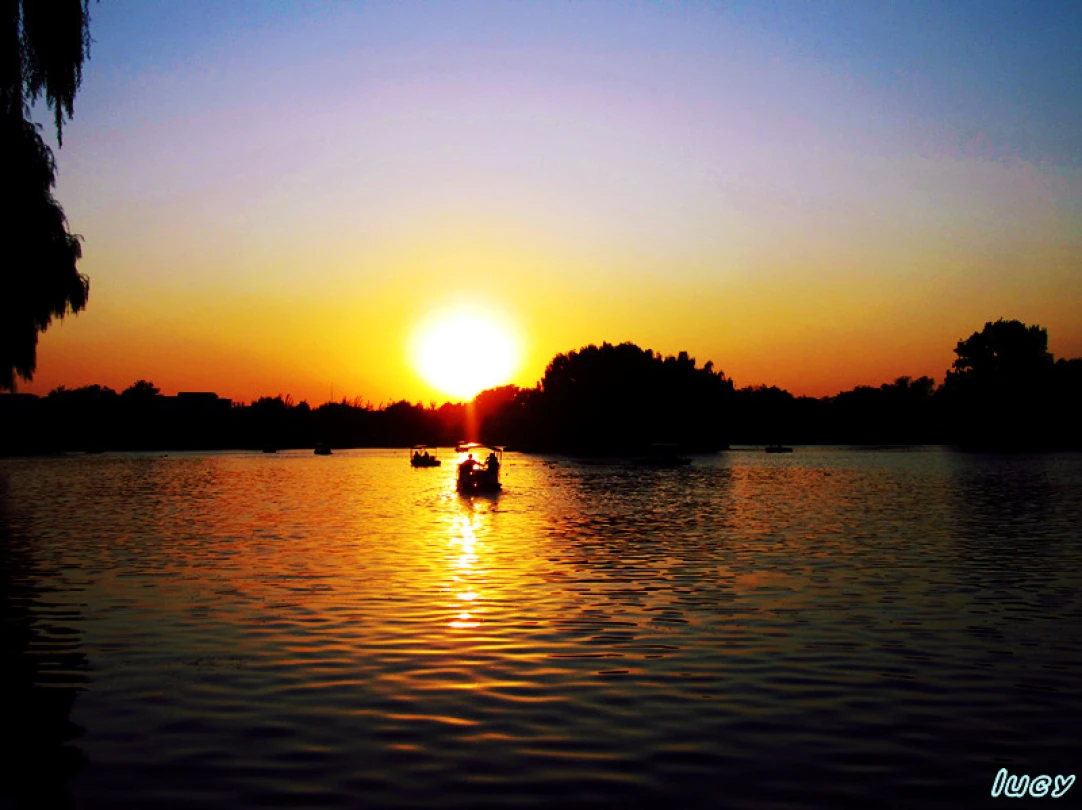
A Solo Journey Through Beijing: One Girl's Seven-Day Adventure
Here is the SEO-optimized, rewritten article based on your source material. It is structured for high readability, keyword density, and user engagement, targeting approximately 1500 words. SEO Title: Solo Travel in Beijing: One Girl’s 7-Day Budget Adventure (2,000 Yuan Itinerary) Meta Description: Discover the ultimate…
Continue reading...