Qianmen Dashilan: Century-Old Beijing Charm Meets Modern Lifestyle – A Complete Walking Guide
Meta Description: Discover Qianmen Dashilan, where Beijing's 600-year-old history meets trendy boutiques, bookstores, and global cuisine. Your complete guide to walking Beijing's most iconic pedestrian street.
I had lived in Beijing for years. I knew the hutongs, the hidden dumpling shops, the best times to visit the Forbidden City. But Qianmen—a name that echoes through countless old Beijing stories—remained a blank spot on my itinerary. Embarrassing, I know.
So I booked a hotel right on Qianmen Pedestrian Street. No more excuses. Finally, I would walk where emperors once rode, where merchants hawked silks for centuries, and where today's trendy Beijingers sip coffee while gazing at Ming dynasty arrow towers.
The moment I stepped outside, the crowd swept me along. It's a strange feeling—standing in one of Beijing's most traditional neighborhoods, yet being pushed forward by modern tourism. If you're not careful, even your hotel disappears into the sea of people. This "right there but almost missed it" feeling added drama to every step.
But here's the secret I discovered: Qianmen Dashilan isn't just one place. It's two worlds, separated by a single street corner.
From Bustle to Serenity: Qianmen's Hidden Quiet Corners
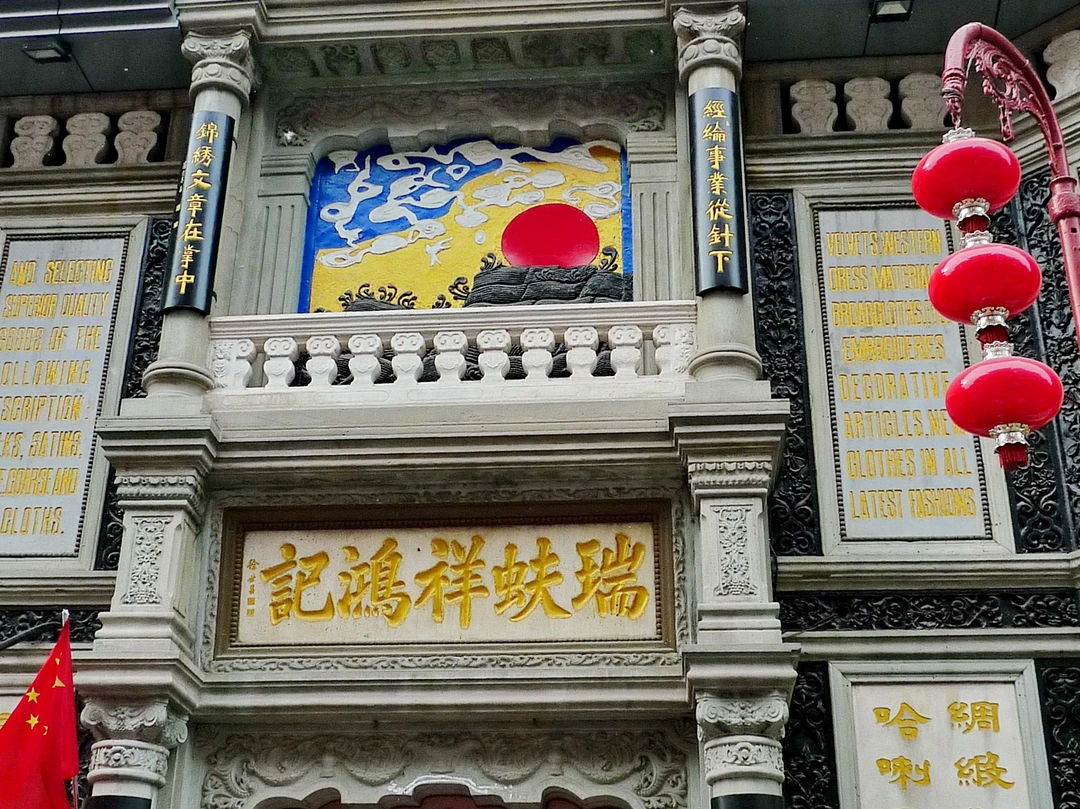
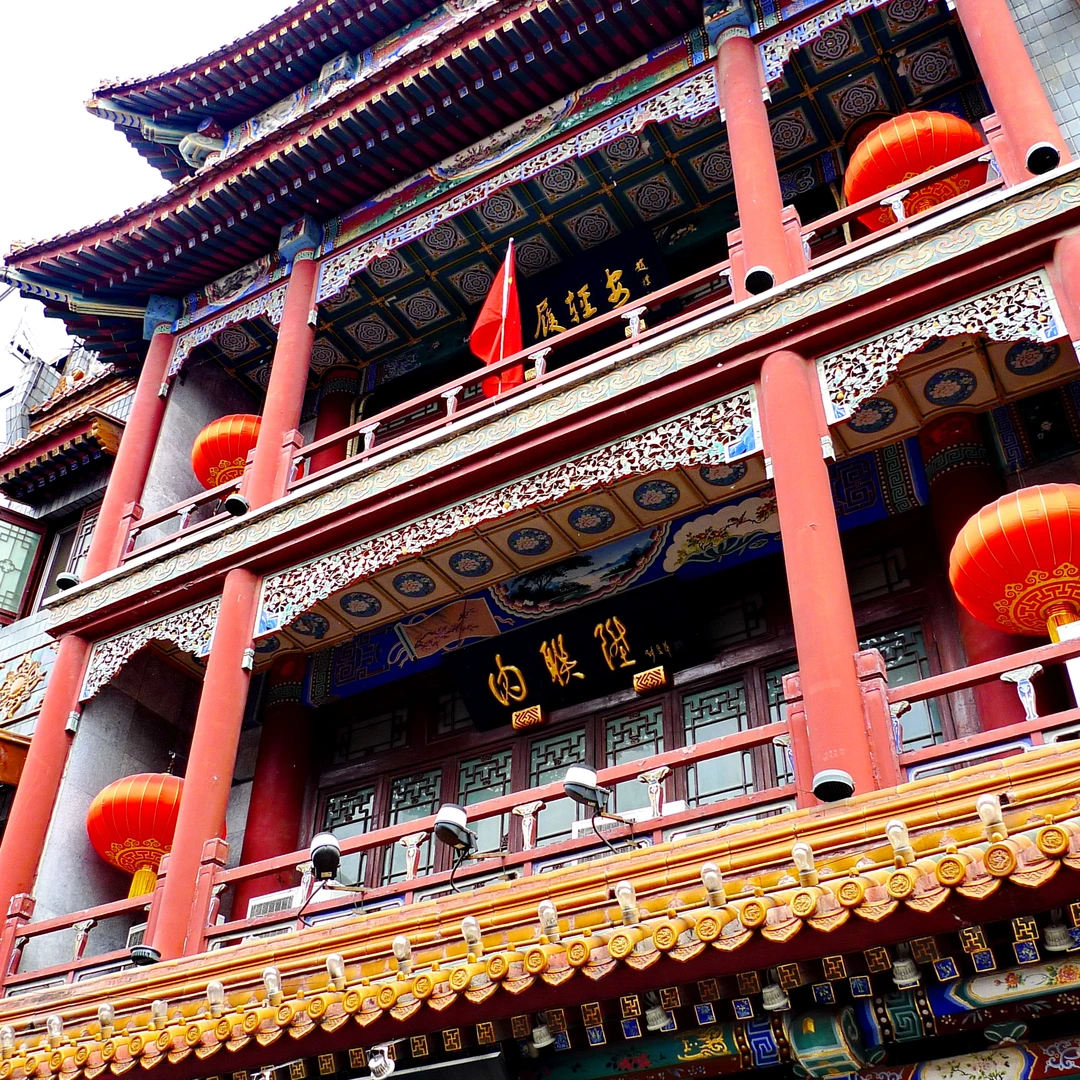
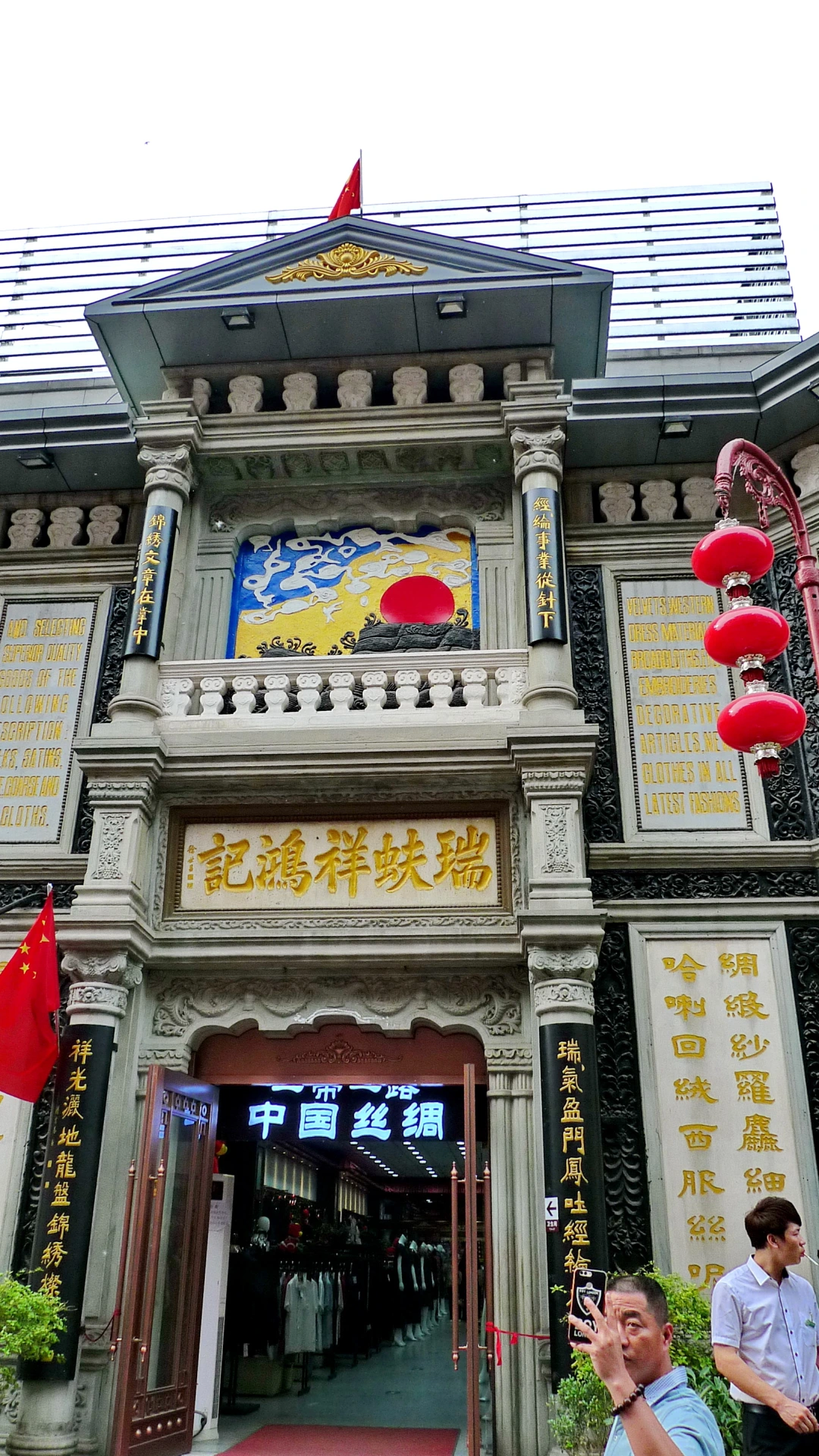
On the main pedestrian street, legendary time-honored brands like Ruifuxiang (the century-old silk store) and Neiliansheng (shoemaker since 1853) line both sides. Their names whisper a hundred years of commerce. But honestly? Faced with tourist crowds, my first instinct wasn't excitement—it was survival. I needed air.
So I turned.
Just one block off the main drag, the world fell silent. At a corner, a vintage tram sat quietly, tickets priced at 20 yuan (~$3). It invites you to hop aboard a journey through time. I stood watching it, my mind already hearing its clatter through the hutongs. But my feet kept moving—because ahead stood something truly magnificent.
Zhengyangmen: Beijing's Defensive Masterpiece Frozen in Time
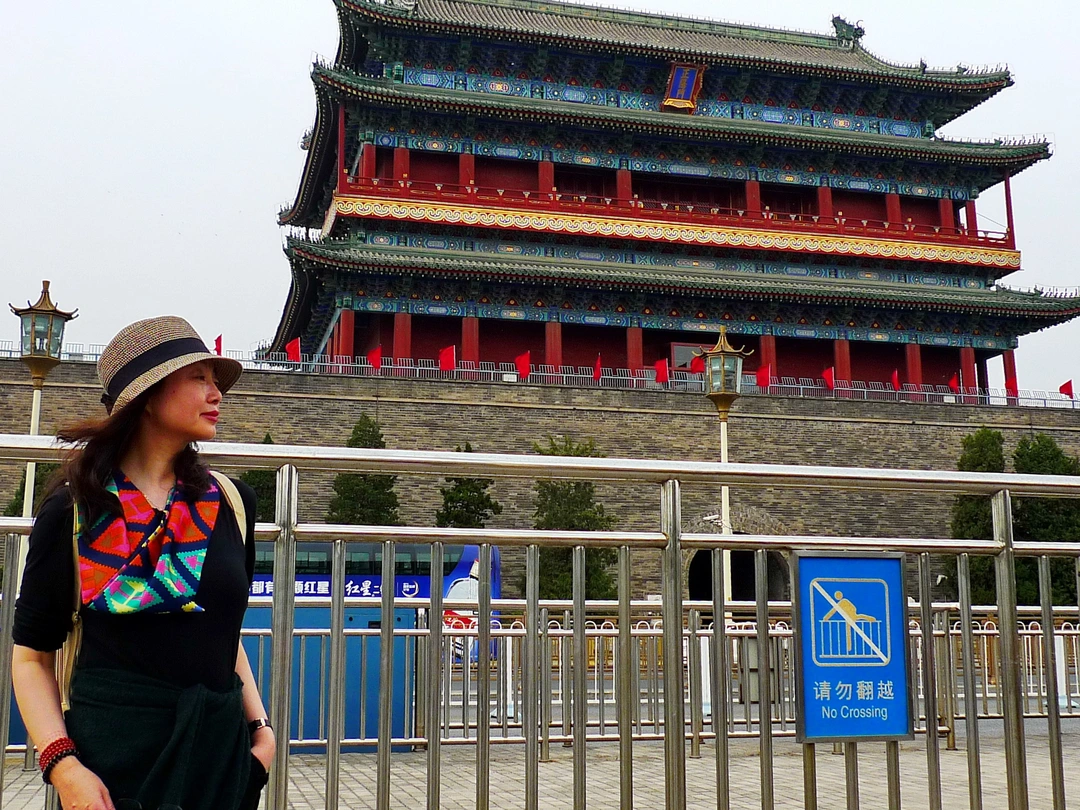
Zhengyangmen—old Beijingers call it "Qianmen" or "Qianmen Tower." Built in 1419 (the 17th year of Yongle Emperor's reign, Ming Dynasty), this gate served as Beijing's main southern entrance during Ming and Qing dynasties. It's one of the "Nine Gates of the Capital," sitting at the southernmost point of Beijing's north-south central axis, facing Tiananmen Square and Chairman Mao Memorial Hall.
Standing before it, you feel small. And that's exactly the point.
Zhengyangmen is a complete ancient defensive complex: city gate tower, arrow tower, and barbican (fortified enclosure). The barbican is gone, but the gate tower and arrow tower remain—making this Beijing's only relatively intact city gate.

The arrow tower deserves special attention. It's a brick fortress perched on a 12-meter (39-foot) platform. The platform tapers slightly upward, with an arched gate in the center. Inside once hung a "thousand-jin闸" (heavy portcullis). Among all Beijing's Ming and Qing arrow towers, only Zhengyangmen's had an opening. It was the tallest, most magnificent, uniquely designed—long considered a symbol of old Beijing.
The gate tower features gray tube tiles with green glazed trim, double eaves, and a hip-and-gable roof with three tiers. Dragon-head ornaments crown the ridge. Vermilion beams and pillars display gold-painted motifs. Upper and lower galleries surround the structure—seven bays wide, three bays deep. The craftsmanship leaves you marveling at ancient ingenuity.
I walked around it. From the side, its silhouette against the blue sky was strikingly elegant—a silent guardian calmly witnessing six centuries of change.
[Link: Beijing's Ancient City Gates Walking Tour]
Tiananmen Square: Where History Meets Holiday Crowds
Since I was already here, skipping Tiananmen Square felt wrong. During May Day holiday, the square was on high alert. Waves of tourists surged like ocean tides, yet everything remained orderly. Standing in the square, I turned back to look at Zhengyangmen's gate tower and arrow tower. I raised my camera.
That's when it hit me: this gate isn't just a historical relic. Behind it lies a bustling commercial street. Before it, a solemn square. And it stands firmly at the intersection of time itself.
The nearby Guangi Hotel (Flag-Viewing Hotel) must be a common stop for many Beijing visitors. Next time, I thought, I'll stay there. Waking up, opening the window to watch the flag-raising ceremony—that would be something.
Dashilan's Other Side: Tradition Meets Trendy Living
Leaving the square, I returned to Dashilan. But this time, I didn't rush to the familiar old brands. Instead, I turned into a quieter street. And here, I saw a completely different Qianmen—clean streets, stylish buildings, completely颠覆 (upending) my "old Beijing" stereotypes.
Page One Bookstore caught my eye first. I had longed to visit. Floor-to-ceiling windows look out onto the square before the arrow tower. Sitting by the window, book in hand, lifting my head to see that 600-year-old arrow tower—it was incredible. Modern and classical, stillness and motion, coexisting in the same space.
[Link: Best Bookstores in Beijing for Architecture Lovers]
Next door, a lifestyle boutique displayed exquisite homeware. I noticed a replica lotus-shaped warming bowl—elegant design, so inviting I wanted to touch it. Better yet, a mirror inside the store reflected the building across the street, as if traveling through two parallel dimensions.
Then I wandered into a British lifestyle store and a German one. These shops, similar to bonded zones, sold home goods, wines, and foods from their respective countries. German beer. British tea sets. Nordic tableware. Italian olive oil. The selection dazzled.
I suddenly realized: Qianmen is no longer just "old Beijing." It has quietly transformed into an international lifestyle aesthetic space.
A Taste of Beijing: The Perfect Bowl of Zhajiangmian
After an afternoon exploring, my stomach protested. For dinner, I unhesitatingly ordered a set meal of old Beijing zhajiangmian (noodles with fried sauce). The noodles were chewy. The sauce rich and savory. Topped with shredded cucumber, bean sprouts, and green beans. A splash of vinegar. Pure heaven.
What surprised me most? The price—affordable and generous in portion. As someone used to high prices in other cities, I felt genuine envy for Beijing's cost of living. This bowl of noodles wasn't just about taste. It was about the grounded comfort of everyday life.
[Link: Best Zhajiangmian in Beijing's Dashilan Area]
Qianmen at Night: Tenderness in the Glow of Lights
After dinner, I decided to enjoy the night view. As lights came on, Qianmen's evening took on a gentler charm than its daytime self. Zhengyangmen's silhouette was sharply outlined by lights. The arrow tower's glow reflected off the square's pavement, like a flowing river of light.
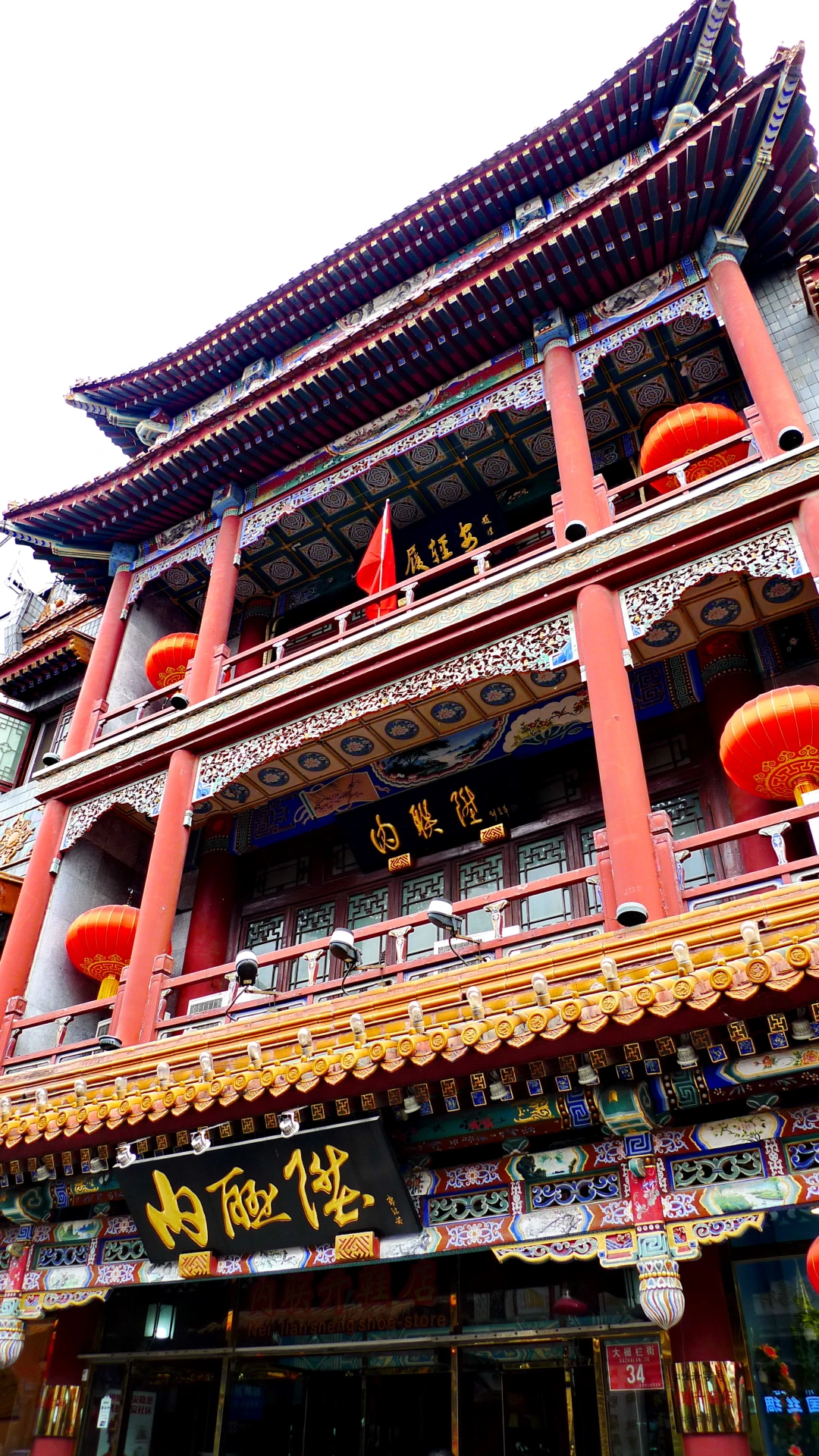
On the pedestrian street, plenty of people remained, but the daytime noise had faded into a more leisurely atmosphere. Old-brand shops lit up with warm yellow lights. Window displays looked especially tempting in the play of light and shadow.
I walked slowly, occasionally stopping to watch street performers or listen to distant vendors' calls. At that moment, I finally understood why locals and visitors alike treasure this neighborhood. It's not just a tourist attraction. It's a living, breathing part of Beijing—where centuries-old charm meets trendy living.
FAQ: Your Qianmen Dashilan Questions Answered
Q: What's the best time to visit Qianmen Dashilan? A: Late afternoon through evening offers the best experience. You'll see the area in daylight, watch the sunset over Zhengyangmen, and enjoy the magical night lighting. Weekdays are less crowded than weekends.
Q: How much time should I budget for exploring Qianmen and Dashilan? A: Plan for 3-4 hours minimum. This allows time to walk the pedestrian street, visit Zhengyangmen, browse Dashilan's boutiques, and enjoy a meal. Add another hour if you want to visit Tiananmen Square.
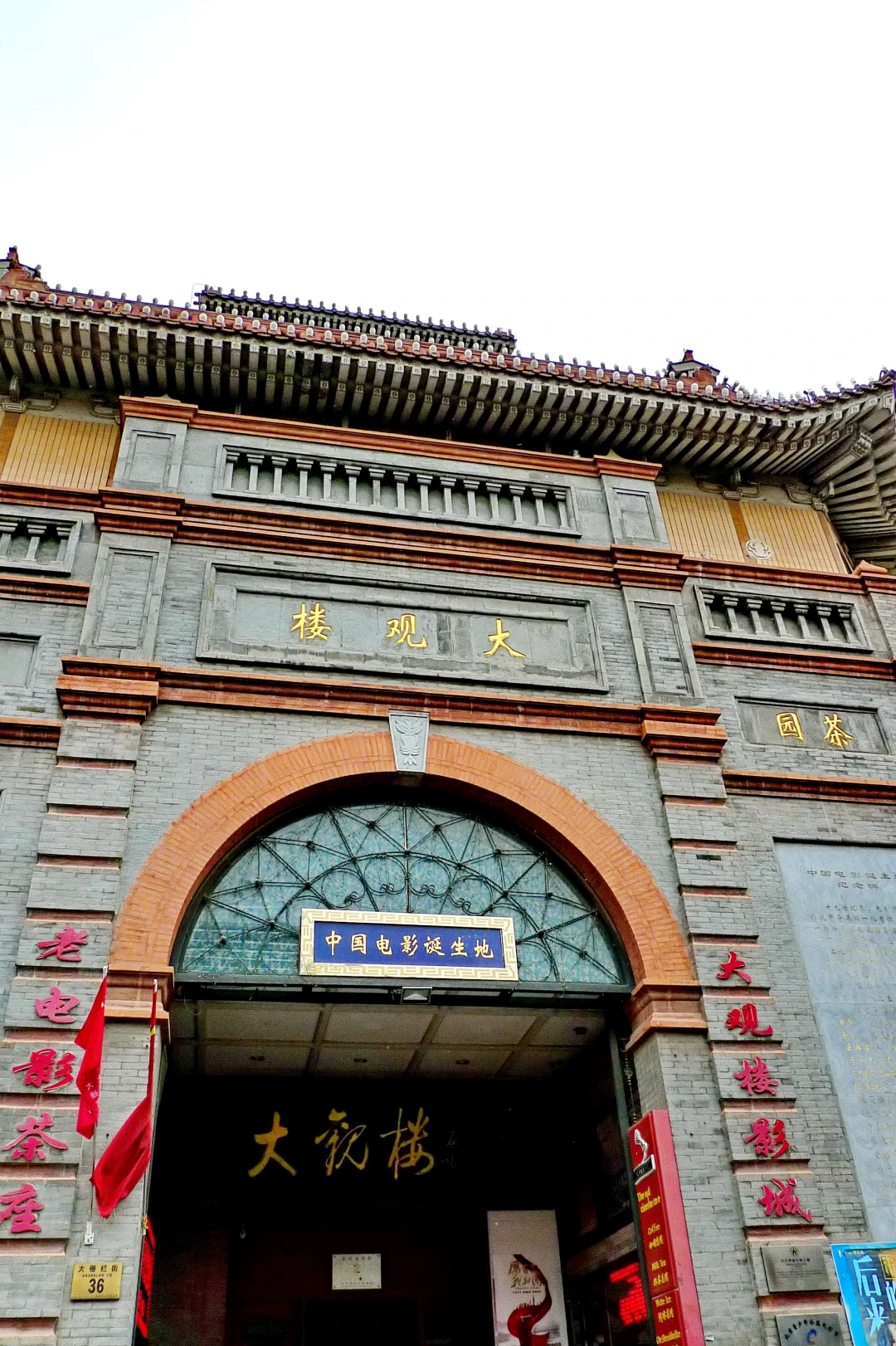
Q: Is Qianmen Dashilan suitable for families with children? A: Absolutely. The pedestrian street is stroller-friendly, and kids love the vintage tram, street performers, and the novelty of century-old candy shops. The area has plenty of restrooms and family-friendly restaurants.
Q: What are the must-try foods in Dashilan? A: Start with zhajiangmian (noodles with fried sauce). Also try Beijing-style zhajiangmian, sugar-coated hawthorn sticks (bingtanghulu), and traditional pastries from time-honored bakeries. Don't miss the sesame sauce cakes (majiang shaobing).
Q: Can I visit Zhengyangmen and Tiananmen Square in the same day? A: Yes, they're adjacent. Visit Zhengyangmen first (morning light is best for photos), then walk to Tiananmen Square. Remember to bring your passport—security checks are thorough.
Ready to Walk Through Time?
Qianmen Dashilan isn't just another Beijing tourist spot. It's where 600 years of Chinese history meets today's global lifestyle. Where a Ming dynasty arrow tower watches over a bookstore where you can sip coffee. Where century-old silk shops sit next to German homeware boutiques.
Whether you're a first-time visitor or a long-time resident who's somehow never made it here, this neighborhood rewards those who walk slowly, turn down quiet streets, and let themselves get swept along by the currents of time.
Book your hotel on Qianmen Pedestrian Street. Step outside. Let the crowd carry you forward. And discover why this corner of Beijing—caught between past and present—captures hearts century after century.
[Link: Best Hotels Near Qianmen Dashilan] [Link: Complete Beijing Travel Guide]
You should also read:
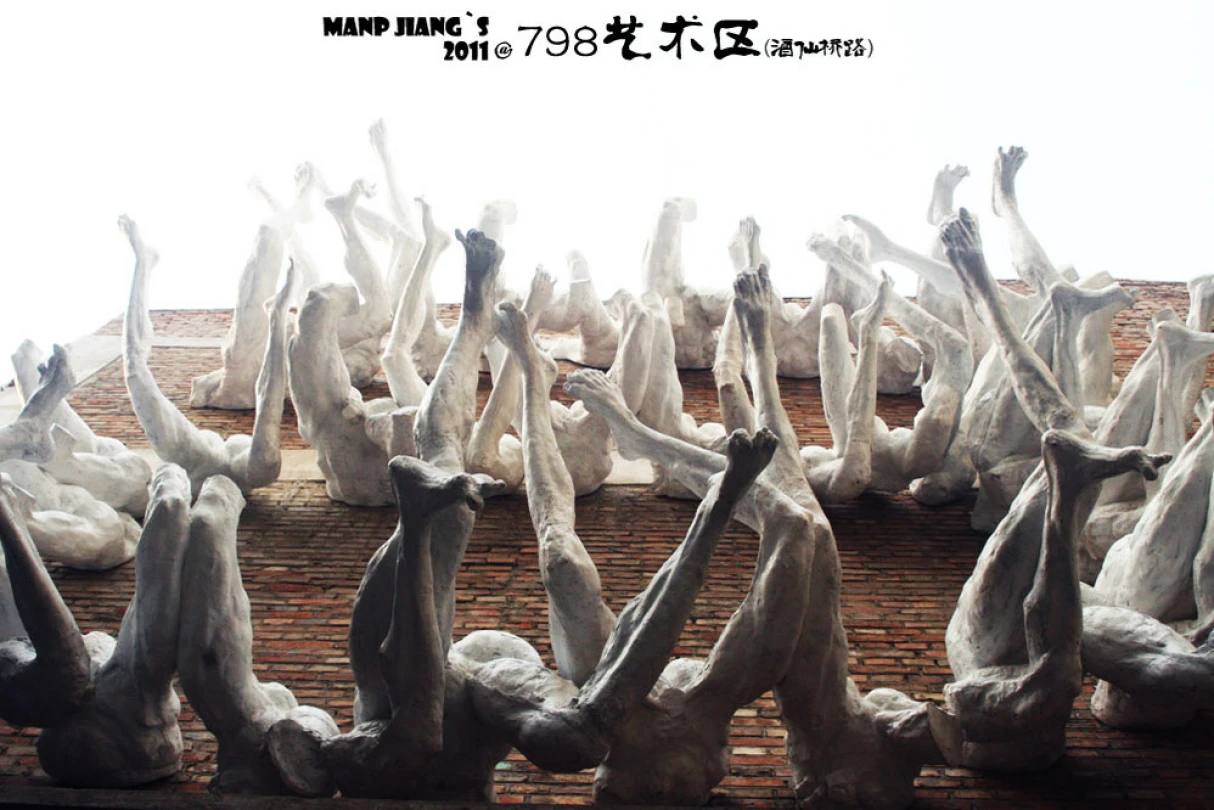
The Journey That Didn't Freeze Me to Death: Beijing – Six Days and Five Nights of Bone-Chilling Cold
Meta Description: Planning a winter trip to Beijing? Read this firsthand account of a spontaneous 6-day Beijing adventure—from ticket battles to 798 Art District, Sanlitun, and survival tips for bone-chilling cold. Perfect for budget travelers and first-timers. Some trips are long-planned romances; others are impulsive…
Continue reading...
Hai Tuo Mountain Above the Sea of Clouds: A Skyward Feast on the Roof of Beijing
Meta Description: Discover Hai Tuo Mountain, Beijing's second-highest peak, where sea of clouds, starry nights, and alpine meadows await. Your ultimate guide to hiking, camping, and photography on the "Roof of Beijing." At the border of Beijing's Yanqing District and Hebei's Chicheng County lies a…
Continue reading...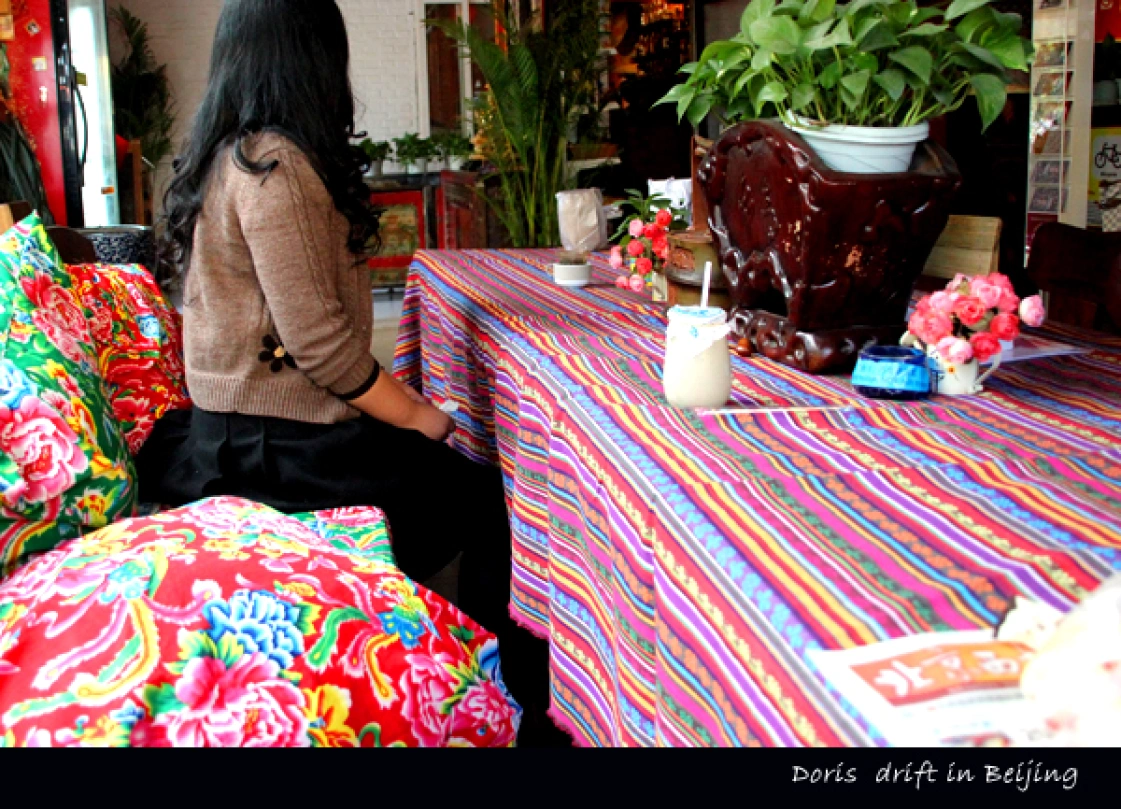
Peking: A Seven-Day Journey Between Old Dreams and New Realities – An SEO-Optimized Travel Guide
Meta Description: Explore Beijing in 7 days: from 798 Art District and Summer Palace to Houhai nightlife and Panjiayuan market. Discover hidden gems, local eats, and travel tips in this SEO-optimized itinerary. Some cities you never set foot in, yet you have painted them in…
Continue reading...