Recording My 2024 Through Travel Notes|A Guide to Beijing's Four Seasons
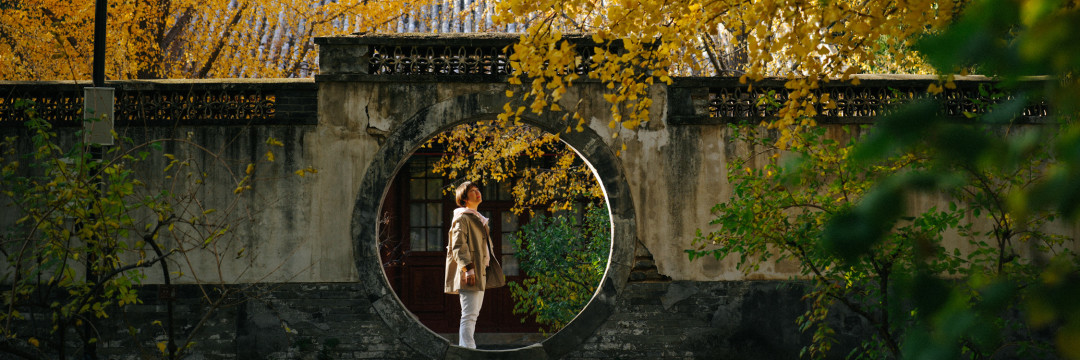
Meta Description: Discover Beijing's seasonal beauty with our complete guide. From wintersweet at the Summer Palace to autumn red leaves, explore the best times, spots, and photography tips for each season.
Introduction: The Four Seasons of a City, My Deepest Affection
We are always chasing distant landscapes, yet we often forget that the land beneath our feet, with its unique rhythm, cycles through spring blossoms and autumn fruits, summer rains and winter snows year after year. I love to travel, but I love the city I live in even more—Beijing.
Beijing is a city that weaves the ancient and the modern into its very bones. Its four seasons are not just cold calendar changes of solar terms; they are vibrant visual feasts. In spring, the red walls of the Forbidden City are reflected against pink and white peach blossoms, like a meticulous Chinese painting. In summer, the lotus ponds of the Summer Palace send forth cooling breezes, letting you forget the world's noise. In autumn, the red leaves of Fragrant Hills burn like flames, and the ginkgo trees along Diaoyutai pave a golden carpet. In winter, the ice rink at Shichahai echoes with laughter, while the Forbidden City stands silent and mysterious under a blanket of snow.
I have spent five years exploring every corner of this city and taken countless photos. Today, I want to compile these years of accumulation into a chronicle of Beijing's seasonal wonders—this is my most heartfelt confession to this city as a native Beijinger.
I. Spring Chapter: Flowers Never End, Worth Every Step
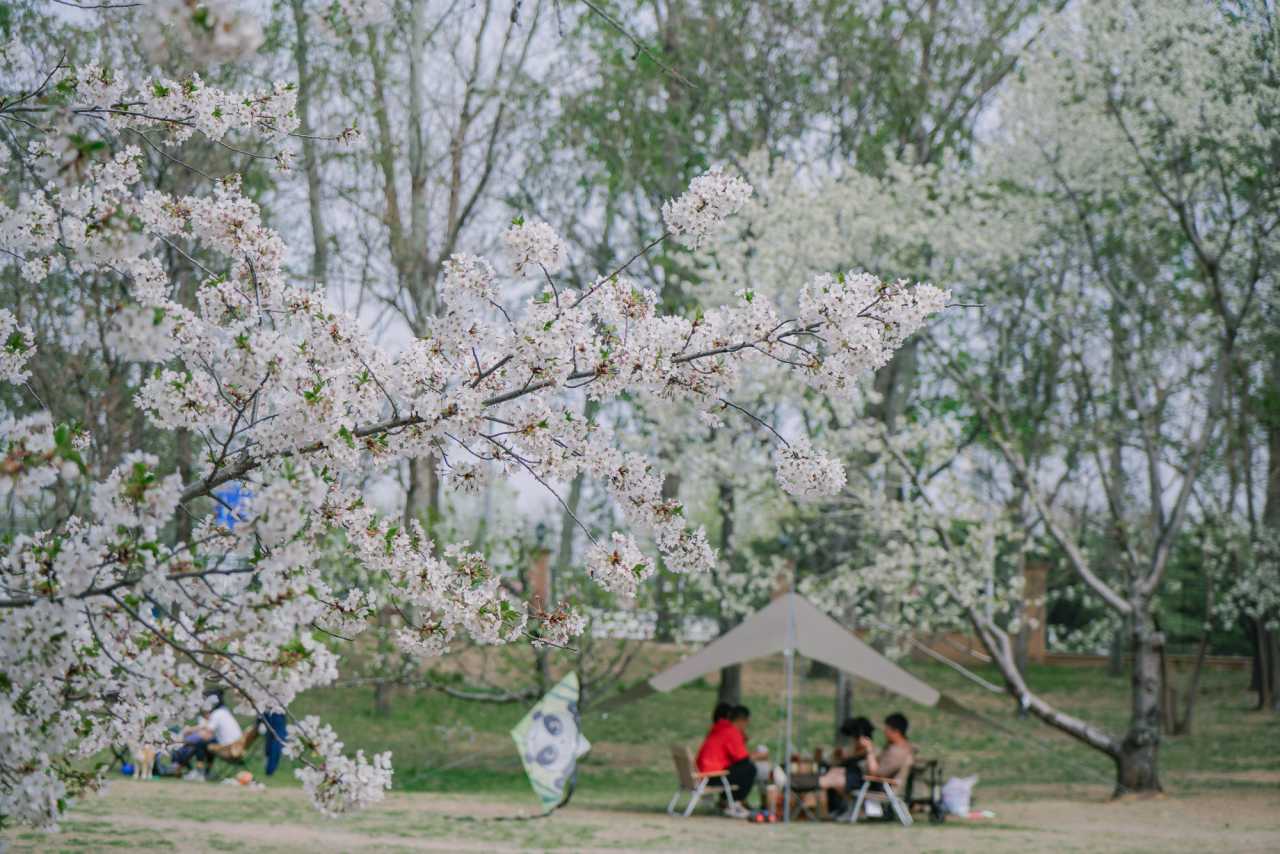
Beijing's spring begins with the silent bloom of wintersweet (腊梅). From February's wintersweet to April's wisteria and peonies, the three-month-long flowering season reveals the gentlest and most charming side of this ancient capital.
1.1 Wintersweet: The Messenger Knocking on Spring's Door
Summer Palace · Lenongxuan (Joyful Farming Pavilion)
Photo date: March 7, 2021
Lenongxuan at the Summer Palace is my top choice for viewing wintersweet. This simple farm-style building stands in stark contrast to the Summer Palace's majestic royal character. According to records, in 1902, Empress Dowager Cixi ordered craftsmen to build it modeled after a farmhouse in Xiguanshi Village, Changping, on the outskirts of Beijing. Dozens of wintersweet trees were planted in front, making it a famous spot for plum blossom viewing in Beijing.
The name "wintersweet" (蜡梅) comes from its buds—like drops of yellow wax. When they bloom, the petals have a waxy sheen. Clusters of goose-yellow buds hang shyly, releasing a faint fragrance. The darker tones of Lenongxuan's architecture perfectly set off the delicate beauty of the flowers. The wintersweet here is mainly the "plain-hearted" variety, with pure colors and a rich floral scent filling the air.
The ancients called appreciating wintersweet "tasting the plum"—and rightly so. Like tasting tea, you must do it step by step: first smell its fragrance, then observe its color, so as not to waste these stubbornly blooming little spirits in the low temperatures.
Best viewing time: Mid-to-late February to early March
Ticket: Peak season 30 yuan, off-season 20 yuan (reservation required via "Changyou Gongyuan" app)
Transportation: Self-driving can park at the Xinjianguomen parking lot (12 yuan/hour); subway to Beigongmen Station
Wofo Temple (Sleeping Buddha Temple) · Wintersweet Secret Spot
Photo date: February 27, 2022
Inside the Beijing Botanical Garden, Wofo Temple has more wintersweet trees and a longer blooming period. The earliest blooms start in early February, with different varieties blooming in succession until March. When wintersweet flowers open, temperatures are still low, and the small, delicate petals require a close look to appreciate.
Two memorial archways stand at the temple entrance: the first at the foot of the hill resembles the archway at Xiangshan Temple, with four pillars and three stories, decorated with glazed tiles; the second outside the temple gate is a glazed archway, identical to those at Xiangshan Zhaomiao Temple and the Summer Palace's Zhihuihai. Once you step through the glazed archway, you enter the world of wintersweet—in front of the bell and drum towers, beside the temple's red walls, and on both sides of the Sleeping Buddha Hall, wintersweet trees are everywhere.
Photography tips:
- Find spots with sunlight to capture the translucent quality of wintersweet
- The red-hearted wintersweet in front of the west bell tower pairs beautifully with the dense eaves
- Red walls make the best backdrop—blue sky, red wall, yellow wintersweet—a perfect color combination
Ticket: Botanical Garden entrance 5 yuan, Wofo Temple 5 yuan
Opening hours: Winter: Botanical Garden 7:00-19:00, Wofo Temple 8:30-16:00
Yue Tan Park (Moon Altar Park) · Small but Surprising
Photo date: February 26, 2022
Yue Tan Park is divided into north and south sections. The north section preserves ancient buildings for worshipping the moon god, while the south section resembles a Jiangnan-style garden with pavilions, rockeries, and winding paths. The park is small but a favorite leisure spot for nearby residents.
Wintersweet is mainly found in two locations: on the west side of the south garden, north of Jingyuexuan, there are both plain-hearted and red-hearted varieties, with stone benches beneath the trees that you can step onto for a closer look; at the southwest corner, Shuangsxin Pavilion, wintersweet trees are on the east and north sides. When the flowers are 70% open, the fragrance is so strong it penetrates even a mask.
Visit duration: 1-2 hours
Photography tips: Avoid strong midday light; early morning and late afternoon are good for backlight shots
Ticket: Only 1 yuan—excellent value
1.2 Magnolia: Romance of the "Snow Sea of Fragrance"
Summer Palace · Leshou Tang (Hall of Happiness and Longevity)
Photo date: March 21, 2021
Just half a month after viewing wintersweet, I was already looking forward to the peach blossoms at Zhichun Pavilion and the magnolias at Leshou Tang. Zhichun Pavilion is on the east bank of the Summer Palace, on a small island extending into Kunming Lake, directly facing Yuquan Mountain. It's the earliest place in the garden to sense spring. From here, you can capture the Wanshou Mountain and Foxiangge (Tower of Buddhist Incense) framed by peach blossoms—a scene as beautiful as a postcard.
Leshou Tang was Empress Dowager Cixi's residence. The front hall and rear courtyard are filled with magnolias, crabapple blossoms, and peonies. Behind the hall stands a purple magnolia tree, and south of Yaoyue Gate on the east side of the long corridor, there's a white magnolia tree—these are the two oldest magnolia trees in the garden, planted when Emperor Qianlong built the Qingyi Garden (the predecessor of the Summer Palace) over 200 years ago. When the white magnolia is in full bloom, flower enthusiasts call it "Xiangxuehai" (Snow Sea of Fragrance).
Dajue Temple · Ancient Temple Magnolia Fragrance
Photo date: March 28, 2021
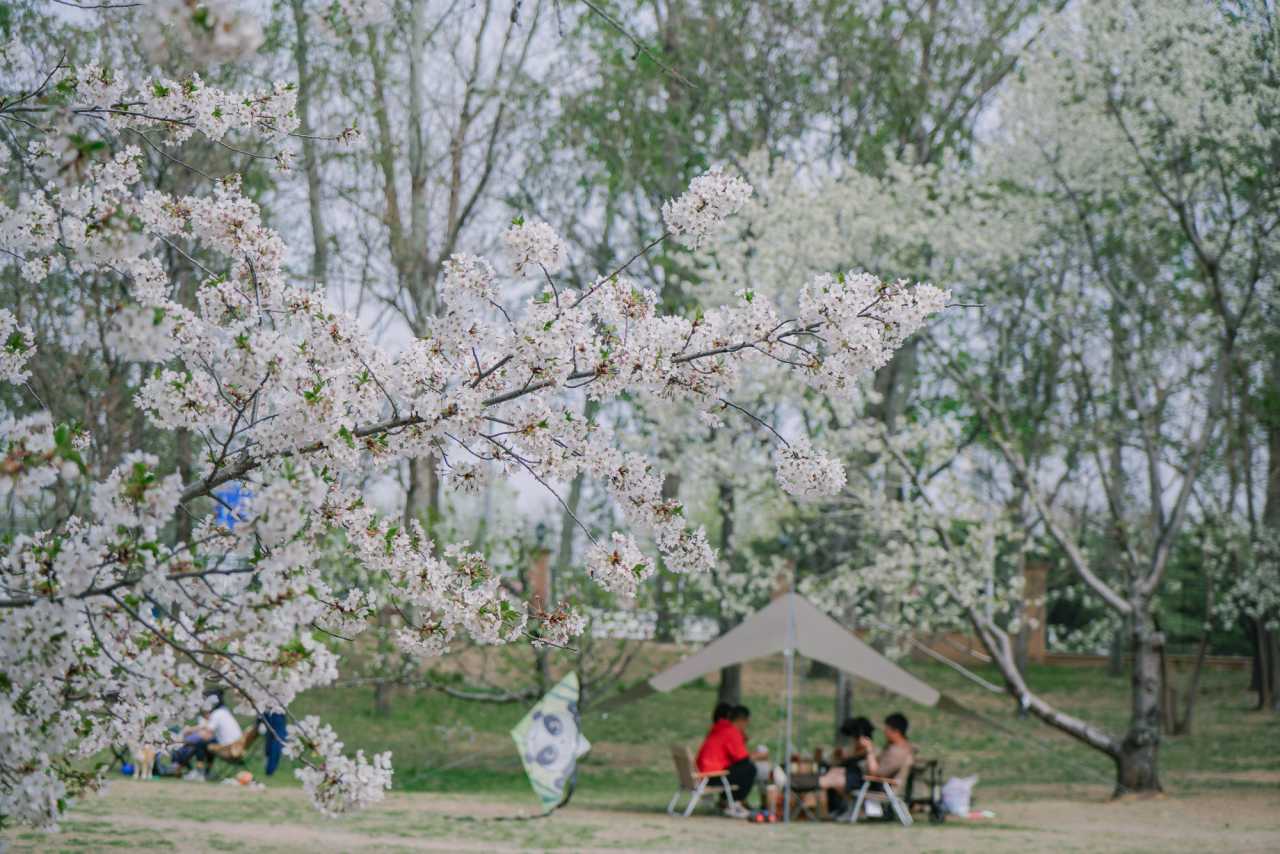
Dajue Temple is famous for its clear springs, ancient trees, and magnolias. In autumn, it has a thousand-year-old ginkgo tree, but its spring treasures are equally impressive. The temple not only has a 300-year-old magnolia tree but also forsythia, Tokyo cherry blossoms, flowering plum, and redbud blooming at the same time.
The ancient magnolia is in Siyi Hall. According to legend, it was planted by the Qing dynasty abbot Chan Master Jialing or brought from the south with his cremated remains, and is over 300 years old. When in bloom, the tree is covered in ice-like, snow-white blossoms, looking from afar like a snow-covered mountain island. This magnolia is considered the finest in Beijing.
The north and south magnolia courtyards are also the location of Minghui Tea House. Every year from late March to early April, a "Magnolia Fragrance Tea Tasting" event is held here. Sitting under the ancient magnolia tree, sipping a pot of clear tea with a view of the blossoms is a quintessential Beijing spring experience.
Best viewing time: Late March to early April
Ticket: 20 yuan (Dajue Temple is part of the Beijing Botanical Garden)
Photography tip: Arrive early to avoid crowds; the morning light creates a soft glow on the white petals
II. Summer Chapter: Lotus Ponds and Cool Retreats
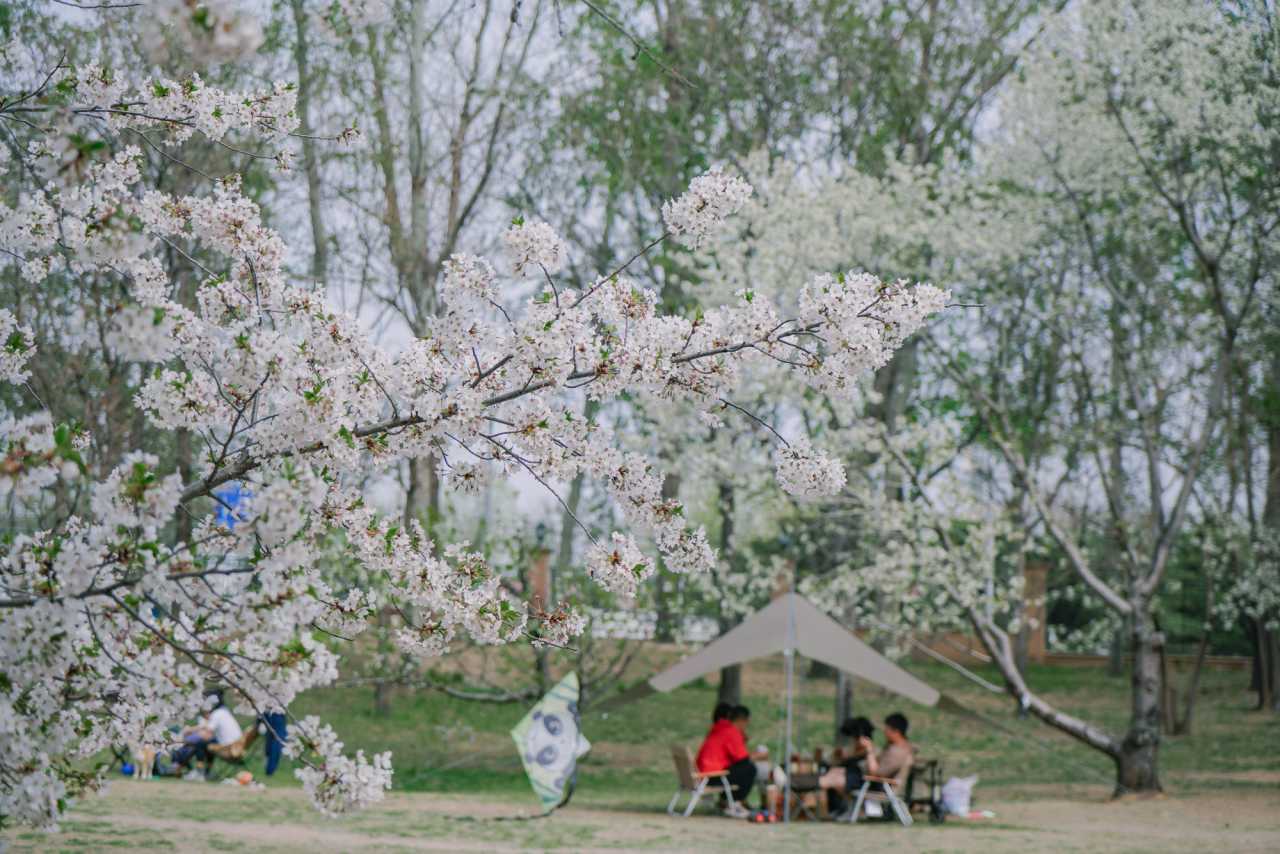
Summer in Beijing is hot and humid, but the city's parks and gardens offer respite. The Summer Palace's Kunming Lake becomes a sea of lotus flowers, while the Shichahai area buzzes with nightlife and water activities.
2.1 Lotus at the Summer Palace
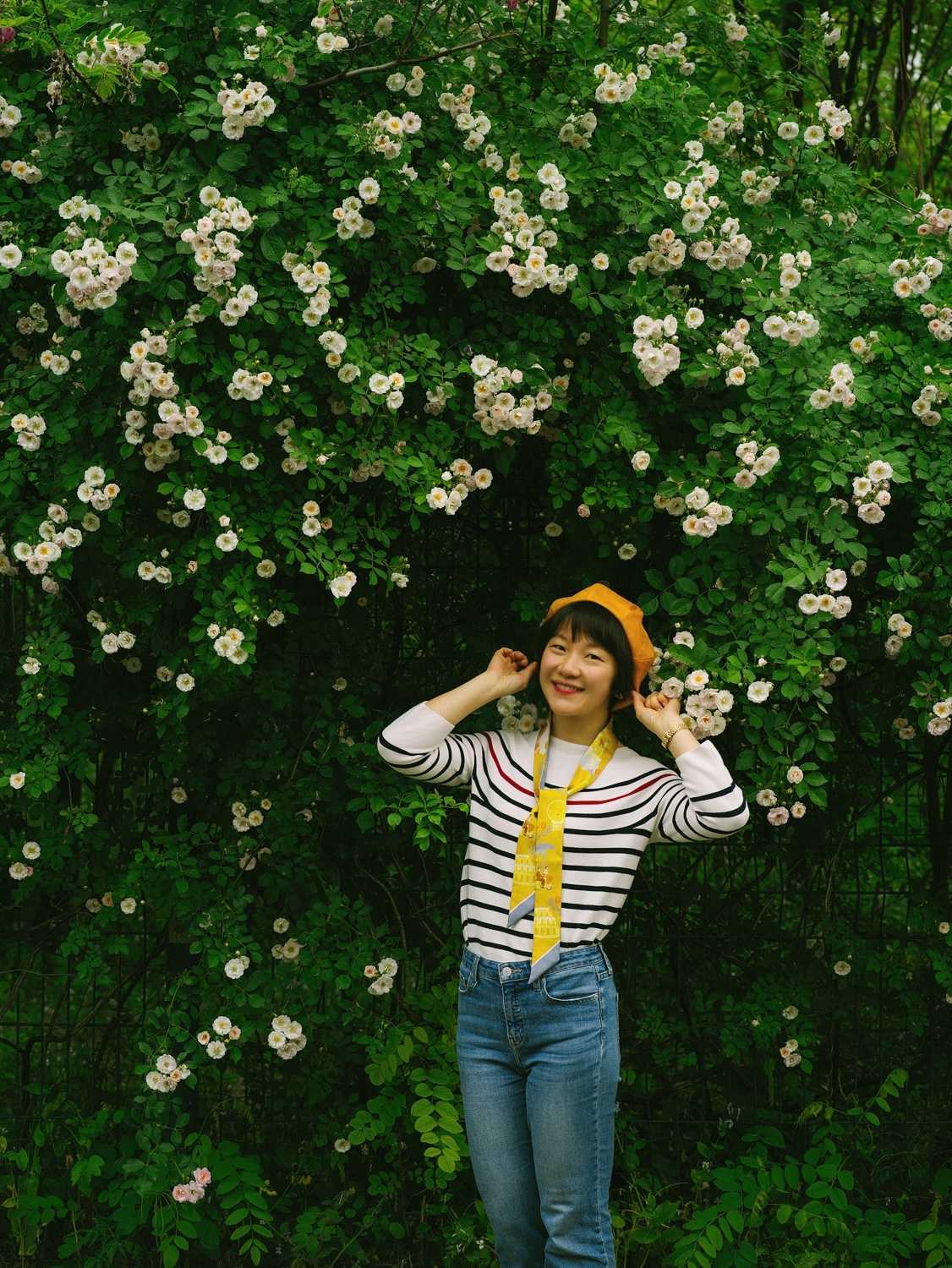
The lotus ponds at the Summer Palace are a must-see in July. The best viewing spots are along the West Causeway and near the Seventeen-Arch Bridge. The contrast between the ancient pagodas and the blooming lotuses creates a timeless scene. For photography, early morning or late afternoon light is ideal—avoid the harsh midday sun.
2.2 Shichahai: Summer Nights
Shichahai is a trio of lakes (Qianhai, Houhai, and Xihai) in central Beijing. In summer, the area comes alive with street performers, bars, and boat rentals. Rent a paddleboat and enjoy the cool breeze while watching the sunset over the water. For a quieter experience, walk along the willow-lined paths of Yandal Xie Street.
Best time: June to August
Pro tip: Visit Houhai after 7 PM for the best nightlife atmosphere
III. Autumn Chapter: Red Leaves and Golden Ginkgo
Autumn is arguably Beijing's most beautiful season. The crisp air, clear skies, and vibrant foliage make it a photographer's paradise.
3.1 Fragrant Hills: The Red Leaf Spectacle
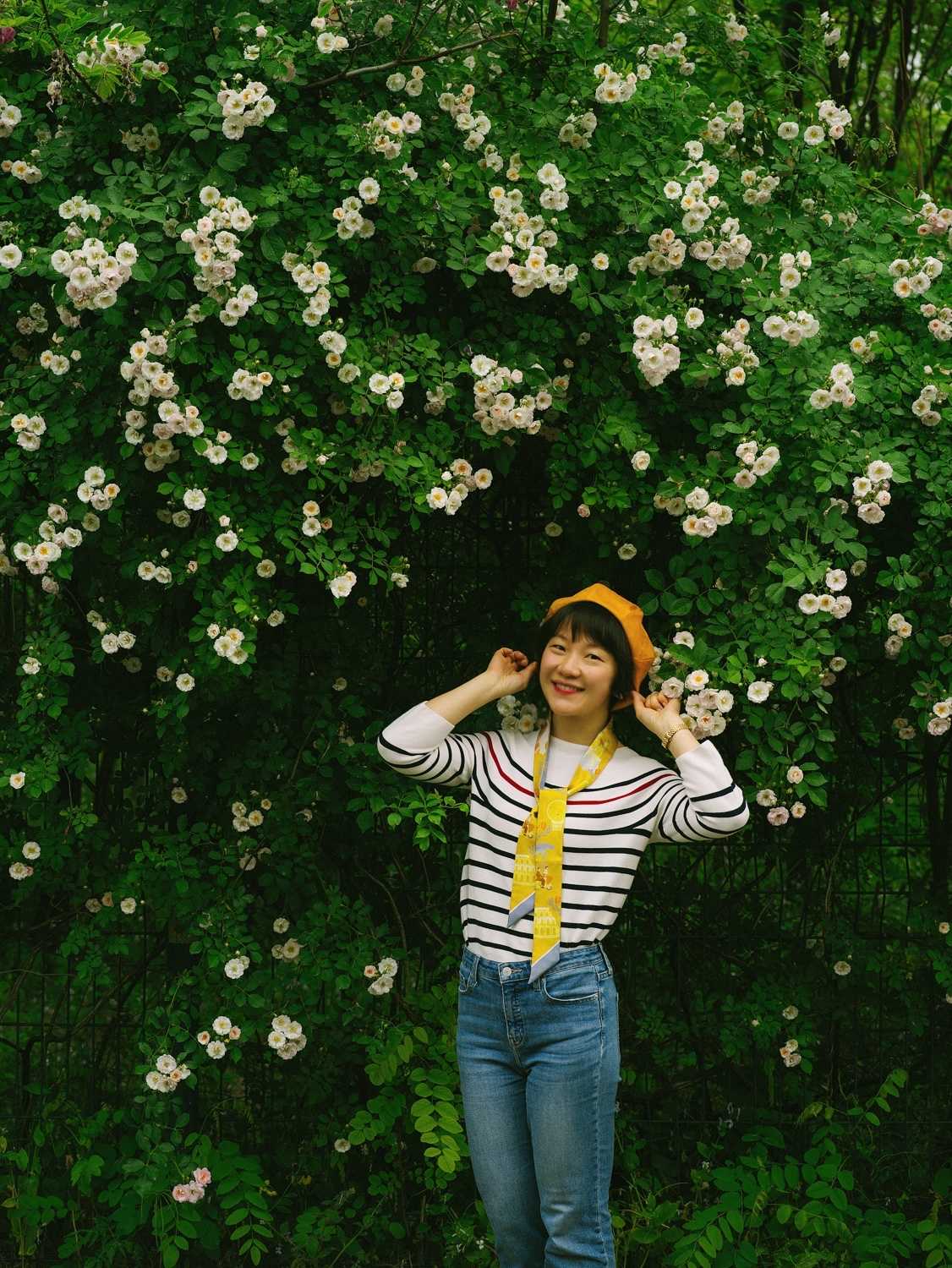
Fragrant Hills Park (Xiangshan) is famous for its autumn red leaves, primarily from smoke trees and maple trees. The best time to visit is mid-October to early November. Arrive early to avoid crowds—the park opens at 6 AM. Take the cable car up for panoramic views, then walk down through the forest.
Ticket: 10 yuan (peak season)
Transportation: Bus 563 or 331 to Xiangshan Station
3.2 Diaoyutai Ginkgo Avenue

Diaoyutai's ginkgo trees are a hidden gem. In late October, the leaves turn a brilliant gold, creating a tunnel of yellow. This spot is less crowded than the Forbidden City or Summer Palace, making it perfect for quiet walks and photography.
Best time: Late October to early November
Location: Along the moat near Diaoyutai State Guesthouse
IV. Winter Chapter: Snow and Ice
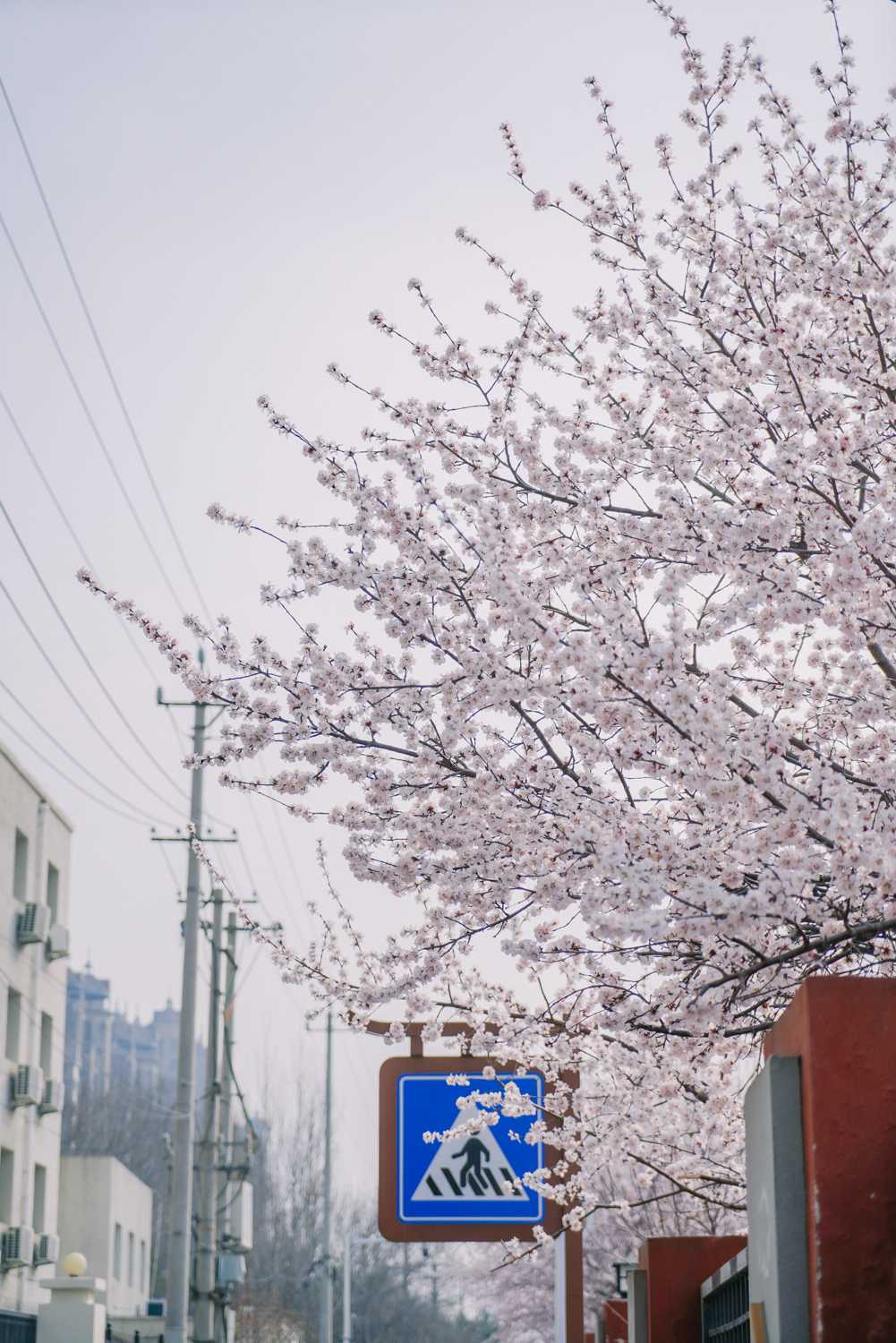
Winter in Beijing is cold but magical. Snowfall transforms the city into a classical Chinese painting.
4.1 Forbidden City in Snow
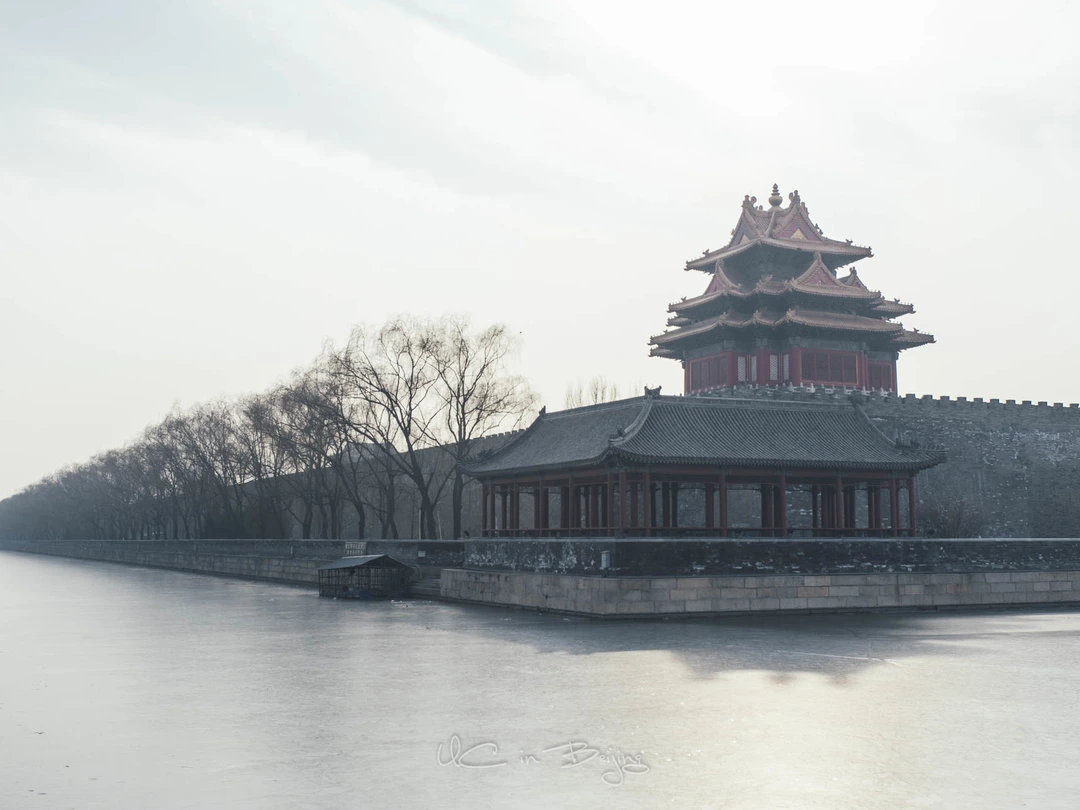
The Forbidden City is stunning under snow. The red walls, golden roofs, and white snow create a stark, beautiful contrast. The palace opens at 8:30 AM—arrive early to capture the snow before it melts or gets trampled. Check the weather forecast and plan your visit after a snowfall.
Ticket: 60 yuan (peak season), 40 yuan (off-season)
Photography tip: Use a polarizing filter to reduce glare from snow
4.2 Shichahai Ice Skating
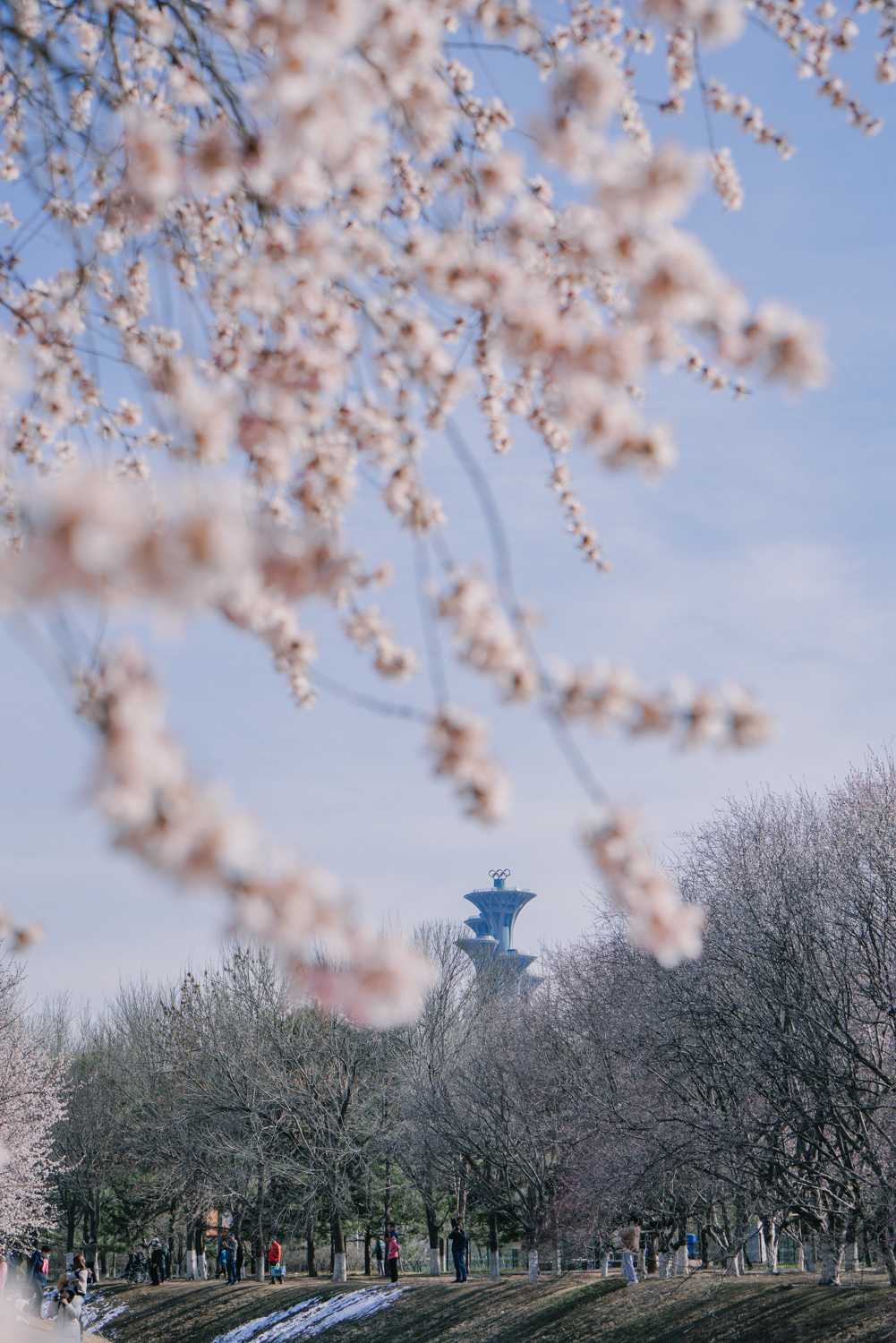
Shichahai's frozen lake becomes a massive ice rink in winter. Rent a traditional ice cart or skates and join the locals for a fun afternoon. The rink is open from late December to early February, depending on ice thickness.
Cost: Around 60 yuan for entry and equipment rental
Safety: Always check ice conditions before venturing out
FAQ: Beijing's Four Seasons
Q1: When is the best time to visit Beijing for spring flowers?
A: Late March to mid-April is ideal. Wintersweet blooms from February to March, followed by magnolias, peach blossoms, and cherry blossoms in April. The Summer Palace and Dajue Temple are top spots.
Q2: How do I avoid crowds at Fragrant Hills during autumn?
A: Visit on weekdays, arrive before 8 AM, or go in late October (before peak season). The cable car can have long queues—consider walking up the mountain instead.
Q3: Is it safe to ice skate on Shichahai?
A: Yes, but only when the official ice rink is open (usually late December to early February). The ice is monitored by authorities. Never skate on unmarked areas.
Q4: What should I pack for a winter trip to Beijing?
A: Heavy winter coat, thermal layers, gloves, hat, and scarf. Temperatures can drop to -10°C (14°F) or lower. Comfortable waterproof boots are essential for snow.
Q5: Can I visit the Forbidden City in one day?
A: Yes, but plan to spend at least 4-5 hours. Focus on the central axis and key halls. Book tickets in advance online—they sell out quickly, especially during holidays.
Internal Linking Suggestions
[Link: How to Plan a Beijing Spring Flower Tour]
[Link: Best Photography Spots at the Summer Palace]
[Link: Autumn Foliage Guide for Beijing Parks]
[Link: Winter Activities in Beijing: Ice Skating and More]
[Link: Forbidden City Ticket Booking Guide 2024]
Conclusion: Your Beijing Journey Awaits
Beijing's four seasons are a gift to anyone who loves travel, photography, or simply experiencing the beauty of nature intertwined with history. Whether you're a first-time visitor or a long-time resident, there's always something new to discover.
I hope this guide inspires you to explore Beijing's seasonal wonders. From the first wintersweet in February to the last snow on the Forbidden City in December, every moment is worth capturing.
Start planning your trip today! Book your tickets, pack your camera, and get ready to fall in love with Beijing's ever-changing beauty. Share your own travel notes and photos on social media with the hashtag #BeijingFourSeasons—I'd love to see your perspective.
Have questions or want more tips? Drop a comment below, and I'll help you plan the perfect seasonal itinerary.
You should also read:
Beijing Through the Lens: One Person's Winter Wanderings – An SEO-Optimized Travel Guide
Meta Description: Discover Beijing's winter charm through a photographer's lens. From Nanluoguxiang's night scenes to Sanlitun's neon glow, explore the city's hidden corners and iconic landmarks in this SEO-friendly travel guide. January in Beijing is so cold you can hear your own breath. But for…
Continue reading...
Savoring the Flavors of Di'anmen: A Culinary Journey Through Beijing's Heart
Meta Description: Discover the authentic tastes of old Beijing in Di'anmen. From douzhi to stir-fried liver, explore hidden hutong food stalls, legendary snack shops, and the vibrant street food culture surrounding Shichahai Lake. The story of Beijing has never been solely about crimson walls, golden…
Continue reading...
A Passionate Journey Through Beijing & Tianjin: Beijing Complete Guide – JOJO's In-Depth Travel Notes
Meta Description: Explore Beijing & Tianjin in 5 days with this complete travel guide. From the Forbidden City to the Great Wall, discover insider tips, transportation hacks, and must-see attractions. Plan your perfect China trip today. Beijing is not just a city—it's a living museum…
Continue reading...