Revisiting Beijing: A Journey of Culture and Everyday Life in Late Winter 2026
Meta Description: Explore Beijing in late winter 2026 with this SEO-optimized travel guide. Discover hidden gems like the National Gifts Museum, the Old Summer Palace Lantern Festival, and the China Archaeological Museum. Plan your perfect cultural trip today.
Introduction: Rediscovering Beijing's Depth and Vitality
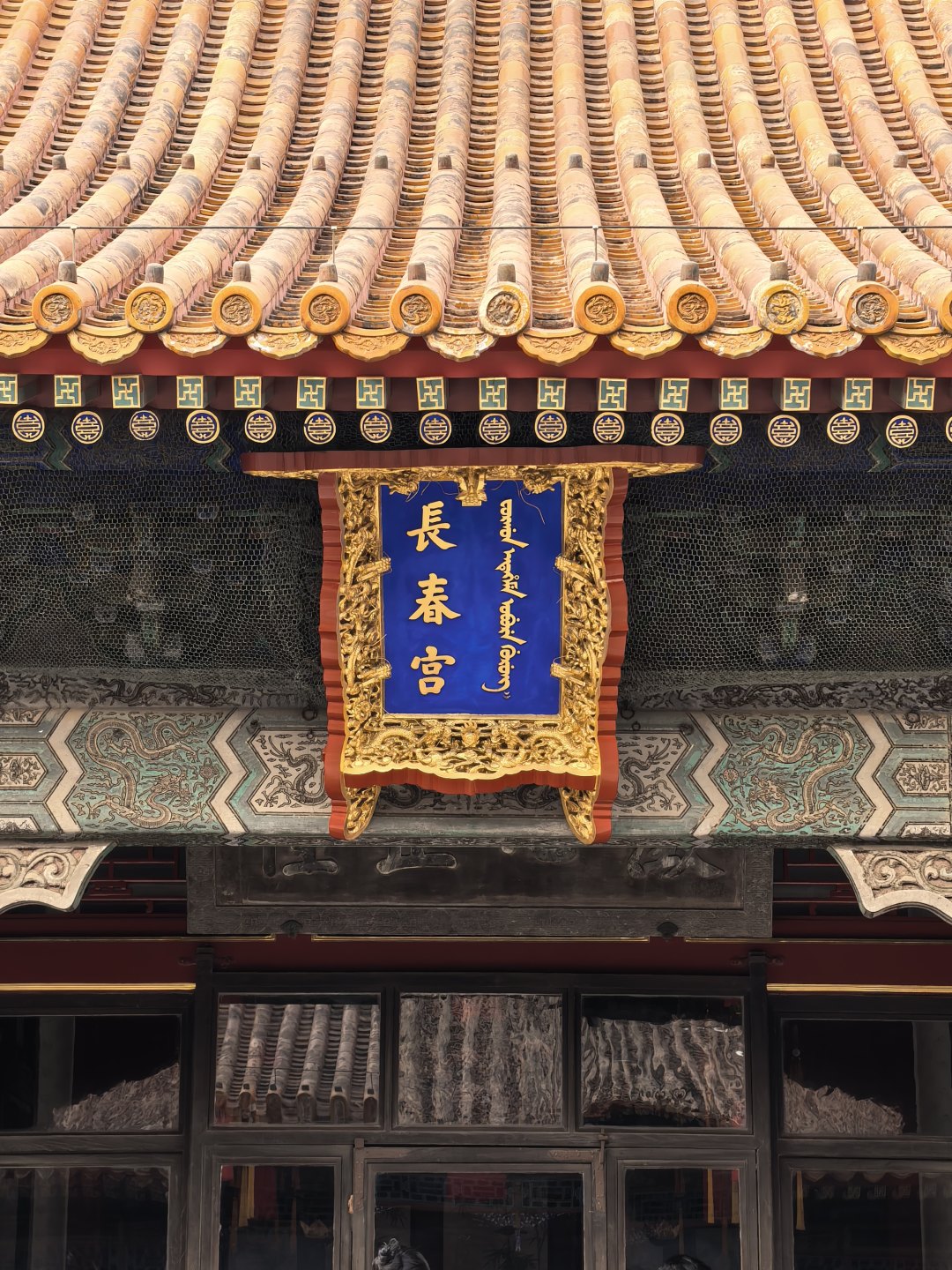
The Spring Festival of 2026 arrived later than usual, but Beijing's winter was unexpectedly gentle. No biting wind, no heavy snowfall—just perfectly balanced crispness and bright sunshine. This trip was originally meant to let my child experience the traditional New Year atmosphere of old Beijing, and to fill in those cultural corners I had rushed past in previous visits. Unexpectedly, over four days, beneath the red walls of the Forbidden City, amid the lantern-lit shadows of the Old Summer Palace (Yuanmingyuan), and before the artifacts of the National Museum, we rediscovered the city's depth and vitality.
If you're planning a Beijing late winter travel experience, this guide will help you navigate the city's cultural treasures, practical tips, and hidden gems.
Day 1: Diplomatic Memories and a Feast of Light
The National Gifts Museum: A Small Museum with a Big Story
Our first stop was a rather niche museum—the Central Gift and Cultural Artifacts Management Center. The name sounds official, but the content was a pleasant surprise. This Beijing hidden gem museum is perfect for those seeking unique cultural experiences.
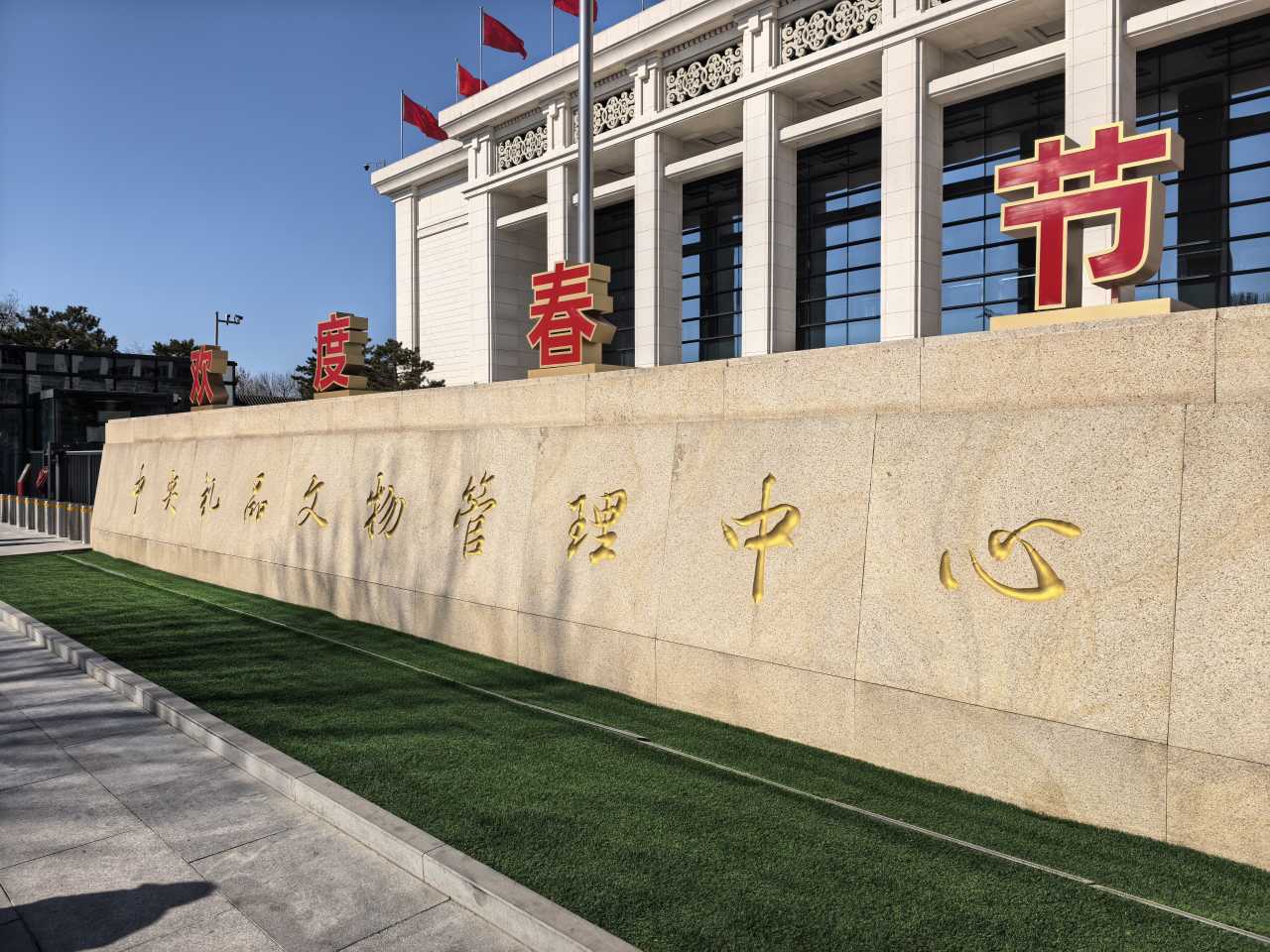
Practical Tips: - Reservations: Must be made seven days in advance via the official WeChat public account, with tickets released at 10:00 AM daily. - Admission: Free - Opening hours: 9:00 AM to 5:00 PM, closed on Mondays, with no entry after 4:00 PM - Important note: Selfie sticks are not allowed, but they can be stored. Many museums in Beijing have this rule, so we simply stopped bringing them for the rest of the trip.
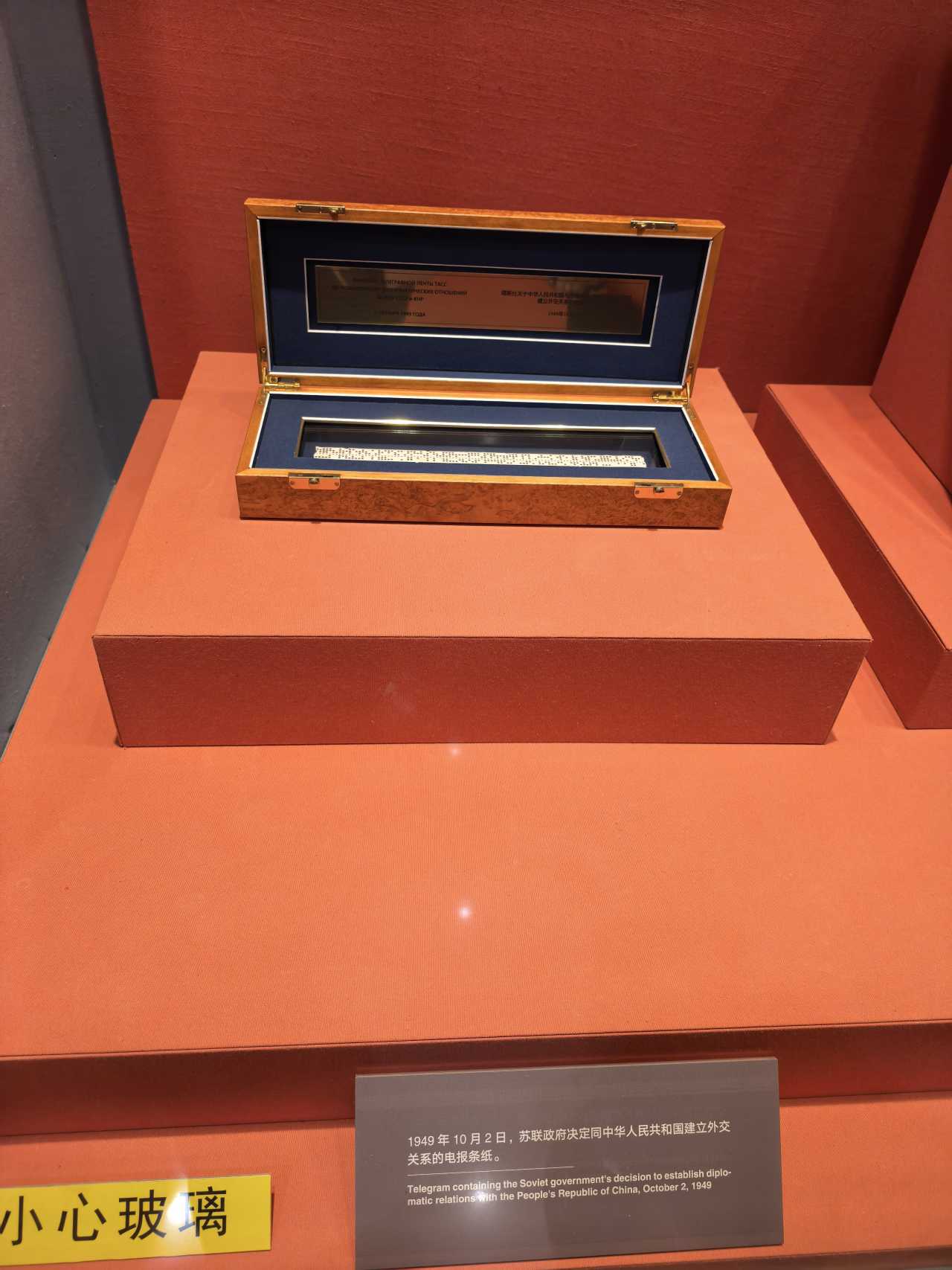
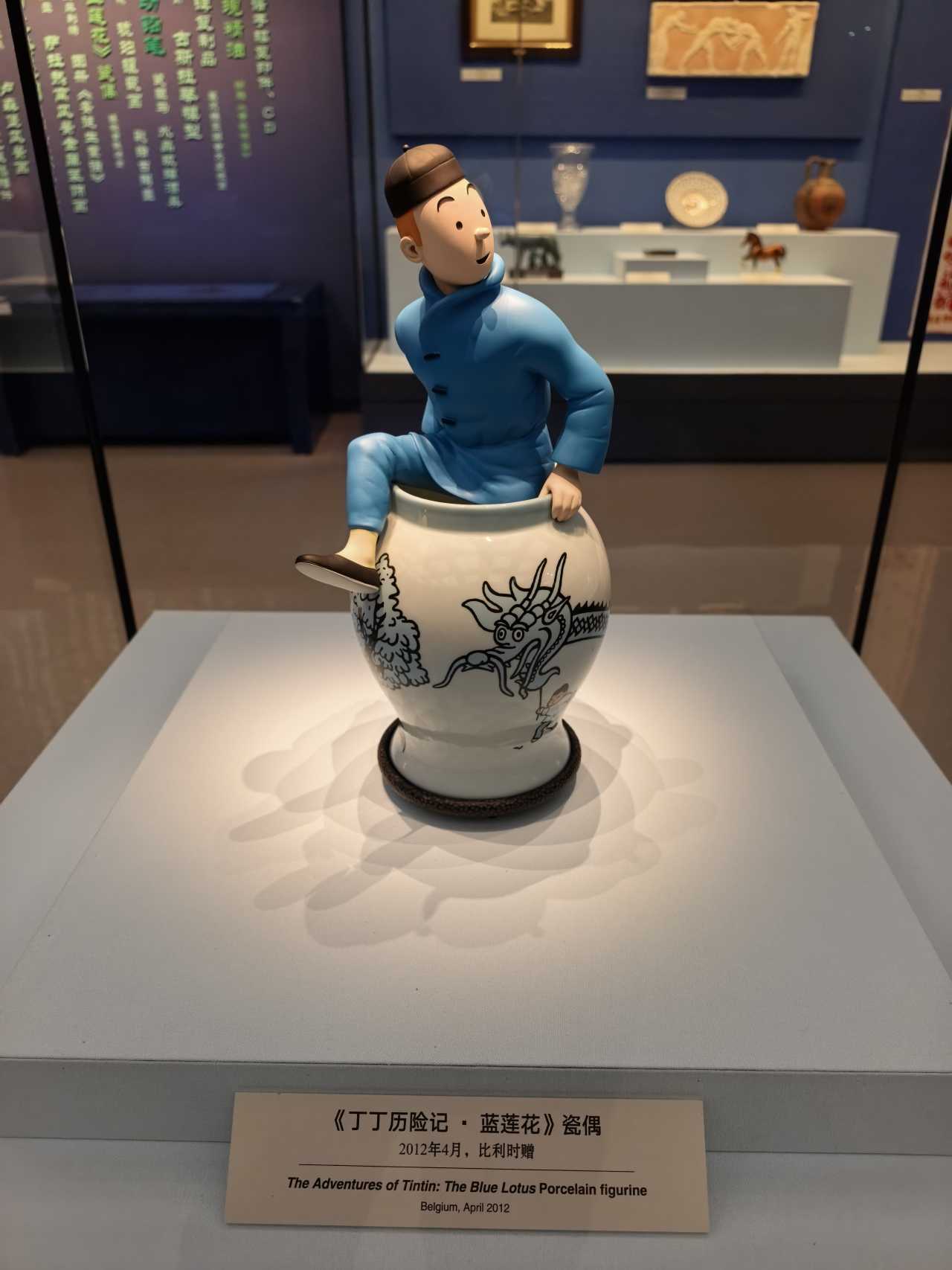
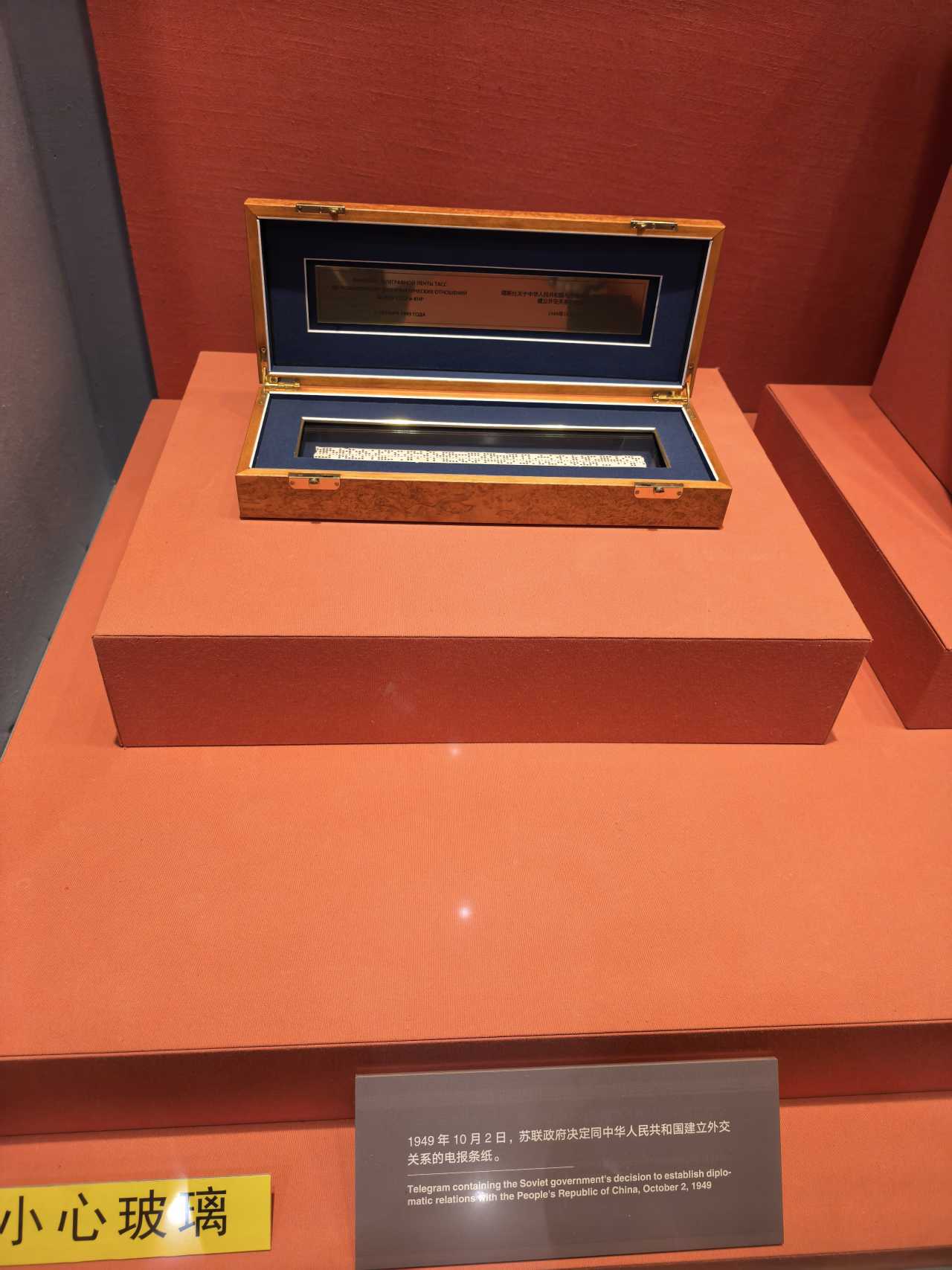
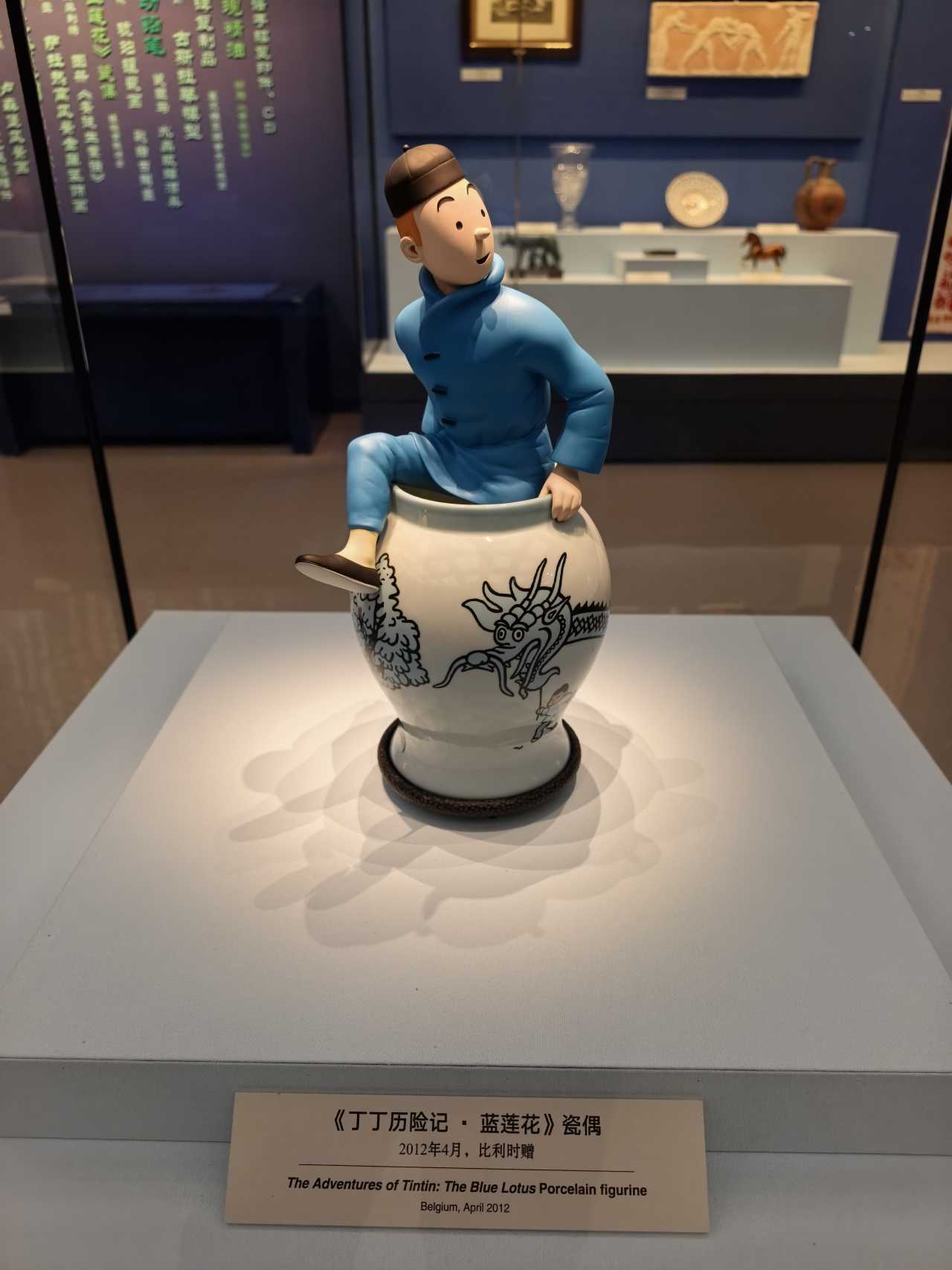
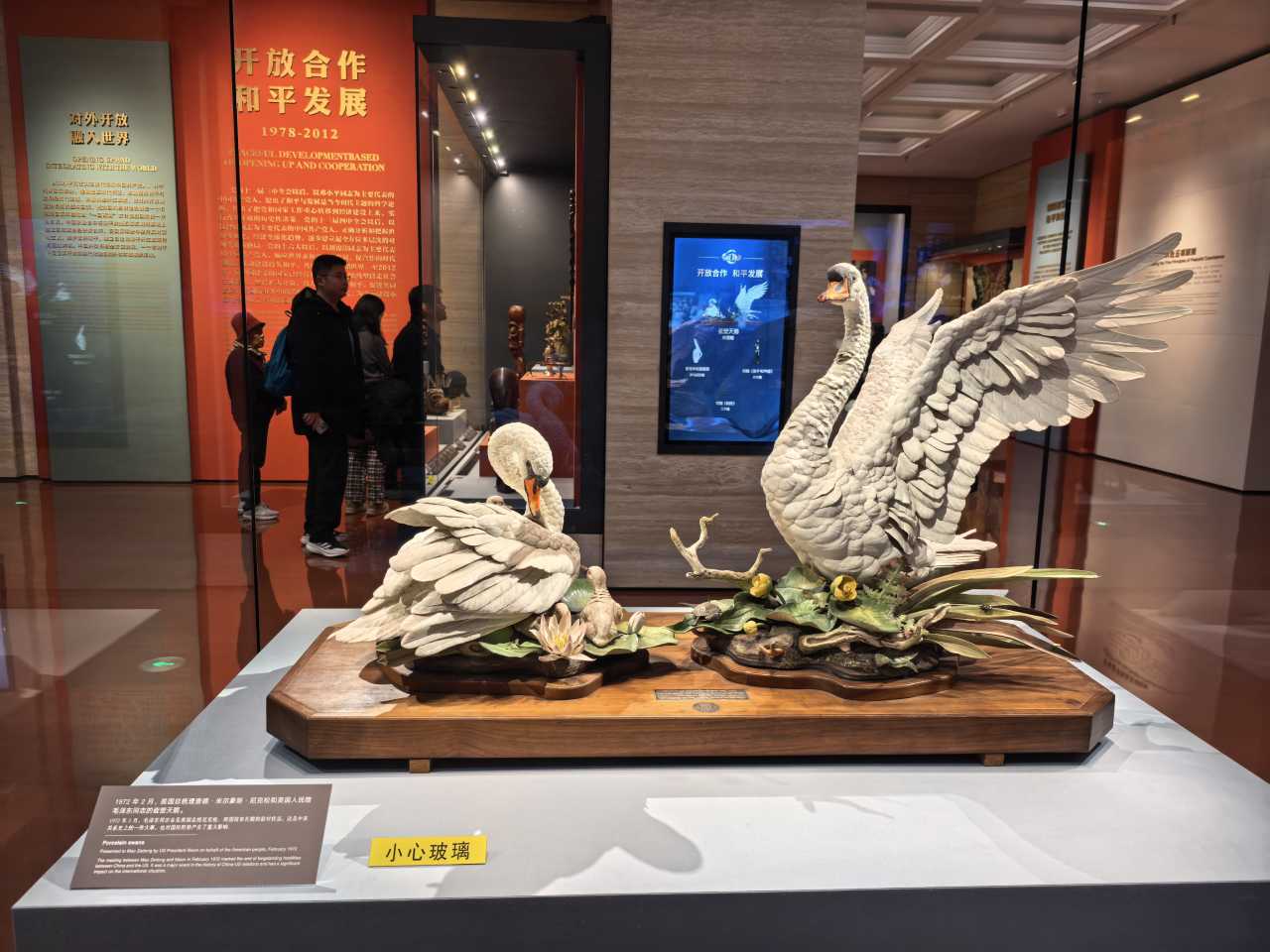
The museum houses the "Friendly Exchanges, Shared Destiny—Exhibition of Gifts from Diplomatic Activities of Party and State Leaders." Its centerpiece is a pair of porcelain swans gifted by U.S. President Richard Nixon during his 1972 visit to China. During transport, one swan's wing was damaged. Premier Zhou Enlai humorously remarked, "Now Sino-American relations are truly connected," turning the incident into a diplomatic anecdote. Beyond this weighty history, the museum is filled with delightful exhibits: a Tintin sculpture from Belgium, a sea coconut seed from the Seychelles—full of exotic, childlike charm. The third-floor gallery requires visitors to store their phones before entering, a testament to the value of the items inside.
[Link: Top 10 niche museums in Beijing]
The Old Summer Palace Lantern Festival: A Debut of Light and Shadow
In the afternoon, I had planned to visit Tsinghua University and Peking University, but securing reservations proved impossible—traffic controls near the campuses meant taxis had to drop us far away. Instead, we got off at Xinjiekou subway station, took the metro to the Old Summer Palace (Yuanmingyuan), and first walked to the Tsinghua gate to take a photo from across the street.
Hidden in a residential area near Tsinghua's side entrance was a low-key hotpot restaurant. The facade was unrenovated, without even a signboard, but the street outside was packed with cars. On Dianping, it's listed as "Beipiaoxiang Lamb Hotpot" (北飘香涮肉), but the sign outside reads "Uncle Yang" (羊大爷). The place was spacious and bustling. During the Spring Festival holiday, few nearby restaurants were open, but this one was packed. The 二八酱 (a sesame-peanut blend sauce, 80% sesame, 20% peanut) was rich and thick, the lamb tender and fresh. A truly satisfying Beijing hotpot experience.
After dinner, we walked back to the Old Summer Palace, just in time for its first-ever lantern festival. Tickets cost 98 RMB, but they were worth every yuan. The lanterns were exquisitely crafted, their size and quantity setting a new standard. The walk from the entrance to the ticket checkpoint was long—don't throw away your ticket too early; you haven't reached the checkpoint yet. Past the checkpoint, the route was one-way, looping around the garden and ending at the subway station. It was a "leg-burning" day.
Day 2: Ancient Architecture, National Treasures, and a Musical Evening
Beijing Ancient Architecture Museum: The Starry Sky at the Temple of Agriculture
The first stop on Day 2 was the Beijing Ancient Architecture Museum, located on the grounds of the Temple of Agriculture (Xiannongtan). It's near the west gate of the Temple of Heaven, so the two can be visited together.
Practical Tips: - Opening time: 9:00 AM - Adult tickets: 15 RMB - Student tickets: 8 RMB (minors are free) - Free entry: First 200 visitors each Wednesday, on a first-come, first-served basis - Keep your ticket: You can use it to visit the Sacred Granary (Shencang) across the street afterward
Must-see highlights: - The coiled-dragon caisson ceiling in the Worship Hall (Baidian) - The starry-sky caisson ceiling in the Hall of the Year God (Tai Sui Dian) - The "one-mu-three-fen" (a traditional Chinese land unit) field of Emperor Qianlong - The "world's first granary" (Sacred Granary)
Recommended tour route (about two hours): Changing Robe Hall (Jufudian) → Viewing Plow Terrace (Guangengtai) → One-Mu-Three-Fen Field → Temple of Agriculture (Xiannongtan) → Worship Hall (Baidian) → Hall of the Year God (Tai Sui Dian) → Sacred Kitchen (Shenchu) → Animal Slaughter Pavilion (Zaishengting) → Souvenir Shop 1 → Sacred Granary (Shencang) → Souvenir Shop 2
The souvenir shop in the Sacred Granary sells beautifully designed caisson-ceiling refrigerator magnets—a perfect Beijing travel souvenir idea.
[Link: Temple of Heaven vs Temple of Agriculture: Which to visit?]
National Museum of China: A Surprise from Sanxingdui
Securing a reservation for the National Museum of China was a battle. Tickets are released seven days in advance at 5:00 PM, and you must enter your personal information beforehand. Word has it that afternoon tickets are easier to get. If you fail, you can also book a special exhibition ticket, which grants entry. Traffic controls near Tiananmen Square mean taxis and subways drop you far away—prepare to walk. The museum has its own separate queue; just follow the signs.
Once inside, don't hesitate—head straight for the "Ancient China" exhibition line. It's long, but it keeps moving. The National Museum holds so many treasures that half a day isn't enough, nor is a full day. The key is that you'll tire out after half a day, so don't try to see everything. Focus on what interests you most. I concentrated on the "Ancient China" and "Sanxingdui" exhibitions, plus the Chinese Porcelain Hall (which was nearly empty). My child, with more stamina, saw more than I did.
We were especially lucky this time: the "Twin Stars Shining—Sanxingdui and Jinsha Exhibition" was on. Without traveling to Sichuan, we saw these treasures: - The Jinsha gold crown strap - A bronze head with a gold mask - Bronze eye-shaped artifacts - A bulbous-nosed bronze human figure - A standing bronze figure (nicknamed "the one with the pert bottom") - A large bronze mask with protruding eyes - A small Jinsha bronze standing figure - A bronze dragon-coiled pillar - A bronze dragon-coiled vessel lid - A gold mask
Each piece took our breath away.
National Centre for the Performing Arts: A Musical Night
My child was reluctant to leave until the museum closed. Exiting, we found ourselves at Tiananmen Square. The museum closes at 5:00 PM, and the flag-lowering ceremony is at 6:00 PM. After a brief look around, we found a restaurant called "Xilaishun" (西来顺). Dining options near the National Centre for the Performing Arts are limited, especially during the Spring Festival. The wait for a table was smooth—many earlier numbers had left, so we were seated quickly. The time-honored brand's quality was reliable.
Security at the National Centre for the Performing Arts was strict: no food or drinks allowed inside; everything had to be stored. The performance was spectacular, and the enthusiastic audience called for two encores. It started at 7:30 PM and ended at 10:00 PM. My child was overjoyed.
[Link: Best performing arts venues in Beijing]
Day 3: Archaeology and a Temple Fair
China Archaeological Museum: The Legend of Turquoise
Free admission, with reservations available three days in advance via the WeChat public account, released at 9:00 AM. In practice, it was easy to book, but set an alarm during holidays. There are also separate special exhibitions that require tickets.
Must-see treasures include: - A turquoise dragon-shaped artifact - A bronze ritual vessel with intricate patterns - Ancient jade artifacts from the Neolithic period - A bronze mask from the Shang Dynasty
The China Archaeological Museum is a Beijing family-friendly museum that offers an immersive journey through China's ancient civilizations. The turquoise dragon-shaped artifact alone is worth the visit—it's a masterpiece of craftsmanship from over 3,000 years ago.
Temple Fair Experience: Traditional New Year Atmosphere
After the museum, we headed to a traditional temple fair. Temple fairs are a quintessential part of Beijing Spring Festival traditions. They feature: - Traditional performances like dragon dances and acrobatics - Local snacks such as candied hawthorn skewers and fried dough twists - Handicraft stalls selling paper cuttings, clay figurines, and calligraphy - Games and activities for children
The temple fair was bustling with families, the air filled with the aroma of street food and the sound of laughter. It was the perfect way to immerse ourselves in the festive spirit.
[Link: Best temple fairs in Beijing during Spring Festival]
Day 4: Farewell to Beijing
On our final day, we took a leisurely stroll through the hutongs (traditional alleyways) near the Drum Tower. These narrow lanes are the heart of old Beijing culture, offering a glimpse into everyday life. We stopped at a local café for a cup of coffee and watched the neighborhood come alive.
Before heading to the airport, we visited a local market to pick up some last-minute souvenirs: Beijing duck, traditional pastries, and tea. The market was a sensory overload—vibrant colors, exotic smells, and the chatter of vendors.
FAQ: Planning Your Beijing Late Winter Trip
1. What is the best time to visit Beijing in late winter?
Late winter (February to early March) is an excellent time to visit Beijing. The weather is crisp and sunny, with fewer crowds than peak tourist seasons. The Spring Festival (Chinese New Year) falls during this period, offering unique cultural experiences like temple fairs and lantern festivals.
2. How do I make reservations for popular museums in Beijing?
Most popular museums in Beijing require advance reservations: - National Museum of China: Tickets released 7 days in advance at 5:00 PM via WeChat - National Gifts Museum: Reservations 7 days in advance at 10:00 AM via WeChat - China Archaeological Museum: Reservations 3 days in advance at 9:00 AM via WeChat
Set alarms and prepare your personal information beforehand to secure tickets.
3. Are there any free museums in Beijing?
Yes! Several museums in Beijing offer free admission: - National Gifts Museum: Free, but requires reservation - China Archaeological Museum: Free, but requires reservation - Beijing Ancient Architecture Museum: First 200 visitors each Wednesday get in free
4. What should I pack for a late winter trip to Beijing?

Pack layers: a warm coat, sweaters, scarves, gloves, and comfortable walking shoes. The weather can be chilly but not extreme. Don't forget a reusable water bottle, as many museums have water stations.
5. Is it easy to find English-speaking guides in Beijing?
English-speaking guides are available at major tourist attractions and through travel agencies. However, most museum exhibits are in Chinese. Consider hiring a private guide or using a translation app for a richer experience.
Conclusion: Your Beijing Adventure Awaits
Beijing in late winter 2026 offers a unique blend of cultural depth, hidden gems, and festive traditions. From the diplomatic treasures of the National Gifts Museum to the dazzling lanterns of the Old Summer Palace, from the ancient artifacts of the National Museum to the lively temple fairs, every moment is a discovery.
Ready to plan your trip? Start by booking your flights and accommodations early, especially if you're traveling during the Spring Festival. Make reservations for popular museums as soon as tickets become available. And most importantly, embrace the unexpected—some of the best experiences come from spontaneous detours.
Don't wait—start planning your Beijing cultural journey today! Whether you're a history buff, a foodie, or a family traveler, Beijing has something for everyone. Share your own Beijing travel stories in the comments below, and subscribe to our newsletter for more travel tips and guides.
[Link: Book your Beijing tour package] [Link: Subscribe to our travel newsletter]
You should also read:
Four Days, Three Nights in Beijing: A Super Practical Self-Guided Travel Guide (Including Food, Stay, and Transport Tips)
Here is the SEO-optimized, rewritten version of your article, structured for maximum search visibility and reader engagement. SEO Title: 4 Days 3 Nights in Beijing: The Ultimate Self-Guided Travel Guide (Food, Stay & Transport) Meta Description (160 chars): Plan the perfect 4-day Beijing itinerary. From…
Continue reading...
Savoring the Flavors of Di'anmen: A Culinary Journey Through Beijing's Heart
Meta Description: Discover the authentic tastes of old Beijing in Di'anmen. From douzhi to stir-fried liver, explore hidden hutong food stalls, legendary snack shops, and the vibrant street food culture surrounding Shichahai Lake. The story of Beijing has never been solely about crimson walls, golden…
Continue reading...
A Passionate Journey Through Beijing & Tianjin: Beijing Complete Guide – JOJO's In-Depth Travel Notes
Meta Description: Explore Beijing & Tianjin in 5 days with this complete travel guide. From the Forbidden City to the Great Wall, discover insider tips, transportation hacks, and must-see attractions. Plan your perfect China trip today. Beijing is not just a city—it's a living museum…
Continue reading...