Roaming Changping District: The Ultimate Guide to Yanshou Temple, Ancient Pagodas, and Mountain Hiking Trails
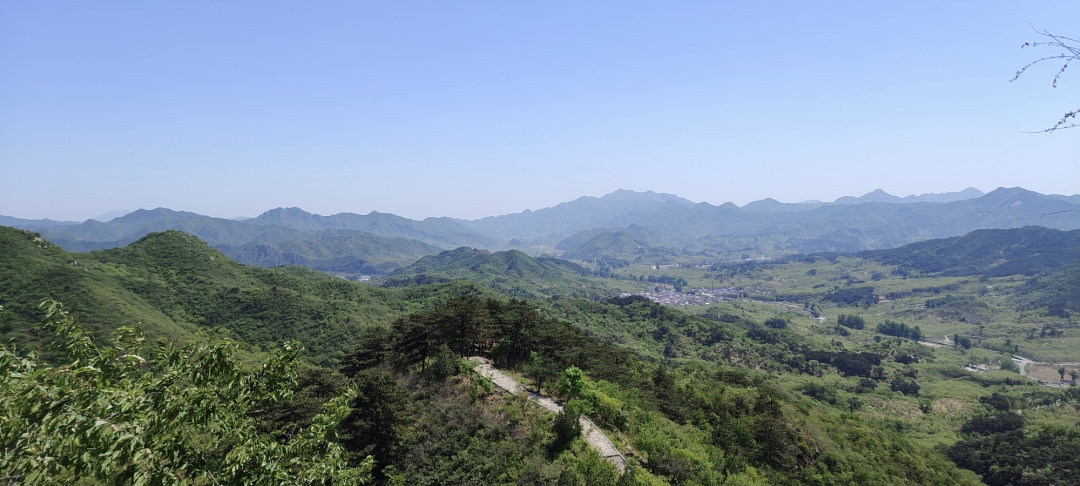
Meta Description: Discover Yanshou Temple in Changping District, Beijing—a hidden gem blending ancient pagodas, mountain hiking trails, and Zen tranquility. Complete guide with tips, history, and hiking routes.
Introduction: Why Yanshou Temple Deserves a Spot on Your Beijing Bucket List
In early summer, when Beijing's sunlight filters through tender green leaves and the breeze carries the scent of wildflowers, there's no better escape than Changping District's Yanshou Temple. Tired of the city's relentless pace? This ancient Buddhist site, nestled in the hills southwest of the temple grounds, offers something rare: a deep dialogue with mountains, waters, and centuries-old stone pagodas.
Unlike crowded tourist hotspots, Yanshou Temple remains a hidden gem—a place where you can hike undisturbed, discover forgotten relics, and even chat with a practicing monk. Whether you're a history buff, a hiking enthusiast, or simply seeking inner peace, this guide will help you plan an unforgettable day trip.
Getting to Yanshou Temple: Early Morning Logistics
First Bus from Liyuan Road Station
The journey begins before dawn. At 5:30 AM, while most of Beijing sleeps, the first bus departs from Liyuan Road Station, carrying early risers toward Changping District. After a few transfers, you'll arrive at the trailhead east of Yanshou Temple, where mountain air and birdsong replace the city's hum.
Trailhead Options: Stone Steps vs. Concrete Path
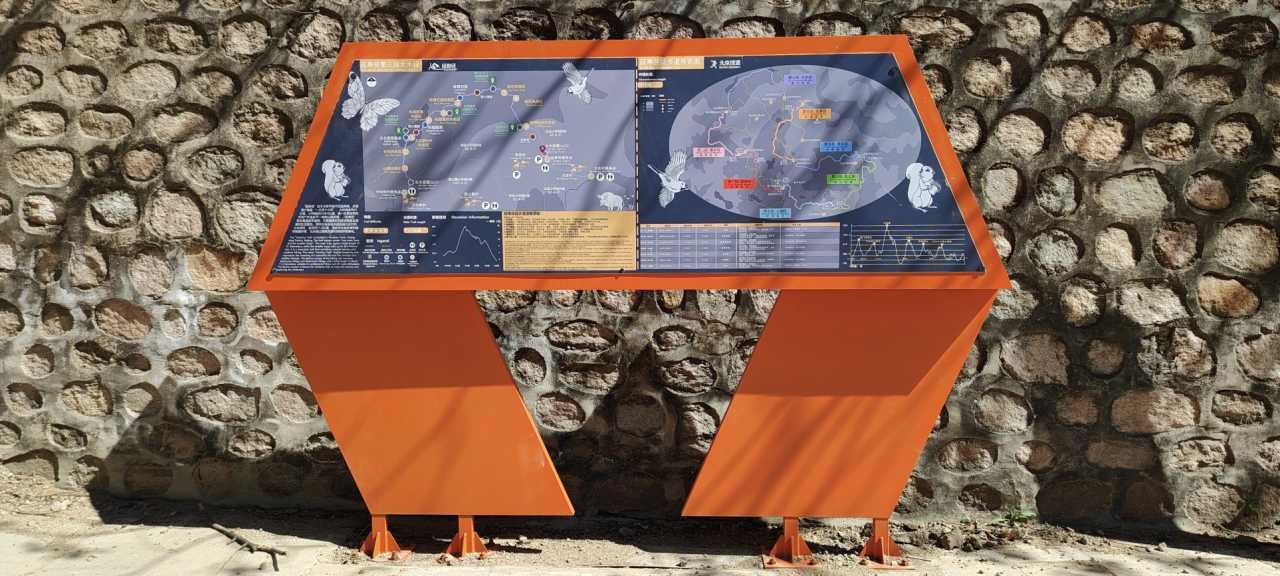
At the entrance, two paths diverge: - Left: The original stone steps you may have climbed on a previous visit - Right: A newly built concrete path, perfect for a gentler start
Beside the concrete path, a mountain spring has formed a flat pool, with stone slabs laid across for water collection. Locals arrive early with large plastic bottles, filling them with this clear spring water—excellent for tea, they say.
The Longevity Path: A Trail Steeped in History
Section 3 (North Water Section): Route Map and Highlights
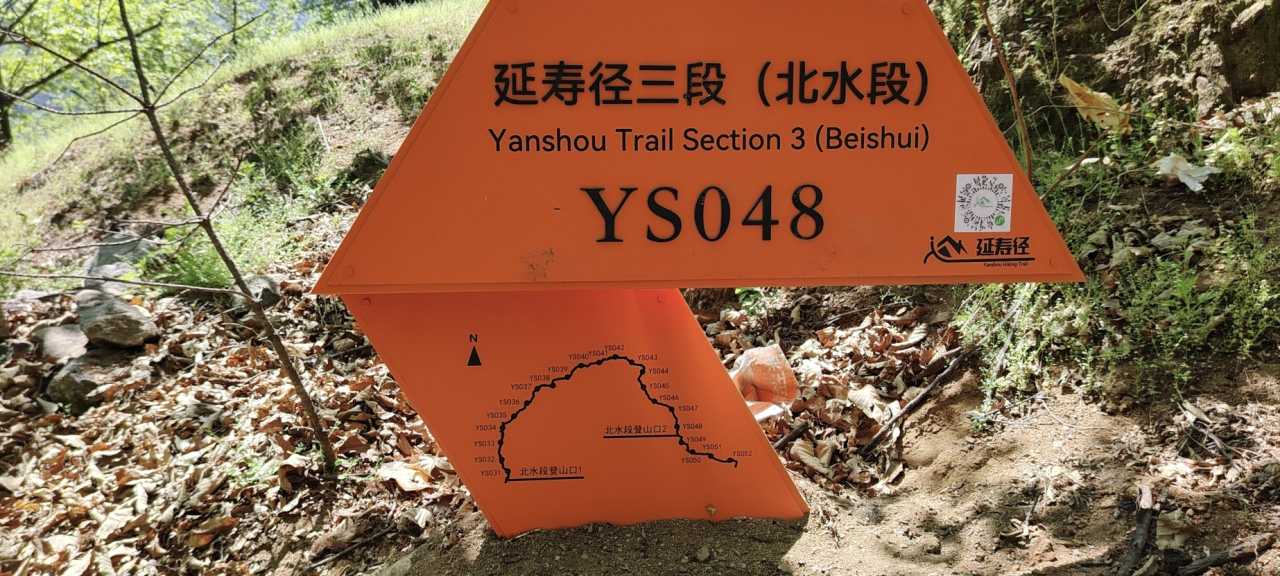
Not far along the concrete path, you'll spot a sign: "Longevity Path Section 3 (North Water Section)," numbered YS048. This winding mountain trail encircles the east and west sides of Yanshou Temple like a jade belt wrapped around the hillside.
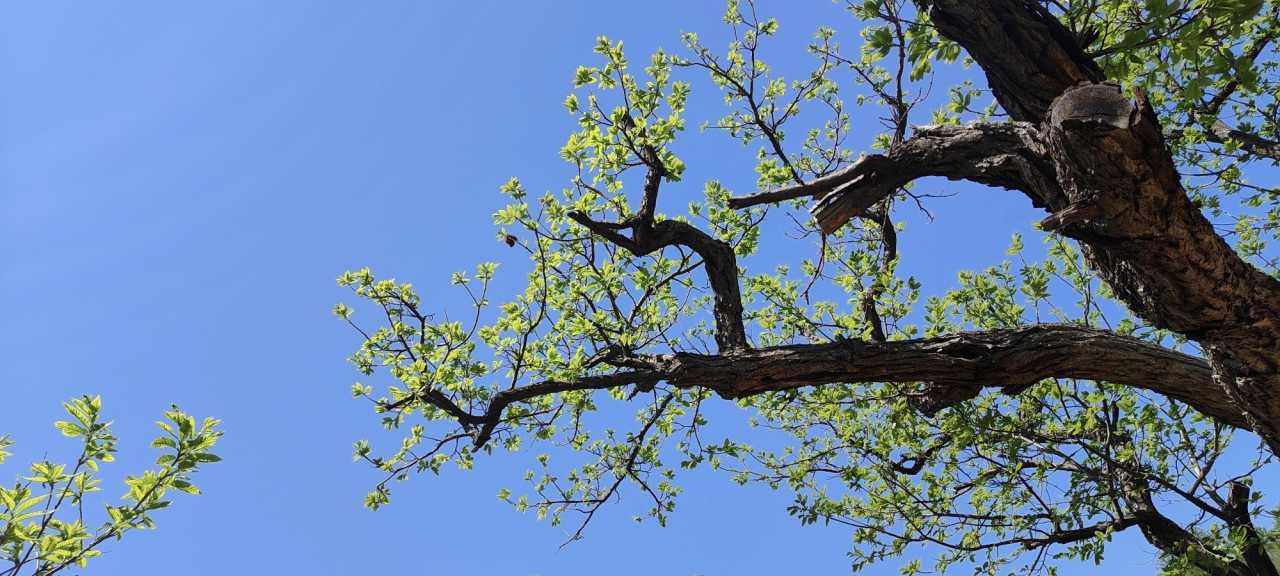
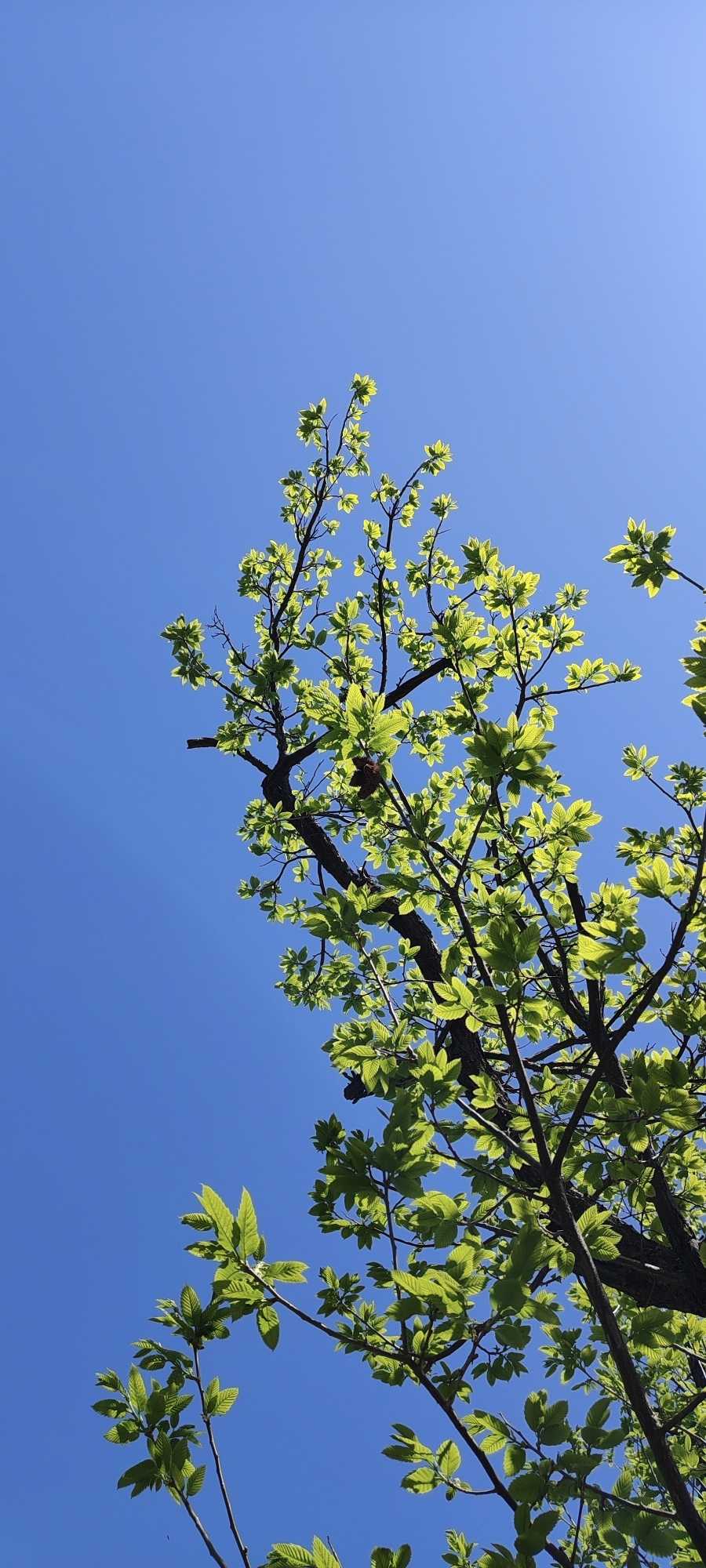
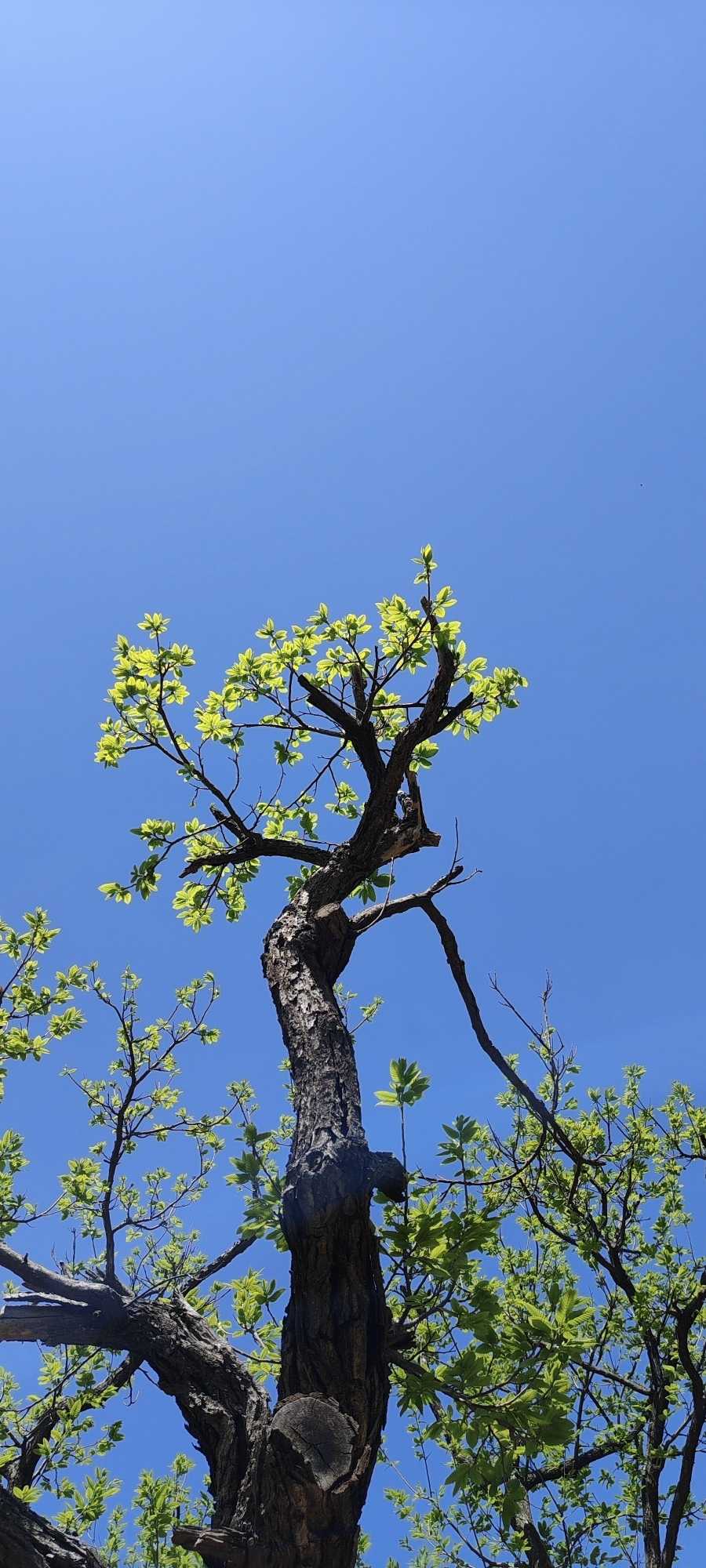
What to expect: - Wildflowers in full bloom—yellow, white, and purple dotting the green grass - Terraced slopes planted with chestnut trees - Sunlight filtering through tender leaves, creating a dazzling play of light - Chestnut blossoms still in bud, alongside last year's split-open husks that look like little hedgehog balls swaying in the breeze
Why It's Called "Longevity Path"
The name reflects both the physical benefits of the hike and the spiritual longevity associated with Buddhist practice. Local legend suggests that completing the full circuit brings health and good fortune—a tradition worth testing.
The Climb: Conquering the Summit Trail
From Gentle Valley to Steep Stone Steps
After passing through the gentle valley, the concrete path gives way to a trail paved with stone slabs. The slope steepens, eventually transforming into a long flight of stone steps leading straight to the mountaintop. This section is no easy walk—every fifteen or sixteen steps requires a two-minute rest.
Pro tip: Bring trekking poles. As a fellow traveler wisely noted, "At our age, using them when going up and down the mountain can protect your knees."
Sweat and Scenery: What You'll See Along the Way
Despite the physical challenge, the views are breathtaking: - The mountain's graceful shape with smooth, pleasing lines - Large and small oddly shaped rocks jutting out, some carved with the character "佛" (Buddha) or Sanskrit inscriptions - A touch of Zen woven into the natural landscape
Reaching the Peak: "The Peak Above All Peaks"
At the summit, the stone path disappears, replaced by a winding mountain track. Standing here, you'll gaze out at an endless sea of green mountains stretching before your eyes. The exhilaration of being "the peak above all peaks" is real—and worth every drop of sweat.
Summit Encounters: Meeting Fellow Travelers and Discovering Hidden Pagodas
A Conversation with a 60-Year-Old Hiker from Xishuiyu Great Wall
At the three-way junction on the summit, you might meet a fellow traveler. One such hiker, aged 60 and five years younger than the author, had walked all the way from Xishuiyu Great Wall. He carried trekking poles in each hand and walked with steady steps.
Key takeaway from the conversation: - Trekking poles are essential for knee protection, especially for middle-aged and elderly hikers - "A journey of a hundred miles is ninety percent half done"—the final stretch is always the hardest
The Pagoda Discovery: "Seeking Far and Wide, Finding It Under Your Nose"
When asked about ancient pagodas, the hiker shook his head: "The pagodas are inside the temple." But as you descend via the western loop, a glance downward reveals the tip of a pagoda! It's a classic case of "seeking far and wide but finding it right under your nose."
Beizhuang Village Stone Pagodas: Yanshou Temple's Hidden Treasures
Location and Current Condition
The two stone pagodas are located southwest of Yanshou Temple, not on the hillside behind as some articles suggest. They currently sit within a construction site, surrounded by blue steel partitions awaiting restoration.
Key facts: - Officially named "Beizhuang Village Stone Pagodas" (not "Yanshou Temple Pagodas" as commonly assumed) - Built from granite in stupa style—tombs for eminent monks - Consist of a base, dome, spire ring, and jewel - Approximately 4 meters tall - Construction date debated: Yuan Dynasty vs. Ming Dynasty
The "Three Treasures of Yanshou Temple"
These pagodas are considered one of the temple's three treasures, alongside: 1. The clear spring 2. The Coiling Dragon Pine 3. The Beizhuang Village Stone Pagodas
Photography Tips and Restoration Updates

Since the pagodas are enclosed by steel partitions, photographing their lower portions is challenging. For full views, wait until restoration is complete—or visit the temple's public notice board for updates.
Temple Life: A Zen Conversation with a Practicing Monk
The Revived Yanshou Temple: History and Revival
Under the southern wall of the pagoda courtyard, a row of washbasins offers a chance encounter. While washing your hands, you might meet a senior monk practicing at the revived temple.
"This temple has a long history, but it once fell into decline," the monk explained. "Now it can be revived, thanks to the convergence of conditions."
Finding Inner Peace in an Ancient Monastery
Though brief, the conversation brings a sense of inner calm. Afterward, tour the temple again, soaking in the quietude and solemnity of the ancient monastery. The wisteria flowers in front of the guest hall, which you might have admired on a previous visit, now take on new meaning.
Practical Tips for Visiting Yanshou Temple
Best Time to Visit
Early morning is ideal—before crowds arrive, when the mountain air is fresh and birdsong echoes through the hills.
Transportation Guide
- Bus 31: Direct route from town to the temple area
- Check schedules: First and last bus times vary by season
- Alternative routes: Multiple bus lines serve Changping District
Essential Gear
| Item | Purpose |
|---|---|
| Trekking poles | Knee protection on steep sections |
| Water bottle | Stay hydrated; spring water available for refilling |
| Comfortable shoes | Essential for stone steps and uneven terrain |
| Camera | Capture pagodas, wildflowers, and mountain views |
| Light snacks | Energy for the hike |
Spring Water Collection
- Available near the trailhead
- Bring empty bottles to collect fresh spring water
- Excellent for tea making
FAQ: Everything You Need to Know About Yanshou Temple
1. Is Yanshou Temple open to the public year-round?
Yes, the temple and surrounding hiking trails are accessible year-round. However, restoration work on the pagodas may limit access to certain areas. Check local notices before visiting.
2. How long does the full hiking loop take?
The complete circuit (east and west sides) takes approximately 3–4 hours, depending on fitness level and stops. The summit climb alone takes about 1–1.5 hours.
3. Are the ancient pagodas accessible for viewing?
Currently, the pagodas are enclosed by steel partitions due to construction. You can view them from a distance, but close-up photography is limited. Restoration is ongoing.
4. What should I bring for a day trip?
Essentials include trekking poles, water, snacks, comfortable shoes, and a camera. For spring water collection, bring empty bottles.
5. Is Yanshou Temple suitable for beginners?
The lower sections are beginner-friendly, but the summit climb involves steep stone steps. Beginners should allow extra time and bring trekking poles for support.
Internal Linking Suggestions
[Link: Best hiking trails in Changping District] [Link: Complete guide to Beijing's ancient pagodas] [Link: Day trips from Beijing: Hidden gems in the suburbs] [Link: Buddhist temples in Beijing: History and architecture] [Link: Spring water collection spots in Beijing]
Conclusion: Your Day at Yanshou Temple Awaits
From the first bus at dawn to the sweat on the hiking trail, from the magnificent view at the summit to the mysterious presence of the ancient pagodas, and the unexpected encounter with the monk—every moment at Yanshou Temple is worth cherishing.
Though your body may be tired, your heart will feel incredibly fulfilled. This is more than a day trip; it's a deep dialogue with mountains, waters, and centuries of history.
Ready to explore? Pack your trekking poles, catch the first bus, and discover why Yanshou Temple remains one of Beijing's best-kept secrets. Your journey into Changping District's hidden treasures starts now.
Have you visited Yanshou Temple? Share your experience in the comments below—or ask questions to help plan your perfect day trip!
You should also read:
Strolling Through Fragrant Beijing: The Imperial City of Crimson Walls and Azure Tiles – A Complete Travel Guide
Meta Description: Explore Beijing's Forbidden City, Temple of Heaven & hidden hutongs in this SEO-optimized travel guide. Walk 60km through crimson walls & azure tiles with insider photography tips. Plan your imperial city adventure today. "My Beijing City" plays on repeat as I write this—the…
Continue reading...
Beijing Travel Guide: A Personal Journey Through Smog, History, and Hidden Stories
Meta Description: Discover Beijing beyond the tourist traps. This personal travel story explores hutong culture, historical sites, and local secrets—from Jingshan Park to Yuanmingyuan. Perfect for travelers seeking authentic experiences. Beijing. The name alone conjures images of smog-shrouded skylines, the majestic Forbidden City, labyrinthine hutong…
Continue reading...
The Grace Beneath Simatai Great Wall: A Complete Guide to a Day Trip at Gubei Water Town
Meta Description: Plan your perfect Gubei Water Town day trip from Beijing. Explore the Simatai Great Wall, northern water town charm, Zhenyuan Escort Agency, and more. Complete guide with tips, costs, and FAQs. Nestled at the foot of the majestic Simatai Great Wall in Beijing's…
Continue reading...