SEO-Optimized Article: Winter Journey Through Beijing – A Fifth Visit That Finally Revealed the City
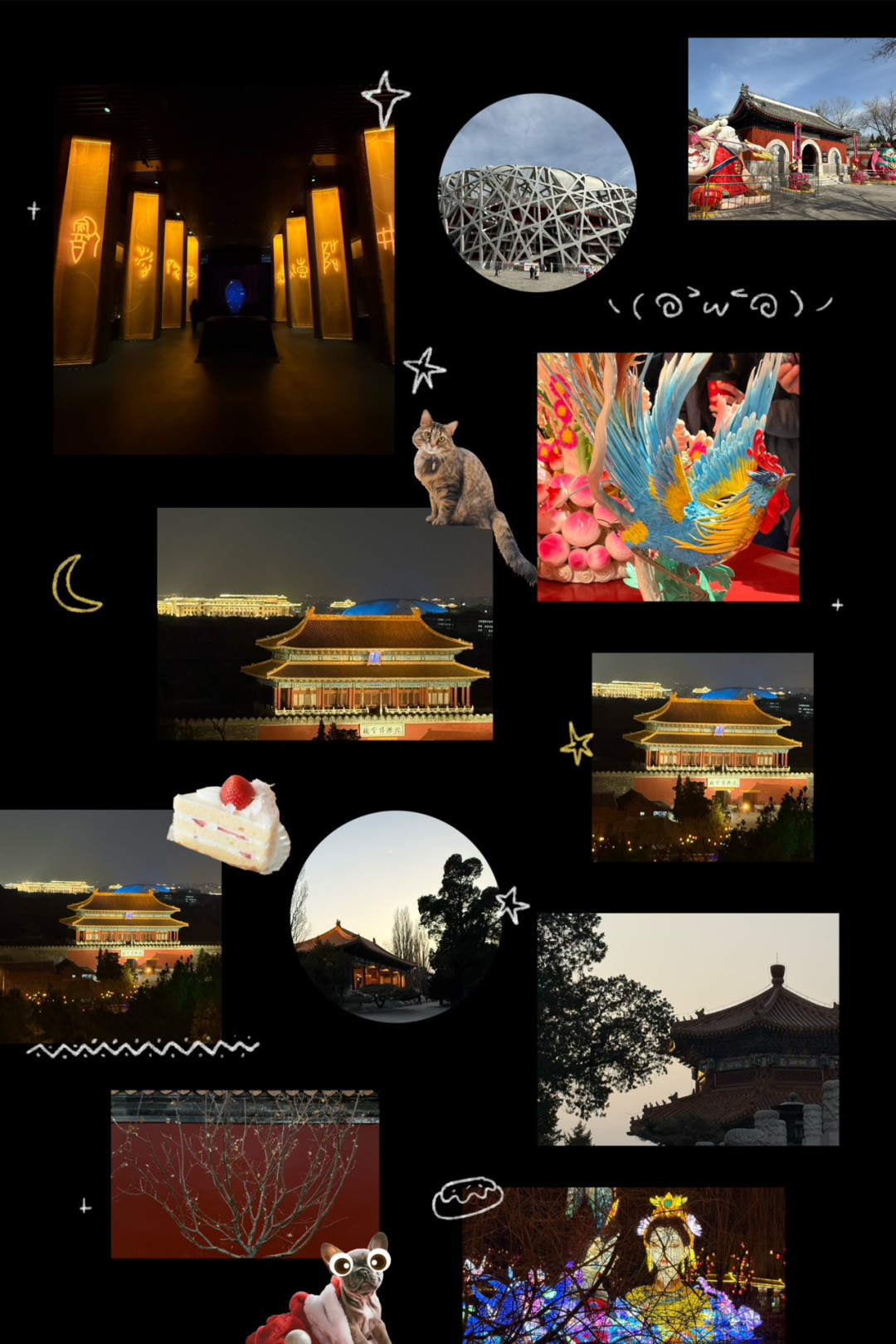
Meta Description: Discover Beijing in winter through a fifth-time visitor's eyes. From the Temple of Heaven at dawn to the Olympic Tower at sunset, this SEO-friendly travel guide reveals hidden gems, practical tips, and a slower side of China's capital.
Introduction: When Work Opens the Door to Discovery
Beijing—a city I thought I knew intimately—only revealed its true character on my fifth visit. This trip north began as a work assignment: a tight-deadline project that promised late nights and conference room coffee. But fate had other plans. When the project finished early, I traded my work badge for winter boots and embarked on a genuine journey of exploration.
Previous visits had been hurried affairs: shuttling between hotels and tourist hotspots, snapping photos, moving on. This time, I chose to slow down. What emerged was a portrait of Beijing I had never seen—a city of echoes, ancient whispers, and winter light that transforms red walls into gold.
H2: Temple of Heaven at Dawn – Hearing History in the Echo Wall
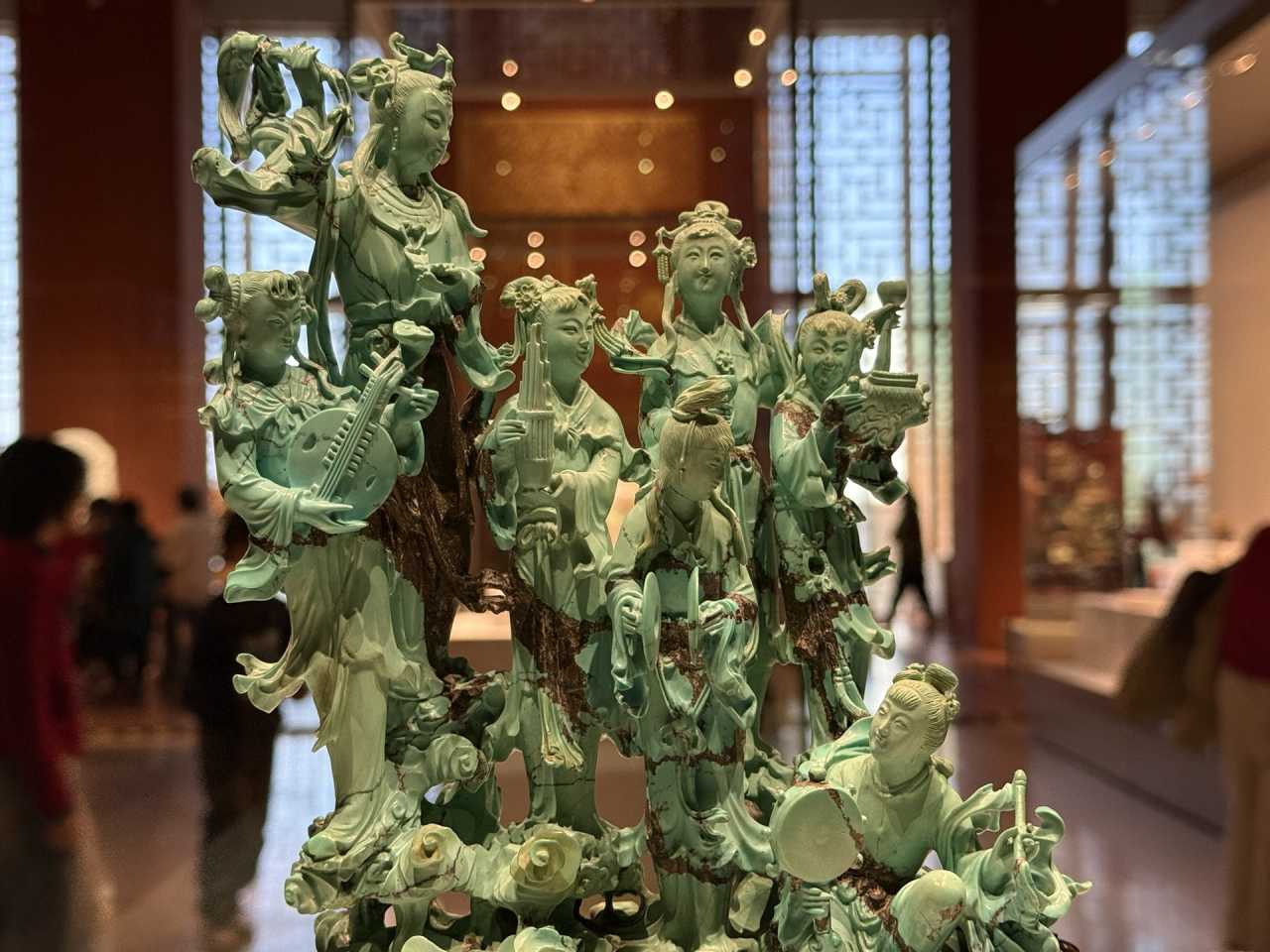
H3: The Hall of Prayer for Good Harvests: A Cosmic Blueprint
At seven in the morning, the dawn light at the Temple of Heaven Park still carried a chill. This was my fifth time standing before the Hall of Prayer for Good Harvests, but the first time I truly paused. Previous visits meant rushed photos and crowded exits. This time, I sat on a bench, watching elderly morning exercisers practice Tai Chi while pigeon whistles echoed among the blue-glazed tiles.
The Temple of Heaven isn't just architecture—it's a complete cosmology. The circular roof symbolizes heaven; the square surrounding wall represents earth. This philosophy of "round heaven, square earth" flows through every brick and stone. Walking north along the Danbi Bridge (the Sacred Way), I felt the weight of centuries beneath my feet.
H3: The Echo Wall Experience: A Conversation Across Time
The Echo Wall at the Circular Mound Altar offered my most profound moment. Standing on the central stone and speaking softly, my voice traveled along the smooth wall into the distance. I whispered "hello," and the sound lingered in the empty altar space—a response from history itself.
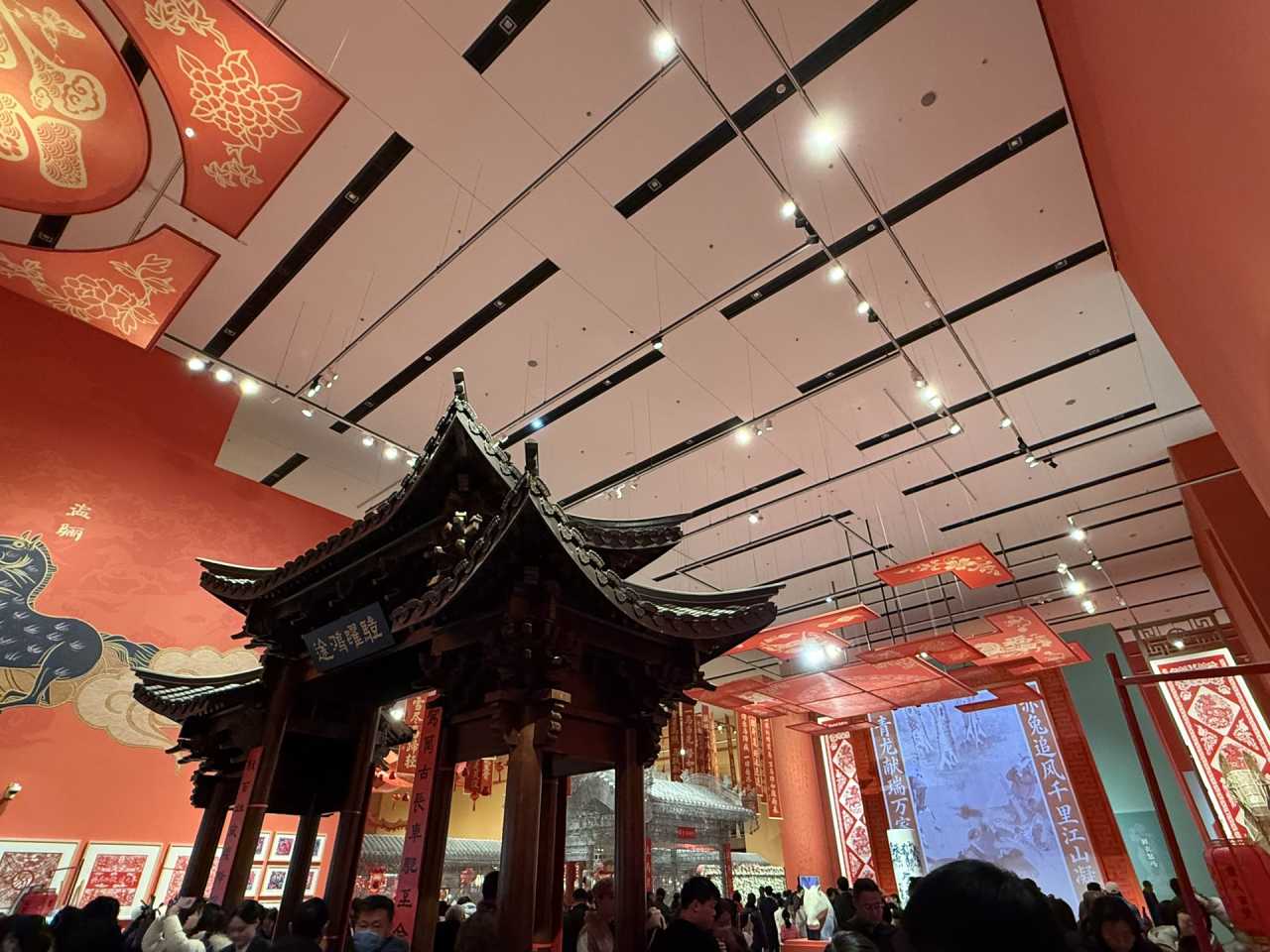
In that moment, I understood: history never truly disappears. It hides in echoes, waiting for someone to listen.
Practical Tip: Temple of Heaven tickets cost 15 RMB peak season, 10 RMB off-peak. A combo ticket (34 RMB) includes the Hall of Prayer for Good Harvests and Echo Wall. Visit early morning to avoid tour groups. Winter mornings are cold but offer fewer crowds and stunning dawn light on the blue-glazed tiles.
H2: National Library of China – Oracle Bones in a Sea of Books
H3: A Free Sanctuary for Knowledge Seekers

If the Temple of Heaven is Beijing's soul, the National Library of China is its study. Exiting Line 4's National Library Station, a five-minute walk leads to this magnificent building. Best of all: entry is free—just swipe your ID card.
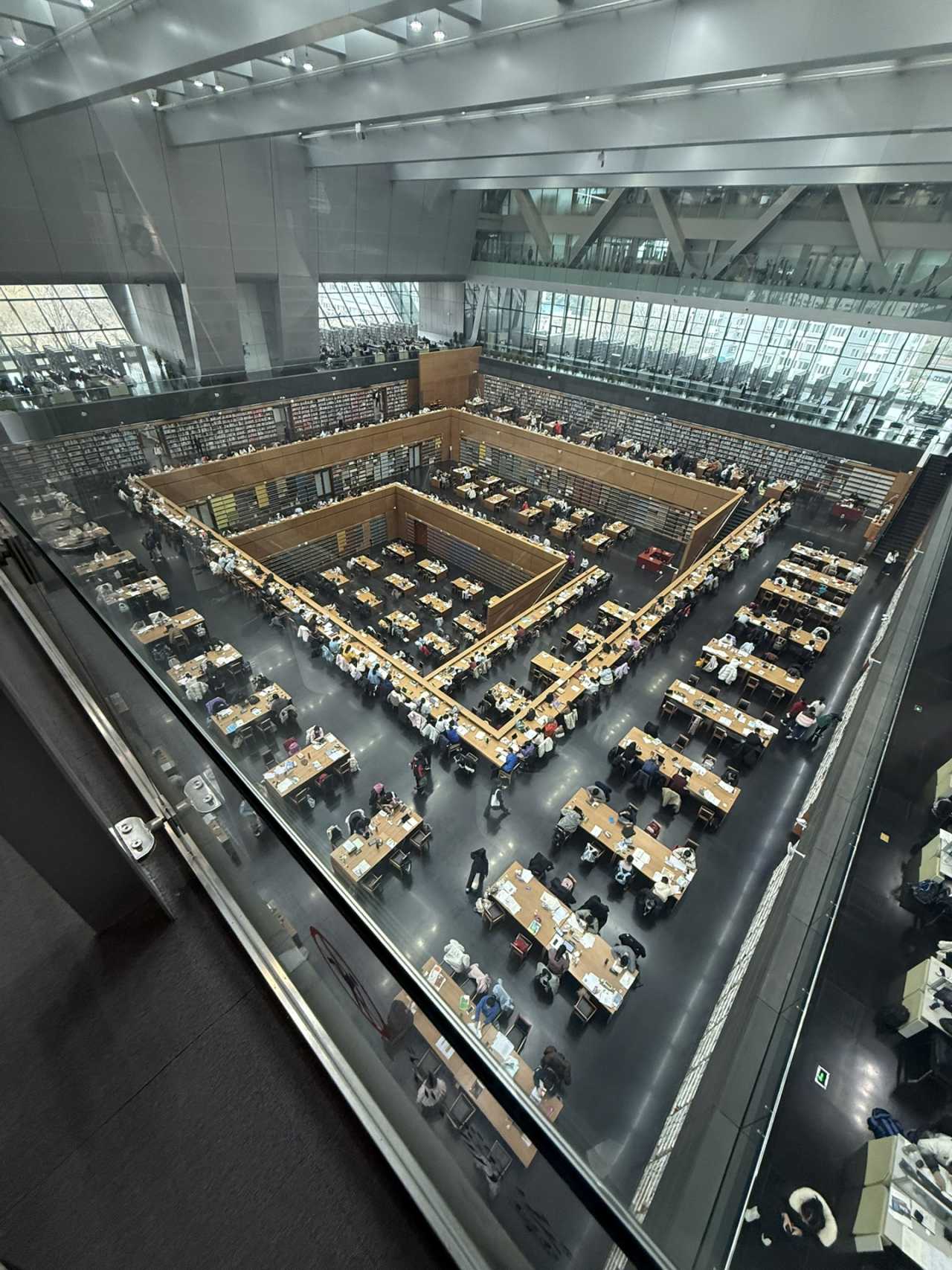
The main hall's "回" (hui, meaning "return") layout is breathtaking. Four stories of bookshelves surround the atrium, sunlight streaming through the glass dome. Readers sit or stand, immersed in their own worlds. This quiet power moves more than any bustling tourist attraction.
H3: The Ancient Books Museum: A Portal to the Shang Dynasty
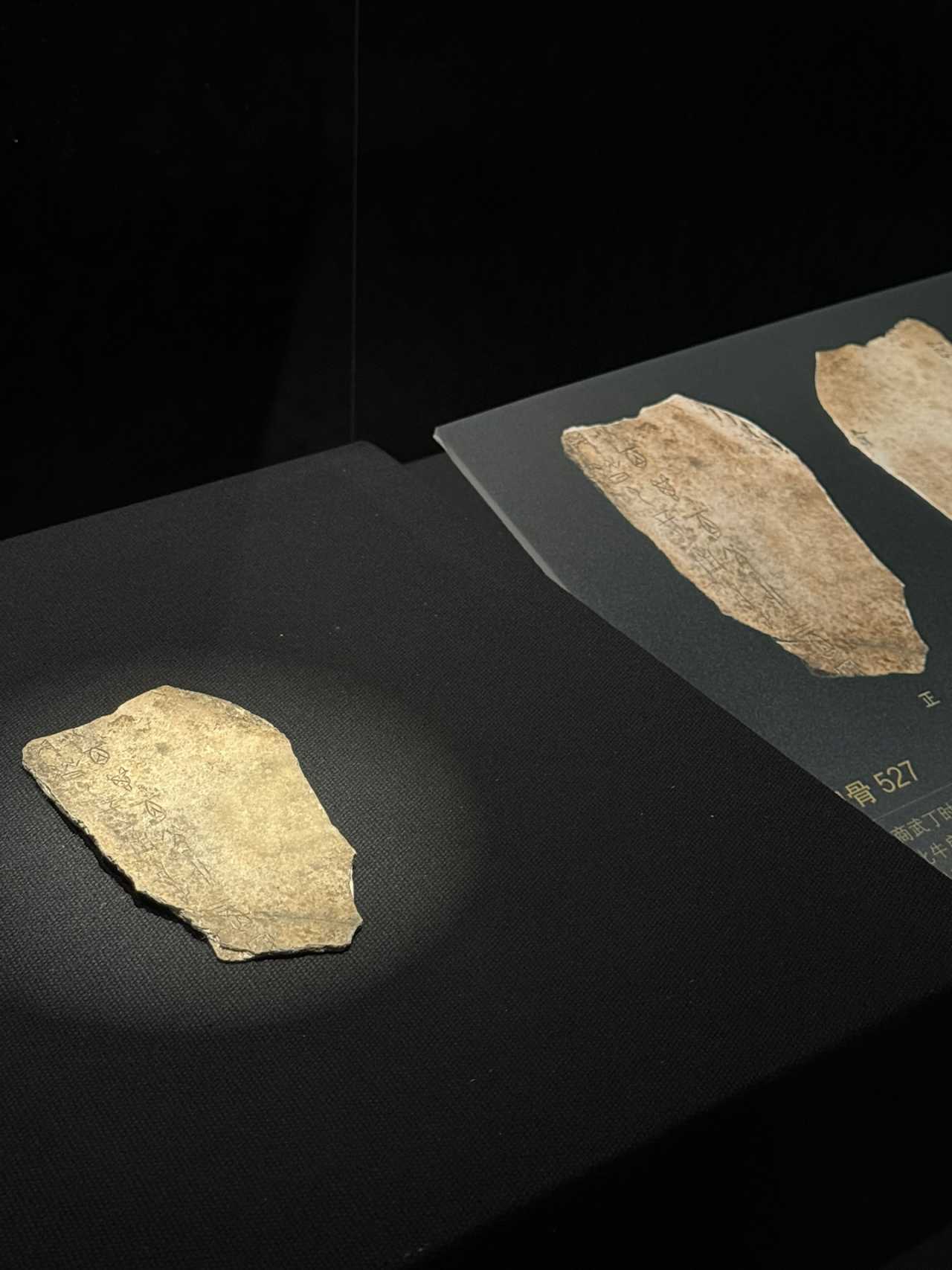
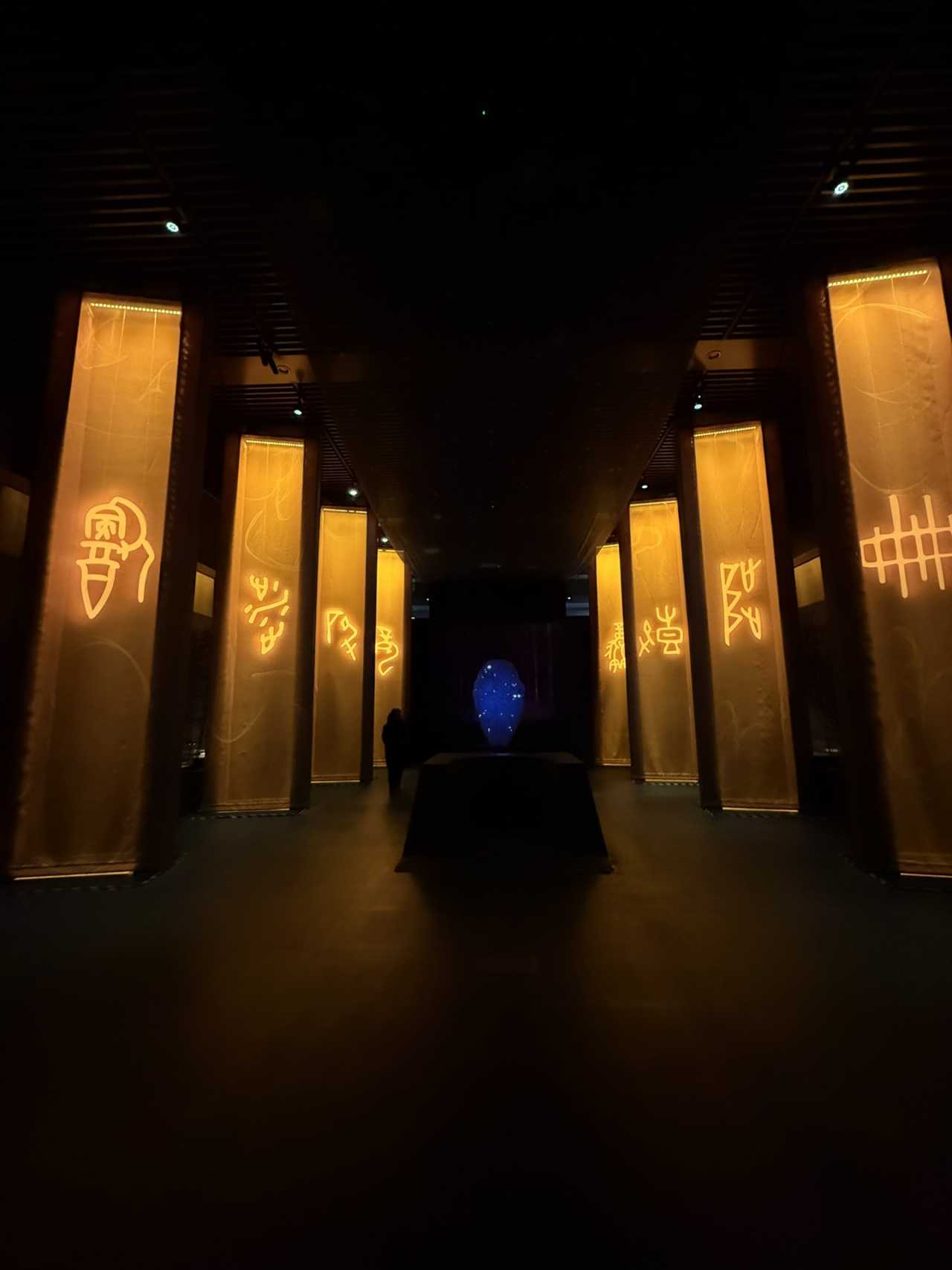
The real treasure lies hidden at the back: the Ancient Books Museum. Passing through an unassuming door feels like time travel. Here, precious texts from the Shang and Zhou dynasties to the Ming and Qing dynasties are displayed. But what took my breath away were the oracle bone inscriptions—carvings on turtle shells and animal bones from 3,000 years ago.
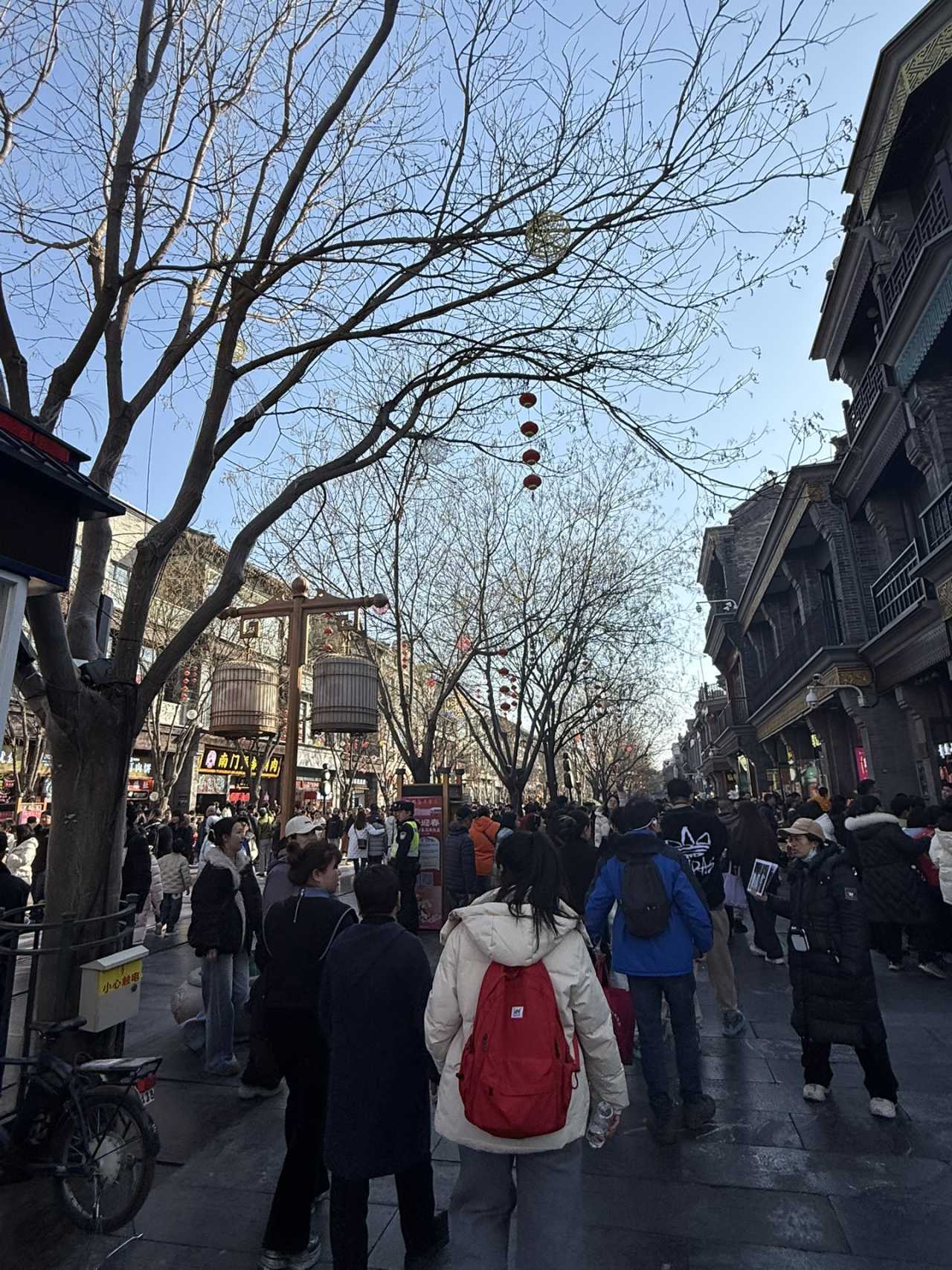
Standing before the display case, I imagined a Shang dynasty diviner carving "rain today" onto a tortoise shell. Three thousand years later, a traveler from the south gazes back through the glass.
Practical Tip: The National Library is free and open daily except Monday. The Ancient Books Museum requires no additional ticket. Allow at least two hours. In winter, the heating is excellent—a perfect escape from the cold.
H2: Olympic Tower – The "Big Nail" on Beijing's Central Axis
H3: A Controversial Landmark That Demands a Second Look

Leaving the library, I headed north along the central axis to the Olympic Park. The most eye-catching structure isn't the Bird's Nest or Water Cube, but a building Beijingers affectionately call the "Big Nail" —the Beijing Olympic Tower.
Five vertical cylinders rise in staggered heights, the tallest in the center, the lowest to the northwest, with a crown-like platform extending from the top. It resembles a steel tree of life. Initially jarring, my doubts vanished when I took the elevator to the top.
H3: 246 Meters Above Beijing: A Panoramic Revelation
Standing on the observation deck at 246 meters (807 feet), Beijing's central axis stretched beneath me. To the south: the golden roofs of the Forbidden City and blue tiles of the Temple of Heaven. To the north: the Olympic Park's venue complex scattered like chess pieces.
As the sun set, the entire city turned gold. The distant Western Hills appeared as dark eyebrows. I finally understood why Beijingers call it the "Big Nail"—it's a stabilizing needle, reminding everyone that no matter how times change, Beijing remains Beijing.
Practical Tip: Olympic Tower tickets cost 80 RMB. Visit in late afternoon for both daytime and nighttime views. A revolving restaurant at the top offers unbeatable views (prices are high). In winter, the wind is strong—bring a scarf and hat.
H2: Winter in Beijing – The Unexpected Reward of Slowing Down
H3: Why Winter is the Best Season for a Slow Journey
This trip taught me something crucial: slowing down transforms Beijing. Previous visits were rushed marathons—Forbidden City, Great Wall, Summer Palace. This time, I learned to pause.
Slowing down lets you hear pigeon whistles in the morning light at the Temple of Heaven. It lets you discover a yellowed ancient book in a corner of the library. It lets you see the city's veins clearly in the cold wind atop the tower.
Beijing's winter is cold, but it's a clear, penetrating cold. Those red walls and green tiles look especially vivid in the winter sun.
H3: Hidden Winter Gems: Shichahai and the Hutongs
I discovered a secret: Beijing's winter is perfect for walking. Fewer crowds mean the hutongs (traditional alleyways) are left with only sunbathing cats and elderly people out for a stroll. I walked across the frozen surface of Shichahai Lake, watching ice skaters chase each other. The crisp sound of blades cutting across the ice—a northern winter symphony.
[Link: Best winter hutongs to explore in Beijing]
H2: FAQ – Winter Travel in Beijing
Q1: Is winter a good time to visit Beijing?
A: Absolutely. Winter offers fewer crowds, lower prices, and a unique atmosphere. The cold is dry and manageable with proper clothing. Many indoor attractions like the National Library and museums are warm and welcoming.
Q2: What should I pack for a Beijing winter trip?
A: Layer up: thermal underwear, a warm sweater, a windproof coat, scarf, hat, and gloves. Comfortable winter boots are essential. Don't forget lip balm and moisturizer—the air is very dry.
Q3: Are major attractions open in winter?
A: Yes. All major attractions remain open year-round. The Temple of Heaven, Forbidden City, Great Wall, and Olympic Tower all operate normally. Some outdoor sections may close during extreme weather.
Q4: How do I get around Beijing in winter?
A: The subway is efficient and heated. Taxis and ride-hailing apps (like Didi) are widely available. Walking between nearby attractions is pleasant in winter—just dress warmly.
Q5: What are the best indoor activities in Beijing during winter?
A: The National Library, National Museum, Capital Museum, and art galleries offer free or low-cost admission. Tea houses and traditional hot pot restaurants provide warmth and local flavor.
Conclusion: On the Fifth Visit, I Finally Understood Beijing
The day I left Beijing, I sat on the high-speed train, watching the North China Plain rush past the window. Reflecting on these five visits, each brought something different: curiosity, amazement, exhaustion, unfamiliarity—and finally, understanding.
Understanding a city takes time. Not the time to check off sights, but the time to sit on a bench and listen to pigeon whistles. Time to wander into a library and discover ancient voices. Time to stand at the top of a tower and watch the city breathe.
Beijing's winter taught me that the best journeys aren't about seeing everything—they're about seeing something deeply. Whether it's your first visit or your fifth, I urge you to slow down. Let the city reveal itself in its own time.
Ready to discover Beijing in winter? Start planning your slow journey today. Book your flight, pack your warmest coat, and leave your itinerary open. The city will show you what matters.
[Link: How to plan a slow travel itinerary in Beijing] [Link: Best Beijing winter food experiences: hot pot and more]
You should also read:
A Passionate Journey Through Beijing & Tianjin: Beijing Complete Guide – JOJO's In-Depth Travel Notes
Meta Description: Explore Beijing & Tianjin in 5 days with this complete travel guide. From the Forbidden City to the Great Wall, discover insider tips, transportation hacks, and must-see attractions. Plan your perfect China trip today. Beijing is not just a city—it's a living museum…
Continue reading...
Hai Tuo Mountain Above the Sea of Clouds: A Skyward Feast on the Roof of Beijing
Meta Description: Discover Hai Tuo Mountain, Beijing's second-highest peak, where sea of clouds, starry nights, and alpine meadows await. Your ultimate guide to hiking, camping, and photography on the "Roof of Beijing." At the border of Beijing's Yanqing District and Hebei's Chicheng County lies a…
Continue reading...
Peking: A Seven-Day Journey Between Old Dreams and New Realities – An SEO-Optimized Travel Guide
Meta Description: Explore Beijing in 7 days: from 798 Art District and Summer Palace to Houhai nightlife and Panjiayuan market. Discover hidden gems, local eats, and travel tips in this SEO-optimized itinerary. Some cities you never set foot in, yet you have painted them in…
Continue reading...