Set Off! Destination: Beijing: A Winter Journey Through Time – An SEO-Optimized Travel Guide
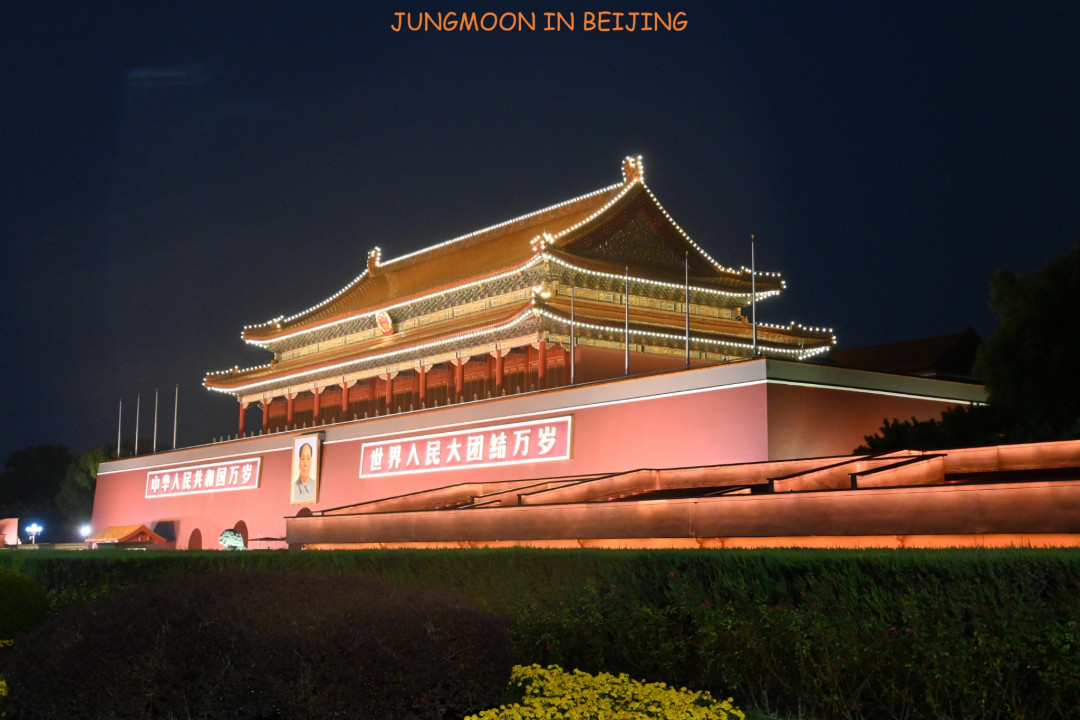
Meta Description: Discover Beijing in winter with our 6-day itinerary. From Temple of Heaven to Mutianyu Great Wall, explore ancient wonders, savor roast duck, and navigate family travel tips. Your ultimate Beijing winter travel guide.
Introduction: Why Beijing in Winter?
Beijing, a city steeped in millennia of civilization and the grandeur of a great nation, had long planted a seed of longing in my heart. As China's capital, it is not only a political and cultural center but also a symbol of national confidence and historical depth. This year, I finally set foot on this land, spending six days touching its ancient pulse and feeling its modern warmth. Though I missed the gentle embrace of early autumn, I encountered winter's biting cold and majestic beauty. Some places remained unreached, but every step I took is worth remembering.
In this Beijing winter travel guide, I'll share practical tips, hidden gems, and must-see attractions for families, solo travelers, and culture enthusiasts alike. Whether you're planning a Beijing family trip or a winter vacation in China, this itinerary offers a perfect blend of history, food, and adventure.
Pre-Trip Preparations: Departing from Foshan to Beijing
Our journey began at Foshan Airport. This dual-use military and civilian airport has a peculiar feature—during takeoff and landing, all passengers must close their window shades, photography is strictly prohibited, and the waiting lounge windows are covered with frosted film, giving it an air of mystery.

After about three hours of flying, we arrived at Beijing Daxing Airport, where the chill hit us immediately. We quickly pulled out our coats from the luggage. From the airport to the city center, we chose the subway. Compared to taking a taxi, the subway required two transfers but saved us a significant amount of money. However, one of the transfer stations had no elevator, so dragging two large suitcases and a stroller, we had to walk over ten minutes to reach the hotel—a real test of stamina. Thankfully, my husband took on the heavy lifting, and I only needed to focus on taking care of little B in my arms.
Pro tip: If you're traveling with a stroller or wheelchair, consider booking a taxi or ride-hailing service from the airport to avoid subway transfers.
Day 1: First Arrival, Warmth from Roast Duck
We arrived in the evening, planning to head straight for the legendary Nánmén Shuànròu (South Gate Instant-Boiled Mutton), but seeing the long queue, we decisively gave up. Starving, we found a roast duck restaurant near the hotel. The duck had crispy skin and tender meat, the jīngjiàng ròusī (shredded pork in Beijing sauce) was savory and just right, and the portions were generous. We even packed the leftovers. This meal was our first taste of Beijing's flavors.
Best Beijing roast duck restaurants are plentiful, but for first-timers, look for local favorites near your accommodation. [Link: Best Beijing street food guide]
Day 2: Temple of Heaven and Beihai Park – Morning and Evening in the Ancient Capital
Temple of Heaven: The Regret of the Hall of Prayer for Good Harvests and the Awe of the Circular Mound Altar
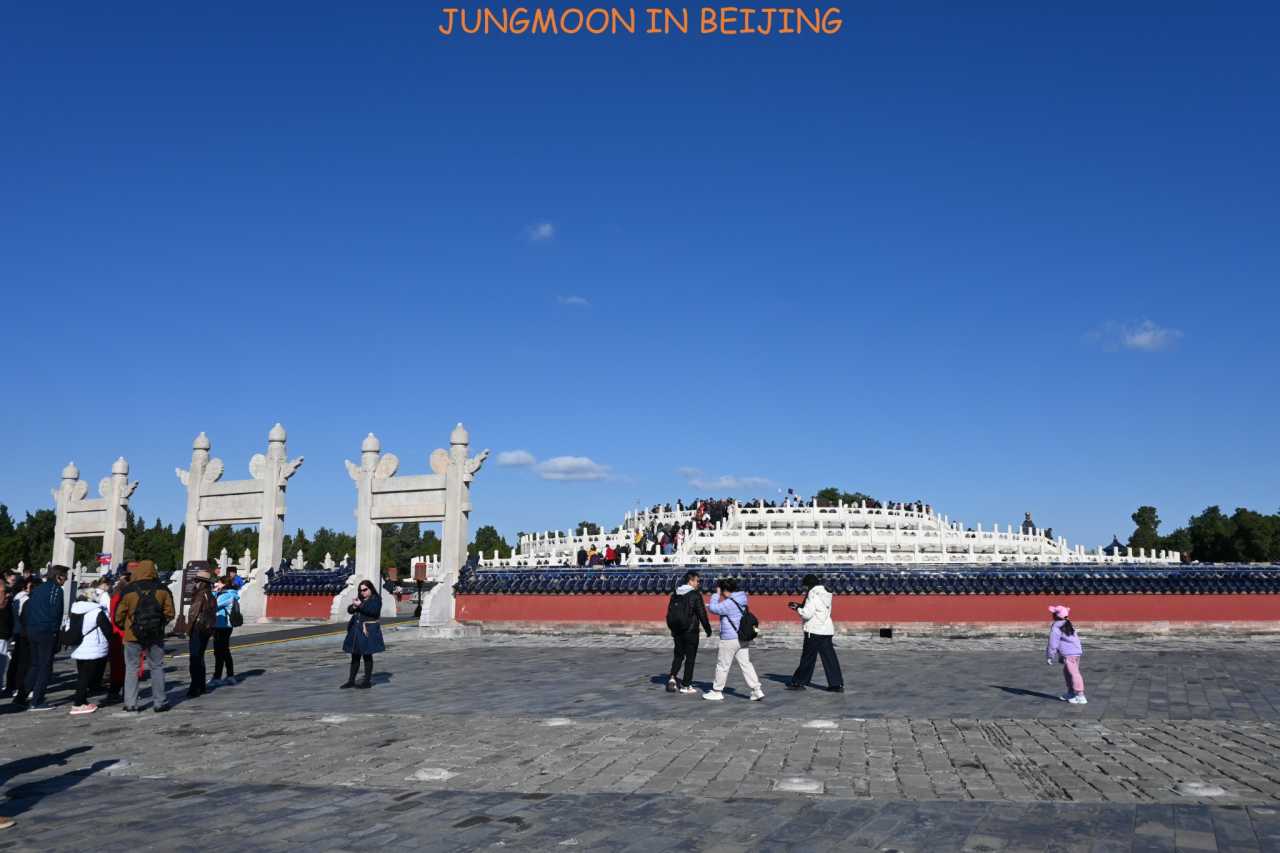
We deliberately stayed near the Temple of Heaven, hoping to see the Hall of Prayer for Good Harvests lit up at night. Unfortunately, the lights only come on Fridays and Saturdays, and we chose to go on a Sunday, leaving us with a small regret.
Temple of Heaven opening hours are clear: the gates are open from 6:30 AM to 10:00 PM (last entry at 9:00 PM), and the internal attractions like the Hall of Prayer for Good Harvests are open from 8:00 AM to 5:00 PM (last entry at 4:30 PM), closed on Mondays (except public holidays). Tickets can be purchased in advance or on the day. Visitors under 18 and seniors over 60 enter free with their ID cards. A combined ticket costs 28 yuan for adults and 14 yuan for students; a single gate ticket is 10 yuan for adults and 5 yuan for students. To visit the Hall of Prayer for Good Harvests, the Echo Wall, and the Circular Mound Altar, you need an additional attraction ticket: 20 yuan for adults and 10 yuan for students.
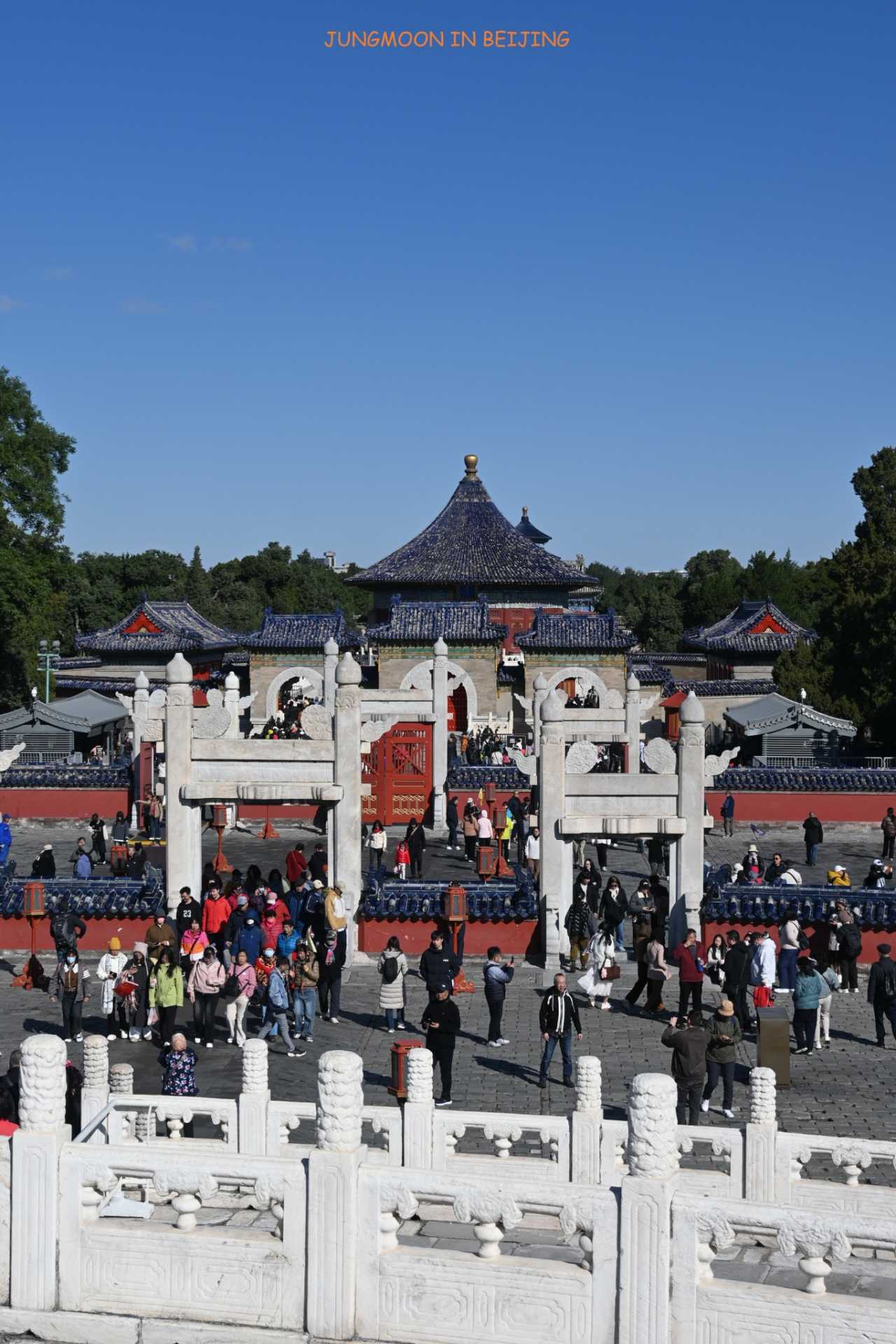
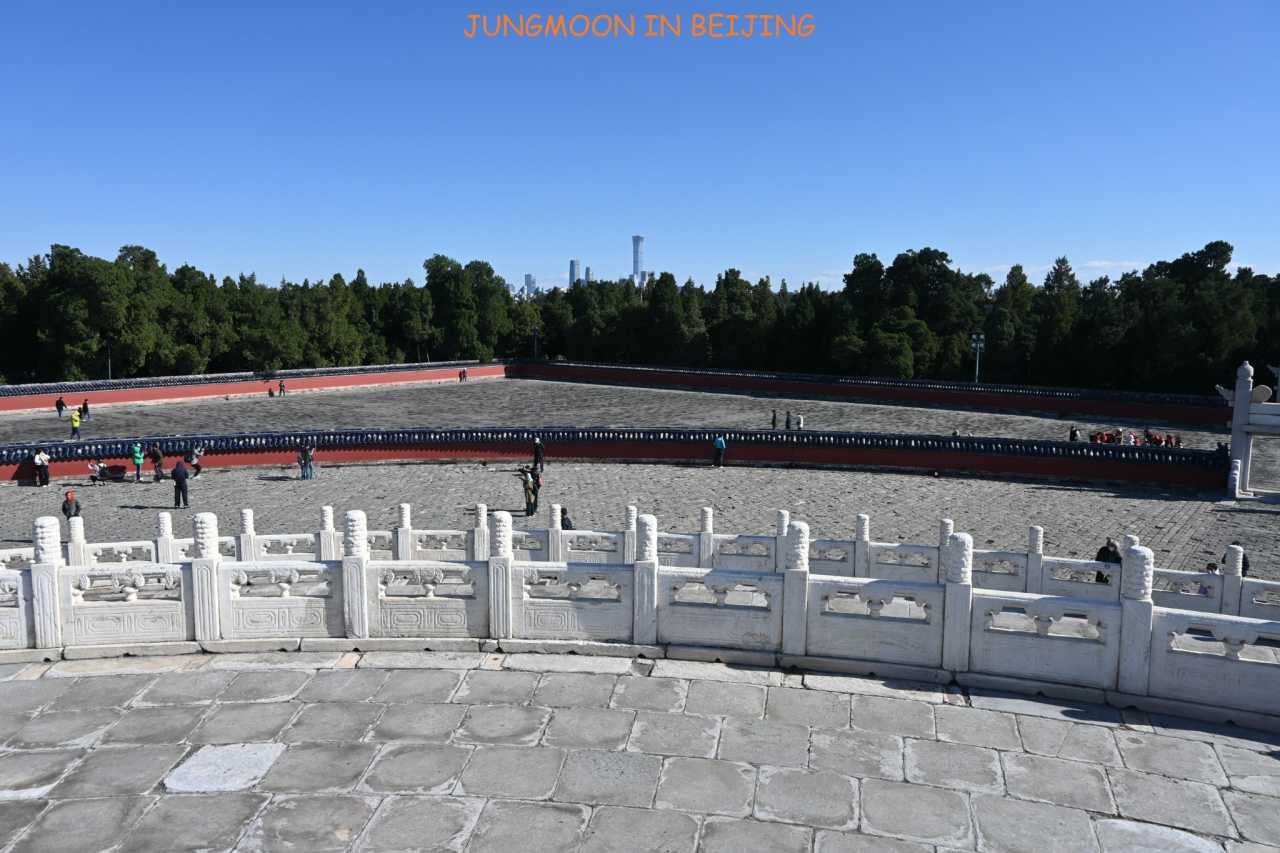
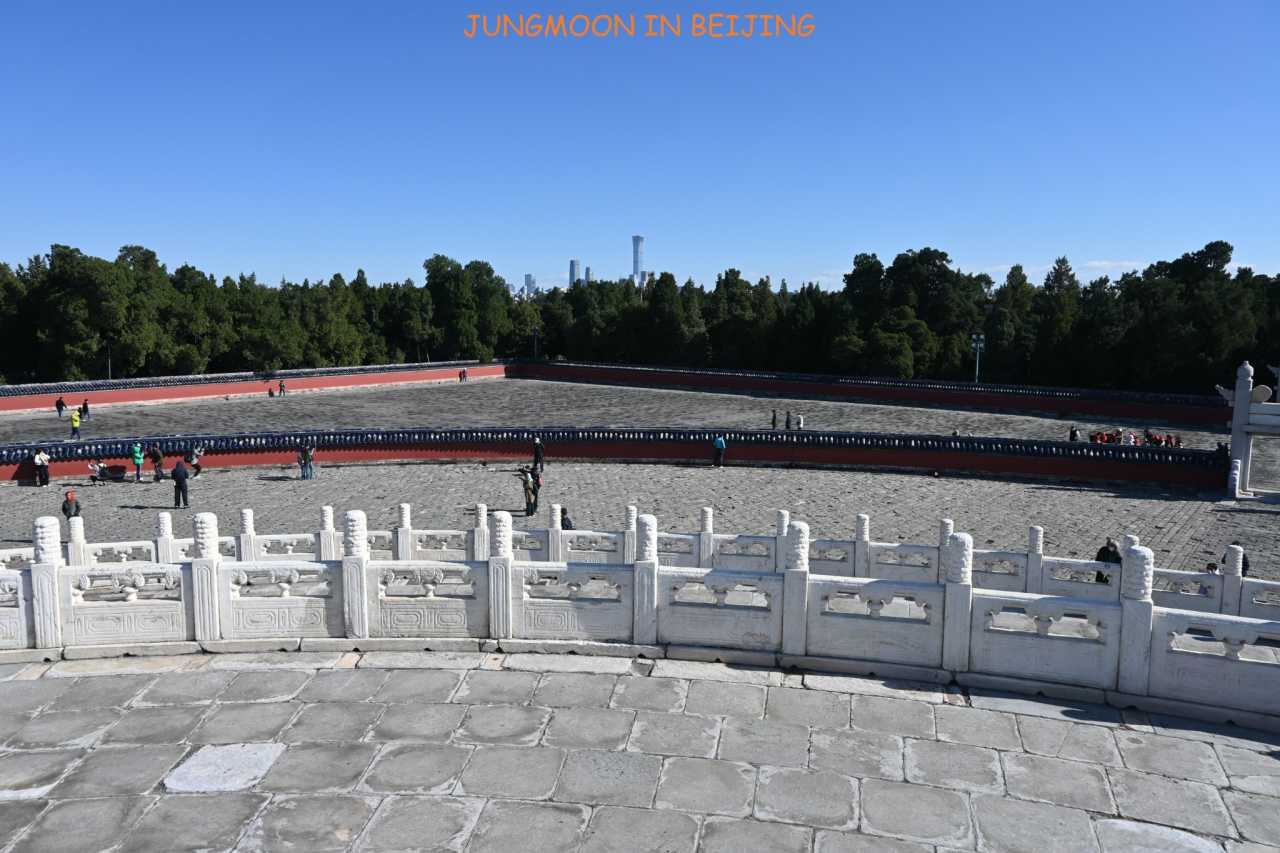
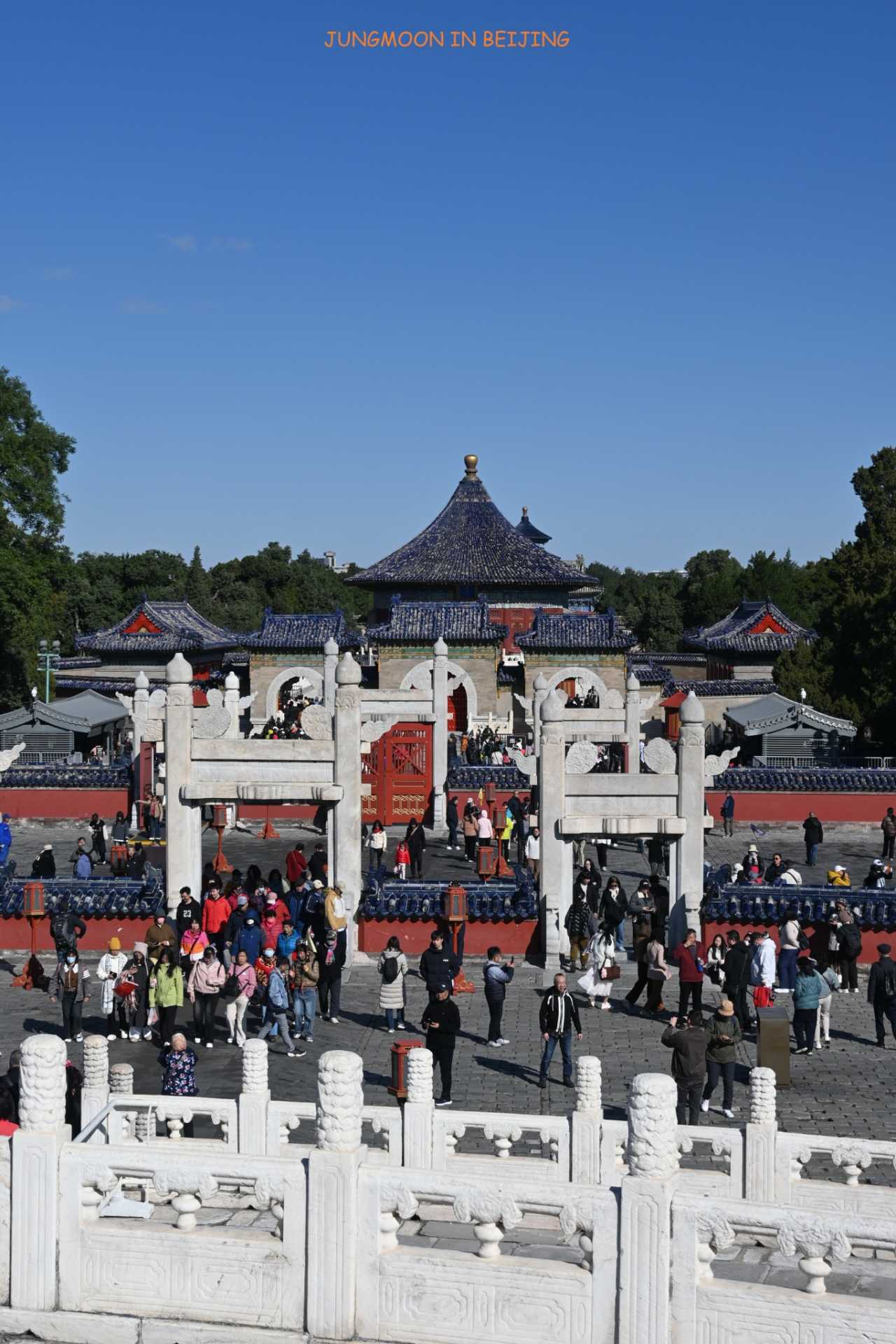
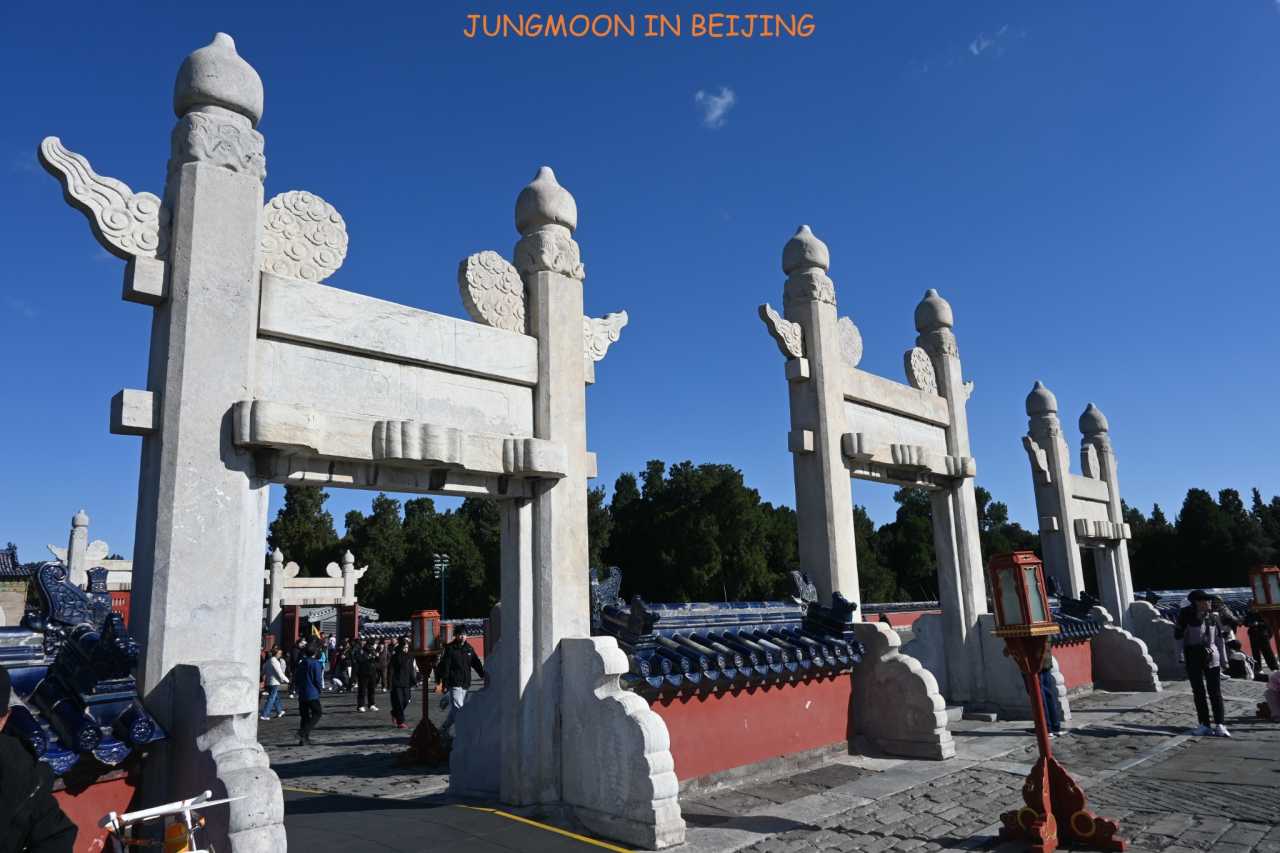
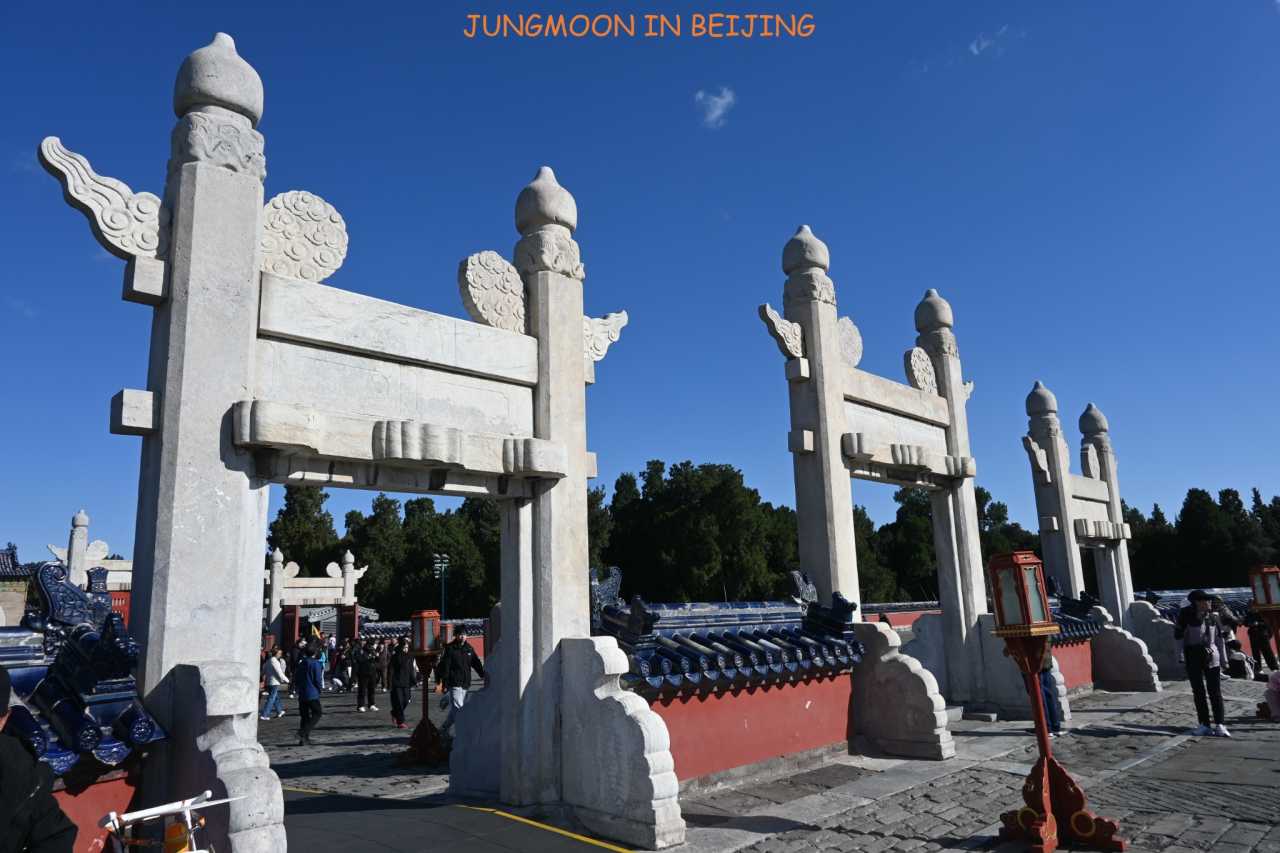
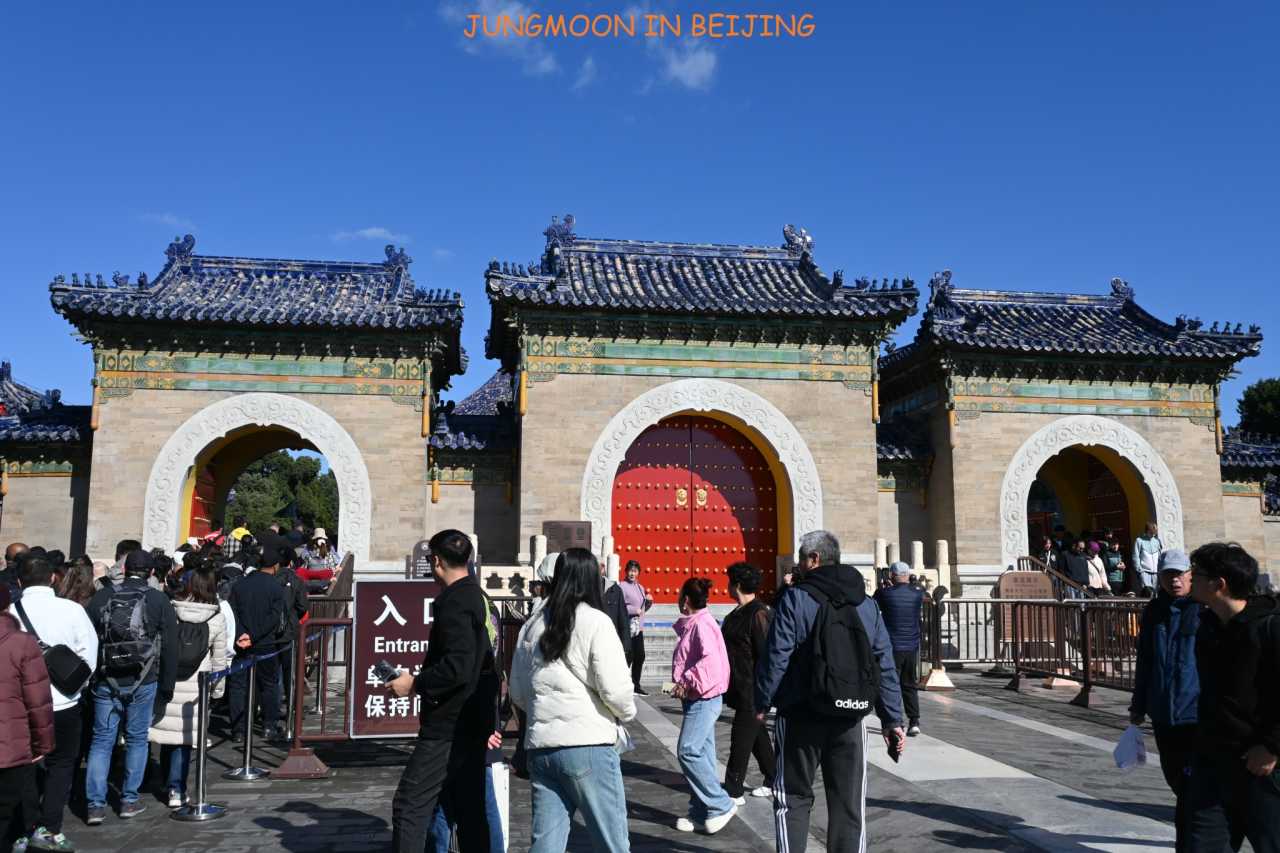
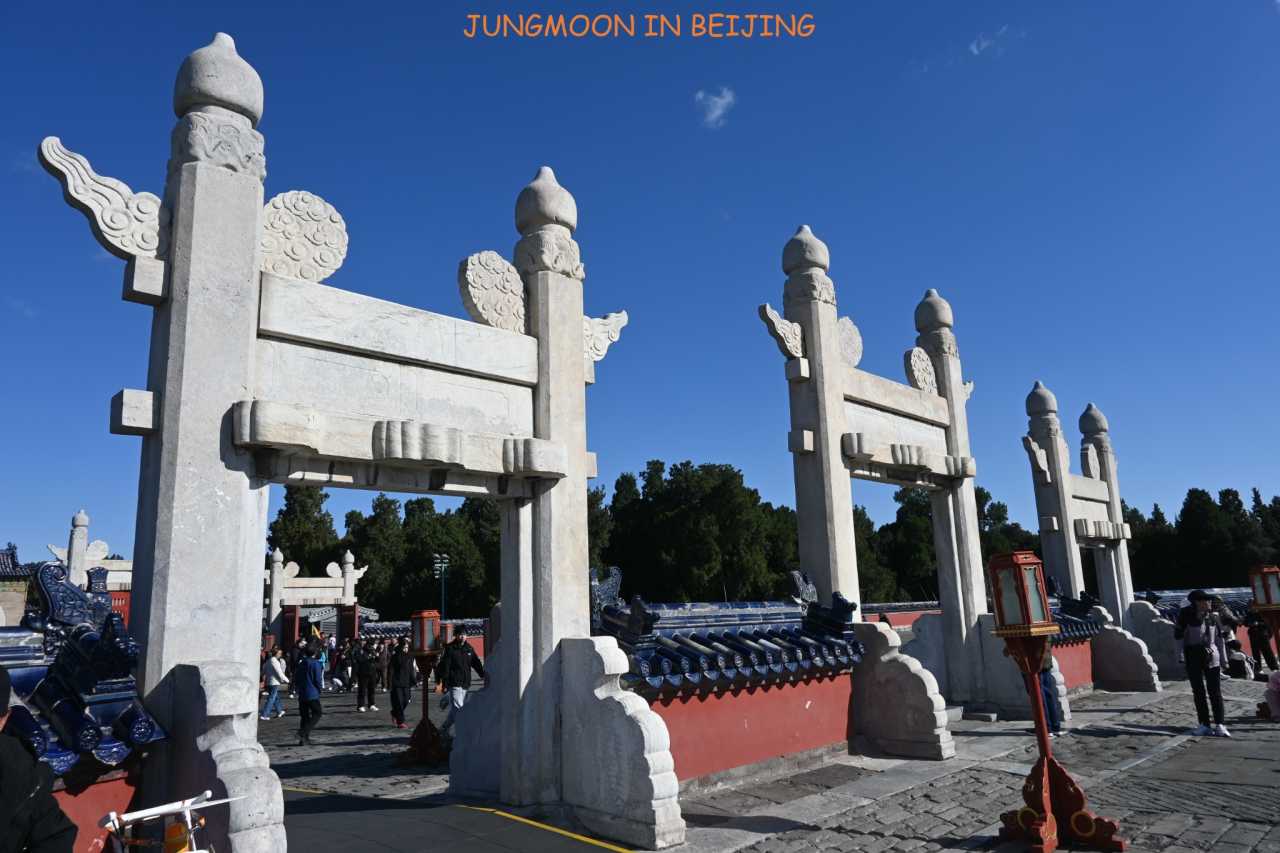
We entered through the South Gate and first saw the Circular Mound Altar. Little B had fallen asleep in the stroller, so my husband and I had to take turns going up to see it. The altar was crowded with tourists, some standing in the center making prayer gestures. Interestingly, I had always thought the Hall of Prayer for Good Harvests was the Temple of Heaven, but it turns out the Circular Mound Altar is the true "Temple of Heaven." Farther in, we reached the Hall of Prayer for Good Harvests, where we had to scan our IDs again to enter. I recommend buying the combined ticket directly to avoid the hassle of queuing for supplementary tickets.
The sheer number of tourists in Beijing was already evident at the Temple of Heaven. No wonder people say that in Beijing, there are only peak season and super peak season. The Temple of Heaven Park has accessible pathways, but the attractions themselves mostly have stone roads, making it quite inconvenient to push a stroller or wheelchair.
After visiting the Hall of Prayer for Good Harvests, we planned to exit from the North Gate to find food, but the nearby restaurants didn't appeal to us, so we turned back to the South Gate. The queue at South Gate Instant-Boiled Mutton was over 300 tables, so we ended up buying luó dǎ gǔn (glutinous rice rolls with red bean paste), zèng gāo (steamed rice cake), beef, and yogurt from Zǐguāng Yuán (a local food chain) and had lunch back at the hotel.
Temple of Heaven travel tips: Arrive early to avoid crowds, and consider visiting on a Friday or Saturday evening to see the illuminated Hall of Prayer for Good Harvests.
Beihai Park: A Rendezvous with Glittering Waves and Sunset Glow
In the afternoon, we took a taxi to the South Gate of Beihai Park. After buying tickets on-site, we were greeted by the sight of "bōbō chuán" (pedal boats shaped like ducks) and the White Pagoda. Due to strong winter winds, the boats were suspended, which was a pity. But as sunset approached, the lake shimmered with golden ripples, as beautiful as a painting.
Coming down from the White Pagoda, the sun had already set, leaving a faint afterglow in the sky. We passed by a cultural and creative shop, went in to make some purchases and stamp our travel journals. Almost every scenic spot in Beijing has such shops and stamping stations, but the attractive multi-colored stamps usually require a purchase. We hurriedly stamped a few "misprinted" ones just before closing, which turned into unique souvenirs.
For dinner, we chose Xiǎodiào Lí Tāng (a restaurant known for its pear soup and new-style Beijing cuisine), recommended by a colleague. We originally only wanted to drink the pear soup and then move on to hotpot, but it seemed too troublesome, so we ordered other dishes and settled the meal there. The pear soup was sweet and soothing for the lungs, and the other dishes were quite innovative.
Beihai Park winter travel offers stunning sunset views over the frozen lake. [Link: Best winter parks in Beijing]
Day 3: Mutianyu Great Wall – Grandeur and Hardship
Yesterday, when the restaurant staff heard we were taking little B to the Great Wall, they all warned us to keep warm. We chose the Mutianyu section, said to have easier paths than Badaling. Even before ascending, we saw a huge crowd of tourists, especially foreigners.
We hadn't expected that the shuttle bus required a separate ticket. Whether taking the shuttle or the cable car, you need to scan your ID, so you must carry it with you at all times. We took the cable car up (tickets bought on the official mini-program) and originally planned to take the chairlift down, but the on-site queue was too long, and we couldn't buy same-day tickets online, so we ended up walking down. Luckily, the path wasn't too difficult, and we reached the shuttle bus stop in about half an hour.
Driving from downtown Beijing to Mutianyu took over two hours, mainly due to traffic leaving the city and nearing the scenic area. I had expected strong winds on the Great Wall, but the sun was so warm that day it felt a bit hot. We walked through ten beacon towers, each not far apart, but some steps were very steep and required caution. The farther we went, the fewer tourists there were, mostly foreigners. I even used my broken English to ask someone to take a photo for us.
Standing on the Great Wall, I couldn't help but marvel: how did the ancients transport giant stones up the mountain to build this ten-thousand-mile fortress? Today, it stands as a world wonder and a symbol of the national spirit.
Important reminder: If you buy the postcard version of the ticket, be sure to exchange it at the visitor center before going up the Great Wall. I didn't know this and went straight up; by the time I returned, the visitor center was closed, so I missed out.
For dinner, we had Jīngmǎn Shuànròu (a hotpot restaurant), which required waiting. Personally, I found the beef more to my liking than the lamb.
Mutianyu Great Wall vs Badaling: Mutianyu is less crowded and more family-friendly, with cable car and toboggan options. [Link: Great Wall sections comparison guide]
FAQ: Beijing Winter Travel Tips
1. Is Beijing worth visiting in winter?
 Absolutely! Winter offers fewer crowds, lower prices, and unique experiences like frozen lakes and clear skies. Just pack warm layers and thermal underwear.
2. How many days do I need in Beijing?
 For a comprehensive visit, 5–7 days is ideal. Our 6-day itinerary covered Temple of Heaven, Beihai Park, and Mutianyu Great Wall, but you could add the Forbidden City, Summer Palace, and Hutongs.
3. What should I wear for a Beijing winter trip?
 Temperatures can drop to -10°C (14°F). Wear thermal base layers, a warm jacket, hat, gloves, scarf, and waterproof boots. The Great Wall can be windier, so extra layers are recommended.
4. Is the Great Wall accessible for families with young children?
 Mutianyu is more family-friendly than Badaling, with cable cars and a toboggan ride. However, some sections have steep steps, so a baby carrier is better than a stroller.
5. What are the must-try foods in Beijing?
Don't miss Beijing roast duck, jīngjiàng ròusī (shredded pork in Beijing sauce), zhà jiàng miàn (noodles with fried sauce), and hotpot. For dessert, try luó dǎ gǔn (glutinous rice rolls) and pear soup.
Conclusion: Your Beijing Winter Adventure Awaits
From the ancient pulse of the Temple of Heaven to the grandeur of the Mutianyu Great Wall, Beijing in winter offers a journey through time that is both awe-inspiring and humbling. Whether you're savoring crispy roast duck, marveling at sunset over Beihai Park, or standing atop a world wonder, every moment is worth remembering.
Ready to plan your Beijing winter trip? Start by booking your flights to Beijing Daxing Airport, reserving tickets for top attractions in advance, and packing for the cold. Don't forget to try local foods and capture memories with travel journal stamps.
[Link: Complete Beijing travel itinerary for families] [Link: Best time to visit Beijing – seasonal guide] [Link: Beijing airport transfer options]
Call to Action: Share your own Beijing winter travel stories in the comments below, or subscribe to our newsletter for more China travel guides and tips!
You should also read:
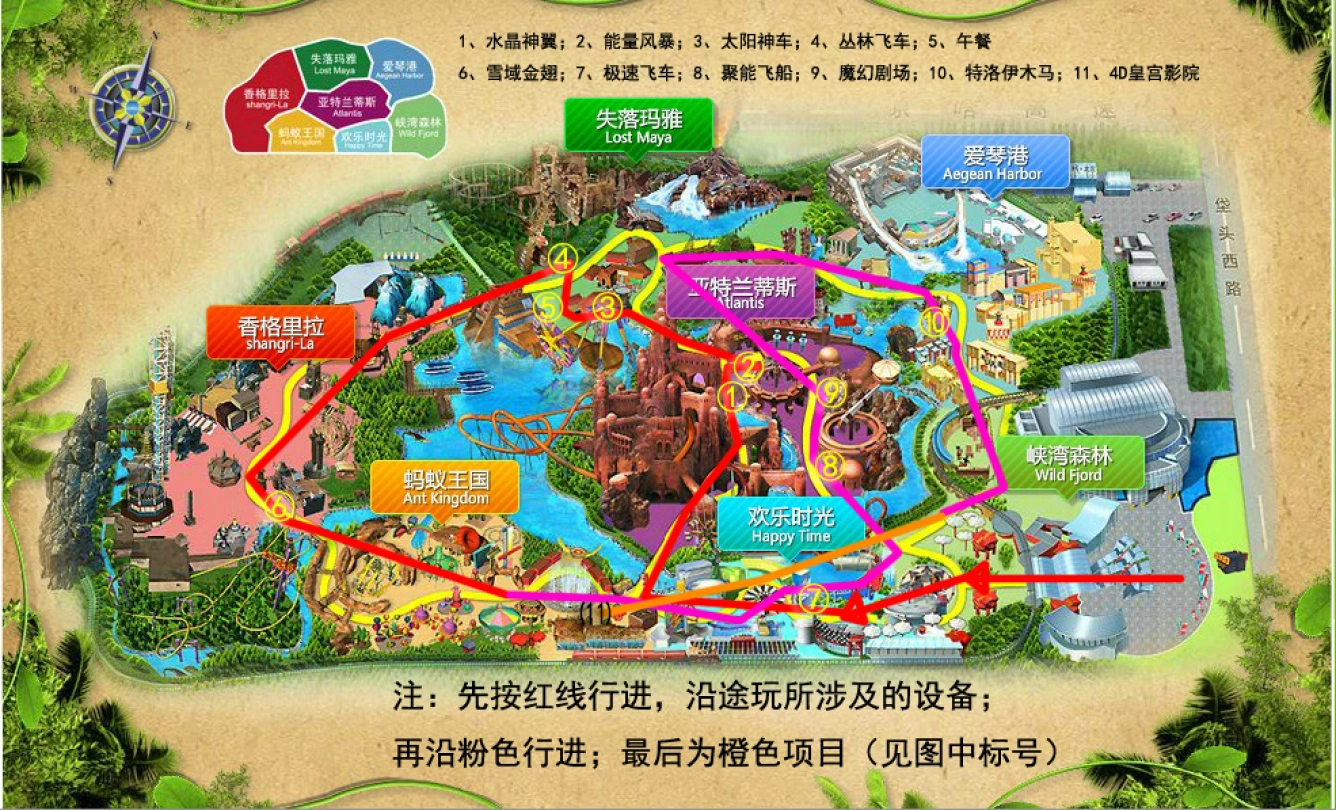
Beijing Happy Valley Ultimate Money-Saving Guide: Ride Everything, See Every Show in One Day
Here is the SEO-optimized, rewritten article based on the source material. It is structured for readability, keyword density, and user engagement, targeting approximately 1500 words. SEO Title: Beijing Happy Valley Ultimate Money-Saving Guide: Ride Everything & See Every Show in One Day Meta Description: Maximize…
Continue reading...
The Accent of Beijing: A Hutong Odyssey in a Downpour – Exploring Beijing's Hidden Charms
Meta Description: Discover Beijing's soul through a rain-soaked hutong odyssey. From Shichahai's melancholy to Mianhua Hutong's philosophy, experience the authentic "accent of Beijing" in this immersive travel story. I'm probably going to laze myself to death. I visited Beijing eight hundred years ago—took the high-speed…
Continue reading...
Peking: A Seven-Day Journey Between Old Dreams and New Realities – An SEO-Optimized Travel Guide
Meta Description: Explore Beijing in 7 days: from 798 Art District and Summer Palace to Houhai nightlife and Panjiayuan market. Discover hidden gems, local eats, and travel tips in this SEO-optimized itinerary. Some cities you never set foot in, yet you have painted them in…
Continue reading...