Sights, Sounds, and Colors at the Foot of the Imperial City – A Seven-Day Pilgrimage to the Capital
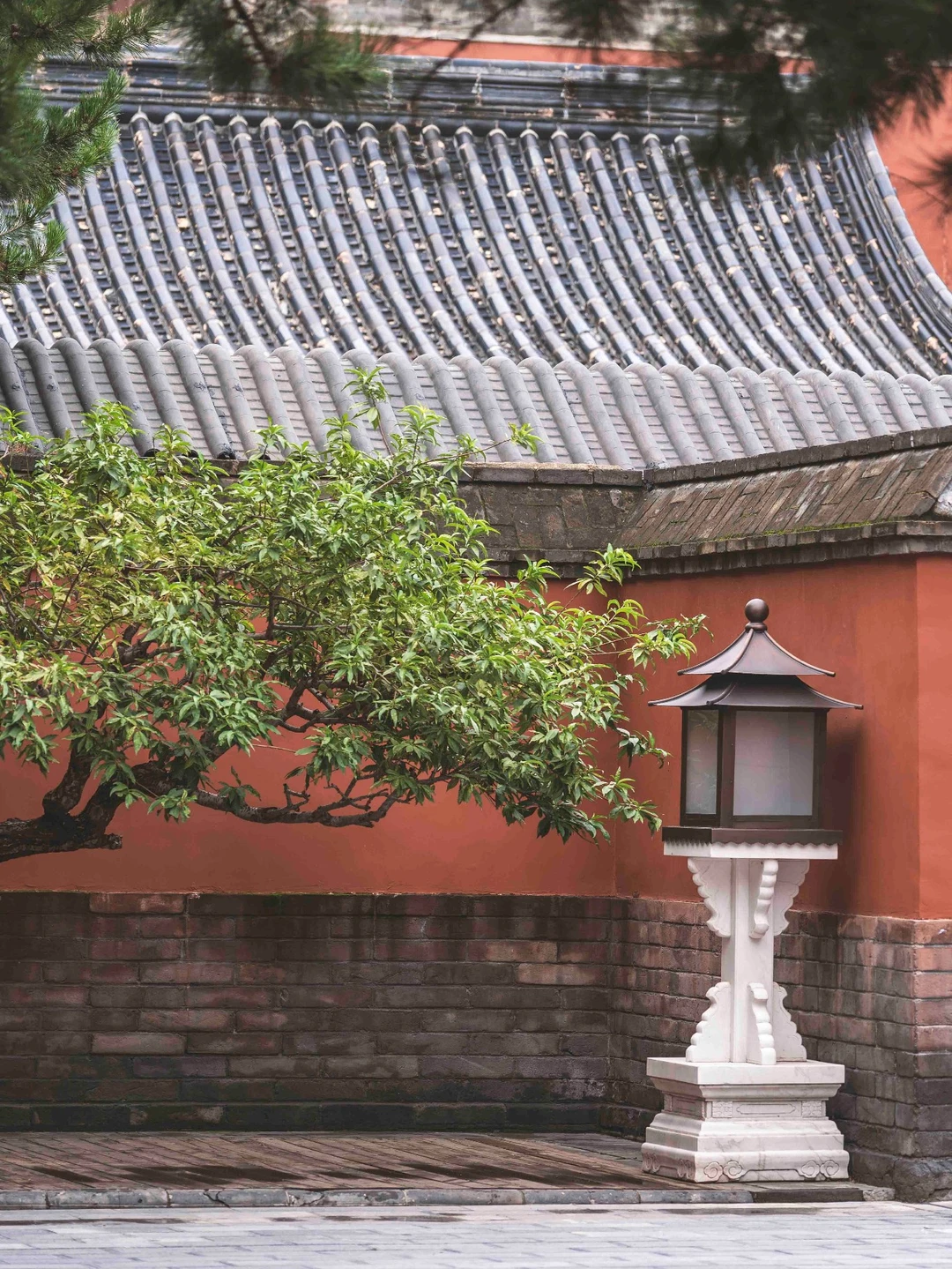
Meta Description: Discover Beijing's imperial grandeur and hidden gems in this 7-day itinerary. From Forbidden City red walls to 798 art district, Dongjiaomin Alley tranquility, and Beihai Park nostalgia. Plan your pilgrimage now.
Introduction: When the Imperial Capital Becomes Real
Travel is a dialogue with oneself, and Beijing—the ancient Imperial Capital—is the most profound chapter in that conversation. When the words "Imperial City" transform from textbook abstractions into tangible red walls and green tiles, you realize some places can only be understood by walking through them, feeling their breath and pulse.
Before this seven-day pilgrimage, Beijing was merely a symbol: a political icon, a childhood dream. But upon arrival, it became a mottled red wall, a solemn avenue, a carpet of fallen locust leaves, and that plate of sweet, soft pea cake (豌豆黄). This is your guide to experiencing Beijing's sights, sounds, and colors—a journey that bridges history and modernity.
Planning Your Beijing Pilgrimage: Itinerary Essentials

We started planning in mid-July, debating among Guizhou-Guangxi, Fujian-Guangdong, and Beijing-Tianjin routes. Fate pointed us north. After research, we skipped Tianjin to avoid travel fatigue, focusing entirely on the Imperial Capital. Our trip's soul, Siyao, revised the itinerary three times before finalizing this seven-day plan.
Key Planning Tips: - Book popular attractions like the Forbidden City and Lama Temple at least 1-2 weeks in advance - Wear comfortable walking shoes—you'll cover 10-15 km daily - Download offline maps and a translation app for navigating hutongs and local eateries - Pack for variable weather: Beijing can shift from sunshine to rain in hours
The Forbidden City: More Than Red Walls, Ending at Red Walls
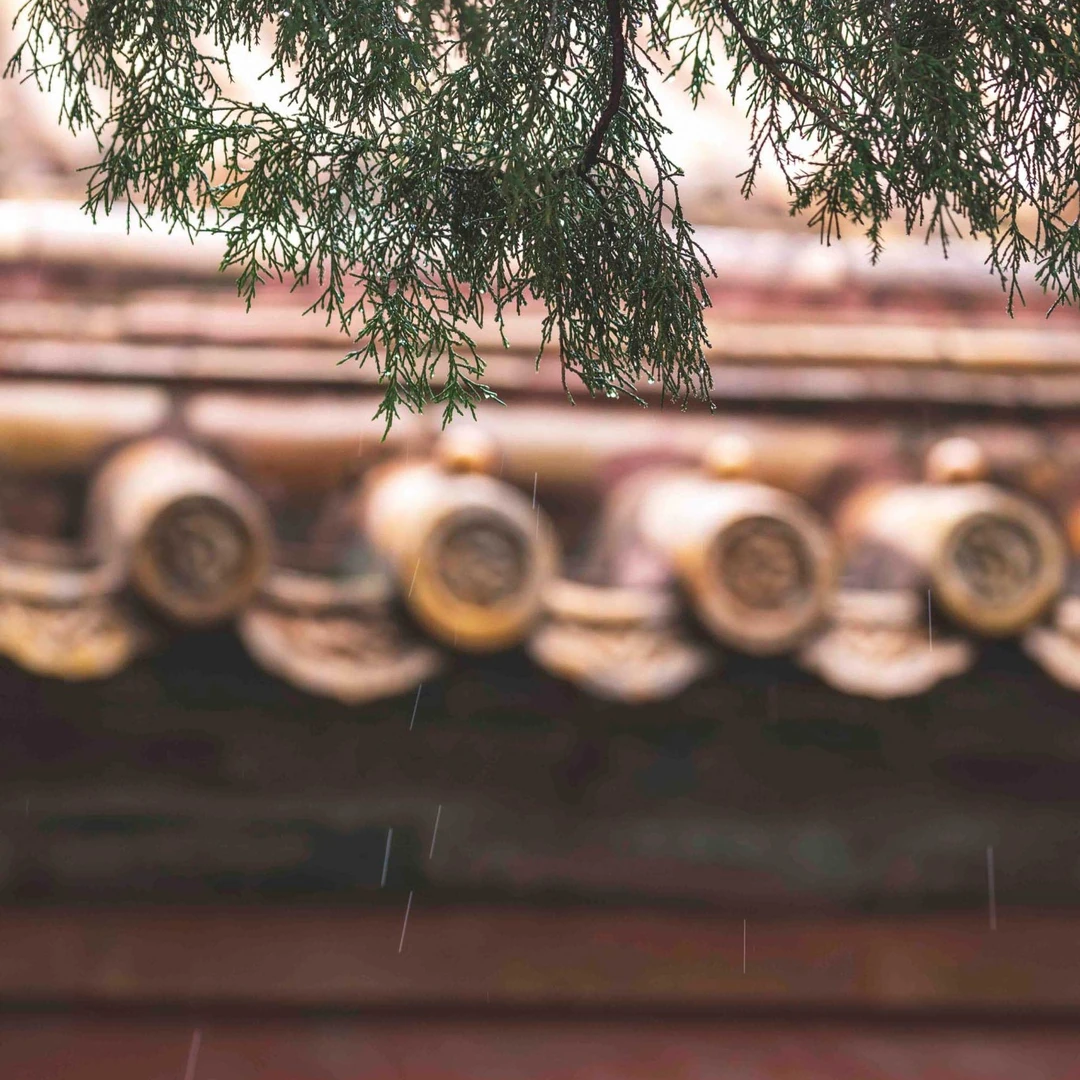
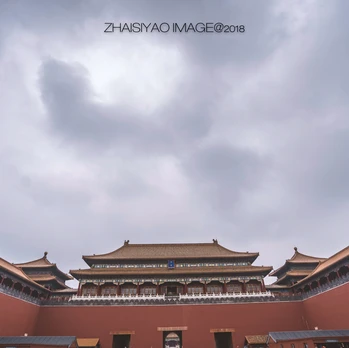
A Time Tunnel Through the Meridian Gate
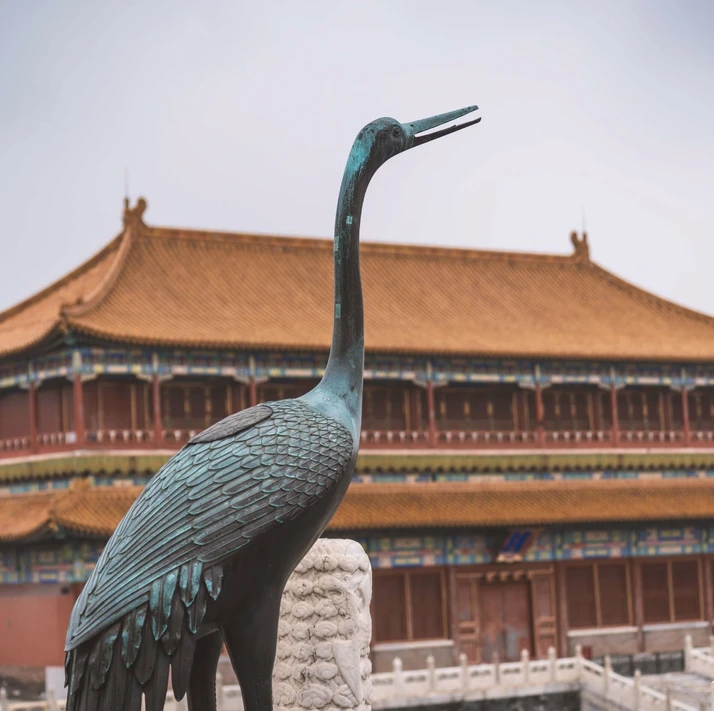
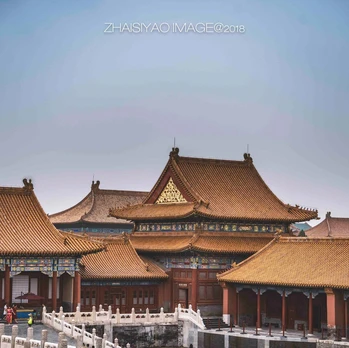
Entering through the towering Meridian Gate (午门), passing through wide yet deep corridors, the Forbidden City journey becomes irreversible. No backtracking—this is the iron rule and a wise safety measure. It reminded me of Puyi, who returned 25 years after leaving the palace. He said he was going home and refused to buy a ticket or sit on the dragon throne for a photo. In that moment, history and reality overlapped.
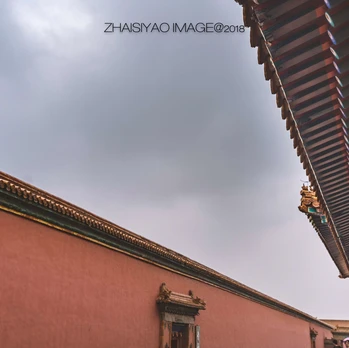
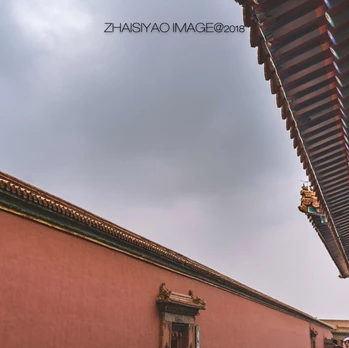
The central axis is almost treeless. Every detail—from door nails to eaves, from white marble pillars to interior furnishings—speaks of imperial supremacy. The Imperial Garden is smaller than expected yet contains the essence of landscapes from across the empire. We circled the Eastern and Western Palaces, but many rear palace courtyards remain closed. Our private guide whispered, "Don't peek through door cracks—you might see things you shouldn't." As a staunch materialist, I scoff at ghost stories. But in this space, suffocated by towering red walls, strange tales feel plausible.
Walking Through Sun and Rain
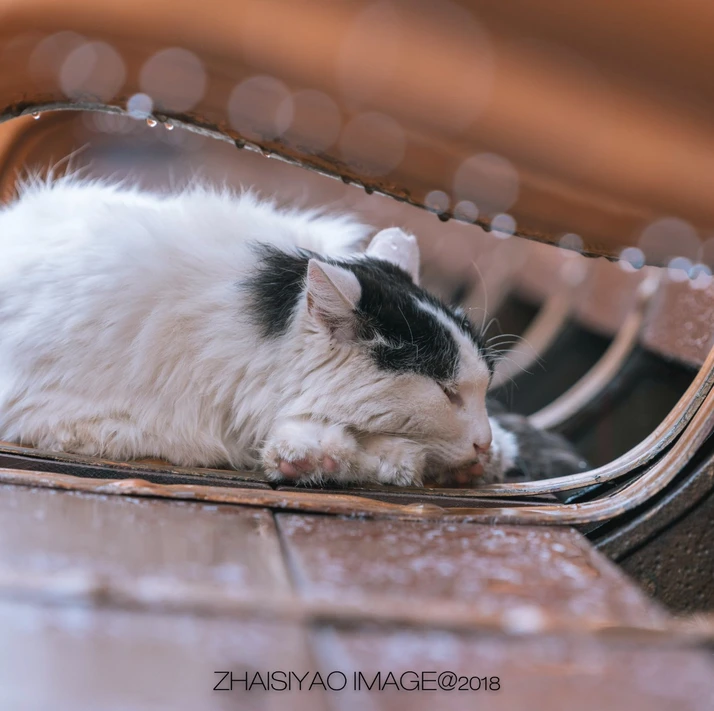
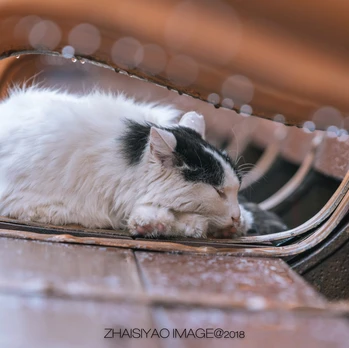
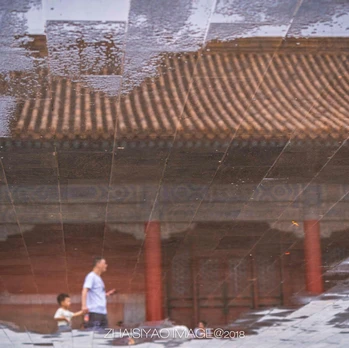
A day at the Forbidden City was spent walking through alternating sunshine and rain, beneath drifting clouds. Only after reviewing photos did I realize the lazy imperial cat was the internet-famous "Aobai." Rain puddles reflected on bluestone slabs like shattered mirrors; sunlight filtered through eaves, gilding everything in gold.
We exited through the Gate of Divine Might (神武门) at 3 PM, having spent six hours inside. Across the street lies Jingshan Park, where a two-yuan ticket grants a panoramic view of the Forbidden City—Beijing's ticket prices set a national benchmark. Tourists crowded the high points, leaving the rest of the park quiet. Climbing the steps, we easily found the best photo spot. From above, classical and modern Beijing spread out like a dislocated painting.
The corner tower was under renovation, but photography enthusiasts simply moved to shoot other towers. Renovations are fine—imperfection is a kind of beauty.
[Link: How to buy Forbidden City tickets online]
798 Art District: Standing in the Sunset
My impression of 798 came from a college friend who spent a whole day soaking in artistic inspiration. I don't understand art, so I'll just "pretend to be cultured." Our friend Zhai said the evening light is perfect for posing. Standing in the sunset glow, industrial relics collided with contemporary art—every corner spoke of the weight of time.
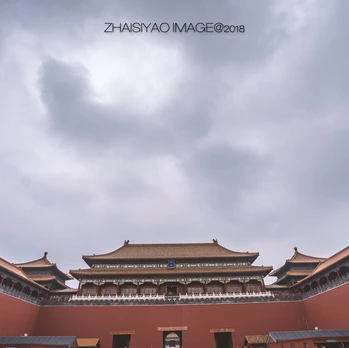
Photography Tips for 798: - Visit during golden hour (4-6 PM) for dramatic shadows and warm tones - Wear neutral colors to contrast with vibrant murals - Don't miss the graffiti walls and abandoned factory interiors
[Link: Best galleries to visit in 798 Art Zone]
Dongjiaomin Alley: An Afternoon of Tranquility
In Nanjing, you see plane trees; in Beijing, it's locust trees. Nandajie Street, Guozijian Street, and Dongjiaomin Alley were carpeted with thin, light-green locust leaves, which fell again with every breeze. Around Dongjiaomin Alley stand numerous government offices, with Republican-era and European-style buildings lining the streets. This was completely different from my image of Beijing, evoking the feel of Nanjing's Yilu Road—a highlight of the trip.
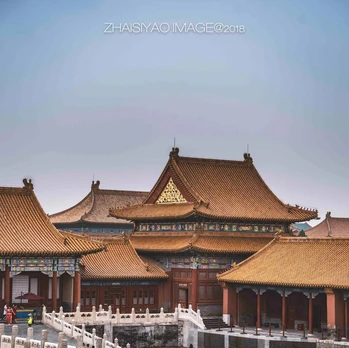
After lunch at a Tianjin restaurant on the corner, we walked into the shade of the trees. Occasional passersby added to the afternoon calm, soothing travel fatigue. We couldn't skip the photo session—our photographer's sister took a shot of him first, then we all lined up for turns, laughter echoing through the alley.
[Link: Historical walking tours of Beijing's diplomatic quarter]
Power Walking Through the Capital: Architectural History in Motion
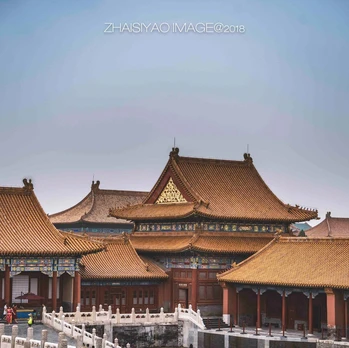
From Dashilan to Yangmeizhu Xiejie
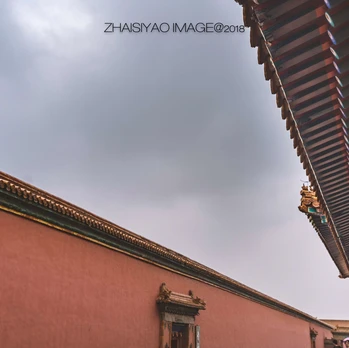
We booked two city walking tours exploring historical change through architecture. Emerging from the subway in the afternoon, we bought salted ice pops from a vendor to cool down. Starting from Zhengyangmen (正阳门), a single gate tower holds endless stories. From the bustling main street of Dashilan to the quieter Yangmeizhu Xiejie, we explored the existence, transformation, and integration of traditional architecture across eras.
The busy or leisurely people in the market streets, our guide's insightful commentary, and the laughter during a rooftop break—all made the walk special. Those time-worn shops, the narrowest alleys, the tranquility of courtyard homes (四合院), and the lights that came on at night became footnotes in our memory.
From the Confucius Temple to the Imperial College
Starting from Lama Temple (雍和宫), we walked along Guozijian Street to visit the Confucius Temple and Imperial College (国子监). Our guide, a soft-spoken woman, had an almost hypnotic charm. To avoid tour groups, we always listened from the corners. Exploring from an architectural perspective led to discussions of education. Our friends joked, "It feels like we're at work!" Yet a sense of reverence for knowledge quietly grew within those ancient halls.
[Link: Best walking tours for history lovers in Beijing]
Those Longings, These Responses
The Moon Over the Bird's Nest
We went to the Bird's Nest (National Stadium) to photograph the night scene. It happened to be the 14th day of the lunar month—the moon was nearly full. I thought of Jay Chou's lyrics: "Across thousands of mountains and rivers, through countless nights, waiting for a bright moon." I remembered the joys and sorrows of 2008, the Olympic opening ceremony, and myself ten years ago as a high school student—full of confusion, anxiety, and hope. Thousands of mountains and rivers—it's a journey through space, but also through time.
A Pause at Tiananmen
In Beijing, my friends who had received proper patriotic education acted like children—excited by everything, thrilled by everything. What excited me most was Tiananmen Square. I was thrilled for a full hour and willingly posed for a standard tourist photo. That photo, with my posture like I was taking an oath, I only dared to show my mother.
"Let's Row the Oars"
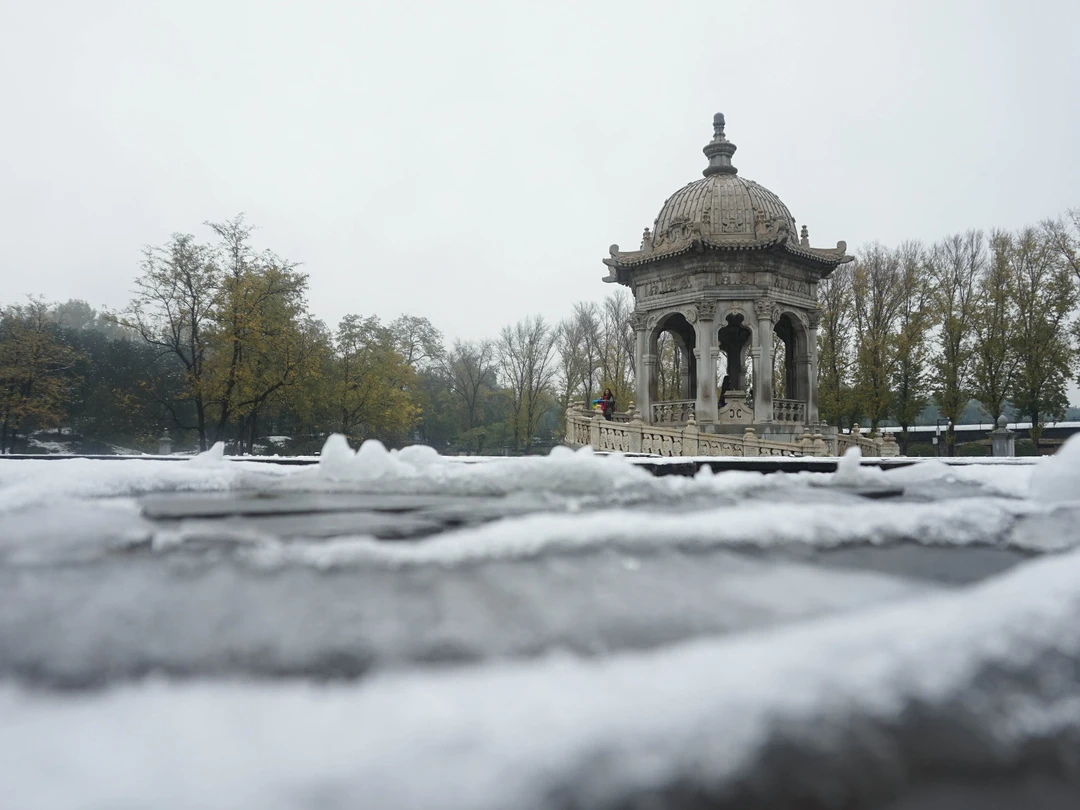
I practically skipped into Beihai Park, ticket in hand. Passing through an elegant small courtyard, the iconic lake and white pagoda came into view. The song "Let's Row the Oars" echoed in my mind—a childhood memory tied to this very place. It was a moment of pure, unadulterated joy.
FAQ: Your Beijing Pilgrimage Questions Answered
Q: When is the best time to visit Beijing for a 7-day trip?
A: Spring (April-May) and autumn (September-October) offer mild weather and fewer crowds. Summer is hot and humid; winter is cold but less crowded with lower prices.
Q: How much time should I allocate for the Forbidden City?
A: Plan for 4-6 hours to explore the main halls, gardens, and some side palaces. Book tickets online at least a week in advance, especially during peak seasons.
Q: Is it safe to walk around Dongjiaomin Alley at night?
A: Yes, it's a well-lit area with government offices and security presence. However, it's best visited during daylight for photos and safer navigation of narrow alleys.
Q: Can I visit the Bird's Nest and Beihai Park on the same day?
A: Yes, they are on opposite sides of the city but manageable with a taxi or metro. Start with Beihai Park in the morning, then head to the Olympic Green for sunset and night photos.
Q: What should I pack for a Beijing walking tour?
A: Comfortable walking shoes, a reusable water bottle, sunscreen, a hat, and a light jacket. For summer, bring an umbrella for sudden rain; for winter, layer with thermal wear.
Conclusion: Your Pilgrimage Awaits
This seven-day pilgrimage to the Imperial Capital is more than a vacation—it's a dialogue with history, culture, and yourself. From the Forbidden City's red walls to 798's industrial art, from Dongjiaomin Alley's tranquility to Beihai Park's nostalgia, every moment offers a new layer of discovery.
Ready to start your own journey?
Book your Beijing itinerary today and experience the sights, sounds, and colors that have captivated travelers for centuries. Whether you're a history buff, art lover, or foodie, the Imperial Capital has something profound to offer.
[Link: Top 10 Beijing hotels for every budget]
[Link: Beijing street food guide: Must-try snacks]
[Link: How to navigate Beijing's metro system]
Start planning now—the red walls are waiting.
You should also read:
Beiping: A City Where the Aroma of Street Food Meets the Poetry of the Distant Horizon
Here is the SEO-optimized, rewritten article based on your source material. It is structured for search engine visibility while maintaining the poetic, travelogue style of the original. SEO Title: Beiping Travel Guide: Street Food Aroma, Hutong Culture & The Poetry of Beijing’s Horizon Meta Description:…
Continue reading...
Living in Beijing: A Love Letter to Autumn – Why October Is the City's Best-Kept Secret
Meta Description: Discover why Beijing in autumn is pure magic. From golden ginkgo avenues to hidden hutong gems, this 2014 love letter captures the city's soul. Plan your fall visit now. There's a reason why old Beijing hands get misty-eyed when October rolls around. It's…
Continue reading...
Dreaming of Beijing: A City of Flames and Embers
Here is the SEO-optimized, rewritten article based on the source material. It has been restructured for search intent, readability, and keyword density while preserving the original poetic and narrative essence. SEO Title: Dreaming of Beijing: A City of Flames, Embers, and 3,000 Years of History…
Continue reading...