Slow Living, Tender Moments: A Gentle Winter Day in Beijing on the Eighth Day of the Lunar New Year
Here is the SEO-optimized and rewritten article based on your source material. It is structured to rank for keywords related to "slow living in Beijing," "post-New Year travel," and "family-friendly winter activities in Beijing."
Title: Slow Living in Beijing: A Gentle Winter Day on the 8th Day of Lunar New Year
Meta Description: Discover the art of slow living in Beijing post-Lunar New Year. Join a mother and child as they explore hutongs, savor Crossing-the-Bridge Rice Noodles, climb Jingshan Park, and sip Pu'er tea in Qianmen. A guide to tender winter moments.
Slow Living in Beijing: A Gentle Winter Day on the 8th Day of Lunar New Year
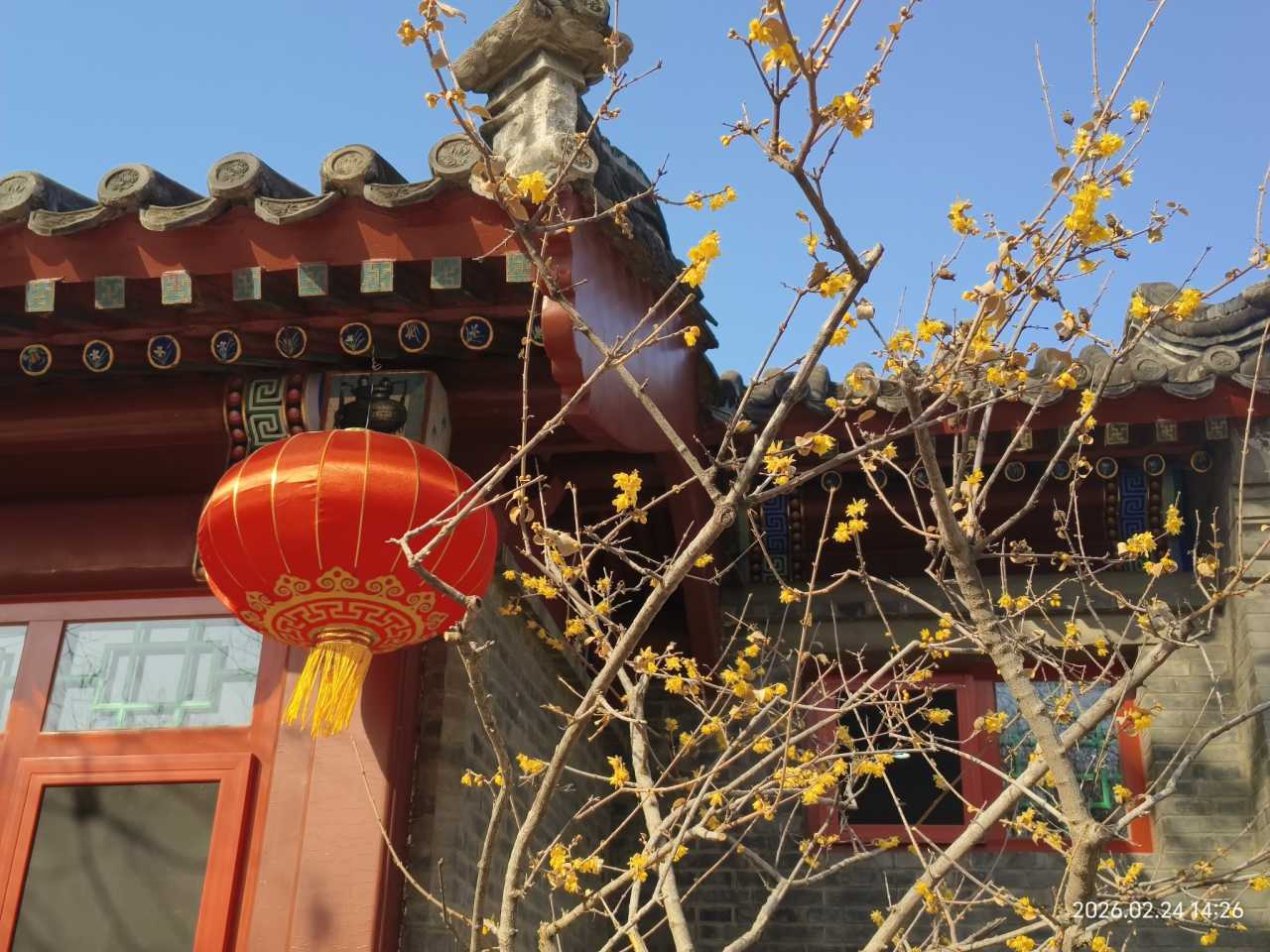
The crackling of firecrackers has faded, but the red lanterns still sway softly in the winter wind. On the eighth day of the first lunar month, the festive spirit lingers, and the tail end of the Spring Festival break is still within reach. In a city known for its relentless pace, the days following the Lunar New Year offer a rare window for slow living in Beijing.
This afternoon, I decided to set aside all the "must-dos" and simply take my child by the hand. We strolled slowly into Beijing’s winter landscape, turning an ordinary day into a collection of tender, beautiful moments. This is not a guide to rushing through attractions, but an invitation to experience the quiet winter charm of Beijing at a pace that allows for connection.
The Art of Slow Living in Beijing: A Post-New Year Reset
There is still plenty of holiday time left—no need to rush from place to place or worry about "wasting" a single moment. Time spent with children should be like a slow-simmered broth: bubbling gently, unhurried, and warm.
Waking up in the morning, sunlight streamed through the window lattice onto the floor. My child was still curled up in bed, flipping through a picture book. I brewed a cup of tea, sat by the window, and looked down at the Spring Festival couplets and the character "福" (fortune) still displayed downstairs. A sense of luxurious contentment washed over me. In this fast-paced era, to have a stretch of time where no one rushes you—what a gift.
"Mom, where are we going today?" my child asked, rubbing her eyes and poking her head out from under the covers.
"Let's think slowly. No hurry," I replied with a smile.
And just like that, we embarked on a slow daily adventure in Beijing with no guidebook, no plan, no checklist to tick off. Just two hearts eager to embrace life fully.
Hutong Restaurant Guide: A Warm Lunch at a Yunnan Spot
Around midday, we headed out at a leisurely pace. The winter streets of Beijing were sparsely populated, but the sun was exceptionally generous. My child held my hand, hopping and skipping along, occasionally stopping to gaze at a candied hawthorn stall or crouch down to watch a stray cat basking in the sun.
Our destination was a tiny Yunnan restaurant tucked away in a hutong. As we pushed open the door, the fragrant steam of rice noodles enveloped us, instantly dispelling the chill.
The Tenderness of Crossing-the-Bridge Rice Noodles
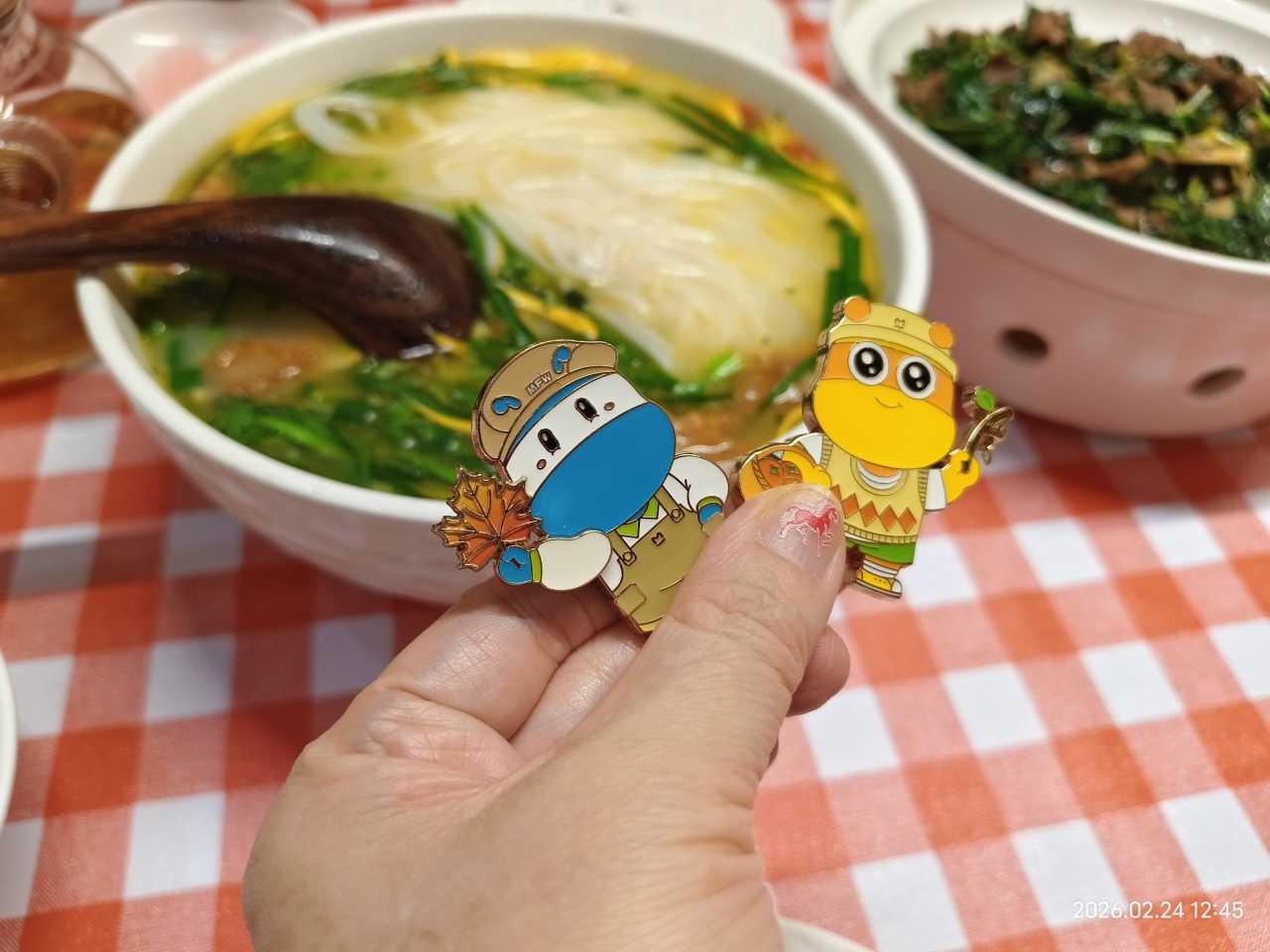
We ordered two bowls of authentic Mengzi-style Crossing-the-Bridge Rice Noodles (过桥米线). The broth was golden and clear, carrying a faint aroma of chicken oil. This dish is a staple of Beijing winter food culture—warming, hearty, and steeped in history.
My child mimicked my movements, carefully sliding slices of raw meat, quail eggs, and vegetables into the boiling soup. Her eyes widened with wonder as they changed color in the heat.
"Mom, why is it called 'Crossing-the-Bridge Rice Noodles'?"
I set down my chopsticks and told her the ancient legend: a wife would bring meals every day to her husband, who was studying hard on an island. Because the journey was long, the food always turned cold. Then she discovered that the layer of oil floating on chicken soup could keep it warm. So she separated the noodles and toppings, crossed the bridge to deliver them, and her husband always enjoyed a hot meal.
"So, this bowl of noodles holds love," I said softly.
She nodded, half-understanding, then slurped up a mouthful of noodles, splashing broth onto the tip of her nose.
Spring Flavors on the Tongue: Little Joys in Every Bite
Besides the rice noodles, we ordered two special dishes.

- Stir-fried beef with mint leaves (免辣薄荷叶炒牛肉): Tender slices of beef wrapped in the refreshing aroma of mint. My child was initially hesitant, but after one bite, she nodded enthusiastically: "It tastes like eating a mouthful of spring!"
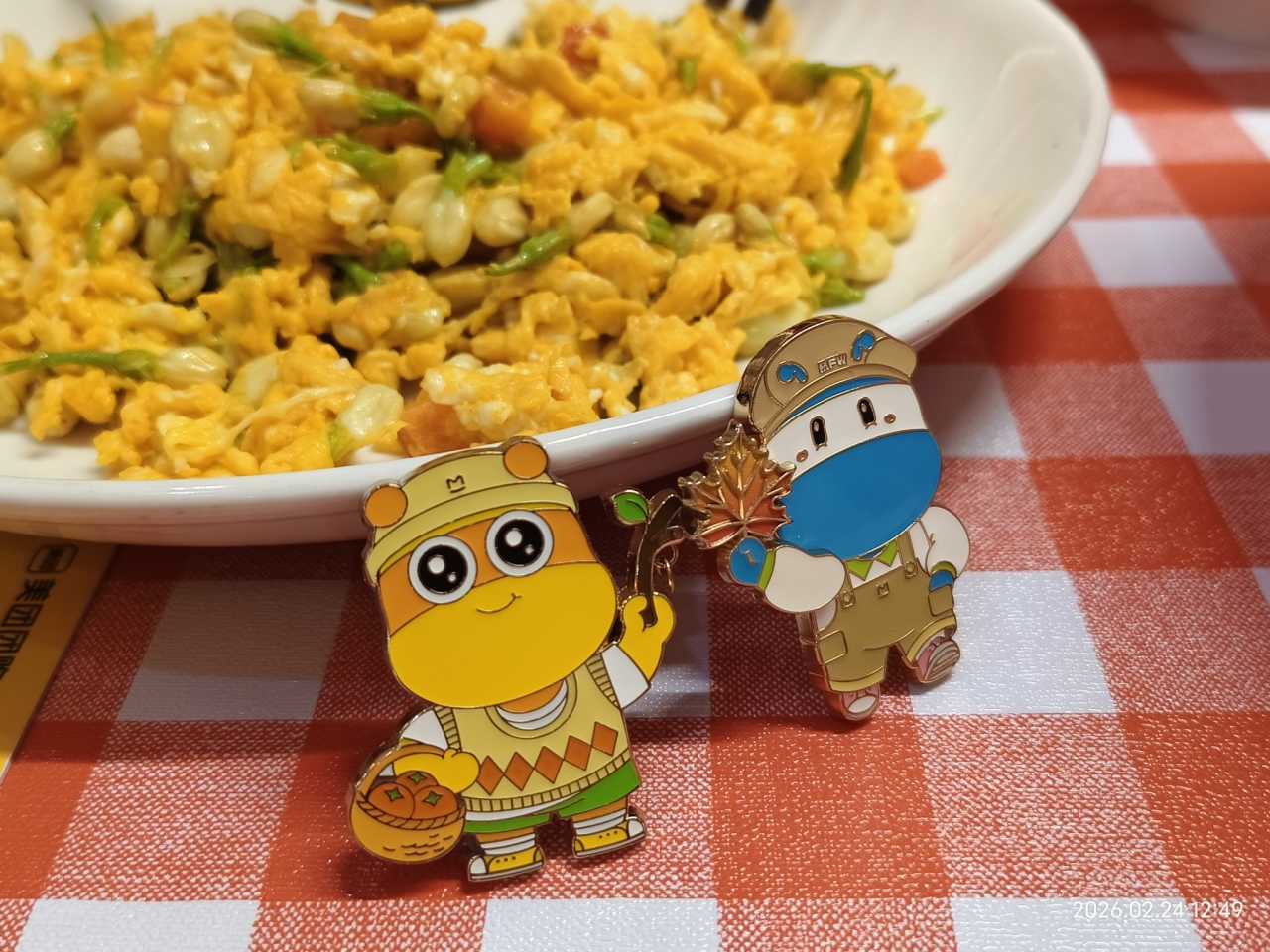
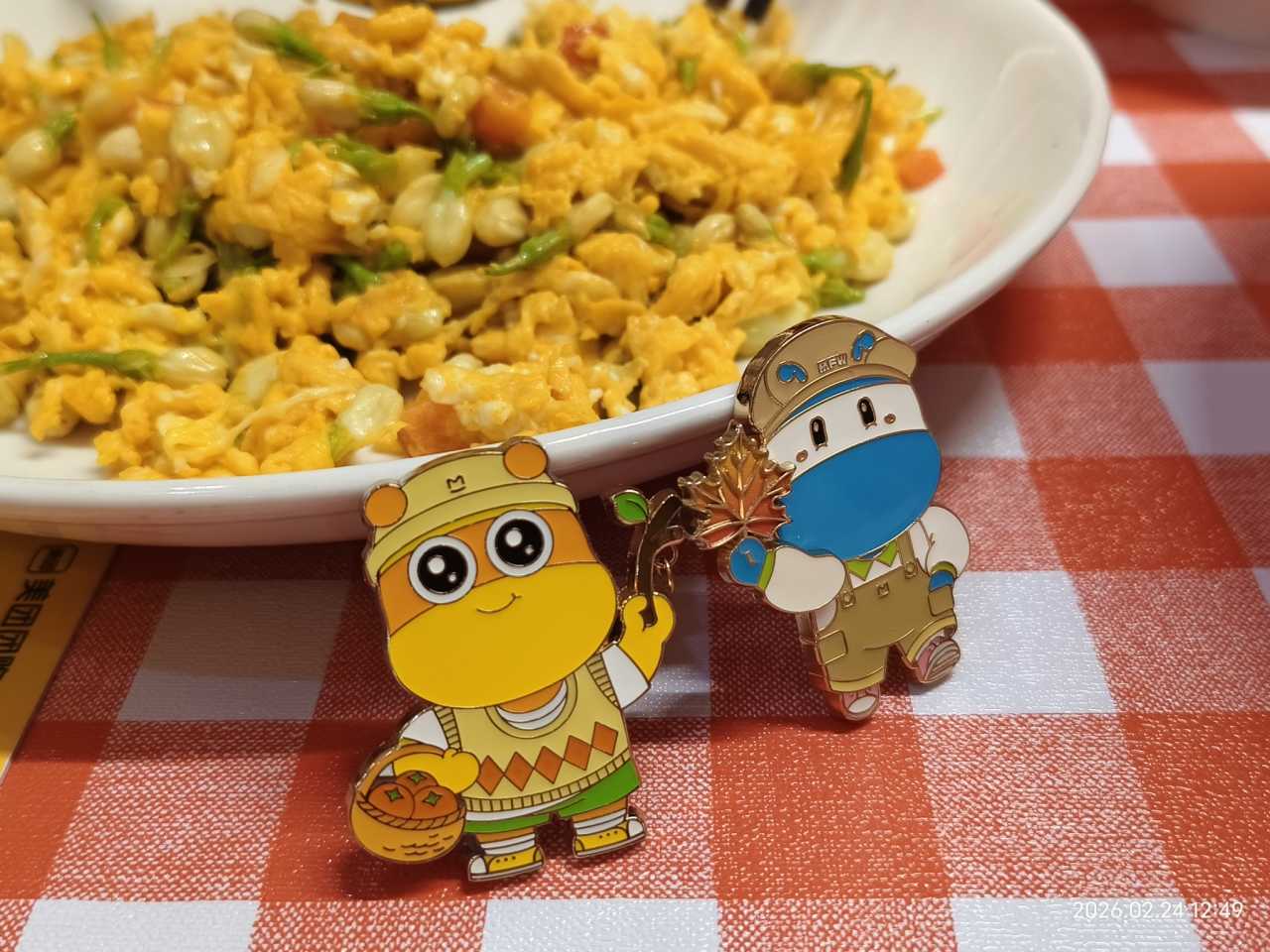
- Scrambled eggs with jasmine flowers (茉莉花炒土鸡蛋): Golden egg bits dotted with pure white jasmine petals. My child grinned from ear to ear, calling it "eggs that bloom."
Pro Tip for Families: This family-friendly hutong restaurant in Beijing is perfect for introducing kids to unique flavors without the heavy spice of traditional Sichuan cuisine. The "no-spice" mint beef is a crowd-pleaser.
A simple meal warms the heart like nothing else. On this ordinary midday, we sat in the cozy little restaurant, eating steaming food and chatting. The sunlight slanted through the window, painting a patch of gold on the table.
Jingshan Park Winter Views: Overlooking the Forbidden City
After eating our fill, we decided to walk off the meal at Jingshan Park. We took the bus, slowly rocking along, the street scenes outside the window like a flowing painting—old buildings with red walls and green tiles, bare branches that held their own stark beauty.
Step by Step, Encountering the Panorama of Beijing
Jingshan isn't tall, but for a five-year-old, it is a little challenge. She gripped my hand, climbing step by step, muttering, "Perseverance is victory." Halfway up, I suggested a break, but she shook her head: "I want to go to the very top!"
Finally, we reached the Wanchun Pavilion (万春亭), and the view opened up in all directions. This is widely considered the best view of the Forbidden City in winter. To the north, the outline of Gulou Street was clearly visible; to the south, the golden roofs of the Forbidden City glowed warmly in the setting sun; to the west, the White Pagoda of Beihai stood quietly; to the east, the skyscrapers of Guomao traced the city's skyline.
"Mom, the Forbidden City is so big!" my child said, standing on tiptoe to see farther.
"Yes, hundreds of years ago, the emperor lived there," I said, pointing at the layered palaces. "Look, all those roofs are golden—don't they look like castles in fairy tales?"
The wind brushed our faces, carrying the crispness of winter. Standing there, all the trivial worries of daily life seemed to shrink. [Link: Best Winter Hikes in Beijing for Families]
Wind in Our Eyes, Boundless Horizons
We found a bench and sat down, watching the sun slowly sink. My child leaned against me and asked, "Mom, why did we climb so high?"
"Because the higher you stand, the farther you can see," I said. "Sometimes, when we feel overwhelmed by troubles, changing our perspective helps us realize that those troubles are actually very small."
She tilted her head, thought for a moment, then pointed at a cloud in the distance and said, "That cloud looks like an elephant."
I laughed. Children's worlds are always so simple. She doesn't need life philosophies—she just needs someone to watch the clouds with her.
Evening Tea in Qianmen: Finding Quiet Joy
Around four in the afternoon, we descended from Jingshan and strolled slowly toward Qianmen Street. It was much quieter than during the day—the tourists had dispersed, leaving only locals taking a leisurely walk. We turned into a narrow alley and found the Shujian Tea Academy (书剑茶书院) that a friend had recommended.
A Pot of Ripe Pu'er, Half a Day of Leisure
Pushing open the wooden door, the fragrance of tea enveloped us. The shop was quiet, with only a few tea drinkers murmuring softly. We chose a seat by the window, where the old locust tree outside stood bare, its branches casting beautiful silhouettes in the sunset.
We ordered a pot of mellow ripe Pu'er tea (熟普). The tea was rich red and bright, smooth and full-bodied on the palate. My child watched the tea master with curiosity, asking questions: "Why do you need to rinse the tea leaves?" "Why do you pour the water along the edge of the cup?" The tea master patiently answered each one.
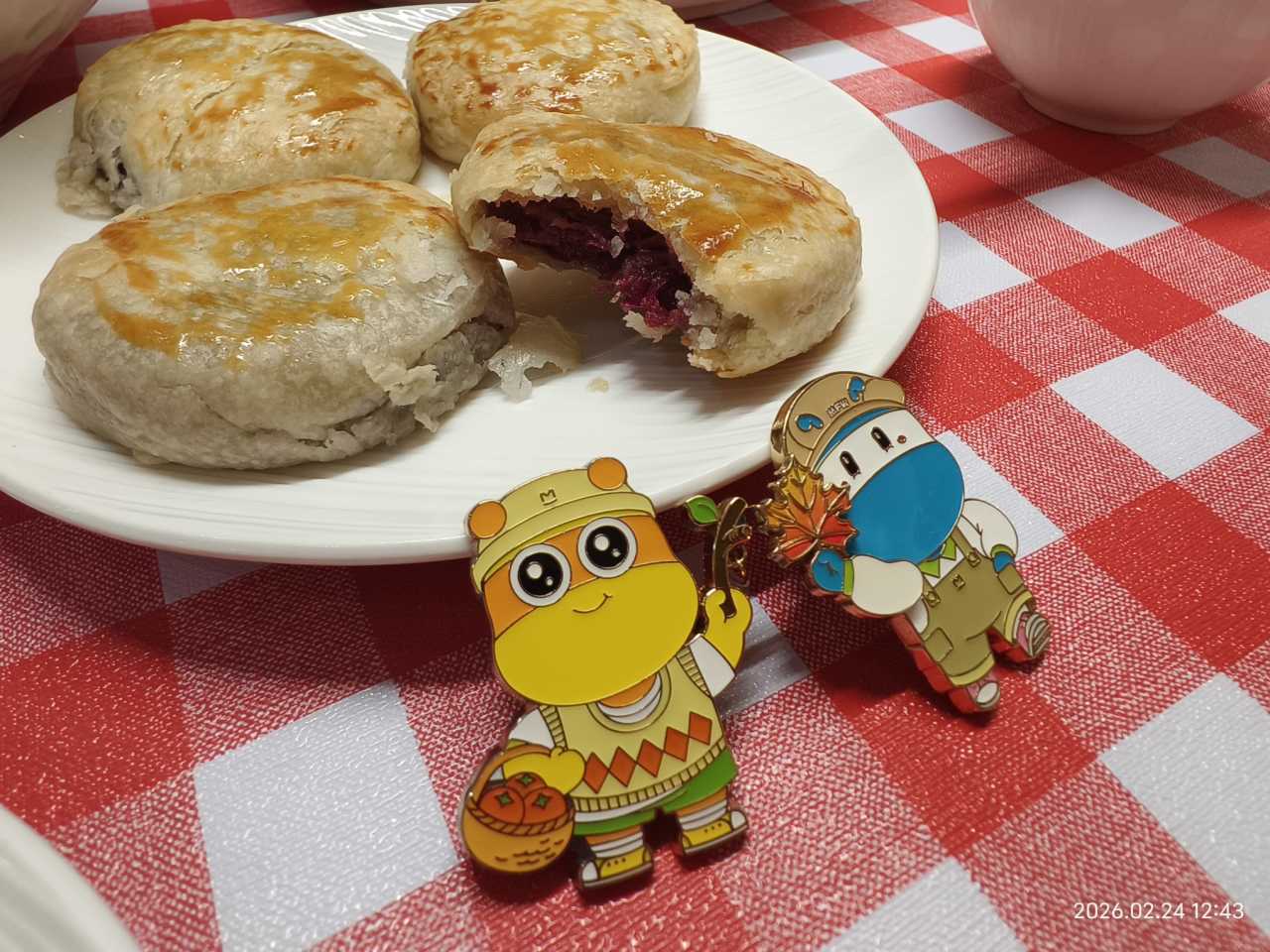
We paired the tea with some light, sweet dried fruits—walnuts, dried cranberries, and osmanthus cakes. My child nibbled while flipping through a picture book from the shop. I held my teacup, gazing at the darkening sky outside, feeling a long-lost sense of peace. This is the essence of slow living in Beijing—finding a quiet corner in the bustling city.
Finding a Quiet Corner in the Bustling City
This trip wasn't about checking off a list of "must-see" spots. It was about the joy of a warm bowl of noodles, the wonder of a child seeing the Forbidden City for the first time, and the quiet comfort of a shared cup of tea.
As we walked back through the hutongs, the lanterns began to glow in the twilight. My child, tired but happy, held my hand and said, "Mom, this was the best day."
And she was right.
FAQ: Planning a Slow Winter Day in Beijing
1. What is the best time to visit Jingshan Park for winter views? The best time is late afternoon, around 3:30 PM to 4:30 PM, just before sunset. The golden hour light on the Forbidden City roofs is spectacular. Check the specific sunset time for your visit date.
2. Are hutong restaurants in Beijing kid-friendly? Yes, many hutong restaurants are very welcoming to families. Look for places that offer mild dishes (like the mint beef mentioned above) and have a cozy, non-rushed atmosphere. It is always a good idea to ask for "no spice" (不要辣, bú yào là) when ordering.
3. Can you walk from Jingshan Park to Qianmen? Yes, it is a pleasant 30-40 minute walk south through Tiananmen Square or via the hutongs along the way. Alternatively, a short bus or taxi ride is easy if your child is tired.
4. What should I wear for a winter day of slow living in Beijing? Layers are key. A thermal base layer, a sweater, and a windproof coat are essential. Wear comfortable walking shoes and bring a hat and gloves, as the wind on Jingshan Hill can be brisk.
5. What is the significance of the 8th day of the Lunar New Year? In Chinese tradition, the 8th day (初八, chū bā) is considered the "Birthday of Grain" (谷日, gǔ rì). It is a day to celebrate abundance and harvest. Many people visit temples or enjoy family time. It is also a great day to enjoy the lingering festive atmosphere without the peak crowds of the first few days.
Ready to embrace your own slow living journey in Beijing? Start planning your winter escape today. Whether you are looking for family-friendly winter activities in Beijing or simply a quiet afternoon away from the rush, these gentle moments are waiting for you. Bookmark this guide and share it with someone who needs a slower pace.
[Link: Complete Guide to Spring Festival Travel in Beijing] [Link: Best Kid-Friendly Hutong Cafes in Beijing]
You should also read:
A Spontaneous Escape Through Tianjin, Beijing, and Shandong: An Unforgettable Solo Travel Adventure
Meta Description: Discover the raw beauty of a spontaneous solo journey through Tianjin, Beijing, and Shandong. From Quanjude roast duck to Tanggu night views, read this heartfelt travelogue of escape and self-discovery. The July wind carried restlessness and unease. After abruptly ending a ten-day job…
Continue reading...
Hai Tuo Mountain Above the Sea of Clouds: A Skyward Feast on the Roof of Beijing
Meta Description: Discover Hai Tuo Mountain, Beijing's second-highest peak, where sea of clouds, starry nights, and alpine meadows await. Your ultimate guide to hiking, camping, and photography on the "Roof of Beijing." At the border of Beijing's Yanqing District and Hebei's Chicheng County lies a…
Continue reading...
Four Seasons in Beijing: A Complete Guide to Experiencing the Capital's Year-Round Beauty
Meta Description: Discover Beijing through all four seasons in this comprehensive guide. From late summer ginkgo leaves to winter snow at the Forbidden City, explore the capital's hidden gems, cultural festivals, and timeless charm. On the first day of August, I boarded a northbound train…
Continue reading...