Slow Time in the Imperial Capital: A Gentle Winter Encounter Amidst the Red Walls and Golden Tiles
Here is the SEO-optimized, rewritten article based on your source material. It is designed to rank for keywords related to "winter travel in Beijing," "slow travel," and "historical sites," while maintaining the poetic, gentle tone of the original.
SEO Title: Winter in Beijing: A Gentle Journey Through Red Walls, Golden Tiles & Slow Imperial Time
Meta Description (155 chars): Escape the crowds. Discover the quiet majesty of winter in Beijing. From the Mutianyu Great Wall to the Forbidden City, experience a slow, romantic encounter with the Imperial Capital.
Winter in Beijing: A Gentle Journey Through Red Walls, Golden Tiles & Slow Imperial Time
Prologue: The Dry Romance of a Beijing Winter
For many, childhood impressions of Beijing are painted in broad strokes: the thick, army-green cotton jackets, the bright red gleam of candied hawthorn skewers, the bubbling copper hotpot, and the elderly men shuffling through narrow hutongs with birdcages in hand. These images are like frames from an old film, etched into our collective memory.

But what truly draws a traveler to this northern capital is often an unexplainable urge—a desire to feel that dry, biting winter wind on your skin, or to taste an authentic bowl of májiàng miàn (sesame paste noodles). I packed my bags and flew to this city, a place that once served as the seat of emperors.
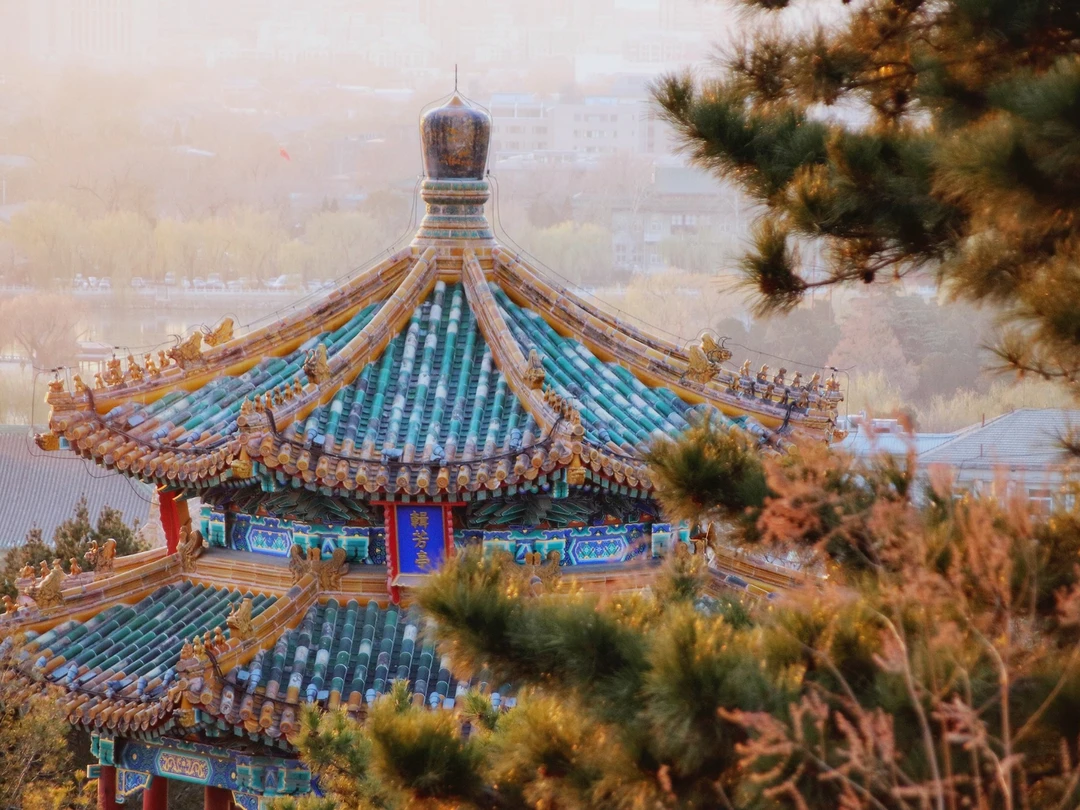
The moment the plane touched down, I took a deep breath of the crisp, clean air. This was the land of the Forbidden City, the backdrop of stories I had grown up with. The red walls and golden tiles were no longer just a dream; they were my reality.
Chapter One: Mutianyu Great Wall – Where Silence Reigns Over History
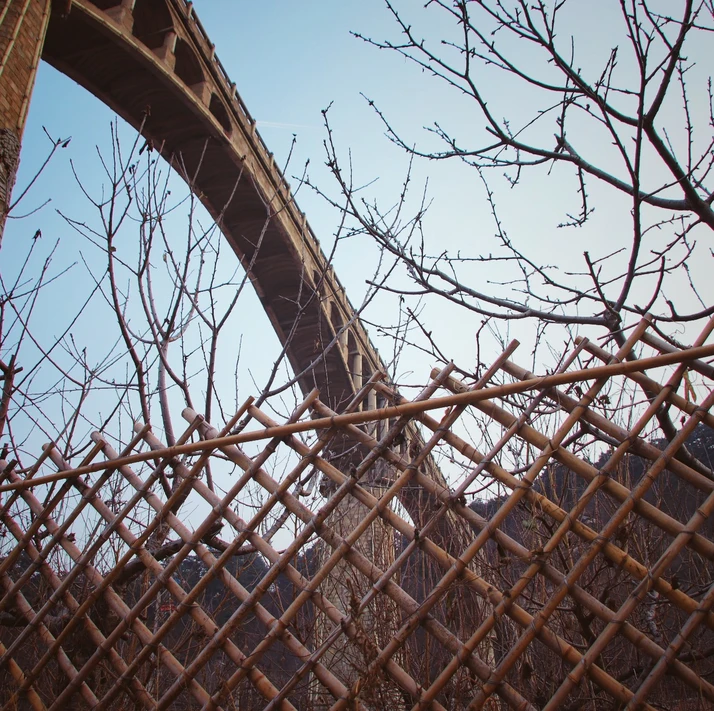
On my first day, I chose the Mutianyu Great Wall. This section, located in Huairou District, is less crowded than Badaling, offering a more intimate experience with the past.
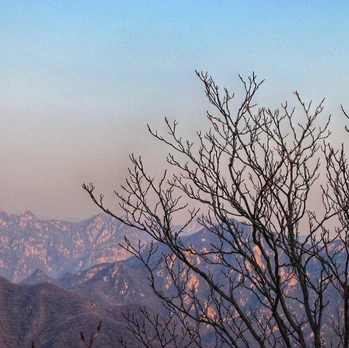
The bus ride north was a journey in itself. The scenery shifted from towering skyscrapers to bare, skeletal trees—a stark beauty you rarely see in the lush south. These exposed branches, stripped of all leaves, felt like nature’s own ink-wash painting.
A Walk Through Time
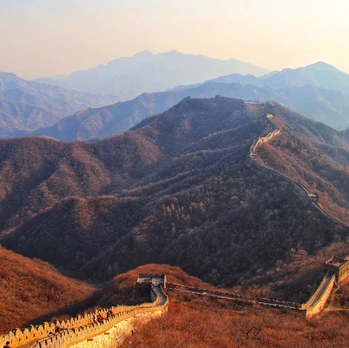
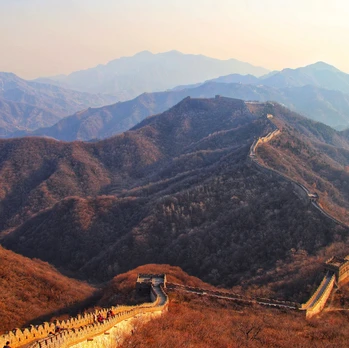
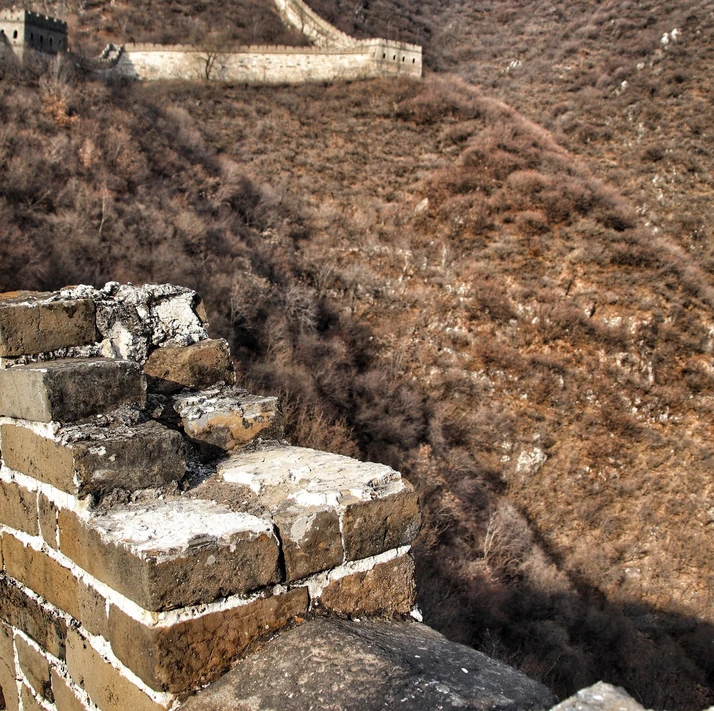
The Mutianyu section was built on the foundations of the Northern Qi Great Wall (1368 AD) under General Xu Da. It connects Gubeikou in the east to Juyong Pass in the west. Standing on the wall, I felt a profound sense of time. Each broken brick seemed to whisper stories of ancient warfare.
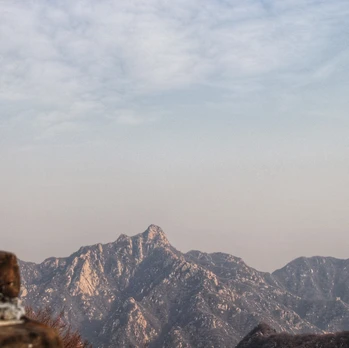
Unlike the peak seasons, winter offers a unique silence. The wind is the only noise. The sunlight was perfect, casting long shadows over the mountain ridges. I captured a photo of myself standing there, with layers of mountains and the ancient wall stretching behind me. It was a moment of pure, quiet awe.
SEO Tip: When planning your trip, consider visiting Mutianyu in winter to avoid the crowds and experience the Great Wall in its most dramatic, stark form.
Chapter Two: Yonghe Temple – Secrets Beneath the Empty Branches
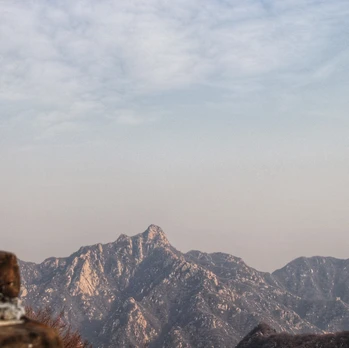
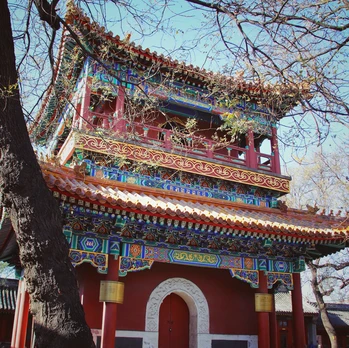
My second stop was Yonghe Temple, also known as the Lama Temple. This is one of the most important Tibetan Buddhist monasteries outside of Tibet.
Built in 1694 during the Kangxi reign, it began as the princely mansion of Prince Yong (later Emperor Yongzheng). After his ascension, half became a monastery. The history here is layered: from a eunuch’s residence to an imperial palace, and finally, a holy temple.
The Ginkgo Trees of Winter
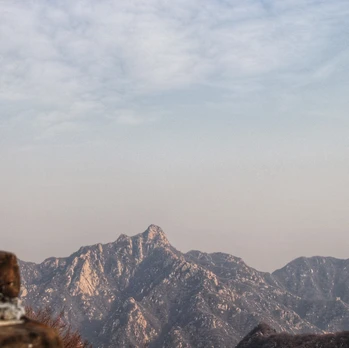
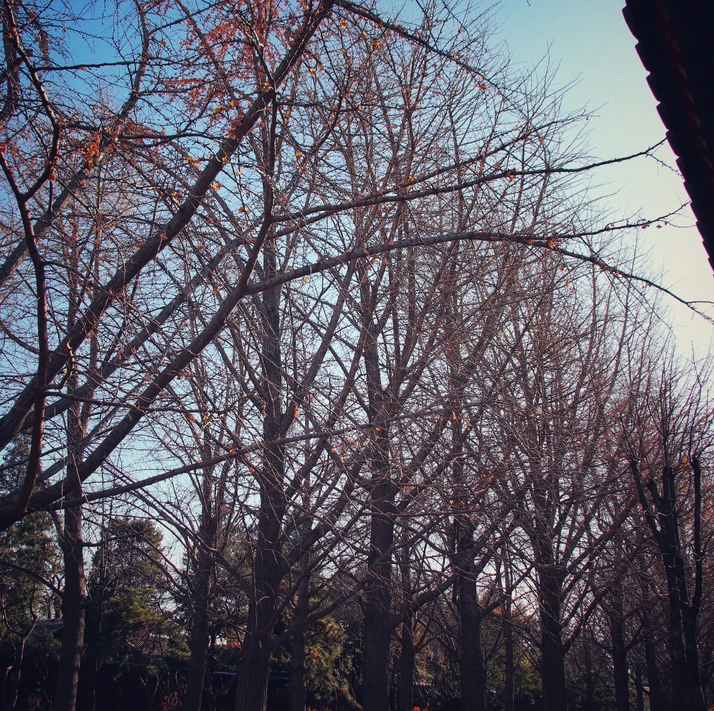
I had heard that the ginkgo-lined path in front of the temple is spectacular in autumn, with a golden carpet of leaves. I arrived in winter, missing that peak. Yet, I felt no regret. Instead of golden leaves, the ground was covered with ripe ginkgo fruits, bright yellow and pungent. Looking up, I saw only empty branches against the grey sky—a scene more beautiful than any postcard.
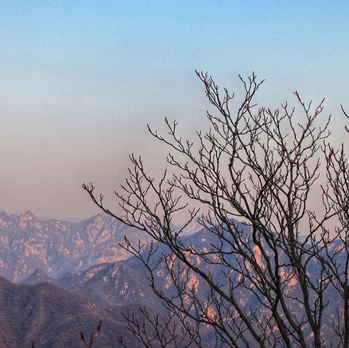
I am not a devout believer, but I bowed before the Buddha statues with genuine reverence. In that quiet space, I left a secret buried there, known only to the ancient trees.
SEO Tip: The Yonghe Temple in winter offers a unique, meditative atmosphere. It is less crowded, allowing for a deeper connection with the spiritual history of the site.
Chapter Three: Prince Gong's Mansion – Longing in the Corridors
Prince Gong’s Mansion is a masterpiece of Qing Dynasty architecture. It once served as the residence of He Shen, the famously corrupt official, and later Prince Yonglin. In 1851, it was given to Prince Gong (Yixin), from whom it takes its current name.
Walking through the covered corridors, I felt a deep sense of longing. The desolate, quiet atmosphere seemed to hold the memory of a woman waiting for her husband. Fallen leaves lay scattered by the lake’s edge, a silent testament to another passing winter.
I picked up a fallen leaf and whispered a silent prayer to my own distant beloved. This mansion is not just a historical site; it is a vessel for human emotion, frozen in time.
Chapter Four: The Forbidden City – Majesty at Sunset
The Forbidden City is the heart of Beijing. Sitting directly on the central axis, it was built between 1406 and 1420 during the Ming Dynasty. Fourteen Ming emperors and eight Qing emperors (from Yongzheng to Xuantong) lived within its walls.
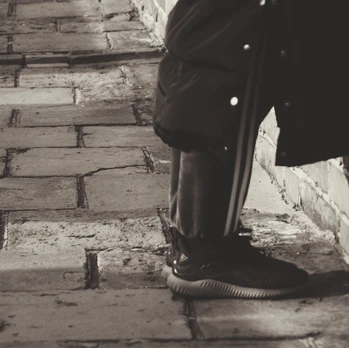
For the Forbidden City, I felt the best way to remember it was in its simplest form. I waited until sunset. Between the deep palace walls and towering gates, there is a power that makes millennia of Chinese history resonate in your mind.
The winter light is low and golden. It paints the yellow glazed tiles and red walls in a warm, ethereal glow. This, I think, is the true essence of Beijing.
SEO Tip: For the best Forbidden City winter photos, visit in the late afternoon. The low angle of the sun creates dramatic shadows and highlights the texture of the ancient architecture.
Chapter Five: The Hutongs – The Backdrop of Slow Living
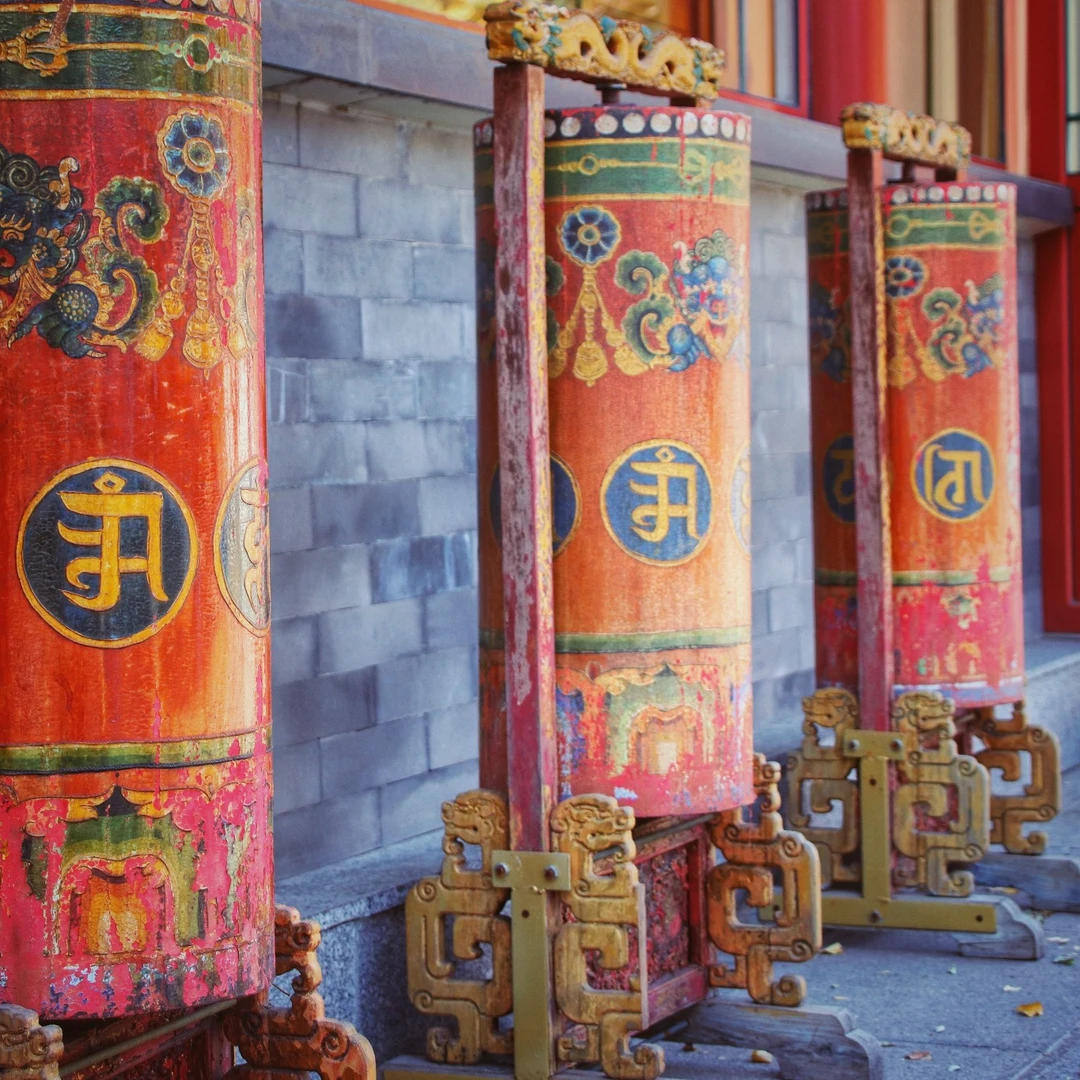
During my days in Beijing, I wandered aimlessly. The hutongs are the city’s veins. Just pick one and dive in. You can walk for hours, hearing the clear, crisp ring of a bicycle bell—the city’s own background music.
Acts of Kindness in the Cold
On my last day, I met an elderly beggar woman. After giving her some change, she stared at the pastries in my hand and asked softly, "Little girl, could you spare me a piece of bread?" I handed her a warm sesame cake. I thought about buying more, but I just kept walking.
Another afternoon, on Bus No. 103, I gave up my seat to an elderly man. When a seat next to him opened up, he immediately grabbed it and called out, "Little girl, come sit here!"
These small moments—a leaf landing on my shoulder, helping a woman coax her cat down from a tree—are what define a slow journey. The kindness of strangers is the warmest coat you can wear in a Beijing winter.
Why Winter is the Best Time for a Slow Beijing Trip
- Fewer Crowds: The major sites are less crowded, allowing for a more personal experience.
- Dramatic Landscapes: The bare trees and clear skies create stunning, stark photography opportunities.
- Authentic Atmosphere: The cold air and warm food (hotpot, candied hawthorn) create a genuine sense of place.
- Lower Prices: Flights and accommodation are often cheaper during the off-peak season.
Frequently Asked Questions (FAQ)
1. Is it too cold to visit the Great Wall in winter? No, but you must dress in layers. The wind can be biting, but the lack of humidity makes the cold feel less penetrating than in southern China. Wear thermal underwear, a windproof jacket, gloves, and a hat.
2. Which section of the Great Wall is best for winter? Mutianyu is ideal. It is less crowded than Badaling and offers a cable car, so you don’t have to hike the steepest parts if the weather is harsh. The views are spectacular.
3. Are the Forbidden City and other attractions open in winter? Yes, all major attractions remain open year-round. However, hours may be slightly shorter in winter. Always check the official website for the most current opening times.
4. What food should I try in a Beijing winter? You must try Beijing hotpot (copper pot), candied hawthorn skewers (bing tang hu lu), and a warm bowl of lamb noodle soup. These are the ultimate comfort foods.
5. How can I experience the "slow life" in Beijing? Skip the taxi. Take the Bus No. 103 or simply walk through the hutongs near Nanluoguxiang or Shichahai. Spend an afternoon in a tea house or a local park watching the locals practice Tai Chi.
Internal Linking Suggestions
- [Link: Best Winter Destinations in China for Solo Travelers]
- [Link: How to Plan a Budget Trip to Beijing]
- [Link: The Ultimate Guide to Beijing’s Hutongs]
- [Link: Forbidden City vs. Summer Palace: Which to Visit?]
Conclusion: Your Gentle Winter Awaits
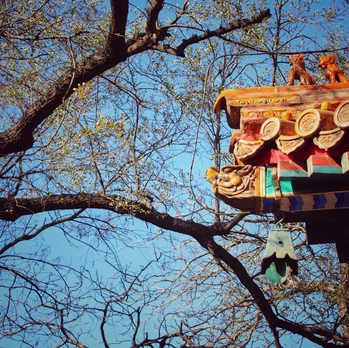
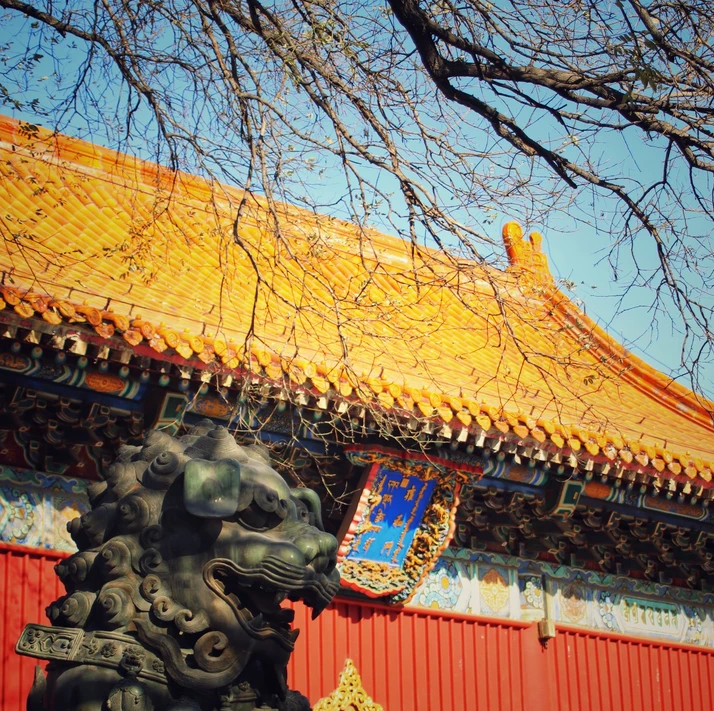
Beijing in winter is not a place for frantic sightseeing. It is a place for slow reflection. It is about the feeling of the cold air on your face, the taste of a warm sesame cake, and the silence of a thousand-year-old wall.
The red walls and golden tiles are waiting for you. Pack your warmest coat, bring your curiosity, and leave your hurry behind.
Ready to experience the slow, gentle side of the Imperial Capital? [Book Your Winter Beijing Getaway Now]
You should also read:
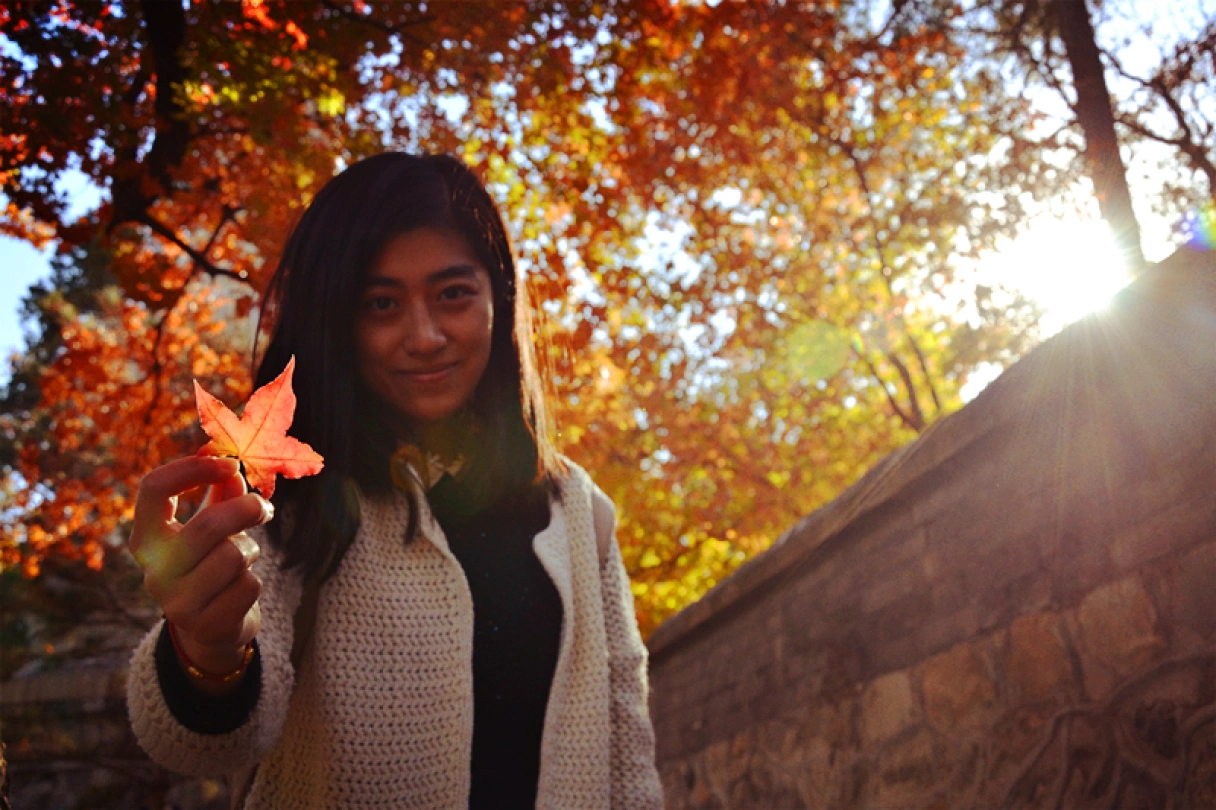
Seeking · Encountering · Autumn in Beijing: Your Ultimate Guide to Beijing’s Most Stunning Fall Scenery
Meta Description: Discover Beijing’s best autumn destinations beyond Fragrant Hills. From Tsinghua University’s golden ginkgo avenue to Dajue Temple’s millennium-old tree, plan your perfect fall escape with our expert guide. Autumn in Beijing is more than a season—it’s a grand farewell. When the summer heat…
Continue reading...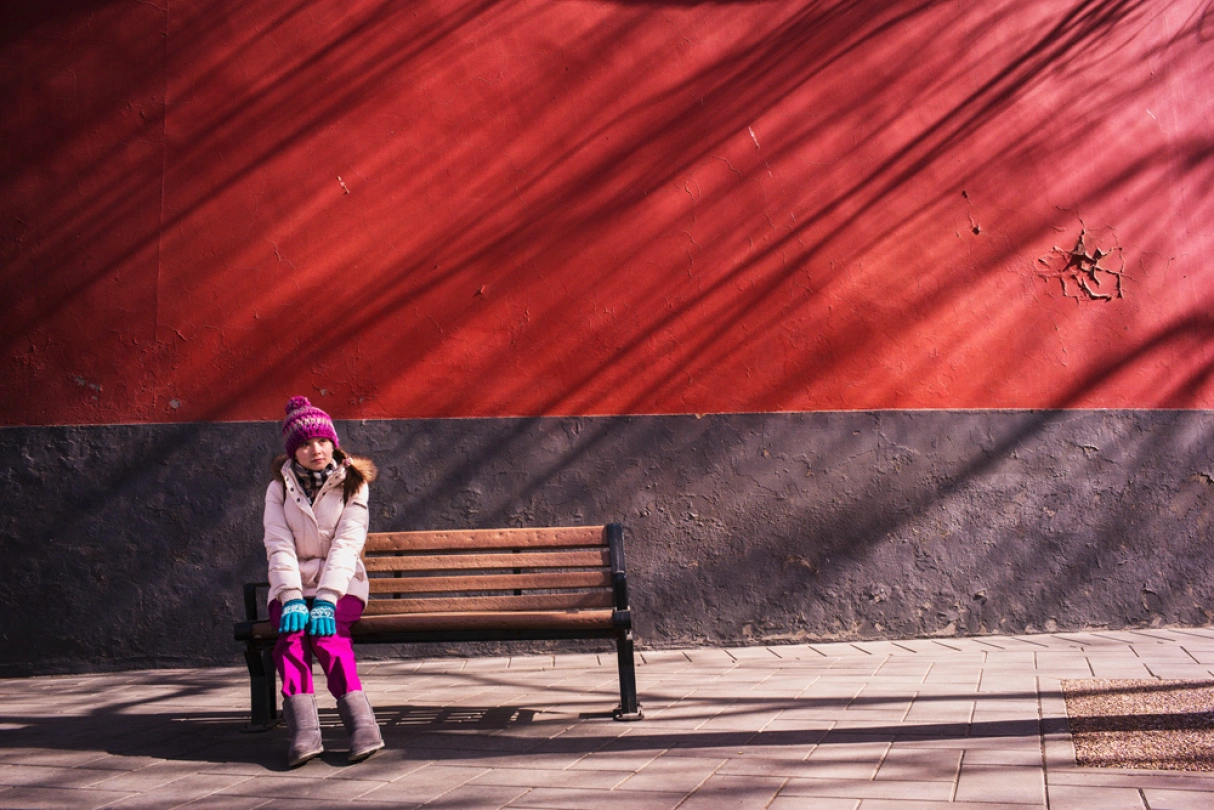
A Winter Journey in Beijing: Romance and Misery at Minus Five Degrees – An SEO-Optimized Travel Guide
Meta Description: Discover the romance and misery of a winter trip to Beijing at -5°C. Explore snowy Jingshan Park, historic hutongs, and budget-friendly tips for a 4-day Spring Festival adventure. Some say Beijing is a city you both love and hate. You love its profound…
Continue reading...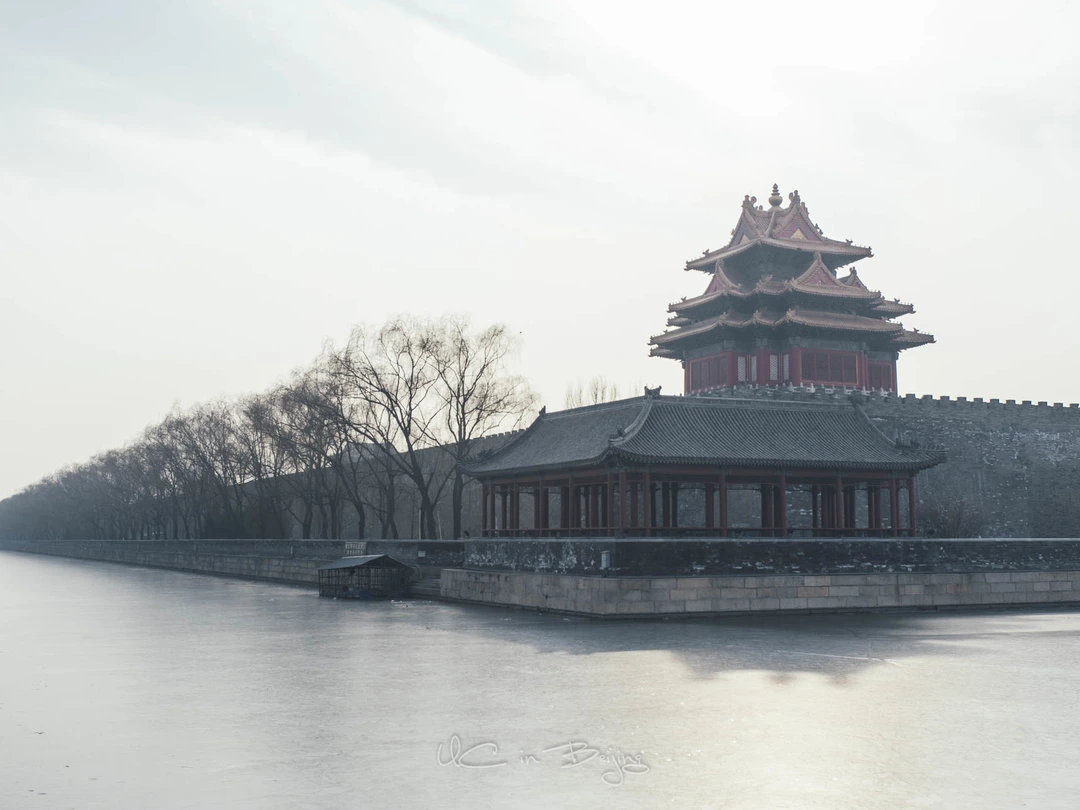
Beijing Through the Lens: One Person's Winter Wanderings – An SEO-Optimized Travel Guide
Meta Description: Discover Beijing's winter charm through a photographer's lens. From Nanluoguxiang's night scenes to Sanlitun's neon glow, explore the city's hidden corners and iconic landmarks in this SEO-friendly travel guide. January in Beijing is so cold you can hear your own breath. But for…
Continue reading...