Snow in Beijing: The Ultimate Guide to Experiencing Winter Magic in China's Capital
Meta Description: Discover the magic of snow in Beijing through this first-hand account of a winter trip. From Taimiao to Simatai Great Wall, explore Beijing's snowy beauty with our expert travel guide.
Introduction: When Snow Transforms Beijing into a Winter Wonderland
Some journeys are never meant for checking off a list. They happen so that, in some unguarded moment, you can form a strange and wonderful connection with a city. In early 2018, a friend and I flew from Chengdu to Beijing for what was supposed to be an ordinary four-day getaway. But an unexpected blizzard turned it into a dream I still hold close to my heart.

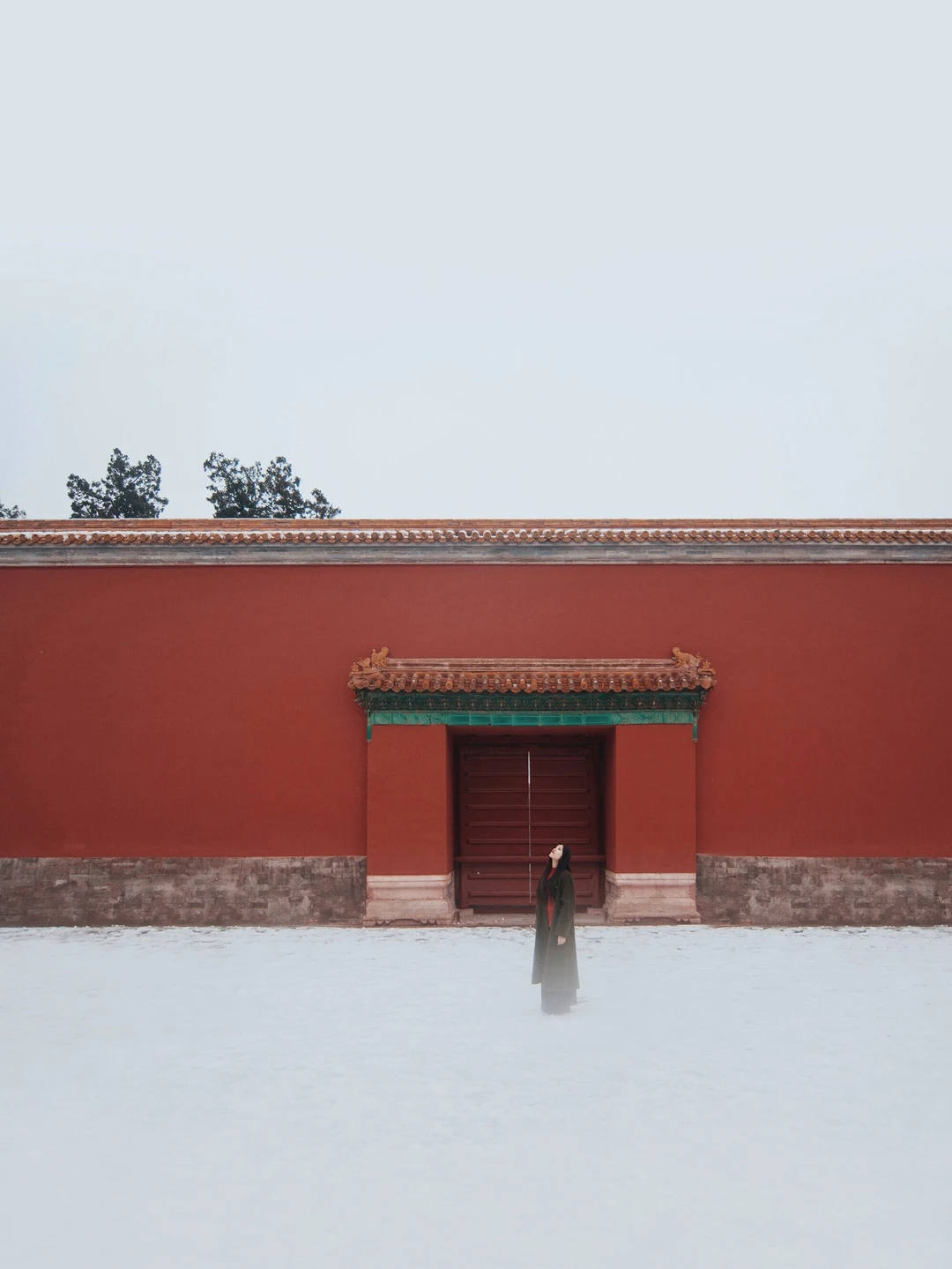
That snow fell between red walls and golden tiles, settled on the rooftops of old hutongs, blanketed the frozen surface of Kunming Lake, and lodged itself deep in our memories. It transformed Beijing's winter from something merely dry, cold, and dusty into a pure, quiet poetry touched with a hint of lively warmth.
If you're planning a Beijing winter trip or dreaming of snow in Beijing, this guide will show you exactly how to capture that magic.
First Sight: From Chengdu to Beijing, the Surprise of Snow
The day we left, Chengdu's weather was mild. We packed light winter clothes, thinking Beijing would be just as we imagined—cold, dry, and gray. But as our plane began its descent, we caught sight of snowflakes swirling outside the small window. The entire cabin erupted. For those of us from the south, seeing snow is like witnessing a miracle—we couldn't help but scream with joy.
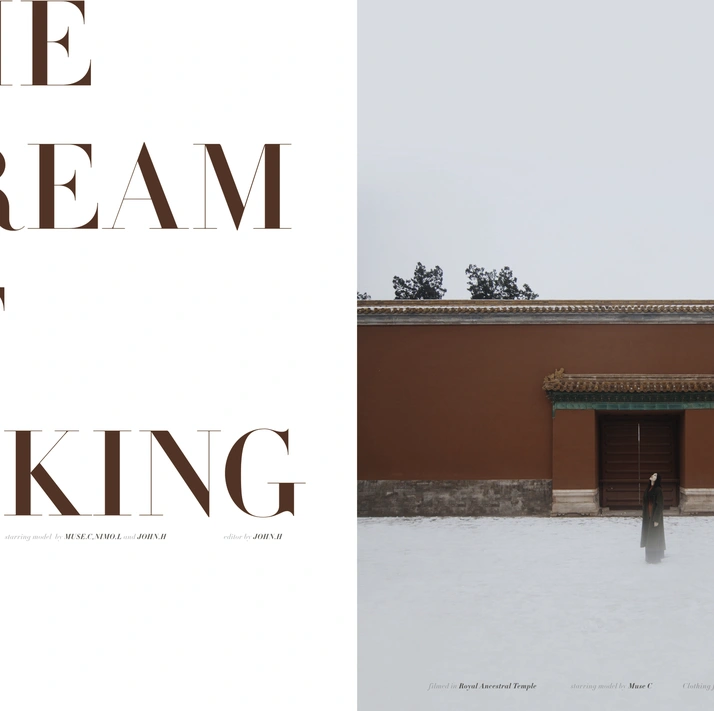
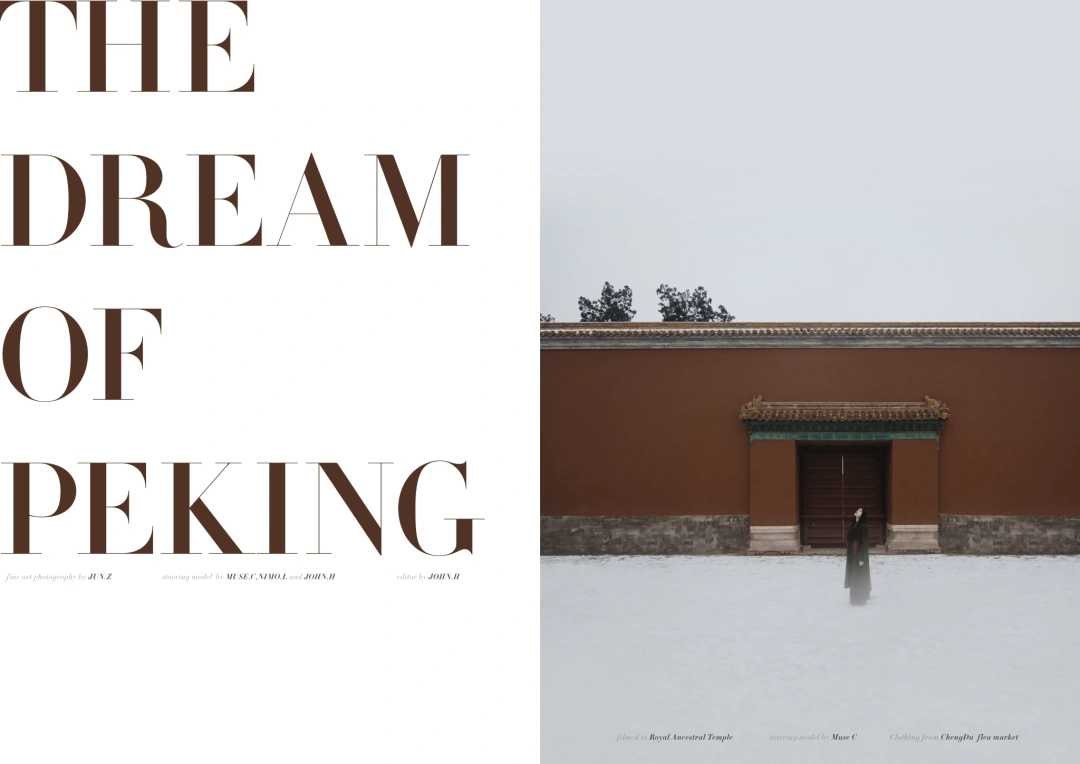
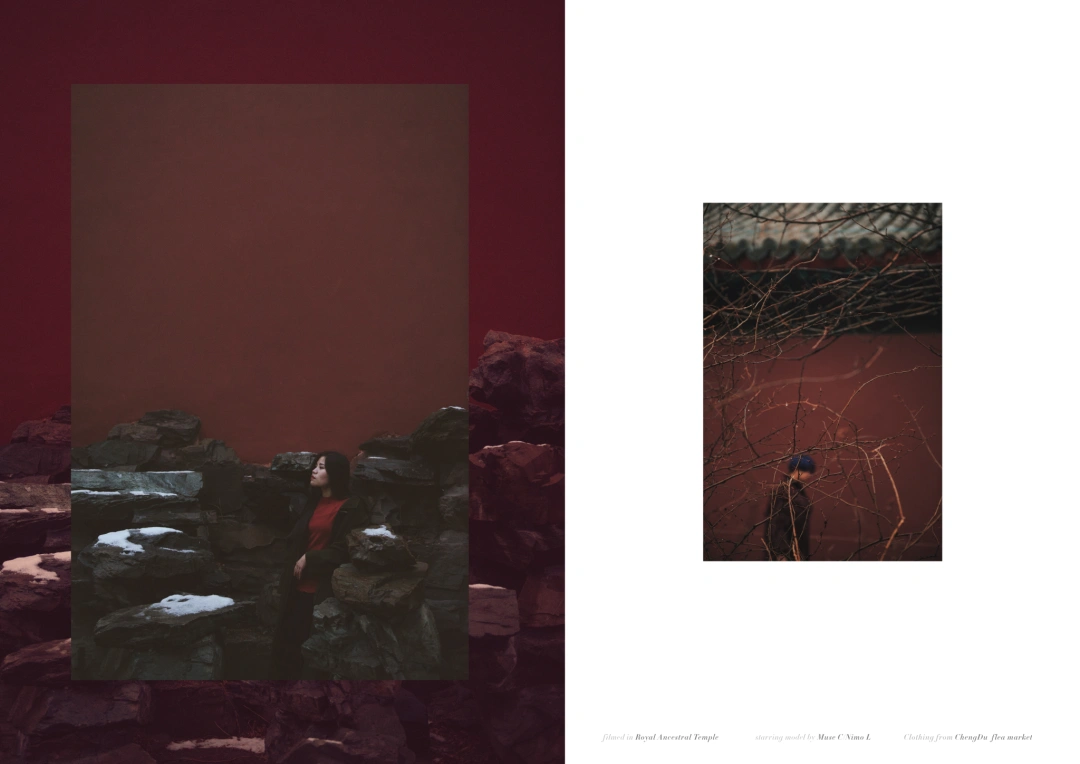
Our original plan was to check into the hotel and visit the Capital Museum in the afternoon. That snow, however, completely overturned our itinerary—or rather, gave us a far better one. On a whim, we decided to skip the museum and head instead to Taimiao (the Imperial Ancestral Temple), now known as the Working People's Cultural Palace, right next to the Forbidden City. Royal architecture dusted with snow—just thinking about it felt romantic.
We stayed at a 7 Days Inn on Dongsi Shitiao Hutong. It was simple, clean, and perfectly located. From our window, we could see the old hutong roofs blanketed in white—a scene straight out of an old Beijing film.
[Link: Best budget hotels in Beijing for winter travel]
Taimiao in Snow: Royal Serenity After the Blizzard
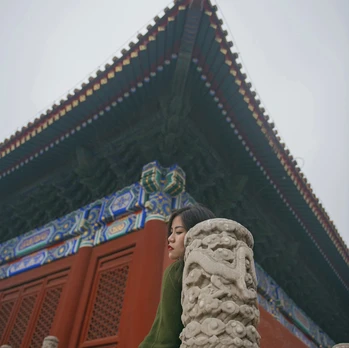
Taimiao was where emperors of the Ming and Qing dynasties performed ancestral rites. Its layout is grand and imposing. Compared to the Forbidden City, it draws far fewer crowds and offers far more peace. The entrance fee was also incredibly affordable—just 10 yuan (about $1.40) for a combined ticket to the halls and the park.
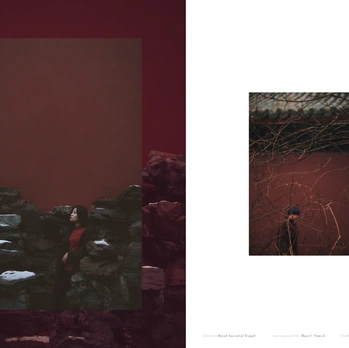
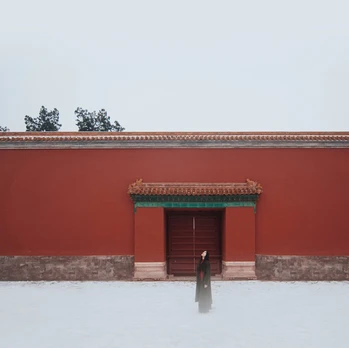
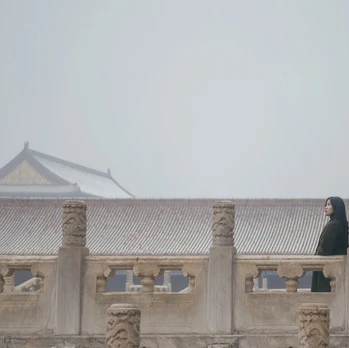
By the time we arrived, the snow had stopped, but the ground was thick with it. The roofs of Taimiao spread low and graceful, their eaves curling slightly upward, looking especially solemn against the white blanket. Walking along the high palace walls, we saw that the snow on the rockeries had mostly melted, dripping down in a steady rhythm—as if winter were quietly saying goodbye.
There was none of the Forbidden City's crushing crowds. You could stand silently in the snow and take photos with real imperial grandeur. We wandered until dusk, when the park's broadcast announced closing time. The sky had darkened, and we left reluctantly. In that moment, the snow-covered Taimiao felt like an ink-wash painting, quietly etching itself into memory.
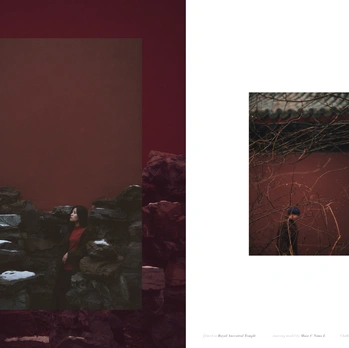
Why Taimiao is perfect for snow photography: - Minimal crowds compared to the Forbidden City - Affordable entry fee (10 yuan) - Stunning contrast between red walls and white snow - Peaceful atmosphere for reflection
[Link: Best winter photography spots in Beijing]
Capital Museum and Zhongshan Park: History and Light Intertwined
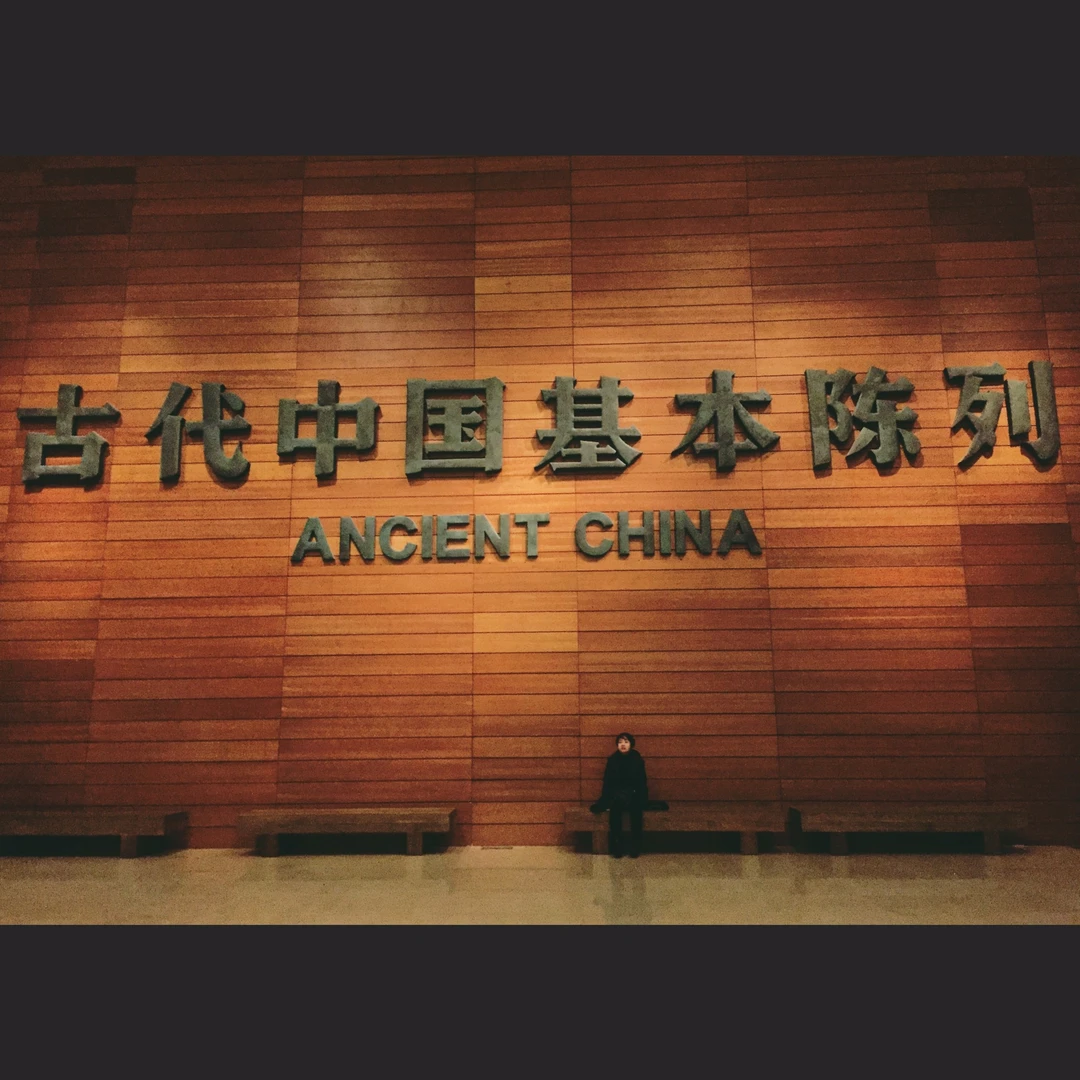
The next day, we finally visited the Capital Museum, which we had been eager to see. It sits on Chang'an Avenue, directly opposite Tiananmen Square—an excellent location. For museum lovers, this place is worth an entire day. Many artifacts we had only seen in history textbooks or Chinese literature were now right before our eyes. Though I'm no history expert, the sheer beauty of those objects was breathtaking.
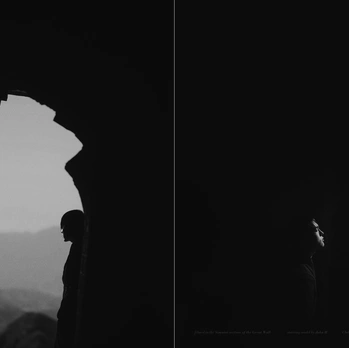
In the afternoon, we went to Zhongshan Park (Sun Yat-sen Park). Located south of the Forbidden City and west of Tiananmen, it shares a wall with the palace complex. Together with Taimiao, it follows the ancient Zhou dynasty tradition of "ancestral temple on the left, altar of the gods on the right"—a layout rich in ritual significance.
Unlike Taimiao's solemnity, Zhongshan Park has a more garden-like liveliness. Long corridors, pavilions, and terraces, along with low groves of crabapple trees and bamboo, looked stunning in the shifting light. The park is filled with towering ancient trees, some over a thousand years old. Their roots twist and knot, their trunks are massive—the kind of trees rarely seen in the south. The bark feels like the grooves of time itself, heavy with an indescribable weight.
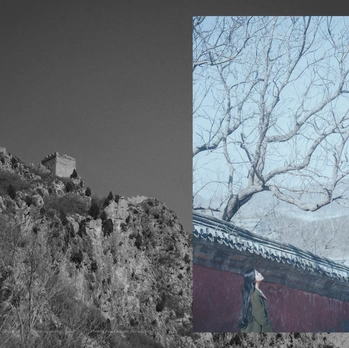
Beijing's winter wind is brutal—strong enough to make you question your life choices. Standing in a corridor, you could hear it howling from afar, giving you a few seconds to prepare. Just as your hair whips up, you press the shutter—and capture a shot full of story.
Pro tip for winter visits: Dress in layers and bring a windproof jacket. The wind in Beijing's parks can be intense, but the photographic rewards are worth it.
[Link: Top winter activities in Beijing]
Summer Palace in Winter: A Landscape Between Mountains and Water
On the third day, we visited the Summer Palace (Yiheyuan), easily reached by subway. Built around Kunming Lake and Longevity Hill, it was modeled after Hangzhou's West Lake, blending the design principles of Jiangnan gardens. It is a vast mountain-and-water garden and the best-preserved imperial retreat.
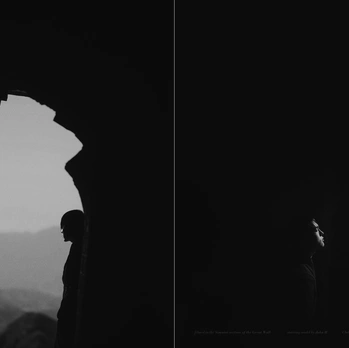
Because it nestles against hills and water, the Summer Palace offers rich, layered views. Instead of following the main path, we chose quieter side trails—and every turn brought a surprise. On the hilltop, we discovered small temples. Though no longer active, their weathered beauty had a special charm.
Climbing the steps was a workout. The stairs were nearly half a meter (about 1.6 feet) high, and we ended up scrambling on all fours. But the giant rocks, towering pines, and red walls combined to create a scene so beautiful it was worth every aching muscle.
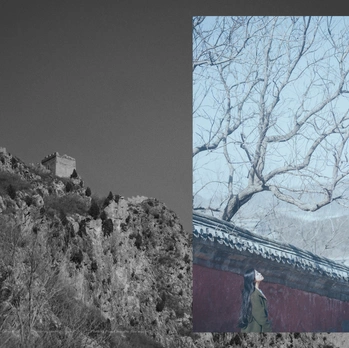
Kunming Lake was astonishingly vast, and the wind was equally fierce. By dusk, the lake had begun to freeze. Standing at its edge felt like standing in front of a giant refrigerator, buffeted by the wind all evening. Yet Beijing's sunset has a brilliance that Chengdu's lacks. The sun hung at the horizon, refusing to set for a long time, but the wind had already stolen all the warmth.
Winter highlights at the Summer Palace: - Frozen Kunming Lake for stunning reflections - Quiet side trails away from main tourist paths - Hilltop temples with panoramic views - Brilliant winter sunsets
[Link: Summer Palace winter travel tips]
Simatai Great Wall: History Echoing from the Precipice
On our last day, after being frozen stiff at the Summer Palace, my companions were reluctant to go to the Great Wall. But spurred on by the saying "You're not a true hero until you've climbed the Great Wall," we stuck to our plan and headed for Simatai.
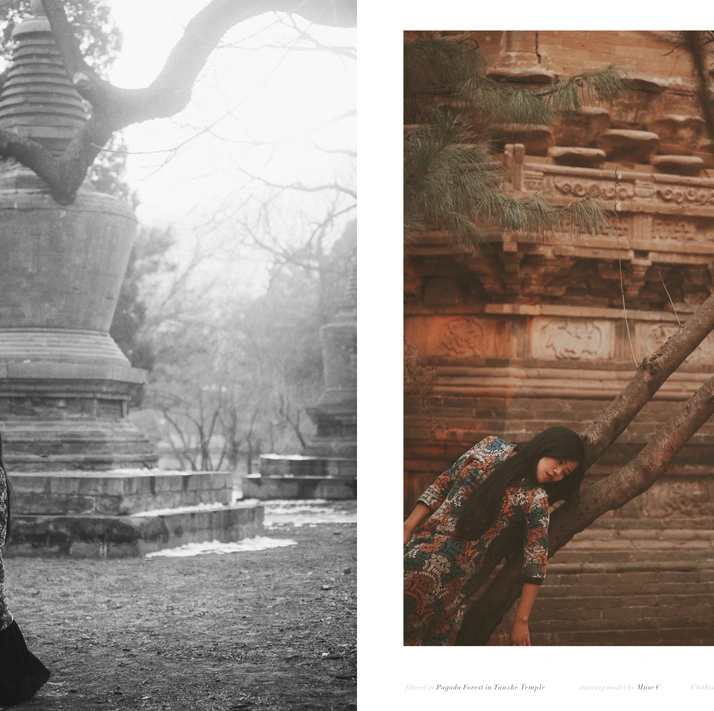
Simatai Great Wall is located in Gubeikou Town, Miyun District, north of Beijing, close to the Gubei Water Town. It took us a long bus ride—almost to Hebei Province. For reference, you can take bus route 12 from Xuanwumen or Dongsi Shitiao, or take bus 918 from Dongzhimen to Miyun county town, then transfer to a local bus.
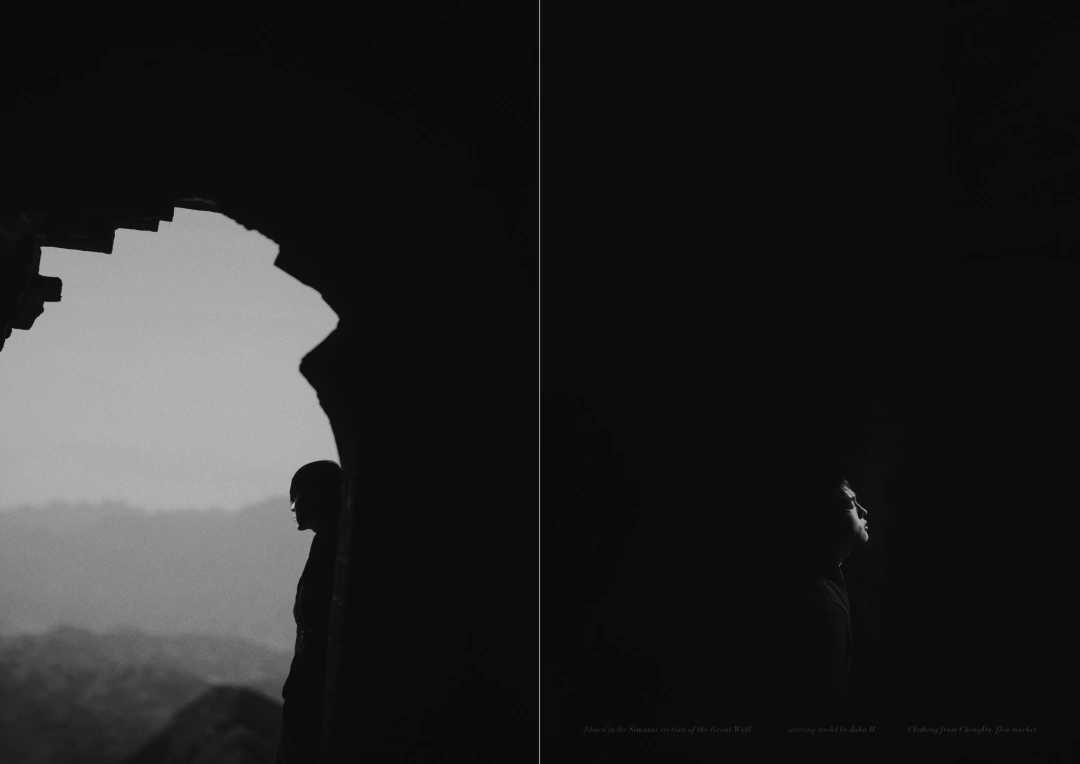
Simatai is famous for its ruggedness, steepness, and perilous beauty. The wall follows the treacherous mountain ridges, creating a magnificent sight. The sheer slopes are awe-inspiring. My honest advice: skip Badaling. Go to the "wild" sections of the wall. Those are the true traces left by history—quiet, serene, every brick and stone full of stories.
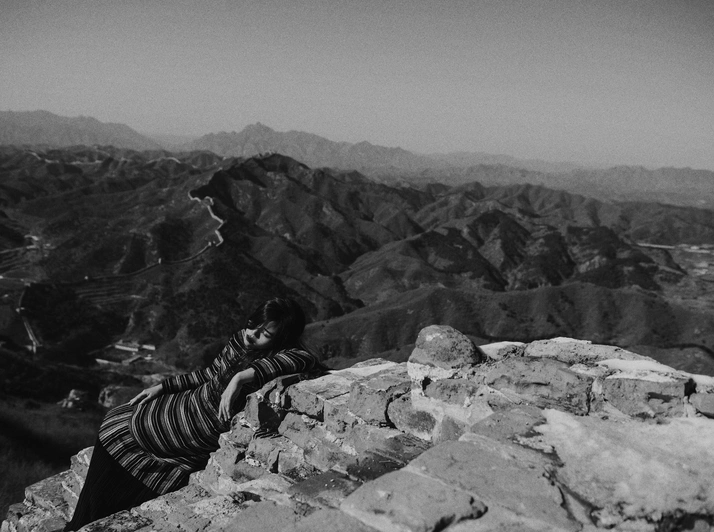
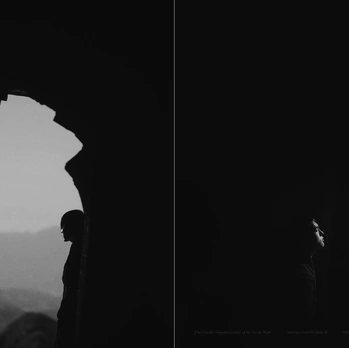
Standing on the wall, the wind was fierce, but my heart was still. It felt like crossing time itself, standing in the same spot as soldiers who guarded the frontier centuries ago, looking at the same sky.
Why choose Simatai over Badaling: - Fewer tourists, more authentic experience - Rugged, unrenovated sections of the wall - Stunning mountain scenery in winter - Close to Gubei Water Town for additional exploration
[Link: Great Wall sections comparison guide]
FAQ: Snow in Beijing Winter Travel
Q1: When is the best time to see snow in Beijing?
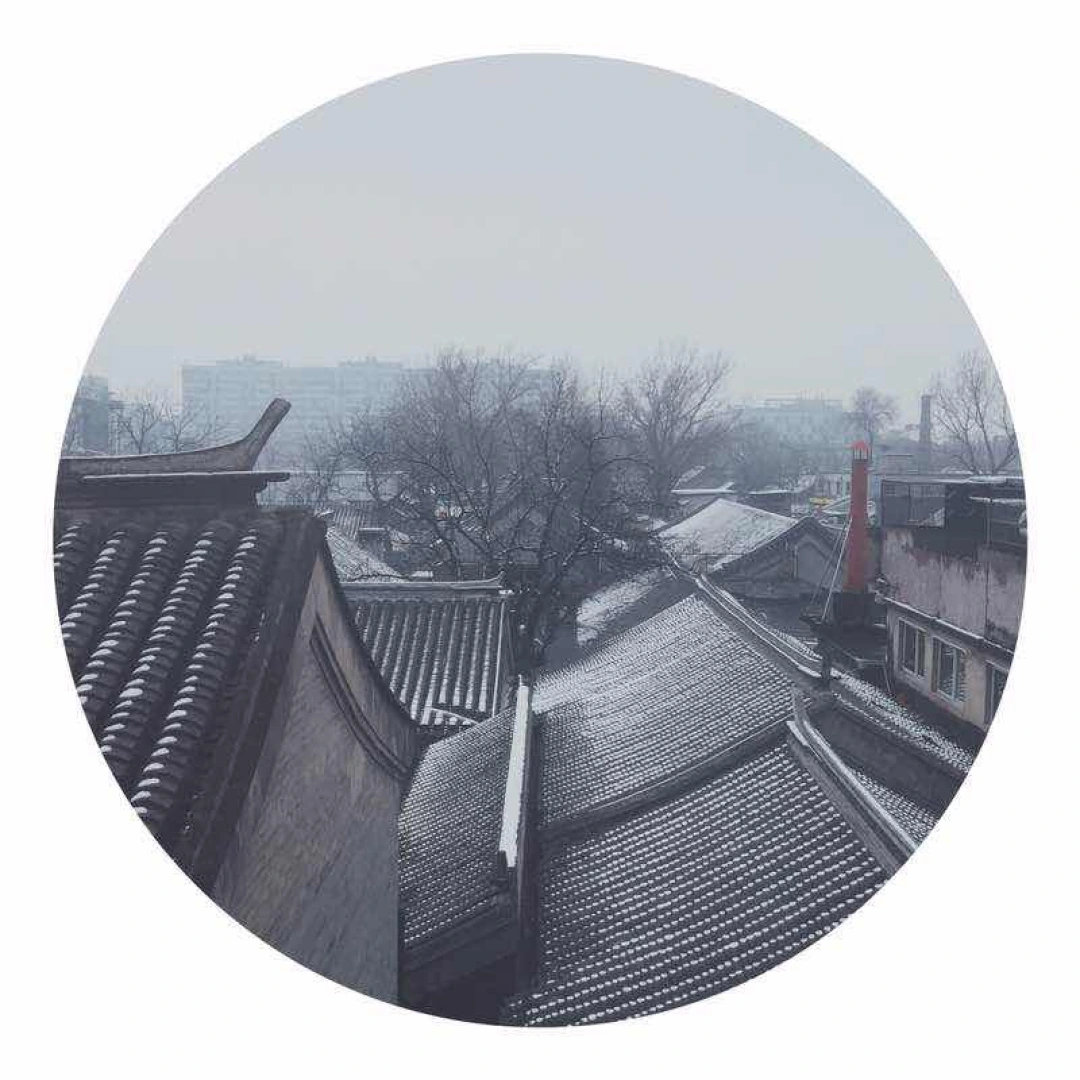
The best time to see snow in Beijing is typically from late December to early February. January is statistically the snowiest month, though Beijing's winters are generally dry. Check weather forecasts before booking, and be flexible with your itinerary to catch a snow event.
Q2: What should I pack for a winter trip to Beijing?
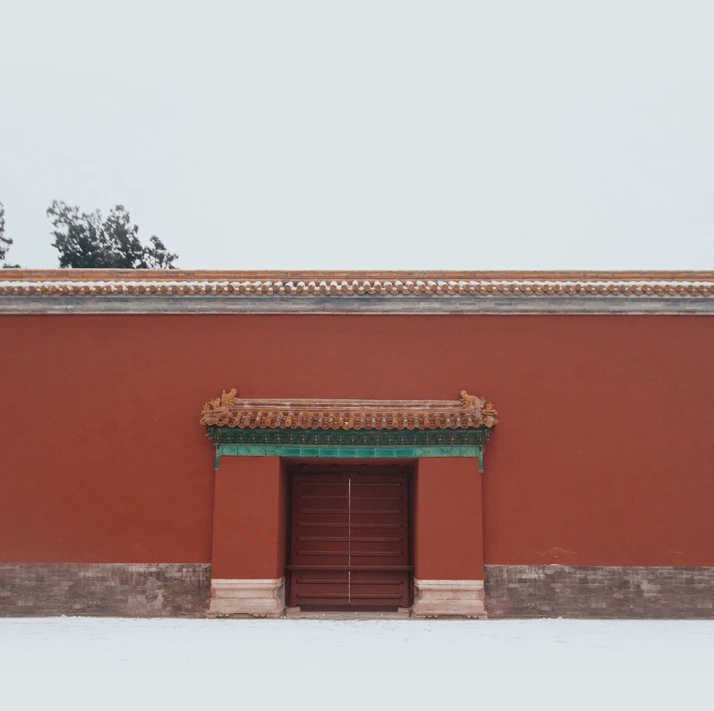
Pack thermal underwear, a heavy winter coat, waterproof boots, gloves, a scarf, and a hat. Layering is essential. Don't forget hand warmers and a good camera for snow photography. The wind chill can make temperatures feel much colder than they actually are.
Q3: Is it worth visiting Beijing in winter despite the cold?
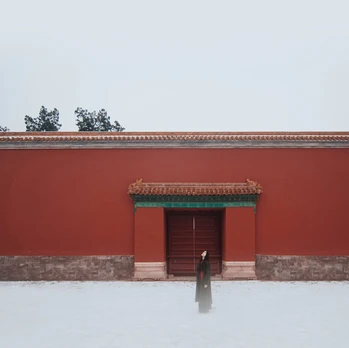
Absolutely! Winter offers unique advantages: fewer tourists at major attractions, lower hotel prices, stunning snow-covered scenery, and the chance to experience Beijing's winter culture, including hotpot and street food. The cold is manageable with proper clothing.
Q4: Which Beijing attractions look best in snow?
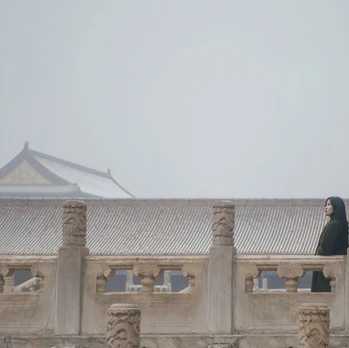
Taimiao (Imperial Ancestral Temple), the Forbidden City, the Summer Palace, and the Great Wall (especially Simatai) are stunning in snow. Hutong neighborhoods also look magical with snow-covered rooftops and wisps of cooking smoke.
Q5: How do I get to Simatai Great Wall from Beijing city center?
Take bus route 12 from Xuanwumen or Dongsi Shitiao, or bus 918 from Dongzhimen to Miyun county town, then transfer to a local bus. The journey takes about 2-3 hours. Alternatively, book a private tour or use a ride-sharing app for more convenience.
Epilogue: A Dream, a Snowfall
That four-day trip to Beijing, transformed by a single snowstorm, became something extraordinary. It showed me a different Beijing—not the one tourists see, but the city after fresh snow: red walls capped in white, old hutongs with wisps of cooking smoke rising from their rooftops.
Light filtered through the dust, spread across the lake, and kissed us from the tips of our hair. I stood quietly in the wind, feeling an oddly intimate connection with the sun and the breeze. Beijing's winter is genuinely cold, but it is also genuinely beautiful.
Your Turn: Plan Your Beijing Winter Adventure
If you ever want to spend winter in Beijing, here's my advice: choose a snowy day. Visit Taimiao for royal serenity, Zhongshan Park for light and shadow, the Summer Palace for sunset views from the hilltop steps, and Simatai Great Wall for history echoing from the precipice.
Ready to experience the magic of snow in Beijing? Start planning your trip today. Book your flights for late December through February for the best chance of snow. Reserve budget-friendly hotels near hutongs for authentic local experiences. And most importantly—leave room in your itinerary for spontaneity. Because sometimes, the best travel memories come from unexpected snowflakes.
[Link: Complete Beijing winter travel itinerary]
Share your Beijing winter story! Have you experienced snow in Beijing? What was your favorite snowy attraction? Leave a comment below or tag us in your photos. Let's inspire more travelers to discover the gentle memory of Beijing's winter.
You should also read:
Living in Beijing: A Love Letter to Autumn – Why October Is the City's Best-Kept Secret
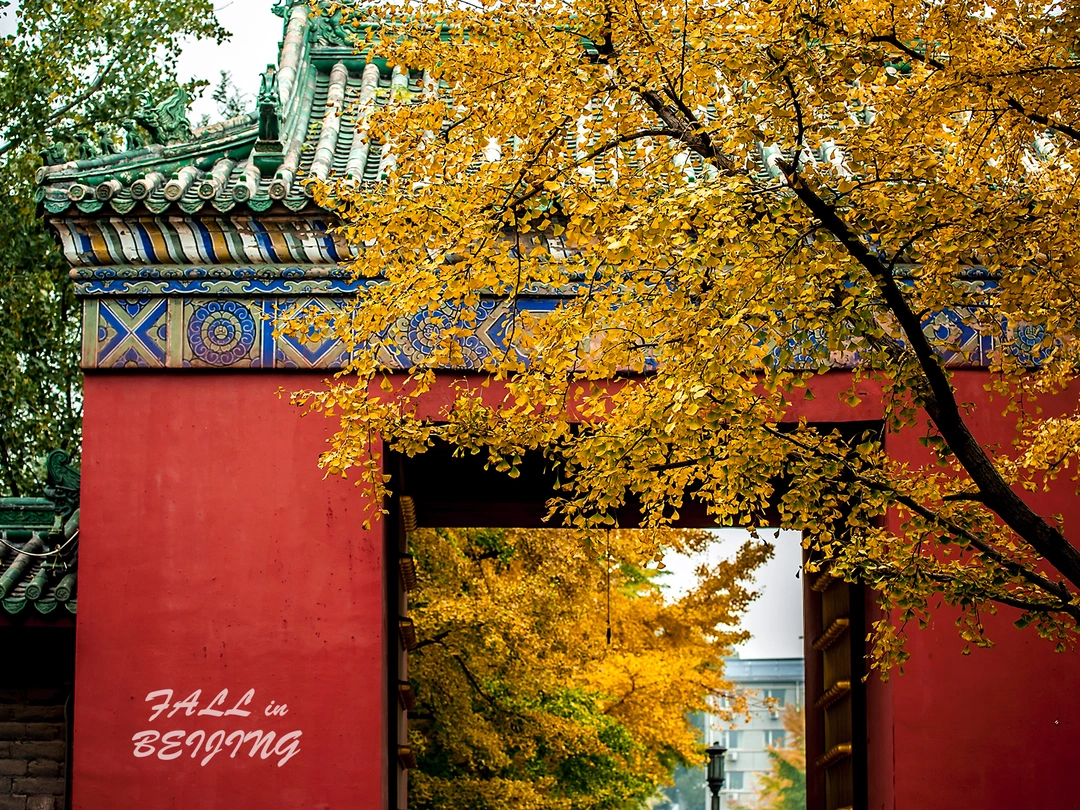
Meta Description: Discover why Beijing in autumn is pure magic. From golden ginkgo avenues to hidden hutong gems, this 2014 love letter captures the city's soul. Plan your fall visit now. There's a reason why old Beijing hands get misty-eyed when October rolls around. It's…
Continue reading...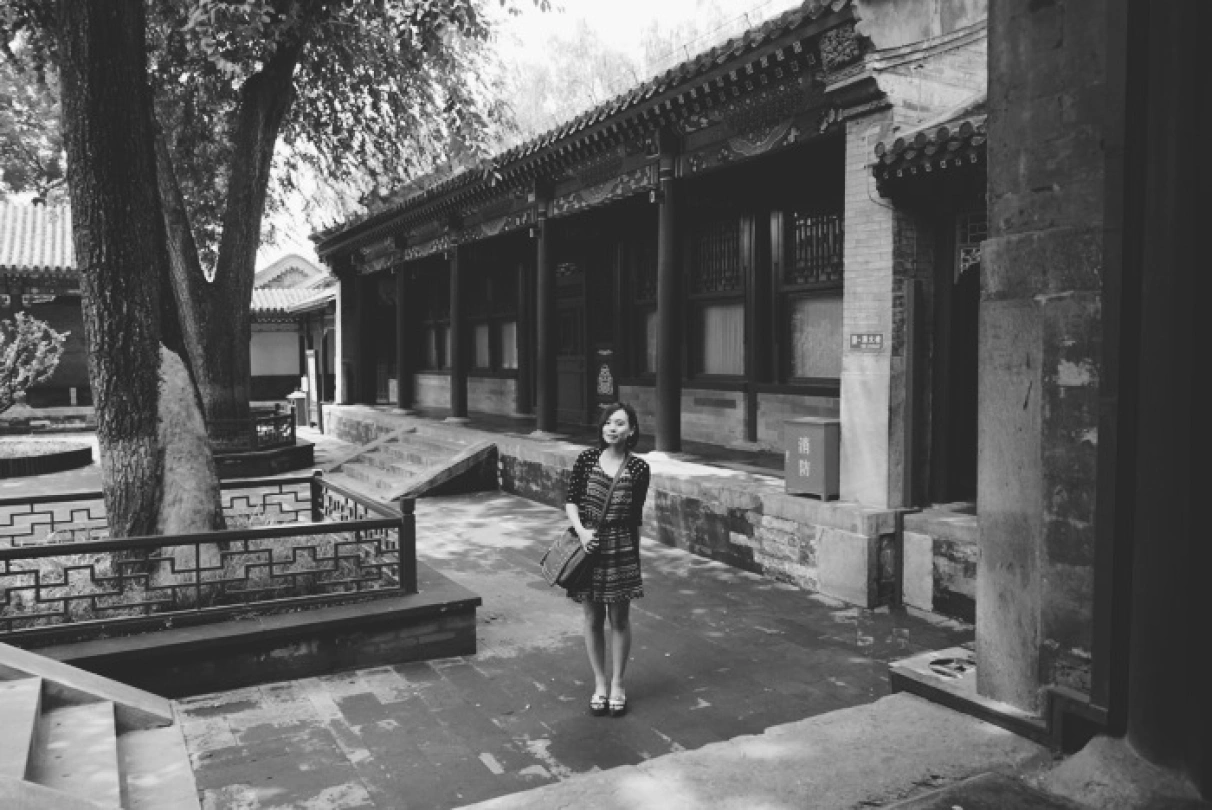
Solo in Beijing: Discovering Another Side of the Capital Amid Red Walls and Grey Tiles
Meta Description: Traveling solo in Beijing on a student budget? Discover hidden gems, practical tips for first-time solo travelers, and how to explore the capital's red walls and grey tiles without breaking the bank. When my friends asked why I chose to go to Beijing…
Continue reading...
Four Days, Three Nights in Beijing: A Super Practical Self-Guided Travel Guide (Including Food, Stay, and Transport Tips)
Here is the SEO-optimized, rewritten version of your article, structured for maximum search visibility and reader engagement. SEO Title: 4 Days 3 Nights in Beijing: The Ultimate Self-Guided Travel Guide (Food, Stay & Transport) Meta Description (160 chars): Plan the perfect 4-day Beijing itinerary. From…
Continue reading...