Spontaneous Journey: Discovering Another Self Amidst Siam's Enchanting Diversity
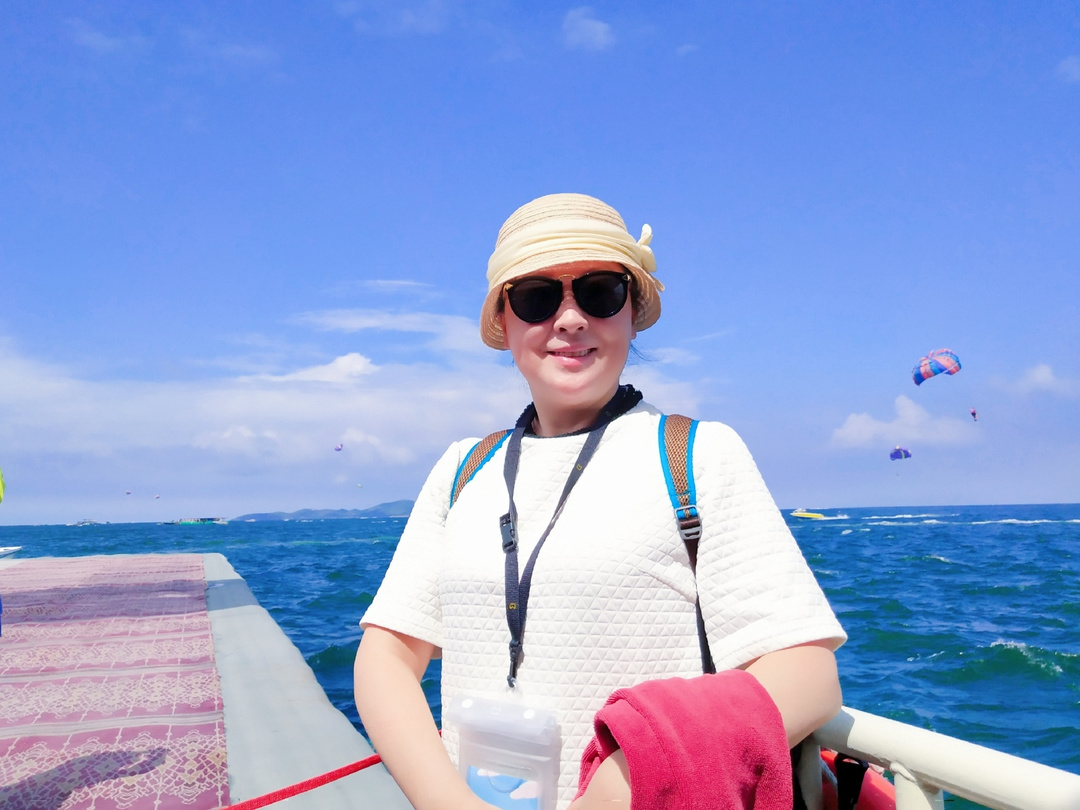
Meta Description: Embark on a spontaneous Thailand travel guide from Bangkok to Pattaya. Discover Chao Phraya River tours, Grand Palace tips, Ratchada night market eats, elephant rides, and floating market secrets. Your solo adventure starts here.
Introduction: Why a Spontaneous Trip to Thailand Changes You
In September, as cities in the Northern Hemisphere begin to take on the hues of autumn, I found myself flying toward a land of perpetual warmth on a sudden, unplanned impulse. Sometimes, life's most touching gifts come from those "unforeseen" decisions. Without lengthy plans or endless deliberation, I set off alone, carrying a heart eager to be amazed, and stepped onto this vibrant land.
Departing from Nanjing Lukou International Airport aboard a NokScoot flight, I landed at Bangkok's Don Mueang International Airport after a five-hour journey. This city, known as the "City of Angels," greeted me with humid winds and lush greenery. Over the next five days and six nights, following the "Bangkok-Pattaya Thai Delights" itinerary with Huan Cheng Holiday, I would traverse the myriad charms of this foreign land between Bangkok and Pattaya.
If you're craving a spontaneous Thailand itinerary that balances culture, food, and adventure, this guide is your blueprint. Let's dive into the enchanting diversity of Siam.
Bangkok Travel Guide: The City of Angels' Grace and Mystery

Chao Phraya River Tour: The Oriental Venice
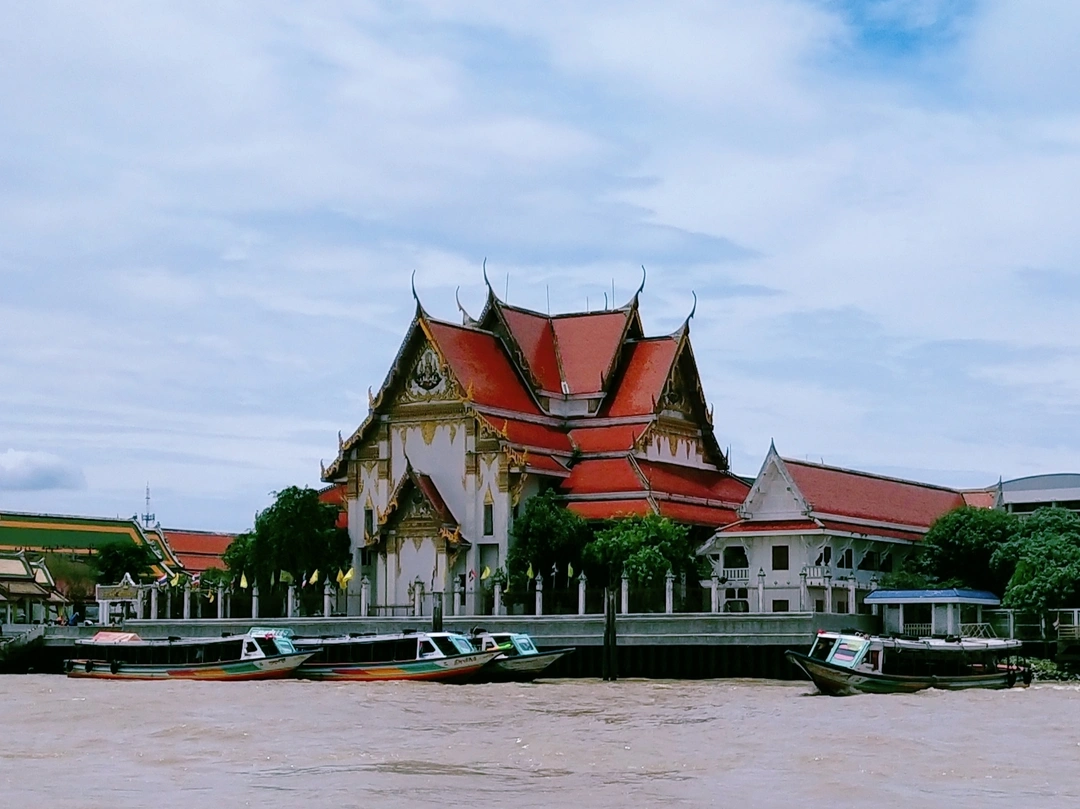
Bangkok is a city that defies easy definition. As Thailand's capital, it enjoys global fame, yet it harbors countless details that demand slow appreciation. The "Mother River" that flows through the city—the Chao Phraya River—is the key to understanding its soul.
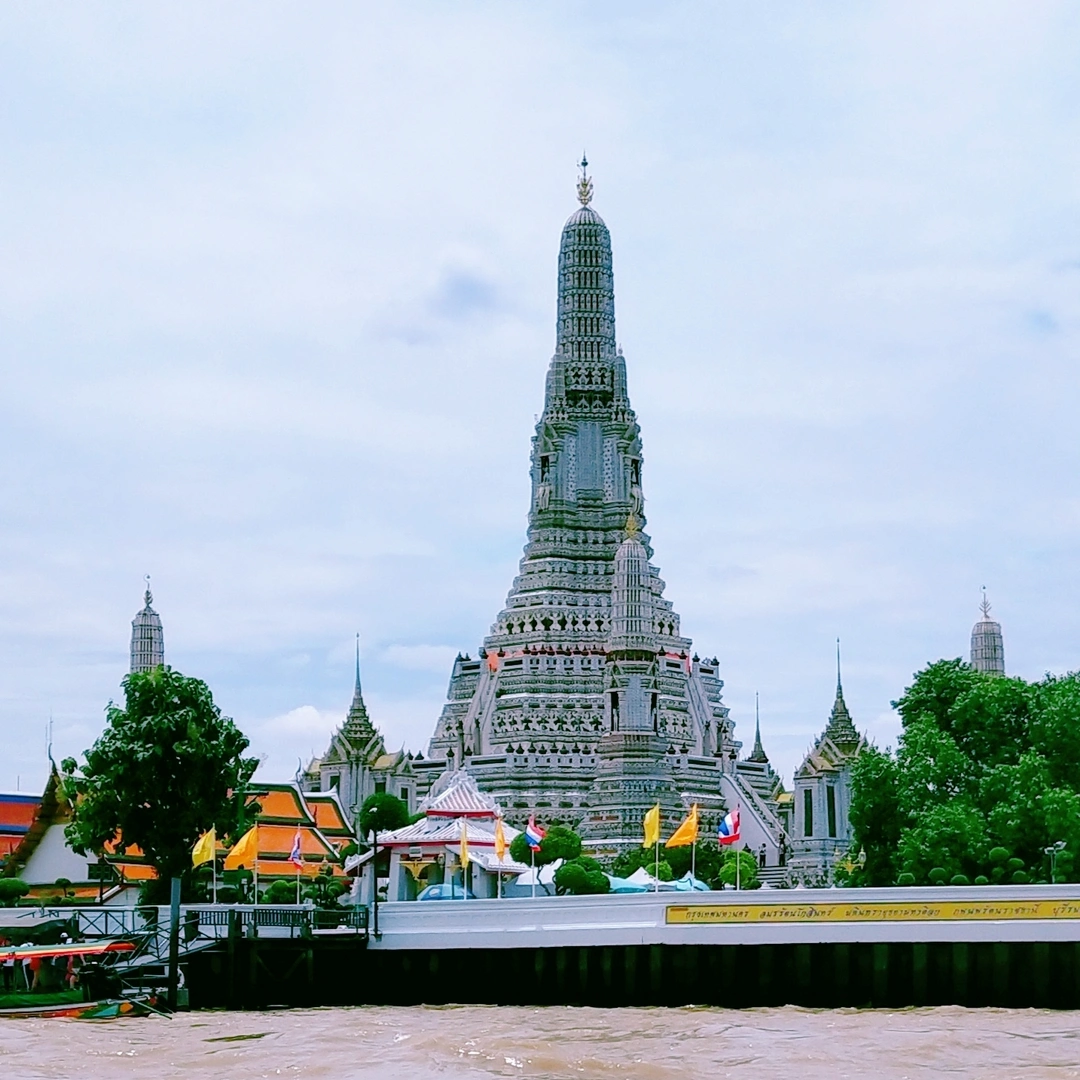
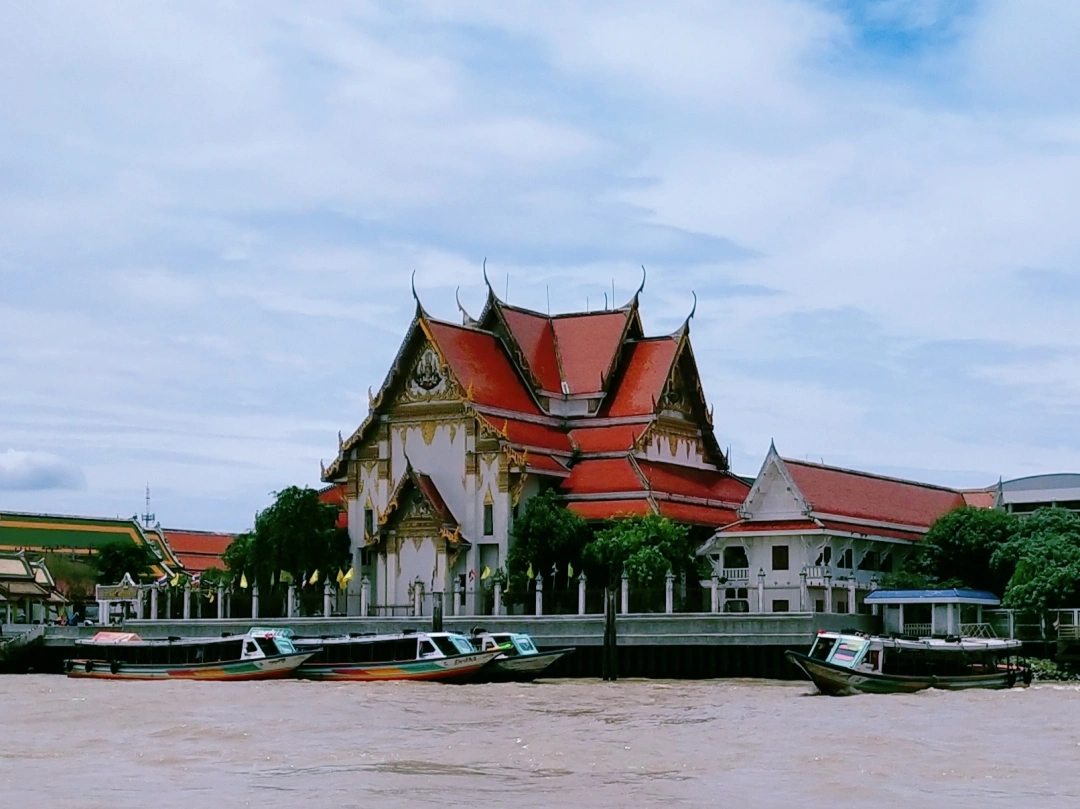
The Chao Phraya is Thailand's largest and longest river, running from north to south across the entire country, earning it the nickname "Oriental Venice." We boarded a long-tail boat, cutting through the slightly murky waters at high speed. The waves splashed against the hull, carrying a wild thrill. Locals, being devout Buddhists, never fish from the Chao Phraya, so the "sacred fish" have proliferated—large, plump creatures churning in the water. Toss a piece of bread, and they leap to fight for it, a spectacle both magnificent and slightly absurd. Along the way, we caught distant views of Wat Arun (Temple of Dawn), its towering pagoda glittering in the sunlight, as if recounting the city's thousand-year-old faith.
Pro Tip: Book a Chao Phraya dinner cruise for sunset views—it's a magical way to see Bangkok's skyline.
Grand Palace Bangkok: A Gilded Imperial Legacy
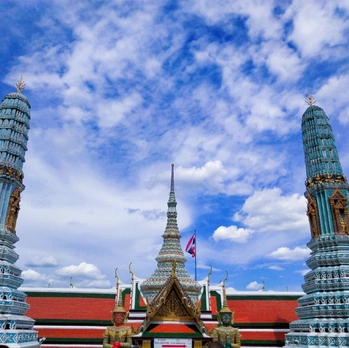
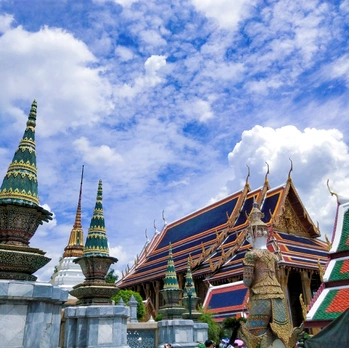
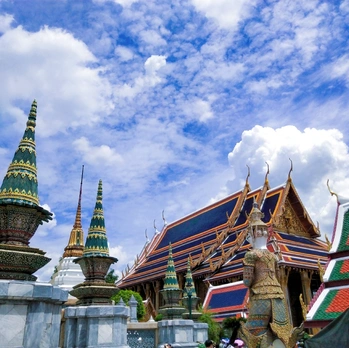
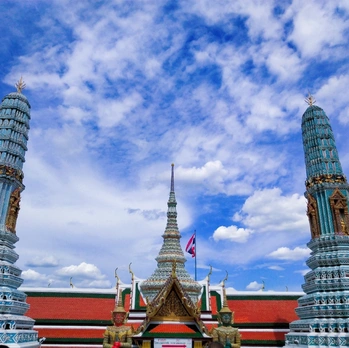
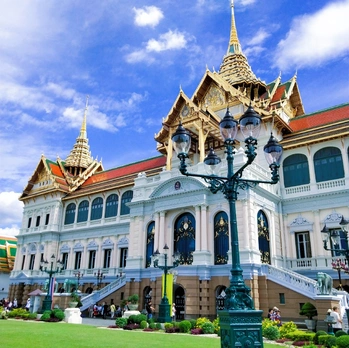
If the Chao Phraya River is Bangkok's lifeblood, then the Grand Palace is its heart. This complex of palaces, adjacent to the river, symbolizes the Bangkok dynasty, holding a status comparable to Beijing's Forbidden City. Stepping into the Grand Palace courtyard, the first thing that catches your eye is a sprawling, verdant lawn dotted with ancient trees and Bodhi trees in various poses, with tropical flowers blooming in profusion, their shadows dancing in the breeze.
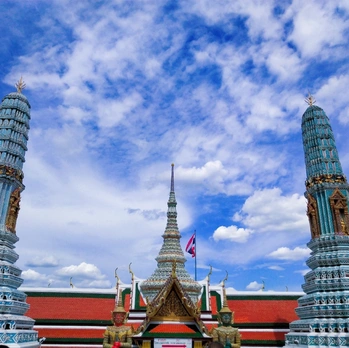
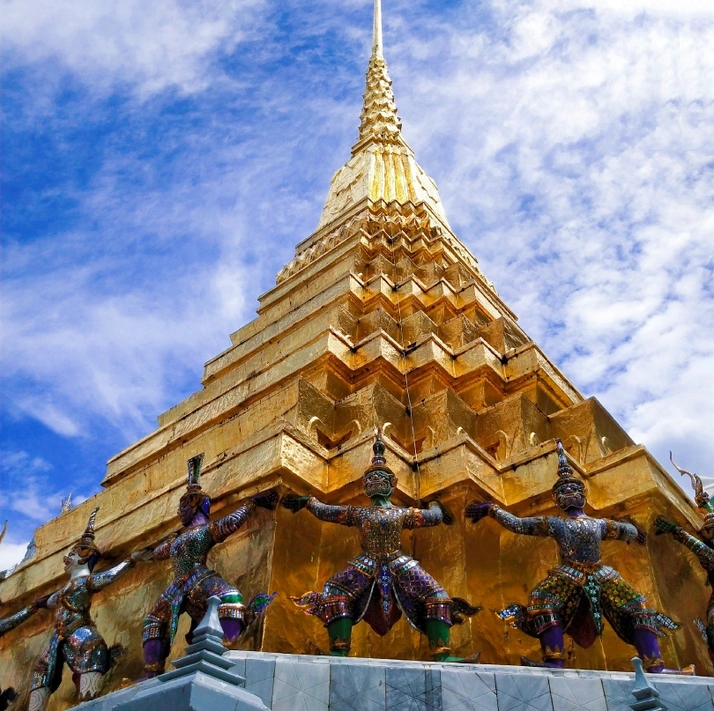
But what truly takes your breath away are the stupa-like spires—towering peaks covered in fish-scale glass tiles, sparkling like stars under the sunlight. The Grand Palace embodies the essence of Thai painting, sculpture, and decorative arts. Every detail showcases the unique allure of Siamese architectural artistry. From King Rama I to King Rama VIII, successive monarchs resided here; today, it is used only for coronation ceremonies and royal functions. Standing here, you understand why it is called the "Encyclopedia of Thai Art."
Visitor Tips: Dress modestly (cover shoulders and knees). Arrive early to avoid crowds. [Link: Bangkok temple etiquette guide]
Bangkok Chinatown: Two Centuries of Chinese Heritage
Bangkok's Chinatown, located in the western part of the city, is one of Southeast Asia's largest and most bustling Chinese quarters. This roughly two-kilometer-long district has a history spanning nearly two hundred years. Walking along the slightly aged streets, you'll find shops brimming with Teochew (Chaozhou) character, mostly run by ethnic Chinese or overseas Chinese. The rich Chinese essence blends wonderfully with Thai flavors here, creating a sense of time travel.
Chinatown's formation is a testament to Chinese migration abroad and their mutual support in foreign lands. On unfamiliar soil, they clustered together, using familiar dialects and tastes to build a spiritual home. This is not just a commercial district; it's a living history of the overseas Chinese.
Don't Miss: Yaowarat Road at night—street food heaven with roasted duck, dim sum, and fresh seafood.
Ratchada Train Night Market: Bangkok on a Plate
In Bangkok, there's a night market beloved by locals—the Ratchada Train Night Market. Although its popularity owes much to online sharing by Chinese tourists, at its core, it remains a place for locals to eat and relax. Combining food, shopping, and bars, it's the best window into Bangkok's street life.
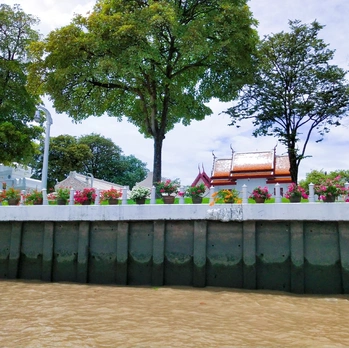
What to Eat at Ratchada Night Market:
- Banana Pancakes: Perfectly thick pancakes drizzled with creamy milkshake or chocolate. The crisp pancake, soft banana, and sweet cream melded in my mouth, each bite pure bliss. At 100 baht (about 25 RMB), it was hard to resist a second serving.
- Hand-Grabbed Seafood: No bowls or chopsticks, just a sheet of paper and a few plastic gloves. Shrimp, squid, and other seafood were fresh and abundant, generous in portion and reasonably priced. 300 baht (about 75 RMB) was enough for two to eat heartily.
- Volcano Ribs: Piles of ribs stacked like a volcano, the bone marrow infused with flavor, topped with authentic Thai spices and cilantro. The aroma alone whets your appetite, with a small portion costing just 200 baht (about 50 RMB).
The fruit stalls were overflowing: golden pillow durian, mangosteen, coconut, rambutan, super mangoes… Thailand truly is a tropical fruit paradise, and the durian here is far more intense than what you find back home. Ratchada Train Night Market is the most extensive night market I've ever seen—stalls neatly arranged, prices affordable, with no fear of being overcharged. It's a place to browse with ease and eat with confidence.
Pattaya Travel Guide: The City of Charm's Passion and Allure
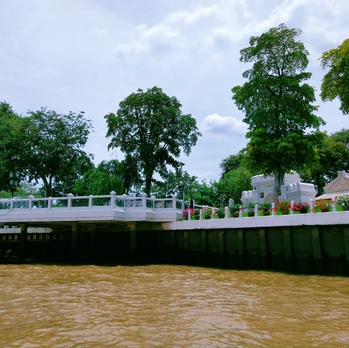
From Bangkok to Pattaya, it's about 150 kilometers, a drive of just over two hours. On our private bus, we were accompanied by our tour leader Sun Ping and Chinese-speaking guide P Huang, a Thai Chinese who was warm, knowledgeable, and witty, adding plenty of laughter to the journey.
Chiang Mai Village Pattaya: A Rustic Elephant Ride
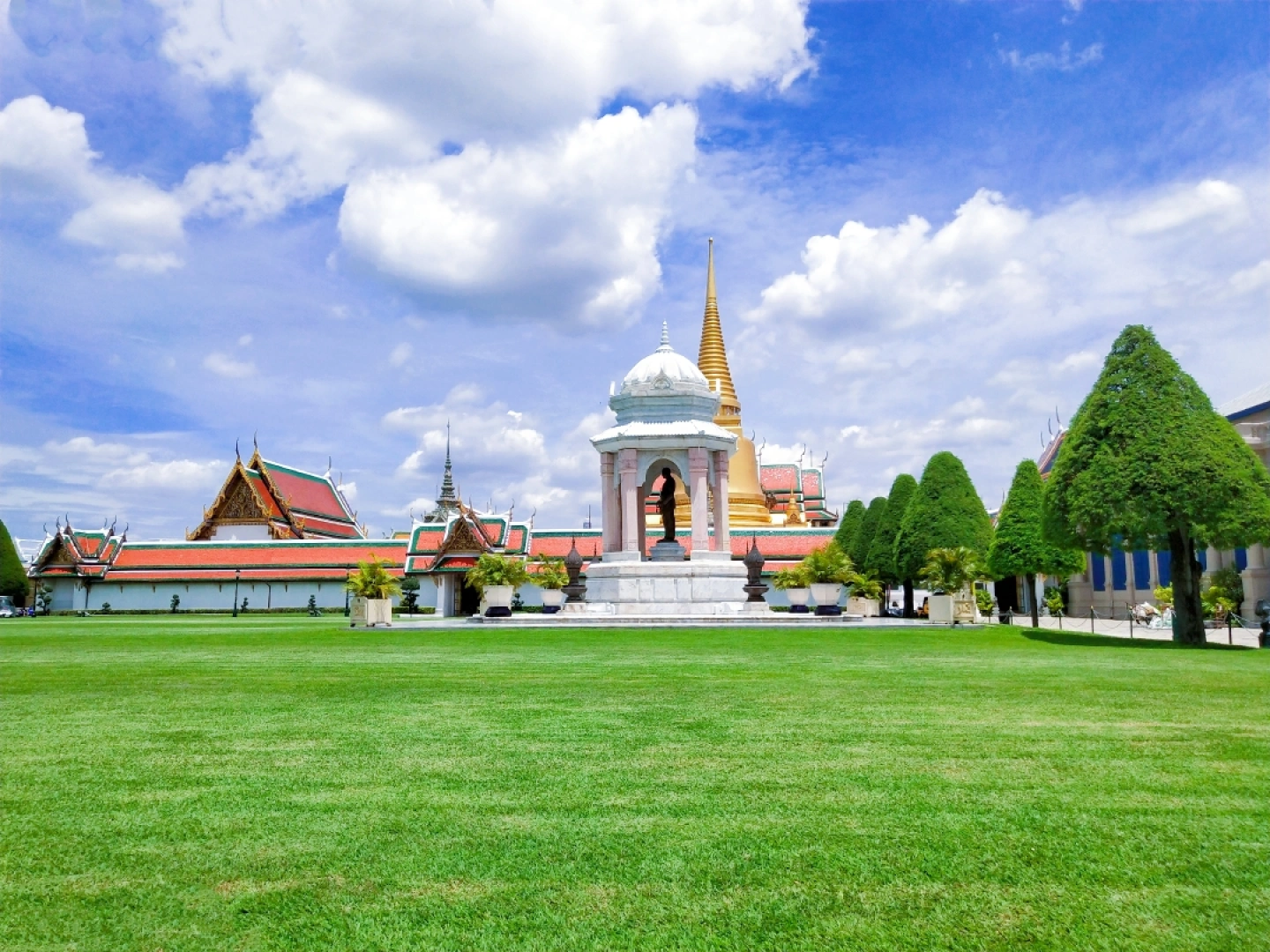
Pattaya's Chiang Mai Village is a place brimming with Thai pastoral charm. Here, we experienced one of Thailand's most iconic activities—elephant riding. Elephants are considered auspicious in Thailand. Riding on the back of a gentle elephant, leisurely ambling through the jungle, felt both relaxing and blessed, as if we'd absorbed some of that good fortune.
Responsible Tourism Note: Choose ethical elephant sanctuaries that prioritize animal welfare over entertainment. [Link: Ethical elephant experiences in Thailand]
Pattaya Floating Market: Du Lala's Watery Maze
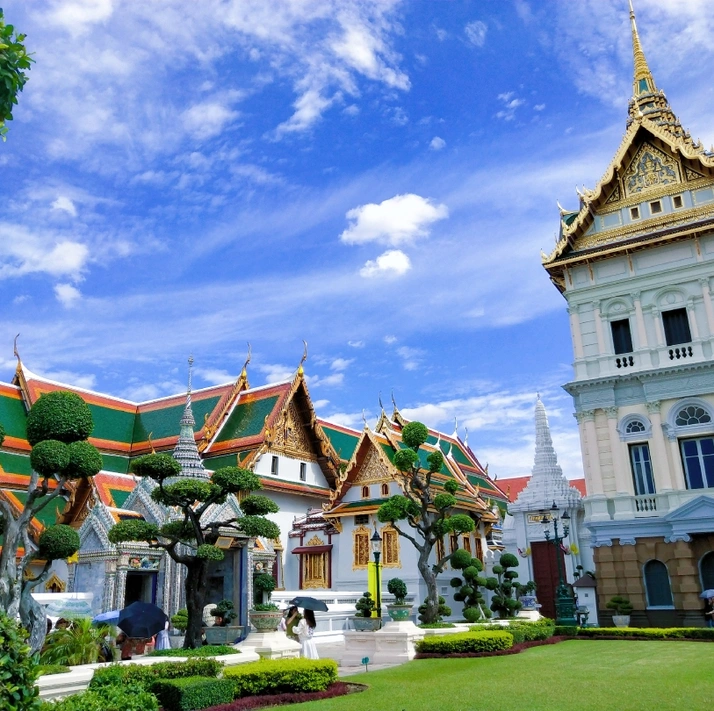
Made famous by the Chinese film "Go Lala Go!" (Du Lala's Promotion Diary), the Pattaya Floating Market is an unmissable landmark. Located about 5 kilometers east of downtown Pattaya, this floating village brings together the characteristics of floating markets from Thailand's four regions—eastern, western, northeastern, and southern—hence its name.
The market is built over a wide expanse of water, with structures almost entirely made of bamboo and wood—wooden bridges, boardwalks, stilted houses, and unique Thai pavilions scattered across the water surface. Walking on the boardwalks feels like entering a watery labyrinth. A tip: watch for arrows on the ground—red arrows mark the entrance, green arrows the exit!
Gliding through the canals in a small wooden boat, weaving under bridges and past pavilions, you experience the simple, natural local culture. Houses line the winding waterways, creating a unique floating community. Vendors on boats sell a dazzling array of goods, but what amazed me most was the pineapple sticky rice—the sweetness of tropical mini-pineapples combined with soft, chewy sticky rice and rich coconut aroma. At 100 baht (about 25 RMB), it was an ultimate treat for the taste buds.
Viharn Sien (The Rich Man's Golden Mansion): Luxury and Filial Piety
Viharn Sien, also known as the "Rich Man's Golden Mansion," is one of Pattaya's most awe-inspiring sights. This opulent estate was built by Thai-Chinese business tycoon Dhanin Chearavanont, Chairman of the Charoen Pokphand Group, for his mother at a cost of 14 billion baht (about 2.8 billion RMB). The mansion is a stunning fusion of Thai and Chinese architectural styles, filled with priceless art and antiques. It stands as a testament to filial piety and the success of the Chinese diaspora in Thailand.
Insider Tip: Visit during late afternoon for golden-hour photography. The intricate wood carvings and gold-leaf details are breathtaking.
FAQ: Your Spontaneous Thailand Trip Questions Answered
1. Is it safe to travel solo in Thailand as a first-time visitor?
 Absolutely. Thailand is one of the most beginner-friendly solo travel destinations. English is widely spoken in tourist areas, the infrastructure is excellent, and the locals are famously hospitable. Just practice common sense—keep valuables secure, use official taxis or ride-hailing apps like Grab, and avoid overly secluded areas at night.
2. How much cash should I carry for a 5-day Bangkok-Pattaya trip?
 Carry around 10,000–15,000 Thai Baht (approximately 2,500–3,750 RMB) in cash for street food, markets, and tips. Credit cards are accepted at hotels, malls, and upscale restaurants, but smaller vendors and taxi drivers prefer cash. ATMs are widely available but charge a fee (about 220 baht per withdrawal).
3. What's the best time to visit Bangkok and Pattaya?
 The cool season (November to February) is ideal, with temperatures averaging 25–30°C and low humidity. September (when I visited) is still warm but part of the rainy season—expect short, heavy downpours that usually clear up quickly. If you don't mind occasional rain, you'll enjoy fewer crowds and lower prices.
4. Can I visit the Grand Palace and floating market in one day?
 Technically yes, but it's rushed. I recommend dedicating a full day to Bangkok's cultural highlights (Grand Palace, Wat Pho, Chao Phraya cruise) and a separate day to the floating market. If you're short on time, join a guided tour that combines both, but expect a long day with early start.
5. What should I pack for a spontaneous Thailand trip?
Lightweight clothing (cotton or linen), comfortable walking shoes, a swimsuit, sunscreen, insect repellent, a reusable water bottle, and a light jacket for air-conditioned spaces. For temple visits, pack a scarf or shawl to cover shoulders and knees. Don't forget an umbrella or raincoat during the rainy season.
Conclusion: Your Spontaneous Journey Awaits
This spontaneous journey through Bangkok and Pattaya taught me that the best adventures often come unplanned. From the sacred fish of the Chao Phraya to the glittering spires of the Grand Palace, from the sizzling woks of Ratchada Night Market to the gentle sway of an elephant ride in Chiang Mai Village—every moment was a discovery of another self.
Thailand's enchanting diversity isn't just in its landscapes or flavors; it's in the warmth of its people, the depth of its traditions, and the unexpected connections you make along the way. Whether you're a solo traveler seeking solitude, a foodie hunting for the perfect pad Thai, or a culture lover exploring ancient temples, Siam has a piece of itself waiting just for you.
Ready to book your own spontaneous Thailand adventure? Start with a flexible itinerary that leaves room for detours. Pack light, carry an open heart, and let the "Land of Smiles" work its magic. Your next chapter is just a flight away.
[Book Your Bangkok-Pattaya Tour Now] — Expert guides, handpicked hotels, and authentic experiences await.
You should also read:
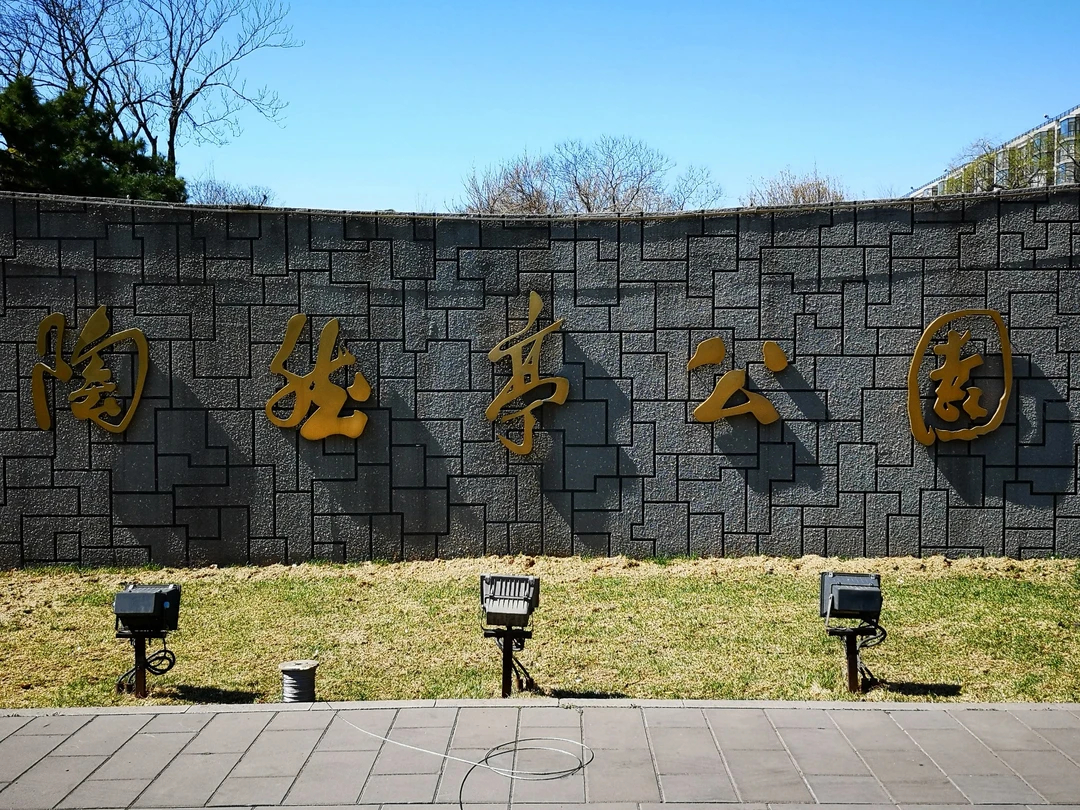
One Flower, One World; One Drink, One Bliss: Discovering a Poetic Garden in Southern Beijing
Meta Description: Escape the crowds and discover Taoranting Park, Beijing's hidden poetic garden. Explore ancient pavilions, literary history, and serene lakes for just 2 yuan. Your guide to tranquility in southern Beijing. If you think Beijing is only about the grandeur of the Forbidden City…
Continue reading...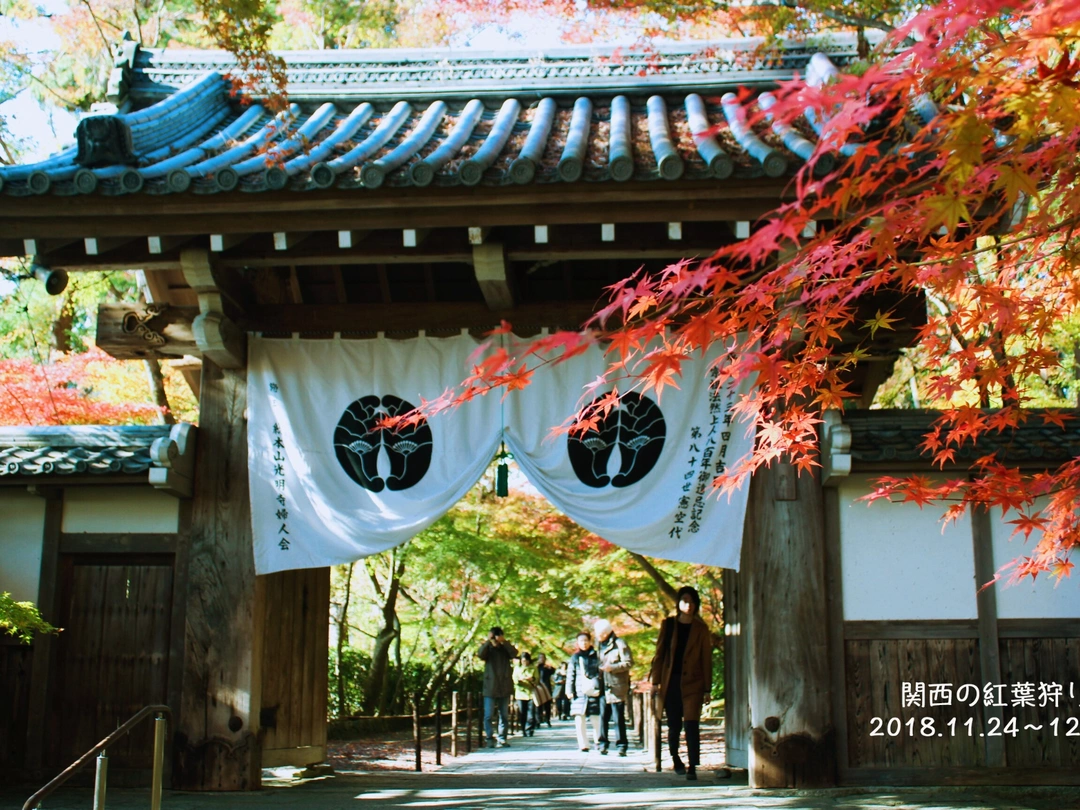
【Japan · Autumn · Kansai Region】Autumn Leaf Hunting: Rediscovering Your Original Intent and Peace Across Kyoto, Hyogo, Shiga, and Osaka
Meta Description: Explore the best autumn leaf hunting spots in Japan's Kansai region—Kyoto, Hyogo, Shiga, and Osaka. Discover practical tips, hidden gems, and how to find peace amid the crimson leaves. At age thirty, I finally fulfilled a promise I had made to myself. Many…
Continue reading...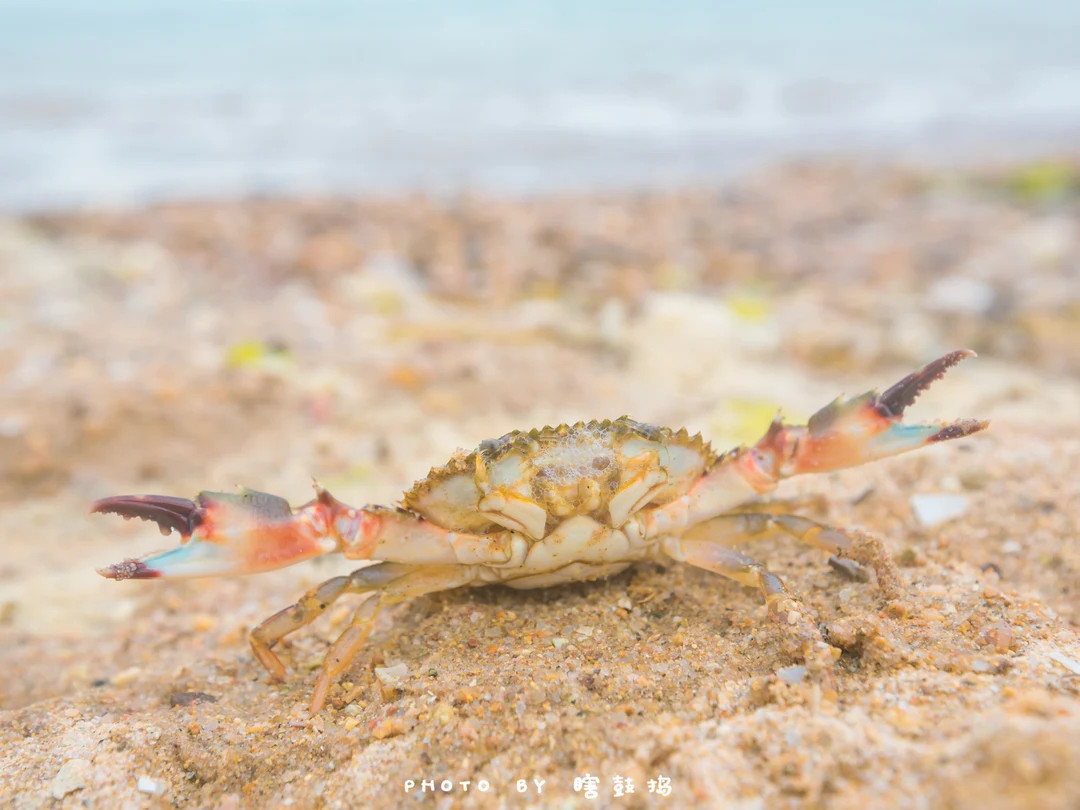
Our Family Trip to Dongdaihe (Eastern Daihe): Rediscovering the Most Luxurious Joy in Primitive Wilderness
Meta Description: Escape the concrete jungle! Discover why Dongdaihe (Eastern Daihe) is the ultimate family beach getaway near Beijing. Learn crabbing tips, farmstay secrets, and how to give your kids a wild, unforgettable seaside adventure. Have you ever watched your child swipe a phone screen…
Continue reading...