Spring Festival in Beijing: A 9-Day Slow Journey Through 600-Year-Old Imperial Capital
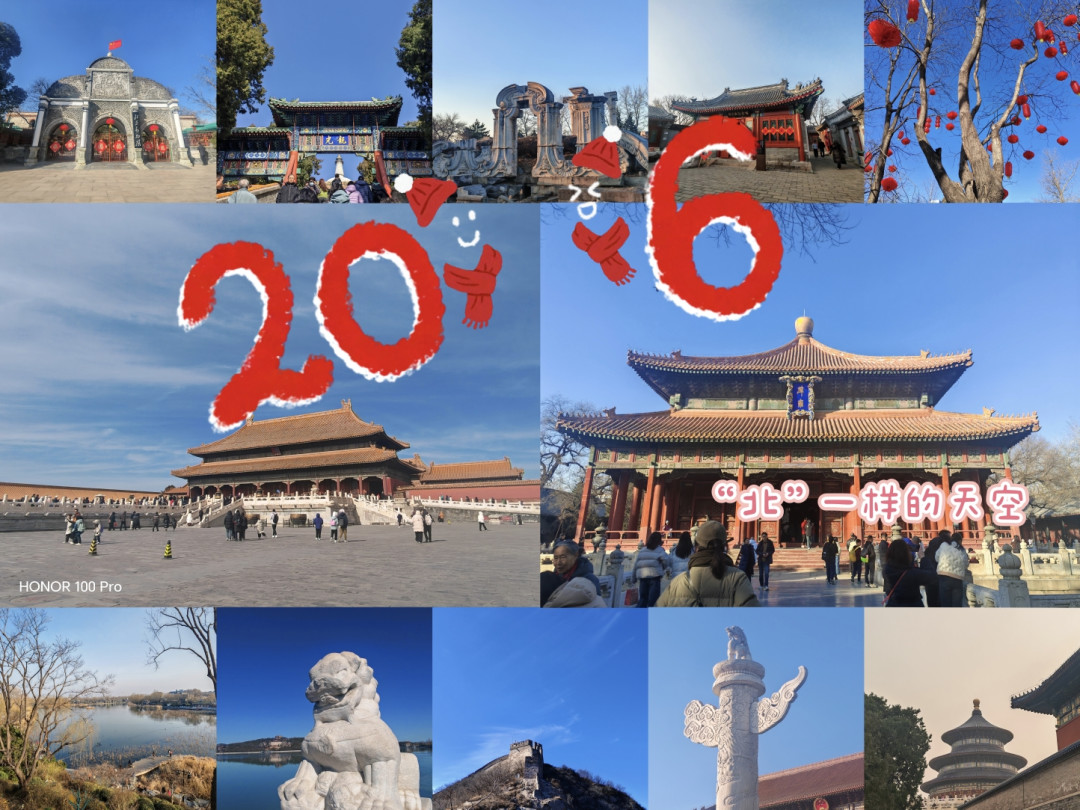
Meta Description: Explore Beijing during Spring Festival with our 9-day itinerary. From the Forbidden City's ancient halls to hidden cultural gems, experience the imperial capital's 600-year legacy at a relaxed pace.
Introduction: Why Beijing During Spring Festival?
When the bells rang in the Year of the Horse, another Spring Festival arrived as scheduled. This year, I unexpectedly found myself with nine full days off—in the fast-paced rhythm of modern life, it felt like winning a small lottery. My original plan was to head northwest to see the majestic "Galloping Horse Treading on a Flying Swallow" and experience the vast landscapes beyond the Great Wall. But a travel companion's casual "I want to go to Beijing" changed everything. It was for the best—the regret of not making the trip during the pandemic year was finally redeemed.
Beijing during Spring Festival offers a unique blend of ancient tradition and modern festivity. The crowds thin, the air carries the scent of incense and dumplings, and the imperial palaces take on a serene, snow-dusted beauty. This 9-day slow journey through 600-year-old Beijing is your guide to experiencing the capital's soul without rushing.
Day 1: Departure – From Office Bell to Airport Boarding
Streamlined Travel in Spring Festival Season
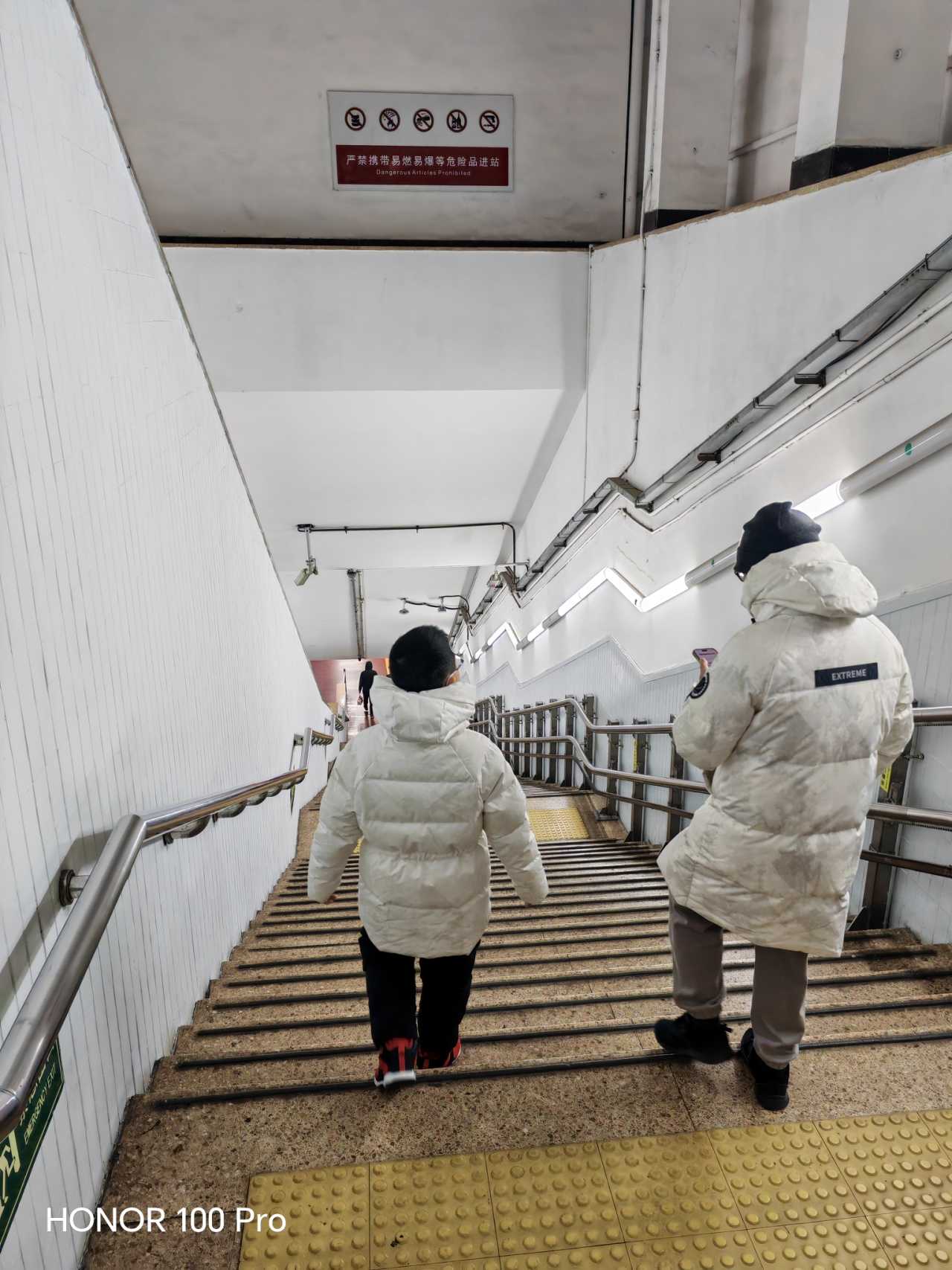
The moment the work bell rang, I shot up like a spring and dashed to the airport. The city terminal was surprisingly convenient—check-in and baggage drop in one stop, right next to the subway station. For a traveler in a hurry, it was a lifesaver. [Link: Best Beijing airport transfer options]
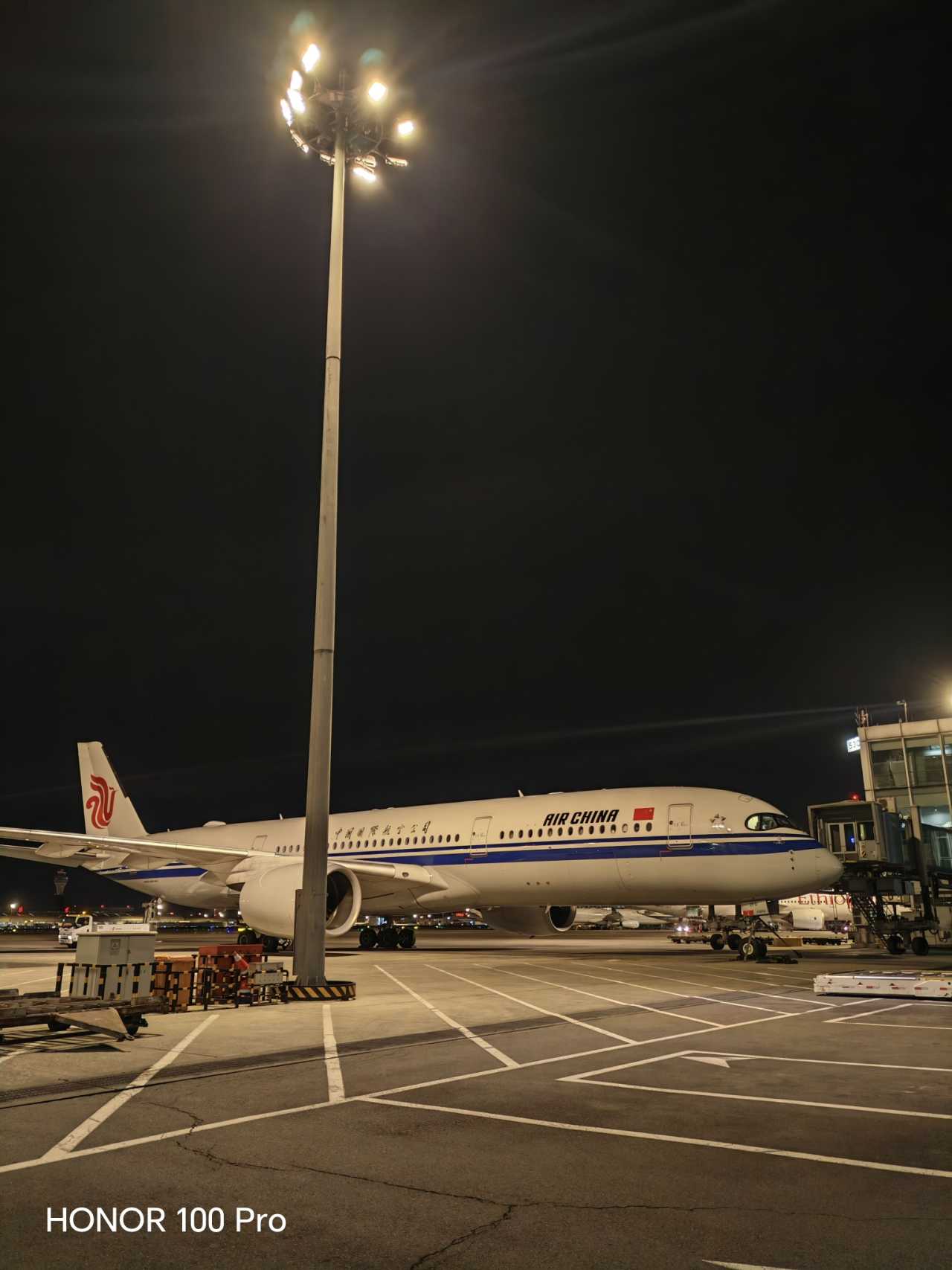
Dinner was at the airport—a bowl of instant noodles to take the edge off hunger, saving room for the plane. Air China's A330 was comfortable enough, though I'd originally booked this flight for the Boeing 747 listed on the schedule. The last-minute swap to a 330 was a minor disappointment—after all, you don't get to experience a four-engine jumbo jet every day.
Where to Stay: Xidan's Cultural Hub
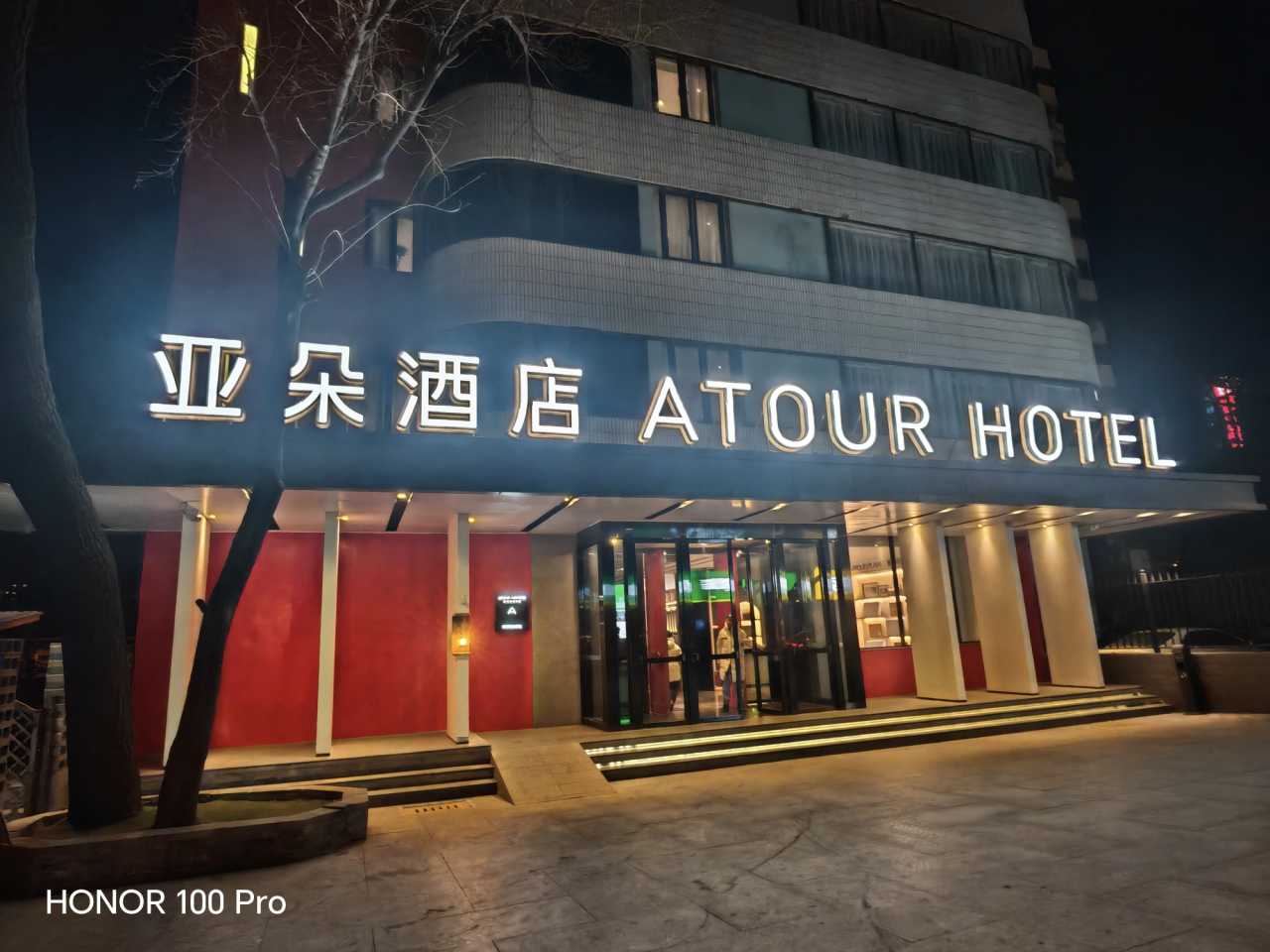
We checked into the Atour Hotel near Xidan, which was fully booked—proof of how crazy Beijing gets during Spring Festival. The location was perfect: right next to Li Dazhao's former residence and the People's Bank of China headquarters, across from the "holy temple of music," the Central Conservatory of Music. Staying in such a neighborhood, even the air seemed infused with culture.
Pro tip: Book your Beijing Spring Festival accommodation at least 2-3 months in advance to secure prime locations.
Day 2: Celebrating Chinese New Year in the Forbidden City

Breakfast and Fortune: Starting the Year Right
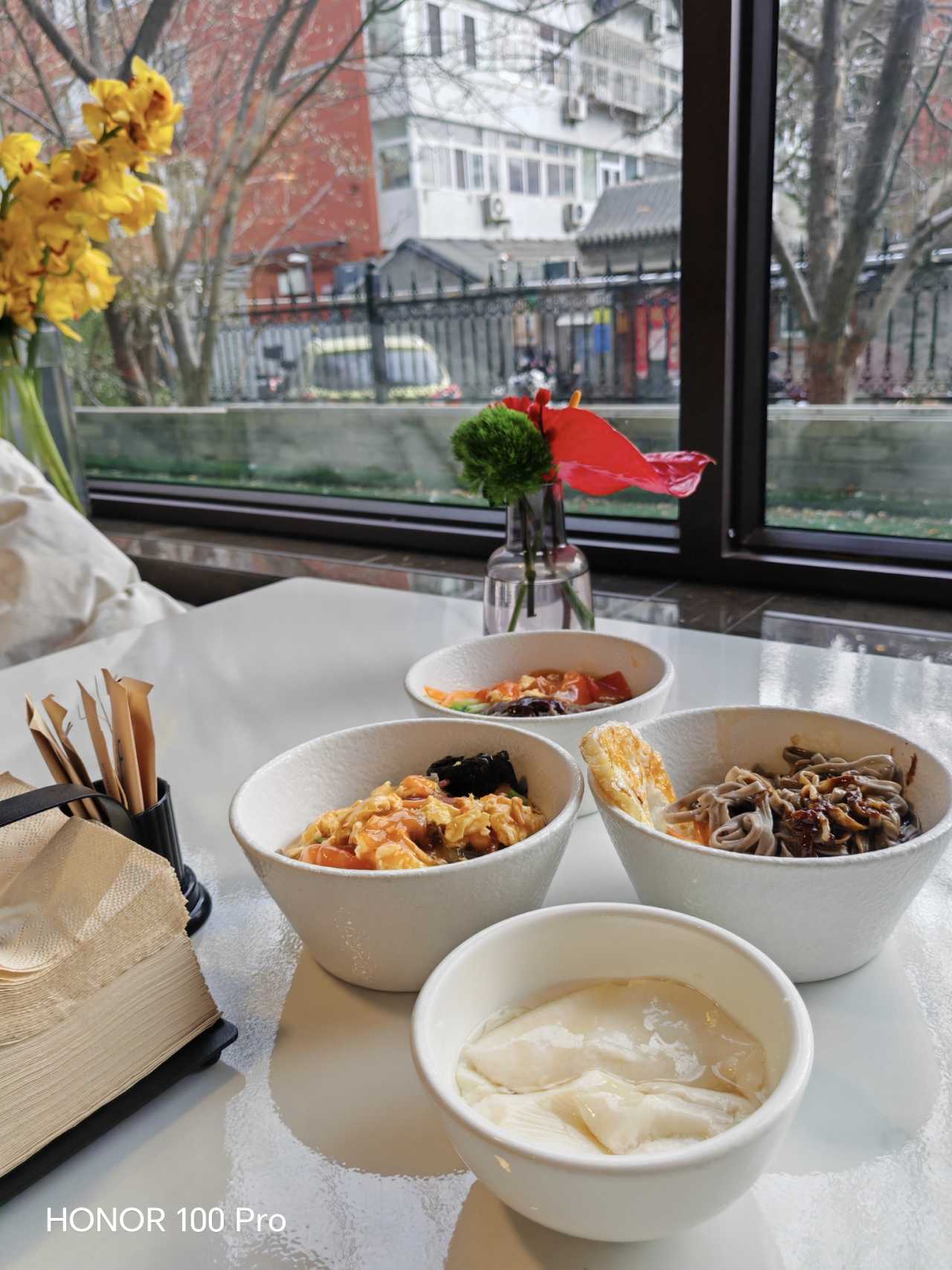
Morning breakfast was as reassuring as ever. Zhajiangmian (noodles with fermented soybean paste), dalu mian (thick sauce noodles), and douhua (tofu pudding)—all authentic. The only thing missing was the legendary douzhi (fermented mung bean drink), which locals supposedly drink daily but outsiders find daunting. Perhaps that's a "secret treasure" the locals keep to themselves.
After breakfast, we strolled through the financial district, soaking up the "fortune energy" near the central bank and major financial institutions. After all, who doesn't want prosperity in the new year?
In Beijing, the subway became our primary transport. The weather forecast promised mostly sunny skies, and the cold front had passed, but the old saying "snow isn't cold, melting snow is" rang true. The morning chill made us shiver, but the generous sunlight gave us the courage to push forward.
The Gates of the Forbidden City: Avoiding the Crowds
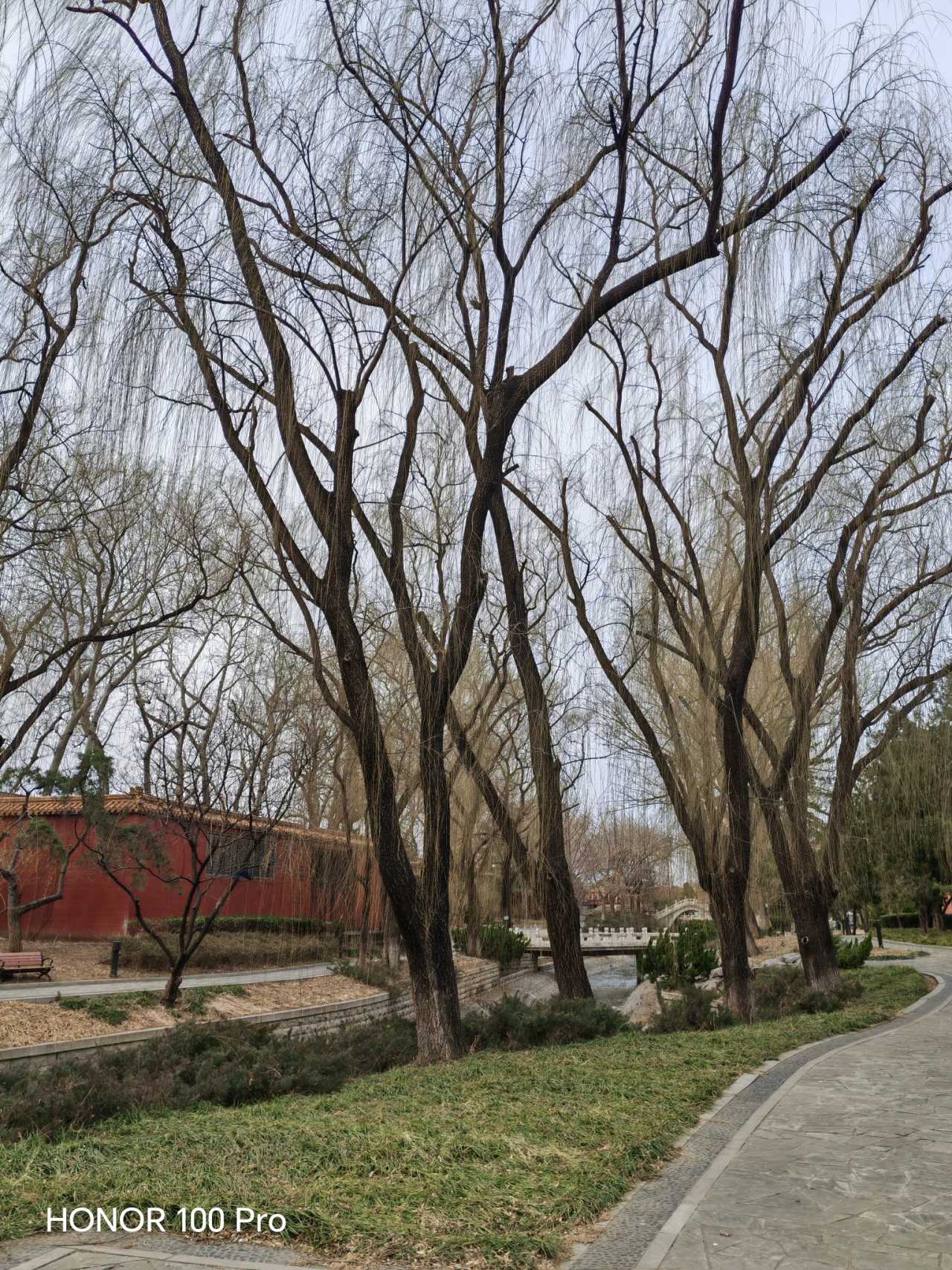
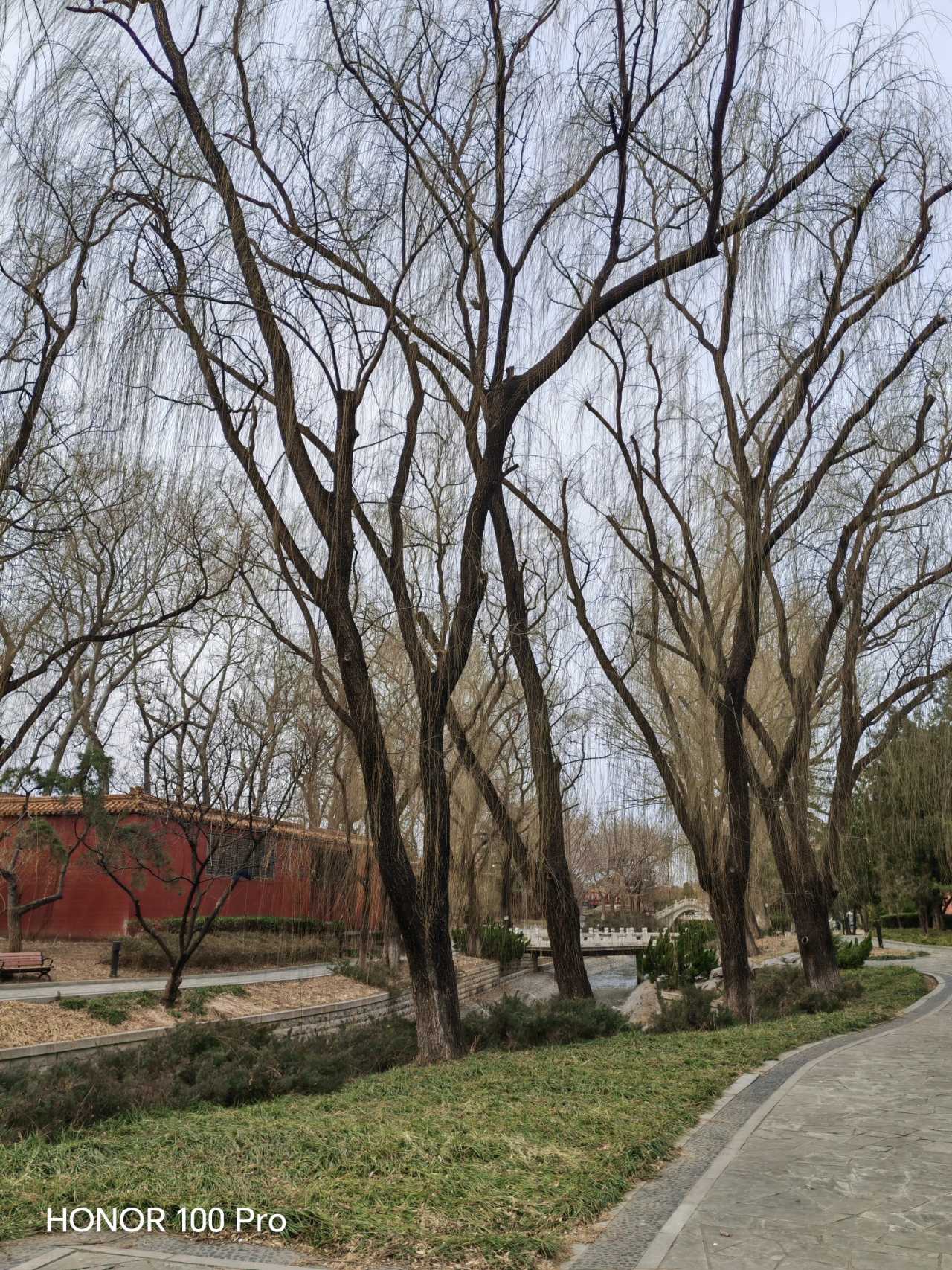
Stepping out of Tiananmen East Station, the garden views were stunning. The poetic image of "spring colors filling the city, palace walls lined with willows" came to life. We chose to enter the Forbidden City through Donghuamen (East Glorious Gate)—a trick that bypasses the security check at Tiananmen Square, saving precious minutes. Don't underestimate those minutes: getting in early means snagging better photo spots.
The moat ice was half-melted, half-frozen. The front section shimmered like waves, while the back lay as calm as a bronze mirror. This "half fire, half water" scene was oddly fascinating.
Arriving at Wumen (Meridian Gate), we were glad we'd chosen to come on the 28th day of the lunar month. There were plenty of people, but at least we didn't have to queue in the biting wind or experience the uneasy, bleak feeling of "awaiting trial at the Meridian Gate."
Touching the door studs was a must. The bottom two rows were polished smooth and shiny—who knows how many hands had left their marks over the centuries.
The Grandeur of the Three Main Halls
The panorama of Taihe Dian (Hall of Supreme Harmony) was breathtaking. Magnificent, imposing—but the cold air hadn't blown away the clouds, leaving too much overcast sky for a perfect blue backdrop.
"Taihe" comes from the Book of Changes, symbolizing the harmonious operation of all things in heaven and earth. Many people think this was the emperor's daily workplace, but it wasn't—it was used only for major festivals and important ceremonies. This "grand meeting room" opened its doors only a few days a year.
The bronze lions remained majestic. Six hundred years on, the muscle textures were still clearly visible, as if they could rise up and roar at any moment.
Historical insight: One interesting detail: the first three halls have only Chinese characters in their name plaques, while the rear palaces like Qianqing Gong include Manchu script. This has to do with Yuan Shikai—the old traitor wanted to be emperor but feared opposition from Puyi and the Manchu loyalists. So he played a trick: removing Manchu script from the front halls while keeping both scripts in the inner court. This small textual difference hides a turbulent history.
The double-eave roof structure represents the highest architectural rank in ancient times. Last year, I saw similar architecture at Wudang Mountain's Golden Summit—both built during the Yongle Emperor's reign, over 600 years ago. It makes you marvel at the wisdom and craftsmanship of the ancients.
Exiting through Taihe Men (Gate of Supreme Harmony), there's a perfect photo spot where you can see the White Pagoda of Beihai Park in the distance. It felt like capturing the essence of all Beijing in one frame.
Walking the Central Axis: Zhonghe Dian to Baohe Dian
Zhonghe Dian (Hall of Central Harmony) takes its name from the Book of Rites: "neither biased nor excessive, exactly appropriate." Its floor plan is a perfect square—truly "unbiased." Following the central axis to Baohe Dian (Hall of Preserving Harmony), "Baohe" means maintaining harmony among all things. This building has a unique structure using a column-reduction technique, removing six interior pillars to open up the space. The flying eaves and interlocking brackets looked like thousands of dragons stretching toward the sky.
At Qianqing Gong (Palace of Heavenly Purity), the inner court began. The dragons here were so imposing it was hard to look directly at them—coiled amid waves and flames, radiating overwhelming pressure. The layered design seemed to say: "Don't try to peek into the emperor's secrets."
The mythical beasts on the eaves followed a strict order: dragon, phoenix, lion, heavenly horse, sea horse, suanni (mythical lion), yayu (fish-dragon), xiezhi (justice beast), douniu (ox-like beast), and finally xingshi (monkey-like beast). The beasts on Qianqing Gong lacked the last xingshi, along with the fish-dragon with a sword on its back. If you have kids, there's a picture book series about a fat orange cat born in the Forbidden City who encounters various mythical beasts at night—both fun and educational.
The Refinement and Stories of the Inner Court
The crane stood on a mountain, while the turtle represented rivers and seas—together symbolizing "rivers and mountains" (the realm). I couldn't figure out the purpose of the exquisite bronze box nearby. If it were a lamp, it didn't seem transparent enough; if for storage, the seal wasn't tight enough.
At Jiaotai Dian (Hall of Union and Peace), everyone crowded toward the glass windows on both sides, but it was too dark to see much. Behind Kunning Gong (Palace of Earthly Tranquility), there was a restaurant where we could refuel. I especially loved the south-facing windows—the sunlight streaming in was wonderfully warm.
Looking up at the caisson ceiling, most palace halls weren't open, but near Qin'an Dian (Hall of Imperial Peace), there was a pavilion where you could see it. Zooming in, the dragon was carved from five pieces of wood, surrounded by floral clusters. The dragon had four claws—details you can only appreciate in person.
Inside Tai Chi Dian (Hall of Supreme Polarity), some exquisite ornaments were displayed, like the large jade ruyi (scepter) with intricate carvings. [Link: Forbidden City ticket booking guide]
FAQ: Your Spring Festival Beijing Trip Questions Answered
1. Is the Forbidden City open during Spring Festival?
Yes, the Forbidden City is open during Spring Festival, but it closes on Chinese New Year's Eve (the day before the Lunar New Year). Check the official website for adjusted hours, and book tickets at least 7-10 days in advance as they sell out quickly.
2. What's the best time to visit the Forbidden City to avoid crowds?
 Arrive early (before 8:30 AM) and enter through Donghuamen (East Glorious Gate) to bypass Tiananmen Square security. The 28th day of the lunar month (2 days before New Year's Eve) is ideal—crowds are moderate, and decorations are up.
3. How cold is Beijing during Spring Festival?
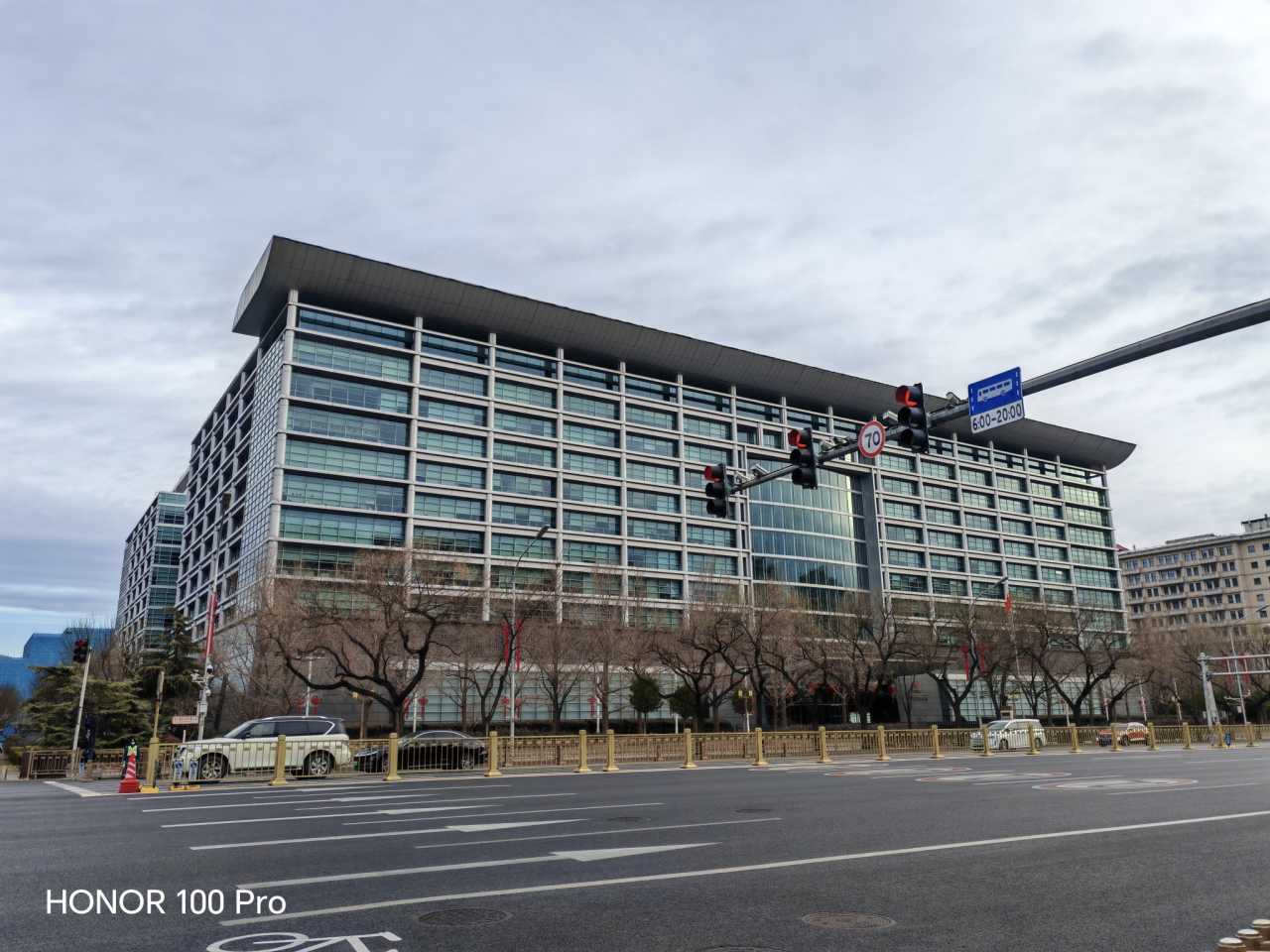 Temperatures range from -5°C to 5°C (23°F to 41°F). Dress in layers with thermal underwear, a warm coat, hat, gloves, and scarf. The "snow isn't cold, melting snow is" saying is true—expect biting wind, but generous sunlight on clear days.
4. What traditional foods should I try during Spring Festival in Beijing?
Must-tries include zhajiangmian (noodles with fermented soybean paste), dalu mian (thick sauce noodles), douhua (tofu pudding), and jiaozi (dumplings). For the adventurous, try douzhi (fermented mung bean drink)—a local delicacy that outsiders often find challenging.
5. Can I see the Forbidden City's mythical beasts up close?
Yes! The eaves of Qianqing Gong and other halls feature the full hierarchy of mythical beasts—dragon, phoenix, lion, heavenly horse, and more. Bring a zoom lens or binoculars for the best views. The picture book series about a fat orange cat who meets these beasts at night is a fun companion for kids.
Practical Tips for Your 9-Day Beijing Spring Festival Journey
- Book Early: Accommodation near Xidan, Dongcheng, or Xicheng districts fills up fast. Reserve 2-3 months ahead.
- Transport: The Beijing subway is your best friend. Get a rechargeable Yikatong card for convenience.
- Photography: The best photo spot is from Taihe Men, framing the White Pagoda of Beihai Park in the distance.
- Cultural Etiquette: Touching the door studs is traditional, but avoid climbing on ancient structures or touching artifacts.
Conclusion: Your Spring Festival Beijing Adventure Awaits
A 9-day slow journey through 600-year-old Beijing during Spring Festival is more than a vacation—it's a pilgrimage through time. From the majestic halls of the Forbidden City to the quiet corners of the inner court, every step reveals layers of history, artistry, and cultural richness.
This year, trade the ordinary for the extraordinary. Experience the imperial capital as it celebrates the Lunar New Year—with ancient rituals, modern comforts, and the enduring spirit of a civilization that has stood for six centuries.
Ready to book your Spring Festival Beijing trip? Start planning today—tickets sell out fast, and the best accommodations go quickly. Your 600-year adventure awaits.
[Link: Best Beijing Spring Festival tours and packages] [Link: How to plan a slow travel itinerary in Beijing] [Link: Beijing winter travel essentials checklist]
Have you visited Beijing during Spring Festival? Share your tips and favorite hidden spots in the comments below!
You should also read:
A Passionate Journey Through Beijing & Tianjin: Beijing Complete Guide – JOJO's In-Depth Travel Notes
Meta Description: Explore Beijing & Tianjin in 5 days with this complete travel guide. From the Forbidden City to the Great Wall, discover insider tips, transportation hacks, and must-see attractions. Plan your perfect China trip today. Beijing is not just a city—it's a living museum…
Continue reading...
The Journey That Didn't Freeze Me to Death: Beijing – Six Days and Five Nights of Bone-Chilling Cold
Meta Description: Planning a winter trip to Beijing? Read this firsthand account of a spontaneous 6-day Beijing adventure—from ticket battles to 798 Art District, Sanlitun, and survival tips for bone-chilling cold. Perfect for budget travelers and first-timers. Some trips are long-planned romances; others are impulsive…
Continue reading...
The Accent of Beijing: A Hutong Odyssey in a Downpour – Exploring Beijing's Hidden Charms
Meta Description: Discover Beijing's soul through a rain-soaked hutong odyssey. From Shichahai's melancholy to Mianhua Hutong's philosophy, experience the authentic "accent of Beijing" in this immersive travel story. I'm probably going to laze myself to death. I visited Beijing eight hundred years ago—took the high-speed…
Continue reading...