Spring in Beijing 2026: A Museum Journey Through Millennia of Civilization
Meta Description: Discover Beijing's best spring museum exhibitions in 2026—from the Forbidden City to 798 Art District. Explore ancient Chinese artifacts, Renaissance masterpieces, and modern art in this 10-day cultural itinerary.
Introduction: Why Museums Offer the Most Profound Journey
Travel doesn't always mean rushing to mountains or seas. Sometimes, stepping into a museum is the most profound journey you can take. In the spring of 2026, I decided to slow down and turn my gaze toward Beijing's halls that hold stories spanning thousands of years.
From the crimson walls and golden roofs of the Forbidden City to the avant-garde art districts of 798, from Shang and Zhou dynasty bronzes to Renaissance oil paintings, I spent ten days weaving through the city's great museums, keeping a cultural and historical appointment with art and antiquity.
Spring light fades quickly, but the traces of civilization remain forever vivid. When artifacts that have slumbered for millennia and masterpieces passed down through generations unfold before your eyes, you realize that understanding them means understanding the very thickness of time.
Why Beijing Museums? Another City Lies Within
Many come to Beijing for the Great Wall, the hutongs, or Peking duck. But for me, the city's other charm hides within its quiet, solemn museums. Beijing boasts the nation's most prestigious cultural and museum resources—the Palace Museum, the National Museum of China, the National Art Museum of China, and the Tsinghua University Art Museum. Each is a three-dimensional history book. Strolling through them, you not only trace the context of Chinese civilization but also encounter Western art classics unexpectedly.

In recent years, Beijing's museums have been staging blockbuster exhibitions one after another, so many that it's dizzying. Museum-hopping is actually a "physical workout"—you need to engage your brain to understand the stories behind the exhibits while walking miles to see everything. Yet it's precisely this "painful yet joyful" experience that keeps you coming back for more.
I decided to use the May Day holiday to stay home and organize the photos I'd taken over the past few months. Before May 18—World Museum Day—I wanted to record these precious memories and reflections, as a way of settling accounts with myself.
[Link: Best time to visit Beijing museums in spring]
Spring 2026 Exhibition Checklist: From Spring into Summer
As of early May, I've visited the following exhibitions. Some have already closed, but most are still on view and worth a special trip:
| Date | Museum | Exhibition | Status |
|---|---|---|---|
| January 27 | Tsinghua University Art Museum | China Within China: Essence of Ancient Central Plains Civilization | Closed |
| March 5 | Palace Museum, Meridian Gate | All Paths Lead to One: Historical Culture and Art of Sakya Monastery | Closed |
| March 24 | National Museum of China | Eternal Questions: The Exploration and Excavation of Pompeii | Ongoing |
| April 3 | National Art Museum of China | Ornament and Radiance: Hebei Ancient Art Treasures | Closing soon |
| April 10 | National Museum of China | Li Jingxun and Her Era | Ongoing |
| April 10 | National Museum of China | Twin Stars Shine: Ancient Shu Civilization from Sanxingdui and Jinsha | Ongoing |
| April 28 | National Art Museum of China | From Da Vinci to Caravaggio: Masterpieces of the Italian Renaissance | Through August 28 |
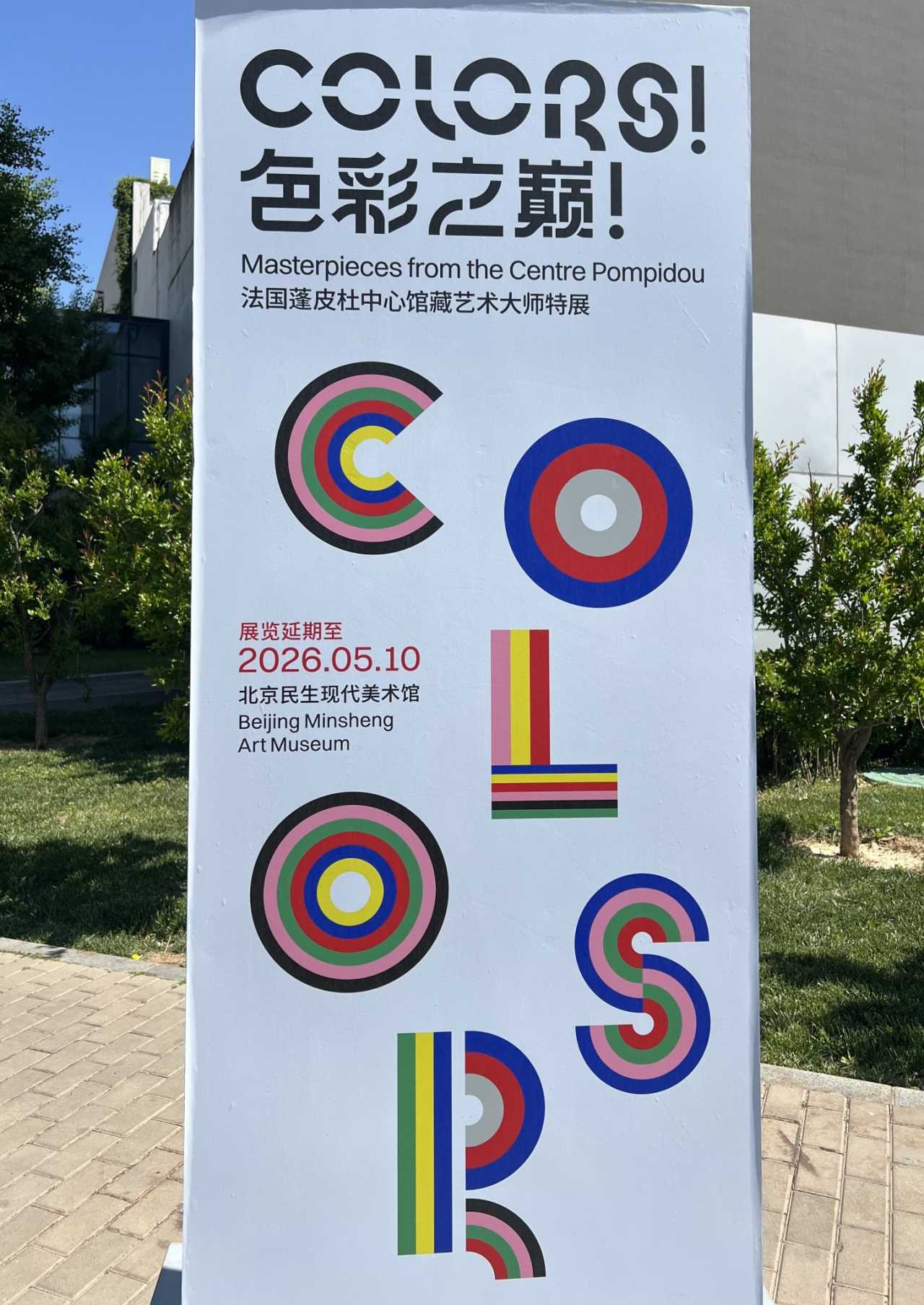
| April 30 | Beijing Minsheng Art Museum | Peak of Color: Masterpieces from the Centre Pompidou Collection | Through end of May |
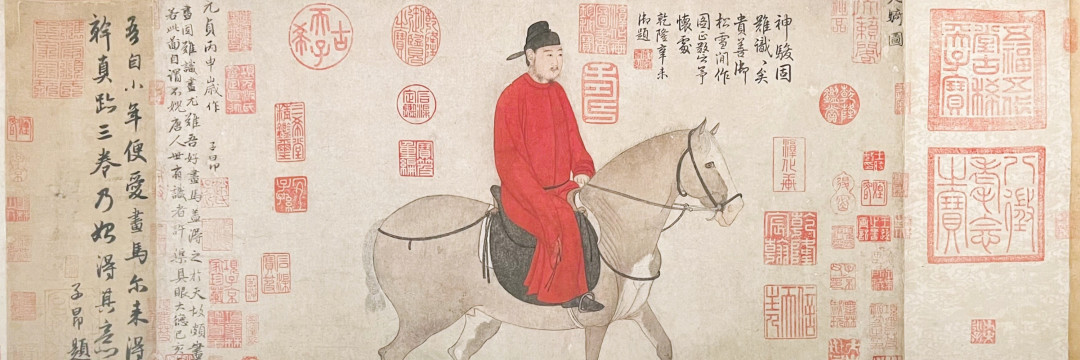
| May 5 | Palace Museum, Hall of Literary Brilliance | Divine Steeds: The World of Horses in Palace Museum Calligraphy and Painting | Through June 21 |
Special Recommendations for Spring 2026:
- 🐎 Divine Steeds at the Palace Museum's Wenhua Dian—short run, go quickly!
- 🎨 Italian Renaissance exhibition at the National Art Museum of China—see Da Vinci and Caravaggio originals without leaving the country
- 🏛️ Li Jingxun and Her Era and Eternal Questions at the National Museum—one explores Sui dynasty aristocratic life, the other delves into the ruins of Pompeii
New Exhibitions Worth Anticipating in Late Spring 2026
If you're planning a trip to Beijing in late spring or early summer, these exhibitions have just opened and are not to be missed:
- ✅ Capital Museum | Corn, Gold, Jaguar: Ancient Maya and Andean Civilizations | May 18–October 18, 2026
- ✅ Summer Palace Museum | Hegemony of Jin: Two Zhou Period Artifacts from Shanxi | April 28–August 9, 2026
- ✅ Tsinghua University Art Museum | Weaving Worlds: Embroidered and Woven Calligraphy and Painting from the Collection | April 15, 2026–April 11, 2027 (a full year, no rush)
- ✅ Beijing Auto Museum | Chasing Light and Shadows: Cars on Screen | May 16–October 31, 2026
- ✅ China Agricultural Museum | Eastern Fine Wood: The Past and Present of Tea | April 15–May 31, 2026
- ✅ Three Hills and Five Gardens Cultural Arts Center | Asia Digital Art Exhibition | March 23–August 16, 2026
[Link: Beijing museum tickets and booking guide 2026]
Peak of Color: A Sensory Revolution at Beijing Minsheng Art Museum
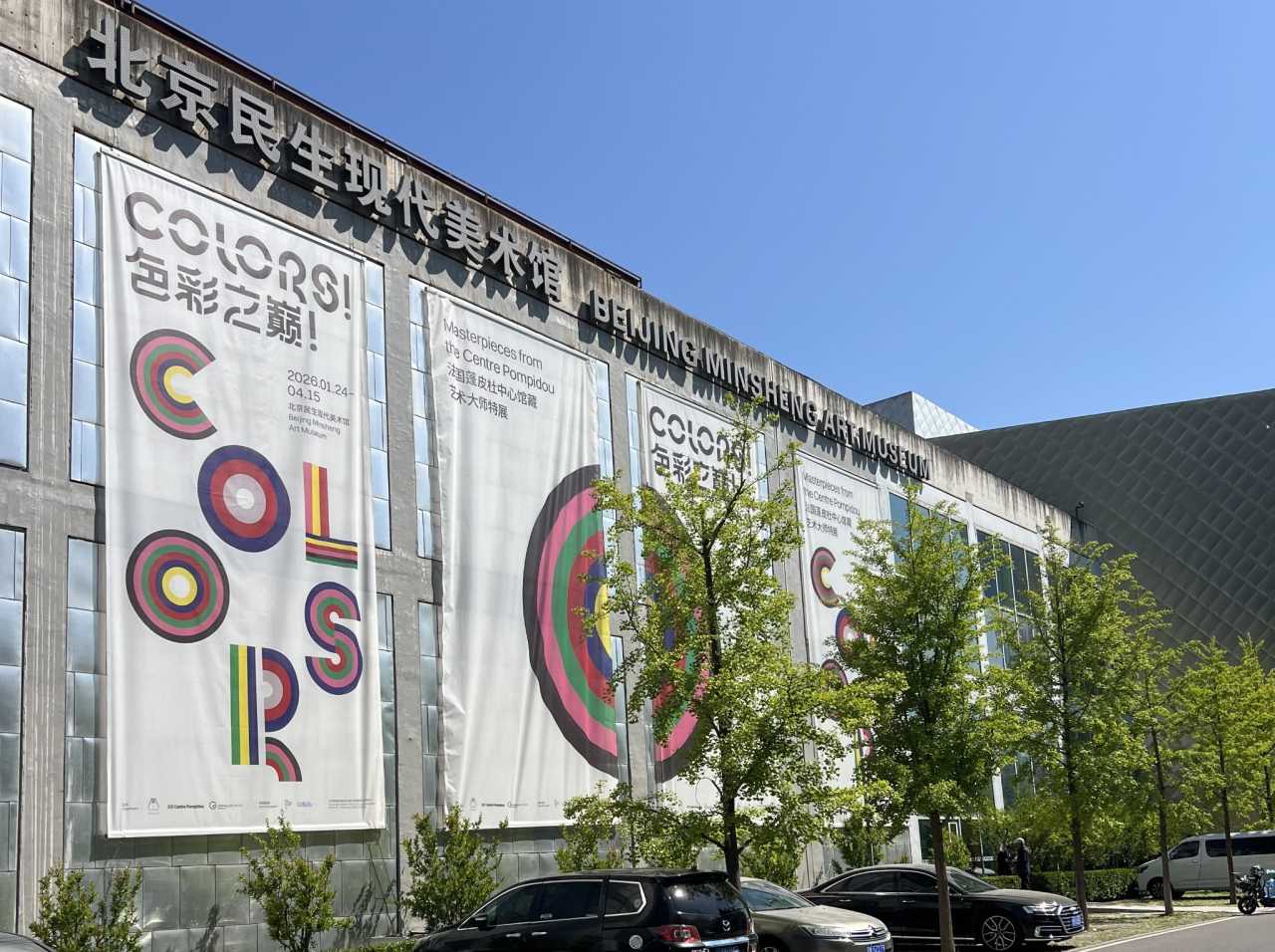
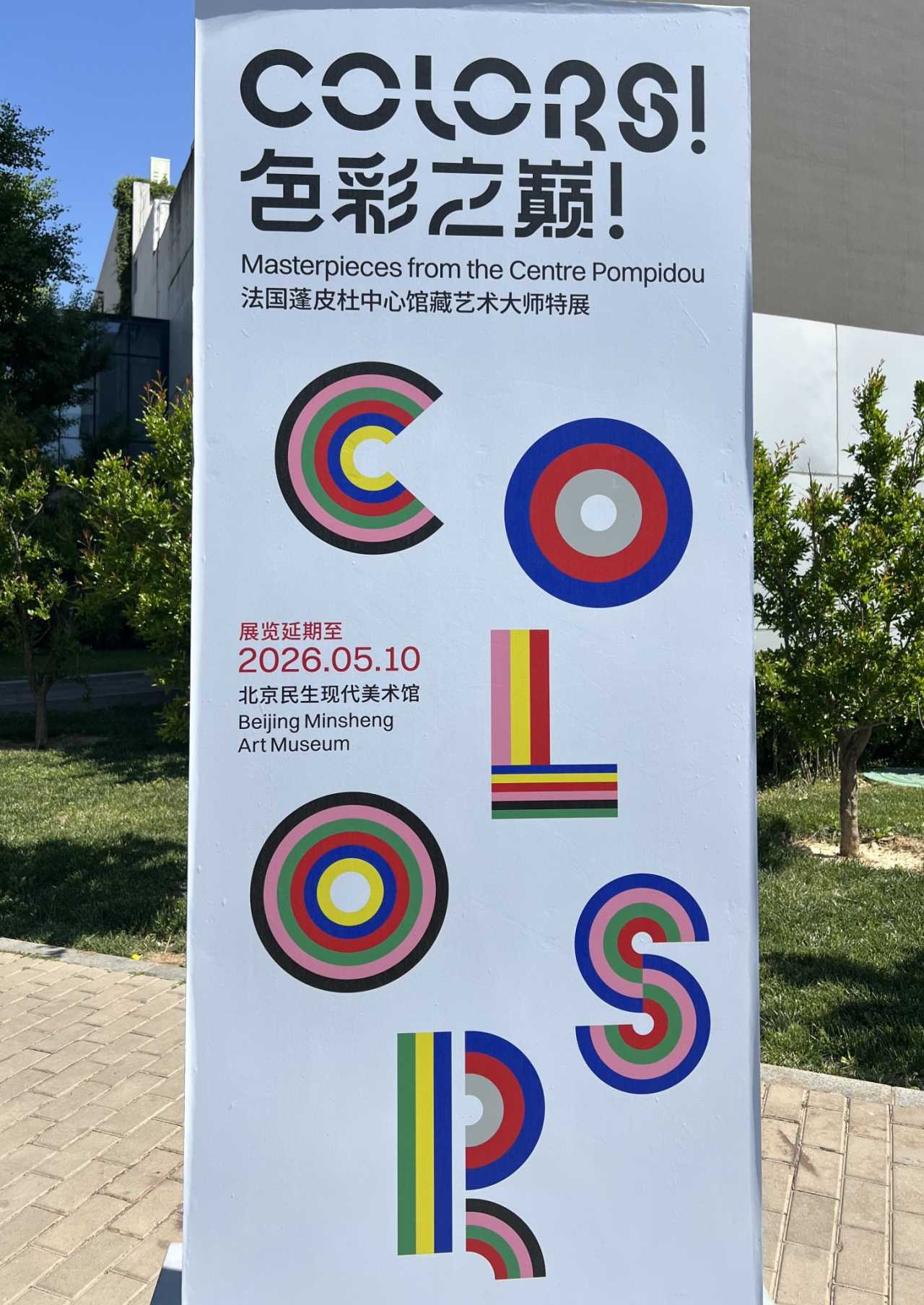
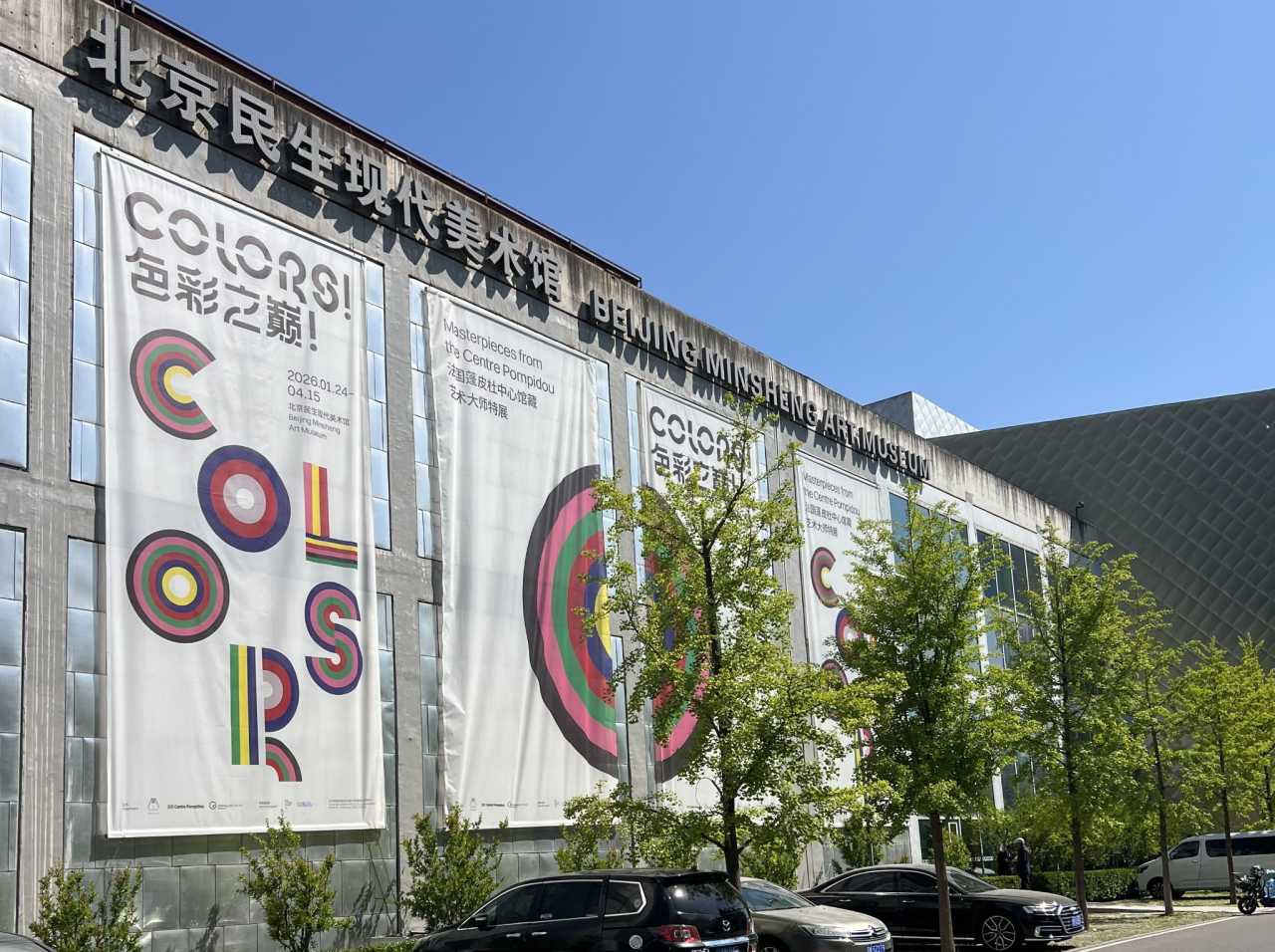
Among all the exhibitions I've seen, Peak of Color at the Beijing Minsheng Art Museum left the deepest impression. This exhibition is not only a major overseas tour during the Pompidou Center's renovation but also an immersive experience that reconstructs modern art history through the lens of color.
Exhibition Snapshot
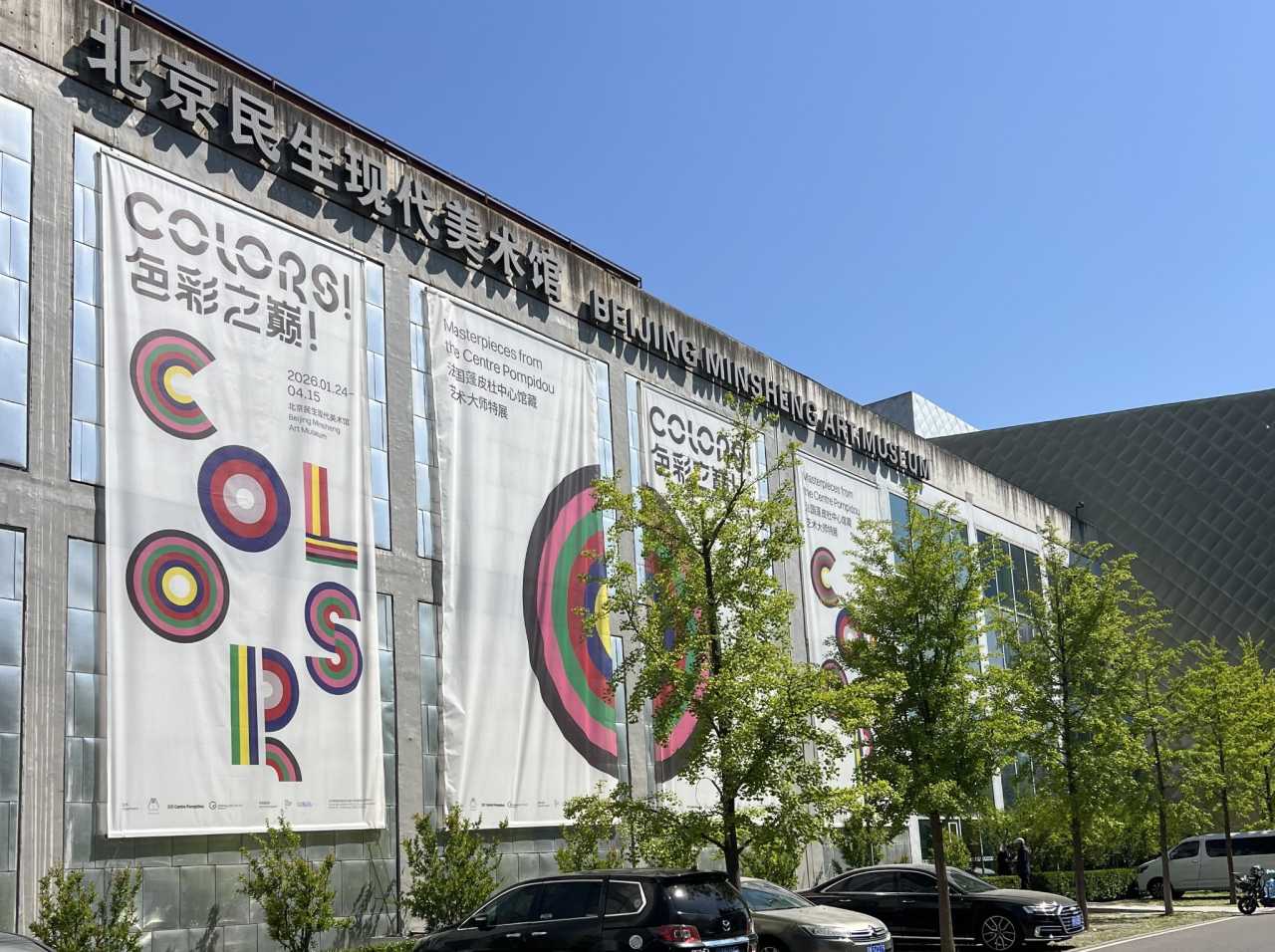
- Location: Beijing Minsheng Art Museum (C7, Hengtong International Innovation Park, 9 Jiuxianqiao North Road, Chaoyang District)
- Dates: Extended through May 2026 (originally January 24–April 15)
- Tickets: General 128 RMB / Weekday 98 RMB / Double 208 RMB / Concession 88 RMB
- Scale: 55 Western masters + 16 contemporary Chinese artists, 86 original works from the collection
- Highlights: Picasso, Matisse, Dalí, Kandinsky, Yves Klein—all major names
Exhibition Highlights: Telling Stories with the Color Wheel
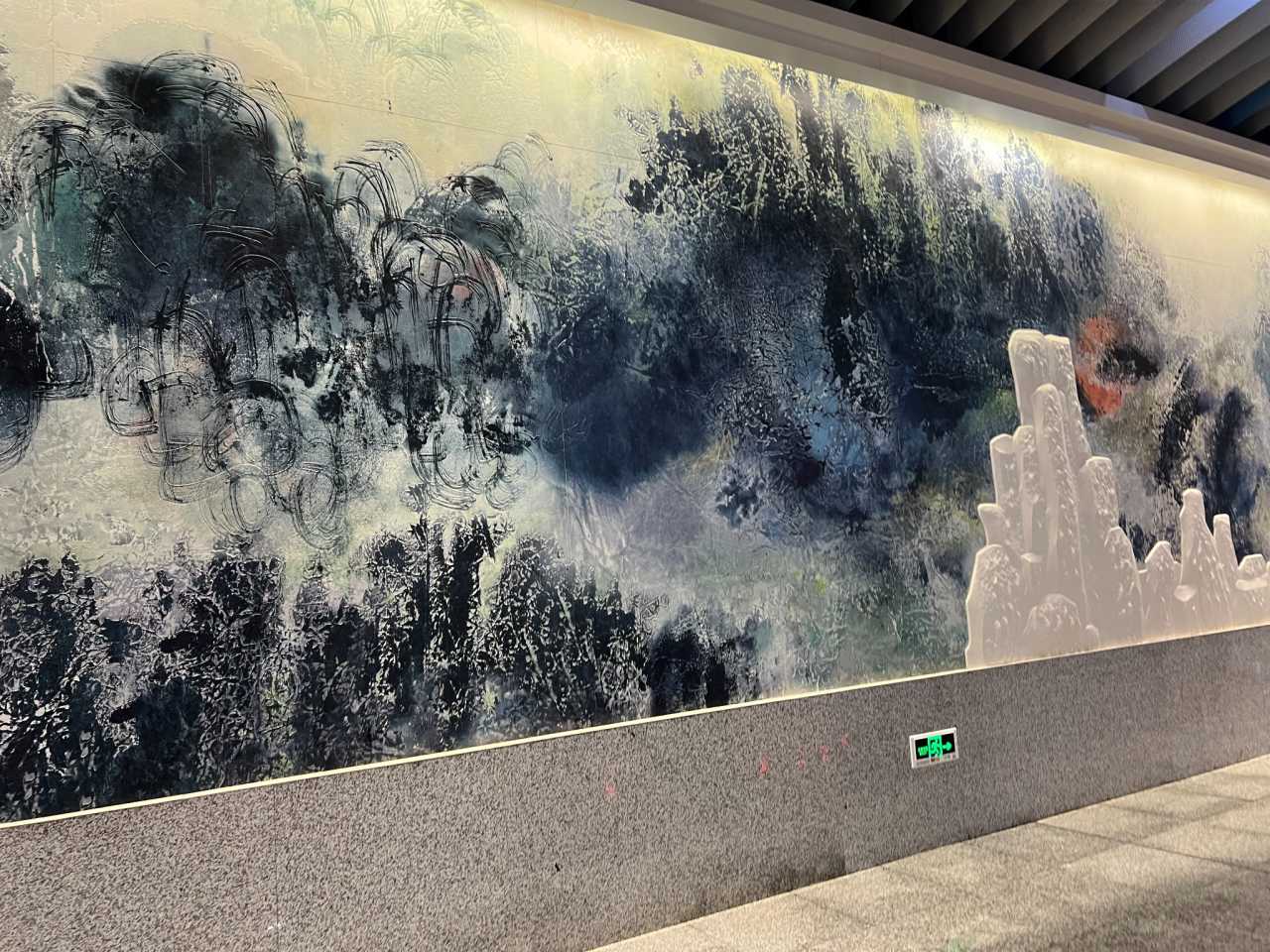
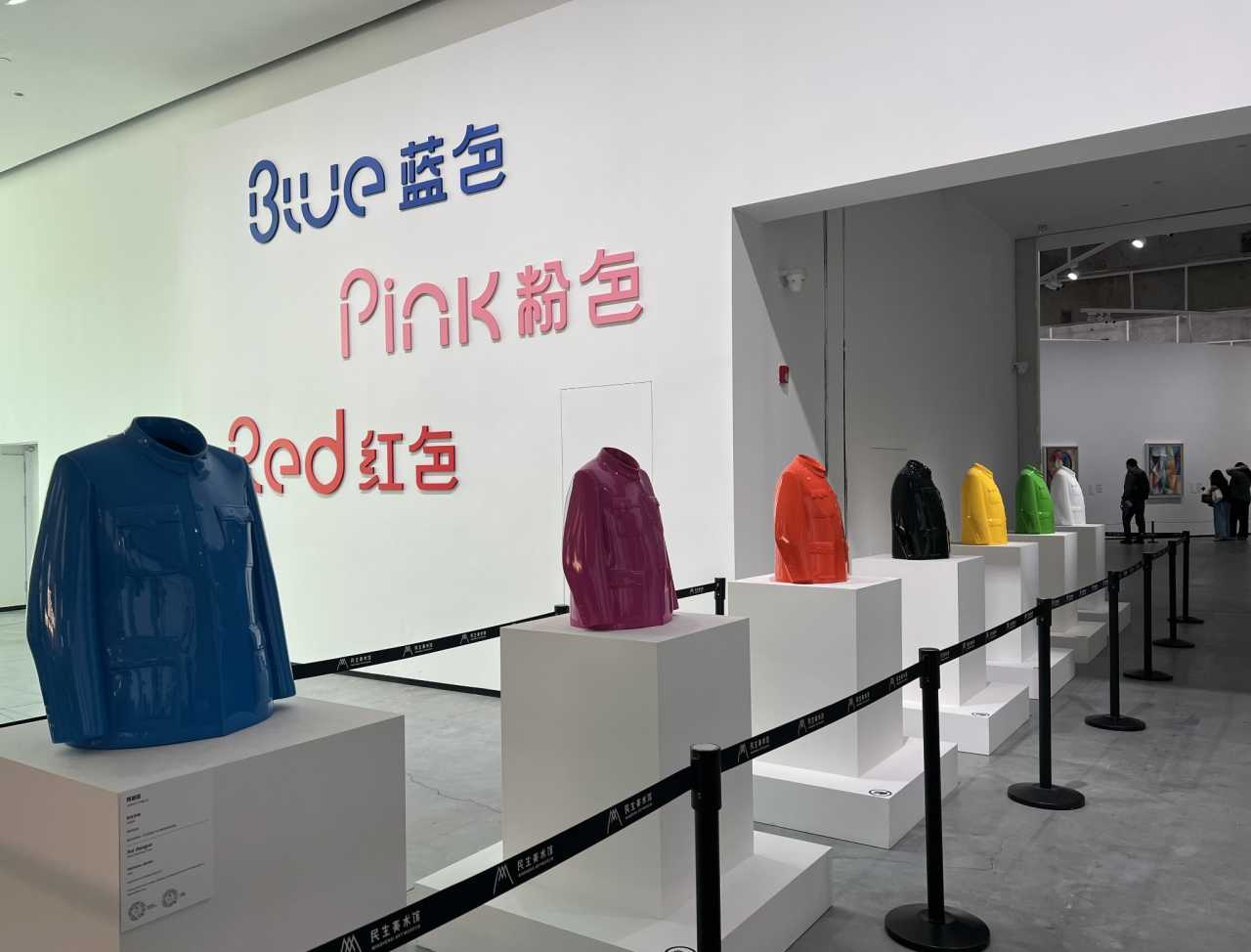
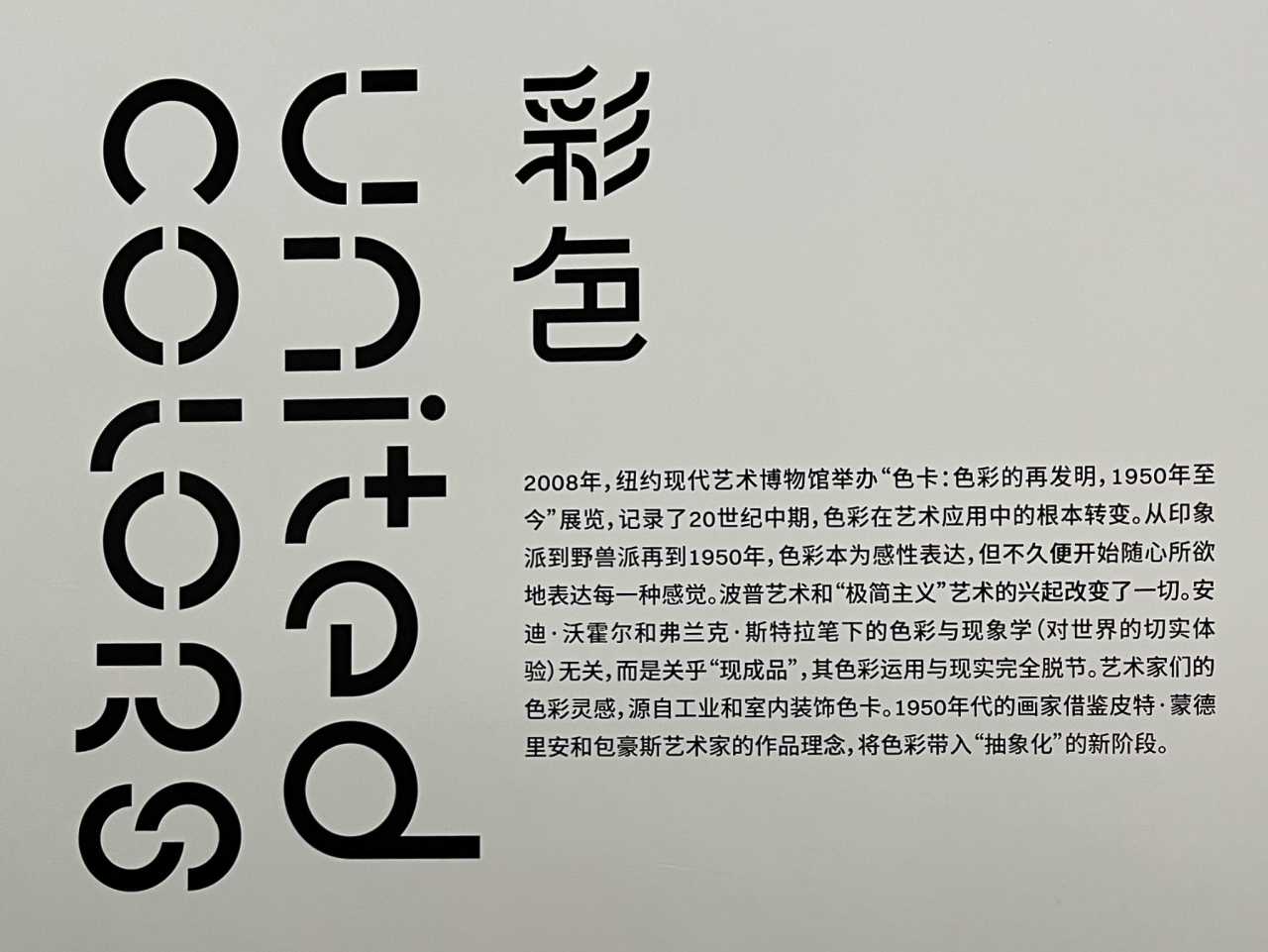
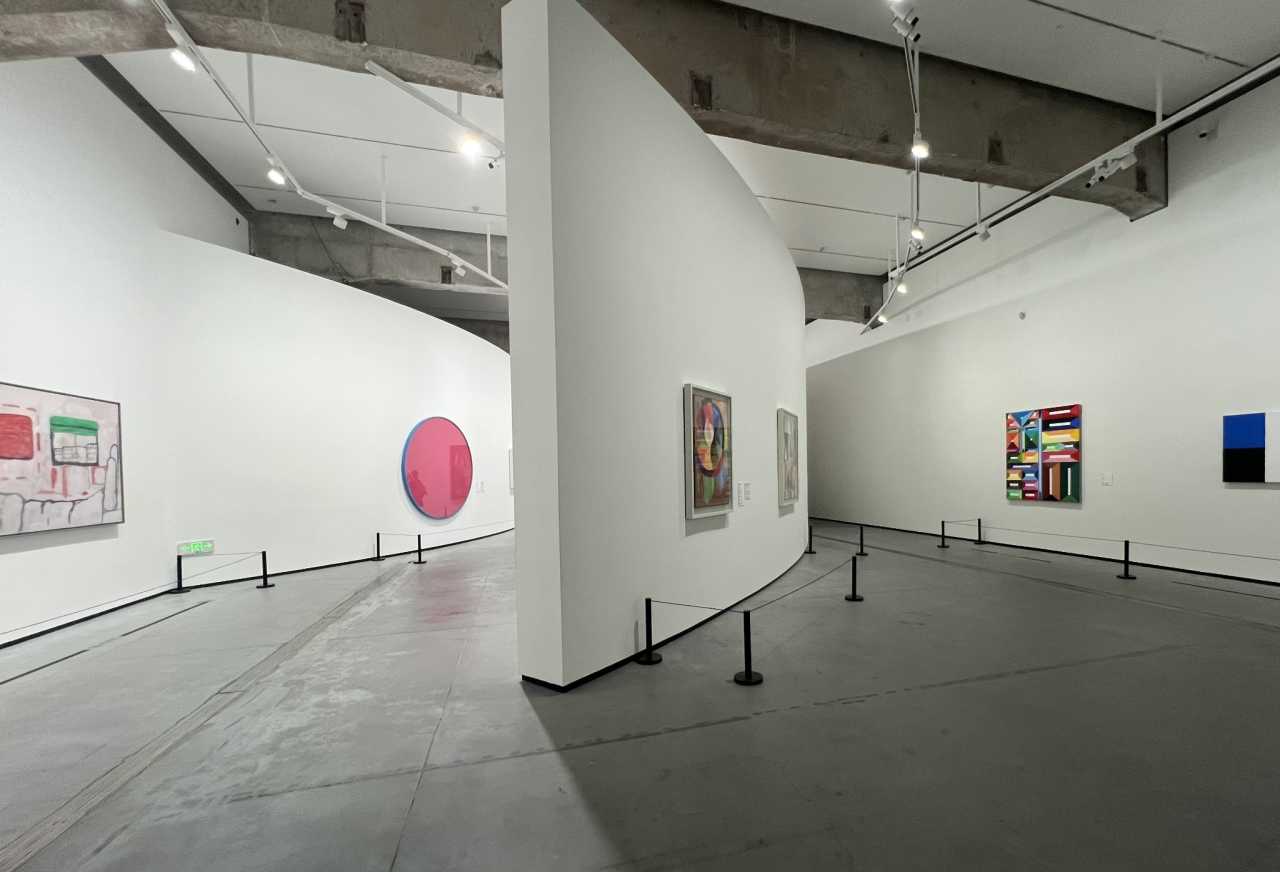
The exhibition is arranged across seven monochrome spaces—red, yellow, blue, white, pink, green, black—plus one multi-color integrated space. Following the logic of the color wheel, it guides you through a century of art history, from Fauvism to Pop Art, from Cubism to Minimalism.
What's even more ingenious: each color zone is accompanied by a custom sound, light, and fragrance design—the blue space features low-frequency, meditative audio, while the pink space is filled with a subtle floral scent. This multi-sensory immersive design means you're not just "looking" at paintings—you're "entering" them.
The Pink Space: Romance and Absurdity Side by Side
Pink sounds gentle, doesn't it? But the pink here harbors some real heavyweights.
- Picasso's Woman Reading (1920): A pale pink background, a woman reading in profile, lines simple and tender. Here, pink represents a private, quiet feminine inner world.
- Dalí's The Rotting Donkey (1928): A dark pink sandy backdrop, a decaying donkey body with ants. Pink reflects the coexistence of death and desire—a surreal metaphor for life and mortality.
- Philip Guston's In Bed (1971): Soft pink base, cartoonish, bulky figures lying in bed. Sweet pink wraps around violence and human absurdity, a sharp critique hidden beneath a gentle surface.
The Blue Space: Meditative Stillness
The blue space was the most immersive zone for me. Yves Klein's IKB 3, Blue Monochrome defines "International Klein Blue"—the entire canvas is covered in an extreme blue, with no figurative imagery whatsoever. It doesn't symbolize anything; the blue itself is the art subject, an embodiment of infinite cosmos and spiritual void.
Joan Miró's The Siesta uses light, translucent blue paired with childlike symbols to create a dreamlike relaxation. Meanwhile, Picasso's Woman in Blue wraps the oppression and loneliness of wartime in cold blue, making you pause for a long time.
The Red Space: Burning Vitality
The centerpiece of the red space—Chaïm Soutine's The Young Waiter—is the exhibition's true masterpiece. The waiter is clad in a blazing red uniform, set against a deep blue-black background, burning like a flame. The paint is applied thickly, like piled-up mud; every fold is a three-dimensional testament to raw emotion.
[Link: Beijing Minsheng Art Museum exhibition schedule]
How to Plan Your Spring Museum Trip in Beijing
Best Time to Visit
 Spring (March–May) offers mild temperatures and fewer crowds compared to summer. Weekdays are ideal for popular museums like the Palace Museum and National Museum.
Practical Tips
- Book tickets in advance: Popular exhibitions sell out quickly, especially during May Day holiday
- Wear comfortable shoes: Museum-hopping involves significant walking
- Allow 2–3 hours per museum: Don't rush—each exhibition deserves time
- Check museum websites: Opening hours and exhibition dates can change
- Combine nearby attractions: Pair the Palace Museum with Jingshan Park, or 798 Art District with the Minsheng Art Museum
[Link: Beijing travel tips for first-time visitors]
FAQ: Spring Museum Visits in Beijing
1. What are the must-see museum exhibitions in Beijing spring 2026?
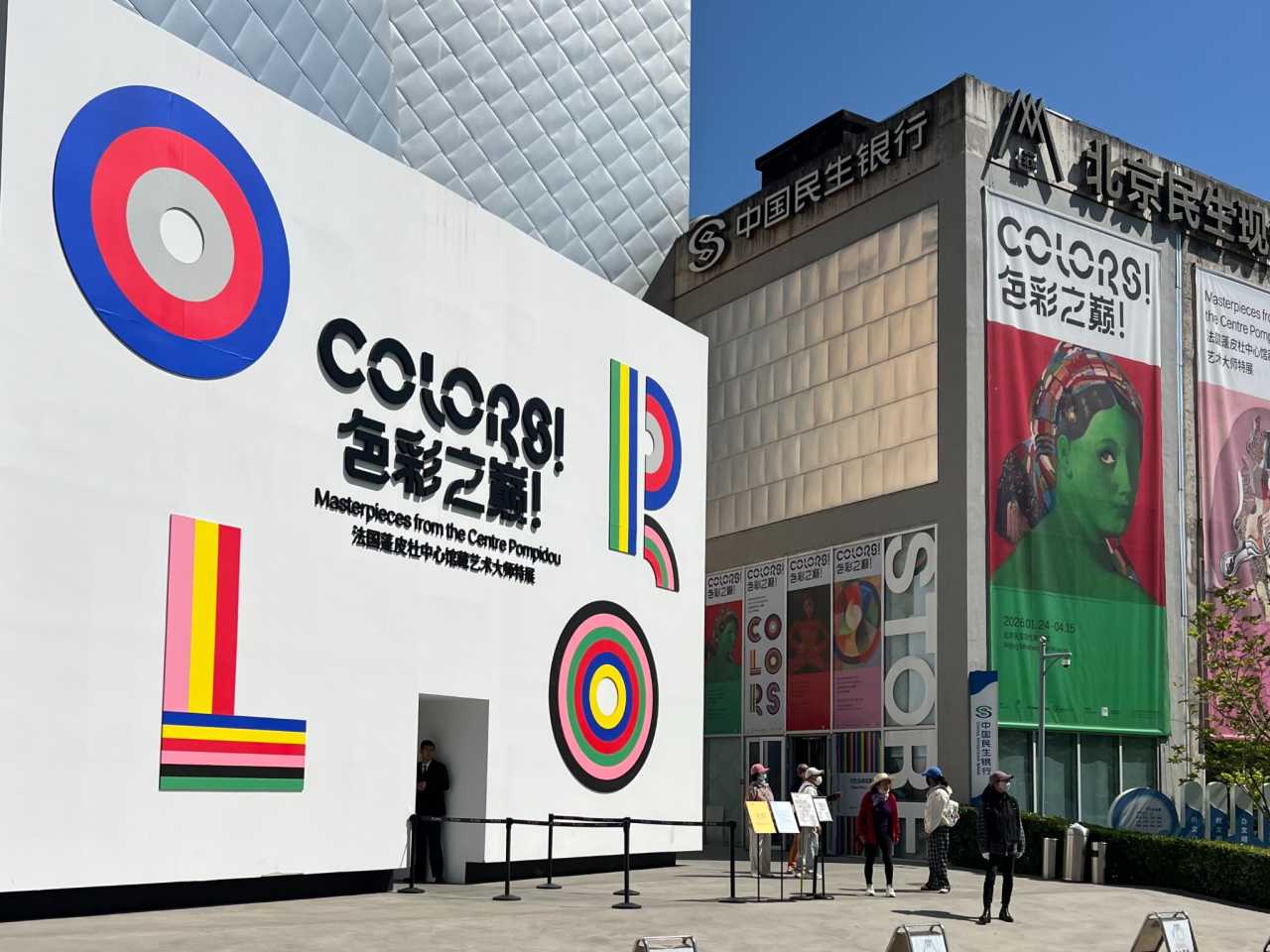 The top recommendations include Divine Steeds at the Palace Museum (through June 21), From Da Vinci to Caravaggio at the National Art Museum of China (through August 28), and Peak of Color at Beijing Minsheng Art Museum (extended through May).
2. How many days do I need to explore Beijing's museums?
 A minimum of 3–5 days is recommended to cover the major museums. For a comprehensive experience including the Palace Museum, National Museum, and art museums, plan for 7–10 days.
3. Are Beijing museums suitable for children?
Yes, many museums offer family-friendly programs. The National Museum and Capital Museum have interactive exhibits, while the Beijing Auto Museum and China Agricultural Museum are particularly engaging for younger visitors.
4. Do I need to book tickets in advance?
 Absolutely. Popular exhibitions like the Italian Renaissance show and Peak of Color often sell out. Book online at least 1–2 weeks ahead, especially for weekends and holidays.
5. What is the best way to get around between museums?
Beijing's subway system is efficient. For museum clusters like the Palace Museum and National Museum (both near Tiananmen), walking is best. Use Didi or taxis for the 798 Art District area.
Conclusion: Your Spring Museum Journey Awaits
Beijing's museums offer more than just artifacts—they offer portals to different times, cultures, and ways of seeing the world. Whether you're drawn to ancient Chinese bronzes, Renaissance masterpieces, or cutting-edge contemporary art, the city's spring 2026 exhibition lineup has something for everyone.
Don't wait until it's too late. Many exhibitions have limited runs, and tickets sell fast. Start planning your museum itinerary today, and experience the profound journey that awaits within Beijing's halls of civilization.
👉 Book your museum tickets now and discover why Beijing is truly a city of millennia.
[Link: Beijing museum ticket booking platform] [Link: Beijing spring travel guide 2026] [Link: Top 10 museums in Beijing]
You should also read:
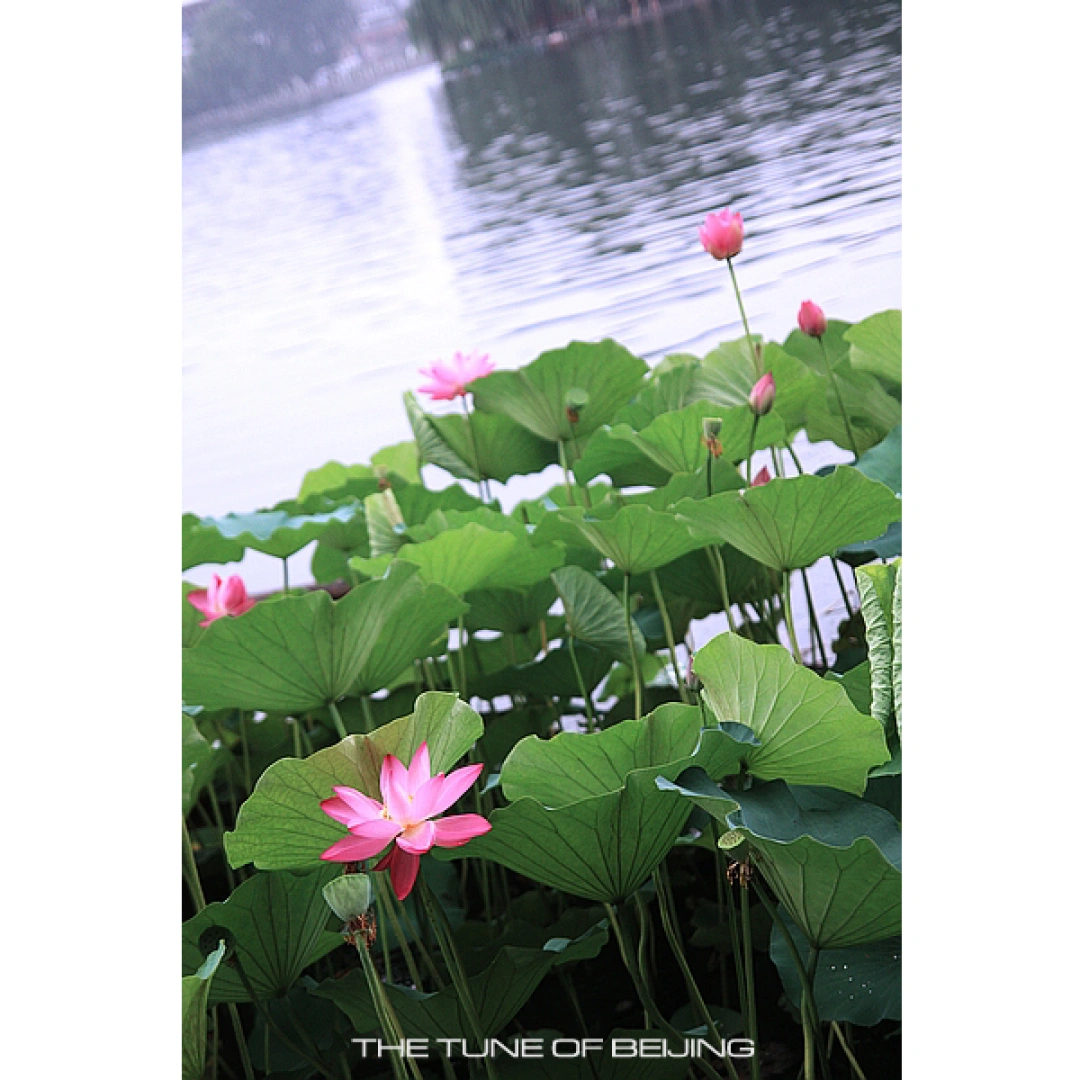
The Accent of Beijing: A Hutong Odyssey in a Downpour – Exploring Beijing's Hidden Charms
Meta Description: Discover Beijing's soul through a rain-soaked hutong odyssey. From Shichahai's melancholy to Mianhua Hutong's philosophy, experience the authentic "accent of Beijing" in this immersive travel story. I'm probably going to laze myself to death. I visited Beijing eight hundred years ago—took the high-speed…
Continue reading...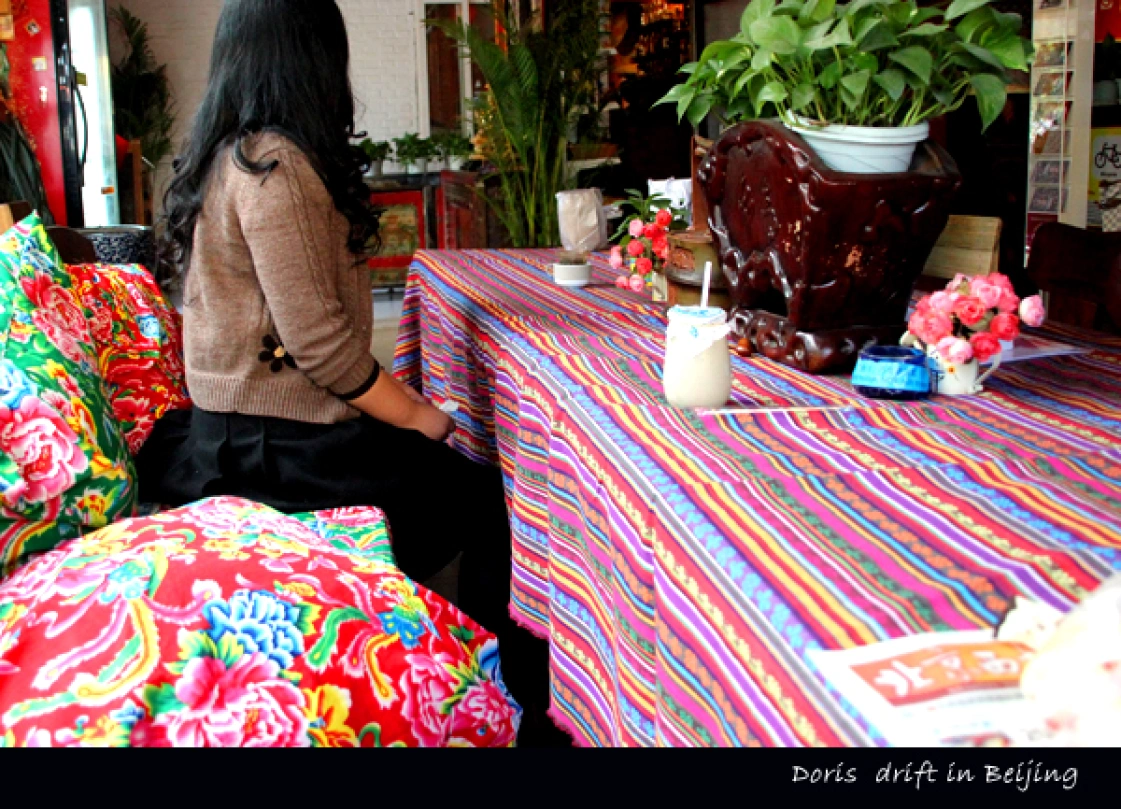
Peking: A Seven-Day Journey Between Old Dreams and New Realities – An SEO-Optimized Travel Guide
Meta Description: Explore Beijing in 7 days: from 798 Art District and Summer Palace to Houhai nightlife and Panjiayuan market. Discover hidden gems, local eats, and travel tips in this SEO-optimized itinerary. Some cities you never set foot in, yet you have painted them in…
Continue reading...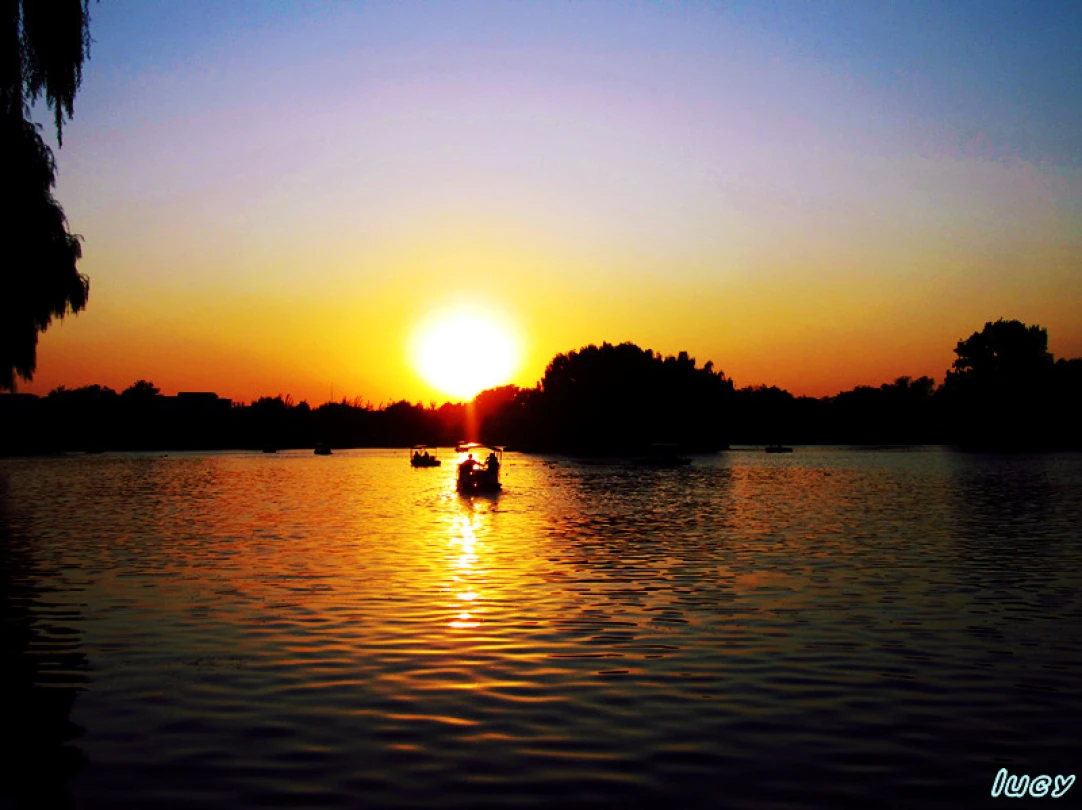
A Solo Journey Through Beijing: One Girl's Seven-Day Adventure
Here is the SEO-optimized, rewritten article based on your source material. It is structured for high readability, keyword density, and user engagement, targeting approximately 1500 words. SEO Title: Solo Travel in Beijing: One Girl’s 7-Day Budget Adventure (2,000 Yuan Itinerary) Meta Description: Discover the ultimate…
Continue reading...