Spring in Beijing: Discovering the Capital's Most Beautiful Season Through Four Weekends
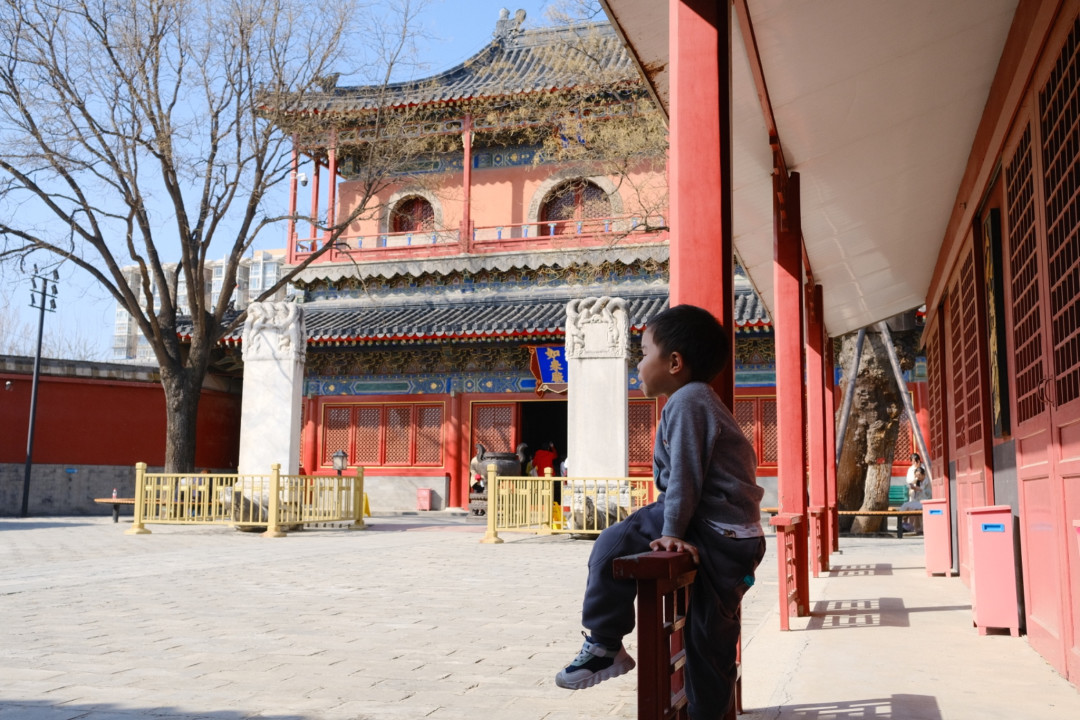
Meta Description: Explore Beijing in spring with this 4-weekend guide to hidden gems like Left Peace Gate Watchtower, Eternal Stability Gate Park, and Swallow Mound. Discover the capital's most beautiful season through local parks, ancient architecture, and serene moat-side walks.
March in Beijing is the gentlest time of year. The radiators may have been turned off, but the spring breeze has arrived; willow branches are sprouting fresh green shoots, and mountain peach blossoms are poised to burst into bloom. This ancient capital, with its thousand-year history, has finally awakened from the long winter.
The 2026 Lunar New Year came late, and after the holiday, I tacked on five more days of annual leave. By the time my little boy and I returned to Beijing from Nanning, it was already early March. We'd spent a full seventeen days traveling north and south, and my son had even accompanied his mother on a trip abroad. Logically, our spring travel plans could have taken a backseat. But spring in Beijing is far too short—and far too beautiful. For those not plagued by pollen allergies, the months from March to April represent one of this city's most enchanting seasons.
I'd noticed in previous years that the outer moat area around Beijing's city walls had been impressively renovated. The water was clear, and both banks were lush with flowers and greenery. The "Twenty-Four Solar Terms" pocket park near the south gate of the Temple of Heaven had left a deep impression on me. Then, by chance, I stumbled upon a video introducing the Left Peace Gate (Zuo'anmen) watchtower and its library in Dongcheng District. The images showed it sitting right by the moat, and I felt an immediate pull to visit.
So off we went.
Little did I know that this spring exploration of Beijing, starting from Left Peace Gate watchtower, would stretch across four consecutive weekends. As my wife put it: "We actually haven't gone to Hebei for a whole month!"
Weekend 1: Left Peace Gate Watchtower – A Friendly Neighbor's Welcome
Left Peace Gate (Zuo'anmen) was once one of the three major gates of Beijing's outer city. Compared to the reconstructed Eternal Stability Gate (Yongdingmen) on the central axis, its fame and attention are naturally far lower. But this very understatedness gives it a certain "friendly neighbor" appeal.
Historical Context of Left Peace Gate

Left Peace Gate was first built during the Jiajing period of the Ming Dynasty (1522–1566). Its gate tower, city walls, arrow tower, and barbican were all demolished in 1953—about three or four years earlier than Eternal Stability Gate. This indirectly confirms a historical reality: the dismantling of Beijing's city gates and walls was, at the time, a reluctant necessity, not a mindless "smash everything" campaign.
Today, where Left Peace Gate once stood, the area inside the Second Ring Road is taken up by the diagonal Left Peace Gate Inner Street (Zuo'anmen Nei Dajie), while outside the ring road lies Fangzhuang Road, flanked by Longtan Lake Park. Traffic is relatively light. To be honest, conditions exist for reconstructing Left Peace Gate, but there's clearly no need. Even the Left Peace Gate watchtower was rebuilt using funds raised independently by Dongcheng District—nothing like the scale and attention given to Eternal Stability Gate.
The Watchtower and Library: Modern Reading in an Ancient Building
The Left Peace Gate watchtower is a genuine reconstruction—the original structure had naturally collapsed back in the 1930s. Due to shifts in the moat's course, the rebuilt structure sits about a dozen meters inward from its original position. Still, thanks to the successful UNESCO World Heritage inscription of Beijing's Central Axis and other favorable developments, Dongcheng District made use of this "leftover" corner by the moat to carry out the reconstruction.
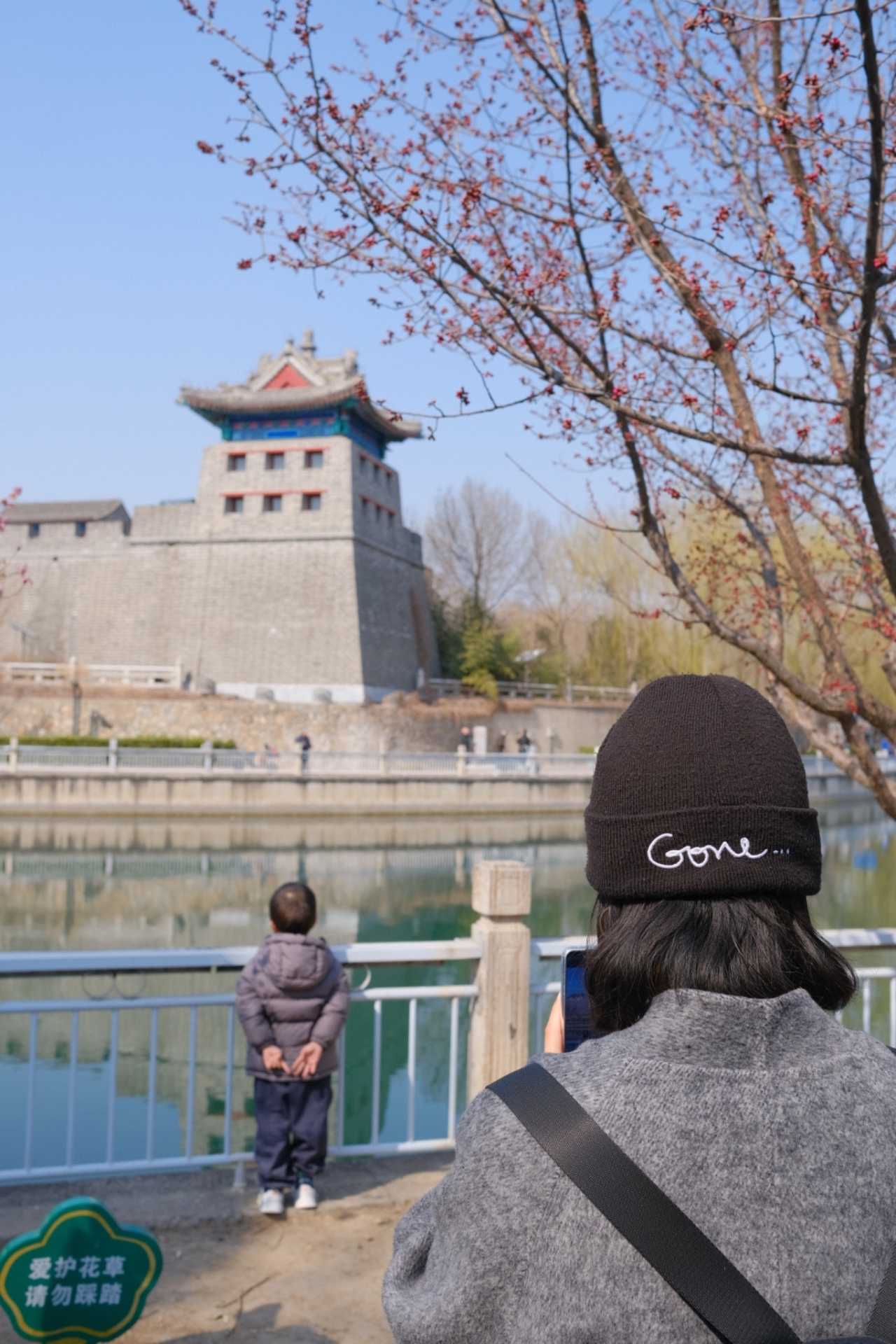
Seeing it in person, I had to admit: the moat, the green pathways, the roaring traffic on the Second Ring Road, and this imitation ancient building all complement each other, together highlighting Beijing's unique charm as a millennium-old capital.
The interior of the watchtower now serves as a branch of the Dongcheng District Library, with two floors. The first floor features a reading area, exhibition space, and activity room. When we visited, there was an exhibition of shadow puppet figurines alongside displays of old Beijing New Year customs. The second floor is a reading room containing not only regular books but also magazines and newspapers, covering a wide age range. At midday on the weekend, all ten or so reading seats were fully occupied—a clear sign of the place's appeal to local residents.
To be honest, even if I weren't a local resident, I'd be happy to come here every day to read and relax, time permitting.
Practical Tip: There's no parking near Left Peace Gate watchtower, making driving extremely inconvenient. Longtan Lake Park also lacks dedicated parking. Vehicles from surrounding old residential areas are parked in roadside spots along Left Peace Gate Inner Street—spaces are incredibly hard to find. I later discovered that Baiguoyuan Road (about a kilometer from the watchtower) has a multi-story parking garage, though rates are high—a last resort.
[Link: Best parks in Beijing for spring walks]
Weekend 2: Eternal Stability Gate Park – A Peaceful Retreat Amid the Bustle
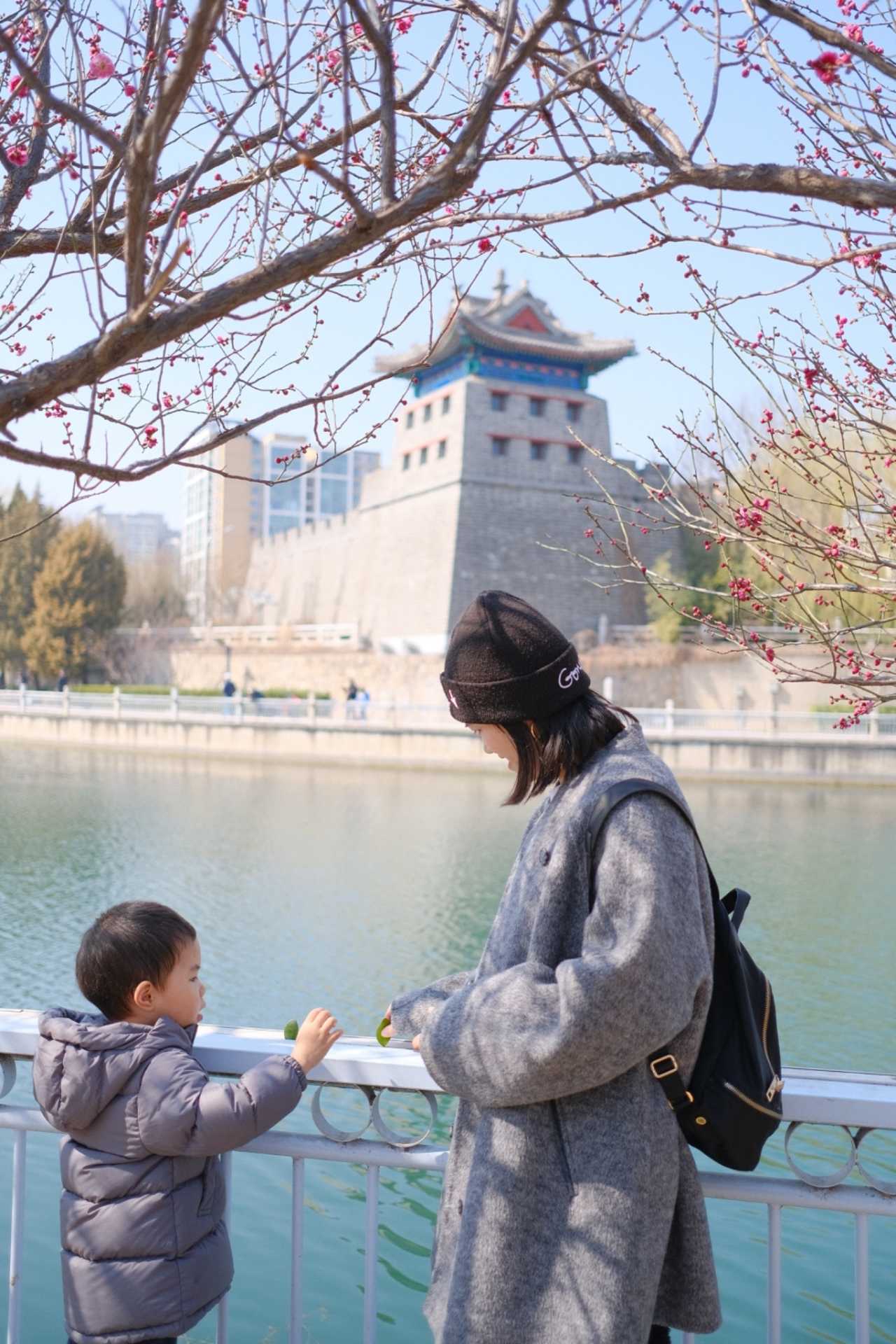
The last time I visited Eternal Stability Gate (Yongdingmen) was in 2022. Back then, I was drawn by the lack of crowds and tranquility—it was a good place for my pregnant wife to stretch her legs. Nearly four years later, returning here, I found that the street park around Eternal Stability Gate's tower was still just as quiet—a rare pocket of serenity in the midst of bustling city life.
And this is inside the Second Ring Road, mind you. Just a few steps away is Tianqiao (the "Heavenly Bridge" area), and it's only a ten-minute bike ride to Qianmen Street.
The Reconstruction Question
One thing that puzzled me: Eternal Stability Gate's tower was only completed in its reconstruction in 2004, yet by the end of 2025 it was already undergoing a year-and-a-half-long major overhaul—having "served" for barely over twenty years. One can't help but wonder: would such construction quality have been considered a "shoddy project" in ancient times?
A Linear Park on the Central Axis
Still, I genuinely enjoy this linear street park at Eternal Stability Gate. Wrapped between Eternal Stability Gate Inner Street and the moat, with traffic roaring outside and a different world within, it feels like a place detached from its surroundings.
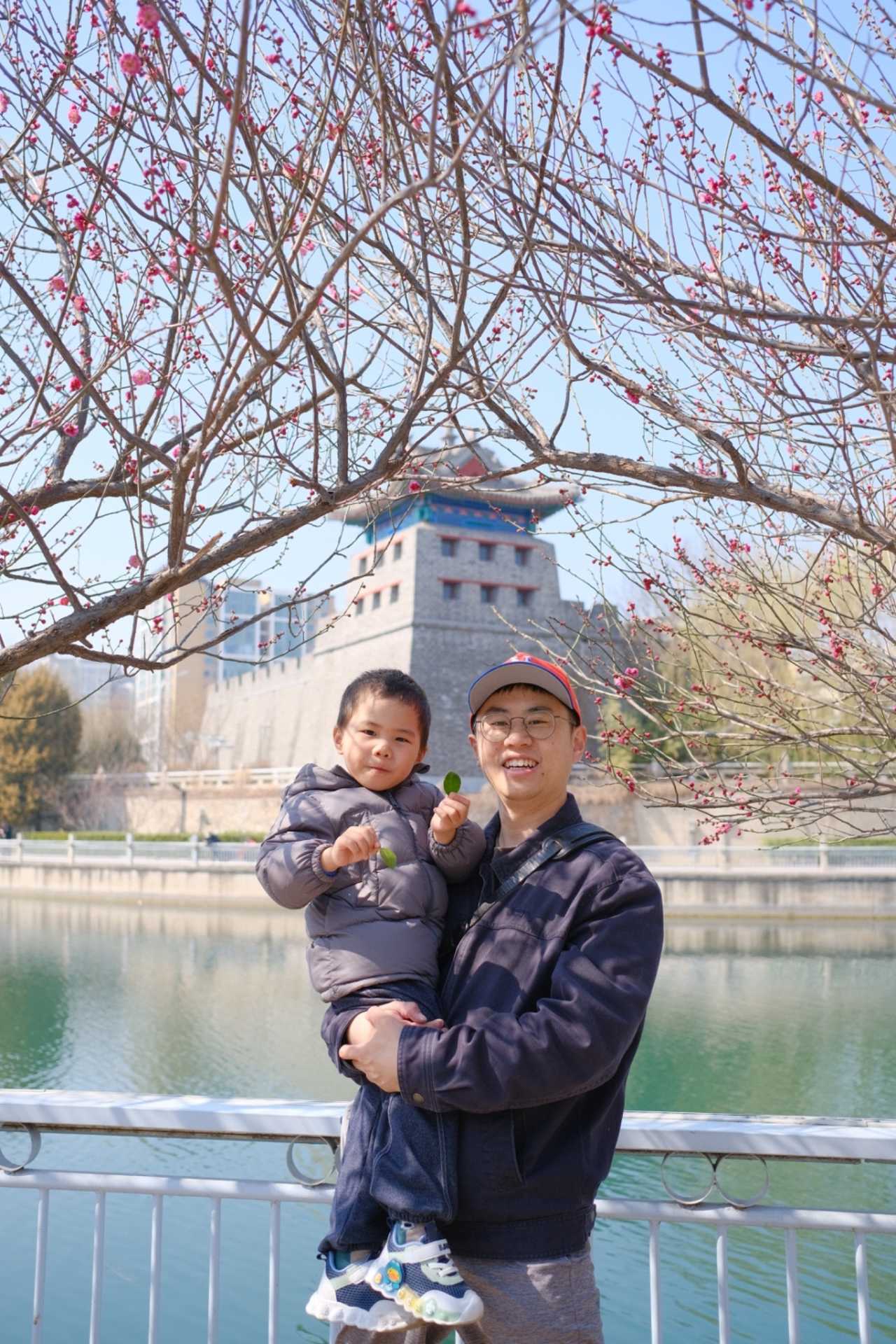
The park stretches about 800 meters from north to south. At its center lies a clearly marked "Beijing Central Axis" —the slightly raised "Imperial Path" beneath your feet is the actual UNESCO-recognized Central Axis itself. The park has green spaces and benches. Magnolia trees grow in the lawns—unfortunately, by the time we visited, the magnolias were past their peak bloom, so we only caught the tail end.
Pro tip for spring visitors: Visit Eternal Stability Gate Park in late March to catch the magnolias at their peak. The park is especially photogenic during golden hour (4–5 PM) when the low sun illuminates the tower and moat.
[Link: Best time to visit Beijing's Central Axis sites]
Weekend 3: Swallow Mound Park – A Hidden Gem on the Central Axis
Outside Eternal Stability Gate stands a brick platform topped with a stone stele. I first noticed it on a business trip back from Tianjin, as the Beijing-Tianjin Intercity train slowly pulled into Beijing South Station—I spotted it through the window. Later, I looked it up and discovered its significant history.
The Five Town Guardians of Beijing
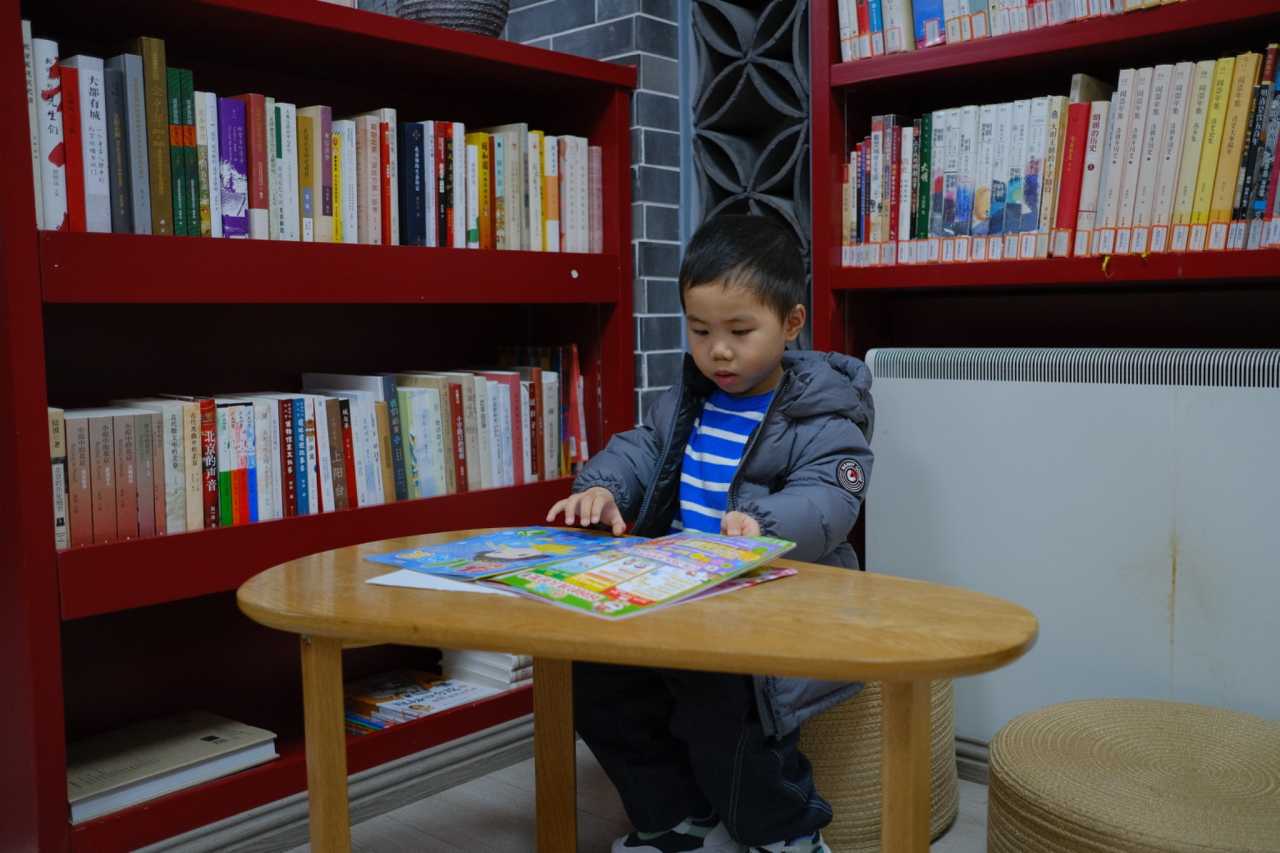
Swallow Mound (Yandun) was first built during the Yuan Dynasty (1271–1368) and served as one of the "Five Town Guardians" of Beijing during both the Yuan and Ming periods. The "Five Guardians" concept drew from the Five Elements—Wood (East), Fire (South), Metal (West), Water (North), and Earth (Center)—with guardian stones placed in corresponding directions around the capital. The southern guardian, associated with Fire, was Swallow Mound.
Today, of the five guardians, only the Eastern Wood guardian has been lost; the other four remain. Besides Swallow Mound, these include: - Bronze Ox at Kunming Lake in the north - Great Bell at the Great Bell Temple (Dazhongsi) in the west - Jingshan (Coal Hill) at the city's center
However, compared to the other three, Swallow Mound is far less well-known.
How to Visit Swallow Mound Park
Walking from Eternal Stability Gate Park to Swallow Mound Park requires crossing the moat and the South Second Ring Road. The park itself is small but historically rich—ideal for a quick visit combined with a longer stroll through Eternal Stability Gate Park.
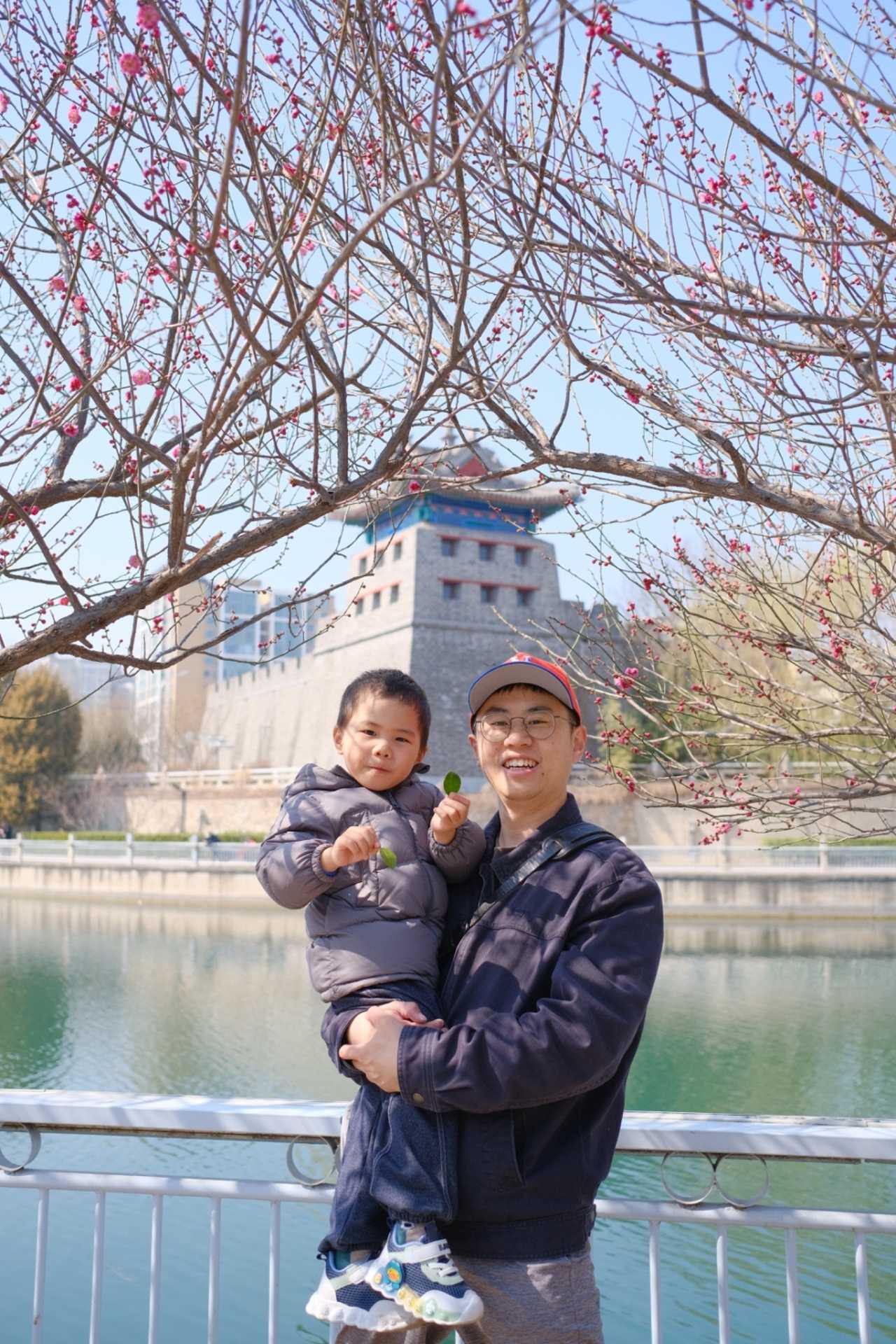
Spring highlights at Swallow Mound: The park's lawns are dotted with early-blooming flowers, and the views of the moat and Eternal Stability Gate tower from the platform are stunning. It's a perfect spot for a quiet picnic or reading break.
[Link: Lesser-known historical sites in Beijing]
Weekend 4: Tying It All Together – A Spring Itinerary for Beijing
After four weekends exploring these interconnected sites, I realized that spring in Beijing is best experienced not as a single destination, but as a series of gentle discoveries. Here's how to combine these locations into a perfect spring day:
Suggested One-Day Spring Route
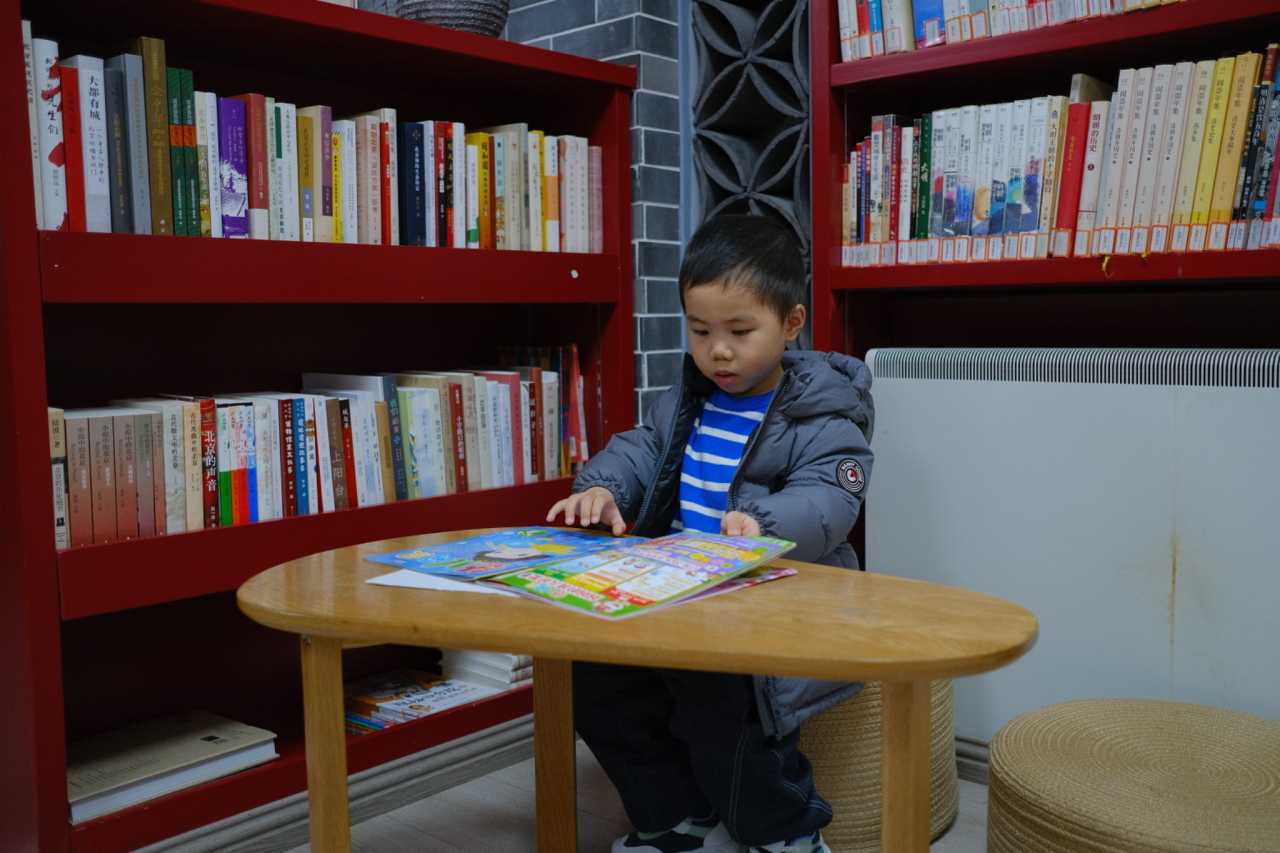
- Morning (9–11 AM): Start at Left Peace Gate Watchtower. Explore the library, enjoy the moat-side walk, and snap photos of the ancient-modern contrast.
- Late Morning (11 AM–12:30 PM): Walk or bike along the moat path toward Eternal Stability Gate Park. The distance is about 2 kilometers—pleasant in spring weather.
- Lunch (12:30–1:30 PM): Grab a bite at a local restaurant near Tianqiao or Qianmen Street.
- Afternoon (1:30–3 PM): Visit Swallow Mound Park for its historical significance and quiet atmosphere.
- Late Afternoon (3–5 PM): Return to Eternal Stability Gate Park for golden hour photography and a final moat-side stroll.
Why Spring Is the Best Season for This Route
- Mild temperatures (10–20°C / 50–68°F) perfect for walking
- Blooming flowers (magnolias, peach blossoms, cherry blossoms)
- Fewer crowds compared to autumn peak season
- Clear skies after winter pollution clears
FAQ: Spring in Beijing
Q: When is the best time to see spring flowers in Beijing? A: Late March to mid-April is ideal for magnolias, peach blossoms, and cherry blossoms. The exact timing varies by year, so check local bloom forecasts.
Q: Are these sites accessible by public transportation? A: Yes. Left Peace Gate Watchtower and Eternal Stability Gate Park are both near subway stations on Line 14 and Line 8 respectively. Swallow Mound Park is a short walk from Beijing South Station (Subway Line 4).
Q: Is there parking available near these locations? A: Parking is extremely limited near Left Peace Gate Watchtower and Eternal Stability Gate Park. Use public transit or ride-sharing services. The Baiguoyuan Road parking garage is a last resort for Left Peace Gate.
Q: How long should I spend at each site? A: Left Peace Gate Watchtower (including library) – 1–2 hours; Eternal Stability Gate Park – 1–1.5 hours; Swallow Mound Park – 30–45 minutes. Combine them for a half-day outing.
Q: Are these sites suitable for families with children? A: Yes. The moat-side paths are stroller-friendly, and the library at Left Peace Gate has children's reading areas. The parks have open spaces for kids to run.
Your Spring in Beijing Awaits
Beijing's spring is fleeting—barely six weeks from first bloom to full green. But within that window lies a city transformed: the moat sparkles, the ancient gates stand proud, and the parks offer quiet corners where history and nature meet.
Whether you're a first-time visitor or a long-time resident, these four weekends of exploration will show you a Beijing you've never seen before. Start at Left Peace Gate Watchtower, wander along the moat, and let the spring breeze guide you.
Ready to plan your spring visit? Bookmark this guide, check the bloom forecasts for late March, and pack your walking shoes. Beijing's most beautiful season is waiting.
[Link: Spring travel tips for Beijing first-timers]
Have you visited any of these spring spots in Beijing? Share your experience in the comments below—or tag us in your photos using #SpringInBeijing.
You should also read:
Beijing: From Deep Autumn to Early Winter – Discover Hidden Seasonal Beauty in China's Capital
Meta Description: Explore Beijing's transition from autumn to winter through personal stories and hidden gems. Discover Western Hills sunrises, Forbidden City snow scenes, and authentic hutong experiences in this SEO-optimized travel guide. Beijing isn't just a city of history and politics—it's a living, breathing entity…
Continue reading...
Lost in Beijing for Seven Days: A Solo National Day Journey Through the Capital
Meta Description: Discover how to survive—and thrive—during China's Golden Week in our SEO-optimized Beijing travel guide. From hidden hutongs to imperial palaces, this 7-day solo itinerary reveals crowd-avoidance secrets, budget tips, and must-visit attractions. Some say traveling during National Day is asking for trouble. But…
Continue reading...
A Winter Journey in Beijing: Romance and Misery at Minus Five Degrees – An SEO-Optimized Travel Guide
Meta Description: Discover the romance and misery of a winter trip to Beijing at -5°C. Explore snowy Jingshan Park, historic hutongs, and budget-friendly tips for a 4-day Spring Festival adventure. Some say Beijing is a city you both love and hate. You love its profound…
Continue reading...