Spring of the Jia-Chen Year·A Six-Year Pact: My Third Journey to the Imperial City, Rediscovering Beijing in the Cracks of Time
Here is the SEO-optimized, rewritten article based on your source material. It is structured to rank for keywords related to "Beijing travel guide 2024," "May Day Beijing itinerary," and "post-pandemic travel tips."
SEO Title: Beijing Travel Guide 2024: Surviving May Day, Reservations & A 5-Day Itinerary
Meta Description: Planning a trip to Beijing in 2024? From mandatory reservations to night cycling bans, discover how to navigate the post-pandemic capital. A detailed 5-day itinerary for the Jia-Chen Year.
Beijing Travel Guide 2024: Surviving May Day, Reservations & A 5-Day Itinerary
Born and raised in Shanghai, I have always harbored an inexplicable obsession with the imperial city of the north. For me, travel is about city hikes, ancient trail treks, and photography. In the spring of 2024, as the winds of the Jia-Chen year swept through the capital, my wife "Huahua Cat" and I embarked on our third trip to Beijing. This was not a spur-of-the-moment impulse, but a long-planned reunion—eleven years after my first solo venture into the city.
This Beijing travel guide 2024 is designed to help you navigate the new realities of visiting China’s capital, especially during peak seasons like the May Day holiday.
Why Did We Choose May Day, of All Times?
To be honest, we had just returned from a trip to Xuzhou and Zaozhuang, our bodies still carrying the fatigue. But fate decided to surprise us when it came to grabbing tickets. Anyone who has tried to snatch train tickets during the May Day holiday knows that heart-pounding tension—a single second’s delay and you miss the boat. My wife and I had already prepared to drive, reasoning that while traffic jams are terrible, they’re better than having no tickets at all.
Yet, our luck felt almost unreal. We managed to secure high-speed rail tickets for the outbound journey, and the return tickets too, all in one go. Later, someone told us that buying tickets for the full route on high-speed trains is relatively easier—a perfect example of "planting willows unintentionally, and they grow into shade." Since fate had willed it, we gladly accepted the invitation—and so our third trip to Beijing was settled.
From a Basement to a Reservation System: Beijing's Transformation Over Eleven Years

First Time: 2013, A Rookie's Rough Start
In 2013, I visited Beijing for the first time. Back then, I was a greenhorn traveler, easily fooled into staying at a tiny, filthy basement hotel—200 yuan a night, with a musty smell hitting me as soon as I opened the door. But young and reckless, I dropped my luggage and immediately launched into "hiking mode."
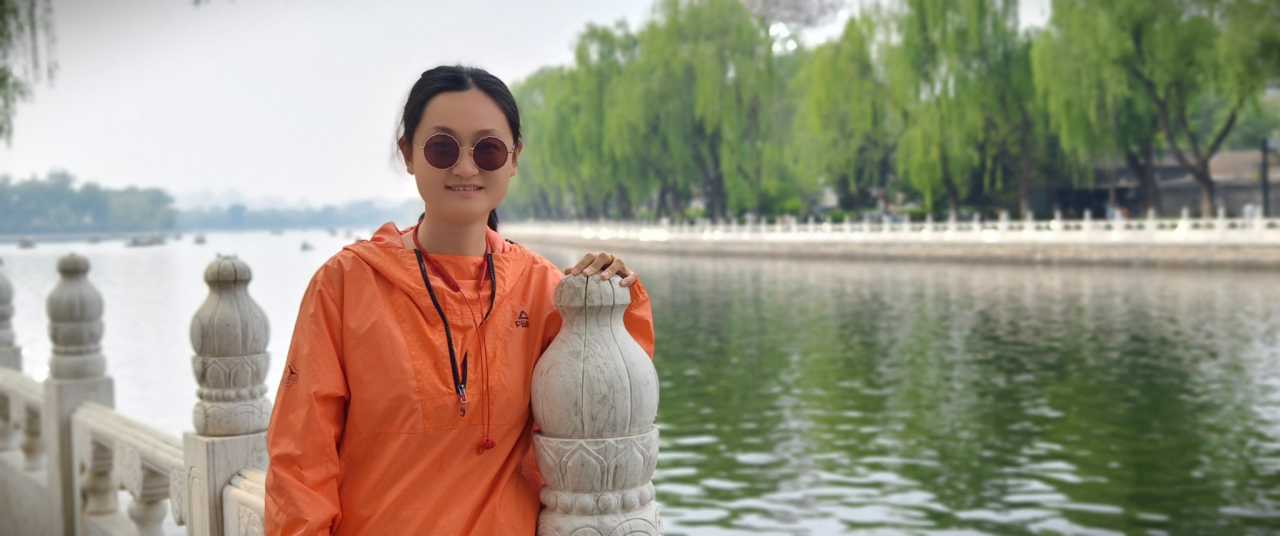
Beihai Park, the Forbidden City, Tiananmen Square—back then, none of Beijing's attractions required reservations; you could buy tickets on the spot and walk right in. Tiananmen Square had no security checks. I arrived at 5:30 AM, jogged all the way to the flag-raising spot, and still managed to squeeze into the front rows. Looking back now, that was practically a "golden age." These days, don't even think about 5:30—I've heard people start queuing as early as 11 PM the night before, waiting eight hours just to watch the flag-raising ceremony. The post-pandemic travel enthusiasm can only be described as "insane."
Second Time: 2018, Retracing the Imperial City with My Wife
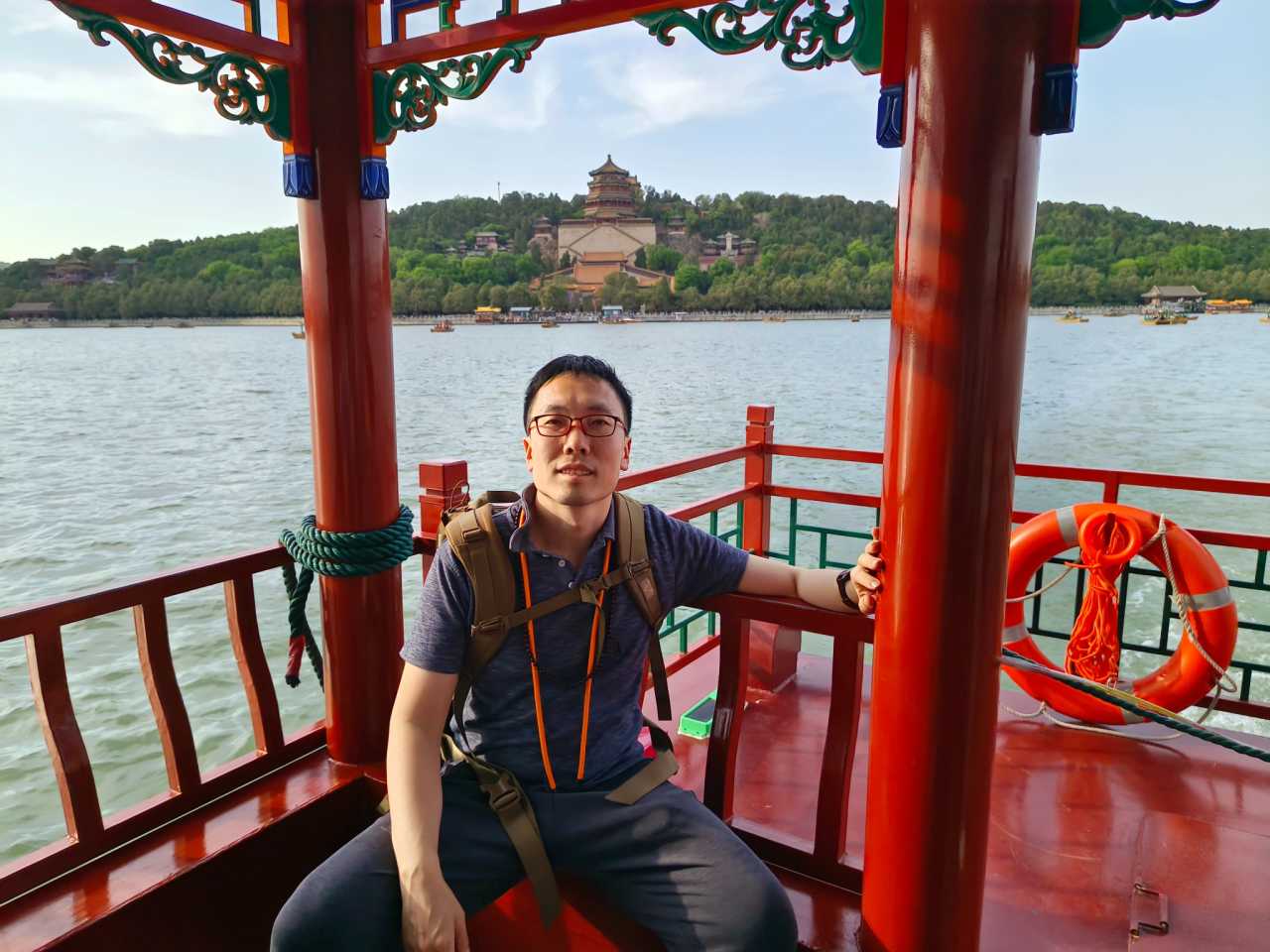
In 2018, I came to Beijing for the second time, and this time I had company—my wife, "Huahua Cat." She had never been to Beijing before, so I took her on a route that was almost a carbon copy of my first trip: the Forbidden City, Tiananmen Square, Beihai Park, plus the Prince Gong Mansion, the Lama Temple, and the Old Summer Palace. That whirlwind tour exhausted me, but the experience was much better than the first time. At least we stayed in a proper hotel, not that moldy basement.
Third Time: 2024, A World of Change
This time, eleven years had passed since my first visit. Beijing's Subway Lines 1 and 2 were still the same, but everything else had changed. The reservation system had become the norm, ID cards were the "passport" to everything, and even Tiananmen Square required booking through a mini-program. From "come and go as you please" to "reserve and scramble for tickets," the city's travel ecosystem had been completely reshaped. [Link: How to use WeChat mini-programs for travel]
Surviving May Day in Beijing: A Must-Know Guide
1. Reservations Are King, Tardiness Is Taboo
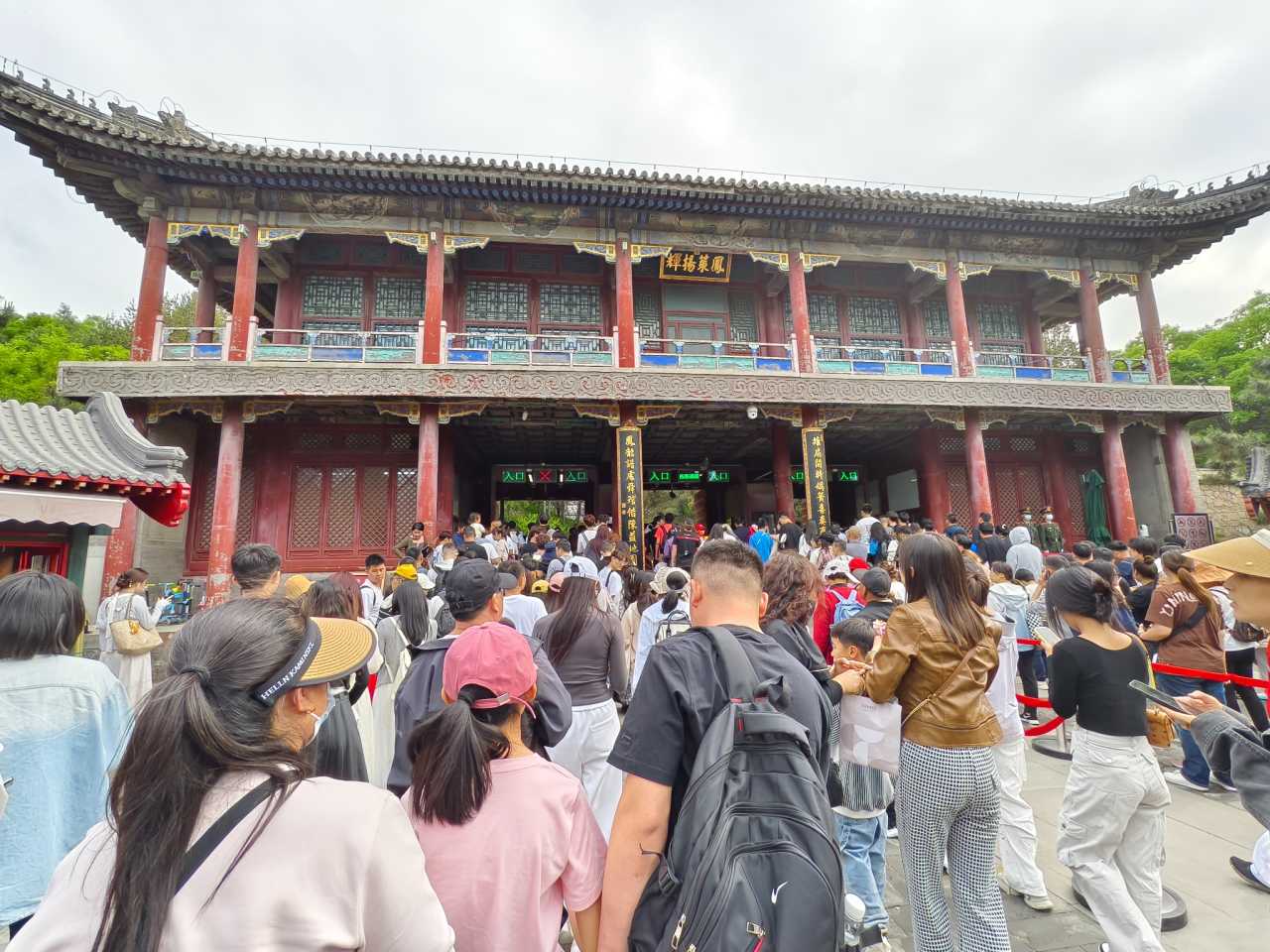
Take the Forbidden City, for example. It's divided into two time slots: morning (8:30 AM–12:00 PM) and afternoon (11:00 AM–4:00 PM). If you're late or show up at the wrong time, you'll be turned away at the gate. And whatever you do, don't arrive right on the dot—after 11:00 AM, the morning and afternoon crowds converge at the Meridian Gate, and you might wait an hour just to get to the ticket checkpoint. If you're a procrastinator, book the afternoon slot without hesitation—at least you won't be roasting under the sun in anxious anticipation.
2. Subway Stations Skip, Walking Is the Way
During the May Day holiday, the Tiananmen East and Tiananmen West subway stations will skip stops. To get to Tiananmen Square, the Forbidden City, or the National Museum, you'll need to get off at Wangfujing Station and then walk about two stops. Don't underestimate this walk—with the crowds and traffic lights, it takes much longer than you'd think. From Wangfujing to Tiananmen Square, it's about 4 kilometers, a 30-minute walk, plus at least another 30 minutes for queues. Taking a taxi? Forget it. With May Day traffic controls and Beijing's notorious congestion, hailing a cab is just asking for trouble.
3. Night Cycling Around Tiananmen? Don't Even Think About It
I had been dreaming of cycling around Tiananmen at night, but during the May Day holiday, Tiananmen Square is under traffic controls, and cycling is banned in the surrounding area. Every major holiday, this "romantic plan" gets shelved.
4. Crossing the Street Is a "Technical Skill"
Beijing's traffic has an interesting quirk: vehicle lanes, bike lanes, and pedestrian walkways are clearly separated. But near Tiananmen, some roads allow cars and bikes but prohibit pedestrians. Trying to return to our hotel from Wangfujing, I could see the square right across the street, but there was no way to cross. Eventually, I had a brainwave—turn right onto a side street, grab a shared bike, and ride across. For someone like me, who's lived in Shanghai my whole life, this method of crossing the street felt like a "Beijing-exclusive specialty."
Itinerary: Five Days, Four Nights, Filling in the Gaps
Transportation Tip: High-Speed Rail Is Your Best Bet
Beijing's airports are too far from the city center, so flying isn't recommended. Departing from Shanghai, I recommend the G2 high-speed train, which leaves from Shanghai Station and only stops at Changzhou, Nanjing, and Jinan—arriving in Beijing in just 4.5 hours. Leave at 7:00 AM, and you'll be there by noon—perfect timing.
DAY 1: The Summer Palace—Crowds and Tranquility at the Foremost Garden
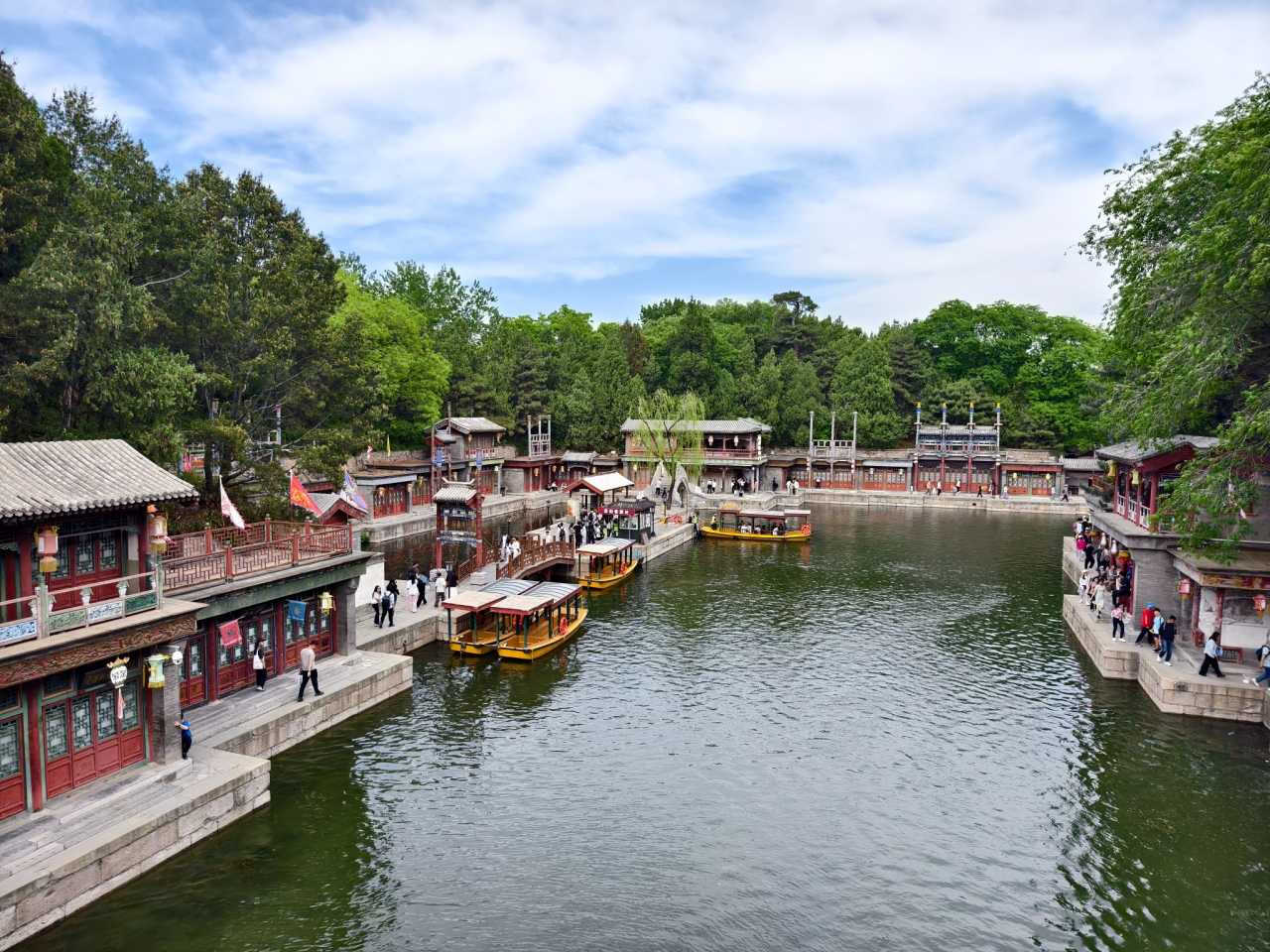
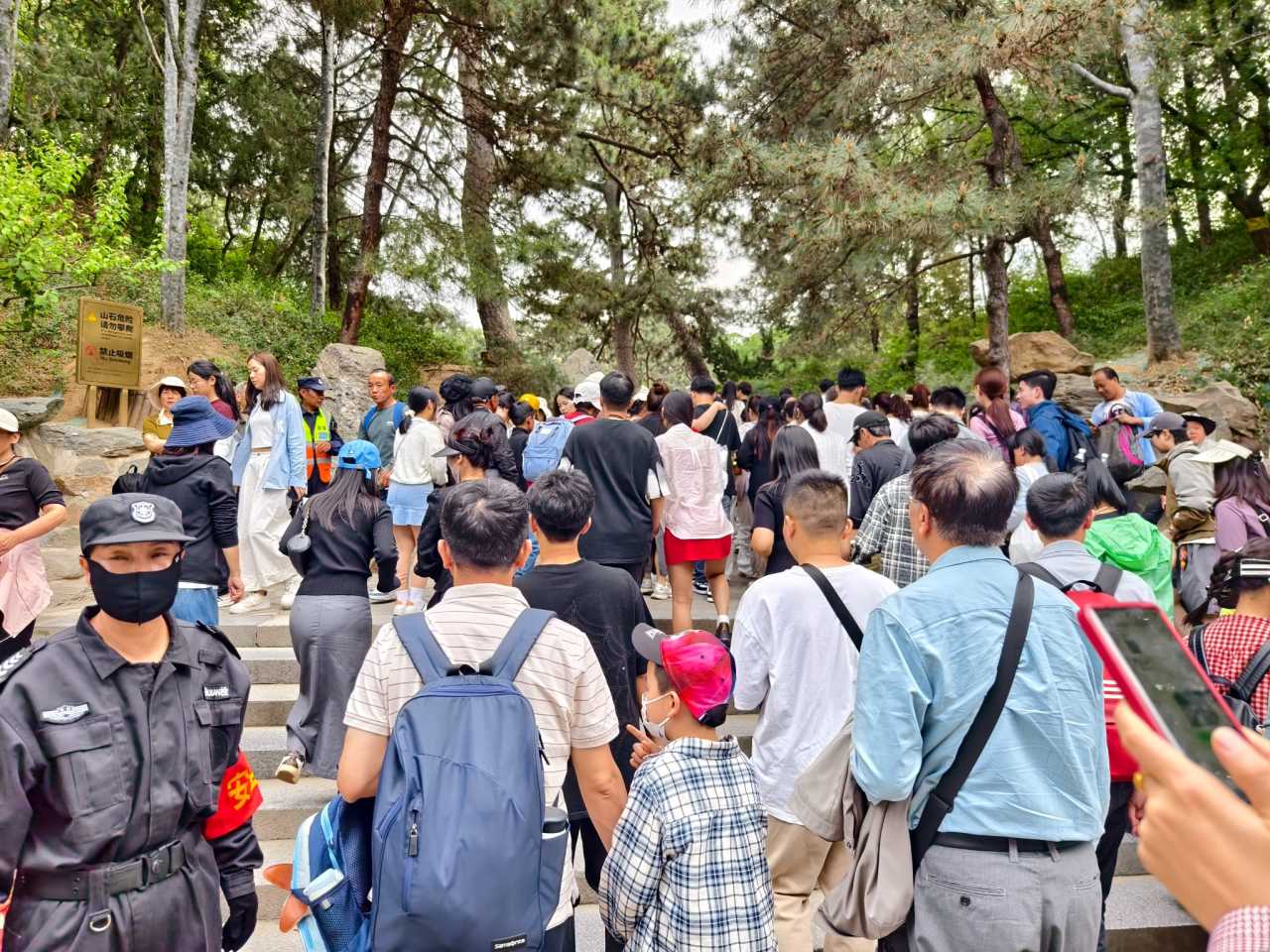
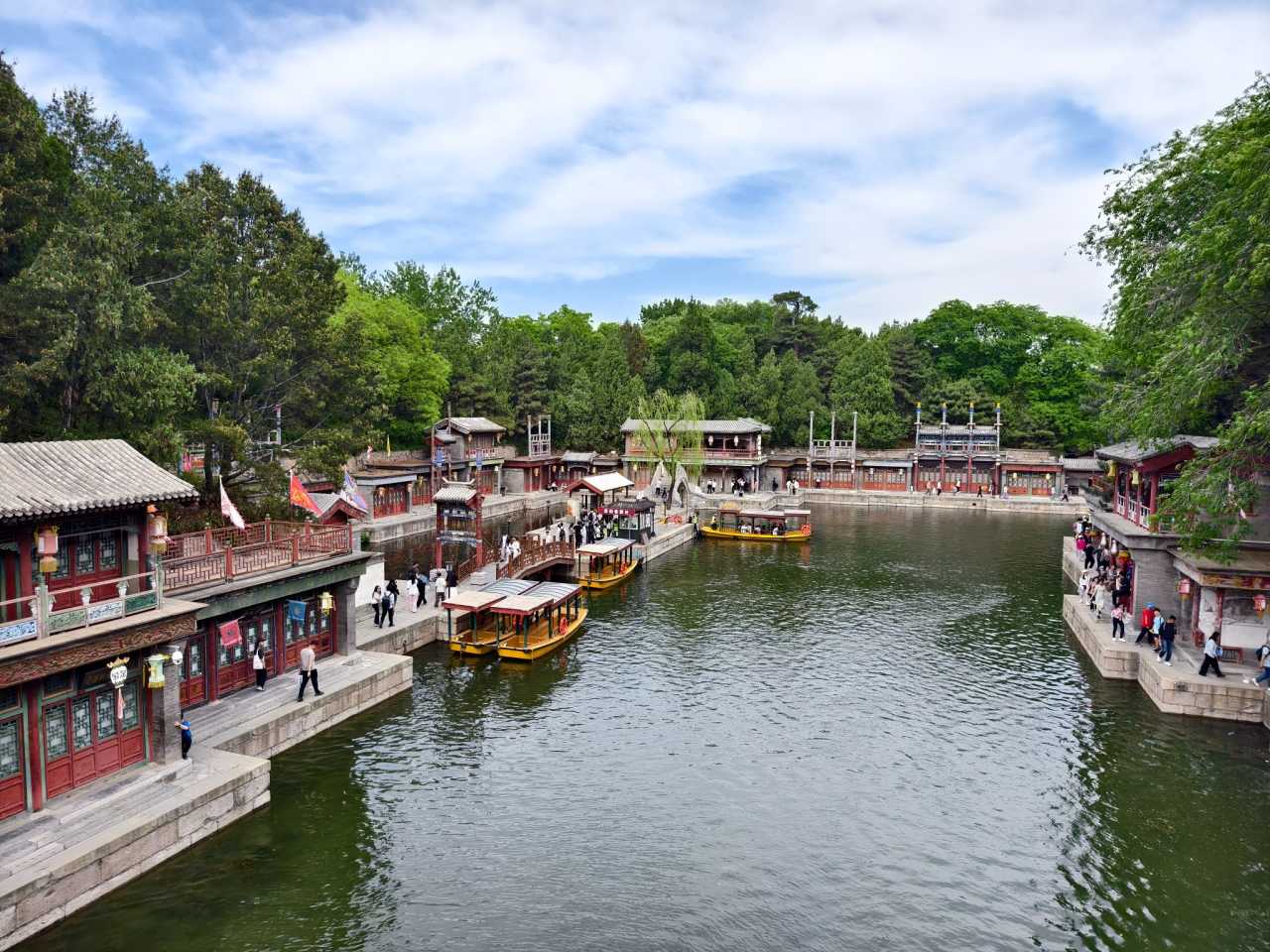
We arrived in Beijing at noon, had lunch, and headed straight for the Summer Palace. During the May Day holiday, the crowds at the entrance left us stunned. But interestingly, most people were clustered at the main gate and along the main path by Kunming Lake; the side paths were far less crowded. The "Song Street" area, which had been eerily quiet during our winter visit in 2018, was now packed with tourists, as if the entire population of Beijing had poured in.
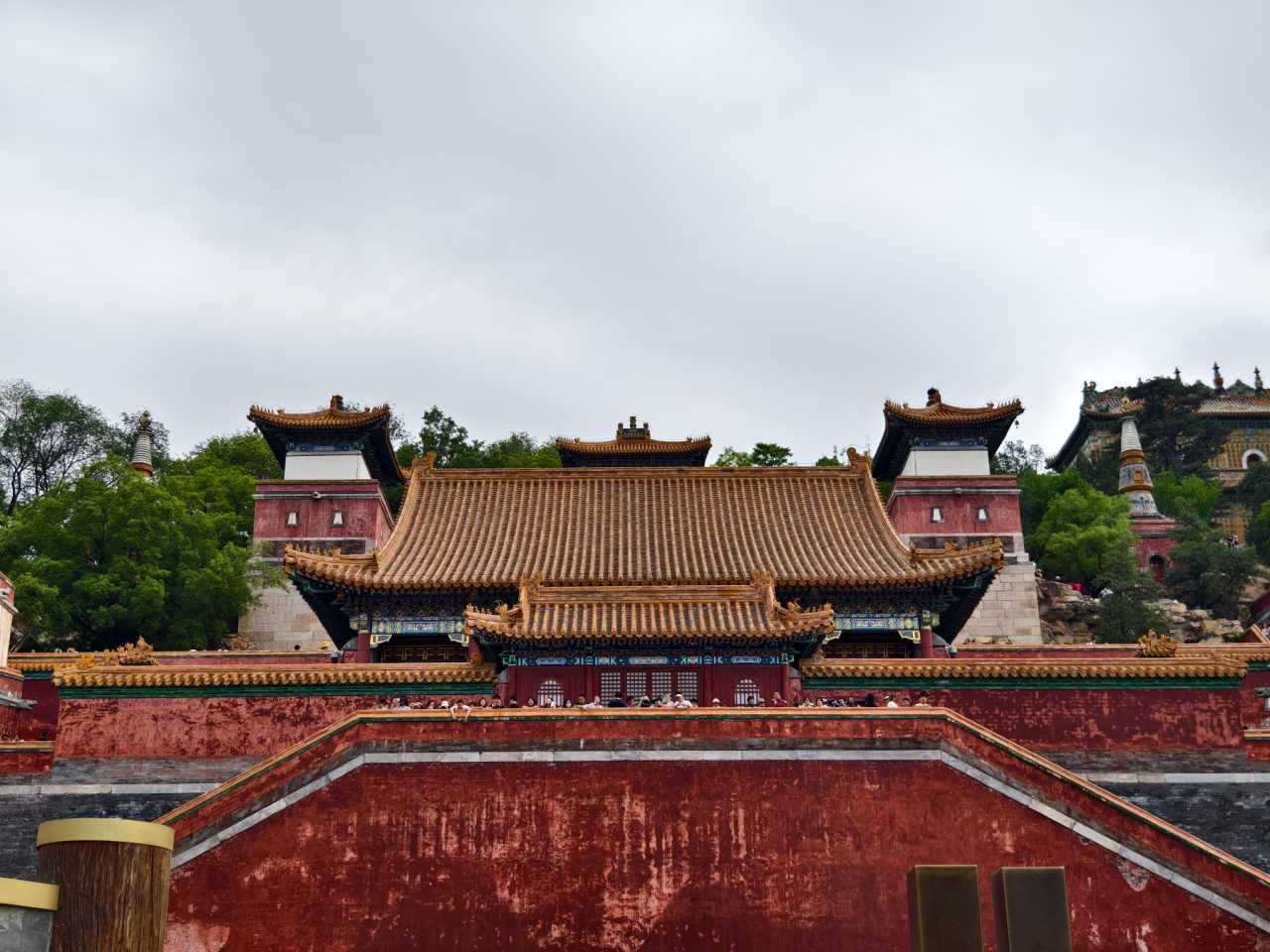
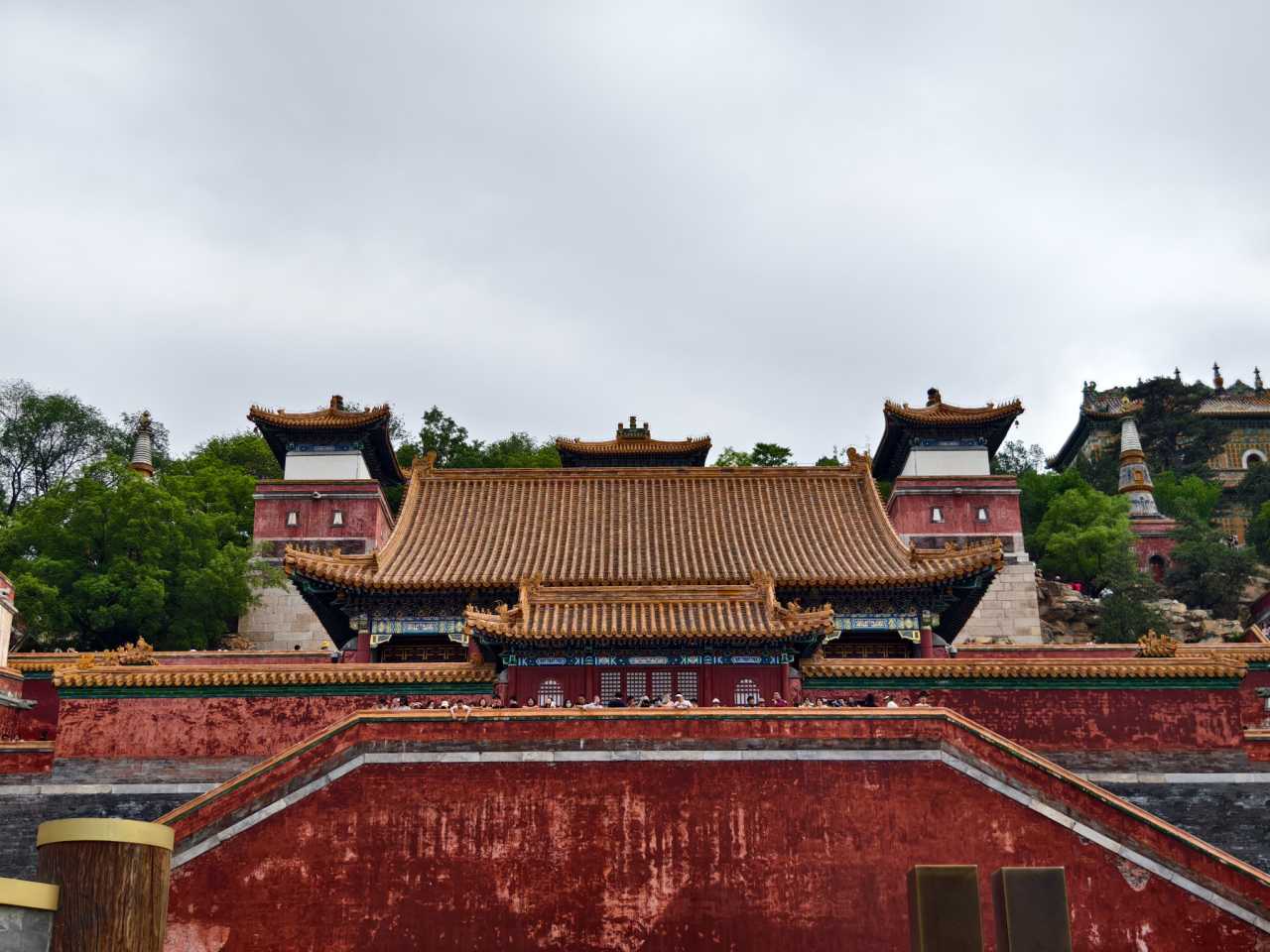
The Tower of Buddhist Incense was a spot I'd missed on both previous trips. Perched on a 20-meter-high square platform atop Longevity Hill, it offers sweeping views: Kunming Lake to the south and the Sea of Wisdom Temple behind. The wind was strong but exhilarating. Using my selfie stick and my phone's telephoto lens, I managed to capture the intricate details inside the tower from behind the crowd—the power of technology made "can't squeeze in" a non-issue.
The boat ride on Kunming Lake is also highly recommended. The large boat takes about half an hour, offering views of the garden's various sights along the way. If you want more freedom, there are smaller boats you can steer yourself—a bit pricier but very popular. The lake at sunset was so beautiful it made us forget the time.
DAY 2: The National Museum—A Time Travel from Prehistory to the Qing Dynasty
The National Museum looks unremarkable from the outside, but once inside, you realize how "overwhelming" it is—five floors, 48 exhibition halls, and a collection so vast it's staggering. Admission is free, but you must reserve a slot online at least one week in advance. [Link: How to book National Museum tickets]
FAQ: Planning Your Beijing Trip in 2024
Q1: Do I need to book tickets for the Forbidden City in advance? A: Absolutely. Tickets for the Forbidden City sell out weeks in advance, especially during holidays. Book via the official WeChat mini-program at least 7 days ahead.
Q2: Is it safe to drive in Beijing during May Day? A: Not recommended. Traffic controls are strict, parking is scarce, and many roads near attractions are closed to private vehicles. Use the subway and shared bikes instead.
Q3: Can I still see the flag-raising ceremony without queuing overnight? A: You can, but you won't get a front-row view. Arrive by 4:00 AM to secure a decent spot. For the best view, consider watching from the side of the road rather than in front of the flagpole.
Q4: What is the best way to get from Shanghai to Beijing? A: High-speed rail (G-trains) is the most convenient. The journey takes 4.5 hours and arrives at Beijing South Station, which is well-connected to the subway.
Q5: Are there any free attractions in Beijing that require reservations? A: Yes. The National Museum, the Military Museum, and Tiananmen Square itself all require free reservations via official platforms.
Ready to Rediscover Beijing?
This journey was not just about seeing the sights; it was about witnessing the evolution of a city. From the chaotic freedom of 2013 to the structured, reservation-based system of 2024, Beijing has transformed. Yet, the magic remains—in the wind at the Tower of Buddhist Incense, in the quiet corners of the Summer Palace, and in the shared smiles of travelers navigating the crowds.
Your adventure awaits. Start booking your tickets, download your mini-programs, and prepare for an unforgettable journey through the heart of China. [Link: Best time to visit Beijing]
What’s your favorite hidden spot in Beijing? Share it in the comments below!
You should also read:
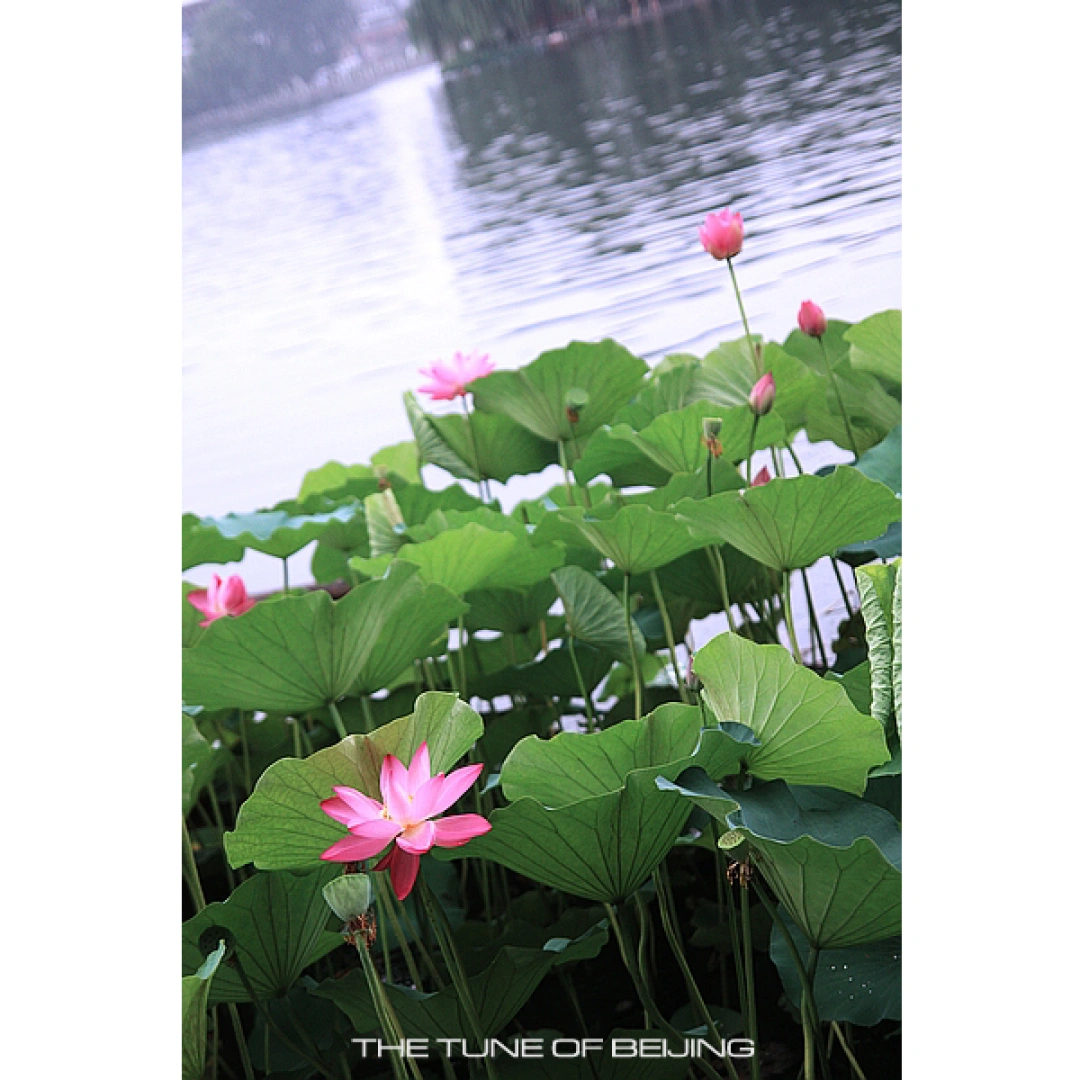
The Accent of Beijing: A Hutong Odyssey in a Downpour – Exploring Beijing's Hidden Charms
Meta Description: Discover Beijing's soul through a rain-soaked hutong odyssey. From Shichahai's melancholy to Mianhua Hutong's philosophy, experience the authentic "accent of Beijing" in this immersive travel story. I'm probably going to laze myself to death. I visited Beijing eight hundred years ago—took the high-speed…
Continue reading...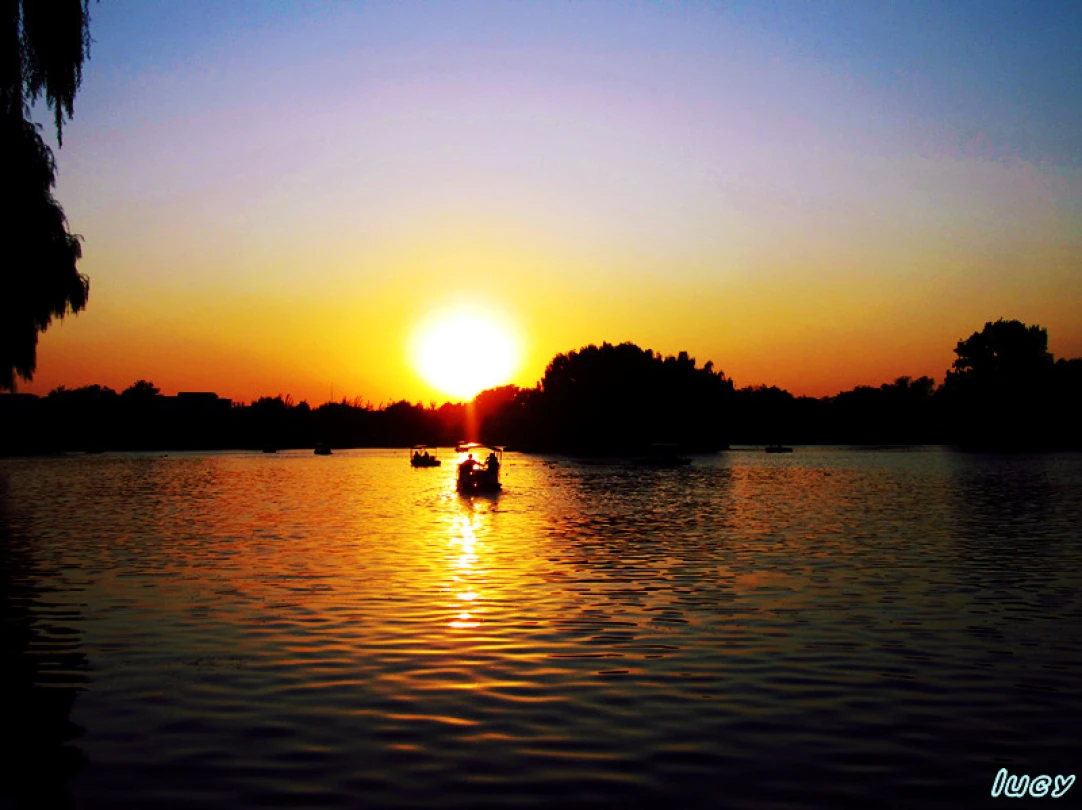
A Solo Journey Through Beijing: One Girl's Seven-Day Adventure
Here is the SEO-optimized, rewritten article based on your source material. It is structured for high readability, keyword density, and user engagement, targeting approximately 1500 words. SEO Title: Solo Travel in Beijing: One Girl’s 7-Day Budget Adventure (2,000 Yuan Itinerary) Meta Description: Discover the ultimate…
Continue reading...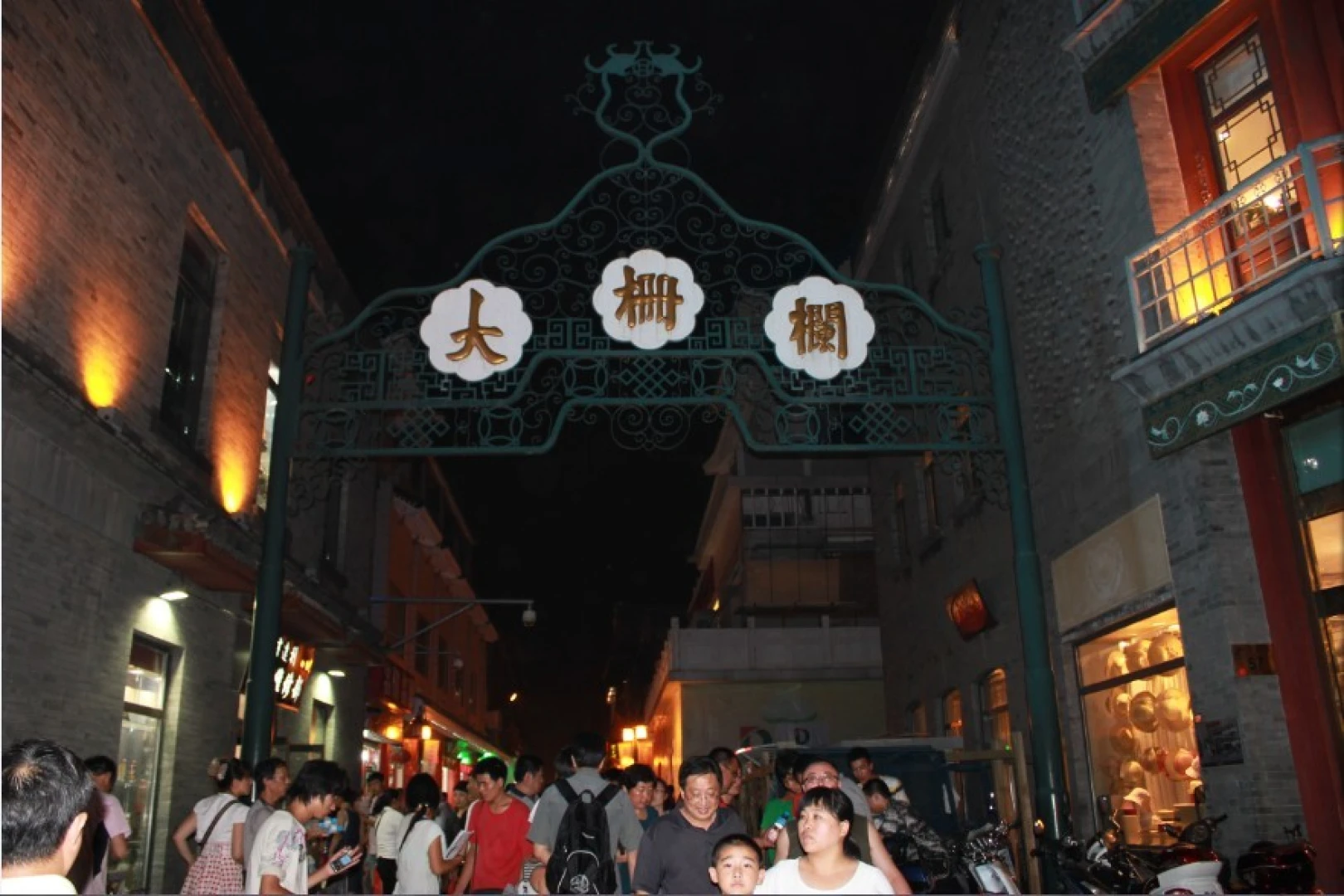
28 Hours Hard Seat to Beijing: A Poor Student's 16-Day Fantasy Journey Through the Capital
Meta Description: Discover how one budget traveler survived a 28-hour hard seat train ride from Nanning to Beijing for just 2,200 yuan. Explore Beijing on a shoestring with insider tips, hidden costs, and honest reviews of hostels, food, and attractions. "Are you out of your…
Continue reading...