Strolling Through Beijing: 30 Cafés That Capture the City's True Soul – The Ultimate Guide to Beijing's Best Coffee Shops
Meta Description: Discover Beijing's soul through 30 handpicked cafés. From hutong hideaways to industrial-chic spaces, explore the city's best coffee shops with our SEO-optimized guide. Find your new favorite spot today.
Introduction: Why Beijing's Coffee Scene Is a Must-Explore
Summer in Beijing can feel relentless—suffocating heat, restless energy, and the constant urge to retreat into air-conditioned spaces. But as the Great Heat solar term fades, the city transforms. The wind softens, the sun loses its bite, and Beijing reveals its most pleasant self. This is the perfect time to explore the city's vibrant coffee culture.
Some say Beijing's streets are too wide, its pedestrians too hurried. But if you're willing to duck into a hutong and push open an unassuming door, you'll discover countless corners designed for slowing down. In partnership with Hope Water, we've woven together Beijing's urban fabric through 30 cafés. Let the aroma of coffee guide us as we rediscover the warmth of this city.
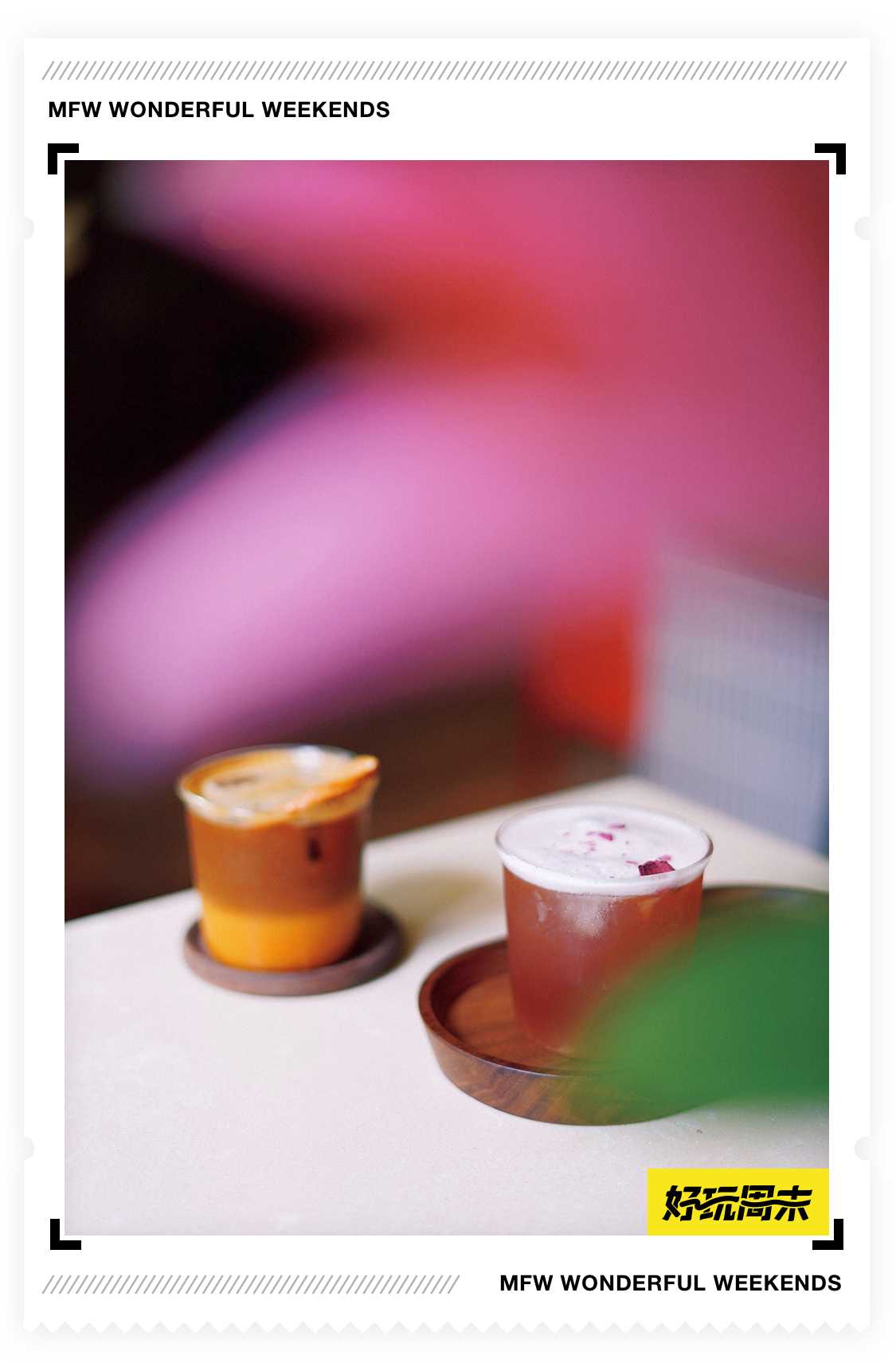
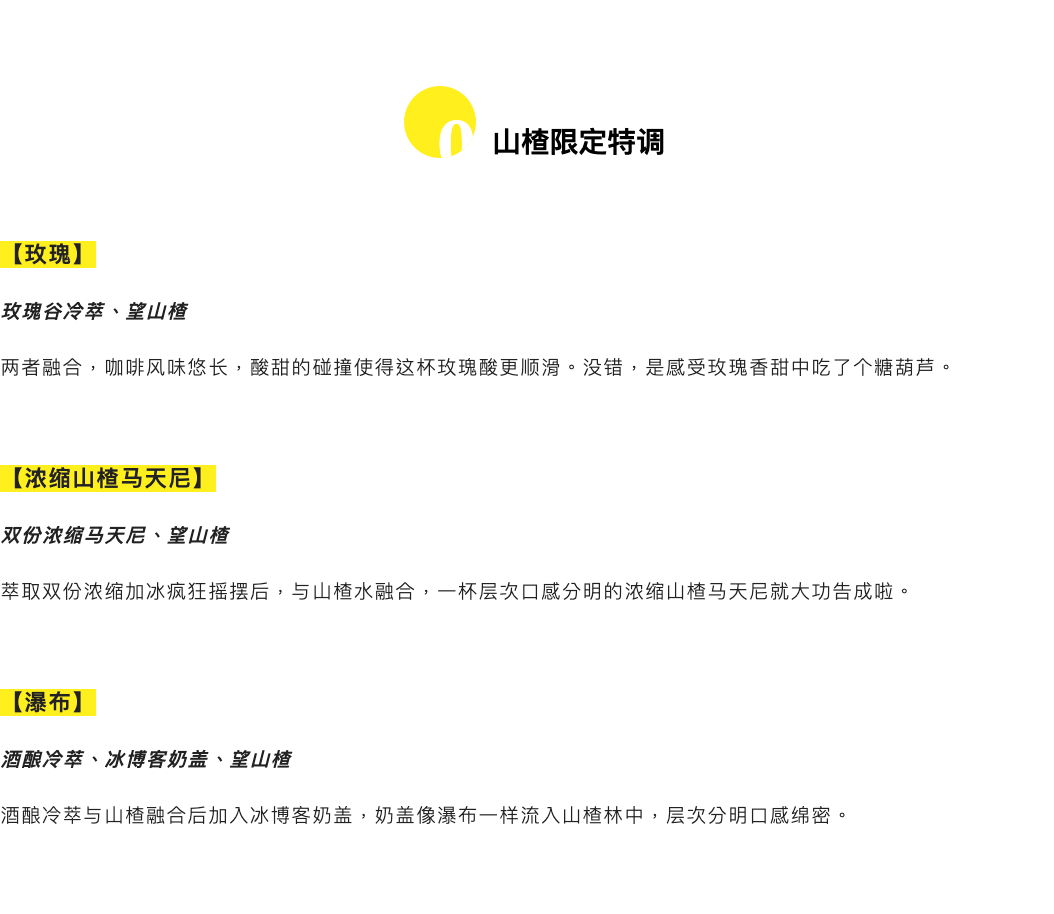
Since 2021, Hope Water's City Coffee Map has journeyed through Hangzhou, Suzhou, Huizhou, Wuhan, Xiamen, and Guangzhou. Now arriving in Beijing, they've invited 22 specialty coffee brands across 30 locations to create 27 hawthorn-flavored specialty drinks. Available for a limited two-month run (July 31 to September 30), the crispness of sparkling water, the autumn hint of hawthorn, and the richness of coffee blend together—perfectly capturing the subtle transition between Beijing's summer and autumn.
Dongsi to Andingmen: A Coffee Universe Growing Against the Odds
D.A.O Coffee: A Spiritual Island for the Young
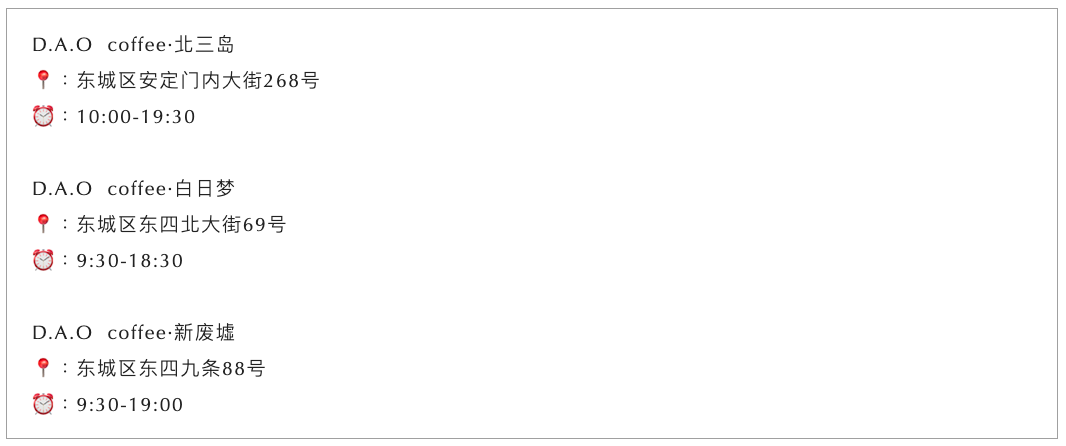
If you know anything about Beijing's coffee scene, you've likely heard the name "Uncle Xi." This veteran of the coffee world launched a new brand, D.A.O, in 2022, opening three stores in quick succession along a two-kilometer coffee route from Andingmen to Dongsi.
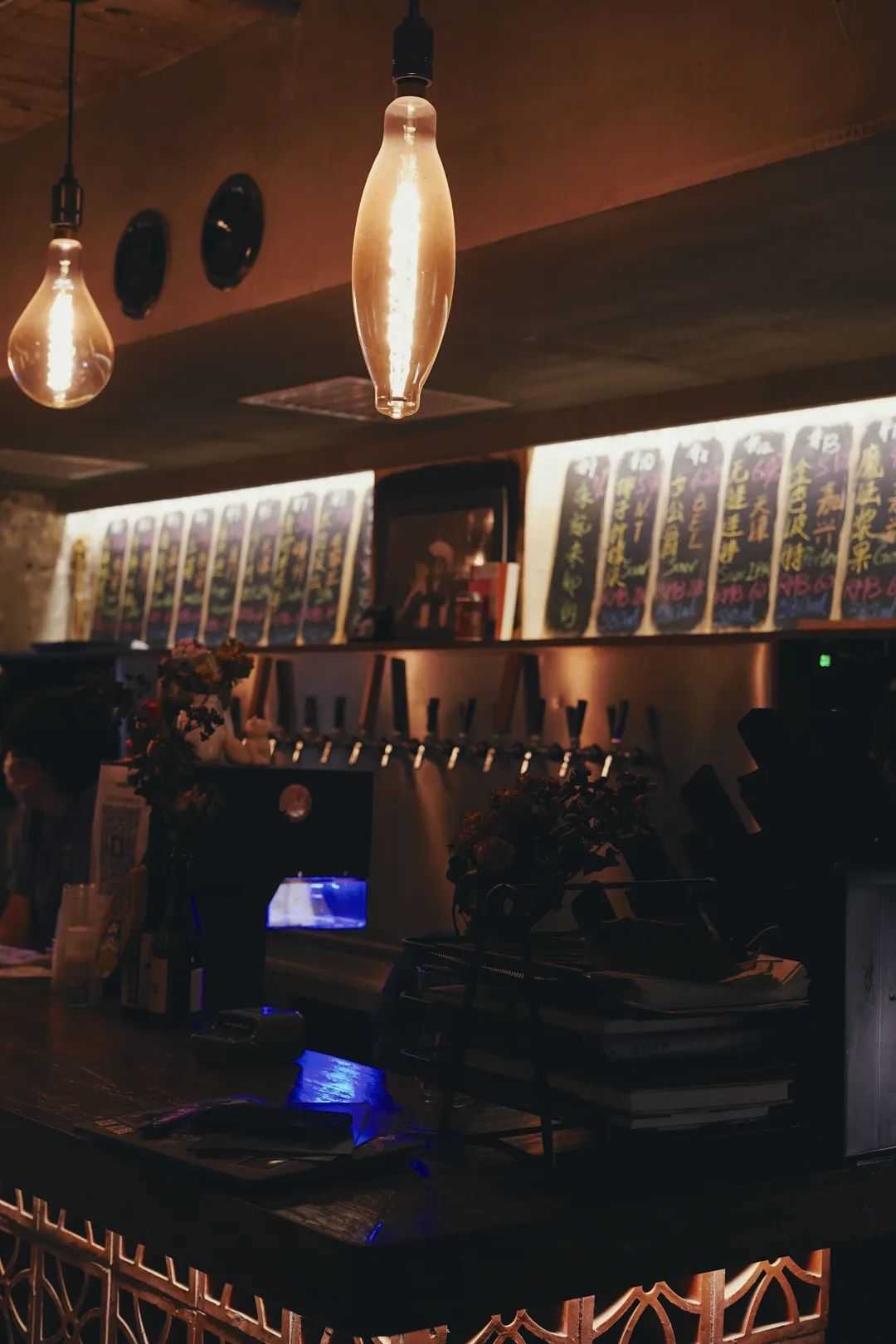
North Third Island is a multi-functional space housing D.A.O's coffee, Tiaohai Brewpub's craft beer, N0N-B1NARY's cocktails, Libertango's vintage clothing, and Zhù's oden. It's a place that accommodates every restless soul.
Daydream sits right next to the legendary hutong noodle spot "Fat Girl Noodles." Finish your bowl, turn right, and you're there. The shop collaborates with the念念行旅 (Nian Nian Xing Lü) reading space, so you can sip coffee while flipping through magazines.
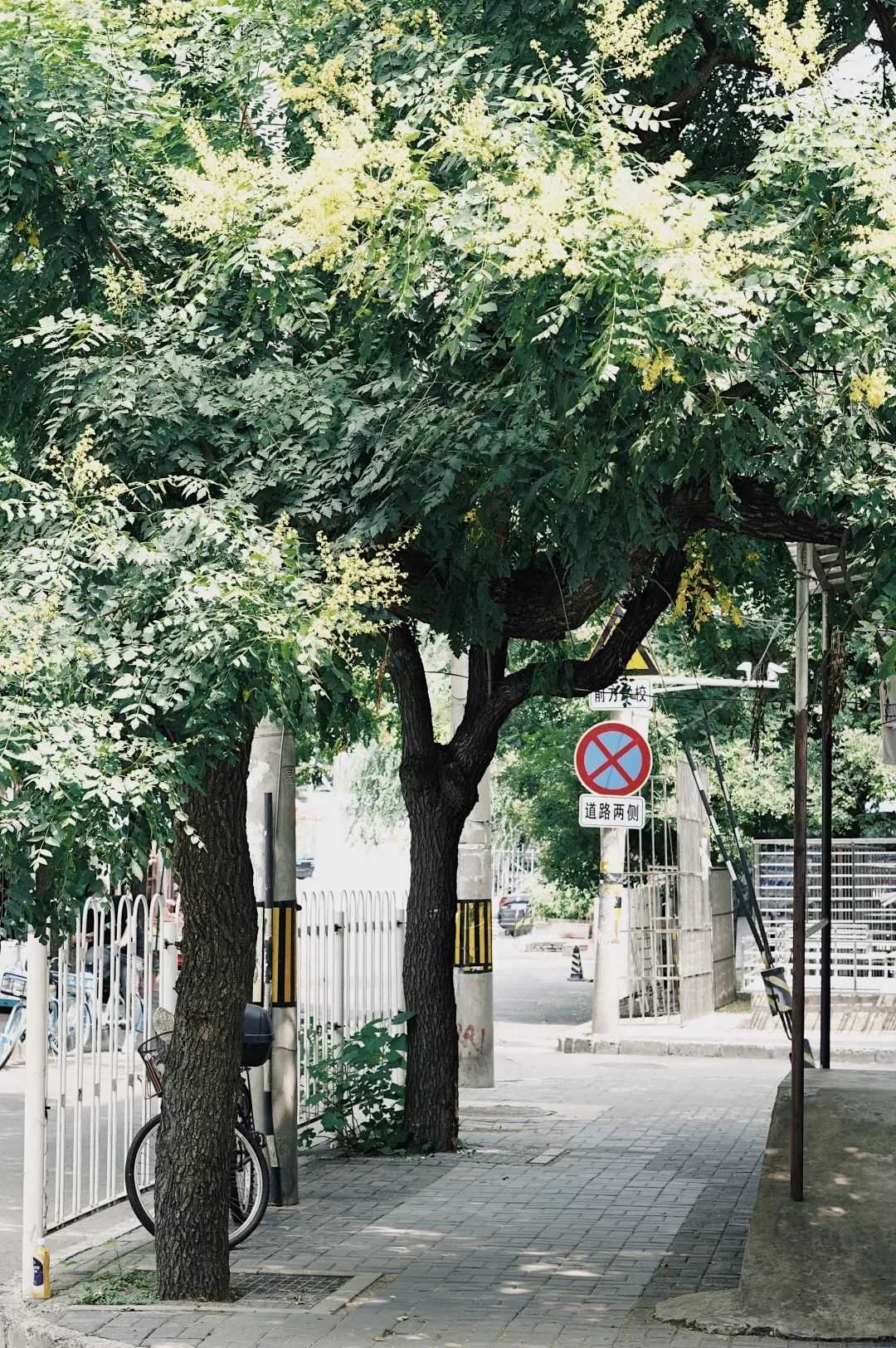
New Ruins blends vintage objects with a futuristic aesthetic. A hutong rooftop terrace hides beneath locust trees, and stand-up comedy shows take place in the evenings. This is urban nomad style at its finest.
[Link: Best hutongs to explore in Beijing]
1/4 One Quarter Coffee Lab: A Coffee Laboratory in the Hutongs
Dongsi is a gathering place for specialty coffee shops, and 1/4 sits right under these gray roof tiles. With a bright storefront, baristas visible through the glass, and a long wooden bench surrounded by plants out front, it's the perfect spot to watch hutong life pass by.
They pioneered the "Old Beijing Dirty" using ice-bock concentrated milk, which became their signature. Spring brings a Yunnan rose-flavored Lady Dirty; summer offers a berry-flavored Flamenco. Each specialty drink is a response to the season.
Their second location occupies the fifth-floor悦界 (Yue Jie) atrium of Chaoyang Joy City, surrounded by craft workshops and artistic spaces. Read a book, listen to vinyl, work on leather crafts—and enjoy a great cup of coffee while you're at it.
Sanlitun to Huamao: Hidden Corners Amid the Bustle
Soloist: A Decade-Old Master of Versatility
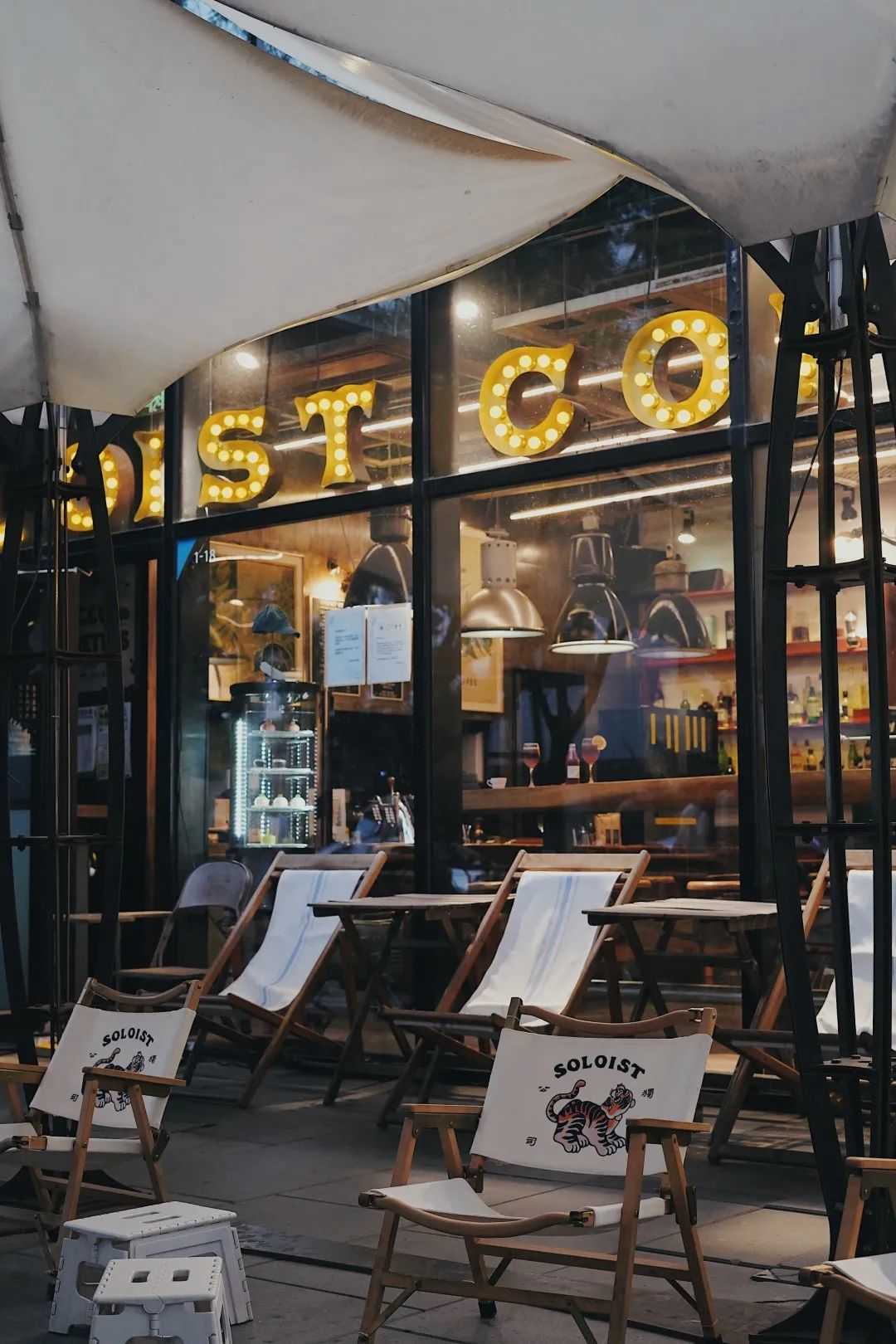
Founded in 2012, Soloist is a pioneer of specialty coffee in China. They have an almost obsessive commitment to ingredients and equipment, constantly upgrading extraction techniques and approaching each cup with the mindset of a creator.
The shop is filled with a vast collection of vintage objects, exuding a beauty shaped by time. But "Soloist" is far from lonely—they also serve natural wine, craft beer, light meals, and desserts. Script readings, jazz trios, and trumpet solos have all taken place here.
Each of their three locations has its own personality: the Yangmeizhu Xiejie shop blends American vintage with hutong life; the Sanlitun location brings a chill vibe to a trendy district; and the 798 shop offers a taste experience in an artistic setting.
[Link: Best things to do in Sanlitun]
Baristar: Where the Dirty Was Born
Baristar's story began in 2013 on Wudaoying Hutong. One day in 2014, a barista wanted an iced latte without ice cubes, so they poured espresso directly into cold milk—the first sip warm, the second icy cold. The Dirty was born.
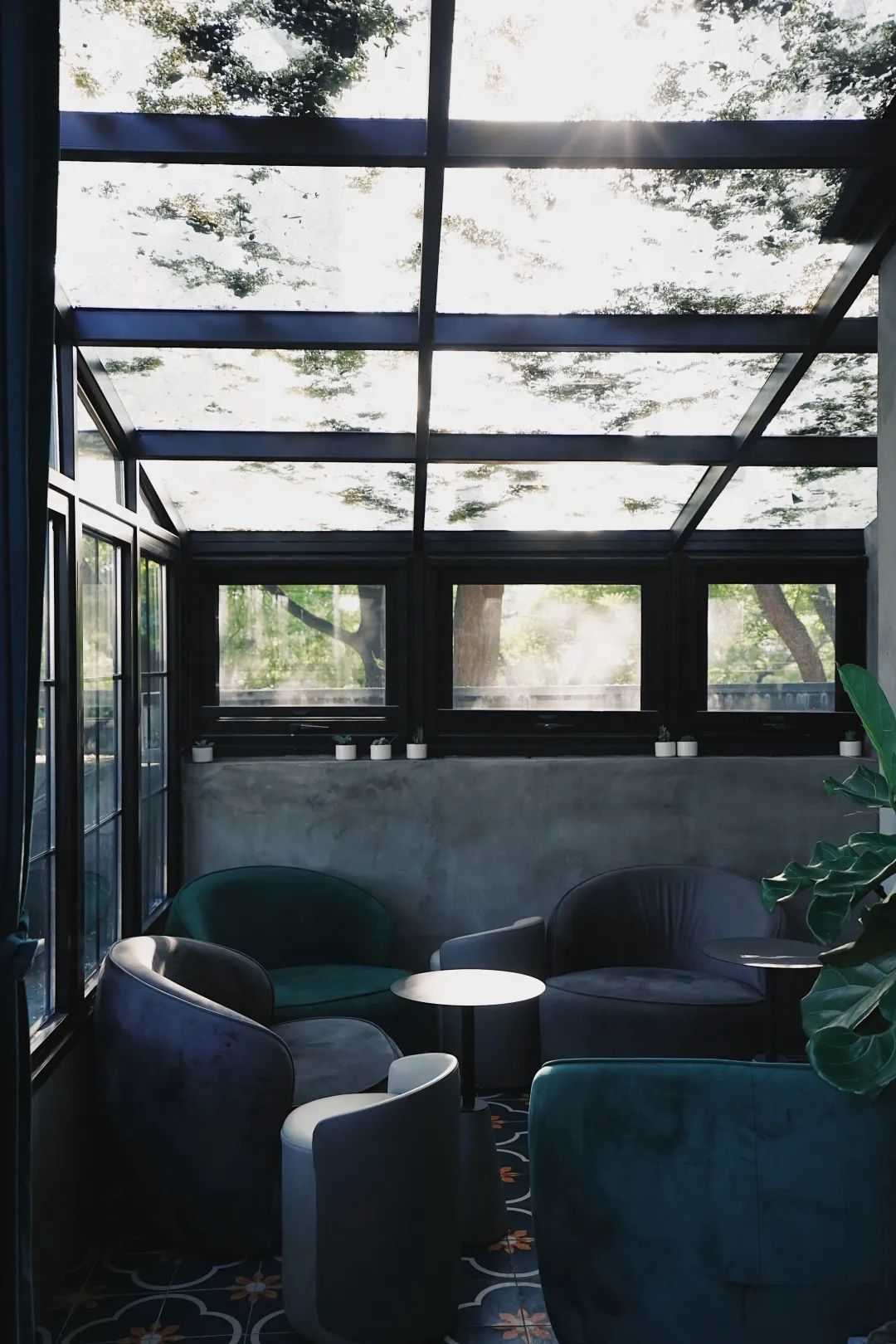
Today, they're located in Sanlitun's Jing Yard, a hidden courtyard amid the bustling city. Red brick walls, greenery, and a stark black-and-white interior extend into a transparent glass room. The open bar allows customers to watch the baristas work from any angle—cool, yet approachable.
ISSUE.01 Espresso: The Aesthetic of Minimalist White Space

The former thermal power plant next to SKP has been transformed into a creative park, its old storage tanks now a unique landscape. ISSUE.01 hides on the third floor of one building—a bright, airy space with few seats and a small balcony overlooking lush greenery.
The interior is minimalist light-industrial: unvarnished marine plywood, gravel flooring, cement-gray walls. Enough white space, enough restraint. The founder, Chen Gun Gun, trained in interior design—no wonder the spatial harmony is so well-executed.
Qingnian Road: The Coffee Frontier of Pioneers
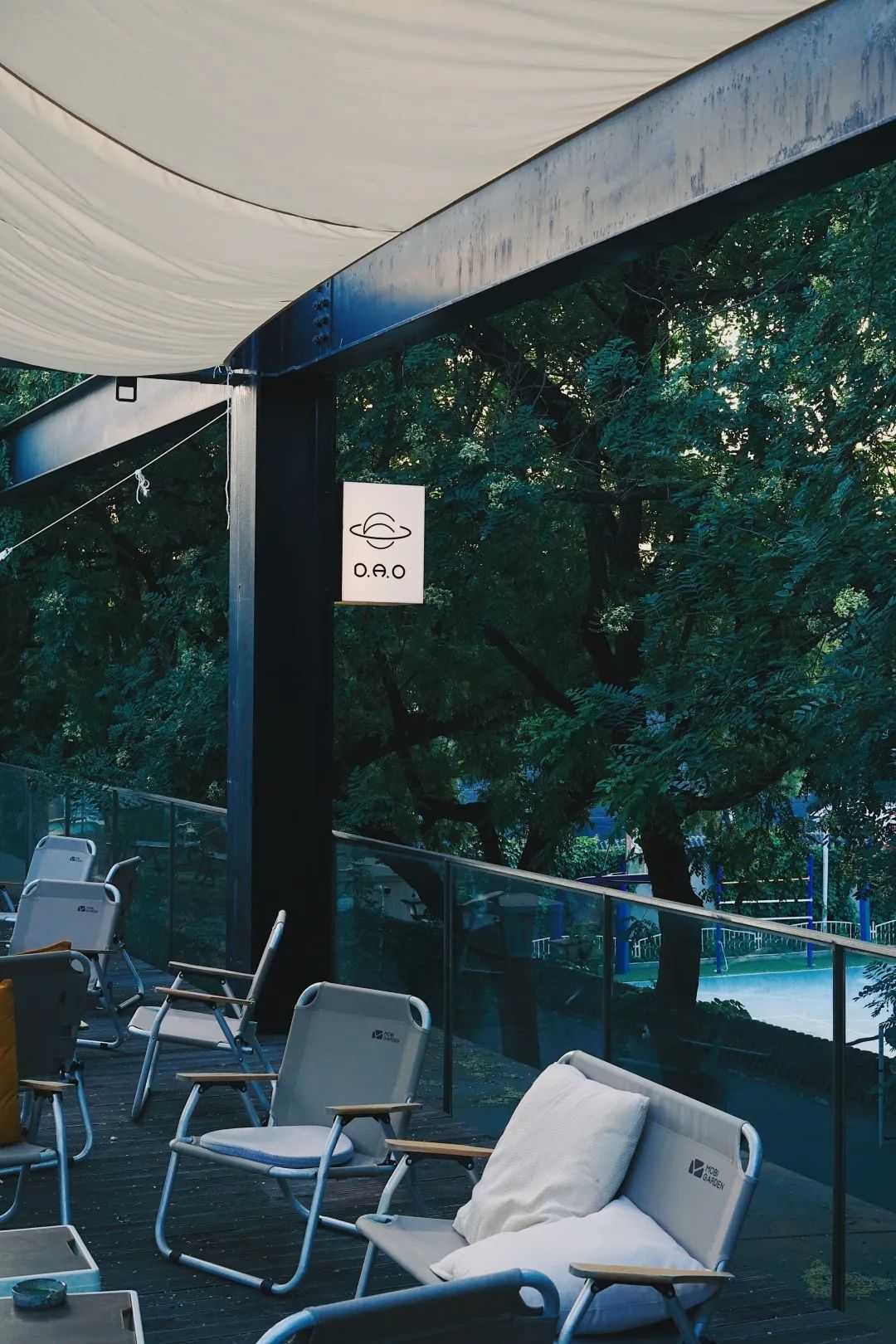
Inner Cafe: European Vintage for Red Lovers
Qingnian Road is now lined with cafés and bars, but the early pioneers were just three: Cafe Clark, Inner Cafe, and Owl—known as the "Three Heroes of Qingnian Road."
After renovation, Inner adopted an elegant European aesthetic. Red curtains, vintage Czech theater seats, hand-painted signage on the facade—many aspiring shop owners come here for design inspiration. Owner Mao Mao is obsessed with red; everything inside and out, even the coffee machine, is red.
Eight years in, some things can't change, while others must adapt to the times. Inner has grown alongside Qingnian Road, witnessing the neighborhood's evolution.
[Link: Best coffee shops in Chaoyang District]
Reunion Wuji Country: A Bright Artistic Haven
In 2017, "Wuji Country" café opened in Xinglong Park. Its remote location didn't stop it from building a loyal customer base through dedicated service. In 2021, it relocated and rebranded as "Reunion Wuji Country," settling in the now-booming coffee scene of Qingnian Road.
Two female co-owners work in harmony, brewing coffee and baking desserts with calm precision. The pastries in the cold case have moods that change with the days. Here, you can sing folk songs, play melodies, paint, write lyrics—it's a sanctuary for urban dwellers.
Doupu Coffee: A Community Living Room for Good Food and Drink
Doupu Coffee hides in a residential complex's ground-floor shop, its small light-up sign easy to miss. But step inside, and a surprisingly spacious layout unfolds—including a community barbershop in one corner. The counter by the window transforms into a small bar at night.
The name comes from the French "taupe," meaning mole. A silent TV loops the classic animation The Mole, a touch of childhood whimsy the owner kept for themselves. Spacious seating, scattered greenery, just-right natural light—it feels like a friend's welcoming living room. Homemade desserts, bread, and hearty meals make it easy to stay from morning till night.
Deep in the Hutongs: Where Old Beijing Meets New Trends
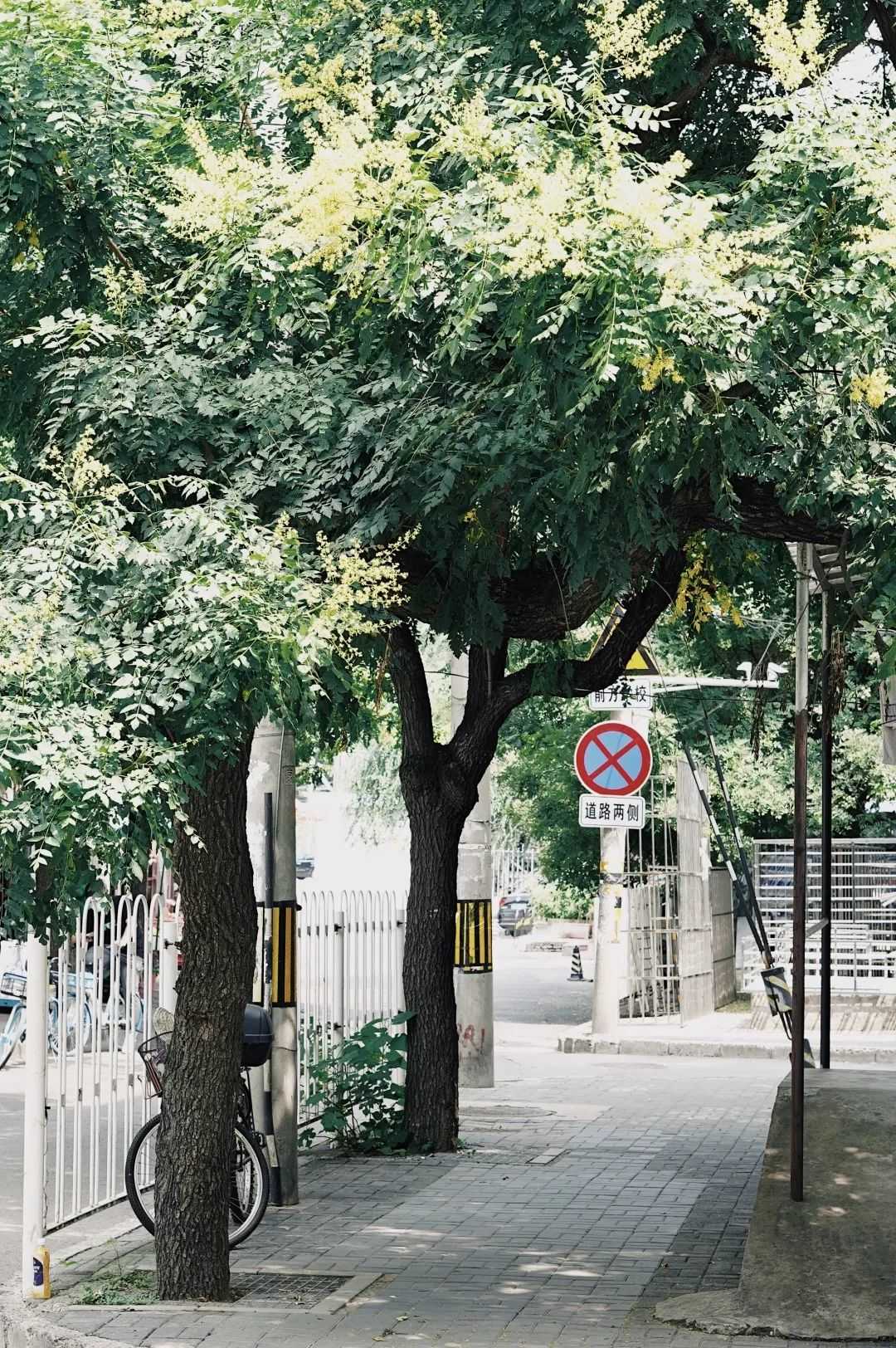
Me and Ditan THECORNER: A Study Paradise in the Inner City
Next to Ditan Park, beside a bicycle repair shop, sits a café called "Me and Ditan." Its three-story space embodies Bauhaus industrial aesthetics—everything designed for function, with no superfluous decoration.
Black dominates, punctuated by red—the red of ancient civilization against the black of modernity, hinting at this space's special significance. The third floor is a silent study area, perfect for focused work or reading. It's a hidden gem for those seeking quiet productivity in the heart of Beijing.
[Link: Hidden hutong cafés in Beijing]
FAQ: Your Questions About Beijing's Coffee Scene Answered
1. What is the best time to visit Beijing's cafés?
 The ideal time is from late August to October when Beijing's weather is mild and pleasant. The city's cafés are less crowded on weekday mornings, making it perfect for a relaxed coffee experience.
2. Are these cafés suitable for remote work?
Yes! Many cafés like Me and Ditan and ISSUE.01 offer quiet spaces with reliable Wi-Fi. However, some smaller shops may have limited seating, so arrive early.
3. Do these cafés accept international credit cards?
 Most specialty coffee shops in Beijing accept Alipay, WeChat Pay, and major credit cards. However, it's always a good idea to carry some cash for smaller hutong cafés.
4. What is the "Old Beijing Dirty" coffee?
The "Old Beijing Dirty" is a signature drink pioneered by 1/4 One Quarter Coffee Lab. It uses ice-bock concentrated milk, creating a rich, creamy texture that contrasts with the bold espresso. It's a must-try for coffee enthusiasts.
5. Are these cafés family-friendly?
Many cafés, like Doupu Coffee and Reunion Wuji Country, have spacious layouts and welcoming atmospheres suitable for families. However, some minimalist spaces may not have dedicated children's areas.
Conclusion: Your Journey Through Beijing's Coffee Soul Starts Now
Beijing's coffee scene is more than just a trend—it's a reflection of the city's soul. From the bustling streets of Sanlitun to the quiet corners of the hutongs, each café tells a story of resilience, creativity, and community.
Whether you're a local looking for a new favorite spot or a traveler seeking an authentic Beijing experience, these 30 cafés offer a gateway to the city's true character. Let the aroma of coffee guide you through hidden alleyways, vibrant neighborhoods, and serene parks.
Ready to explore? Start your journey today. Grab a map, put on comfortable shoes, and discover the cafés that make Beijing unforgettable. And don't forget to try the limited-edition hawthorn-flavored drinks—they're available only until September 30.
Share your experience with us on social media using #BeijingCoffeeSoul. We'd love to see which café becomes your new favorite.
[Link: Plan your Beijing itinerary] [Link: Best time to visit Beijing] [Link: Beijing travel tips for first-timers]
This article was created in partnership with Hope Water's City Coffee Map. All cafés featured are independently verified and recommended by our editorial team.
You should also read:
A Passionate Journey Through Beijing & Tianjin: Beijing Complete Guide – JOJO's In-Depth Travel Notes
Meta Description: Explore Beijing & Tianjin in 5 days with this complete travel guide. From the Forbidden City to the Great Wall, discover insider tips, transportation hacks, and must-see attractions. Plan your perfect China trip today. Beijing is not just a city—it's a living museum…
Continue reading...
The Accent of Beijing: A Hutong Odyssey in a Downpour – Exploring Beijing's Hidden Charms
Meta Description: Discover Beijing's soul through a rain-soaked hutong odyssey. From Shichahai's melancholy to Mianhua Hutong's philosophy, experience the authentic "accent of Beijing" in this immersive travel story. I'm probably going to laze myself to death. I visited Beijing eight hundred years ago—took the high-speed…
Continue reading...
A Solo Journey Through Beijing: One Girl's Seven-Day Adventure
Here is the SEO-optimized, rewritten article based on your source material. It is structured for high readability, keyword density, and user engagement, targeting approximately 1500 words. SEO Title: Solo Travel in Beijing: One Girl’s 7-Day Budget Adventure (2,000 Yuan Itinerary) Meta Description: Discover the ultimate…
Continue reading...