Strolling Through Old Beijing: The Ultimate Hutong Walking Tour of Nanluoguxiang, Yandaixiejie, Shichahai, and Houhai
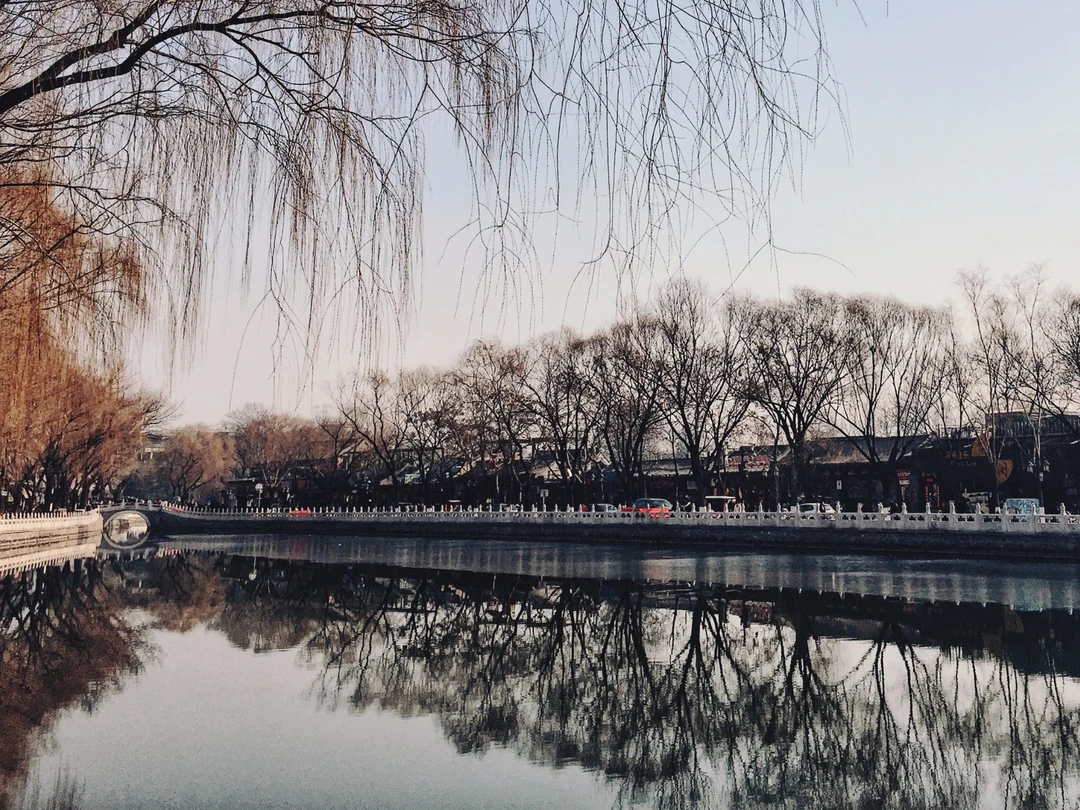
Meta Description: Explore Beijing's historic hutongs on a day-long walking tour from Nanluoguxiang to Houhai. Discover hidden courtyards, Qing Dynasty alleys, and lakeside charm. Your complete guide to Old Beijing's most iconic neighborhoods.
Beijing’s hutongs—those winding, narrow alleys—are like veins threading through the ancient capital, carrying its breath and pulse. They were once the stage for everyday life: a corridor for neighborly chatter, a canvas of birdcages and chessboards, a world where soybean milk and fried dough rings mingled with the aroma of street stalls. But as urbanization swept through, the leisurely figure of Uncle Zhang strolling with his caged bird and Aunt Duan mending shoes on a small stool have become nothing more than faded snapshots. In their place now stand the bustling crowds of Nanluoguxiang, the trendy boutiques of Yandaixiejie, and the lazy melodies drifting from Houhai’s lakeside bars.
Yet, despite all the change, Beijing’s hutongs are still worth a full day of your time. This isn’t a rushed checklist of sights—it’s a slow walk through time. From the grid-like lanes of the Yuan Dynasty capital to the tobacco-pipe shops of the late Qing era, and then to the shimmering waters and weeping willows of Shichahai, I’ll guide you along a classic route: Nanluoguxiang → Drum Tower → Yandaixiejie → Houhai → Shichahai. Along the way, we’ll uncover hidden princely mansions and former residences tucked deep within the alleyways.
Before You Go: Transportation & Practical Tips for Your Hutong Tour
How to Get to Nanluoguxiang and Surrounding Hutongs
By Subway (Recommended) - Nanluoguxiang Station: Exit A of Line 6 (across the road) or Exit E of Line 8 (arrives right at the entrance) - Shichahai / Houhai: Exit B of Beihaibei Station on Line 6, then a 10-minute walk
By Bus - Nanluoguxiang: Gulou Station (routes 5, 60, 82, 200m walk); Luoguxiang Station (routes 3, 13, 60, 118, 612, arrives right at the alley); Di’anmen East Station (routes 42, 701, 300m walk); Baochao Hutong Station (routes 107, 124, 635, 200m walk); Jiaodaokou South Station (routes Te11, 104, 108, 113, 127, 612, 400m walk from Juer Hutong) - Drum Tower (Gulou): Routes 5, 60, 82 to Gulou Station
By Car Parking is available near the scenic areas, but spaces are tight and traffic is heavy. Public transport or shared bikes are strongly recommended for this Old Beijing walking route.
Best Time to Visit Beijing's Hutongs
- Early Morning (8:00–10:00 AM): Nanluoguxiang is still quiet before the crowds arrive—perfect for soaking in the peaceful atmosphere.
- Afternoon (2:00–4:00 PM): The slanting sunlight casts beautiful shadows on the gray brick walls, ideal for photography.
- Evening (5:00–7:00 PM): Catch the sunset over Houhai as the lakeside bars begin to light up—a unique charm all its own.

First Stop: Nanluoguxiang – A 740-Year-Old Hutong Fossil
Echoes of History in Beijing's Best-Preserved Hutong
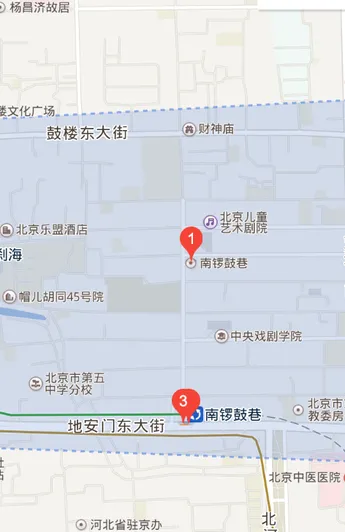
Nanluoguxiang lies east of Beijing’s central axis, stretching from Gulou East Street in the north to Ping’an Street in the south. Built during the same period as the Yuan Dynasty capital, it has stood for over 740 years. Its name comes from the terrain—higher in the middle and lower at both ends, resembling a hunchbacked person, originally called “Luoguo Xiang” (Hunchback Alley), which later evolved into the homophonic “Luogu Xiang” (Drum Alley). This is the only area in Beijing that preserves the original Yuan Dynasty hutong courtyard layout on such a large scale and at such a high grade—a true “living fossil of Old Beijing’s character.”
Historically, countless dignitaries and celebrities lived here: Sengge Rinchen, Qi Baishi, Mao Dun, and even Chiang Kai-shek’s temporary residence. Behind every vermilion-painted door lies a forgotten story. If you want to explore these former homes, be sure to duck into the side alleys off the main street—like Mao’er Hutong, Yu’er Hutong, and Juer Hutong. That’s where the real treasures are hidden.
[Link: Exploring Beijing's Former Residences of Famous Figures]
The Main Street Experience
Step onto Nanluoguxiang’s main thoroughfare, and you’re instantly swallowed by a tide of people. Tourists clutching candied hawthorn sticks, young people queuing for trendy cheese hot dogs, bloggers livestreaming with selfie sticks… The shops lining the street are a mix of styles—some keep traditional Beijing signboards, others go for an industrial look, and still others are hung with handmade silver jewelry. The goods are mainly handicrafts, custom souvenirs, and creative trinkets—pricy but unique.
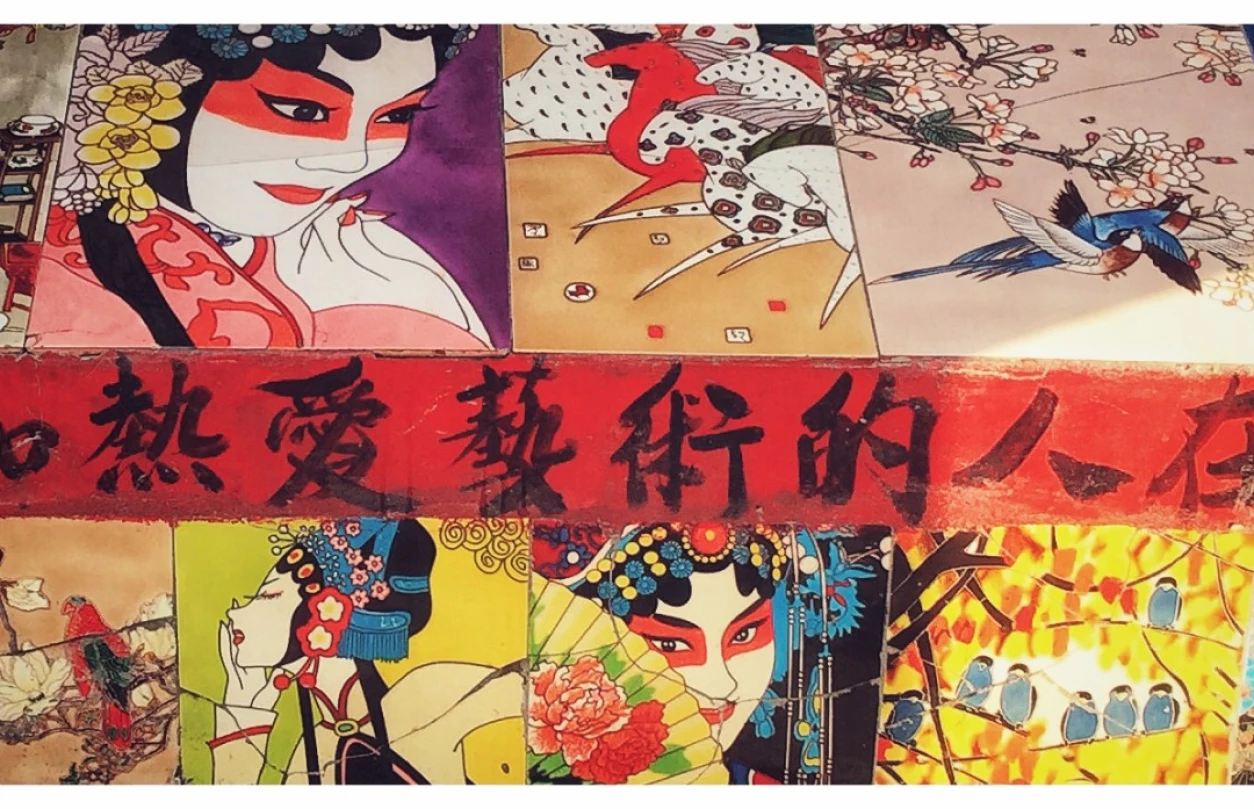
Every few steps, you’ll spot a hutong entrance with a bronze street sign bearing its name and a brief history. The eaves and roof ridges try to preserve traditional forms, but the commercial vibe is inescapable. Honestly, if you’ve just come from Chengdu’s Kuanzhai Alley or Chongqing’s Ciqikou, this might feel familiar—different architecture, but that same noisy “commercial ancient street” energy.
Practical Tip: To avoid the crowds, visit on a weekday morning. If you’re just looking for good photos, the side alleys off the main street (like Heizhima Hutong and Banchang Hutong) are less crowded and more peaceful for a leisurely stroll.
Second Stop: Drum Tower (Gulou) – The Timekeeper on Beijing's Central Axis
Exiting the northern end of Nanluoguxiang and crossing Gulou East Street, you’ll see the majestic Drum Tower rising ahead. This multi-eaved wooden structure, paired with the Bell Tower behind it, once served as the timekeeping center for the Yuan, Ming, and Qing dynasties. Today, it stands quietly on the city’s central axis, watching the endless flow of traffic and pedestrians.
Opening Hours: 9:00 AM – 4:30 PM (open daily) Admission: Adults 10 RMB, Students 5 RMB, Seniors with ID half price
Climb to the top for a panoramic view: southward, the outline of Jingshan Park and the Forbidden City; northward, the Bell Tower and the gray-tiled roofs of the hutongs. The area around the Drum Tower is also great for food: Huntun Hou (馄饨侯) serves wontons with thin wrappers and generous fillings; Yaoji Chao Gan (姚记炒肝) offers classic Beijing-style pork liver stir-fry with steamed buns; and Nanlu Feimao (南锣肥猫) has grilled fish for those who like bold flavors. It’s a good idea to have lunch here to refuel for the afternoon.
[Link: Beijing Central Axis UNESCO World Heritage Sites]
Third Stop: Yandaixiejie – A Time Tunnel Shaped Like a Tobacco Pipe
The Story Behind the Name
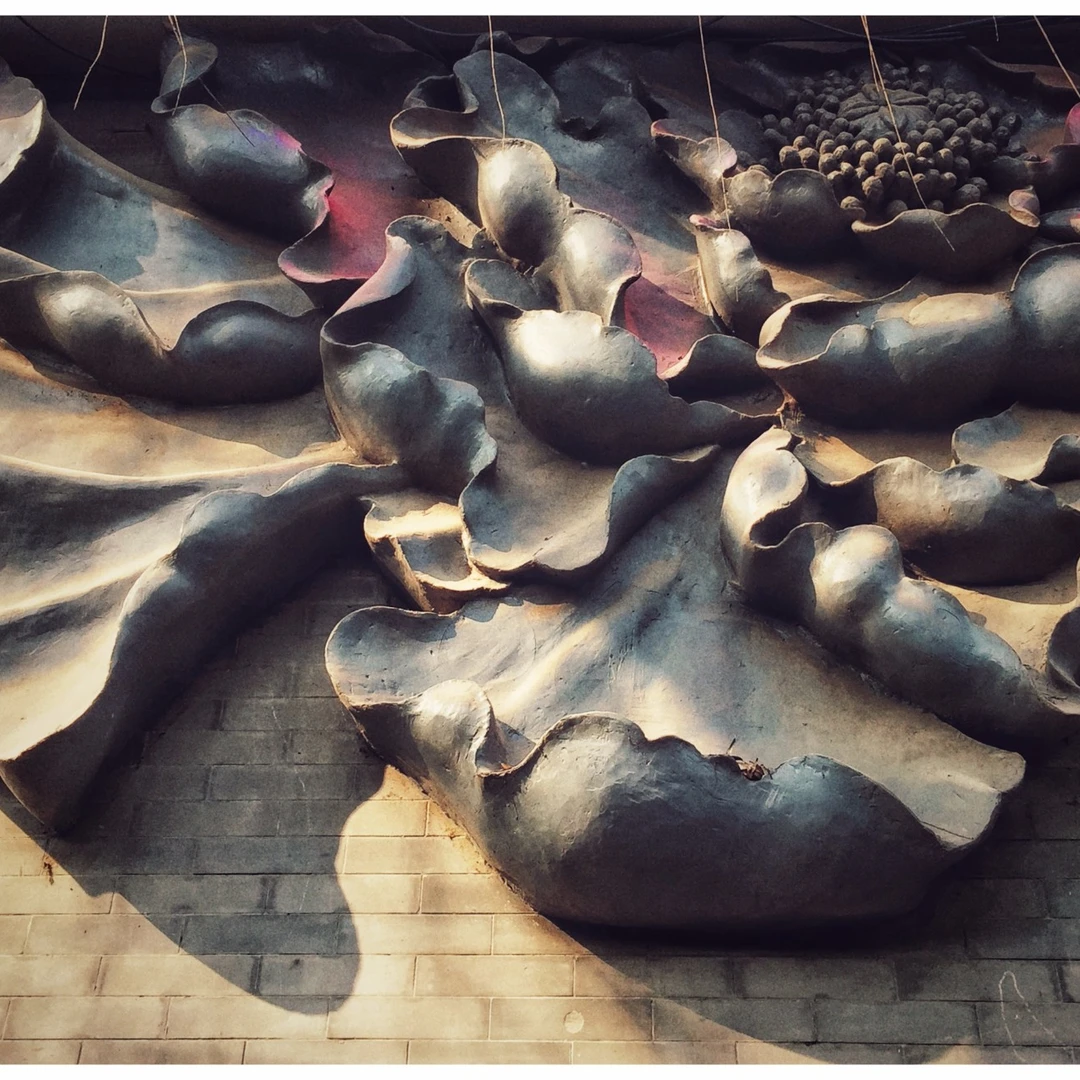
Yandaixiejie runs from Di’anmen Outer Street in the east, stretching 232 meters in a northeast-to-southwest direction. Its name has two layers of meaning: first, during the Qing Dynasty, the Manchu bannermen living in the northern part of the city were fond of smoking dry or water tobacco, and the street was lined with tobacco-pipe shops; second, the street itself resembles a tobacco pipe—the long, narrow body like the stem, the eastern entrance like the mouthpiece, and the western end curving south toward Yinding Bridge like the bowl. This perfect blend of form and meaning is a stroke of genius in Beijing’s hutong culture.
Strolling the Slanted Street
At the entrance stands a decorated archway, with a bronze map embedded in the ground and a sign reading “China’s Historic and Cultural Street.” The street is narrow, lined with Ming and Qing-style buildings that exude old-world elegance—but the crowds are even denser than at Nanluoguxiang. The shops sell similar items, though at slightly lower prices and with a smaller selection.
Worth a stop: - Qianding Old Wine Museum (乾鼎老酒博物馆): Free entry, learn about traditional Beijing brewing culture - Guangfu Temple (广福观): It was closed when I visited, but reportedly well-preserved inside - Great Qing Post Office (大清邮局): Buy postcards and stamp albums, and get them stamped with the “Great Qing Postal Service” mark. Since this year is my zodiac year, I bought a Rooster Year stamp album—the moment the stamp hit the paper felt like traveling back a century - Kaorou Ji (烤肉季): Grab a skewer of grilled meat roll—rich and fragrant, perfect for eating as you walk. It’s the right way to experience the street - Silverware Shop (银货铺): Handmade silver items galore. Inside, a wooden boat set against a mural of the canal creates a stunning photo opportunity
Fourth Stop: Houhai and Shichahai – Lakeside Charm and Bar Street Vibes
Yinding Bridge: The Best View in Beijing
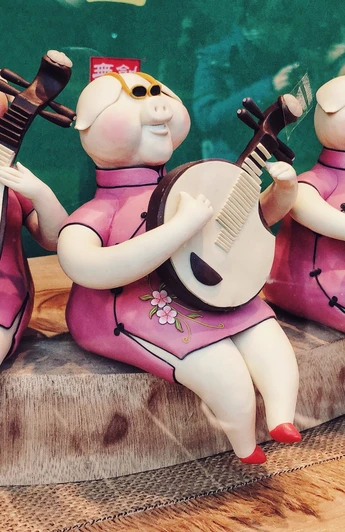
Walk west from Yandaixiejie, and you’ll reach Yinding Bridge, which connects the Qianhai and Houhai sections of Shichahai. This is one of the "Silver Ingot Viewing Mountains" (银锭观山) —a classic Beijing scene where, on clear days, you can see the distant Western Hills framed between the bridge’s arches. The weeping willows along the shore, the traditional courtyard houses, and the shimmering water create a postcard-perfect tableau.
Houhai Bar Street: Daytime Peace, Evening Pulse
By day, Houhai is serene—locals fish from the banks, couples row boats on the lake, and elderly people practice tai chi under the willows. By night, the lakeside transforms into Beijing’s most famous bar street. Jazz, folk, and pop music spill from open doors, neon lights reflect on the water, and the air fills with the clink of glasses and laughter. It’s a completely different energy—but equally captivating.
Shichahai: The Three Lakes and Their Hidden Mansions
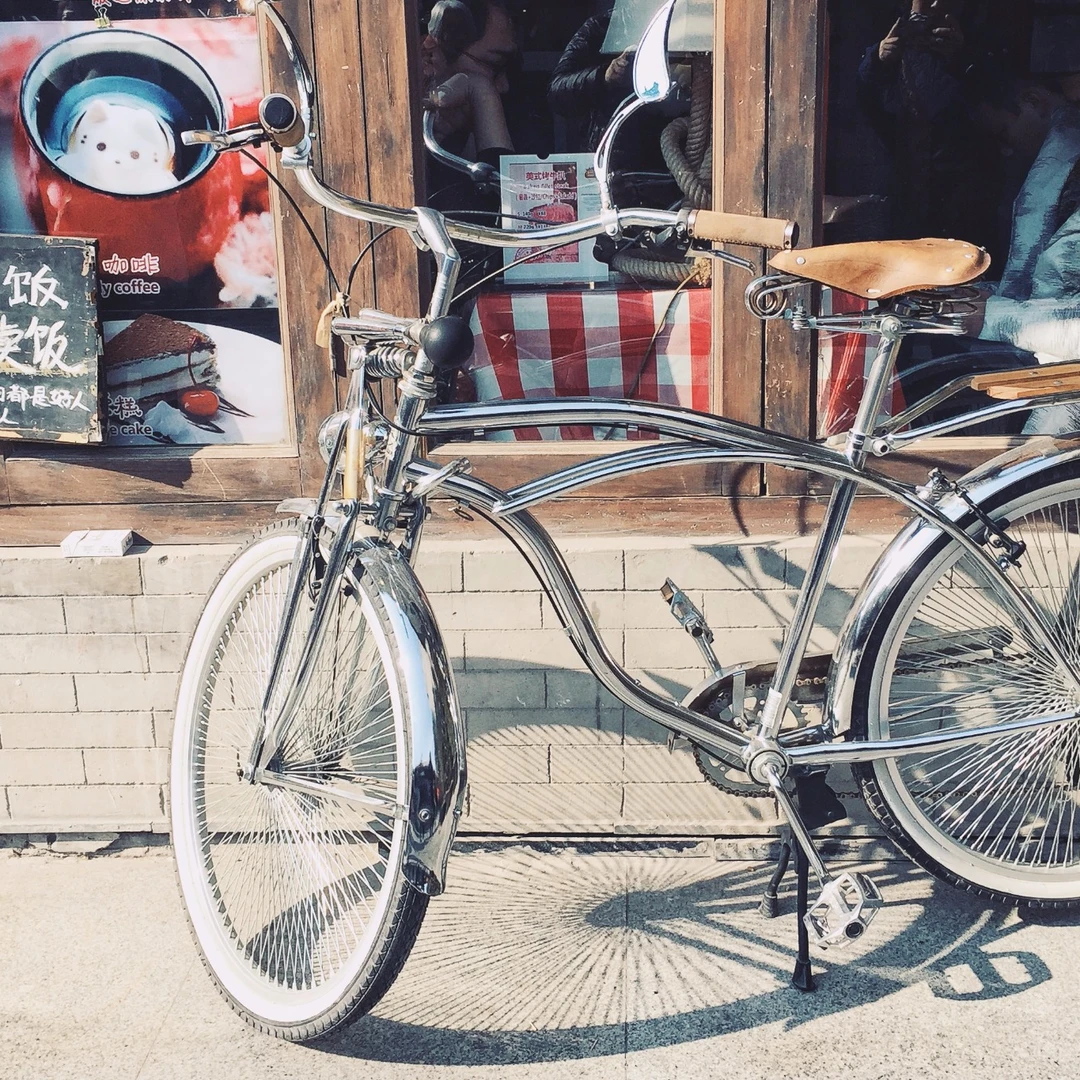
Shichahai actually comprises three lakes: Qianhai (Front Sea), Houhai (Back Sea), and Xihai (West Sea). Together, they form one of Beijing’s most scenic water areas, surrounded by historic mansions and temples. Don’t miss: - Prince Gong’s Mansion (恭王府): The largest and best-preserved princely mansion in Beijing, once home to the powerful Qing official Heshen. [Link: Prince Gong's Mansion Visitor Guide] - Song Qingling’s Former Residence: A peaceful courtyard where the former vice-chairperson lived in her later years - Guanghua Temple: A quiet Buddhist temple with beautiful architecture
FAQ: Your Questions About Visiting Beijing's Hutongs
1. How long does it take to walk the Nanluoguxiang to Houhai route?
The full walking route (Nanluoguxiang → Drum Tower → Yandaixiejie → Houhai → Shichahai) takes approximately 4–6 hours, depending on how much time you spend exploring side alleys, visiting attractions, and stopping for food. Plan for a full day if you want to visit Prince Gong’s Mansion or take a boat ride on Houhai.
2. What's the best time of year to visit Beijing's hutongs?
 Spring (April–May) and Autumn (September–October) offer the most pleasant weather—mild temperatures, clear skies, and beautiful foliage. Summer can be hot and crowded, while winter is cold but offers fewer tourists and a unique, quiet charm.
3. Are the hutongs wheelchair or stroller accessible?
Main streets like Nanluoguxiang and Yandaixiejie are mostly flat and accessible, though they can be very crowded. Side hutongs often have uneven paving stones, steps, and narrow passages that may be challenging. Some attractions like Prince Gong’s Mansion have accessible entrances.
4. What should I eat along this route?
Must-try foods include: Beijing zhajiangmian (noodles with fried sauce) at local eateries, candied hawthorn sticks from street vendors, kaorou (grilled meat) at Kaorou Ji on Yandaixiejie, and wontons at Huntun Hou near the Drum Tower. For a sit-down meal, try a Beijing hot pot restaurant in the Shichahai area.
5. Can I visit the hutongs for free?
Yes! Walking through the hutongs is completely free. However, some attractions charge admission: Drum Tower (10 RMB), Prince Gong’s Mansion (40 RMB), and the Bell Tower (10 RMB). The Great Qing Post Office and Qianding Old Wine Museum on Yandaixiejie are free to enter.
Your Perfect Day in Old Beijing: Final Route Summary
Morning (8:00 AM – 12:00 PM): Start at Nanluoguxiang Station. Explore the main street and side alleys like Mao’er Hutong and Juer Hutong. Visit the Drum Tower for panoramic views.
Lunch (12:00 – 1:30 PM): Eat near the Drum Tower—try Yaoji Chao Gan or Huntun Hou for authentic Beijing flavors.
Afternoon (1:30 – 5:00 PM): Walk through Yandaixiejie, visit the Great Qing Post Office and silverware shop. Cross Yinding Bridge into Houhai. Explore Prince Gong’s Mansion or take a lakeside stroll.
Evening (5:00 PM onwards): Watch the sunset over Houhai, then experience the bar street atmosphere. Grab dinner at a lakeside restaurant or head back to the Drum Tower area for more food options.
Ready to Explore Old Beijing?
Beijing’s hutongs are more than tourist attractions—they’re living museums of a thousand years of history, culture, and daily life. Whether you’re a first-time visitor or a seasoned traveler, this walking route offers an unforgettable journey through the heart of Old Beijing.
Start planning your trip today! Book your accommodation near Nanluoguxiang or Shichahai for easy access to this route. Download a Beijing subway map, pack comfortable walking shoes, and get ready to discover the hidden stories behind every hutong gate.
[Link: Beijing Travel Guide: Complete Itineraries for 3, 5, and 7 Days]
Have you explored Beijing's hutongs? Share your favorite hidden courtyard or unexpected discovery in the comments below!
You should also read:

Avoid the Crowds and Traps: The Ultimate Guide to Taking the S2 Train to Badaling Great Wall
Meta Description: Discover the cheapest, most scenic way to reach Badaling Great Wall from Beijing. Avoid fake buses and traffic jams with the S2 train—just 6 yuan, no crowds, and stunning mountain views. If you ask a Beijing local for the most comfortable way to…
Continue reading...
Savoring the Flavors of Di'anmen: A Culinary Journey Through Beijing's Heart
Meta Description: Discover the authentic tastes of old Beijing in Di'anmen. From douzhi to stir-fried liver, explore hidden hutong food stalls, legendary snack shops, and the vibrant street food culture surrounding Shichahai Lake. The story of Beijing has never been solely about crimson walls, golden…
Continue reading...
A Spontaneous Escape Through Tianjin, Beijing, and Shandong: An Unforgettable Solo Travel Adventure
Meta Description: Discover the raw beauty of a spontaneous solo journey through Tianjin, Beijing, and Shandong. From Quanjude roast duck to Tanggu night views, read this heartfelt travelogue of escape and self-discovery. The July wind carried restlessness and unease. After abruptly ending a ten-day job…
Continue reading...