Strolling Through Peking: 100,000 Steps in Five Days – A Winter Journey Through Beijing's Heart
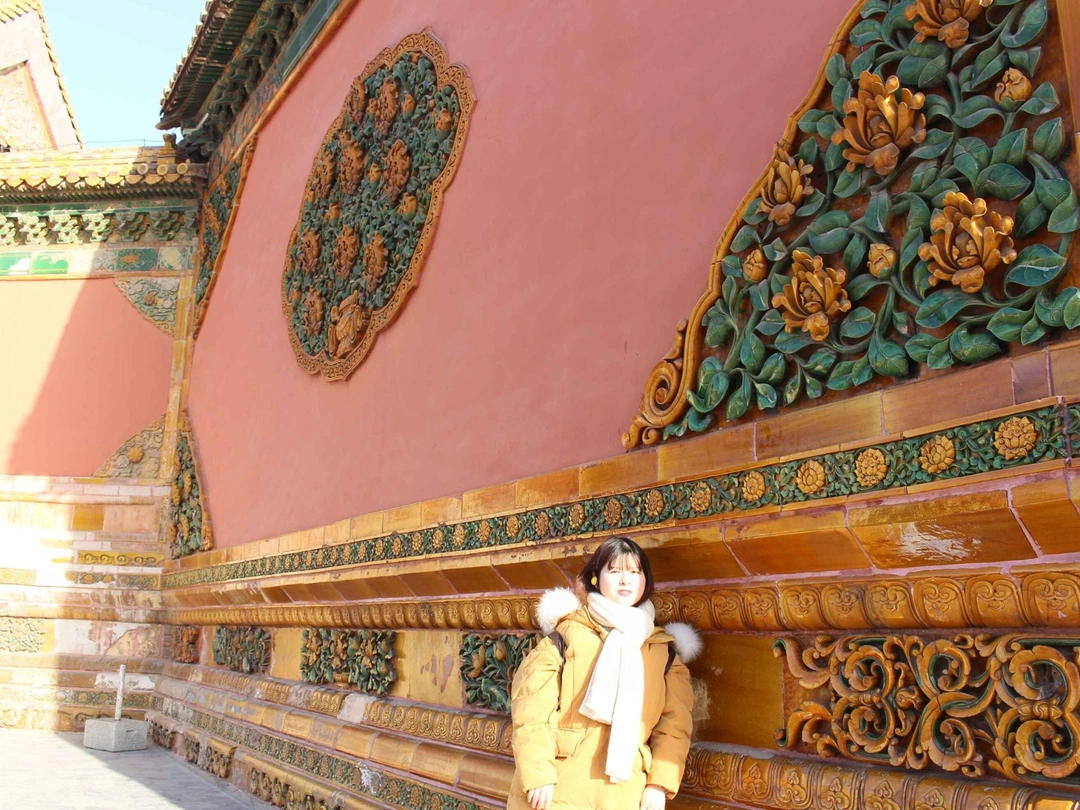
Meta Description: Walk 100,000 steps through Beijing in winter—from historic hutongs to iconic landmarks. Discover hidden eats, ancient palaces, and the warmth of a city that blends tradition with modernity.
Introduction: A Long-Overdue Date with Peking
When I was a child reading Lao She, I always sketched an image of Peking between the lines—the hawking cries in the hutong alleyways, the smoky warmth of siheyuan courtyards, the lazy afternoons under a winter sun. The seed of wanting to visit Beijing was planted somewhere along the way, quietly taking root over the years, and finally blossomed in the winter of 2019.

Before I left, I imagined Beijing as a modern metropolis of towering skyscrapers, high prices, and hurried footsteps. But when I actually set foot on this land, slipped into those narrow hutong, listened to elderly locals chatting in their authentic Beijing accent, and saw steaming kao leng mian (grilled cold noodles) at street stalls, I realized how wrong I was. Beijing wasn't the cold concrete jungle I had pictured. It was an old city with warmth, breath, and stories.
In just five days, I walked nearly 100,000 steps—from south to north, from ancient to modern. This article is the love letter I wrote with my feet.
Day One: From South to North – Arriving in Beijing's Hutong Heart
The High-Speed Rail Journey to Beijing
We live in a small coastal town in the south. In ancient times, we might never have made it to the capital. But lucky for us, we live in the age of high-speed rail—a single ticket carried me from the southern lands to the northern realm.
When I checked ticket availability before departure, I was surprised to find seats still open for trains heading into Beijing just before the New Year. Makes sense, I suppose—right before Spring Festival, most people are fleeing the city, not heading toward it. We managed to grab a bargain.
The high-speed train ride took an entire day, from morning till night. We arrived at our hotel around five in the evening. Our accommodation was not far from Wangfujing, so we dropped our bags and headed straight there.
Exploring Wangfujing and Its Charming Hutongs
This area is part of the old city. It wasn't as bustling as I had imagined, but it was full of old Beijing's charm. The names of the hutong were especially delightful—Mao'er Hutong (Hat Alley), Yu'er Hutong (Rain Alley), Juer Hutong (Chrysanthemum Alley). Just reading them out loud was entertaining, and they worked like natural navigation; you could never get lost.
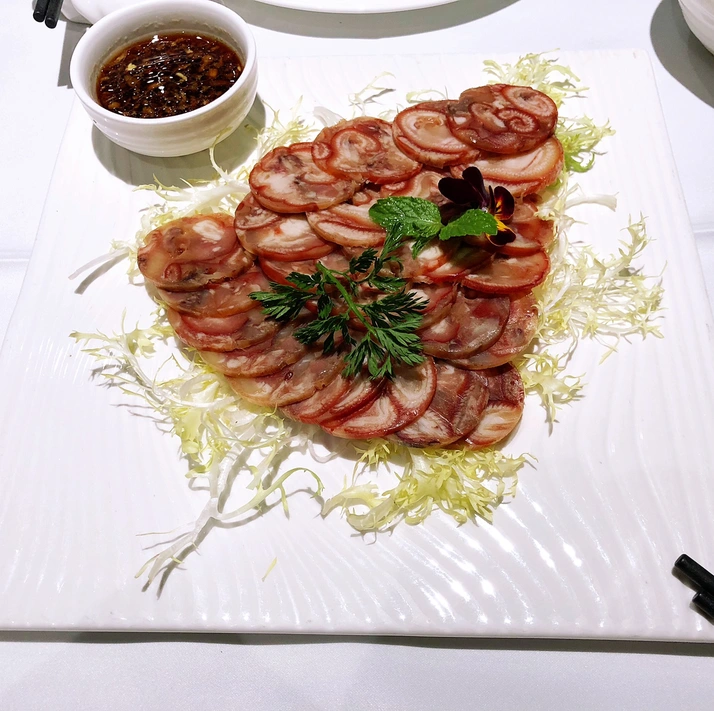
Beijing winter nights are genuinely cold, especially when the wind picks up. But no amount of cold could stop a foodie's heart. My husband had done his homework and told me that Sijiminfu Roast Duck near Wangfujing had an excellent reputation—more popular with locals than Quanjude. By the time we arrived, there was already a long line. We waited over an hour for our turn.
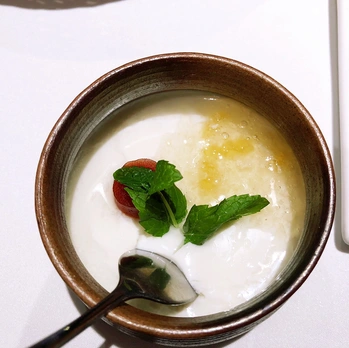
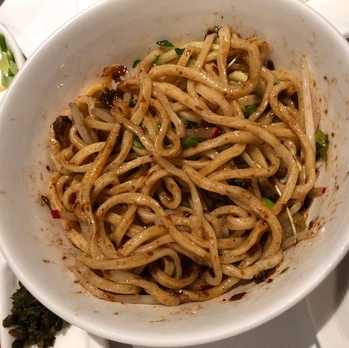
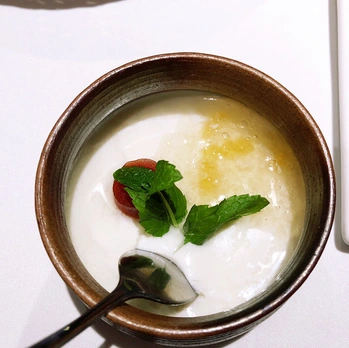
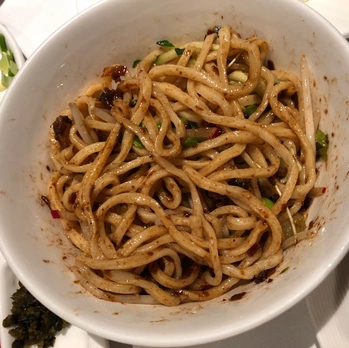
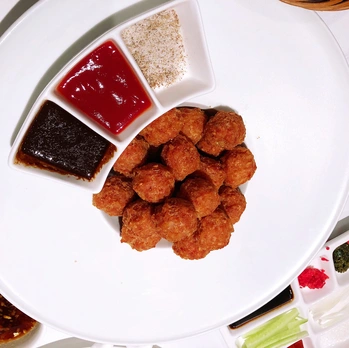
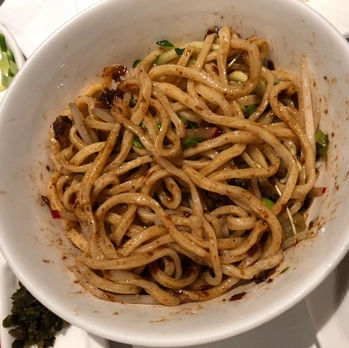
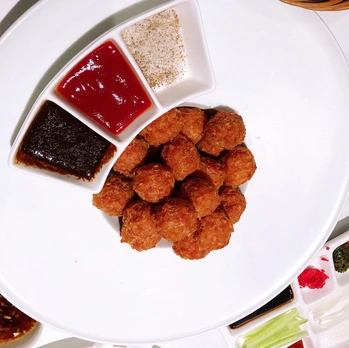
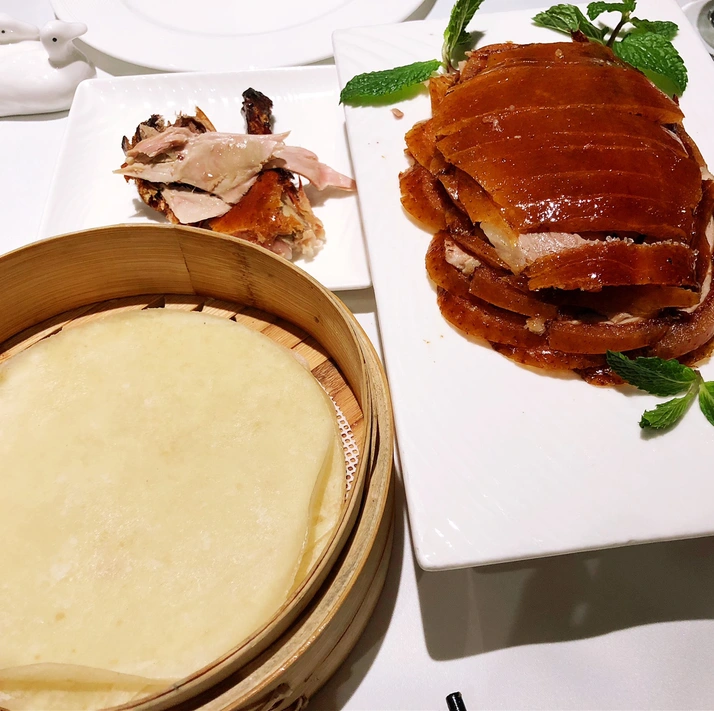
We ordered a table full of dishes, and pretty much everything hit the mark. The roast duck skin dipped in sugar melted in your mouth, sweet and fragrant. The duck meat was tender and juicy, wrapped in thin pancakes with condiments—each bite was pure happiness. The honey yogurt and zha jiang mian (noodles with fried sauce) were on the lighter side. The fried meatballs were a bit greasy and turned hard after cooling down.
Full and satisfied, we strolled around Wangfujing. On a winter night, the area wasn't crowded. The quiet streets actually made the city's daily life feel more real. We bought a serving of kao leng mian as a late-night snack, eating as we walked. At that moment, I felt like I had truly blended into the everyday rhythm of Beijingers.
Day Two: Crossing a Century – History, Ruins, and Imperial Gardens
Peking University: Winter by Weiming Lake
You need to book ahead to enter Peking University, but same-day reservations are possible. As a liberal arts student, Peking University was an obsession from my school days. Stepping onto the campus felt like traveling back a hundred years.
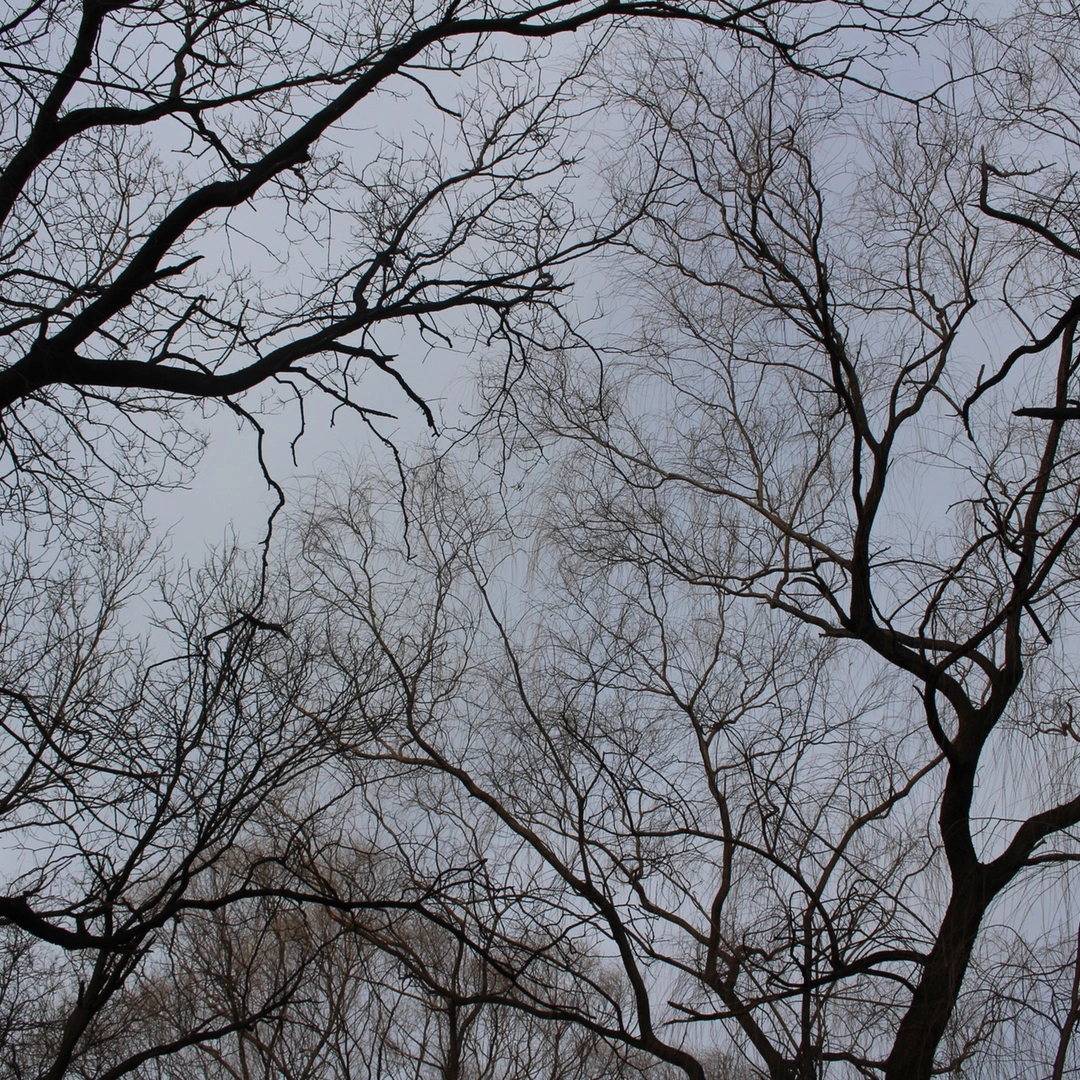
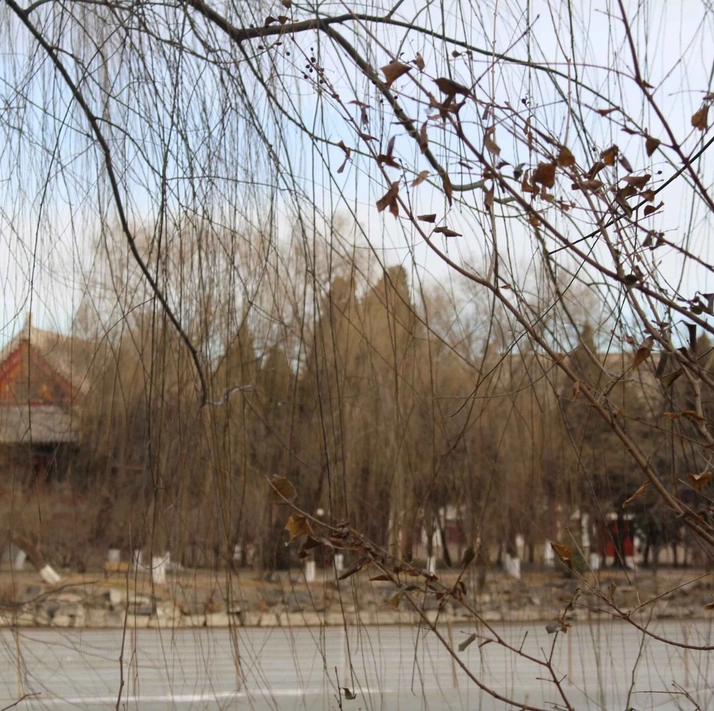
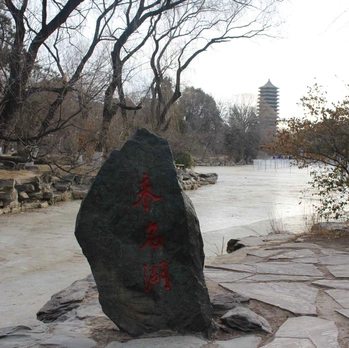
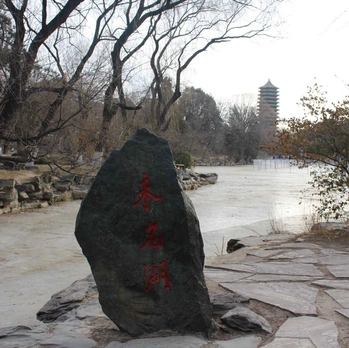
Winter in the north strips the trees bare, leaving only naked branches crisscrossing the sky. Looking up, the sky was fragmented by the branches—a kind of desolate beauty. By Weiming Lake (Unnamed Lake), I couldn't help but wonder: how many scholars and poets once stood here, debating their ideals? How many had thrown themselves into these waters to make a statement? Walking the paths Hu Shi once walked, the paths Lu Xun once walked—it was an indescribable feeling.
[Link: Explore more about Peking University's historical landmarks]
Yuanmingyuan: The Pain of Being Torn Apart
From Peking University, we went to Yuanmingyuan (the Old Summer Palace). Walking through most of the gardens, I kept my brow furrowed, my heart heavy. What was once a wonder of the world now lies in ruins. I thought of Emperor Yongzheng—this garden was a gift from his father, the Kangxi Emperor. He poured his heart into building it and eventually died here. If he could see what has become of it, he would probably be turning in his grave.
National humiliation must not be forgotten. The lessons of history must not be forgotten. Every Chinese person with a conscience should visit Yuanmingyuan. Not for the sake of hatred, but to understand: China must be strong, we must reflect on ourselves, and we must cherish peace.
Yuanmingyuan is vast, but the main ruins worth seeing are around the Western Mansions area. The rest you can breeze through.
[Link: Plan your visit to Yuanmingyuan with our guide]
Summer Palace: Empress Dowager Cixi's Private Garden
The Summer Palace is not far from Yuanmingyuan. We hired a guide to walk us through. The garden was originally called Qingyiyuan (Garden of Clear Ripples). After it was burned down by the British and French forces, Empress Dowager Cixi had it rebuilt in the name of Emperor Guangxu and renamed it Yiheyuan (Summer Palace).
Our guide told us that many of the buildings and arrangements in the garden were loaded with hidden meanings, all reflecting Cixi's immense power. There were two opera stages in the garden because Cixi was a die-hard opera fan. There was also a courtyard where, after the failed reform movement, Cixi imprisoned Emperor Guangxu. The side doors were bricked up, even the door for his consorts to visit was blocked—you can imagine what Guangxu's life was like back then.
The Long Corridor at the Summer Palace is well worth seeing. Stretching over 700 meters, it has more than 8,000 painted panels on the beams, none of them repeated. It's known as the "World's First Corridor." The paintings cover landscapes, flowers and birds, and scenes from China's four great classical novels. The artists condensed thousands of years of Chinese history and culture into this single corridor.
The Seventeen-Arch Bridge is the Summer Palace's signature landmark. From a distance, the bridge blends into the water, giving it a touch of West Lake scenery. If the ice had melted, you could take a boat out on the lake—that would have been even more delightful.
We left the Summer Palace around four in the afternoon, hungry. By chance, we stumbled upon a century-old Menkuang Hutong luzhu (stewed offal) shop across from Xinjiekou subway station. It was my first time trying luzhu. The pork lungs were cleaned thoroughly—tender, smooth, and free of any gamey smell. One bowl warmed me up completely. Later, when I saw food bloggers recommend this place, I realized we had accidentally hit the jackpot.
After eating, we wandered along the hutong near Beihai Park. In the park, people were kicking shuttlecocks, gathered in circles playing cards, or chatting while tending to their caged birds. Beijingers' lives are really down-to-earth.
Our last stop was Yandai Xiejie (Tobacco Pouch Slanting Street). The street was decorated with lanterns and banners—the New Year atmosphere was getting stronger.
[Link: Discover more hidden food spots in Beijing's hutongs]
Day Three: From the Flag-Raising to the Temple of Heaven – A Dialogue Across Time
Tiananmen: The Moment the Flag Rises
On the first of every month, there's a grand flag-raising ceremony with 36 guards and 63 military band members playing the national anthem live. It's a much grander spectacle. We deliberately chose this day to watch the ceremony.
We got up at 5 a.m. to secure a good spot. By the time we reached Tiananmen Square, the crowd was already thick with anticipation. As the first rays of sunlight touched the horizon, the flag rose slowly, accompanied by the national anthem. It was a moment of profound national pride—a dialogue across time with the history that shaped modern China.
[Link: Tips for watching the flag-raising ceremony at Tiananmen]
Day Four: Temple of Heaven – Where Heaven and Earth Meet
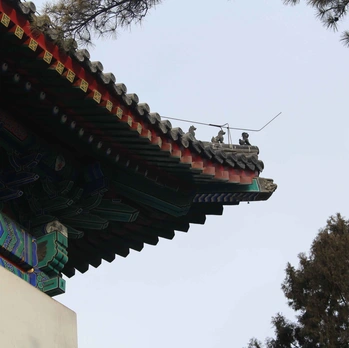
The Temple of Heaven is a masterpiece of Ming Dynasty architecture and a UNESCO World Heritage site. This is where emperors once performed solemn rituals to pray for good harvests. The Hall of Prayer for Good Harvests is the iconic triple-eaved circular building that appears on countless postcards.
Walking through the vast park, we saw locals practicing tai chi, singing opera, and playing traditional instruments. It's a living museum where ancient rituals meet daily life.
[Link: Complete guide to visiting the Temple of Heaven]
Day Five: Farewell to Peking – A City That Stays in Your Heart
On our last day, we revisited our favorite hutong for one final bowl of luzhu and a stroll through Nanluoguxiang. This bustling alley is the perfect place to pick up souvenirs and soak in the last bits of Beijing's charm.
As the train pulled away from Beijing, I realized that this city had measured me as much as I had measured it. The 100,000 steps weren't just a physical journey—they were a journey into the soul of a city that blends ancient traditions with modern energy.
Frequently Asked Questions About Visiting Beijing in Winter
1. Is winter a good time to visit Beijing?
Yes! Winter offers fewer crowds, lower prices, and a unique charm—especially if you enjoy cold weather and want to see the city without the summer tourist rush. Just pack warm layers.
2. What are the must-try foods in Beijing?
Don't miss Peking roast duck, zha jiang mian (noodles with fried sauce), luzhu (stewed offal), kao leng mian (grilled cold noodles), and douzhi (fermented bean drink) for an authentic local experience.
3. How many days do you need to see Beijing's main attractions?
Five days is ideal for a relaxed pace. You can cover the Forbidden City, Summer Palace, Temple of Heaven, and a few hutong areas comfortably. Add two more days if you want to visit the Great Wall.
4. Is it easy to get around Beijing without speaking Chinese?
Yes—the subway system is well-signed in English, and many tourist attractions have English guides. Download a translation app and a map app like Baidu Maps or Google Maps.
5. What should I pack for a winter trip to Beijing?
Thermal underwear, a heavy coat, gloves, a scarf, and warm boots are essential. The wind can be biting, so a windproof outer layer is a good idea.
Ready to Walk Beijing Yourself?
Beijing isn't just a city to see—it's a city to feel. Whether you're tracing the footsteps of poets at Peking University or savoring street food in a hidden hutong, every step reveals a story.
Start planning your winter Beijing adventure today. Book your high-speed rail tickets, reserve your hotel near Wangfujing, and prepare to walk 100,000 steps into the heart of China's capital.
[Link: Find the best Beijing travel packages and guided tours]
Have you visited Beijing in winter? Share your favorite memory in the comments below!
You should also read:

Dear Little Poop-Scooper, Do You Remember Our Round-the-World Trip Before You Were Born? A Mother’s Journey of Womb Travel, Mountains, and Memories
Meta Description: Discover one mother’s unforgettable round-the-world trip before birth—hiking with a husky, navigating pregnancy anxiety, and creating womb travel memories. A heartfelt story of prenatal adventures and family bonds. The most wondrous journeys in life often begin before you even open your eyes to…
Continue reading...
Weekend Escape Plan: Three Days and Two Nights Wandering Beijing, Discovering Poetry and Everyday Life in the Hutongs
Here is the SEO-optimized article, rewritten as an SEO content strategist would deliver it. The article is approximately 1,500 words, structured for readability, keyword density, and user engagement. Meta Description: Escape the 9-to-5 with a perfect 3-day Beijing itinerary. Discover hidden hutongs, art districts, and…
Continue reading...
My Craft Beer Journey: Starting from Beijing – A Beginner’s Guide to China’s Craft Beer Scene
Meta Description: Discover how one IPA in Beijing sparked a craft beer obsession. From Slow Boat Brewery to hidden hutong bars, explore China’s best craft beers, tasting tips, and bar recommendations for beginners. My understanding of beer used to be summed up in one word:…
Continue reading...