My Craft Beer Journey: Starting from Beijing – A Beginner’s Guide to China’s Craft Beer Scene
Meta Description: Discover how one IPA in Beijing sparked a craft beer obsession. From Slow Boat Brewery to hidden hutong bars, explore China’s best craft beers, tasting tips, and bar recommendations for beginners.
Introduction: How a Single Glass of IPA Changed Everything
My understanding of beer used to be summed up in one word: bitter.
Growing up in Beijing, my beer world revolved around Yanjing, Tsingtao, and Harbin—those ubiquitous industrial lagers that all tasted the same. I thought beer was monotonous, watery, and frankly, boring. That all changed on December 31, 2015.
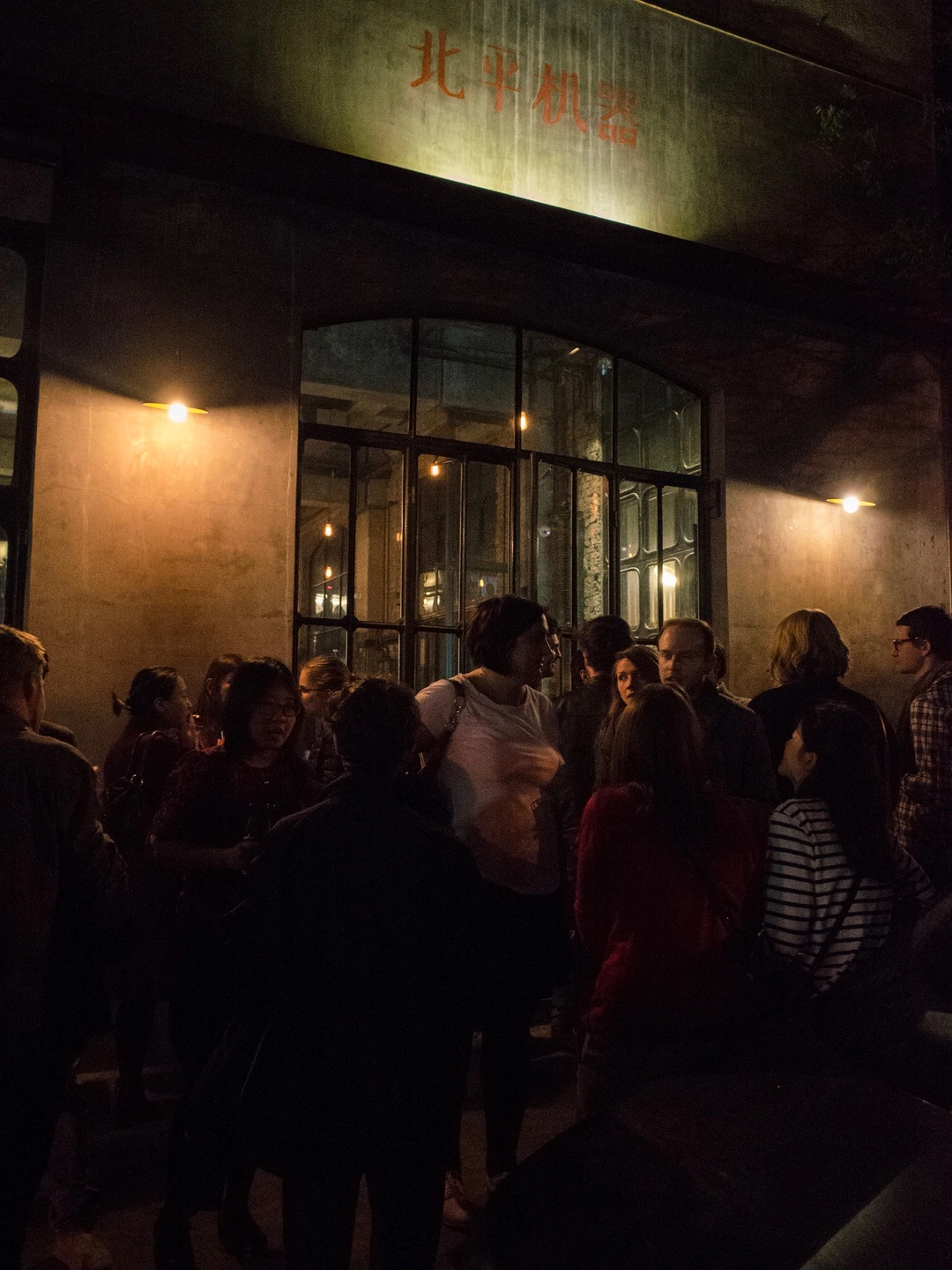
That night, I was at Dusk Dawn Club (DDC) for a New Year’s Eve event. The organizers had partnered with Slow Boat Brewery and recommended a craft beer called “Monkey Fist.” I took the glass, had a big gulp, and in that instant, I was completely stunned.
A faint floral aroma filled my senses—so fresh I couldn’t believe it was beer. Then the familiar bitterness crept in, but the aroma was so powerful it almost overpowered everything else. That was the taste of an IPA (India Pale Ale).
From that moment, I began a full-year journey exploring craft beer in Beijing. I’ve visited dozens of bars, tried countless styles, and tirelessly recommended craft beer to everyone around me. This article is my personal guide—a summary of the bars, beers, and flavors that defined my first year in the craft beer world.
Why Beijing’s Craft Beer Scene is Exploding
Beijing has quietly become a craft beer hub in China. Over the past decade, the city has seen a surge in microbreweries, taprooms, and bottle shops. The reasons are clear:

- Growing demand for quality: Chinese drinkers are moving beyond cheap industrial lagers toward flavorful, artisanal options.
- International influence: Expat brewers and returning Chinese entrepreneurs have brought global brewing techniques.
- Hutong culture: Beijing’s historic alleyways provide the perfect setting for intimate, character-filled bars.
If you’re new to craft beer, Beijing is the perfect place to start. The scene is accessible, diverse, and constantly evolving.
Slow Boat Brewery: Where My Craft Beer Journey Began
Dongsi Batiao Branch (Now Closed – But the Legacy Lives On)
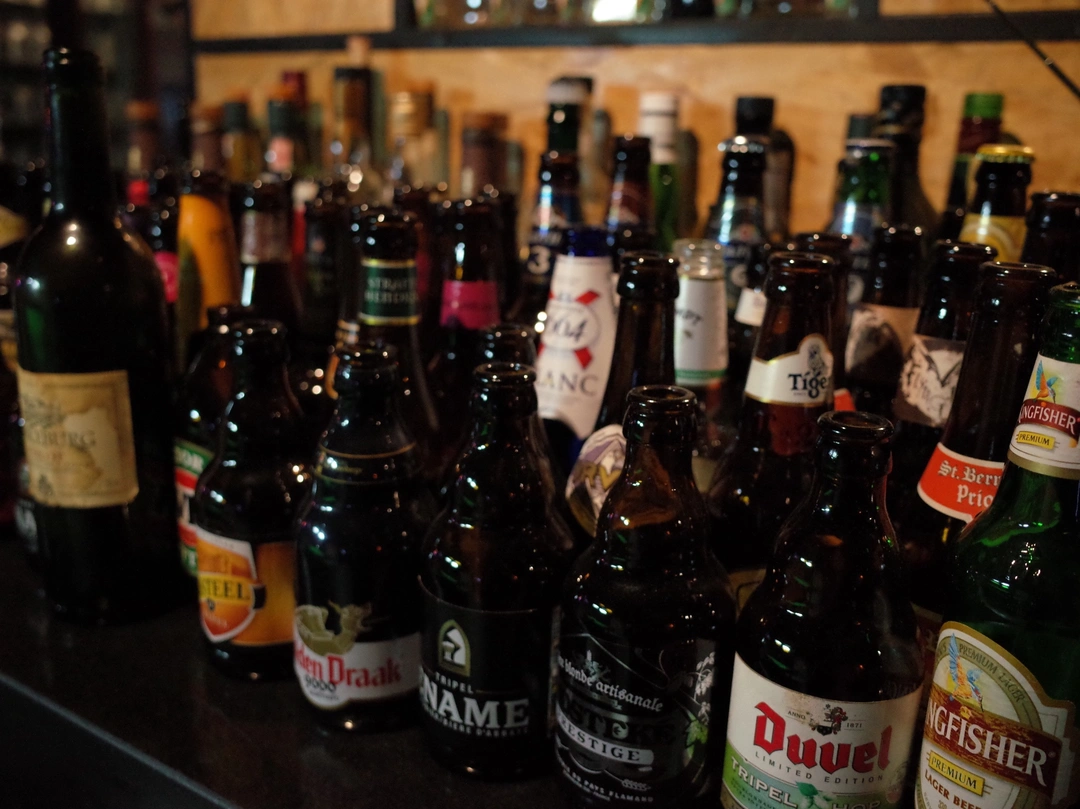
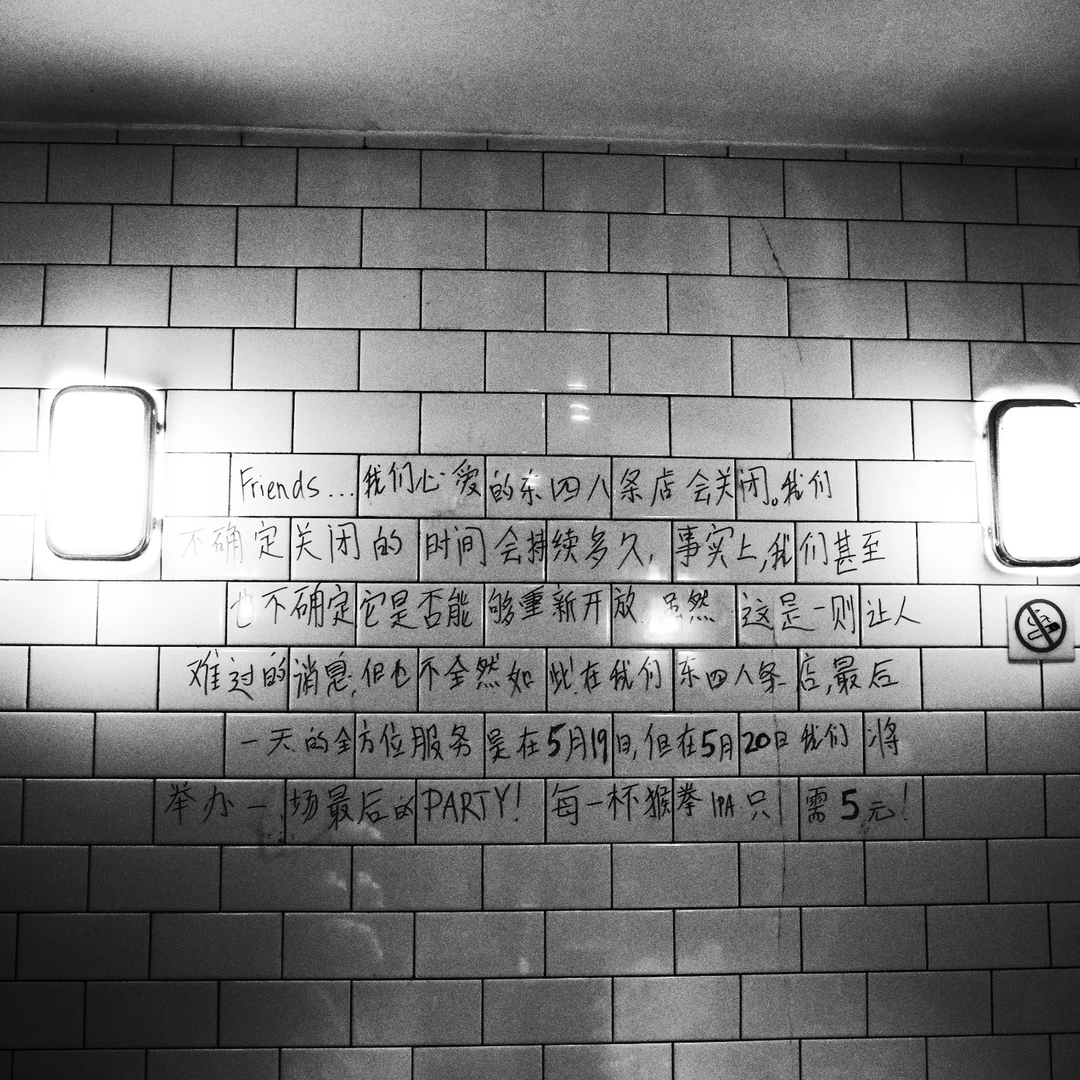
May 19, 2017, was this branch’s last day of operation. Even though it’s gone now, I still have to put it first—this is where my craft beer journey began.
Located at No. 56-2, Dongsi Batiao Hutong, this bar was tucked deep in the hutongs, its gray brick walls blending perfectly into the alleyway surroundings. The entrance was just a simple wooden door—if no one had told me it was a bar, I’d never have guessed.
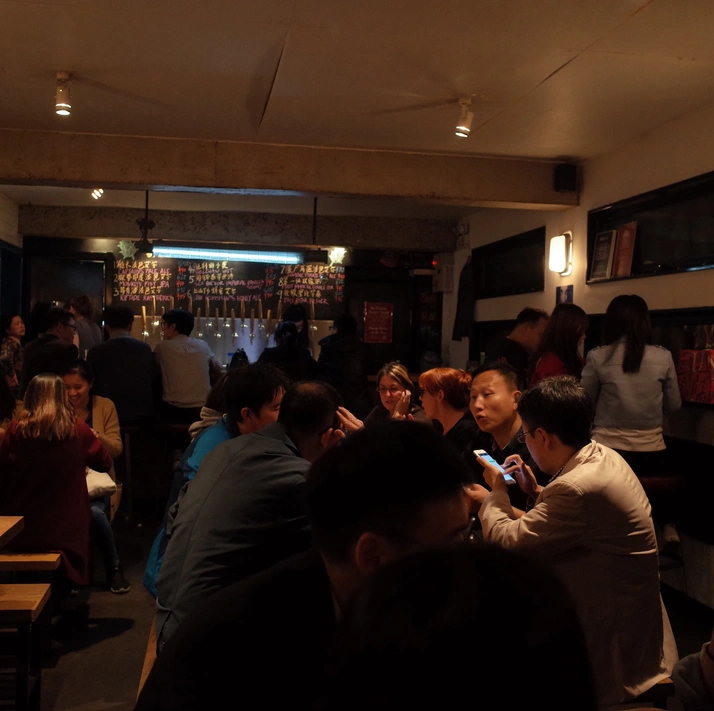
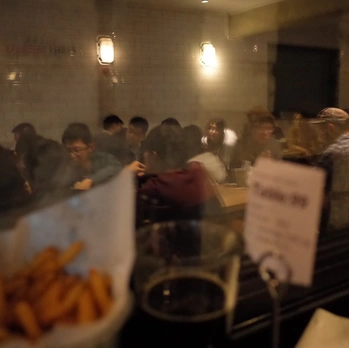
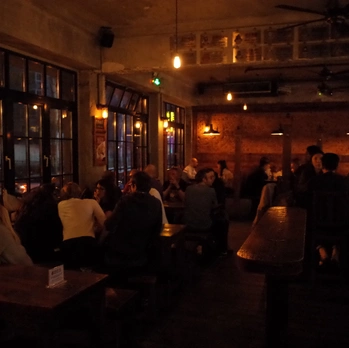
Inside, warm yellow lighting created a cozy vibe. The crowd was 60–80% foreign, and even the bartenders were often international. Everyone had just a glass of beer and some simple food in front of them. This wasn’t a restaurant, not a nightclub—it was a place completely beyond anything I’d ever known.
Slow Boat’s Best Beers for Beginners
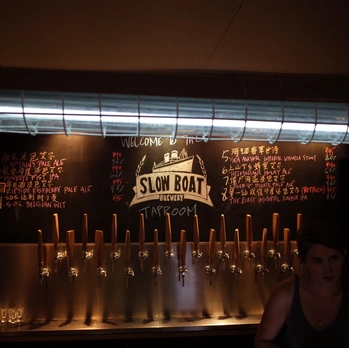
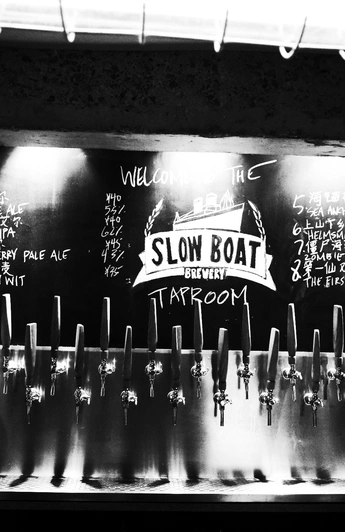
Slow Boat’s beers were all written on a blackboard on the wall—a common practice in craft beer bars because selections change frequently. Here are the standout brews I tried:
Monkey Fist IPA (My Absolute Favorite) – This subtle floral aroma captivated me. Besides the aroma, Monkey Fist is quite bitter (high IBU – International Bitterness Units), but that aromatic impact overwhelmed everything else. It’s the benchmark IPA in my mind.
Zombie Pirate IPA – A milder version of Monkey Fist. Also aromatic, but not as bitter. Perfect for those easing into IPAs.
Berry No Wine – Said to be suitable for beginners who can’t handle bitterness well. Slightly sweet, with a fruit-forward profile.
Black Sea Saison – A “heavy” flavor that I initially resisted. But as my palate developed, I came to appreciate its layered complexity. [Link: Understanding Saison vs. Other Beer Styles]
First Immortal Double IPA – This confirmed my aversion to heavy-duty styles like “double” or “triple” IPAs. The first sip was full of bitter hop particles—I really didn’t like it.
Sexy Mermaid Triple IPA – At the Sanlitun branch, I encountered a triple IPA with an IBU of 90. Surprisingly, a friend who normally hates bitter beer loved it. A reminder that palate is personal.
Sea Anchor Deep Sea Stout – Not the rich coffee flavor I associate with stouts (compared to Founders Breakfast Stout). It had a stronger carbonation bite, almost like an IPA. There was also a peculiar taste—like a metallic, rusty flavor that matched the name “Sea Anchor.”
Mysterious Sea IPA – A funky-smelling IPA—like something sour, or even like Beijing’s fermented soybean drink (douzhi). I later learned that craft beer bars can have quality control issues, with different batches varying in flavor.
The Unforgettable Food at Slow Boat
Slow Boat’s food was absolutely top-notch. The menu was simple—just half a sheet of A4 paper—and I had it completely memorized.
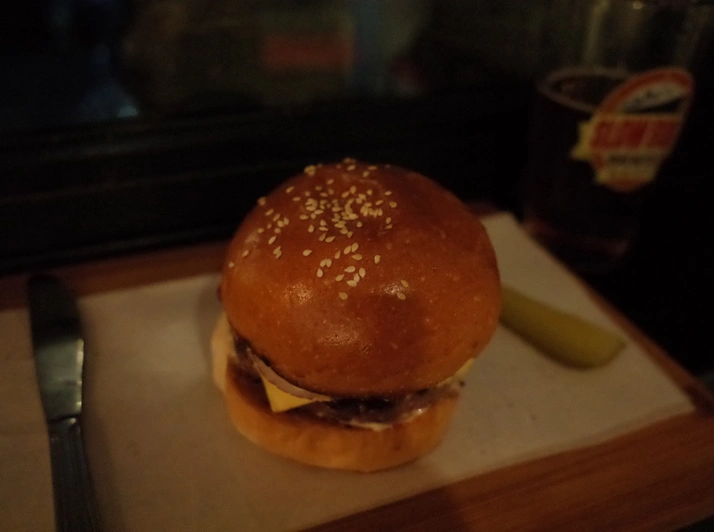
Classic Burger – On a scale of 1 to 10, I’d give McDonald’s an 8, Burger King a 9, KFC a 7, and others between 2 and 7. Slow Boat’s Classic Burger? A solid 12. The bun was pan-fried, solving the dry-bun problem. The beef patty was substantial, and the onions were a highlight—not spicy, but juicy. The only downside? A bit oily.
Blue Burger – The Classic Burger with blue cheese added. Blue cheese has that strong “cheesy” flavor—sour, funky—and once I even caught a hint of vodka. If you’re not a big fan of cheese, think twice.
Fry Burger – Said to have won a burger competition. Simply put, it’s the Classic Burger with their signature fries stuffed inside. Pure indulgence.
Beyond Slow Boat: Other Must-Visit Craft Beer Bars in Beijing
While Slow Boat is my origin story, Beijing’s craft beer scene has much more to offer. Here are other bars worth exploring:
1. Jing-A Brewing Co.
 - Why go: One of Beijing’s most established craft breweries, known for innovative seasonal brews. - Must-try: “Flying Fist” IPA – a crisp, citrus-forward IPA. - Tip: Visit their taproom in the 798 Art District for a unique industrial-chic atmosphere.
2. Great Leap Brewing
- Why go: A pioneer in Beijing’s craft beer movement, with multiple locations.
- Must-try: “Honestly, It’s Not Our Fault” – a session IPA with lower alcohol but big flavor.
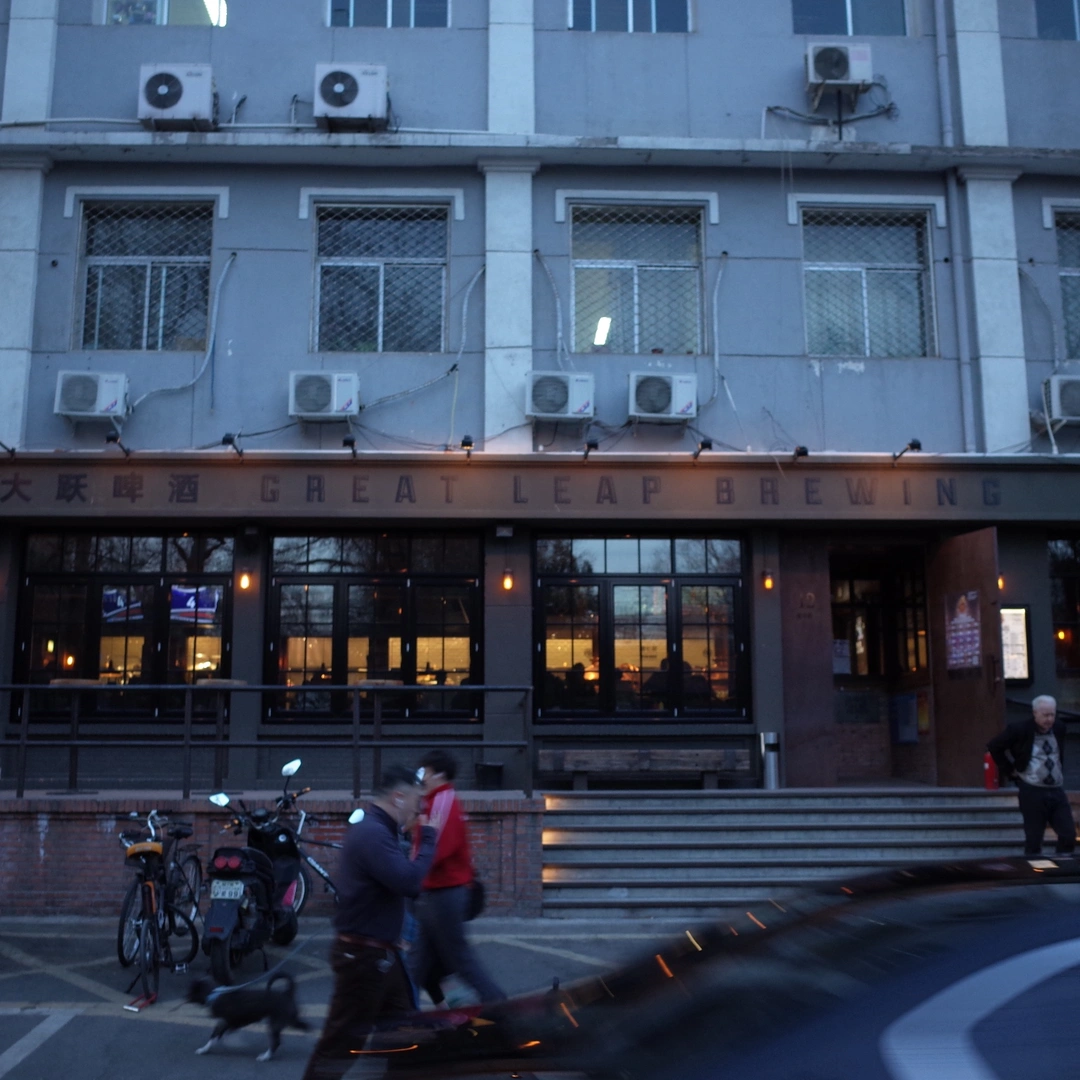
- Tip: The original hutong location offers an authentic Beijing experience. [Link: Best Hutong Bars in Beijing]
3. Arrow Factory Brewing
 - Why go: Known for experimental small-batch beers. - Must-try: “Citra Pale Ale” – a hop-forward but balanced pale ale. - Tip: Check their social media for limited releases.
4. Panda Brew
- Why go: A Chinese-owned brewery that focuses on local ingredients.
- Must-try: “Sichuan Pepper Gose” – a sour beer with a spicy kick.
- Tip: Great for adventurous drinkers.
How to Start Your Own Craft Beer Journey in Beijing
Step 1: Understand the Basics
- IPA (India Pale Ale): Hop-forward, bitter, aromatic.
- Stout: Dark, roasted, coffee-like flavors.
- Saison: Farmhouse ale, fruity, spicy, often lighter.
- Sour: Tart, funky, often fruit-infused.
Step 2: Order Like a Pro
 - Ask for a tasting flight (small samples of 4–6 beers) to explore without commitment. - Don’t be afraid to ask the bartender: “What’s your lightest/hoppiest/sweetest beer?” - Note the IBU (International Bitterness Units) – lower numbers (10–30) are milder, higher (60+) are intensely bitter.
Step 3: Pair Beer with Food
- IPA with spicy food – The bitterness cuts through heat.
- Stout with chocolate – A classic pairing.
- Saison with seafood – The acidity complements delicate flavors.
Step 4: Explore Beyond Beijing
Once you’ve mastered Beijing’s scene, consider trips to: - Shanghai – Home to breweries like Boxing Cat and Liquid Laundry. - Chengdu – Known for its spicy food and growing craft beer culture. - Hong Kong – A hub for international craft beer imports. [Link: Craft Beer Travel Guide to China]
Frequently Asked Questions (FAQ)
1. What’s the difference between craft beer and industrial beer?
 Industrial beer (like Yanjing, Tsingtao) is mass-produced, light, and watery. Craft beer is made in small batches with quality ingredients, offering complex flavors, higher alcohol content, and a wide range of styles.
2. I don’t like bitter beer. Can I still enjoy craft beer?
Absolutely! Start with sours, fruited beers, or wheat beers. Many breweries offer “session IPAs” with lower bitterness. Try a Gose or a Berliner Weisse—both are tart, refreshing, and low in bitterness.
3. How do I read a craft beer menu?
 Look for three things: beer style (IPA, Stout, etc.), ABV (alcohol by volume – higher means stronger), and IBU (bitterness level). If you’re unsure, ask for a sample.
4. Is craft beer expensive in Beijing?
Yes, it’s pricier than industrial beer—expect to pay 40–80 RMB per pint. However, many bars offer happy hour deals or tasting flights for 60–100 RMB.
5. Can I find craft beer outside of Beijing?
Yes! Major cities like Shanghai, Guangzhou, and Chengdu have thriving scenes. Even smaller cities like Kunming and Xiamen now have craft beer bars.
Your Craft Beer Journey Starts Now
My journey began with one glass of Monkey Fist IPA at a hutong bar in Beijing. That single sip opened a door to a world of flavor, community, and discovery. Over the past year, I’ve learned that craft beer isn’t just about alcohol—it’s about taste, experimentation, and connection.
Ready to start your own journey? Here’s your next step:
- Visit Slow Boat Brewery (Sanlitun branch) and order a tasting flight.
- Try an IPA – if you like it, move to stouts and sours.
- Join a beer-tasting event – many bars host weekly sessions.
- Share your experience – tag your photos with #BeijingCraftBeer and connect with fellow enthusiasts.
The craft beer world is waiting. Take that first sip today.
Disclosure: This article is based on personal experience. Prices and availability may vary. Always drink responsibly.
You should also read:
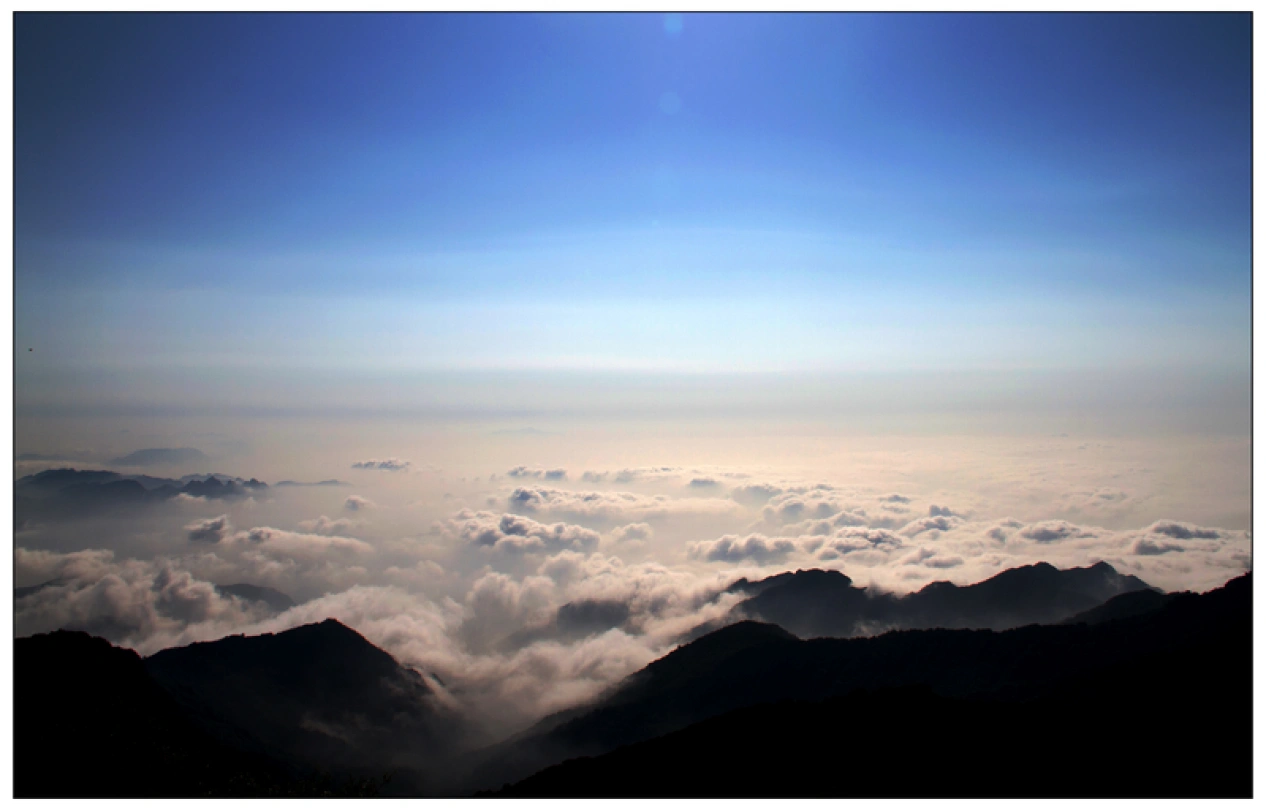
Hai Tuo Mountain Above the Sea of Clouds: A Skyward Feast on the Roof of Beijing
Meta Description: Discover Hai Tuo Mountain, Beijing's second-highest peak, where sea of clouds, starry nights, and alpine meadows await. Your ultimate guide to hiking, camping, and photography on the "Roof of Beijing." At the border of Beijing's Yanqing District and Hebei's Chicheng County lies a…
Continue reading...
The Accent of Beijing: A Hutong Odyssey in a Downpour – Exploring Beijing's Hidden Charms
Meta Description: Discover Beijing's soul through a rain-soaked hutong odyssey. From Shichahai's melancholy to Mianhua Hutong's philosophy, experience the authentic "accent of Beijing" in this immersive travel story. I'm probably going to laze myself to death. I visited Beijing eight hundred years ago—took the high-speed…
Continue reading...
A Solo Journey Through Beijing: One Girl's Seven-Day Adventure
Here is the SEO-optimized, rewritten article based on your source material. It is structured for high readability, keyword density, and user engagement, targeting approximately 1500 words. SEO Title: Solo Travel in Beijing: One Girl’s 7-Day Budget Adventure (2,000 Yuan Itinerary) Meta Description: Discover the ultimate…
Continue reading...