Summer in Beijing, Autumn in the Air: One Person's Tale of Two Seasons in the Capital
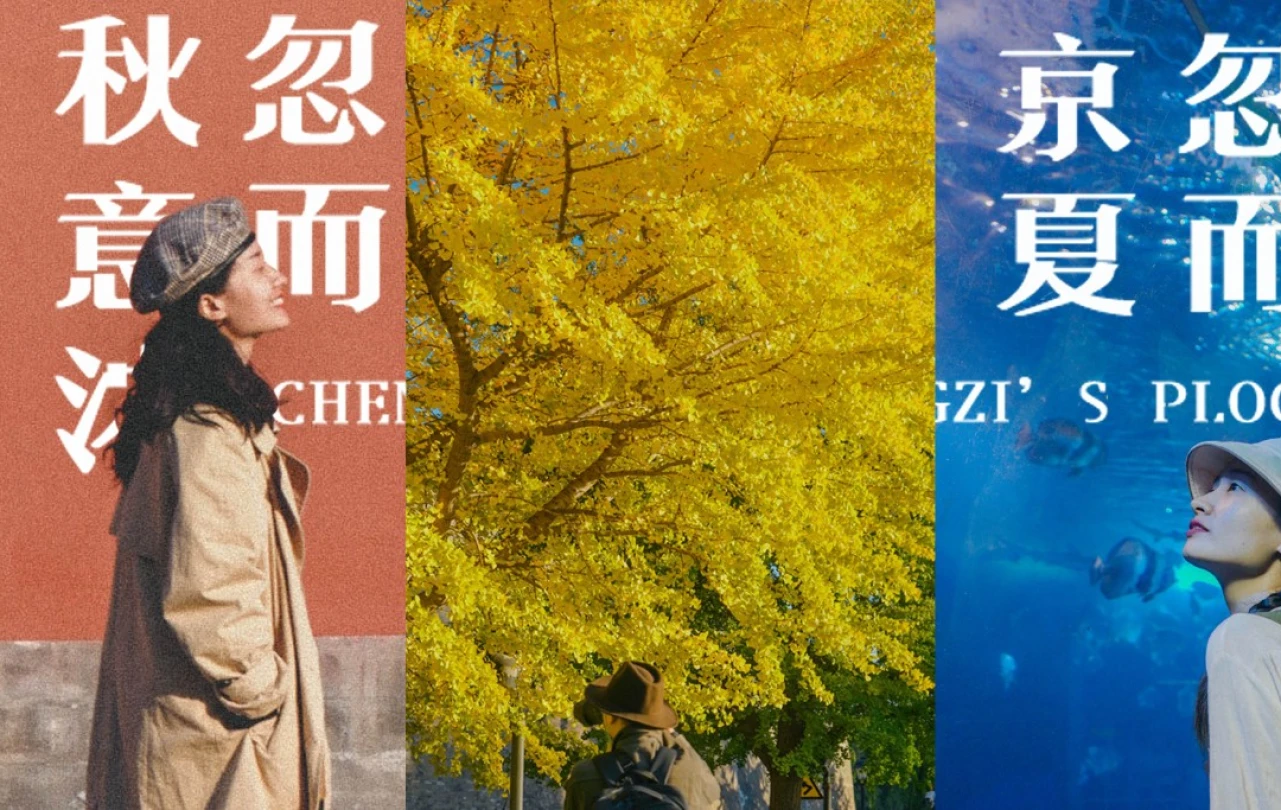
Meta Description: Discover Beijing's hidden charm through summer's cool escapes and autumn's golden embrace. Explore temples, sunflower seas, and art museums in this SEO-optimized travel guide.
Introduction: A Southerner's Love Affair with Beijing's Dual Seasons
Anyone who has lived in Beijing will likely fall in love with its autumn. The Beijing autumn described by writer Lao She was "a paradise on earth," "something even more prosperous than paradise itself." Yet when I truly stepped into this city, I discovered that Beijing's summer possesses an equally captivating vitality—that dry, crisp coolness that makes you forget about the humidity, that gentle post-rain atmosphere that suddenly carries the essence of the Jiangnan region. As a southerner, I developed a unique affection for this northern capital.
From my first visit to Beijing in the spring of 2016, to a brief stopover during National Day in 2017, and now to my frequent "trips to the capital" while working temporarily in Shijiazhuang, I've finally had the chance to savor the city's summer and autumn in detail. After two short encounters, my third "journey to Beijing" swung between the intensity of summer and the rich embrace of autumn, as if I had experienced two entirely different versions of Beijing within just a few months.
Chapter One: Beijing Summer Attractions—Unexpected Coolness in the Heat

Pacific Underwater World: A Blue Fairytale That Never Fades
Everyone's childhood holds an underwater world. It's like a blue fairytale that never loses its color—no matter how old you grow, stepping back into it brings the gentlest healing to your soul.
Located beneath the Central Television Tower, the Pacific Underwater World was one of the places I most looked forward to on this trip. It's not large, but it carries the purest childhood nostalgia. I remember visiting the Hangzhou Underwater World as a child, thinking it was endlessly vast. Now, as an adult, I realize that childhood imagination doesn't require much space—a single small fish tank is enough to plant in a child's heart an infinite longing for the blue planet.
What surprised me most was the penguin enclosure. Watching those little creatures far from their Antarctic home, though accompanied by children every day, they can no longer see the sky or forage in the vast ocean. They've become content little "couch potatoes" in their own way. My heart ached for them, yet I felt they might have found their own happiness.

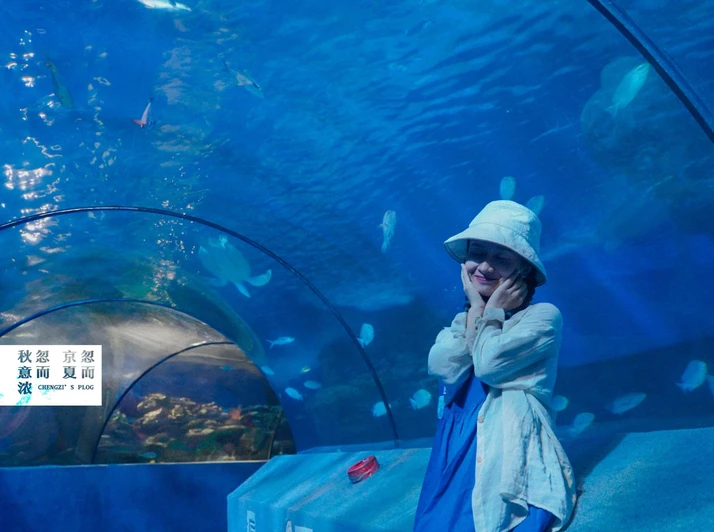
The underwater tunnel, though short, was dreamy enough. When sharks and rays glided gracefully overhead, the illusion of being beneath the sea made me forget to breathe. The venue also offers diving experiences, priced between 200 and 300 yuan (approximately $28–$42)—a decent option for city dwellers wanting to try diving for the first time.
Of course, the jellyfish pavilion was where I lingered the longest. Those lazy yet vibrant little creatures seemed like unworldly fairies or languid, dignified beauties. Even with the colorful "disco lighting" around them, their natural charm couldn't be masked. When the crowd thinned, I seized the moment to press the shutter—that single frame felt like something that would appear in my dreams.
Practical Information: - Tickets: Adults 120 yuan, Children 70 yuan; Sea lion show 40 yuan; 5D movie 40 yuan - Opening Hours: Peak season (April–October) 08:00–18:00; Off-season (November–March) 08:30–17:30
[Link: Best family-friendly attractions in Beijing]
Zhihua Temple: A Ming Dynasty Secret Hidden in the Bustling City
Beijing is overflowing with temples, but Zhihua Temple is absolutely worth a dedicated visit. Built in the eighth year of the Zhengtong reign (1443 AD) by Wang Zhen, a eunuch in charge of the Directorate of Ceremonial during the early Ming Dynasty, it was modeled after the "Seven Halls of the Buddhist Monastery" layout from the Tang and Song dynasties. Originally the Wang family shrine, it was later granted the name "Baozhi Zhihua Temple" (Temple of Gratitude and Wisdom).
Stepping inside, what struck me most was the wooden carved treasure in the western sutra hall. Because of my height, I couldn't capture the details of the ceiling caisson at the very top, but the exquisite carvings were already breathtaking. Inside the Zhihua Hall, there's a stunning mural facing several Buddha statues, all with closed eyes in deep meditation. The mural is usually unlit, only occasionally illuminated when visitors arrive. The attendant on duty was exceptionally warm, reluctant to turn off the light, letting us linger a little longer.
At the far end lies the Ten Thousand Buddha Pavilion, the tallest structure in Zhihua Temple. Three three-story-tall Buddha statues stand like a tripod, and standing beside them evokes a solemn sense of calm. The intricate carvings on the statues are beyond words—the awe of seeing them up close can only be felt in person.
Interestingly, Zhihua Temple sits very close to the Galaxy SOHO complex—one ancient, one modern, creating a sense of timeless detachment. When I visited in summer, it was still open, but I've heard it's currently under renovation, presumably to welcome visitors in even better condition.
Practical Information: - Transportation: Bus routes 44, 800, 750 to Yabao Road Station; Bus routes 24, 674 to Lumicang Station - Tickets: 20 yuan - Opening Hours: Tuesday to Sunday 08:30–16:30 (Closed on Mondays)
[Link: Off-the-beaten-path temples in Beijing]
Red Brick Art Museum: Where the Building Itself Is Art
Located near Maquanying Station on Line 15, the Red Brick Art Museum might sound far, but it's absolutely worth the trip. What sets it apart from other art museums is its deliberate incorporation of traditional Chinese garden imagery to create a modern landscape, extending the visitor experience and the architectural structure into a dual layer.
The museum's control and expression of light and shadow are uniquely distinctive, presenting different faces at different times of day, full of layered depth. Interestingly, we originally just wanted to see the architecture but ended up buying exhibition tickets and going inside—only later discovering that the building's exterior doesn't require a ticket at all. Still, that somewhat bewildering exhibition added an unexpected touch of fun to the trip.
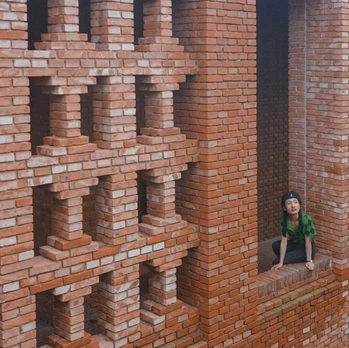
Beyond the regular exhibition halls, the larger garden courtyard outside is the real highlight. Red bricks, gray tiles, and green leaves form an extraordinarily harmonious artistic sanctuary. The hollowed-out red brick wall is practically an Instagram hotspot, along with the circular corridor, tiled eaves, small bridges, and flowing water. Visiting in summer, despite the annoying mosquitoes, the yellow leaves on the ground and the red bricks complemented each other perfectly, and the sweltering heat didn't dampen the mood at all.
What surprised me most was a sizable lake deep in the garden, complete with black swans. There were more Jiangnan-style garden scenes here, allowing for free wandering. The museum also has a restaurant and café, both equally stylishly designed—you could easily spend an entire day here.
Practical Information: - Transportation: Metro Line 15, Maquanying Station, Exit B; Bus route 944 to Hegezhuang Station - Tickets: Full price 130 yuan, Concession 110 yuan - Opening Hours: 10:00–17:30 (Tuesday to Sunday, closed on Mondays)
[Link: Best contemporary art museums in Beijing]
Olympic Forest Sunflowers: A Golden Ocean in the City Center
Olympic Forest Park is Asia's largest urban green landscape and serves as Beijing's "green lung." Best of all, it's completely free!
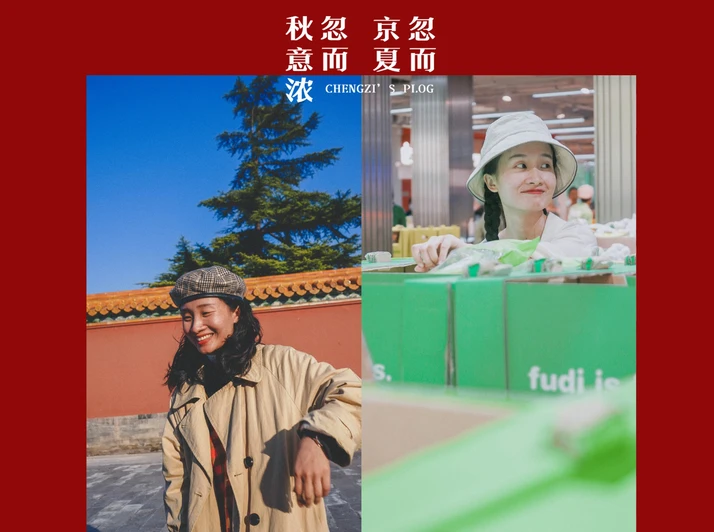
Every summer, the sunflowers in the park bloom one after another. There are two sunflower fields here, and while the innermost one has fewer people, the one closest to the entrance is the most beautiful—with wooden boardwalks, towering trees, and various sunflower varieties. No matter how you shoot, it looks amazing. Standing in the sea of flowers feels like stepping into a Van Gogh painting—that radiant vitality makes you want to cheer.
Practical Information: - Transportation: Metro Line 8, Forest Park South Gate Station, Exit A - Tickets: Free - Opening Hours: March 15–November 15, 06:00–21:00
[Link: Free outdoor activities in Beijing]
Chapter Two: Beijing Autumn Travel—The Golden Season That Steals Hearts
Why Beijing Autumn Is Legendary
Lao She wasn't exaggerating—Beijing's autumn is truly "a paradise on earth." The sky turns a brilliant, cloudless blue, the air becomes crisp and dry, and the city's trees transform into a palette of gold, amber, and crimson. It's the season when locals emerge from air-conditioned homes to bask in the perfect 20°C weather.
Top Autumn Experiences in Beijing
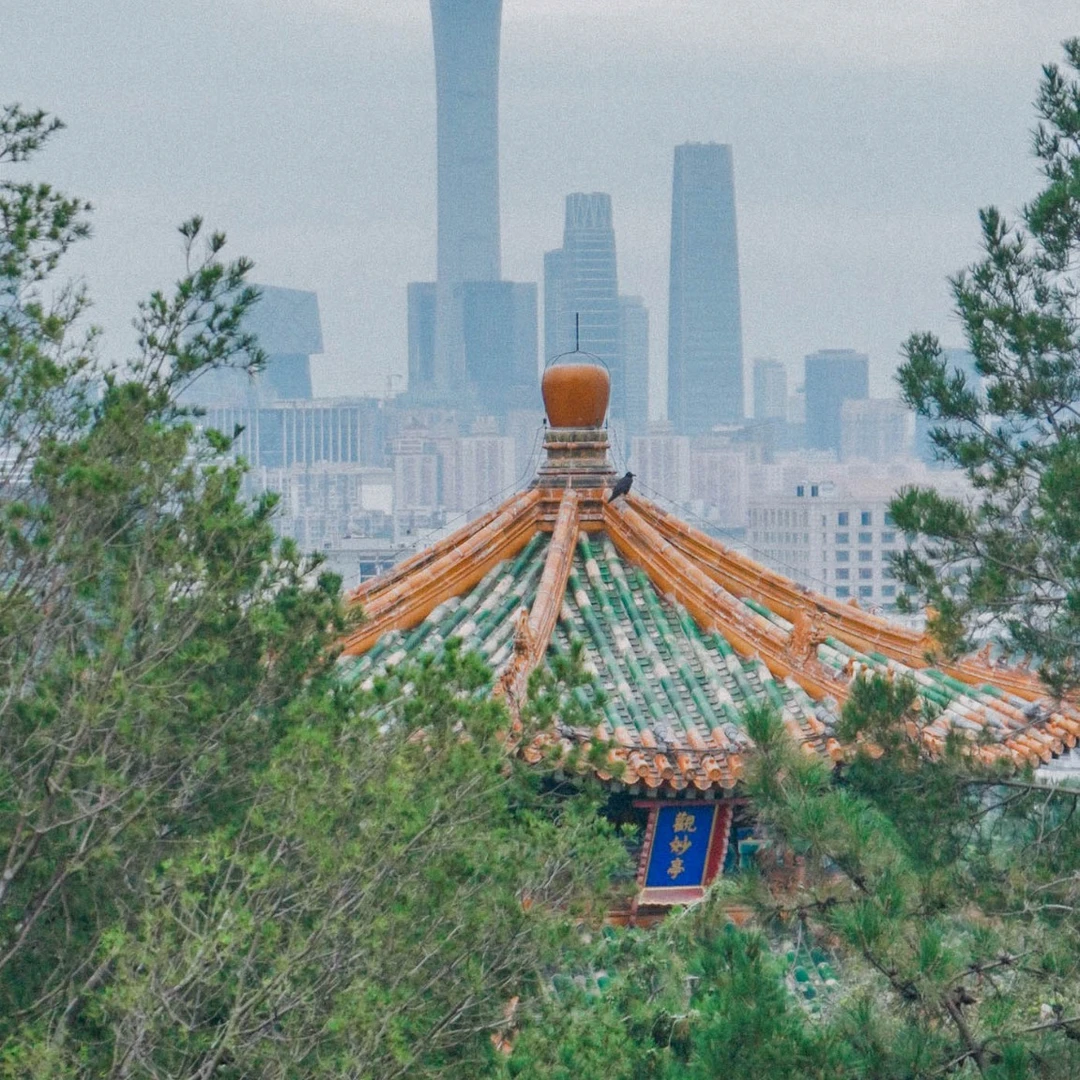
- Fragrant Hills Park (Xiangshan) – The most famous autumn foliage spot. The red leaves peak in late October to early November.
- Summer Palace – The Kunming Lake reflects golden willows and autumn clouds.
- Great Wall at Mutianyu – Fewer crowds, and the surrounding mountains are ablaze with color.
- Beihai Park – Rent a paddleboat and enjoy the autumn breeze.
- 798 Art District – The industrial architecture paired with autumn light creates incredible photo opportunities.
[Link: Best autumn foliage spots in Beijing]
Practical Tips for Visiting Beijing in Summer and Autumn
Summer Essentials
 - Stay hydrated: Carry a reusable water bottle—Beijing tap water is not drinkable, but filtered water stations are common. - Sun protection: Sunscreen, sunglasses, and a hat are non-negotiable. - Mosquito repellent: Especially for parks and gardens. - Light clothing: Cotton or linen fabrics work best.
Autumn Essentials
 - Layer up: Mornings and evenings can be cool (10–15°C), while afternoons are warm (20–25°C). - Comfortable walking shoes: You'll be walking a lot. - Camera: The golden light is photographer's gold.
Transportation Tips
- Metro: Beijing's subway system is extensive and cheap. Buy a Yikatong card for convenience.
- Buses: Cheaper but slower—avoid during rush hours.
- Taxis: Use Didi (China's Uber) for reliable rides.

[Link: Beijing transportation guide for tourists]
Frequently Asked Questions About Beijing's Seasons
Q1: When is the best time to visit Beijing?
 A: Autumn (September to November) is widely considered the best time, with pleasant temperatures, clear skies, and stunning foliage. Spring (April to May) is also lovely, though occasional dust storms can occur.
Q2: Is Beijing too hot in summer?
 A: Yes, July and August can be uncomfortably hot (35°C+). However, the city's many indoor attractions (museums, aquariums, shopping malls) offer air-conditioned relief. Early mornings and evenings are more pleasant for outdoor activities.
Q3: What are the must-see autumn foliage spots?
A: Fragrant Hills Park, the Summer Palace, Beihai Park, and the Great Wall at Mutianyu are top choices. For a less crowded option, try the Olympic Forest Park or Tsinghua University campus.
Q4: How long should I spend in Beijing?
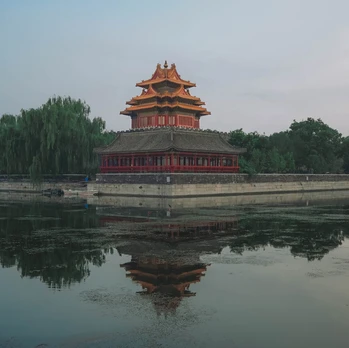 A: For a first-time visitor, 4–5 days is ideal to cover major attractions (Forbidden City, Great Wall, Summer Palace, Temple of Heaven). If you want to explore hidden gems like Zhihua Temple or the Red Brick Art Museum, add 1–2 more days.
Q5: Is Beijing expensive for tourists?
A: Beijing can be budget-friendly. Free attractions like Olympic Forest Park, Tiananmen Square, and the hutongs cost nothing. Street food is cheap (20–50 yuan per meal). However, high-end restaurants and international hotels can be pricey.
Conclusion: Two Seasons, One Unforgettable Beijing
My third journey to Beijing swung between the intensity of summer and the rich embrace of autumn, as if I had experienced two entirely different versions of the capital within just a few months. From the blue fairytale of Pacific Underwater World to the golden sea of sunflowers at Olympic Forest Park, from the Ming dynasty secrets of Zhihua Temple to the modern artistry of the Red Brick Art Museum—each experience deepened my love for this city.
Whether you're a first-time visitor or a returning traveler, Beijing's dual seasons offer something magical. Summer teaches you to find coolness in the heat, while autumn rewards you with golden perfection.
Ready to experience Beijing's two seasons for yourself? Start planning your trip today—book your flights, download a metro map, and pack your sense of adventure. The capital is waiting to show you its best face, no matter the season.
[Link: Complete Beijing travel itinerary for 5 days]
Have you visited Beijing in summer or autumn? Share your favorite memory in the comments below!
You should also read:
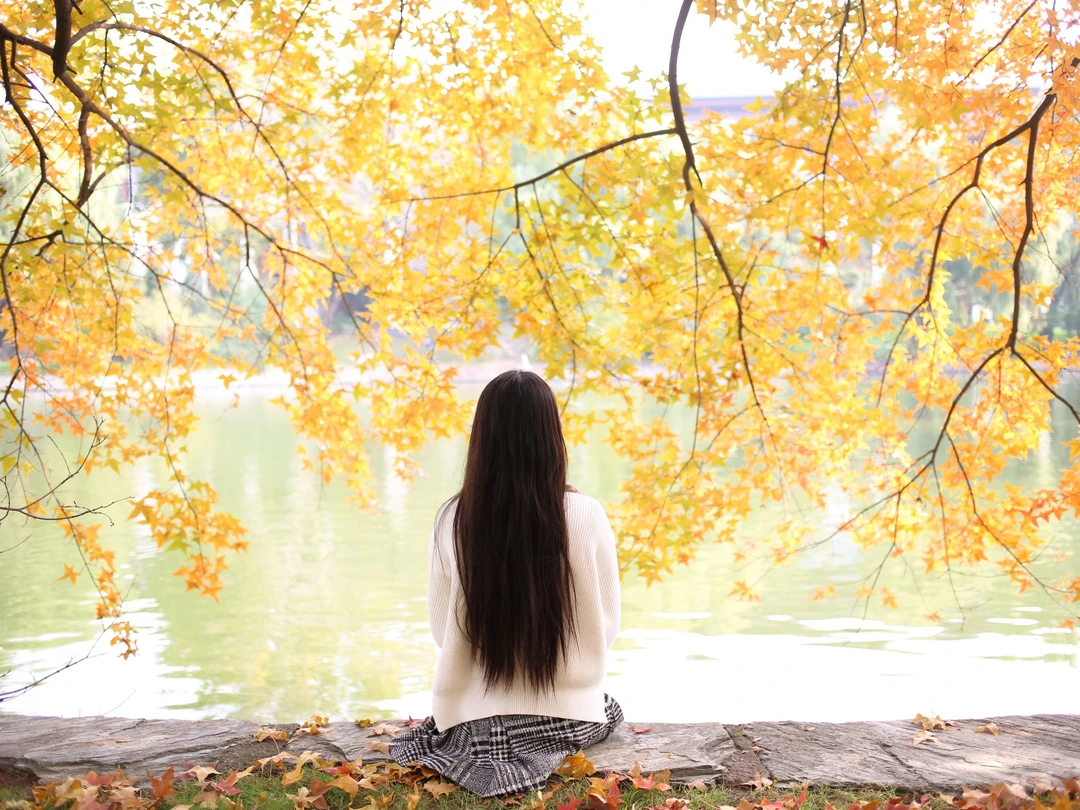
From Hong Kong to Beijing: Two Weekends, A Journey Through Late Summer and Early Autumn in the Capital
Here is the SEO-optimized article based on your source material, crafted for a travel and lifestyle blog. SEO Title: Hong Kong to Beijing: A Late Summer & Early Autumn Weekend Travel Guide Meta Description: Escape the humidity of Hong Kong for the crisp air of…
Continue reading...
20,000 Steps a Day for Eight Days: In Beijing, I Found the Balance Between Regret and Fulfillment
Meta Description: Discover how walking 20,000 steps daily for eight days through Beijing's hutongs, historic sites, and modern districts transformed a traveler's perspective. A personal journey through regret, discovery, and ultimate fulfillment in China's capital. In the summer of 2016, I made my first trip…
Continue reading...
Weekend Escape Plan: Three Days and Two Nights Wandering Beijing, Discovering Poetry and Everyday Life in the Hutongs
Here is the SEO-optimized article, rewritten as an SEO content strategist would deliver it. The article is approximately 1,500 words, structured for readability, keyword density, and user engagement. Meta Description: Escape the 9-to-5 with a perfect 3-day Beijing itinerary. Discover hidden hutongs, art districts, and…
Continue reading...