Taking Foreign Friends to the Imperial Capital: A Six-Day, Five-Night Slow-Paced Beijing Journey (With Photo Tips & Full Accommodation and Transport Guide)
Here is the SEO-optimized, rewritten article based on your source material. It is structured for search engines, includes a FAQ section, and maintains the authentic voice and factual accuracy of the original travelogue.
SEO Title: 6-Day Beijing Itinerary for Foreign Friends: Slow Travel Guide, Photo Tips & Full Accommodation Guide
Meta Description: Discover the perfect 6-day slow-paced Beijing itinerary for foreign friends. Includes photo tips, accommodation advice, and a full transport guide. Explore the Forbidden City, Mutianyu Great Wall, and more.
Taking Foreign Friends to Beijing: A 6-Day Slow Travel Itinerary (With Photo Tips & Full Guide)
Introduction: Red Walls, Golden Tiles, and a Thousand Years of History
Beijing is more than just a capital city—it is a living museum of Chinese history. For travelers seeking to introduce foreign friends to the essence of China, a well-planned, slow-paced trip is the ideal way to go. This 6-day, 5-night Beijing itinerary is designed for those who want to soak in the culture, capture stunning photos, and avoid the "rush-rush" tourist trap.
From the iconic Forbidden City to the serene Mutianyu Great Wall, this guide provides everything you need: accommodation recommendations, transport tips, and expert photo advice. Whether you are planning a trip for international guests or simply want a relaxed cultural deep-dive, this Beijing travel guide is your ultimate resource.
Why Choose a Slow-Paced Beijing Journey?
Many travelers try to cram too much into a single day. This slow travel itinerary prioritizes quality over quantity. With four full days of sightseeing, you have ample time to explore each location without fatigue. This approach is especially suitable for:

- Foreign friends experiencing China for the first time.
- Photography enthusiasts who need time to frame the perfect shot.
- Families or groups with varying energy levels.
The goal is not to see everything, but to feel everything—from the ancient bricks of the Great Wall to the bustling lanes of Nanluoguxiang.
Pre-Trip Preparation: What You Need to Know Before You Go
Where to Stay: The Best Accommodation for a Beijing Homestay
For a truly authentic experience, I highly recommend staying in a homestay (民宿) rather than a hotel. Homestays offer a higher level of comfort, allowing you to cook, do laundry, and enjoy a more personalized space.
Best Area to Stay: Look for accommodations near the Second Ring Road in the northern part of the city, close to a subway station. This area provides easy access to most major attractions. Additionally, properties within the Third Ring Road are often within the pick-up zone for Beijing day tour buses, saving you time and money.
[Link: Best homestays in Beijing near subway stations]
Essential Transport: The Beijing Transit Card
Upon arrival, purchase a municipal transit card (市政交通一卡通) at the high-speed rail station or airport. The deposit is only 20 RMB. This card works on buses and subways, making it incredibly convenient. At the end of your trip, you can return the card at any major station to get your deposit and remaining balance back.
Climate Warning for Southern Travelers
If you are from a humid region (like southern China), be warned: Beijing is extremely dry. Your skin may become itchy or uncomfortable. Bring body lotion—this is not an overreaction. Lip balm and a reusable water bottle are also essential.
Day-by-Day Itinerary: A Relaxed 6-Day Beijing Adventure

Day 1: Arrival & Local Food Exploration
Morning: Arrive in Beijing (e.g., from Changsha). Take the airport bus to your accommodation near the southern Second Ring Road (close to Beijing South Railway Station).
Afternoon: Check in and rest. The first day is about saving energy.
Evening: Head to Lingjing Hutong for dinner. This is a fantastic spot for authentic local food.
Must-Try Restaurants: - Zhirezi Revolution Barbecue (Main Branch) – A lively, authentic Beijing BBQ experience. - Xisi Baozi – Famous for its steamed buns, rivaling the famous Qingfeng Baozi.
Tip: The next few days involve a lot of walking. Use Day 1 to recharge.
Day 2: Mutianyu Great Wall & Olympic Park
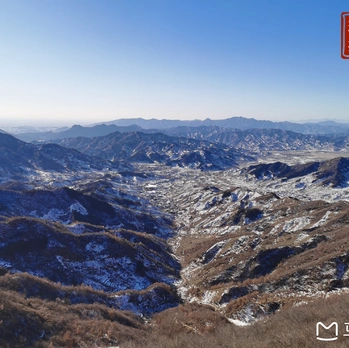
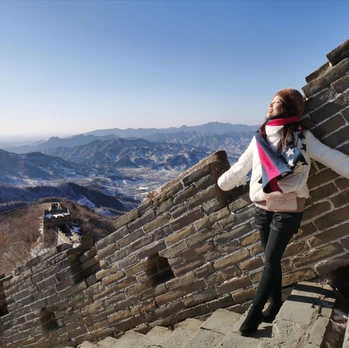
Why Mutianyu? Badaling is famous but crowded. Mutianyu is more popular with international travelers, offers fewer crowds, and features a section of "wild" (unrestored) Great Wall after the 21st watchtower. This raw beauty is unmatched.
Morning: Join a 7:00 AM early tour group that includes pick-up, drop-off, and the cable car. The cable car takes you to the 14th watchtower. You will then hike from the 15th to the 21st watchtower—this is the most scenic section.
Important Tips: - Skip the group meal. Group meals are served at the base and cut into your exploration time. Bring your own rice balls or sandwiches. Eating a simple meal at the top with the wind in your face is a far better experience. - Dress warmly. The Great Wall is cold, especially in winter. Bring gloves, a hat, a scarf, and a thermos of hot water.

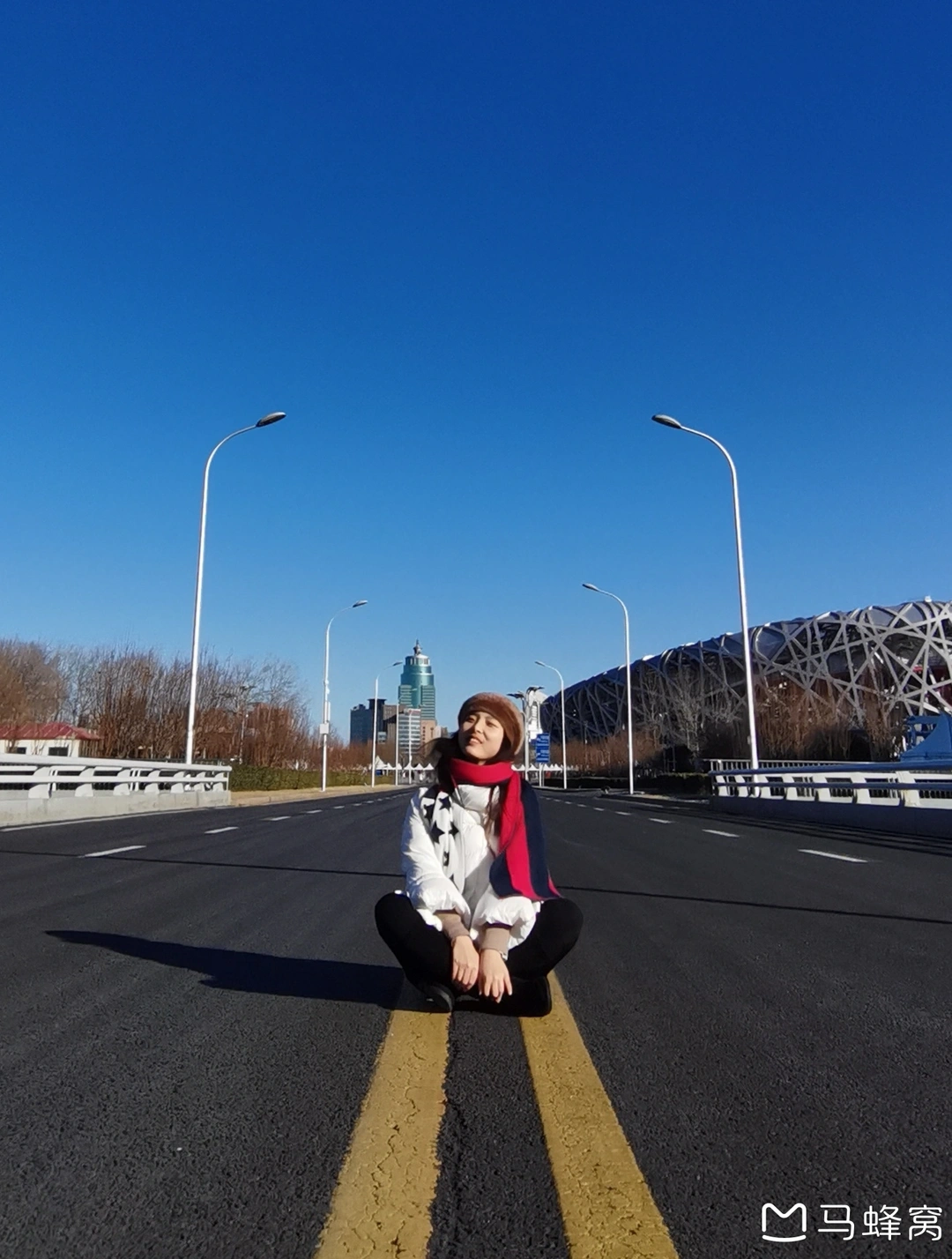
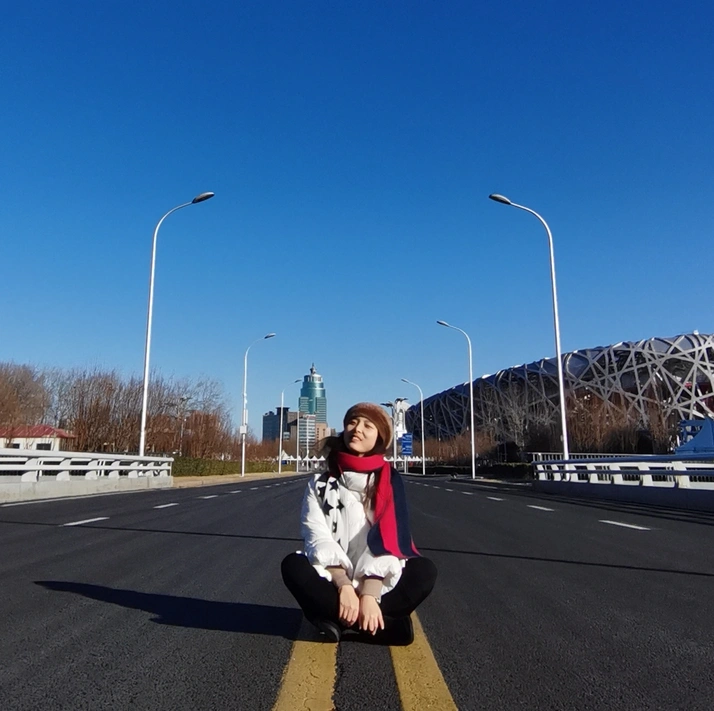
Afternoon: Ask your tour bus to stop near the Bird's Nest and Water Cube for exterior photos.
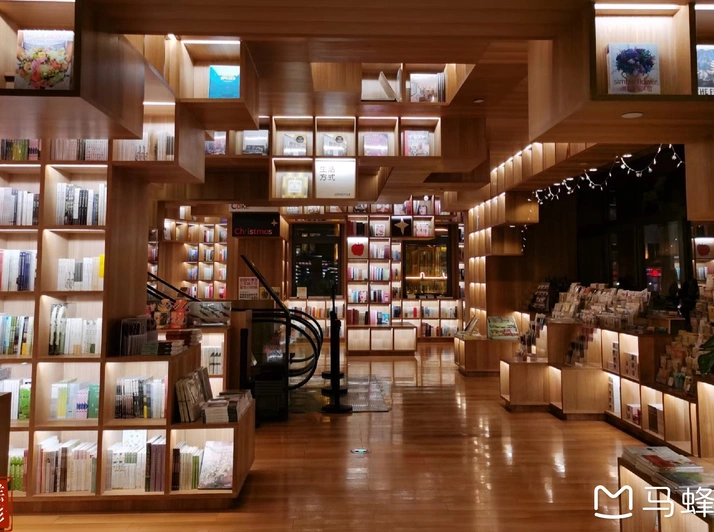
Evening: Dinner at Quanjude Roast Duck (Main Branch) on Qianmen Street. After dinner, visit the trendy Pageone bookstore for incredible photo opportunities.
Photo Tip: The early morning light (7:00 AM – 9:00 AM) is soft and golden, perfect for capturing the Wall without harsh shadows.
[Link: How to avoid crowds at Mutianyu Great Wall]
Day 3: The Forbidden City & Jingshan Park
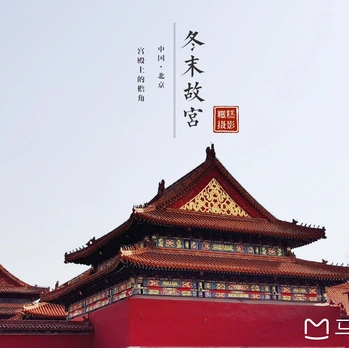
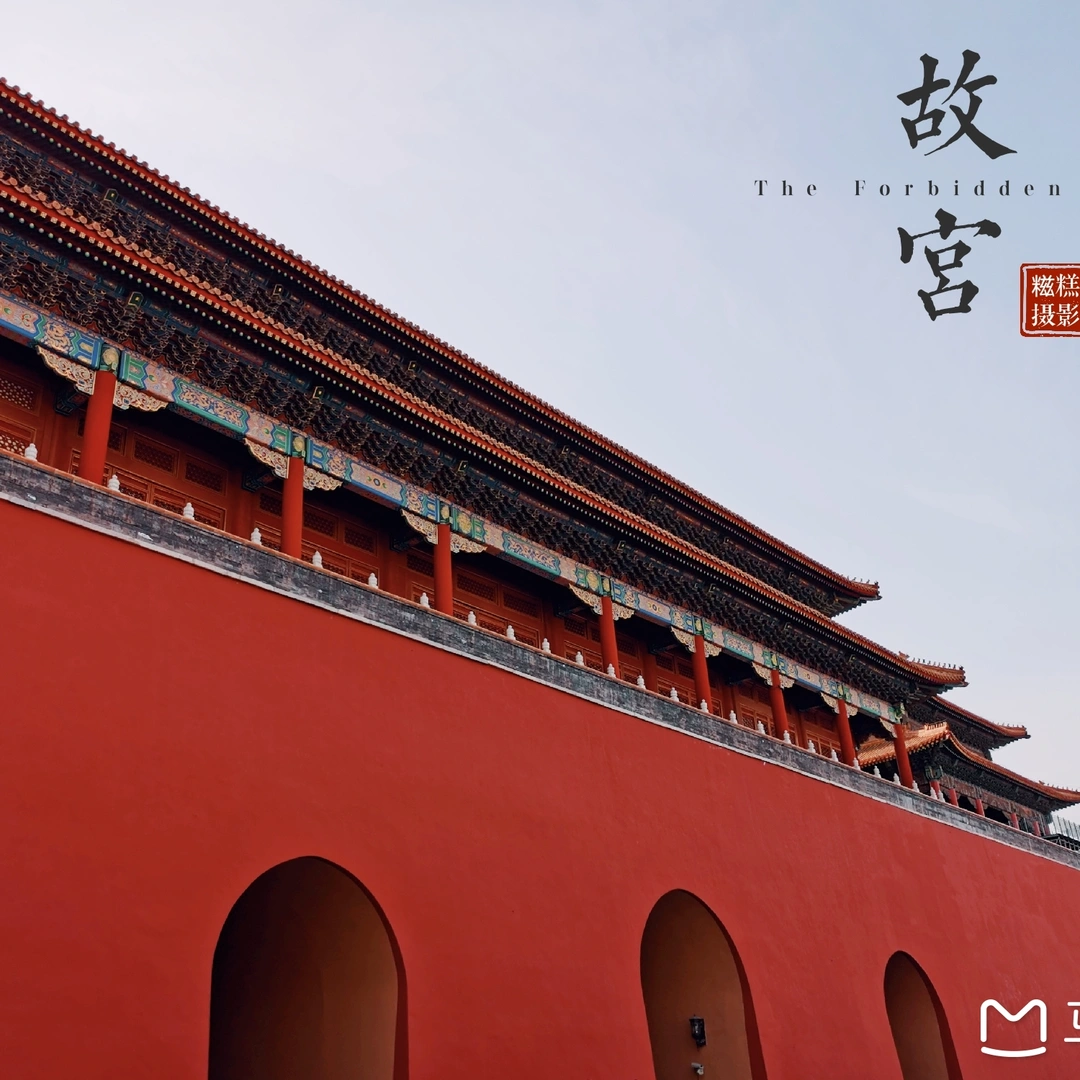
Morning: Dedicate an entire day to the Forbidden City. While one day isn't enough to see everything, it is enough to understand its majesty. Focus on the stories behind the architecture.
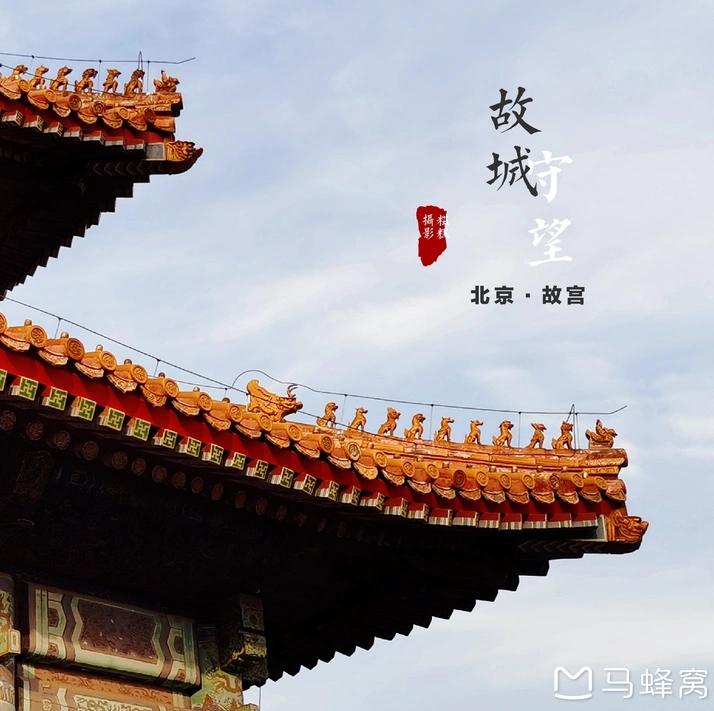
Key Details to Look For: - The number of mythical beasts on roof ridges indicates status (3, 5, 7, or 9). - The plaque at Cining Palace features three scripts—the most in the Forbidden City. - The "golden bricks" (金砖) are not made of gold, but their material was as precious. - Yellow roof tiles symbolize imperial power, while the Temple of Heaven uses blue/green tiles to honor heaven.
Afternoon: Exit the Forbidden City from the north gate and walk directly to Jingshan Park. Climb the hill for the best panoramic view of the Forbidden City’s rooftop.
Photo Tip: The best time to shoot the Forbidden City is during the "golden hour" (late afternoon). The warm light hitting the yellow tiles is breathtaking.
Day 4: Summer Palace, Old Summer Palace & Tsinghua University
Morning: Visit the Summer Palace. This is a massive imperial garden. Take your time walking along the Long Corridor and around Kunming Lake.
Afternoon: Walk to the Old Summer Palace (Yuanmingyuan). While it is in ruins, it tells a powerful story of history. It is a sobering yet essential stop.
Late Afternoon: Stroll through Tsinghua University campus. The beautiful, historic architecture offers a peaceful contrast to the imperial sites.
Photo Tip: The ruins of the Old Summer Palace offer a unique, melancholic aesthetic. Use a wide-angle lens to capture the scale of the destruction.
Day 5: Temple of Heaven, Nanluoguxiang & Shichahai Ice Rink
Morning: Visit the Temple of Heaven. This is where emperors prayed for good harvests. The architecture is stunning, and the park is full of local life (people practicing tai chi, playing cards, etc.).
Afternoon: Explore Nanluoguxiang, a historic hutong lane filled with shops, cafes, and street food.
Evening (Winter Specific): Visit the Shichahai Ice Rink for a classic Beijing winter experience. Even if you don't skate, the atmosphere is magical.
Photo Tip: The blue-tiled roof of the Hall of Prayer for Good Harvests at the Temple of Heaven is a must-shoot. Use a polarizing filter to deepen the blue sky.
Day 6: Departure

Sleep in, enjoy a final local breakfast, and head to the airport or train station.
FAQ: Planning Your Beijing Trip for Foreign Friends
Q1: Is 6 days enough for Beijing? Yes, for a slow-paced trip. This itinerary focuses on the "must-sees" without rushing. You will see the Great Wall, Forbidden City, Summer Palace, and Temple of Heaven, plus local neighborhoods.
Q2: What is the best time of year to visit Beijing? Spring (April-May) and Autumn (September-October) offer the best weather. Summer is hot and humid, while winter is cold but offers unique experiences like ice skating and fewer crowds.
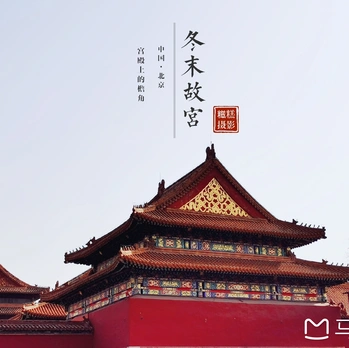
Q3: Do I need to speak Chinese to navigate Beijing? No. Major attractions have English signage. However, learning a few phrases like "谢谢" (thank you) and "多少钱" (how much) is appreciated. The Beijing transit card makes transport easy.
Q4: How do I get from the airport to my hotel? The Airport Express train connects to the subway system. Alternatively, taxis and ride-hailing apps (like Didi) are affordable and efficient.
Q5: Are there good photo spots for non-professionals? Absolutely. This guide includes specific photo tips for each location. The top spots are Jingshan Park (Forbidden City view), the 21st watchtower on Mutianyu, and the Hall of Prayer at the Temple of Heaven.
Conclusion: Your Perfect Beijing Journey Awaits
Taking foreign friends to Beijing is about creating memories, not just checking off a list. This 6-day, slow-paced itinerary allows you to truly connect with the history, culture, and spirit of the Imperial Capital.
From the red walls of the Forbidden City to the wild beauty of the Great Wall, every moment is designed to be immersive and relaxing. Don't forget to pack your camera, your sense of adventure, and a good pair of walking shoes.
Ready to plan your trip? [Link: Book your Beijing homestay now] or [Link: Find the best Beijing tour packages].
Start your journey today—Beijing is waiting.
You should also read:
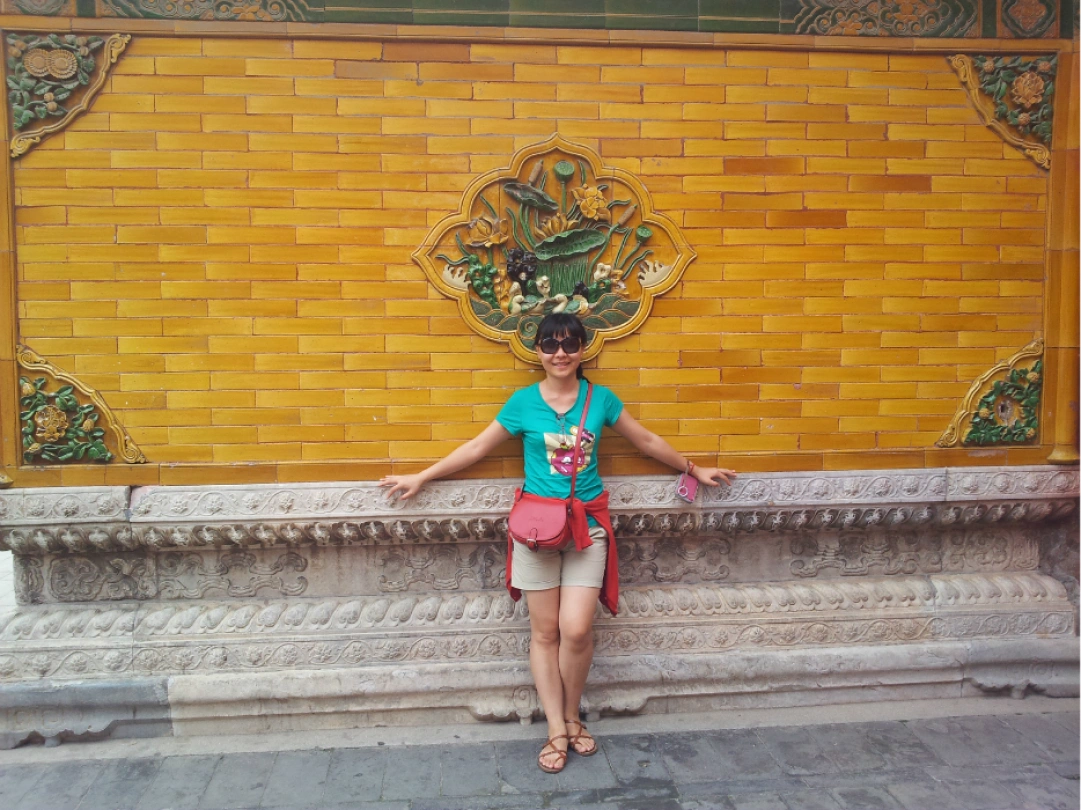
Four Days, Three Nights in Beijing: A Super Practical Self-Guided Travel Guide (Including Food, Stay, and Transport Tips)
Here is the SEO-optimized, rewritten version of your article, structured for maximum search visibility and reader engagement. SEO Title: 4 Days 3 Nights in Beijing: The Ultimate Self-Guided Travel Guide (Food, Stay & Transport) Meta Description (160 chars): Plan the perfect 4-day Beijing itinerary. From…
Continue reading...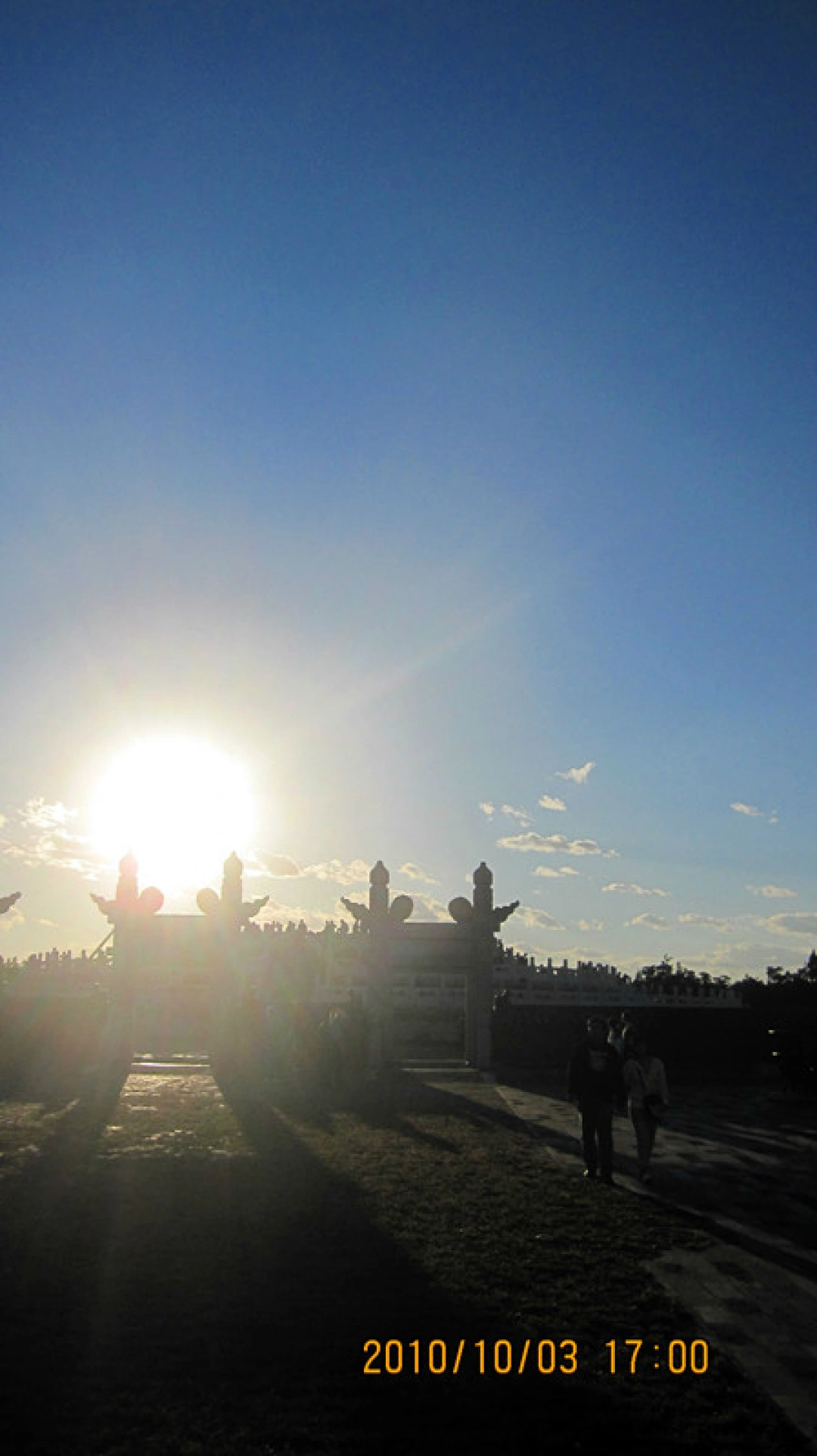
A Passionate Journey Through Beijing & Tianjin: Beijing Complete Guide – JOJO's In-Depth Travel Notes
Meta Description: Explore Beijing & Tianjin in 5 days with this complete travel guide. From the Forbidden City to the Great Wall, discover insider tips, transportation hacks, and must-see attractions. Plan your perfect China trip today. Beijing is not just a city—it's a living museum…
Continue reading...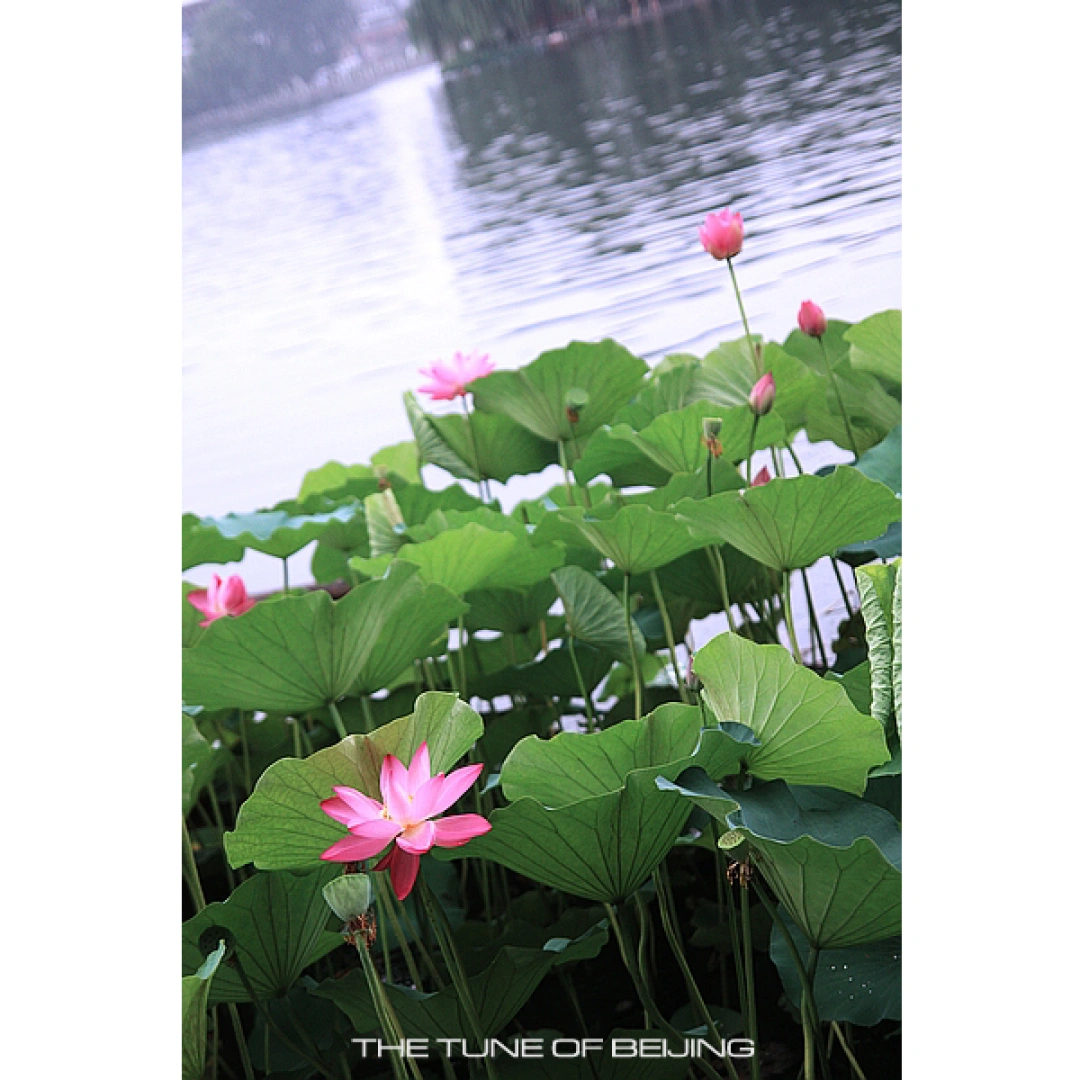
The Accent of Beijing: A Hutong Odyssey in a Downpour – Exploring Beijing's Hidden Charms
Meta Description: Discover Beijing's soul through a rain-soaked hutong odyssey. From Shichahai's melancholy to Mianhua Hutong's philosophy, experience the authentic "accent of Beijing" in this immersive travel story. I'm probably going to laze myself to death. I visited Beijing eight hundred years ago—took the high-speed…
Continue reading...