Ten Days in Beijing: Traces of the Ancient Capital, Shadows of a Thousand Colors — A Complete Guide to an In-Depth Independent Trip to Beijing (With Practical Notes)
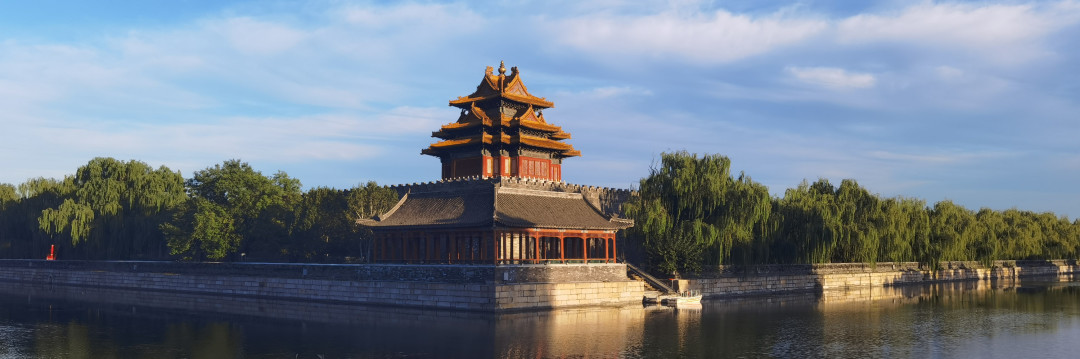
Meta Description: Explore Beijing in 10 days with this complete independent travel guide. From the Forbidden City to hidden hutongs, discover the ancient capital's imperial gardens, palace museums, and practical tips for an unforgettable trip.
When the last vermilion palace door slowly closed behind us, the ten days of light and shadow shimmered like scattered gold on the Golden Water River, flickering uncertainly in memory. We had chased the shadows of crows skimming along crimson walls at dawn, measured the winding textures of hutongs in the twilight, touched the weight of dynasties buried in ancient texts within the deep halls of the Forbidden City, and listened to the echoes of the past on layered stone steps... These moments, like fine gold threads beneath cloisonné glaze, quietly stitched together an invisible bond between us and this city. With these ten fleeting impressions, I offer a small bookmark for this ancient capital that can never be fully read.
Departure: Crossing a Thousand Mountains, Just to See Autumn
September 8th, 4:10 AM. The alarm hadn't even gone off, but I was already awake — when something's on your mind, your internal clock never fails you. At 4:50, the ride-hailing car arrived on time, heading toward Chengdu Shuangliu T2. Air China flight CA4119, departing at 7:00 AM, landing at Beijing Capital T3 at 9:40 AM.
To be honest, the experience on the Capital Airport Express was a bit unexpected. The train cars shook violently — whether due to the early construction era, lower standards at the time, or poor maintenance, I couldn't tell. In today's age of infrastructure marvels, this line felt a bit "left behind."
The hotel we booked was in the Qianmen-Dazhalan area, just over a hundred meters' walk from Zhushikou subway station — convenient transportation indeed. For lunch, we found a spot in the Liuxue Road alley across the street. The restaurants in the alley offered great value for money — later on, we ended up having most of our breakfasts and dinners there.
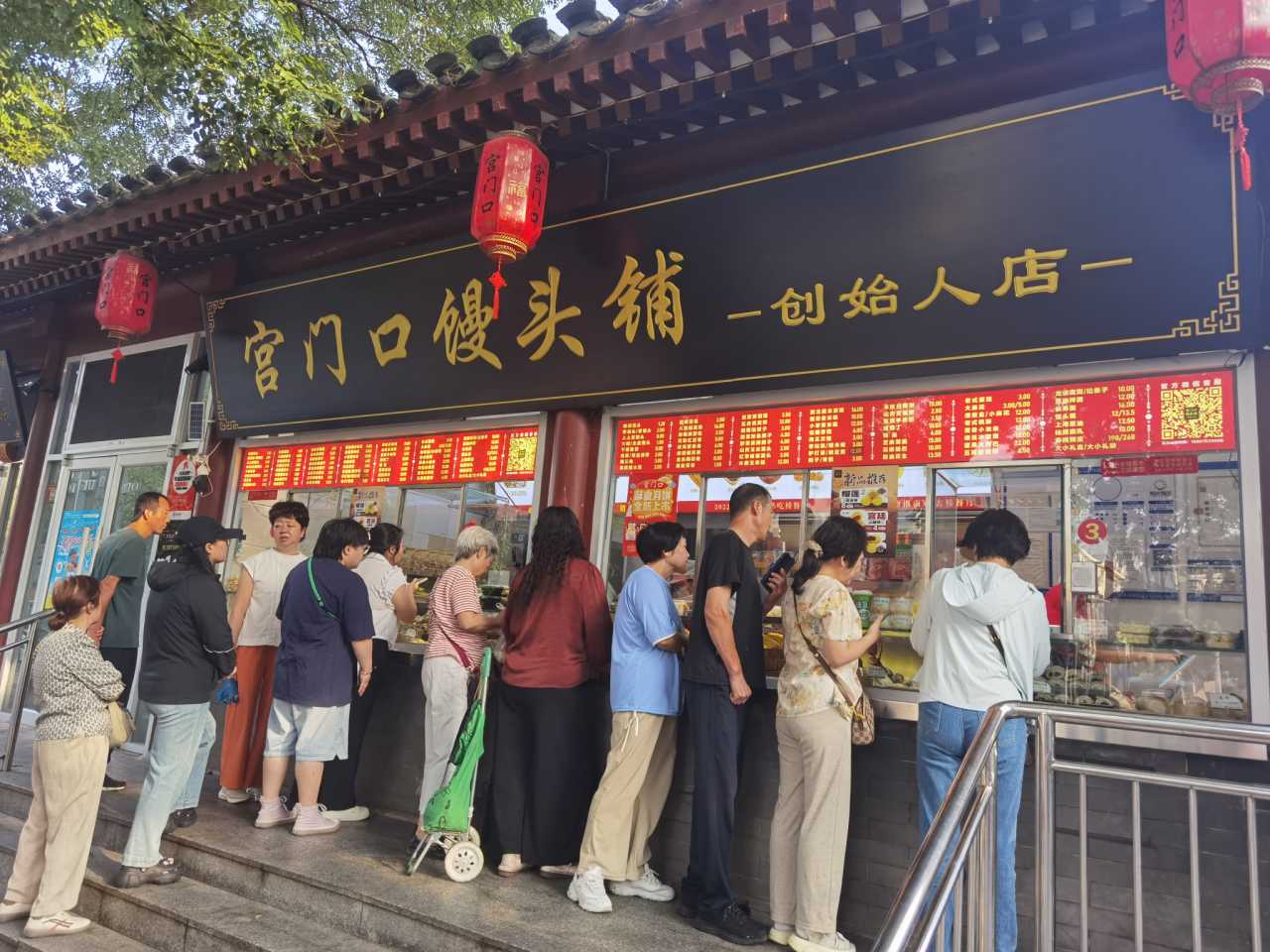
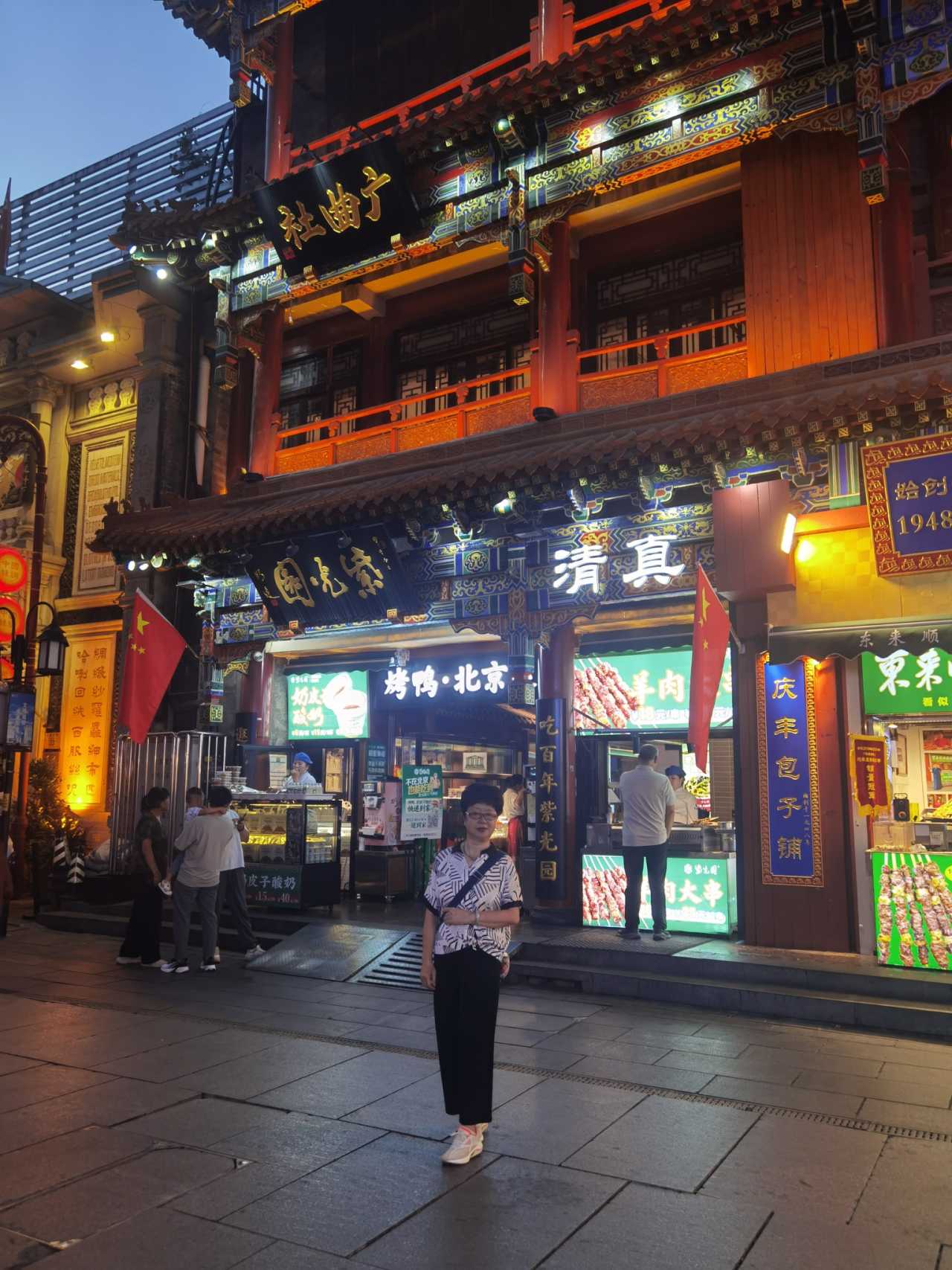
At the foot of the Imperial City, everything wants to be associated with "the palace." The "Gongmenkou Steamed Bun Shop," founded in 2000, claims that "an ancestor served as an imperial chef under Emperor Jiaqing" and boasts of passing down royal pastry-making techniques. Now with 60 branches, it has topped the Dianping (Chinese Yelp) list for popular snacks in Beijing's Xicheng District and earned the title "Century-Old Heritage Shop of Intangible Cultural Heritage." Who dares to look down on a steamed bun anymore?
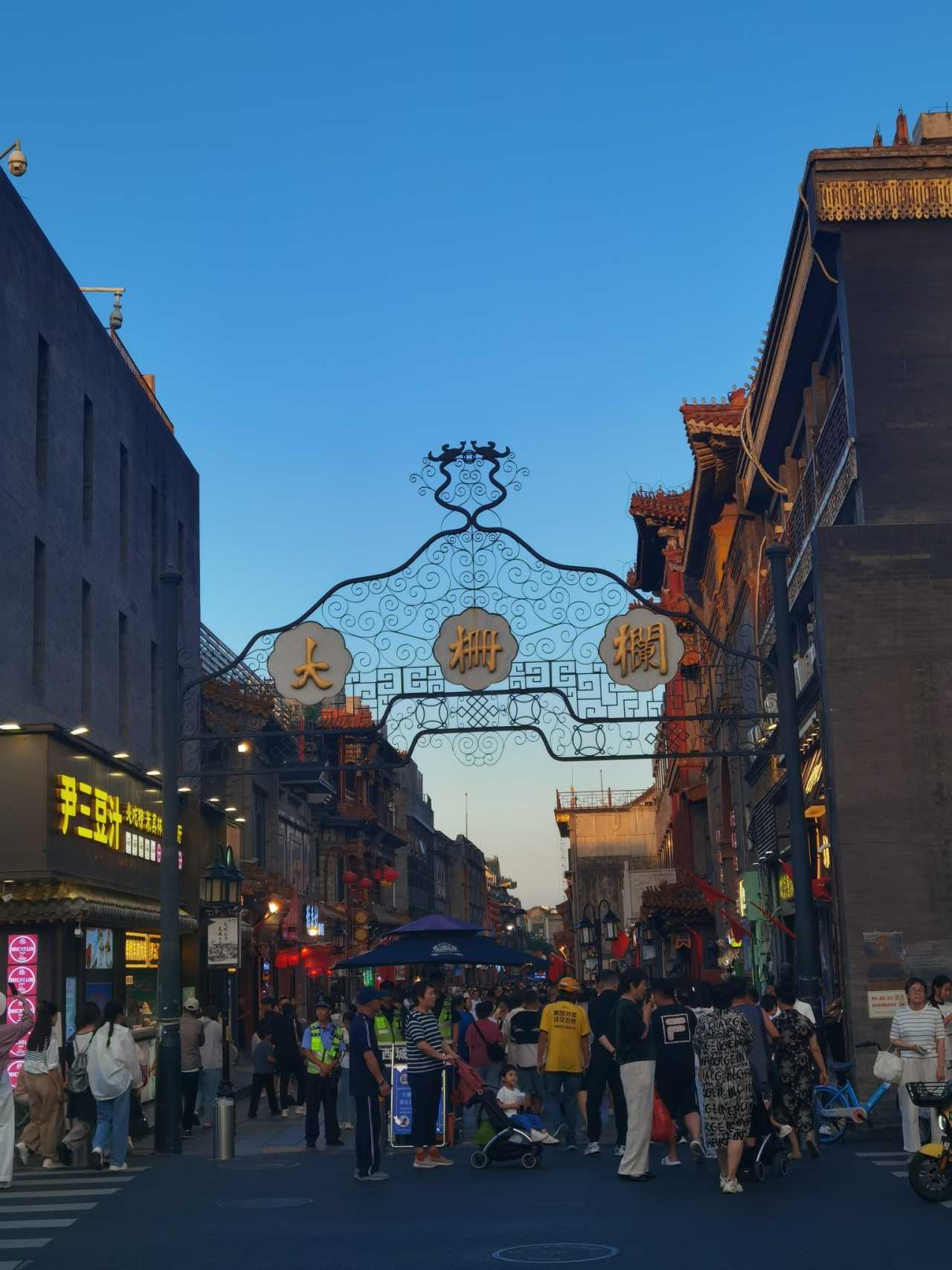
Afternoon was spent catching up on sleep, a small comfort after the early morning. In the evening, we strolled through Dazhalan — famous enough to be packed with tourists. If the historic architecture of Dazhalan still lets you feel the depth of Beijing's culture, the current shops and stalls are barely more than a cheap bazaar. By comparison, Chengdu's Kuanzhai Alley at least retains a touch of atmosphere and nostalgia.
The Qianmen Arrow Tower stood majestically under the lights. Zhengyangmen, originally named "Lizhengmen" and commonly called "Qianmen," is the only city gate in Beijing with both its main tower and arrow tower intact — a gateway of ancient charm on the central axis.
Imperial Garden Tour: Yuanmingyuan and the Summer Palace
Day two: Yuanmingyuan (the Old Summer Palace) and the Summer Palace — must-visit spots for any Beijing trip.
Yuanmingyuan, a grand imperial garden of the Qing Dynasty, was once hailed as the "Garden of Gardens." It gathered the essence of traditional Chinese architectural art while incorporating Western architectural techniques, holding a prominent place in world garden history. But as a UNESCO World Heritage site, it is also an unhealable wound in the heart of the Chinese nation. The ruins of the Western Mansions, the remains of the Great Waterworks — every crack silently tells of the scars of war and fire. Stone fractures still engraved with the marks of flames, broken pillars bearing witness to post-disaster desolation — a century of national humiliation crystallizes in the chest, turning into the will to forge a sword anew.
From Yuanmingyuan, we recommend heading to Xiyuan to enter the Summer Palace through its East Gate. We hit lunchtime and found ourselves at the "Longfor Beijing Summer Palace Xingyuehui" dining and entertainment complex in Xiyuan — a stroke of luck. When we took a cab from Yuanmingyuan to the Summer Palace, we asked the driver where to eat nearby, and he recommended this place. Our experience: restaurants in shopping complexes are far more reliable than those near tourist spots. Entering through the East Gate gives you access to the densest and most concentrated sights.
The Summer Palace, a Qing Dynasty imperial garden, was built on the foundations of Kunming Lake and Longevity Hill, modeled after Hangzhou's West Lake and incorporating design techniques from Jiangnan gardens to create a vast natural landscape garden. It is the best-preserved imperial travel palace and is known as the "Museum of Imperial Gardens," also a UNESCO World Heritage site. The marble boat has carried away so many autumns; the waters have ferried so many dynasties — standing by the lake, the weight of history washes over you.
Into the Forbidden City: The Palace Museum and Jingshan Park
Day three finally brought the main event — a visit to the Palace Museum, booked seven days in advance as required. How hard was it to get tickets? We tried multiple times, and even for the following two days, we couldn't secure tickets for the National Museum and the Tiananmen Rostrum on the same day. The other couple in our group couldn't get tickets for the Tiananmen Rostrum at all, so in frustration, they gave up entirely.
The Forbidden City, symbol of a 500-year-old capital, was the palace of 24 emperors from the Ming and Qing dynasties. It is the largest and best-preserved wooden structure complex in the world. The separately ticketed Clock and Watch Gallery and the Treasure Gallery house exquisite exhibits well worth seeing.
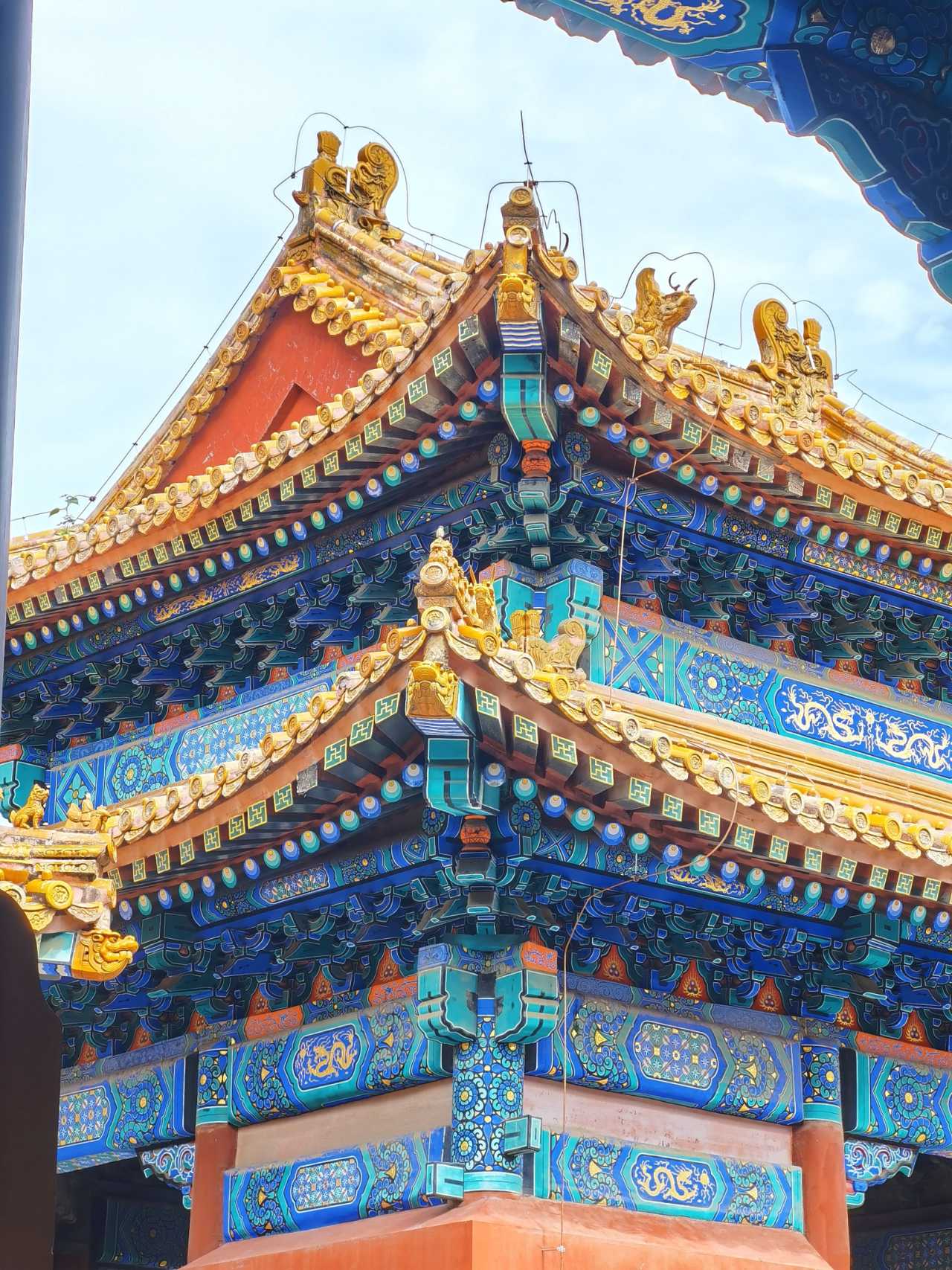
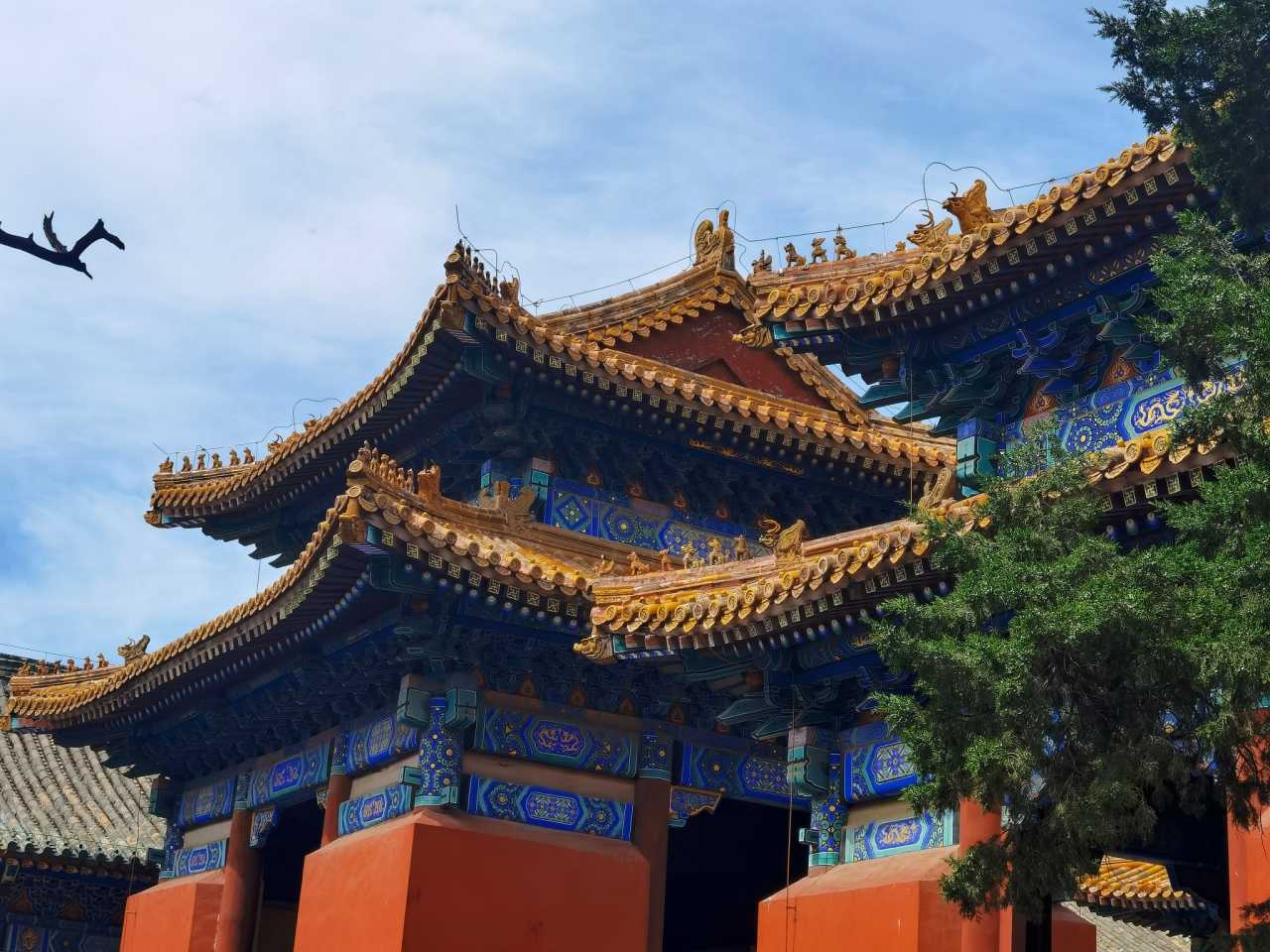
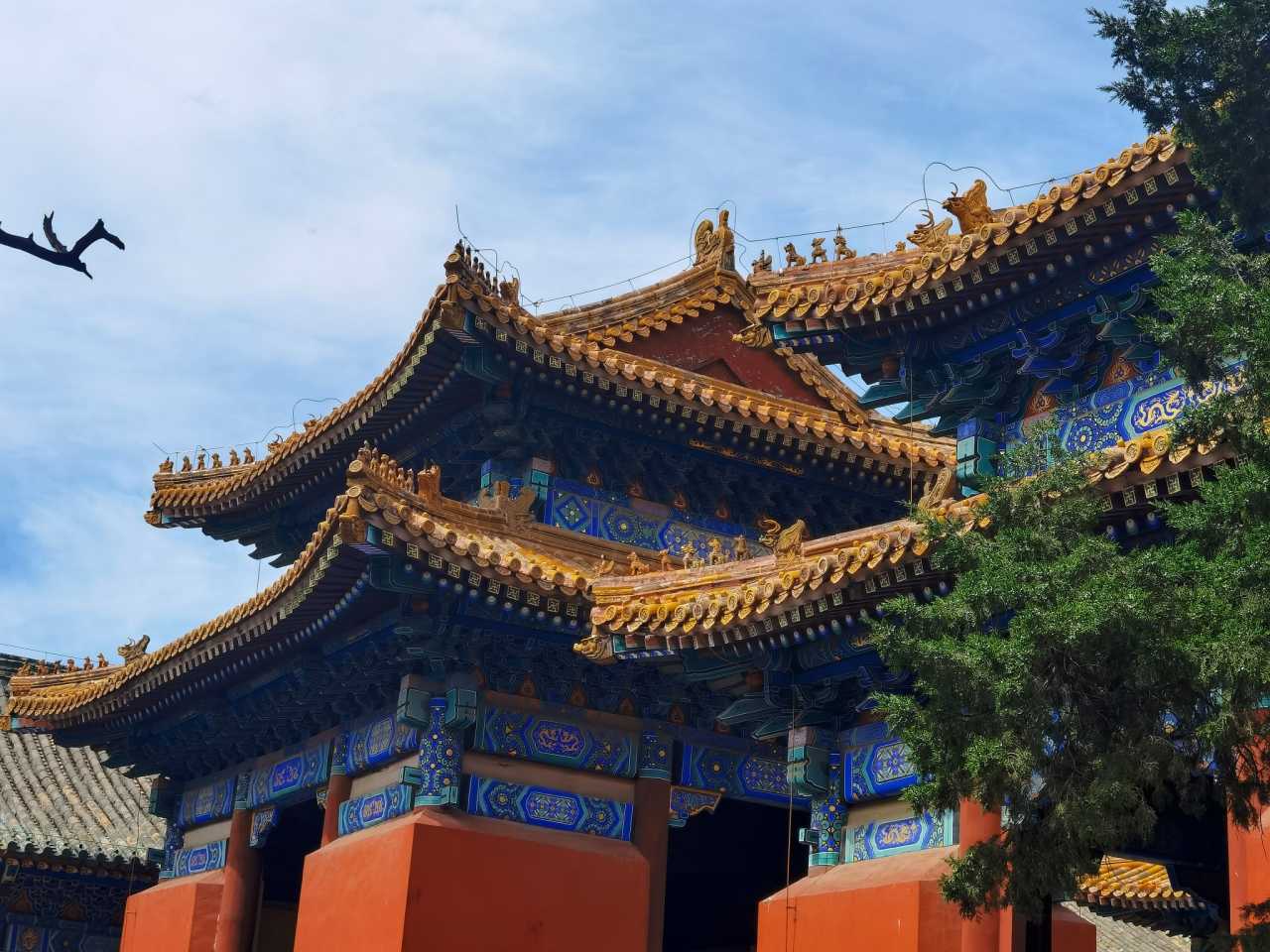
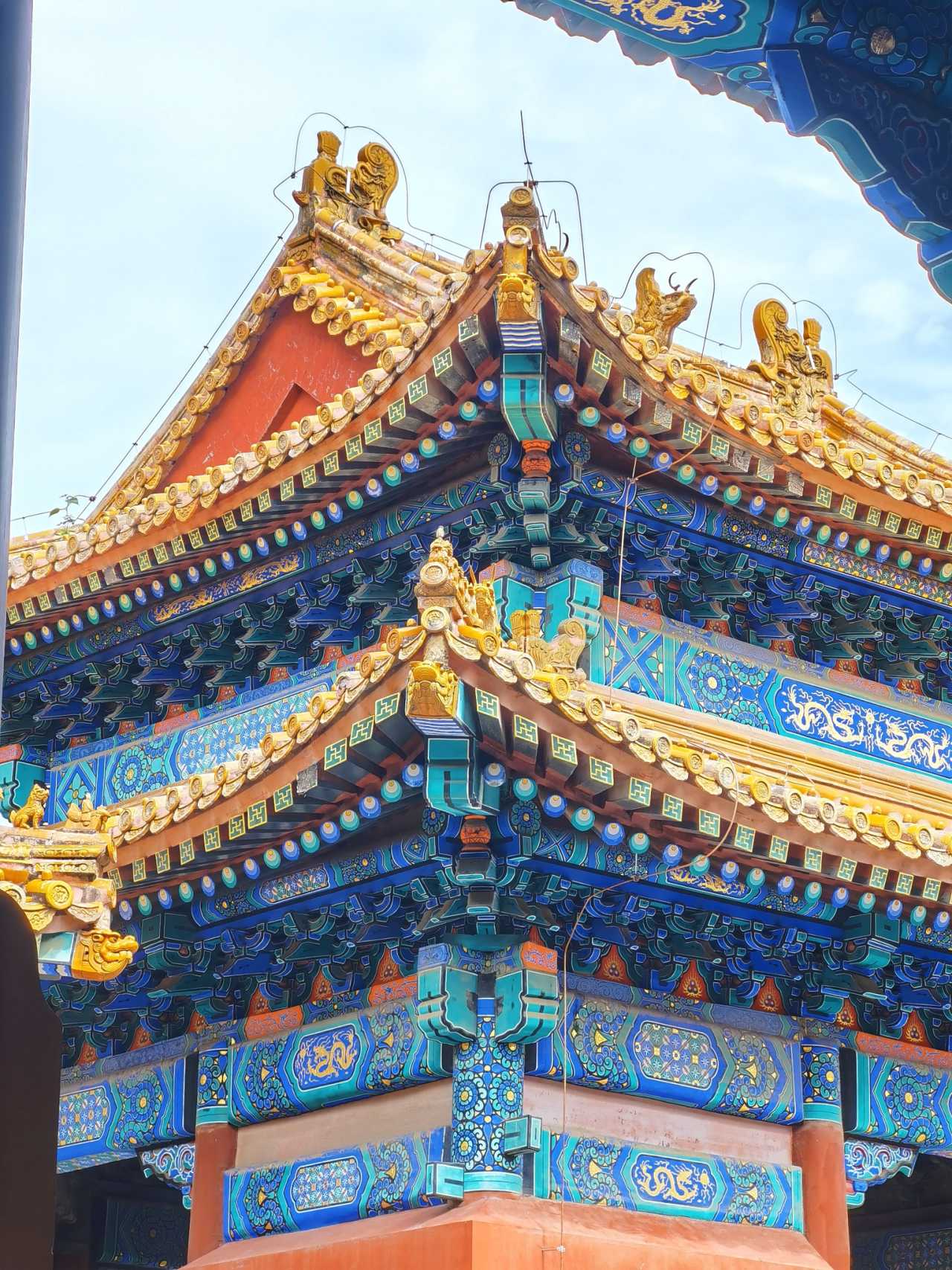
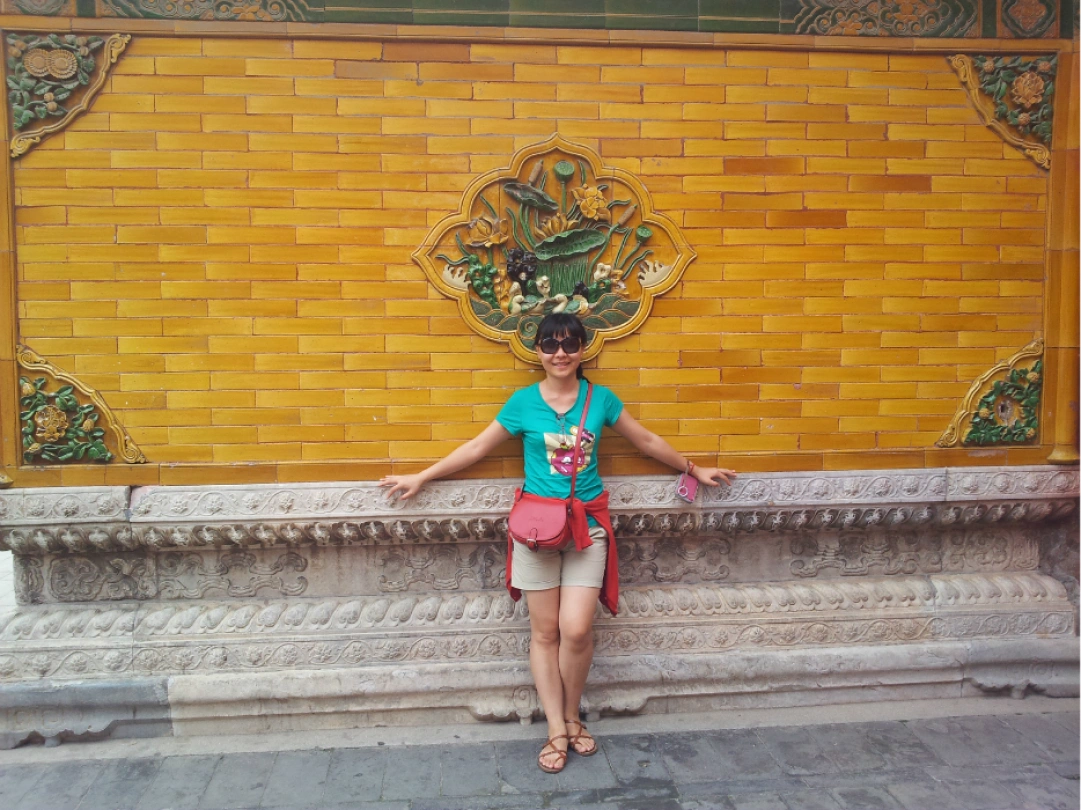
The Forbidden City is solemn, but also colorful. The palace walls are vermilion, the roof tiles are golden yellow, with yellow dominating the main halls; the crown prince's residence is green. In the gardens and on the glazed walls, blue, purple, black, emerald, peacock green, sapphire blue — a riot of colors. Outside the Forbidden City, in other imperial buildings, sacrificial structures are blue, and library buildings are black. So many court affairs, all turned into tales for laughter.
What is open is the Palace Museum; what is locked away is the Forbidden City. Now, fewer and fewer places are accessible, while more and more things are off-limits — a sentiment shared by all visitors, I imagine.
The Wanchun Pavilion at the top of Jingshan Park, once the highest point on Beijing's central axis and the best place to take in the capital's scenery, is now closed. The most beautiful bird's-eye view of the Forbidden City can only be imagined through online photos. In September, Beihai Park has lost the youthful energy of "rowing the oars," with only the White Pagoda standing silently as ever.
Looking Back at History: The Temple of Heaven and the National Museum
Day four was another important day.
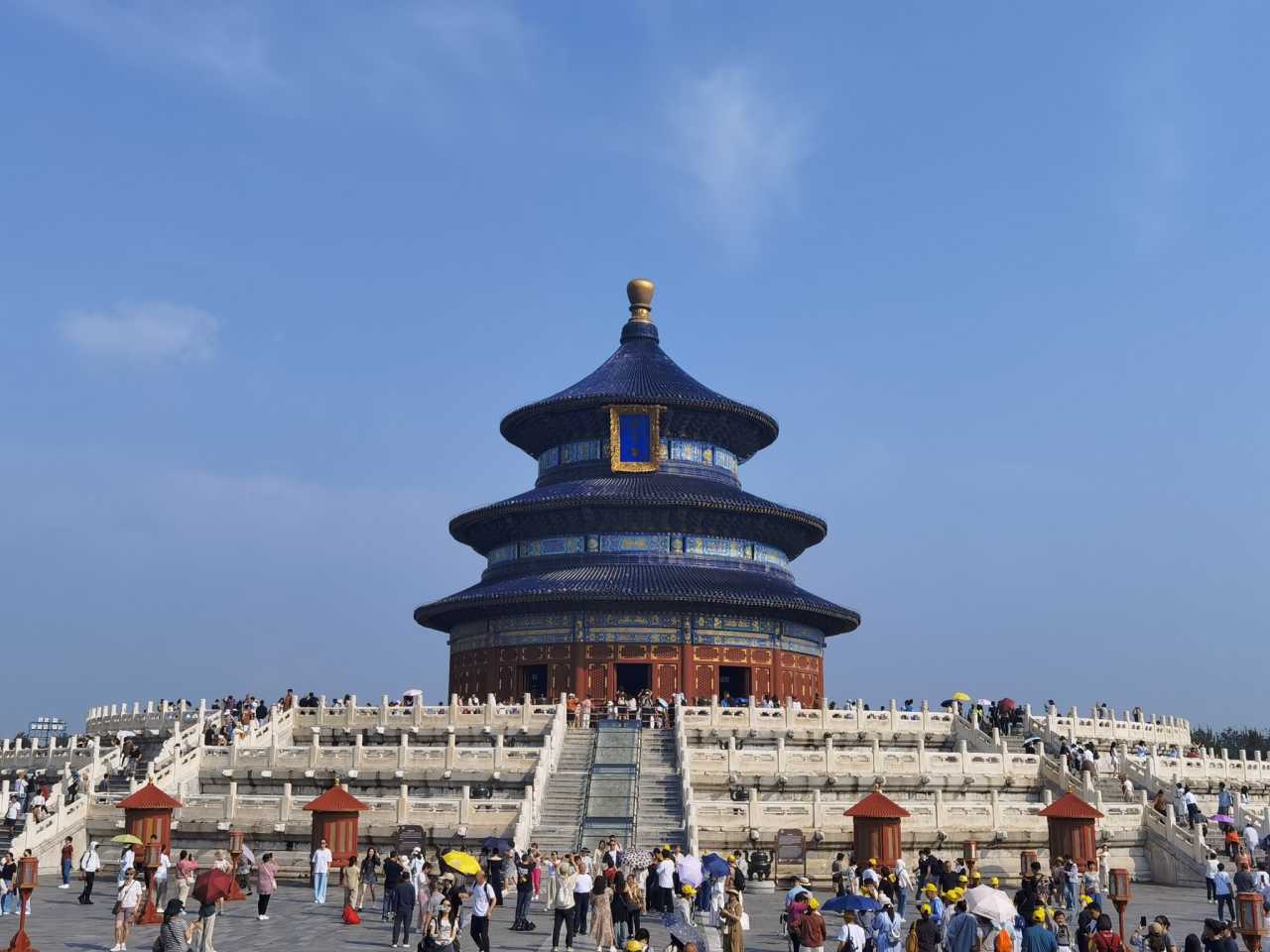
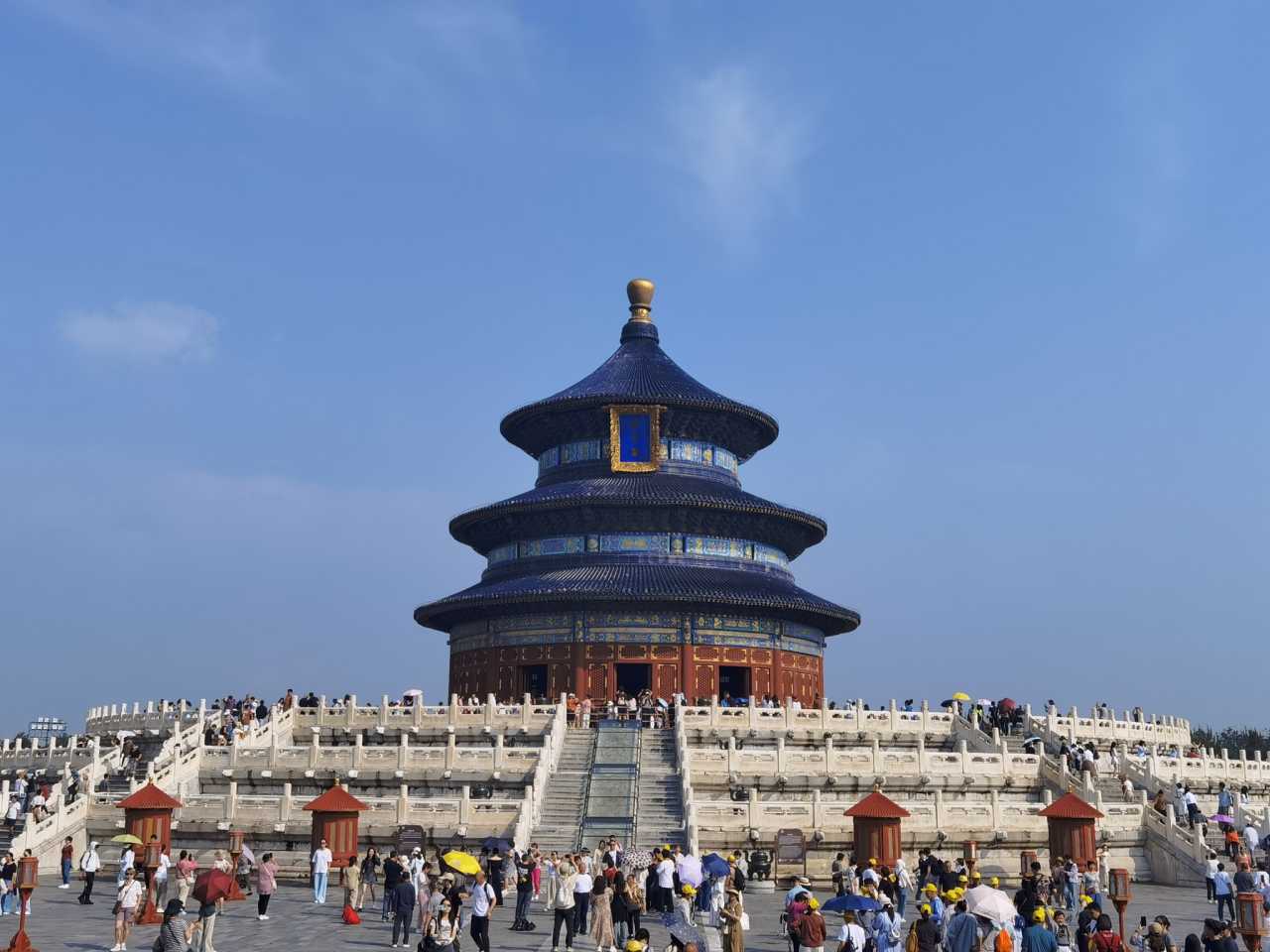
The Temple of Heaven is enormous, showcasing imperial grandeur to the fullest. The forest cover is so thick that it has practically become a "sports park" for elderly local residents taking walks. "A moment at the Temple of Heaven, prayers for a blessed year" — no amount of copywriting compares to seeing it with your own eyes.
In the afternoon, we visited the National Museum of China, the highest hall of history, art, and culture representing the nation's collection and display of iconic Chinese cultural artifacts. Overwhelming, stunning — the national treasures lived up to their reputation.
Between Past and Present: The Temple of Earth, Yonghe Temple, and the Tiananmen Rostrum
Day five, we visited the Temple of Earth, coinciding with the "Autumn Equinox Festival" — a celebration of the harvest season. This lesser-known site offers a peaceful contrast to the more crowded attractions.
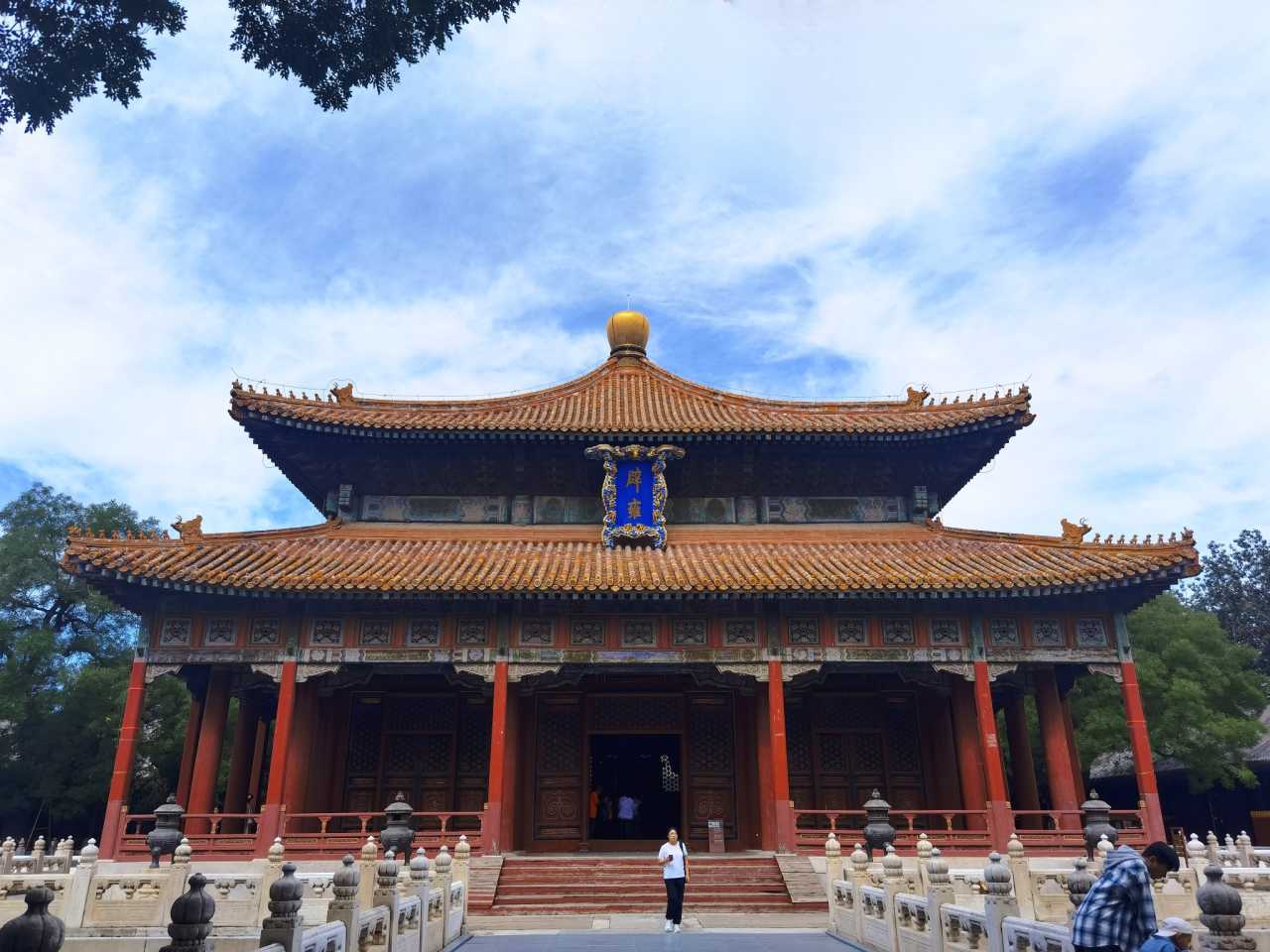
Yonghe Temple (Lama Temple) is one of the most important Tibetan Buddhist monasteries outside Tibet. Its impressive architecture, including the 26-meter-tall Maitreya Buddha carved from a single sandalwood tree, is a must-see.
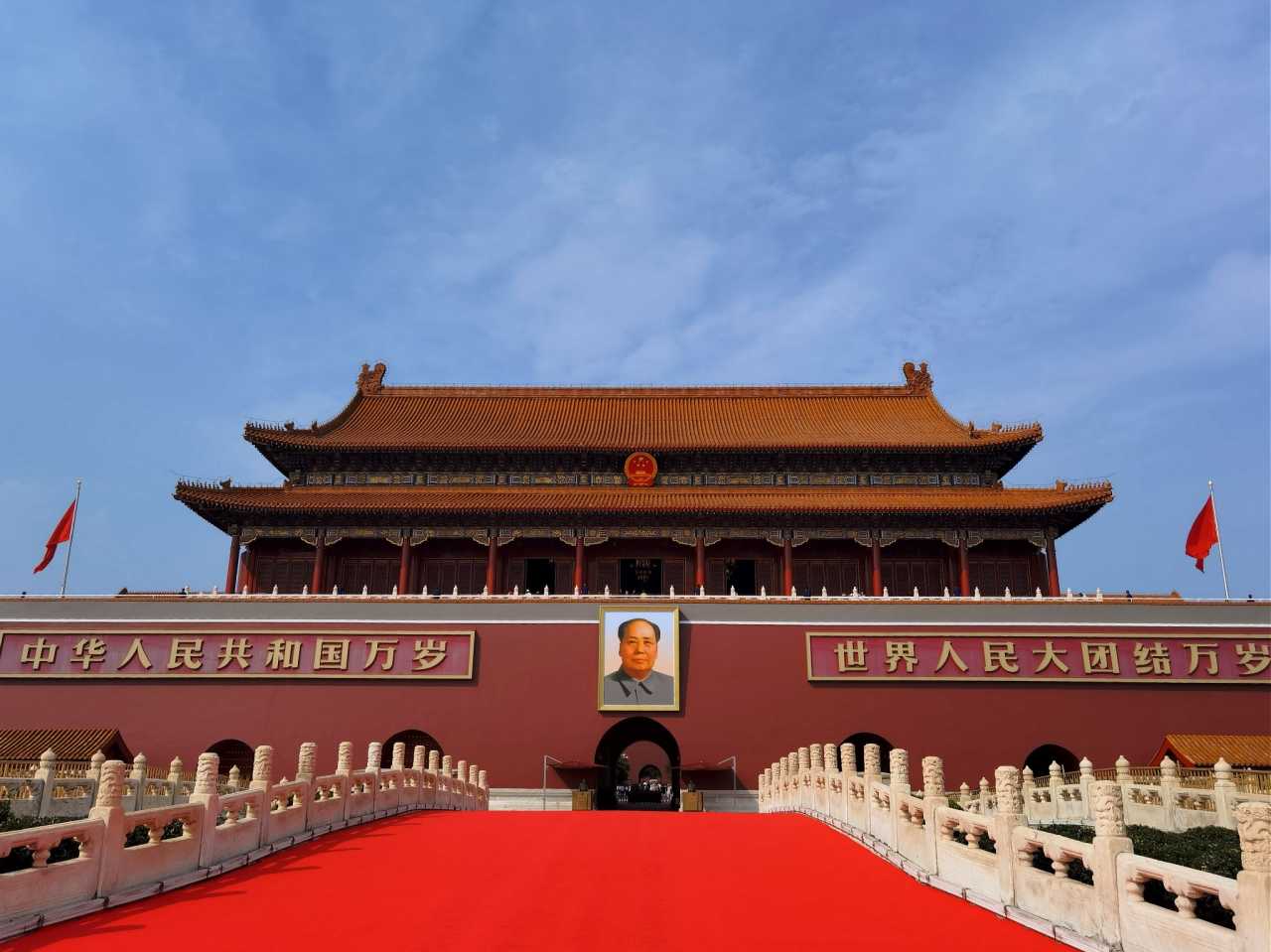
The Tiananmen Rostrum, though difficult to book, offers a commanding view of the world's largest city square. Standing where leaders have reviewed parades for centuries is a humbling experience.
Hidden Gems: Hutongs and Local Life
Day six through eight were dedicated to exploring Beijing's hutongs — the traditional alleyways that form the city's historic heart. We walked through Nanluoguxiang, Wudaoying Hutong, and the quieter alleyways near Shichahai Lake.
Top hutong experiences: - Rickshaw tour through the narrow lanes - Visit a local courtyard home (siheyuan) - Try authentic Beijing zhajiangmian (noodles with fried sauce) - Watch locals play xiangqi (Chinese chess) under ancient trees
[Link: Best Beijing hutong tours for independent travelers]
Practical Notes for Your Beijing Trip

Getting Around
 - Subway: Most convenient, with stations near every major attraction - Didi (Chinese Uber): Affordable and reliable for door-to-door service - Walking: Best for hutongs and central areas
Ticket Booking Tips
- Palace Museum: Book exactly 7 days in advance on the official WeChat mini-program
- National Museum: Reserve 3-5 days ahead
- Tiananmen Rostrum: Extremely limited; book as early as possible
Food Recommendations
 - Avoid tourist-trap restaurants near major attractions - Look for shopping complexes like Longfor for reliable dining - Try local chains like Gongmenkou for authentic snacks
Best Time to Visit
- September-October: Cool weather, clear skies, autumn colors
- April-May: Spring blossoms, mild temperatures
- Avoid Chinese National Holiday (Oct 1-7) for fewer crowds
Frequently Asked Questions
1. How many days do I need to visit Beijing?
 A minimum of 5-7 days is recommended to cover the major attractions. For a relaxed, in-depth experience like this guide, 10 days allows you to explore both famous sites and hidden gems.
2. Is it difficult to get Palace Museum tickets?
 Yes, tickets sell out quickly. Book exactly 7 days in advance through the official Palace Museum WeChat mini-program. Weekdays are easier than weekends.
3. What's the best area to stay in Beijing?
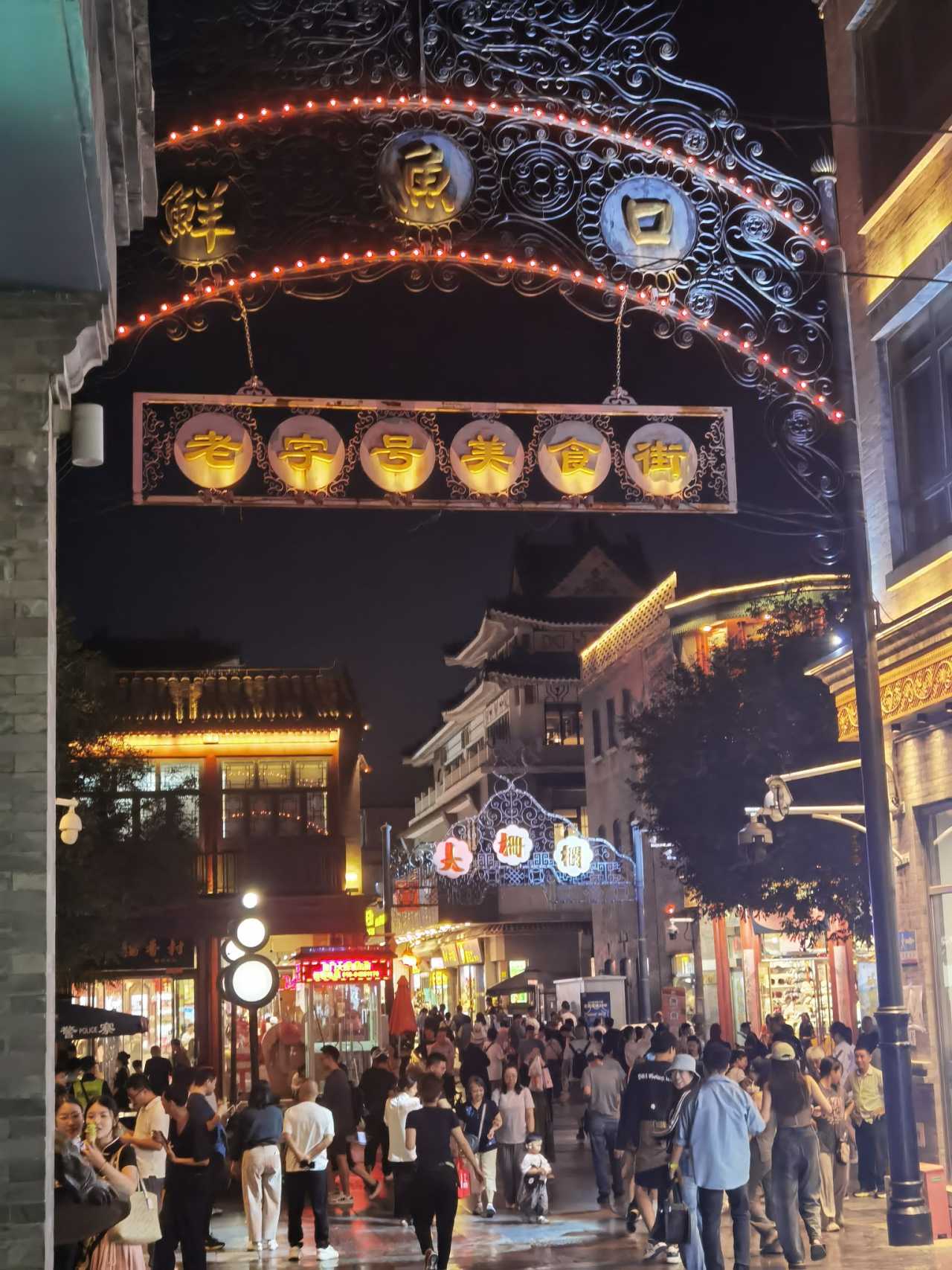 The Qianmen-Dazhalan area offers convenient access to the Forbidden City, Tiananmen Square, and hutongs. Other good options include Wangfujing for shopping or Gulou for nightlife.
4. Can I visit the Forbidden City and Summer Palace in one day?
 It's possible but rushed. We recommend dedicating a full day to each, especially if you want to explore the gardens and museums within.
5. What should I pack for a Beijing trip in autumn?
Light layers are essential. Mornings and evenings can be cool (10-15°C), while afternoons reach 20-25°C. Comfortable walking shoes, a light jacket, and sunscreen are must-haves.
Conclusion: Your Beijing Adventure Awaits
Ten days in Beijing is enough to fall in love with the ancient capital but not enough to fully know it. From the solemn grandeur of the Forbidden City to the quiet resilience of Yuanmingyuan's ruins, from the vibrant chaos of Dazhalan to the peaceful serenity of the Temple of Heaven — every corner of this city tells a story.
The traces of the ancient capital are everywhere: in the vermilion walls that have witnessed dynasties rise and fall, in the golden roofs that still gleam under the autumn sun, in the shadows of crows that skim along palace walls at dawn. And the shadows of a thousand colors? They're in the blue glazed tiles, the green palace gardens, the black library roofs, the peacock-green walls of the Forbidden City's inner gardens.
Ready to plan your own Beijing adventure? Start by booking your Palace Museum tickets (remember: 7 days in advance!), choose your accommodation in the Qianmen area, and prepare for an unforgettable journey through China's most historic city.
[Link: Complete Beijing travel itinerary planning guide] [Link: Best Beijing hotels for independent travelers] [Link: Beijing food guide: Where locals eat]
Have you visited Beijing? Share your favorite memories in the comments below, or ask any questions about planning your trip — we're here to help!
You should also read:
Four Days, Three Nights in Beijing: A Super Practical Self-Guided Travel Guide (Including Food, Stay, and Transport Tips)
Here is the SEO-optimized, rewritten version of your article, structured for maximum search visibility and reader engagement. SEO Title: 4 Days 3 Nights in Beijing: The Ultimate Self-Guided Travel Guide (Food, Stay & Transport) Meta Description (160 chars): Plan the perfect 4-day Beijing itinerary. From…
Continue reading...
The Journey That Didn't Freeze Me to Death: Beijing – Six Days and Five Nights of Bone-Chilling Cold
Meta Description: Planning a winter trip to Beijing? Read this firsthand account of a spontaneous 6-day Beijing adventure—from ticket battles to 798 Art District, Sanlitun, and survival tips for bone-chilling cold. Perfect for budget travelers and first-timers. Some trips are long-planned romances; others are impulsive…
Continue reading...
Hai Tuo Mountain Above the Sea of Clouds: A Skyward Feast on the Roof of Beijing
Meta Description: Discover Hai Tuo Mountain, Beijing's second-highest peak, where sea of clouds, starry nights, and alpine meadows await. Your ultimate guide to hiking, camping, and photography on the "Roof of Beijing." At the border of Beijing's Yanqing District and Hebei's Chicheng County lies a…
Continue reading...