The Beijing Central Axis: A 7.8km UNESCO Journey Through China's Imperial Soul
Meta Description: Discover the Beijing Central Axis, a 7.8km UNESCO World Heritage site connecting 15 imperial landmarks. Explore Bell Tower, Drum Tower, Wanning Bridge & more in this 700-year-old capital's heart.
Introduction
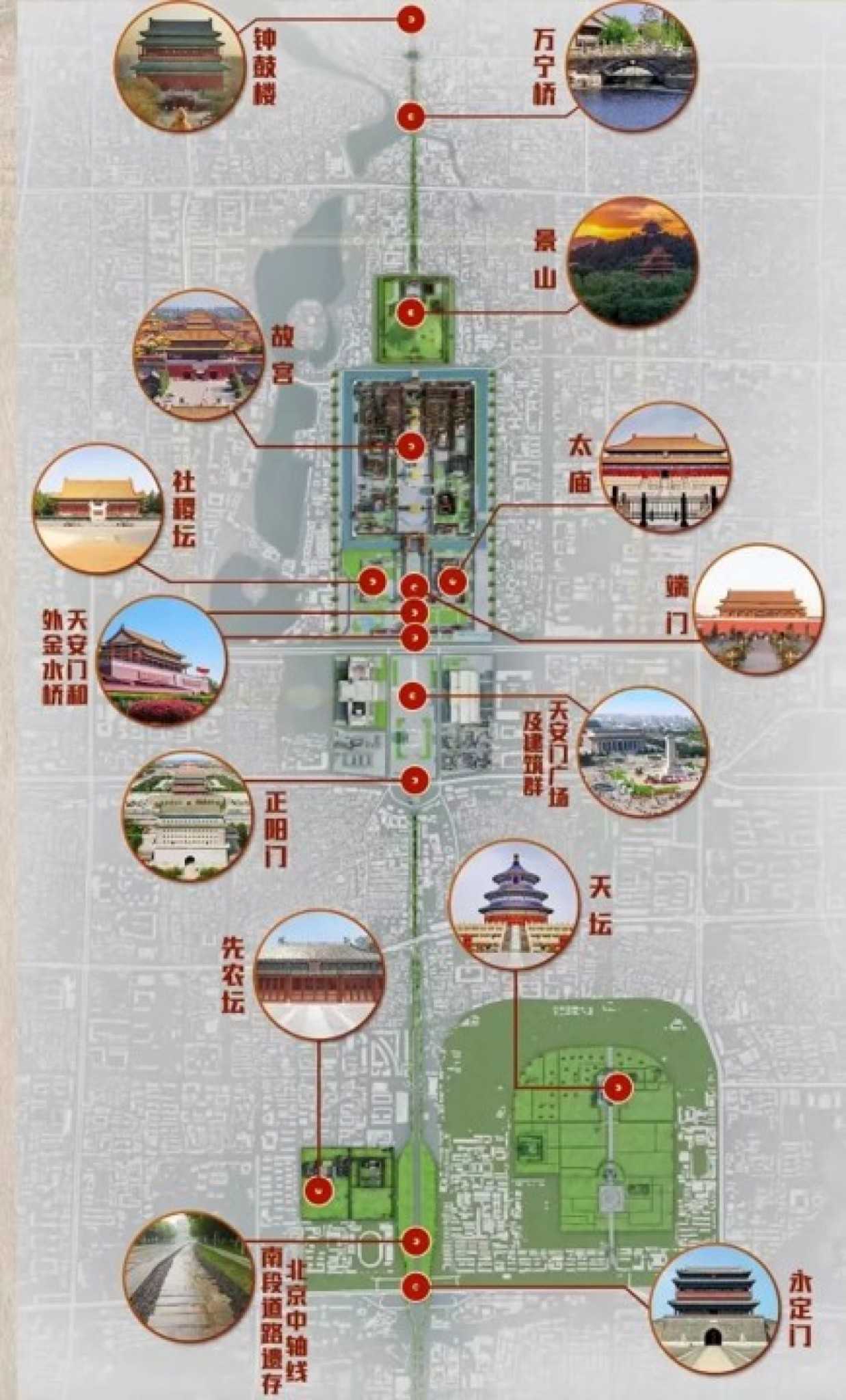
On July 27, 2024, the Beijing Central Axis earned its place on the UNESCO World Heritage List—a triumph for one of the world's longest urban spines. Stretching 7.8 kilometers from the Bell and Drum Towers in the north to Yongdingmen in the south, this axis embodies "the ideal capital city order in China." It is not merely a line on a map; it is the architectural DNA of Beijing, a living testament to seven centuries of imperial planning, symmetry, and ritual.
From the Yuan Dynasty's 1267 founding to the Ming and Qing refinements, the Central Axis has shaped Beijing's identity. Today, it comprises 15 heritage sites, each a chapter in China's capital story. Whether you are a history buff, an architecture enthusiast, or a curious traveler, this guide will walk you through every landmark, its history, and how to experience it today.
What is the Beijing Central Axis? A UNESCO Masterpiece of Urban Planning
The Beijing Central Axis is a north-south urban spine that defines the old city's layout. Its design principles—symmetry, rhythm, and proportion—have influenced Chinese capital planning for centuries. Unlike typical city axes, Beijing's Central Axis is extraordinarily long, integrating natural landscapes, ritual spaces, and public areas into a cohesive whole.
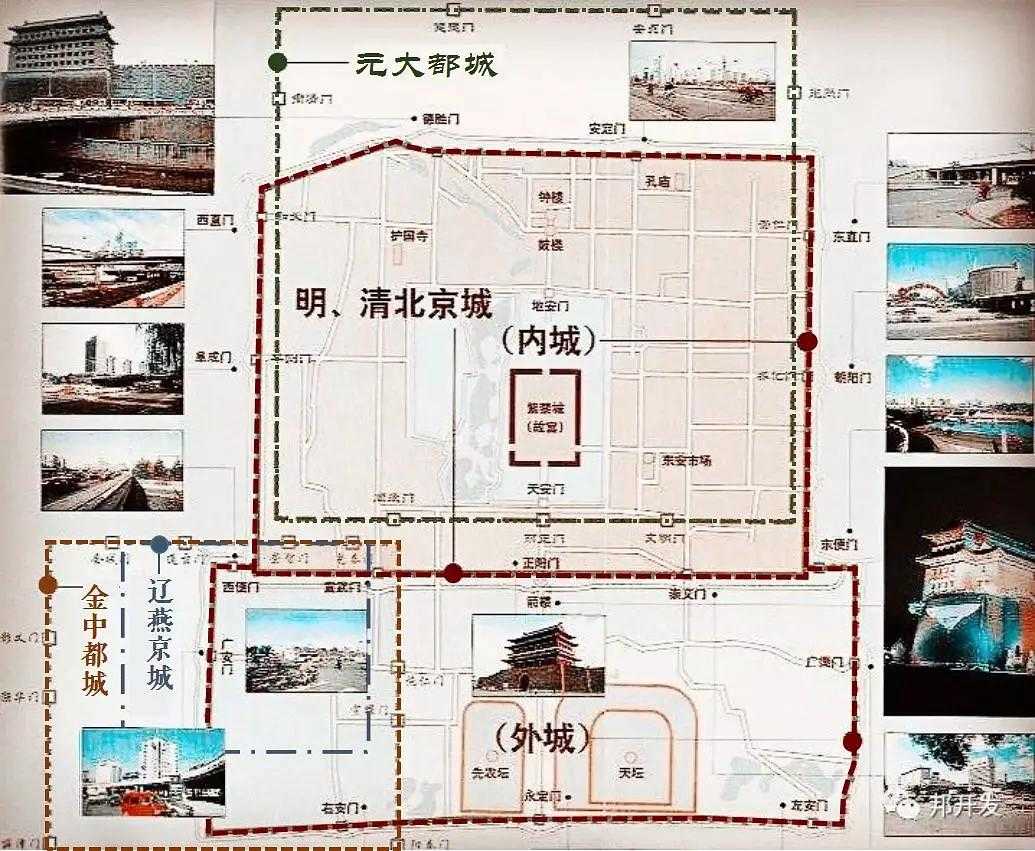
The axis's story begins in 1267 AD during the Yuan Dynasty. By the Ming Dynasty (1406–1564), Beijing's distinctive "凸"-shaped city wall emerged, and the Central Axis took its final form. The Qing Dynasty's Qianlong reign enriched the landscape order. After 1912, these once-solemn spaces opened to the public. Following 1949, Tiananmen Square's construction strengthened the axis, symbolizing the nation's birth and growth.
The 15 heritage sites span five categories: imperial palace and garden structures, imperial ritual buildings, urban management facilities, national ceremonial and public buildings, and central roadway remains. Notably, the entire axis—not individual sites—was submitted for World Heritage status, underscoring its unified cultural significance.
The 15 Heritage Sites of the Beijing Central Axis: A Complete Guide
I. Morning Bell, Evening Drum: The Timekeepers of the Imperial City
Bell Tower and Drum Tower: Guardians of Time
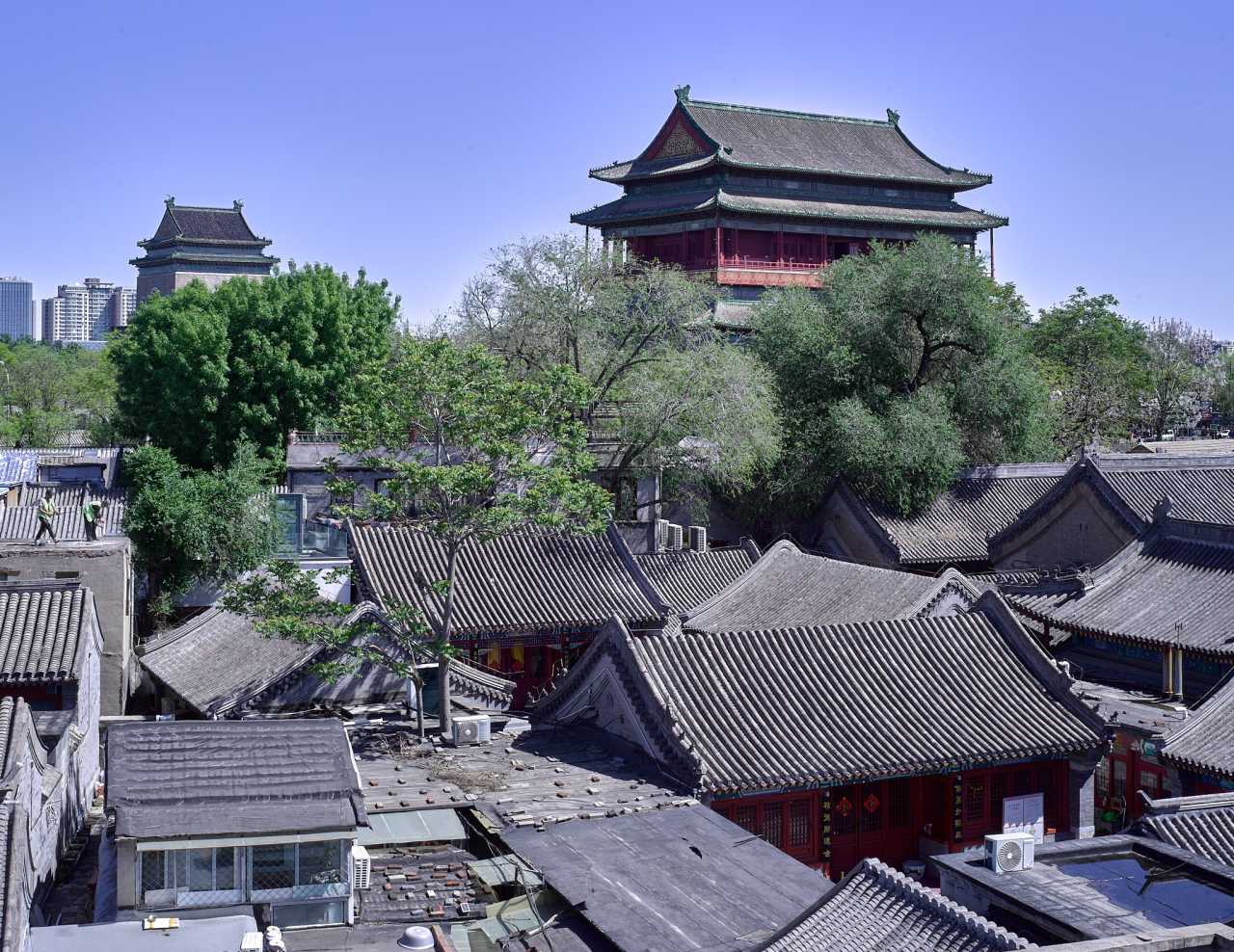
At the northernmost end of the Central Axis stand the Bell Tower and Drum Tower—the best-preserved ancient timekeeping complex in China. First built in the Yuan Dynasty, they served as the timekeeping center for the Yuan, Ming, and Qing dynasties. Every morning and evening, bell and drum sounds alternated, providing the entire city with a time reference.
Visiting Information: - Tickets: Combined ticket 30 RMB; Drum Tower alone 20 RMB; Bell Tower alone 10 RMB. Reserve 1–3 days in advance via the "北京钟鼓楼" (Beijing Bell and Drum Towers) WeChat account. Seniors without smartphones can buy on-site with ID. - Discounts: Half-price for visitors 60+, active-duty officers, and university students. Free for minors under 18, active-duty soldiers, and people with disabilities.
Bell Tower: A gray brick-and-stone structure, 47.9 meters tall, with a double-eave hip-and-gable roof. Inside hangs a massive bronze bell weighing 63 tons—heavier than the famous "Yongle Bell" at the Great Bell Temple. Inscribed with "大明永乐年" (Great Ming Yongle Era), it was supervised by Yao Guangxiao, military advisor to Emperor Yongle. Though no longer rung daily, it sounds 108 times on New Year's Eve and lunar New Year.
Drum Tower: Vibrant red, 46.7 meters tall, a multi-eave, three-layer wooden structure. The first floor houses a 660-square-meter digital immersive exhibition, "The Story of Time," with six themed galleries including "Time Architecture," "Chinese Time," and "Discovering the Central Axis." Interactive installations let you virtually "beat the drum and strike the bell." The second floor displays ancient Chinese timekeeping instruments—a time-announcing drum, bronze clepsydra, stele sundial, and sundial.
The Drum Tower preserves 25 time-announcing drums: one historical main drum and 24 replicas. The main drum, made from a single piece of cowhide, participated in the 1990 Beijing Asian Games opening ceremony. Measuring 2.25 meters long and 1.34 meters in diameter, it is the tower's greatest treasure.
Nearby Strolls: Yandai Xiejie and Shichahai Lakes
After visiting, don't miss Yao Ji Chao Gan (Yao's Fried Liver Shop) at the Drum Tower's southeast corner—a classic old Beijing specialty. On the west side, "Qilin Ge Private Kitchen · Roast Duck House" offers a third-floor terrace with direct views of the Bell and Drum Towers.
Yandai Xiejie (Tobacco Pipe Slanting Street) is an iconic hutong between the Bell and Drum Towers and Shichahai Lakes. Guangfu Temple on the street, originally a Ming Dynasty Taoist monastery, now serves as the "Beijing Central Axis Cultural Exhibition Center." Stone steles record the temple's renovations and imperial decrees.
Shichahai Lakes is the northern end's core water landscape, comprising Qianhai (Front Lake), Houhai (Back Lake), and Xihai (West Lake). Qianhai, adjacent to Yandai Xiejie and Yinding Bridge, is the main recreational area. Houhai surrounds cultural sites like the Former Residence of Soong Ching-ling and Guanghua Temple. Xihai retains a quieter, pastoral atmosphere. On Qingyun Tower's third floor, Tangfang Coffee offers a rooftop terrace perfect for capturing both the Bell Tower and Drum Tower in one frame. Yinding Bridge connects Qianhai and Houhai; on clear days, you can glimpse the Western Hills—"Viewing the Western Hills from Yinding Bridge" is one of the "Eight Small Scenes of Yanjing."
[Link: Best Beijing Hutong Tours]
II. The First Bridge on the Central Axis: The Millennial Vigil of Wanning Bridge
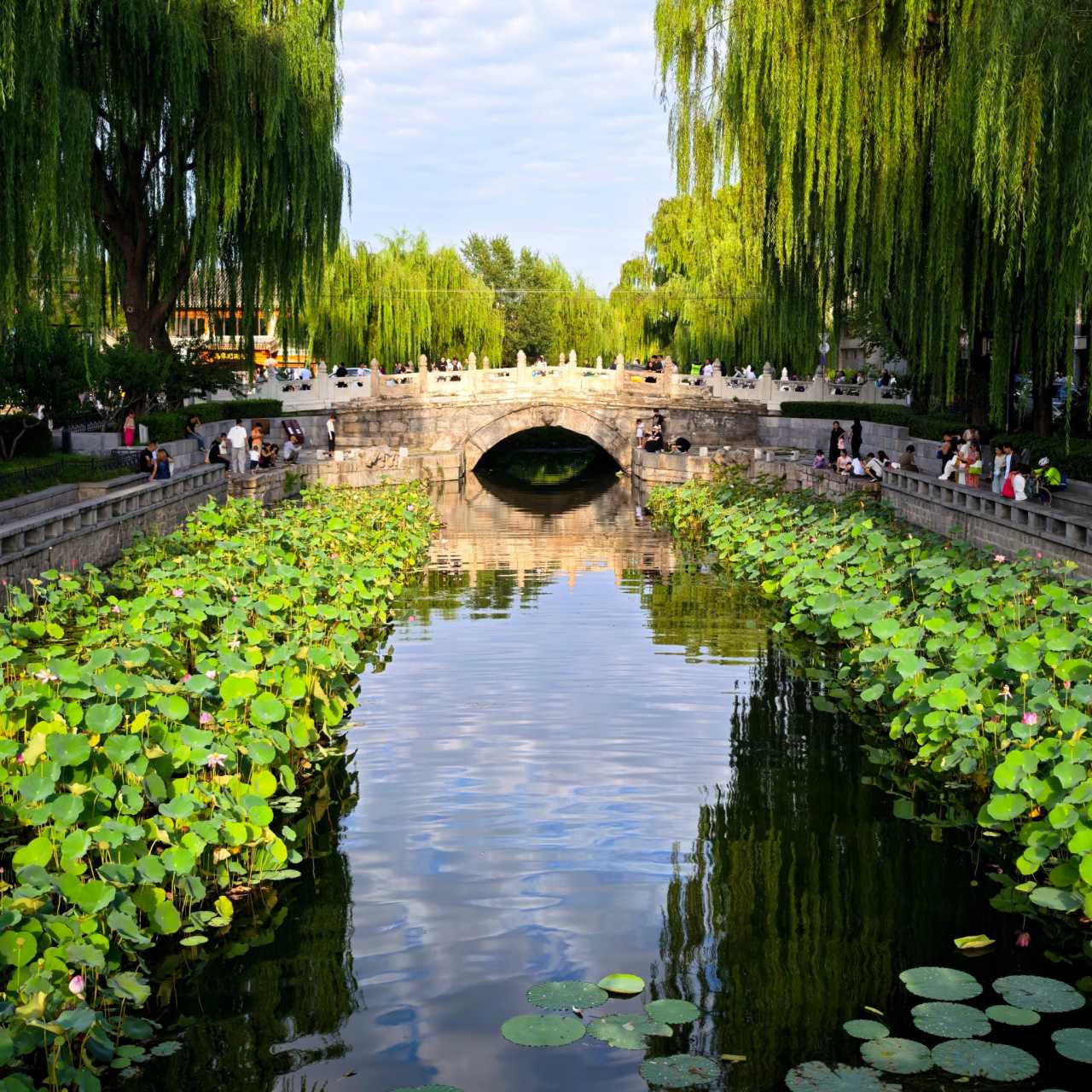
Heading south along Di'anmen Outer Street, you encounter Wanning Bridge—the second highlight of the Central Axis. This bridge is one of the 15 heritage components, also part of the Grand Canal World Heritage site, and the oldest bridge on the Central Axis, earning the title "First Bridge on the Central Axis."
Built during the Yuan Dynasty, Wanning Bridge spans the Tonghui River, a key section of the Grand Canal. Its three-arch stone structure has witnessed centuries of imperial processions, trade, and daily life. Unlike later bridges, Wanning Bridge retains its original Yuan Dynasty stonework, including carved balustrades and flood-dispersing piers.

Why It Matters: Wanning Bridge is a rare surviving example of Yuan Dynasty bridge engineering. It connects the Central Axis to the Grand Canal, illustrating how Beijing's urban planning integrated water transport with imperial design. The bridge's preservation offers a tangible link to the city's medieval past.
Visiting Tips: Wanning Bridge is easily accessible on foot from the Bell and Drum Towers. It is free to view and photograph. The surrounding area features traditional hutongs and small shops. For the best photos, visit early morning or late afternoon when the light softens the stone.
[Link: Grand Canal Beijing Section History]
III. The Imperial City: Forbidden City and Jingshan Park
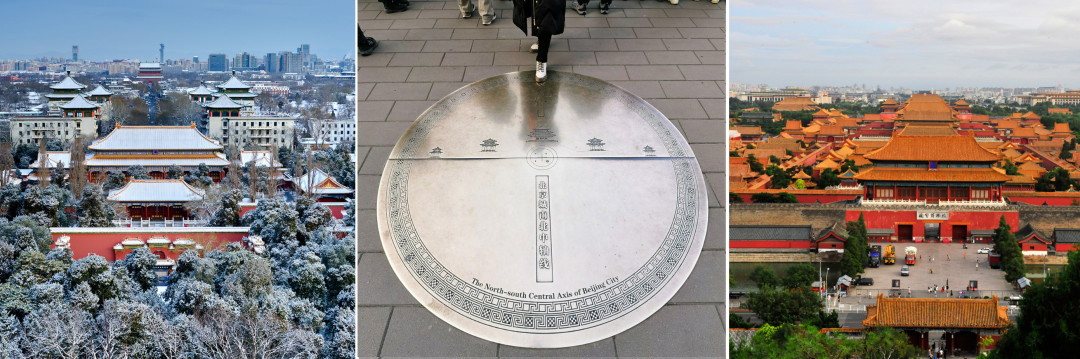
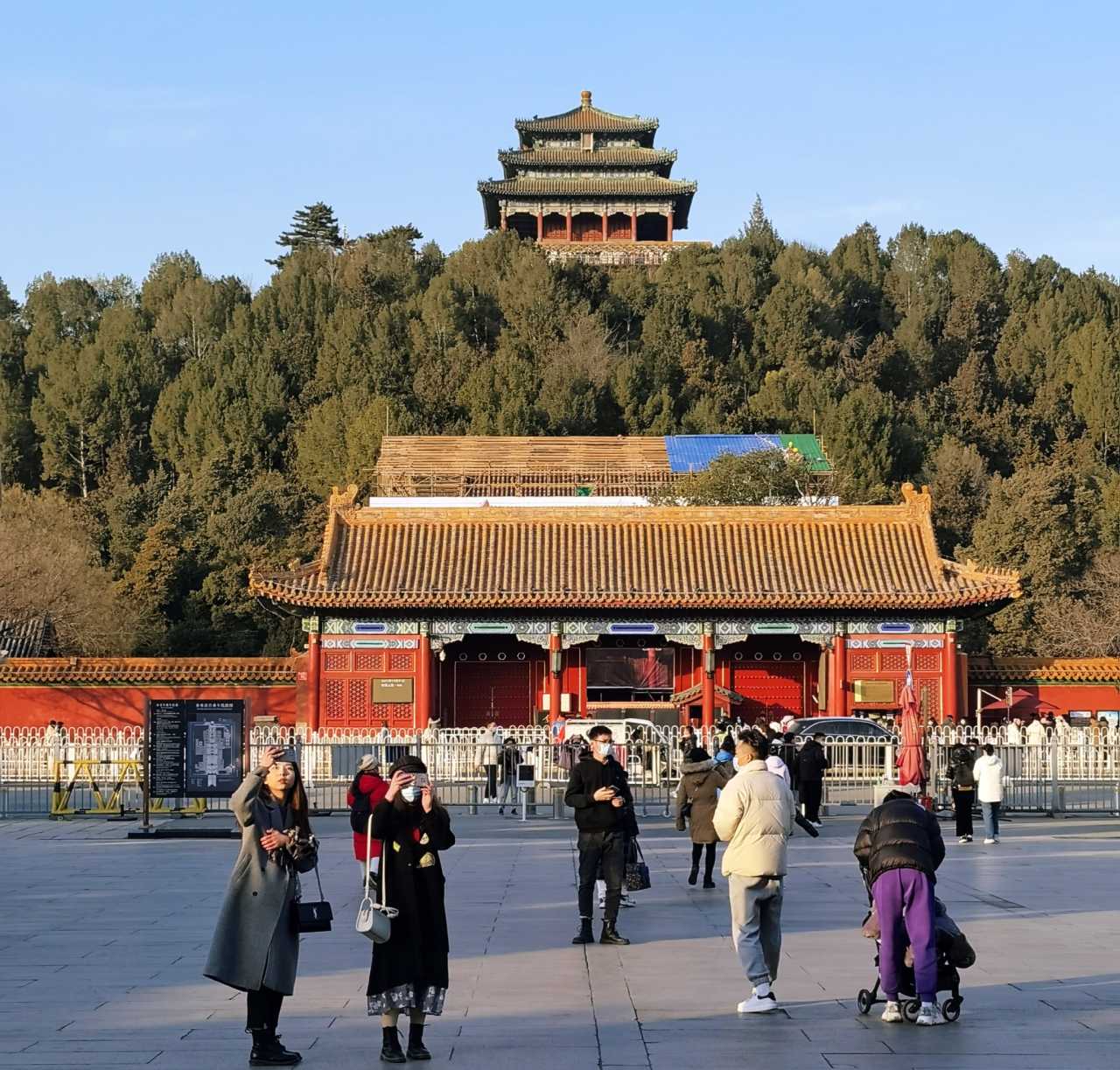
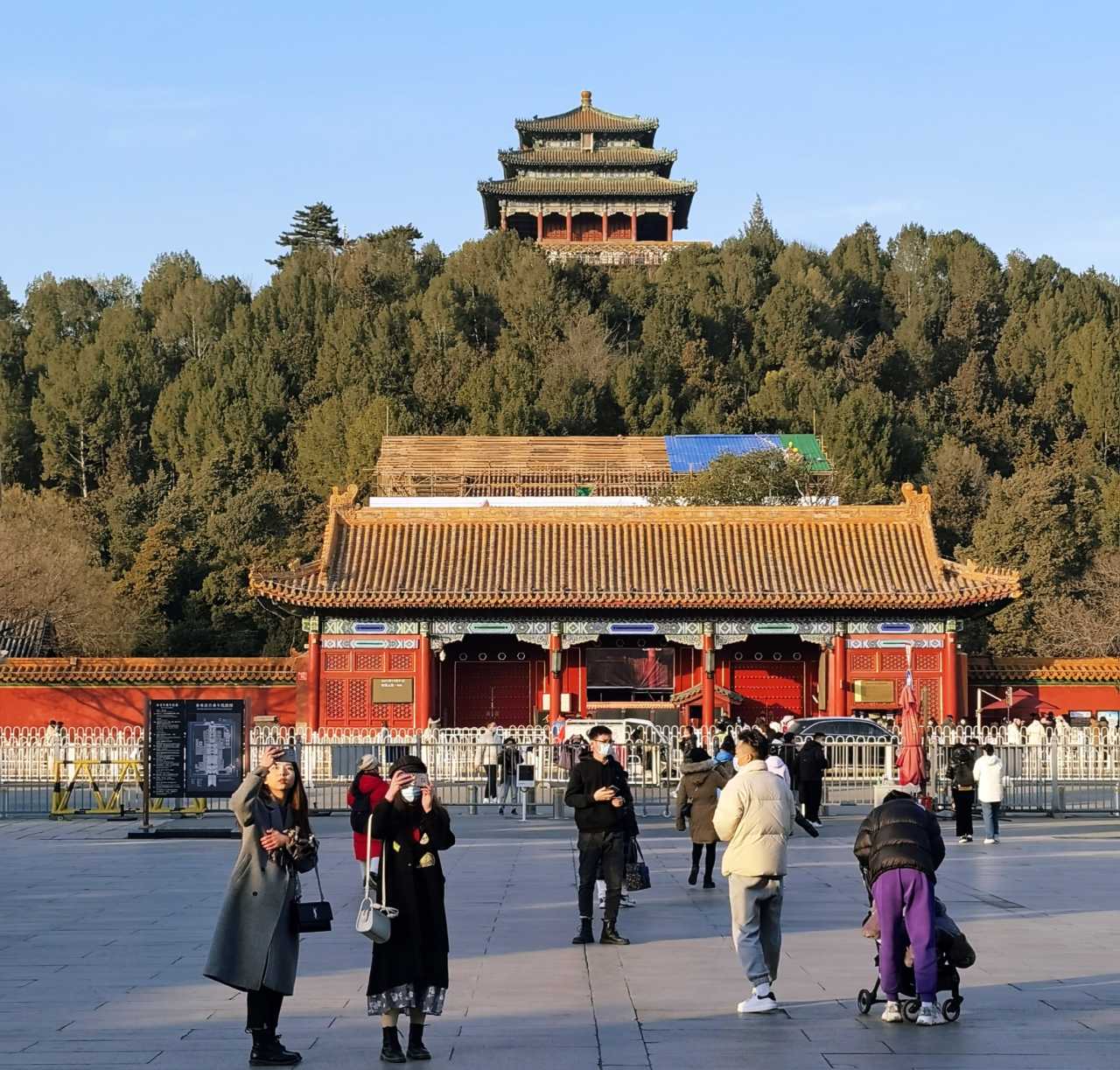
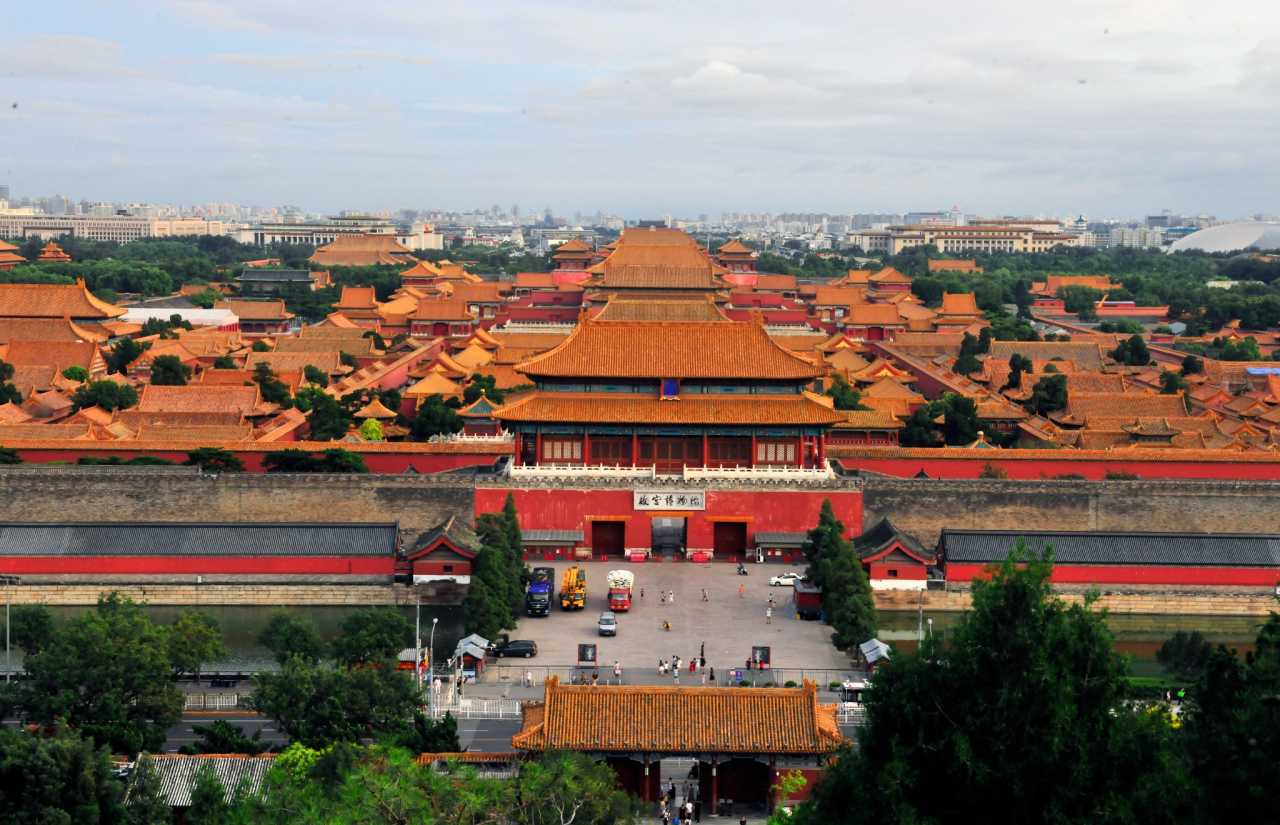
Continuing south, the Central Axis passes through the Forbidden City (Palace Museum) and Jingshan Park. The Forbidden City, built 1406–1420, is the world's largest imperial palace complex. It sits at the axis's exact center, symbolizing the emperor's role as the "Son of Heaven." Jingshan Park, a man-made hill behind the palace, offers panoramic views of the entire axis.
Forbidden City Highlights: - Meridian Gate: The southern entrance, used for imperial proclamations. - Hall of Supreme Harmony: The largest wooden structure in China, where emperors held court. - Imperial Garden: A serene retreat with ancient cypress trees and rockeries.
Jingshan Park: Climb to the Wanchun Pavilion for the best Central Axis view. On clear days, you can see from the Bell and Drum Towers to Yongdingmen.
[Link: Forbidden City Ticket Guide]
IV. Ritual and Ceremony: Temple of Heaven and Altar of Earth
South of the Forbidden City, the Central Axis includes the Temple of Heaven and Altar of Earth. The Temple of Heaven, built 1406–1420, was where Ming and Qing emperors prayed for harvests. Its circular Hall of Prayer for Good Harvests and square Imperial Vault of Heaven symbolize heaven and earth.
Altar of Earth: Located at the axis's southern end, this altar hosted earth-worshipping rituals. It is less visited but equally significant.
[Link: Temple of Heaven Visitor Tips]
V. The Southern Gateway: Yongdingmen
Yongdingmen (Eternal Stability Gate) marks the Central Axis's southern terminus. Originally built in 1553, it was demolished in the 1950s but reconstructed in 2005. Today, it stands as a gateway to the axis, offering a starting point for exploration.
Why Visit: Yongdingmen's reconstruction reflects Beijing's commitment to preserving its heritage. The gate houses a small museum about the Central Axis's history.
FAQ: Beijing Central Axis
1. How long is the Beijing Central Axis?
 The Beijing Central Axis is 7.8 kilometers (4.8 miles) long, running from the Bell and Drum Towers in the north to Yongdingmen in the south.
2. How many heritage sites are on the Central Axis?
The Central Axis comprises 15 heritage sites, including the Bell Tower, Drum Tower, Wanning Bridge, Forbidden City, Jingshan Park, Temple of Heaven, and Yongdingmen.
3. When was the Beijing Central Axis added to UNESCO?
 The Beijing Central Axis was inscribed on the UNESCO World Heritage List on July 27, 2024.
4. Can I walk the entire Central Axis in one day?
 Yes, but it requires a full day. Start at Yongdingmen in the south and walk north, or vice versa. Allow 8–10 hours with stops.
5. Are the Bell Tower and Drum Tower open to visitors?
Yes. Both are open daily. Tickets must be reserved 1–3 days in advance via the "北京钟鼓楼" WeChat account. Combined ticket: 30 RMB.
How to Experience the Beijing Central Axis: Practical Tips
Best Time to Visit: Spring (March–May) and autumn (September–November) offer pleasant weather. Avoid Chinese public holidays for fewer crowds.
Getting There: - Subway: Line 2 to Yongdingmen Outer Station or Line 8 to Shichahai Station. - Bus: Many routes along the axis; check local maps. - Walking: The entire axis is pedestrian-friendly.
Recommended Itinerary: 1. Morning: Start at Yongdingmen, walk north through the Temple of Heaven. 2. Midday: Explore the Forbidden City and Jingshan Park. 3. Afternoon: Visit Wanning Bridge, Bell Tower, and Drum Tower. 4. Evening: Stroll through Shichahai Lakes and Yandai Xiejie.
What to Bring: Comfortable walking shoes, water, sunscreen, and a camera. Some sites require ID for ticket purchase.
[Link: Beijing Travel Guide 2024]
Conclusion: Walk the Line That Connects a Nation's Soul
The Beijing Central Axis is more than a UNESCO listing—it is a living timeline of China's imperial past, architectural genius, and cultural continuity. From the timekeeping bells of the Drum Tower to the ceremonial gates of Yongdingmen, every step along this 7.8-kilometer spine reveals a story of power, ritual, and daily life.
Your Next Step: Plan your visit today. Whether you walk the entire axis in one day or explore it in segments, you will experience Beijing as its emperors intended—a city built on order, beauty, and harmony. Book your tickets, pack your walking shoes, and discover why the Beijing Central Axis is a masterpiece of world heritage.
Share your Central Axis experience in the comments below or tag us on social media. Have you visited any of these landmarks? Which one captivated you most? Let's keep the conversation going.
[Link: Book Beijing Walking Tours]
You should also read:

The Beijing Adventures of "Dunderhead" and "Grumpy": A Heartwarming Journey Through Time and Childlike Wonder
Meta Description: Discover Beijing through the eyes of two playful travelers—"Dunderhead" and "Grumpy." From the Great Wall to the Forbidden City, this SEO-optimized guide blends nostalgia, history, and practical tips for an unforgettable trip. In June, Beijing's sky hung gray, the air thick with an…
Continue reading...
Savoring the Flavors of Di'anmen: A Culinary Journey Through Beijing's Heart
Meta Description: Discover the authentic tastes of old Beijing in Di'anmen. From douzhi to stir-fried liver, explore hidden hutong food stalls, legendary snack shops, and the vibrant street food culture surrounding Shichahai Lake. The story of Beijing has never been solely about crimson walls, golden…
Continue reading...
A Spontaneous Escape Through Tianjin, Beijing, and Shandong: An Unforgettable Solo Travel Adventure
Meta Description: Discover the raw beauty of a spontaneous solo journey through Tianjin, Beijing, and Shandong. From Quanjude roast duck to Tanggu night views, read this heartfelt travelogue of escape and self-discovery. The July wind carried restlessness and unease. After abruptly ending a ten-day job…
Continue reading...