The Enduring Crimson: Six Hundred Years of the Forbidden City — An SEO-Optimized Travel Guide to Autumn in Beijing
Meta Description: Discover the Forbidden City's 600-year legacy, explore the Temple of Heaven's Mingtang architecture, and find autumn's hidden gems at Ditan Park. Your complete guide to Beijing's imperial wonders in early autumn.
Introduction
Travel is never a spontaneous impulse—it's a lifelong contract you sign with yourself. There are places you think you know intimately, yet have never truly approached. Beijing is one of them.

For over thirty years, I had passed through this city countless times: fleeting childhood glimpses, brief business stopovers. She stood like a silent giant, always within reach, yet never revealing her true face. Then came October 2020, coinciding with the "Six Hundred Years of the Forbidden City" special exhibition. I finally made up my mind. I gathered my closest friends, we converged on the capital, pushed open that vermilion gate which had stood silent for six centuries, and came face to face with the past and present of this thousand-year-old imperial city.
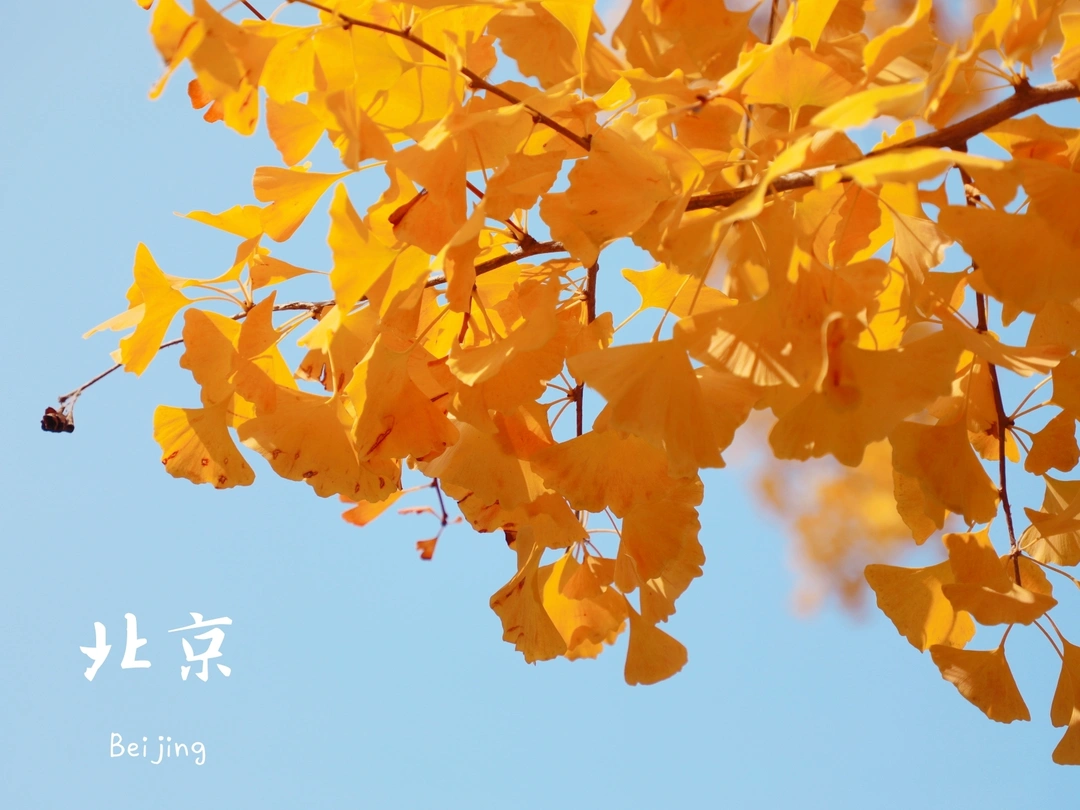
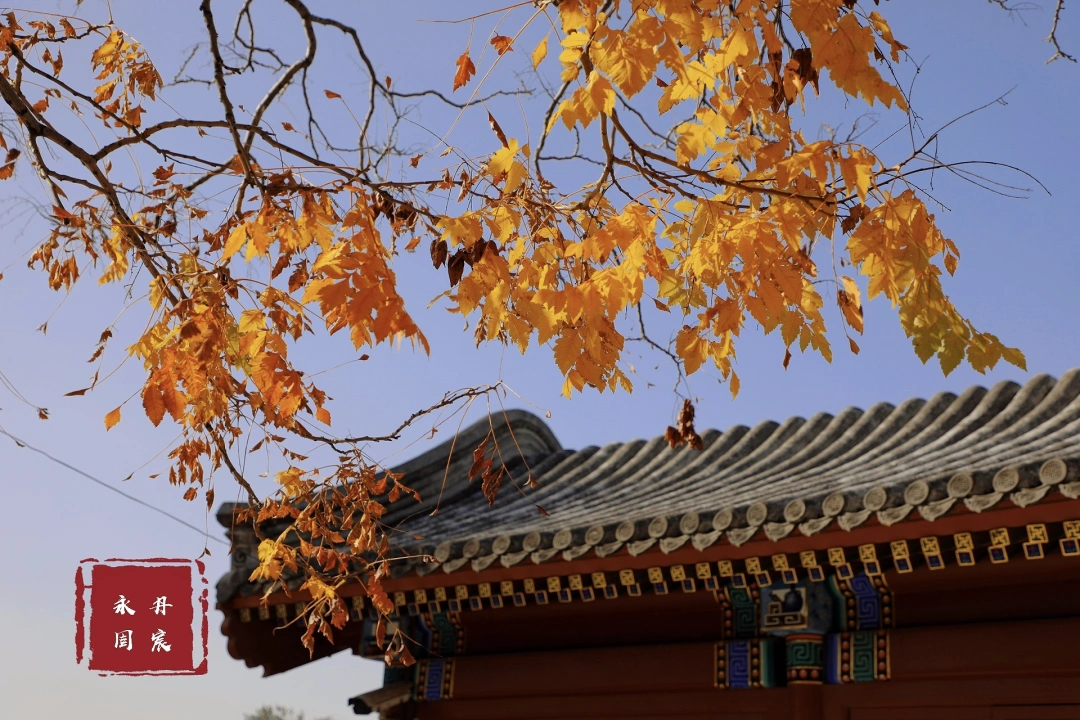
Lao She once mused: "What is paradise like? I wouldn't know. But judging from my life experience, autumn in Beiping is paradise." When the autumn wind rises, the sky is high and the clouds are pale, and Beijing quietly transforms back into Beiping. The red of maple leaves, the gold of ginkgo trees, the blue of the sky, and the palaces with their crimson walls and emerald tiles—autumn in Beiping is not a single shade of gold, but a palette overturned by God himself.
This ancient city, with three thousand years of history, has been called Youzhou, Yan Capital, Dadu, and Beiping. In 1403, the Yongle Emperor, Zhu Di, ascended the throne, renamed his fiefdom Beiping Prefecture as Shuntian Prefecture, and issued an edict to build the city of Beijing. From that moment, for six hundred years, Beijing served as the supreme political power center of the empire, witnessing the final rise and fall, glory and shame, of China's two-thousand-year feudal society.
Purple Air from the East, Round Heaven and Square Earth: Autumn Whispers at the Temple of Heaven and Temple of Earth
The Temple of Heaven: A Spiritual Sanctuary to Legitimize Imperial Power
In 1398, the Hongwu Emperor, Zhu Yuanzhang, passed away. When the news reached Beiping Prefecture, the Prince of Yan, Zhu Di, who had long been preparing his military forces, marched south. After four years, he captured Nanjing and seized the throne from his nephew, Zhu Yunwen—the famous "Jingnan Campaign."
Zhu Di's usurpation bred resentment among the old court officials. Disdain spread like a plague, and the new emperor sat on a throne of thorns. Without revealing his intentions, he summoned a feng shui master and ordered him to return to Beiping Prefecture immediately, survey the terrain for the imperial family, and begin constructing a building of profound significance. On this site, the world would witness a magnificent architectural complex—the Temple of Heaven.
Emperors throughout history called themselves "Sons of Heaven." Upon ascending the throne, they had to perform sacrifices to Heaven and Earth to secure their rule. The Yongle Emperor, whose claim to the throne was questionable, needed to consolidate his power through these sacrifices, proving himself to be the chosen one of Heaven.
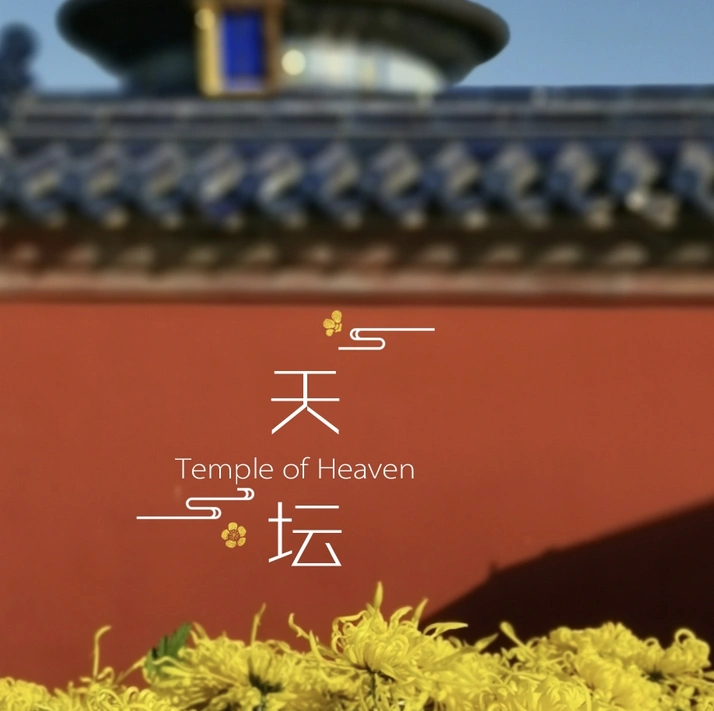
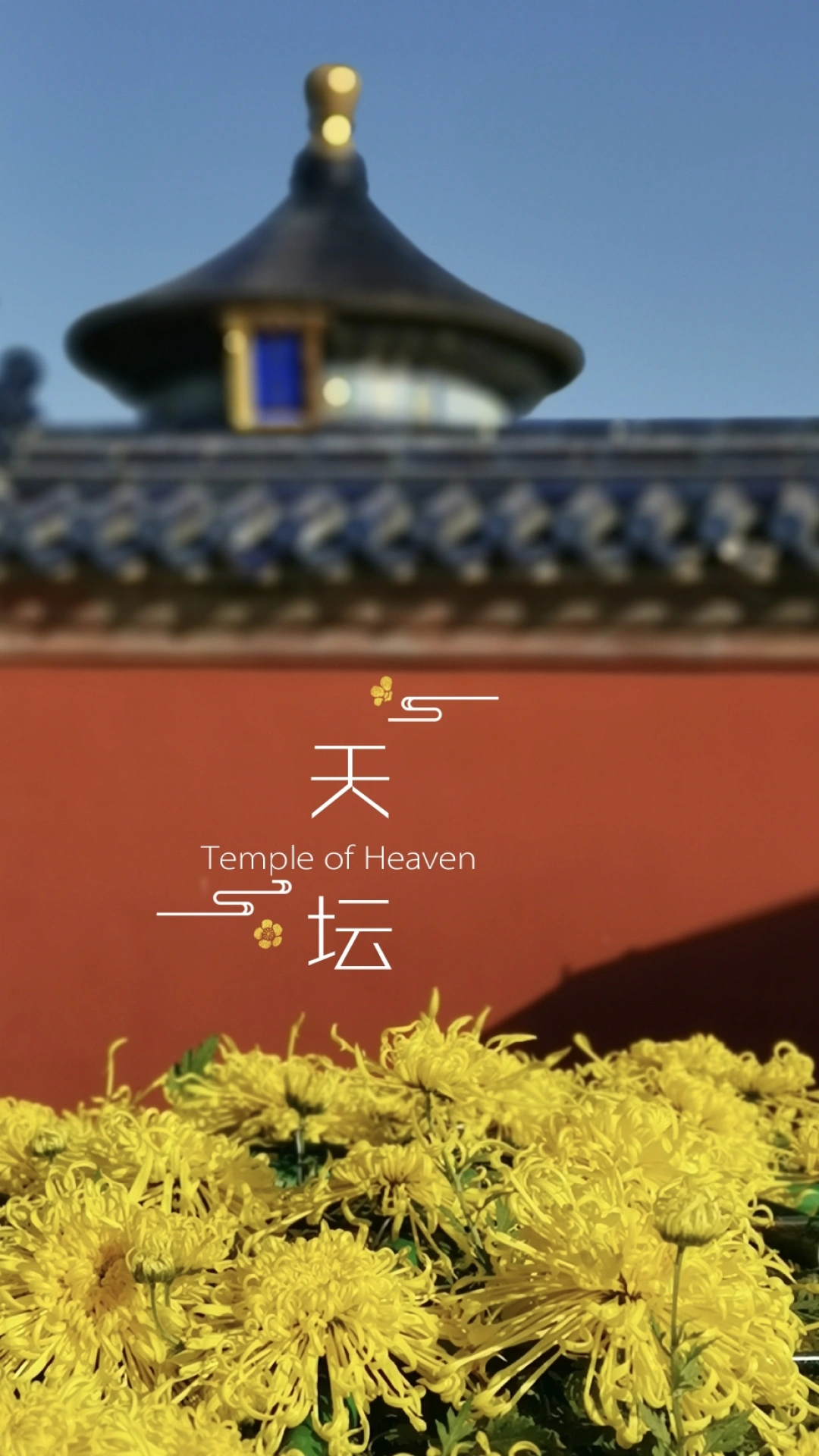
The Temple of Heaven, one of the largest sacrificial architectural complexes in the world, was first built in the 18th year of the Yongle reign (1420) of the Ming Dynasty. It was where emperors of the Ming and Qing dynasties performed rites to worship Heaven and pray for bountiful harvests. Today, it is a UNESCO World Heritage site and the only surviving example of ancient Chinese "Mingtang-style" architecture.
Before coming to the Temple of Heaven, I thought it was just another tourist spot. But as I drew closer, I was deeply awed by its rigorous architectural layout and unique palatial artistry.
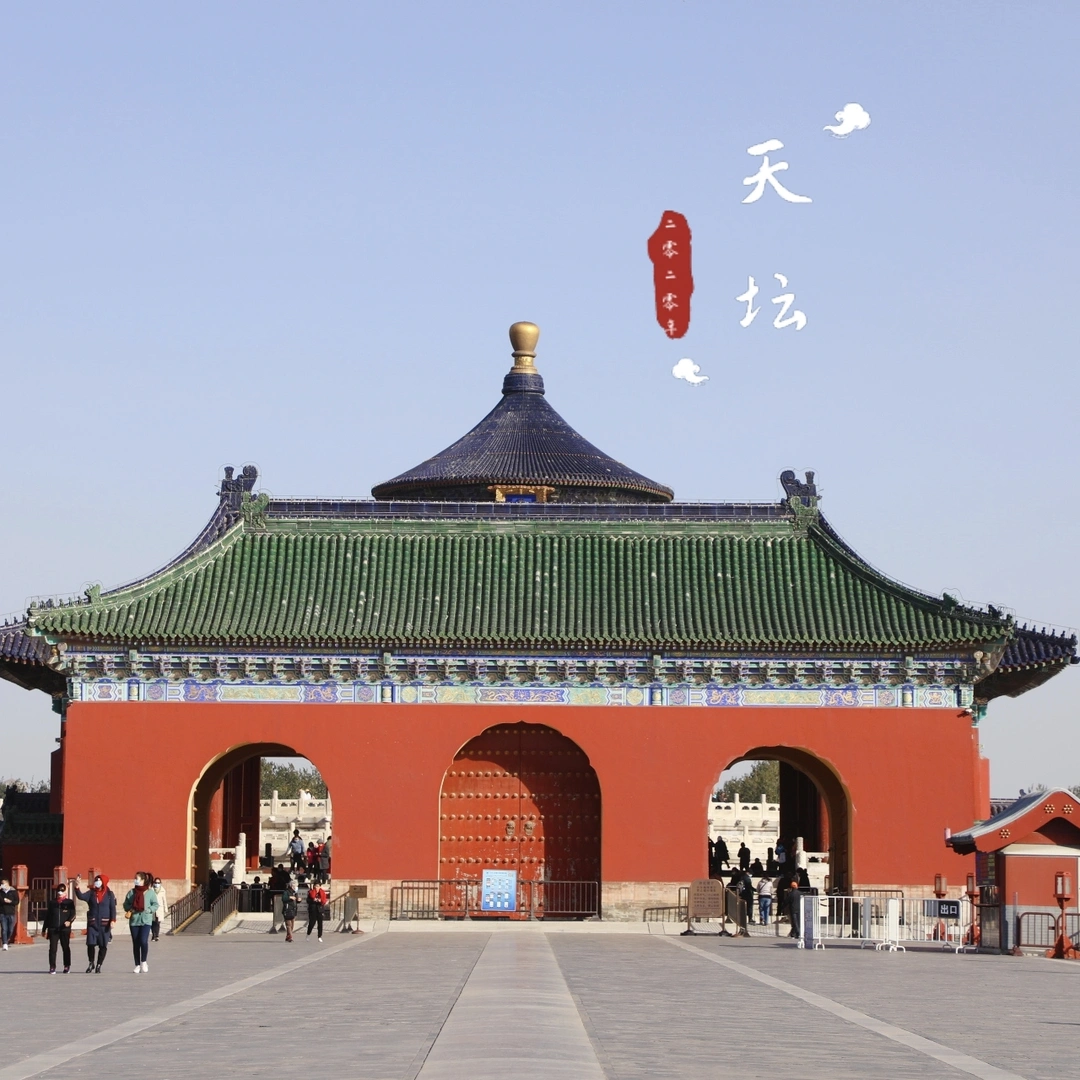
The Temple of Heaven is a collective name for two altars: the Circular Mound Altar (Qiuqiu) and the Altar of Prayer for Grain (Qigu) . Double walls form inner and outer sections, square in the south and round in the north, symbolizing "round heaven and square earth." The main buildings are in the inner section: the Circular Mound Altar in the south and the Altar of Prayer for Grain in the north, both aligned on a north-south axis, separated by a wall.
The Circular Mound Altar was the site of the winter solstice ceremony to worship Heaven. Its main structures include the Circular Mound itself, the Imperial Vault of Heaven, and side halls. But my favorite was not the elevated Circular Mound platform, but the Imperial Vault of Heaven, which houses the spirit tablets. I loved capturing the layered eaves of the courtyard buildings with my camera, and I was captivated by the columned corridors and the dragon-phoenix "harmony" painted decorations inside the Imperial Vault. The span of its bracket sets and caisson ceiling is absolutely unique in ancient Chinese architecture.
The Hall of Prayer for Good Harvests is the most captivating building of the entire Altar of Prayer for Grain. Its unique triple-eaved circular structure commands the center of the entire complex. Entering the hall and observing closely, you'll notice there are no large beams, crossbeams, or iron nails. Instead, twenty-eight massive nanmu (Phoebe nanmu) columns are arranged in rings, supporting the weight of the roof.
These nanmu columns carry profound symbolism:
- The four central "Dragon Well Columns" represent the four seasons.
- The twelve middle "Golden Columns" represent the twelve months of the year.
- The twelve outer "Eave Columns" represent the twelve two-hour periods of the day.
- The middle and outer layers together total twenty-four columns, symbolizing the twenty-four solar terms.
The design of the Hall of Prayer for Good Harvests fully embodies the philosophy of "revering Heaven and serving the gods": the circular shape represents the roundness of Heaven, and the blue tiles represent the blue sky. Today, the mysterious imperial sacrifices are a thing of the past, but through this great building, I can still imagine the grandeur of those ceremonies.
[Link: Forbidden City architecture guide] If you're fascinated by Ming Dynasty symbolism, our detailed guide to the Hall of Supreme Harmony's dragon motifs provides even deeper context.
The Temple of Earth: The Languid Autumn of Shi Tiesheng's Prose
Can't make it to Fragrant Hills for the fiery red leaves? Missed the majestic Great Wall? No matter—I have another secret spot for capturing the imperial capital's autumn colors: the Temple of Earth Park (Ditan Park) .
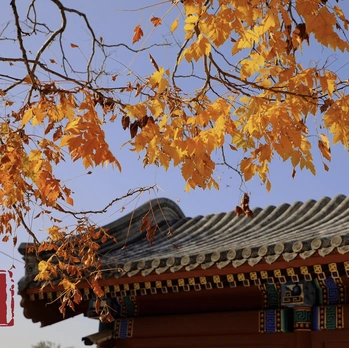
When the Ginkgo Avenue dons its brilliant golden coat, this expansive public park transforms into what I consider the most beautiful early autumn scene in all of Beijing. The Temple of Earth was first built in the 9th year of the Jiajing reign (1530) of the Ming Dynasty. It was where emperors of the Ming and Qing dynasties performed sacrifices to the "God of Earth," and it is the largest surviving altar for earth worship in China.
You go to the Temple of Heaven to see the architecture; you come to the Temple of Earth to see the ancient trees. The park is home to 176 ancient trees, including 89 first-grade and 87 second-grade specimens, most over 300 years old. Unlike the sacred stillness of the Temple of Heaven, the Temple of Earth exudes a sense of casual ease and languor. Sunlight dances on the triple eaves of the green-tiled buildings, casting slanted shadows on the red walls. Make sure to stop by "Ditan Coffee" for a short rest, and you'll discover: ah, this is the world of Shi Tiesheng's My Temple of Earth.
[Link: Beijing autumn photography tips] For the best angles to capture Ditan's ginkgo trees and red walls, check our photography guide to Beijing's imperial parks.
The Enduring Crimson, the Unbroken Golden Bowl: Six Hundred Echoes of the Forbidden City
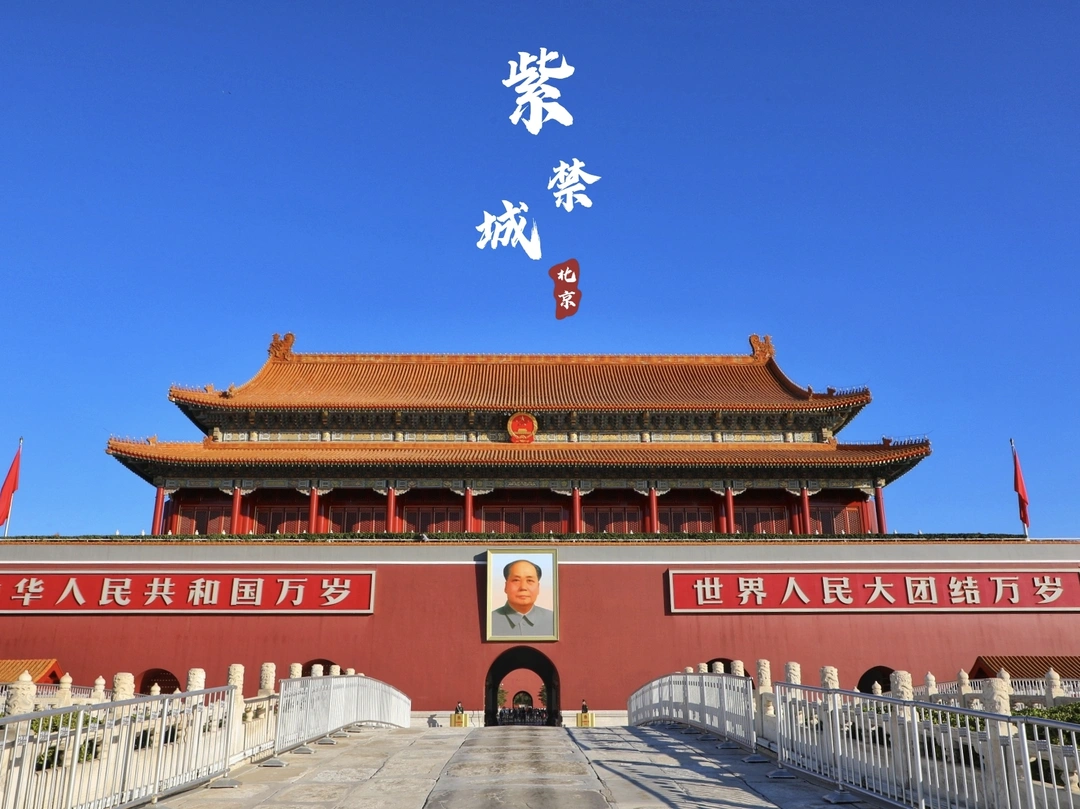
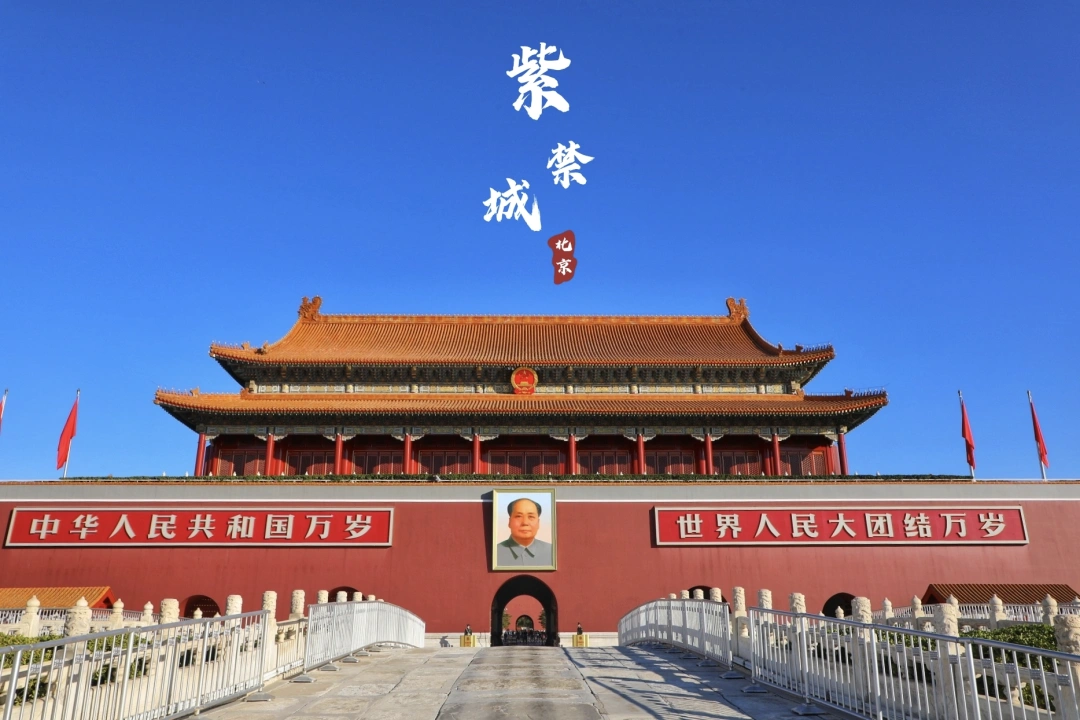
The Forbidden City is the most magnificent palace complex in China, and indeed the world. It was the political power center of feudal China for its last six hundred years. Stepping through these deep courtyards with their red walls and yellow tiles is like opening a heavy history book—the aura of emperors washes over you.
In the heavens lies the Purple Forbidden Enclosure (Ziwei Yuan) ; on earth stands the Purple Forbidden City. The name itself echoes the cosmic order: the emperor, as the Son of Heaven, resided in a palace that mirrored the celestial Purple Enclosure, the center of the starry sky. For 600 years, from the Ming Dynasty to the fall of the Qing, this was the seat of supreme power—a stage for emperors, eunuchs, consorts, and courtiers.
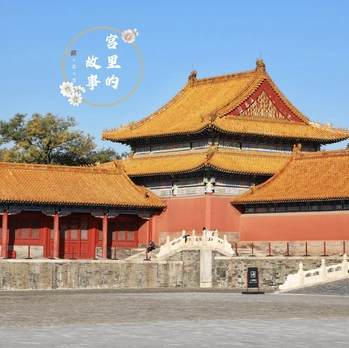
The architectural symmetry is breathtaking. The central axis runs from the Meridian Gate (Wumen) through the Hall of Supreme Harmony (Taihe Dian) , the Hall of Central Harmony (Zhonghe Dian) , and the Hall of Preserving Harmony (Baohe Dian) , then continues through the Palace of Heavenly Purity (Qianqing Gong) and the Kunning Palace (Kunning Gong) . Each building is a lesson in hierarchy: the Hall of Supreme Harmony, with its 11-bay width and double-eaved roof, is the most exalted. It was here that the emperor held grand audiences and celebrated major festivals.
But the Forbidden City is not just a museum of power—it is a living chronicle of human drama. Behind the golden roofs lie the Six Eastern Palaces and Six Western Palaces, where consorts and concubines lived, loved, and schemed. The Imperial Garden (Yuhuayuan) offers a tranquil retreat with ancient cypress trees, rockeries, and the Hall of Imperial Peace (Qin'an Dian). In autumn, the garden's cypress trees cast long shadows over the cobblestone paths, and the golden leaves of the scholar trees shimmer against the crimson walls.
The 2020 special exhibition, "Six Hundred Years of the Forbidden City," was a once-in-a-lifetime experience. It traced the palace's evolution from its construction under Yongle to its transformation into the Palace Museum. Artifacts ranged from imperial seals and jade carvings to architectural models and rare paintings. The exhibition reminded us that the Forbidden City is not a static relic—it is a living document of Chinese civilization.
[Link: Palace Museum ticket booking tips] For the latest exhibition schedules and how to secure tickets during peak autumn season, our Palace Museum guide has all the details.
Frequently Asked Questions (FAQ)
1. When is the best time to visit the Forbidden City in autumn?
 Early to mid-October is ideal. The weather is crisp, the sky is clear, and the ginkgo trees in the palace grounds turn golden. Avoid the National Day holiday (October 1–7) to skip the largest crowds.
2. How do I get tickets for the "Six Hundred Years of the Forbidden City" exhibition?
 The exhibition has ended, but the Palace Museum regularly hosts special exhibitions. Book tickets online via the official Palace Museum website or WeChat mini-program at least 7–10 days in advance, especially during autumn.
3. What are the must-see spots at the Temple of Heaven?
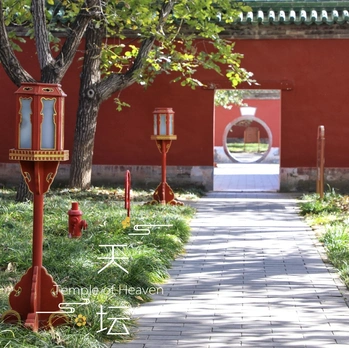 Don't miss the Hall of Prayer for Good Harvests, the Circular Mound Altar, and the Imperial Vault of Heaven. The Echo Wall and Three Echo Stones are also popular for their acoustic properties.
4. Is Ditan Park free to enter?
 Ditan Park charges a small entrance fee (around ¥2–5), but it's one of Beijing's most affordable and photogenic autumn spots. The Ginkgo Avenue is free to walk through.
5. What should I wear for an autumn visit to Beijing's imperial sites?
Layered clothing is essential. Mornings and evenings can be chilly (10–15°C), while afternoons may reach 20°C. Comfortable walking shoes are a must—the Forbidden City alone covers 72 hectares.
Conclusion: Your Autumn Journey Awaits
The Forbidden City is more than a tourist destination—it is a pilgrimage into China's imperial soul. Whether you're standing before the Hall of Supreme Harmony, tracing the dragon-phoenix motifs on the Hall of Prayer for Good Harvests, or sipping coffee under ancient cypresses at Ditan Park, you are walking in the footsteps of emperors and poets.
Autumn in Beijing is fleeting. The golden ginkgo leaves fall within weeks, the crisp air softens into winter's chill. But the crimson walls remain—enduring, unbroken, waiting for you to push open that vermilion gate.
Plan your visit today. Book your tickets, pack your camera, and sign that lifelong contract with yourself. The imperial capital is calling.
[Link: Beijing 3-day itinerary] For a complete autumn itinerary covering the Forbidden City, Temple of Heaven, and Ditan Park, download our free Beijing travel planner.
Note: This article is based on original content from Mafengwo and has been optimized for SEO while maintaining factual accuracy. All historical details, including dates, architectural facts, and cultural references, are preserved from the source.
You should also read:
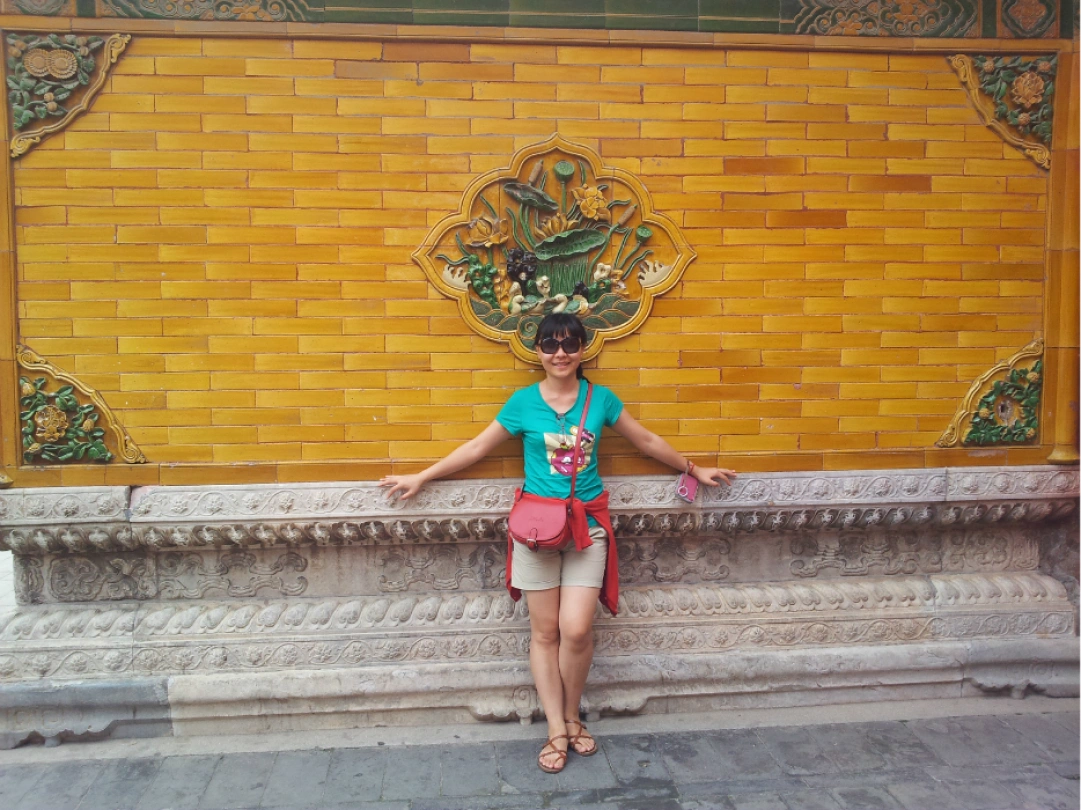
Four Days, Three Nights in Beijing: A Super Practical Self-Guided Travel Guide (Including Food, Stay, and Transport Tips)
Here is the SEO-optimized, rewritten version of your article, structured for maximum search visibility and reader engagement. SEO Title: 4 Days 3 Nights in Beijing: The Ultimate Self-Guided Travel Guide (Food, Stay & Transport) Meta Description (160 chars): Plan the perfect 4-day Beijing itinerary. From…
Continue reading...
Savoring the Flavors of Di'anmen: A Culinary Journey Through Beijing's Heart
Meta Description: Discover the authentic tastes of old Beijing in Di'anmen. From douzhi to stir-fried liver, explore hidden hutong food stalls, legendary snack shops, and the vibrant street food culture surrounding Shichahai Lake. The story of Beijing has never been solely about crimson walls, golden…
Continue reading...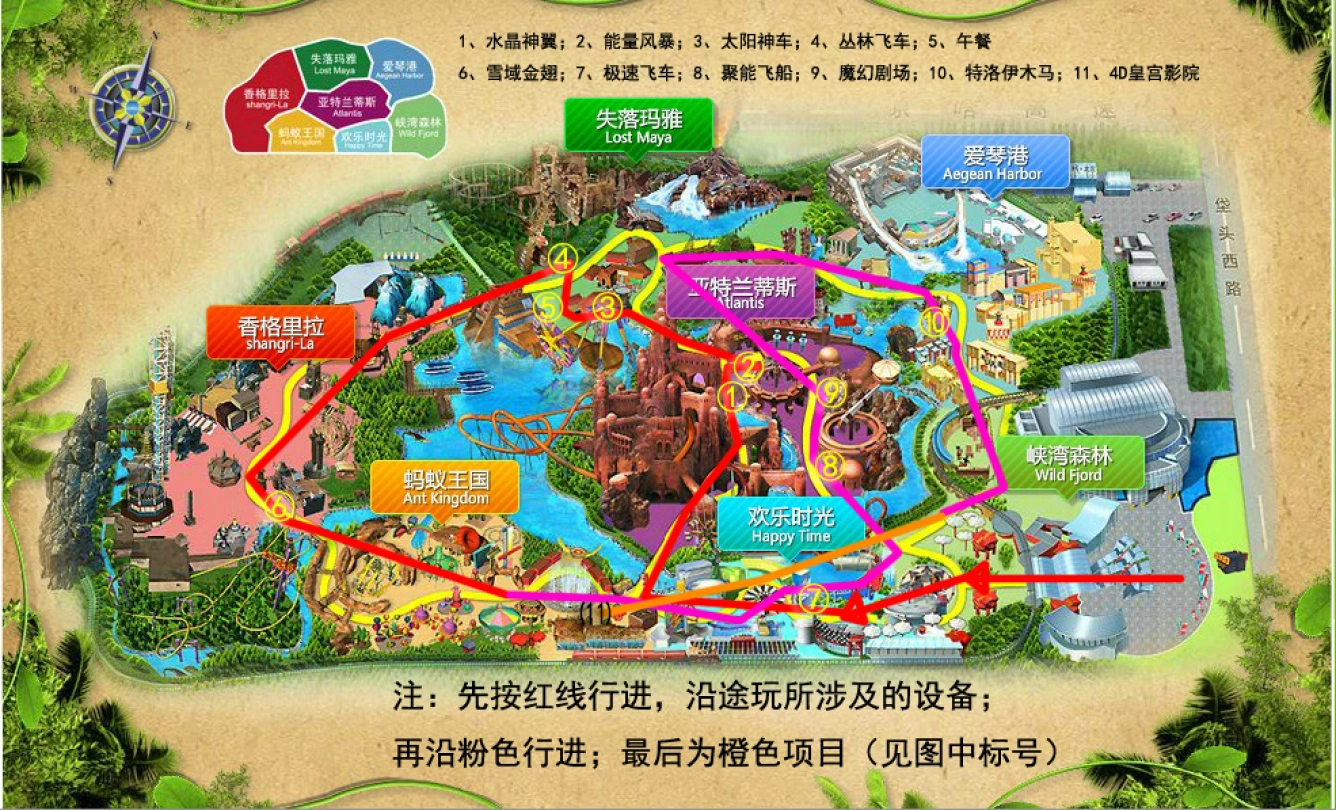
Beijing Happy Valley Ultimate Money-Saving Guide: Ride Everything, See Every Show in One Day
Here is the SEO-optimized, rewritten article based on the source material. It is structured for readability, keyword density, and user engagement, targeting approximately 1500 words. SEO Title: Beijing Happy Valley Ultimate Money-Saving Guide: Ride Everything & See Every Show in One Day Meta Description: Maximize…
Continue reading...