The Forbidden City at 600: A Beijing Native's Ultimate Walking Guide & Photo Secrets (2025 Update)
Meta Description: Discover the Forbidden City like a local! This 1500-word guide shares insider walking routes, photo spots, and digital tools for exploring Beijing's iconic palace at its 600th anniversary. Includes FAQ and photo secrets.
Introduction: Why the Forbidden City Never Gets Old
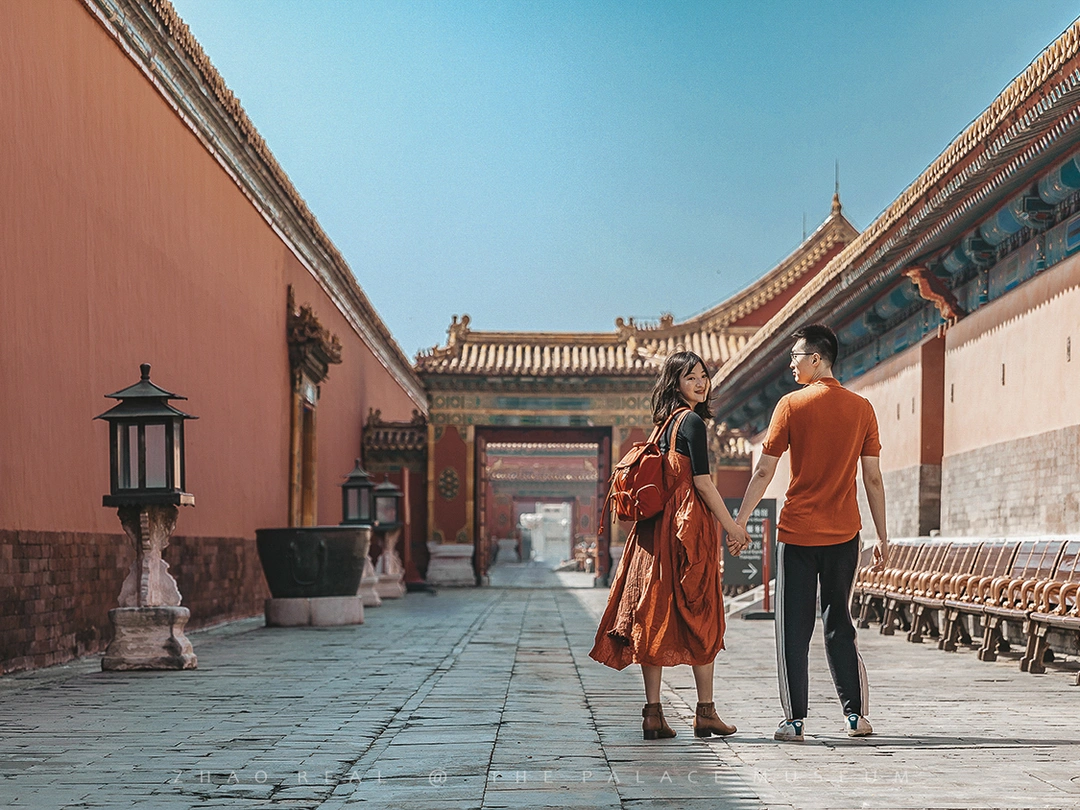
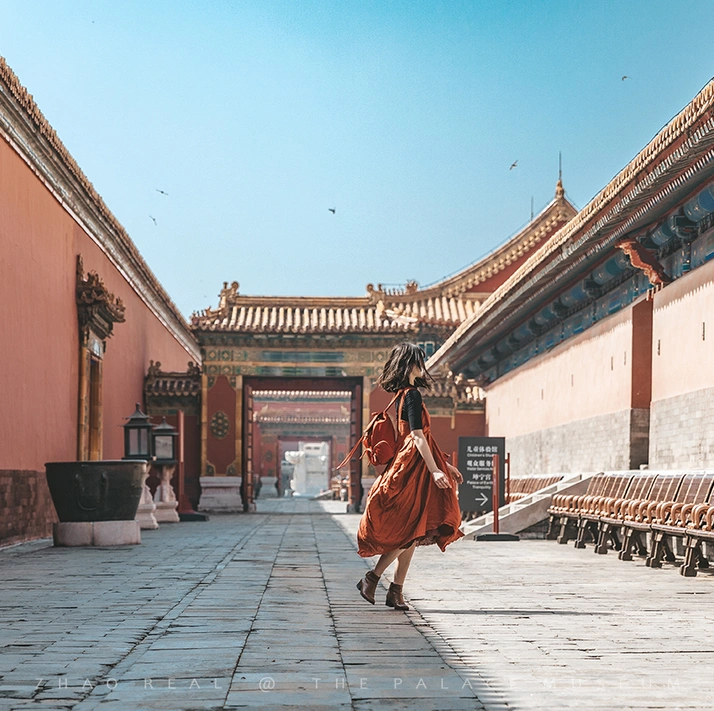
Beijing locals often say that the most familiar places hide the most unexpected surprises. I grew up in this city and have visited the Forbidden City dozens of times, yet I've never grown tired of it. In 2020, the Forbidden City celebrated its 600th anniversary, and coinciding with visitor limits, the once-crowded Purple Forbidden City enjoyed a rare tranquility. Seizing this opportunity, I brought my camera and two friends, took a different route, captured some satisfying photos, and finally felt confident enough to write this local's perspective guide.

When I was a child visiting the Forbidden City, I always thought it was only as big as the three main halls on the central axis. Nine times out of ten when I went to Qianmen (Front Gate), I only made it as far as Tiananmen Square. Later, as more areas of the Forbidden City opened up, I realized this city was far vaster than I had imagined. Former director Shan Jixiang once said that the Palace Museum manages a total of 9,371 ancient buildings, of which 8,728 are within the Purple Forbidden City. And the number of cultural relics is even more staggering — 1,807,556 pieces, with an additional 55,000 items added through a movable cultural relics survey. With so many treasures, how could anyone finish exploring in just one visit?
Every time I go to the Forbidden City, I discover new corners and new stories. It's like a book you can never finish reading — always familiar, yet always fresh.
Pre-Trip Essentials: Two Mini Programs to Master the Forbidden City
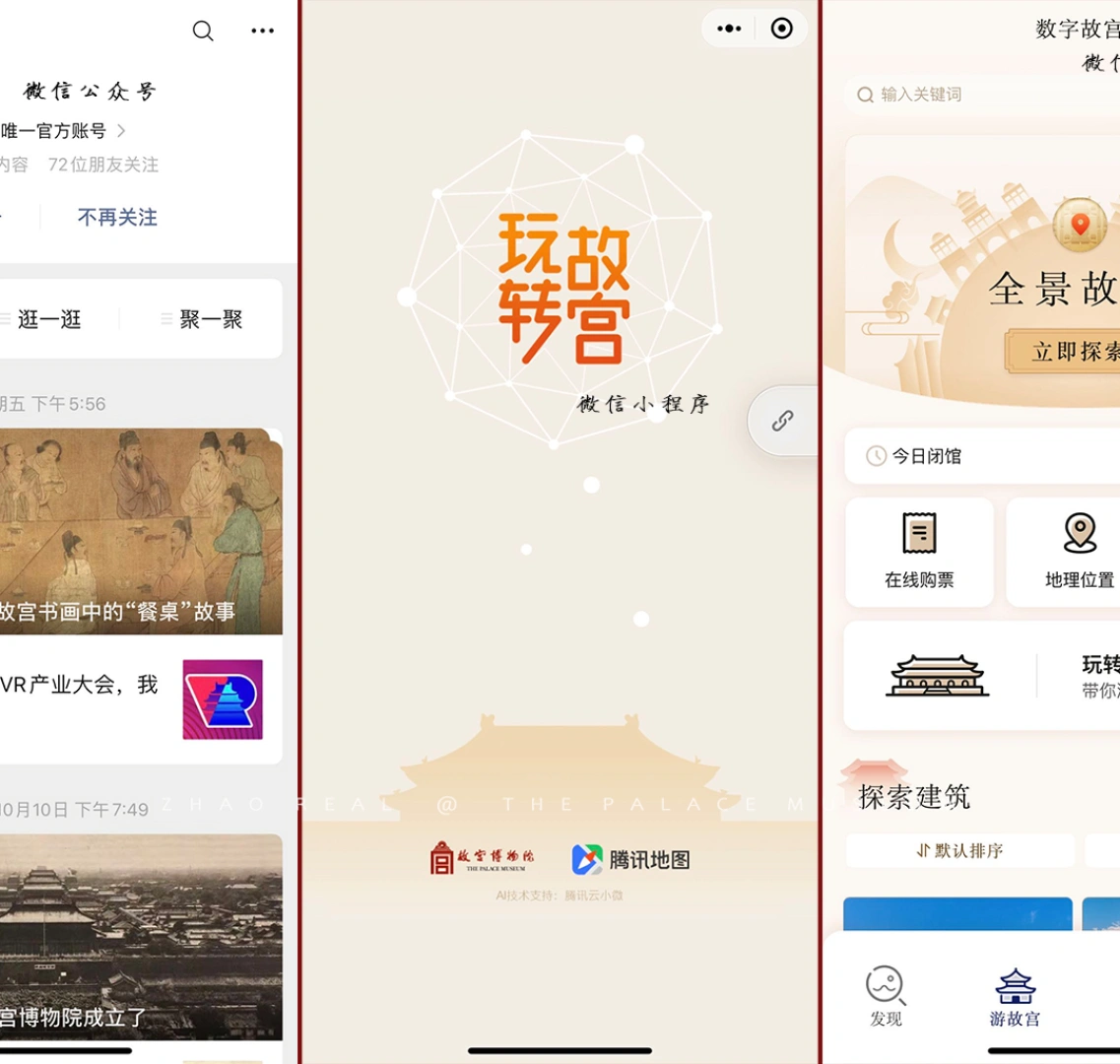
Before you set out, I strongly recommend bookmarking two official WeChat mini programs — "Explore the Forbidden City" (Wan Zhuan Gu Gong) and "Digital Forbidden City" (Shu Zi Gu Gong) . Follow the "Micro Forbidden City" (Wei Gu Gong) public account to get the latest exhibition updates as soon as they're announced.
Digital Forbidden City: Your Virtual Research Tool
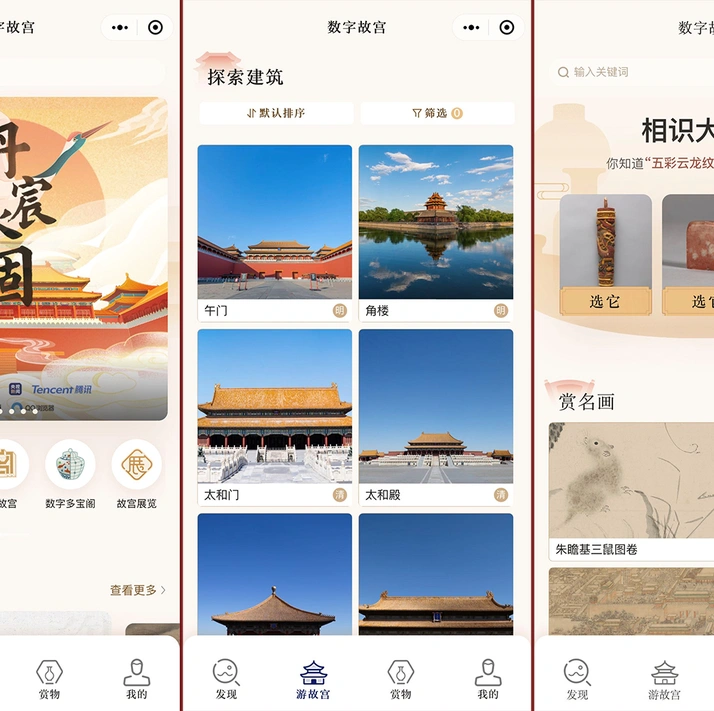
"Digital Forbidden City" is a godsend for pre-trip research. It not only features introductions to various exhibitions but also allows you to take a 360° panoramic virtual tour of the Forbidden City without the crowds. The construction dates, historical uses, and major events of every building are clearly laid out. One thing worth highlighting: it can help you quickly identify must-see items — like that piece of lacquered gauze from the Palace of Tranquil Longevity (Ningshou Gong). If the mini program hadn't pointed it out, we might have easily missed it.
Explore the Forbidden City: Your On-Site Navigation
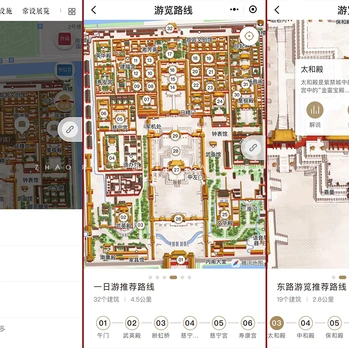
"Explore the Forbidden City" is your navigation tool once you're inside. It marks all the functional locations within the Forbidden City in incredible detail: buildings, exhibition halls, specialized galleries, restaurants and shops, restrooms, information desks, medical rooms, police stations... When you walk up to a specific building, it can even play an audio guide. The mini program offers six recommended routes. The longest full-day route covers 4.5 kilometers and passes through 32 buildings, while there are also half-day options for the Eastern Route or Western Route.
[Link: Best Forbidden City routes for first-time visitors]
Entering the Palace: A Peaceful Journey Starting from Donghuamen (East Glorious Gate)
Ticketing Tips: How to Secure Your Spot
Since 2017, the Forbidden City has abolished on-site ticket sales and implemented full online ticketing. Through the Palace Museum's ticketing website, you can purchase tickets up to ten days in advance. Due to the 600th-anniversary special exhibition recently, tickets have become quite competitive, so I recommend planning ahead. Although you can also buy tickets through the WeChat channel, the system isn't very reliable — there have been reports of unexplained ticket cancellations — so using the website is a safer bet.
Tickets are divided into morning and afternoon sessions, and you must enter strictly according to your designated time. I recommend the morning session, as it gives you more time. During the pandemic, the Forbidden City's visitor limit was adjusted from an initial 2,000 to 5,000, then 8,000, and is currently 30,000 — considering it used to handle 80,000 visitors, the current experience is practically luxurious.
The Secret Entrance: Donghuamen Route
Important Note: During the pandemic, the route through Tiananmen Square, Duanmen (Upright Gate), and Wumen (Meridian Gate) is closed. You need to go around from Donghuamen (East Glorious Gate) along the Tongzi River (Moat) to reach Wumen. I've taken this route twice and found it peaceful and smooth. In the morning, you might even see people casually jogging. Plus, you don't have to wait in line for the 18 security checks in front of the square — it's an unexpected bonus.
Health Check & Entry Process
Before entering, you need to pre-check your "Beijing Health Kit" (Beijing Jiankang Bao) . Visitors from outside Beijing must register in advance. Search for "Beijing Health Kit" in the Alipay or WeChat mini programs, then follow the prompts to enter your 14-day travel history and complete facial verification. People with travel history outside Beijing may take longer to register, so it's best to set this up as soon as you arrive in the city.
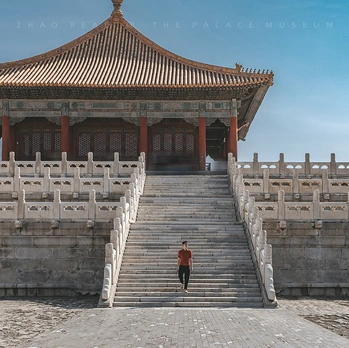
Follow the ground signs to the pre-check area, show your health code, have your ID card scanned, and then head to the official entrance for security screening. The Forbidden City's crowd management measures are excellent now, so you generally won't wait long. We arrived just before opening time and waited about 15 minutes at Wumen.
While waiting in line, we encountered an interesting livestreamer who called himself a "celebrity tour guide." He was holding a gimbal and broadcasting on Douyin (TikTok's Chinese version). His mouth was incredibly fast — he didn't stop for over ten minutes, cycling through historical anecdotes, ticketing tips, and fan interactions. I was wearing a mask and flashed a peace sign in his camera frame. He twisted his body to interact with me, saying that in less than half an hour, his livestream had almost earned 50,000 yuan in gifts. It was quite an eye-opener.
Wumen Special Exhibition: "Eternal Firmament" — The 600th Anniversary of the Forbidden City
How to Experience the Exhibition Like a Pro
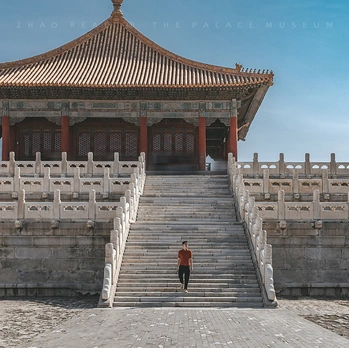
Once you enter Wumen, turn left immediately and go up the stairs. Climb to the tower, and you'll be standing at the highest point of the Purple Forbidden City. If you want to see the exhibition properly, I suggest going up as soon as you enter — you'll have plenty of energy, and the crowds won't have gathered yet. This time, we were too greedy and rushed off to take photos first. By the time we circled back, our feet were throbbing, and the experience was less enjoyable.
Exhibition Highlights: What Not to Miss
The exhibition is divided into three parts: "One Palace, One City," "Inclusiveness and Grandeur," and "Eternal Continuity." It covers 18 historical milestones, introducing the planning, layout, architecture, court life, and the general overview of construction, maintenance, and preservation of the Forbidden City. The exhibition uses three halls — the East and West Yanchi Towers (Yanchi Lou) and the main tower of Wumen. It's a one-way route, so just follow the arrows.
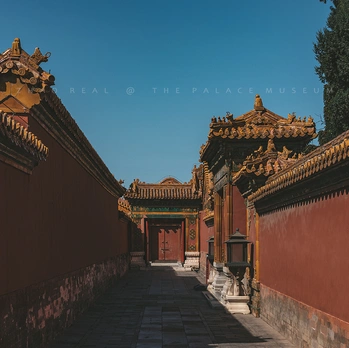
According to experts, this exhibition doesn't feature an overwhelming number of heavyweight artifacts, but its educational and popular-science value is itself the greatest treasure. For example, there are the original roof ridge beasts preserved from the reconstruction of the Hall of Supreme Harmony (Taihe Dian) during the 34th year of the Kangxi Emperor's reign (1695). Each beast carries a beautiful symbolic meaning. They usually appear in odd numbers, with more beasts indicating a higher architectural rank. Only the Hall of Supreme Harmony has ten beasts. The extra, final beast is called "Xingshi" (the Walking Beast) , symbolizing its unparalleled status.
In the main tower exhibition hall, there's a piece of lacquered gauze made in 1773. Worn by time, it now only has a dull, crow-like sheen and is easy to overlook. This lacquered gauze was originally inlaid on the railing screen on the first floor of the Pavilion of Admiring Views (Fuwang Ge).
[Link: Top 10 must-see artifacts in the Forbidden City]
Photo Secrets: Capturing the Forbidden City Like a Local
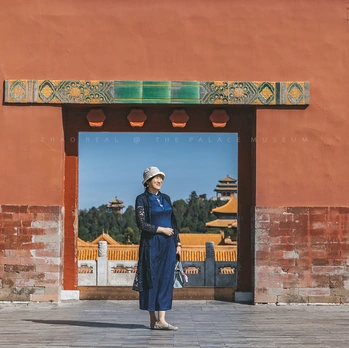
Golden Hour Magic: Best Times for Photography
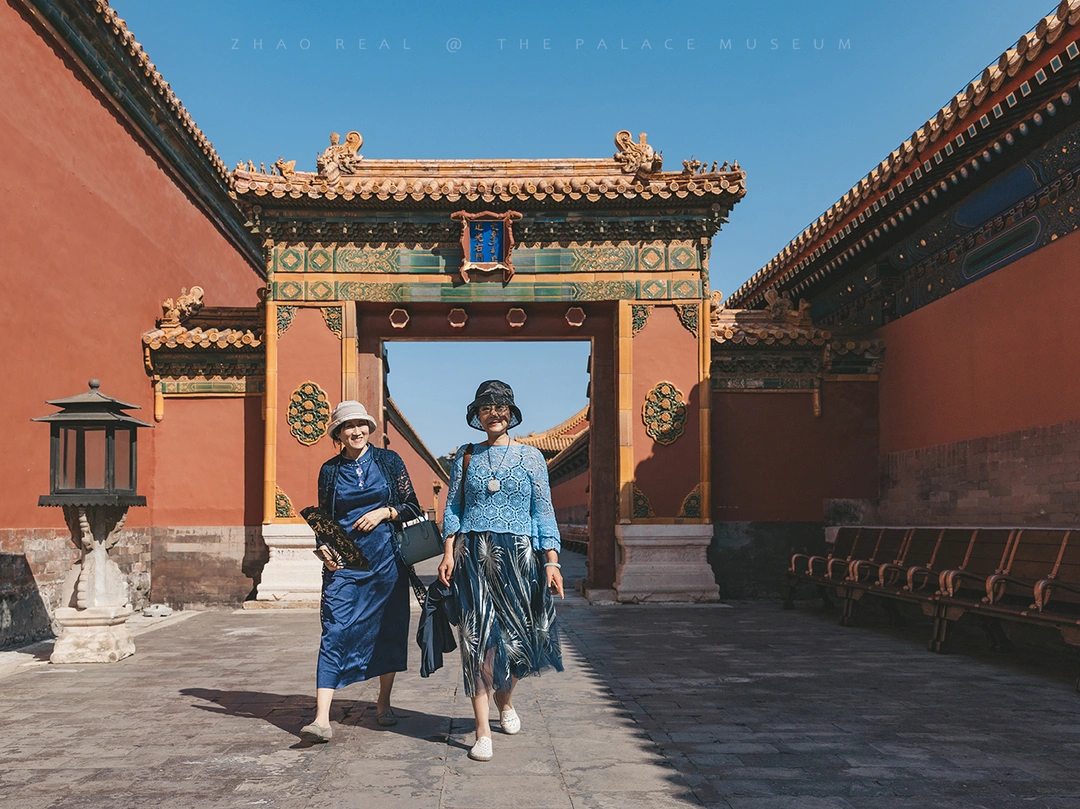
The best light for photography in the Forbidden City is during the golden hours — the first hour after opening and the last hour before closing. The low angle of the sun casts long shadows and creates dramatic contrasts on the red walls and golden roofs. If you're visiting during summer, aim for 8:00–9:00 AM or 4:00–5:00 PM.
Secret Spots for Crowd-Free Photos
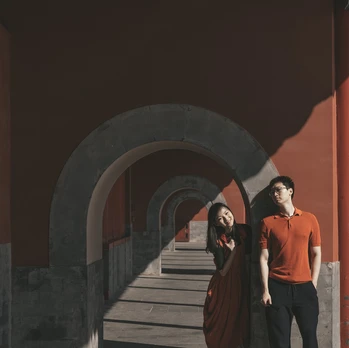
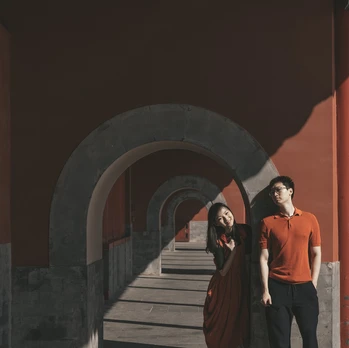
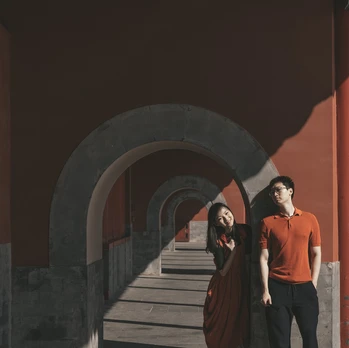
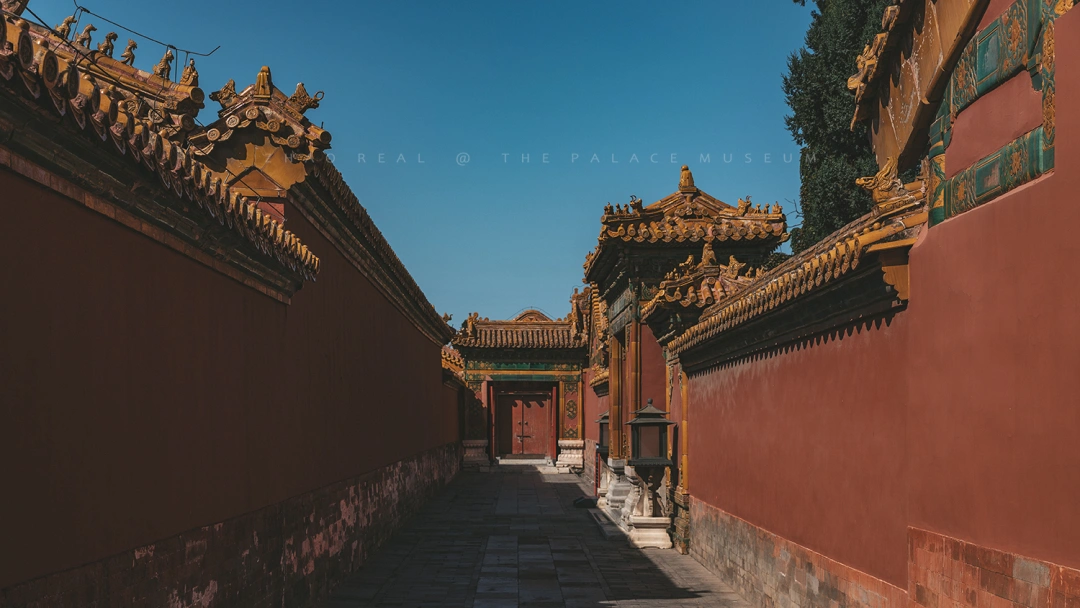
- The Eastern Corridor (Dongchang Jie): This lesser-used path runs parallel to the central axis but sees far fewer visitors. The long, empty corridors create a perfect leading line for your composition.
The Palace of Tranquil Longevity (Ningshou Gong) Garden: This garden is often overlooked by tourists rushing to the main halls. Its rockeries, pavilions, and ancient trees offer intimate, peaceful shots.
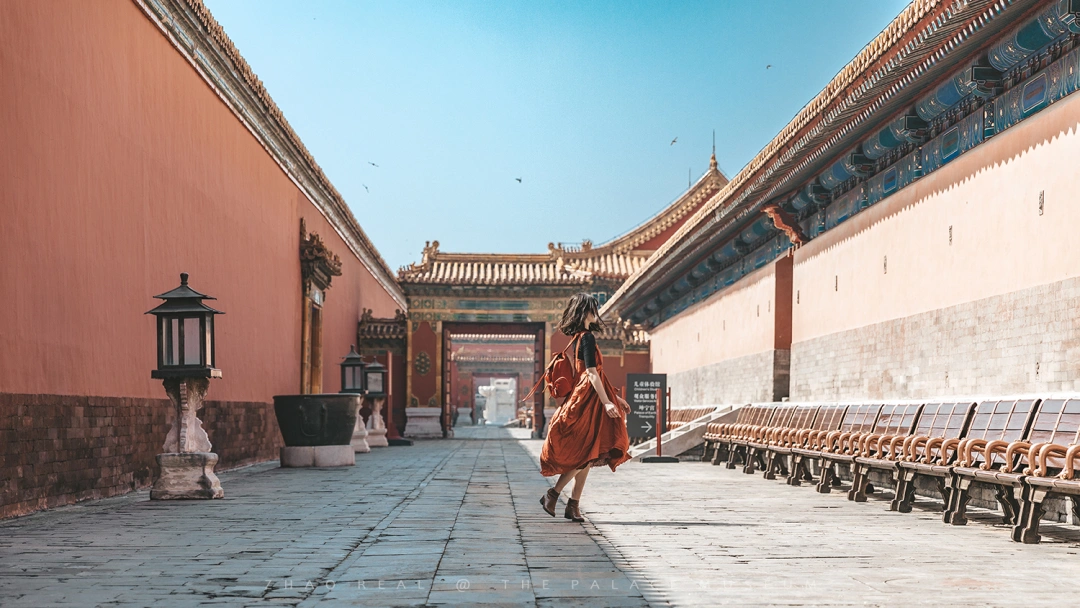
The Moat (Tongzi River) from Donghuamen: Before entering, walk along the moat from Donghuamen to Wumen. The reflections of the walls in the water, especially in the morning, create stunning mirror images.
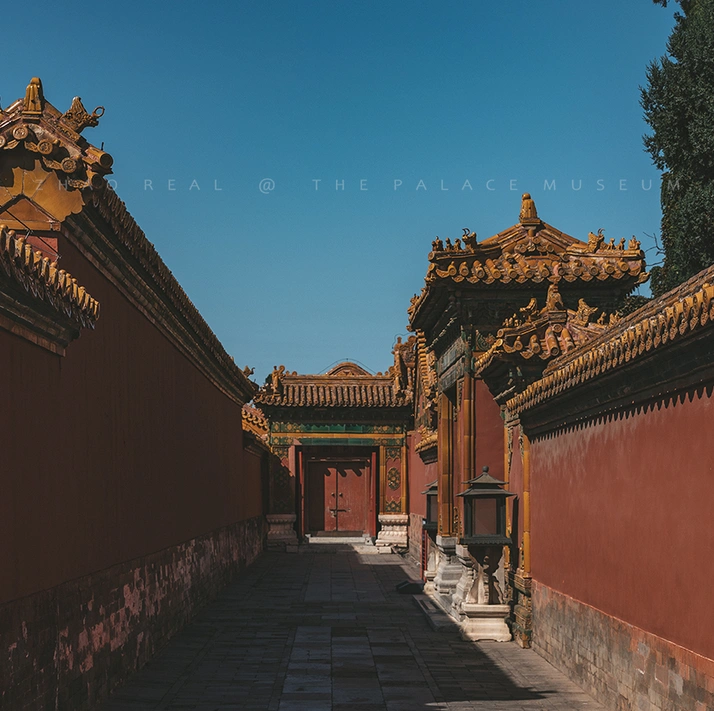
The Roof Ridge Beasts at Wumen: Use a telephoto lens to capture the intricate details of the roof ridge beasts from the Wumen tower. The blue sky makes a perfect backdrop.
Camera Settings & Composition Tips
- Use a wide-angle lens (16-35mm) for expansive shots of the main halls and courtyards.
- Shoot in aperture priority mode (f/8–f/11) for maximum sharpness across the scene.
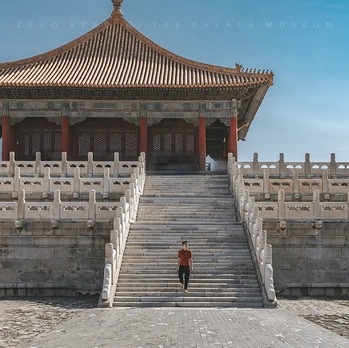
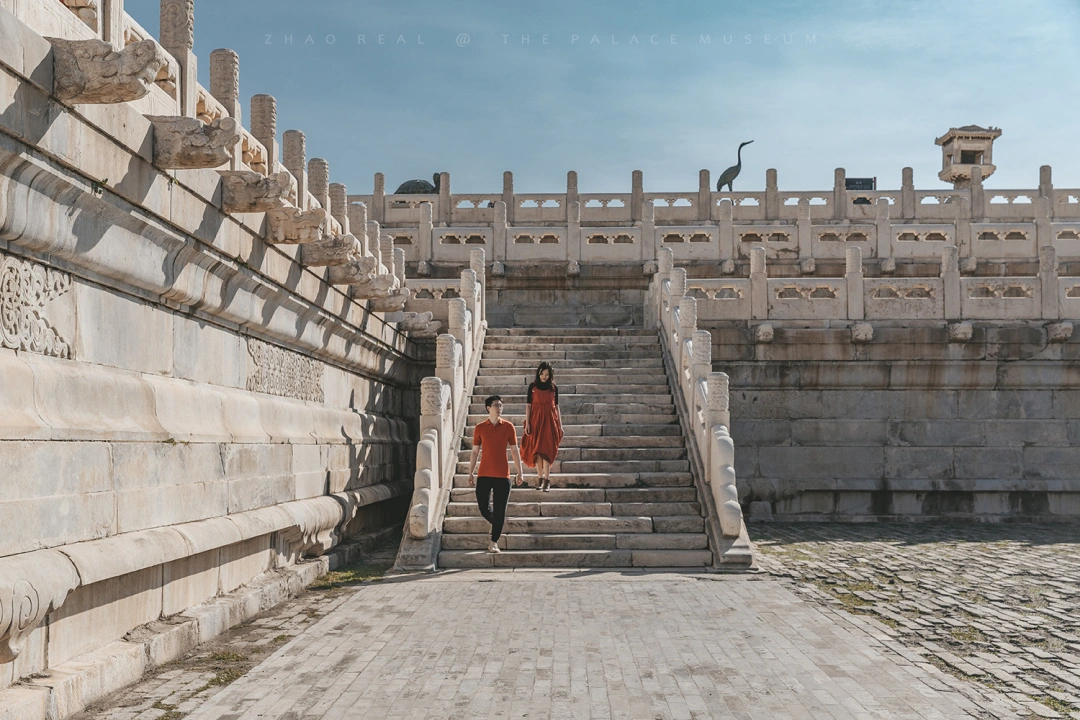
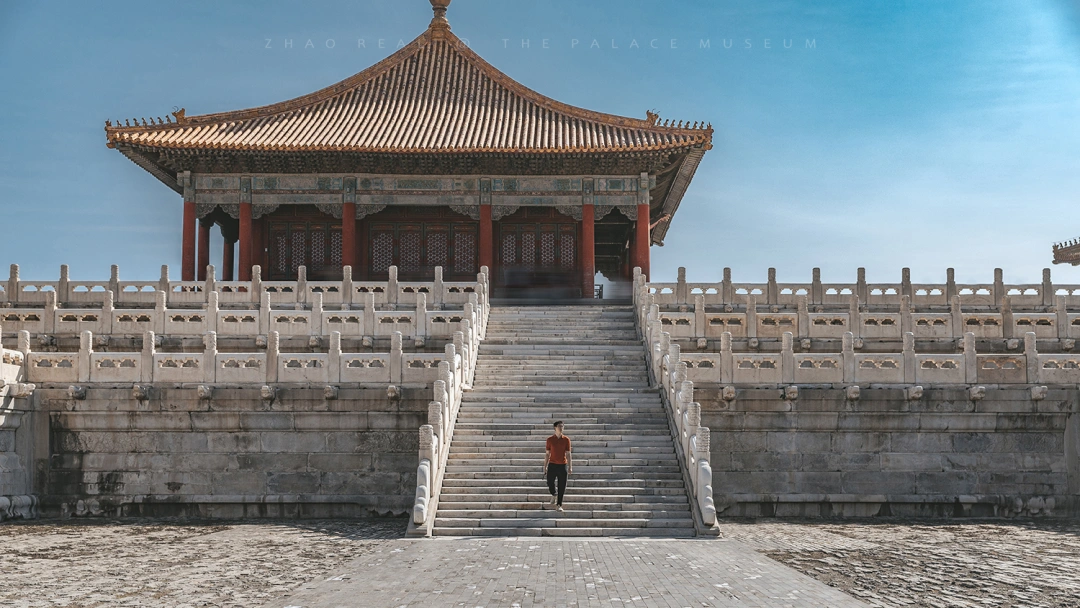
- Include people as scale references — a single visitor standing in a vast courtyard emphasizes the Forbidden City's grandeur.
- Look for reflections — puddles after rain or the moat's still water create beautiful mirror images.
[Link: Forbidden City photography guide for beginners]
FAQ: Your Forbidden City Questions Answered
1. How long does it take to visit the Forbidden City?
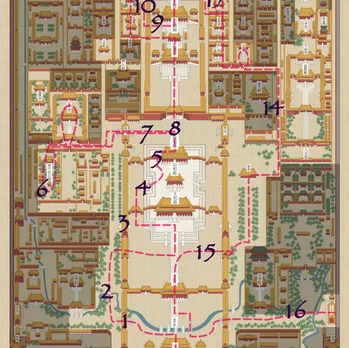
A full visit takes 4–6 hours. If you're short on time, the half-day Eastern Route (2–3 hours) covers the main halls and the Treasure Gallery. The full-day route (4.5 km, 32 buildings) is recommended for first-time visitors who want a comprehensive experience.
2. Is the Forbidden City open every day?
The Forbidden City is closed on Mondays (except during Chinese public holidays). Opening hours are 8:30 AM–5:00 PM (April–October) and 8:30 AM–4:30 PM (November–March). Last entry is 1 hour before closing.
3. Can I bring a tripod or selfie stick?
Tripods are not allowed inside the Forbidden City without a special permit. Selfie sticks are also prohibited. You can use handheld cameras and smartphones freely.
4. What should I wear for a visit?
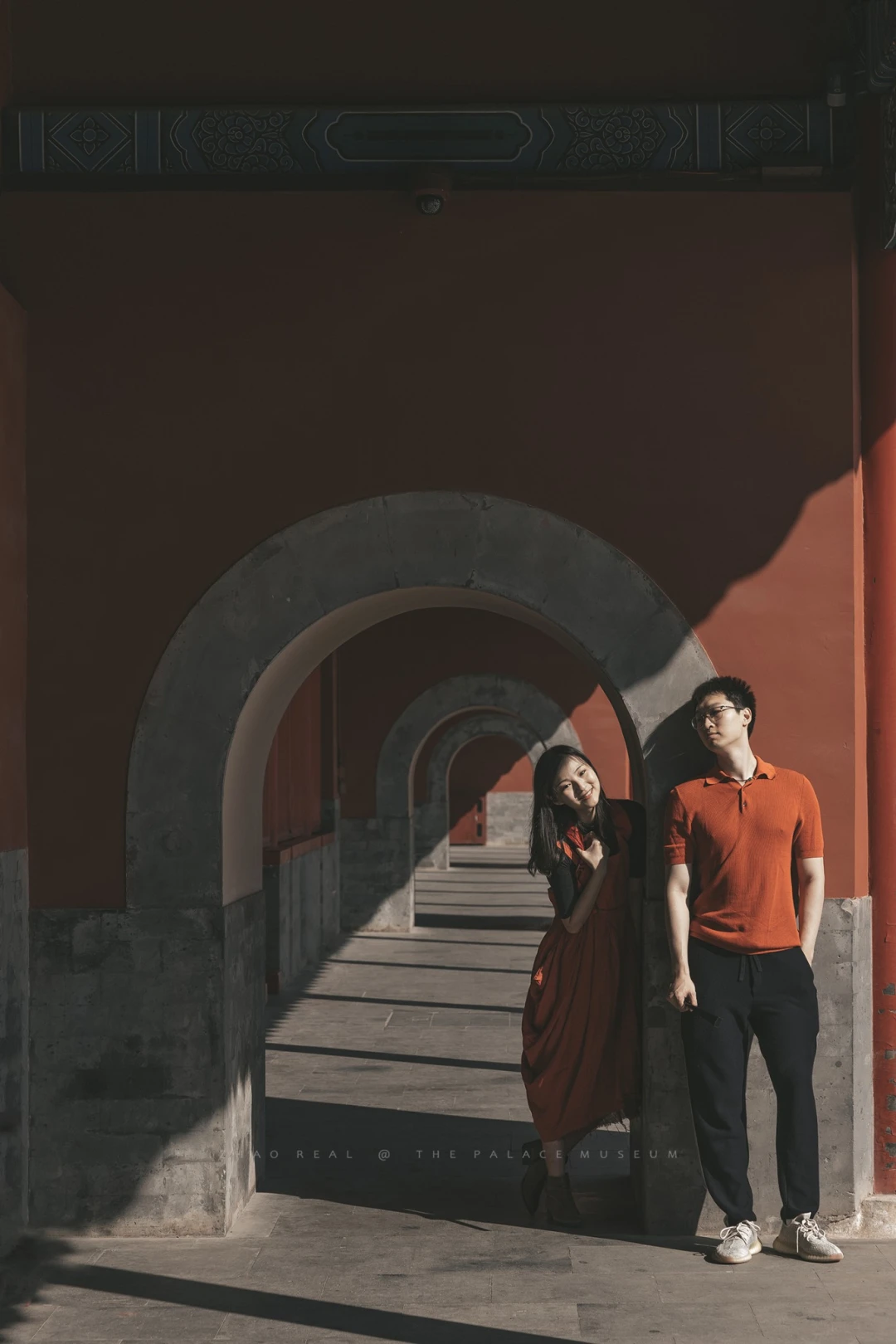
Wear comfortable walking shoes — you'll be on your feet for hours. The Forbidden City has uneven stone paths and many stairs. Dress in layers, as the temperature can vary between courtyards and indoor exhibition halls. In summer, bring a hat and sunscreen; in winter, warm gloves and a scarf.
5. Are there restaurants inside the Forbidden City?
Yes, there are several restaurants and snack stalls inside, including the Palace Museum Restaurant near the Hall of Supreme Harmony. Prices are higher than outside, so many visitors bring their own snacks and water. There are also vending machines for drinks.
Conclusion: Your Forbidden City Adventure Awaits
The Forbidden City at 600 is more than just a historical site — it's a living, breathing museum that rewards repeat visits with new discoveries. Whether you're a first-time visitor or a seasoned Beijing local, this guide will help you navigate the palace like an insider, capture stunning photos, and uncover stories hidden in plain sight.
Ready to explore? Book your tickets at least 10 days in advance on the official Palace Museum website. Download the "Digital Forbidden City" and "Explore the Forbidden City" mini programs. And most importantly, take your time — the Forbidden City isn't a place to rush through.
Share your experience! Tag us in your Forbidden City photos on social media with #ForbiddenCity600. We'd love to see your unique perspective on this timeless treasure.
[Link: How to plan a 3-day Beijing itinerary] [Link: Best time to visit the Forbidden City for fewer crowds]
This guide was written by a Beijing native with decades of personal experience visiting the Forbidden City. All information is accurate as of 2025. For the latest updates on ticketing and visitor policies, please check the official Palace Museum website.
You should also read:
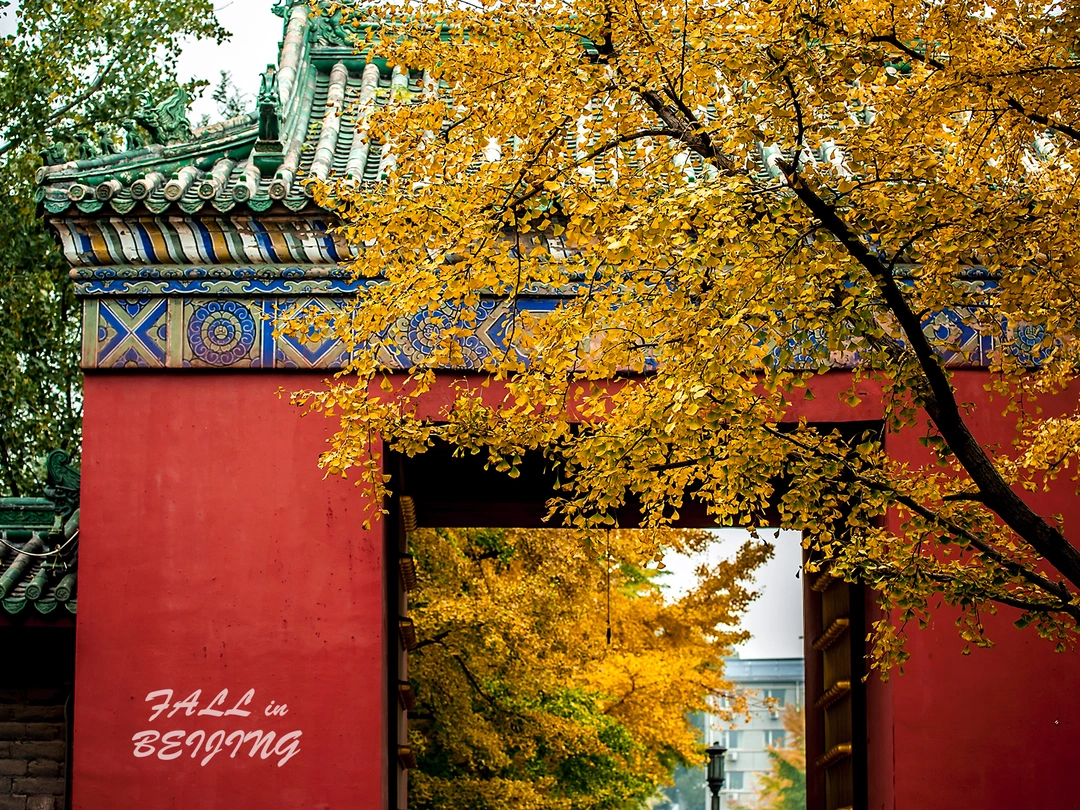
Living in Beijing: A Love Letter to Autumn – Why October Is the City's Best-Kept Secret
Meta Description: Discover why Beijing in autumn is pure magic. From golden ginkgo avenues to hidden hutong gems, this 2014 love letter captures the city's soul. Plan your fall visit now. There's a reason why old Beijing hands get misty-eyed when October rolls around. It's…
Continue reading...
Dreaming of Beijing: A City of Flames and Embers
Here is the SEO-optimized, rewritten article based on the source material. It has been restructured for search intent, readability, and keyword density while preserving the original poetic and narrative essence. SEO Title: Dreaming of Beijing: A City of Flames, Embers, and 3,000 Years of History…
Continue reading...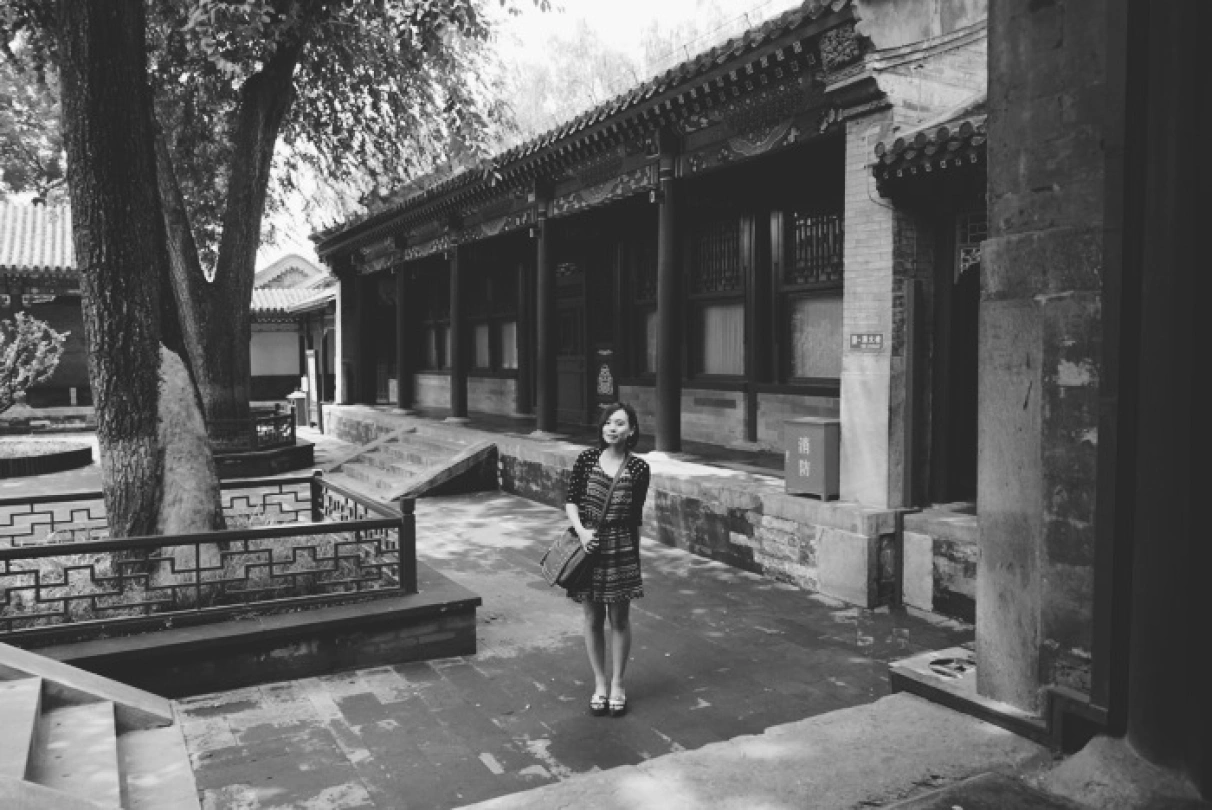
Solo in Beijing: Discovering Another Side of the Capital Amid Red Walls and Grey Tiles
Meta Description: Traveling solo in Beijing on a student budget? Discover hidden gems, practical tips for first-time solo travelers, and how to explore the capital's red walls and grey tiles without breaking the bank. When my friends asked why I chose to go to Beijing…
Continue reading...