The Hutong Memories of Beijing's "Four-Nine City": One Alley, One Slice of Old Time, One Taste of Everyday Life
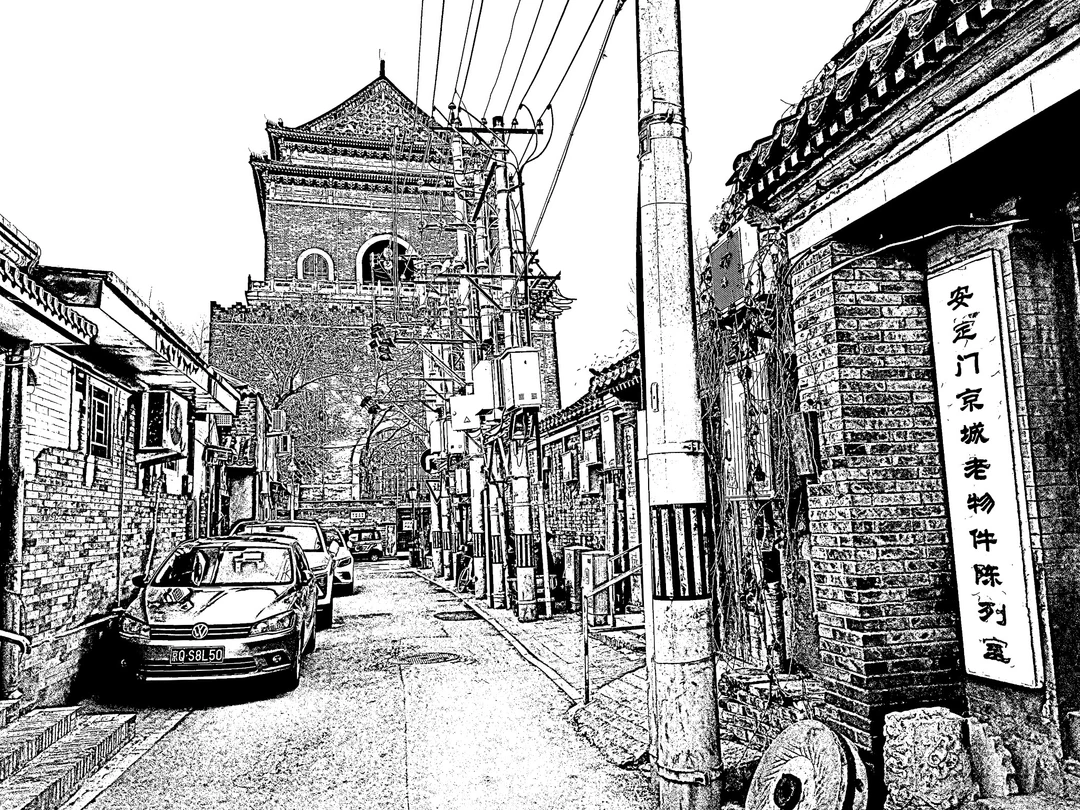
Meta Description: Explore Beijing's historic hutongs—from Baihua Shenchu to Zhuanta Hutong. Discover hidden courtyards, local snacks, and the soul of old Beijing in this SEO-optimized guide to the city's most authentic lanes.
Introduction: Why Beijing's Hutongs Are the City's True Soul
I have always believed that the most touching parts of a city are not its glamorous landmarks, but the unassuming corners hidden in plain sight. Beijing is exactly that kind of city. The Great Wall, the Forbidden City, the Summer Palace—these names are etched into the world's memory. But what truly captivates the hearts of Beijingers are those winding, interwoven lanes filled with the aroma of daily life. In the south, they call them longtang (alleyways); in Beijing, we call them hutong (胡同儿).
I was born in a hutong inside Xizhimen (West Straight Gate), under the eaves of a traditional courtyard compound. As a child, I always thought the outside world was more exciting. It wasn't until the prolonged pandemic trapped me in this city that I began to seriously examine the land that raised me. So I decided to measure these hutongs with my own footsteps, to listen to their stories, to read their history. Because I know: every hutong is a folk museum, holding the truest soul of Beijing.
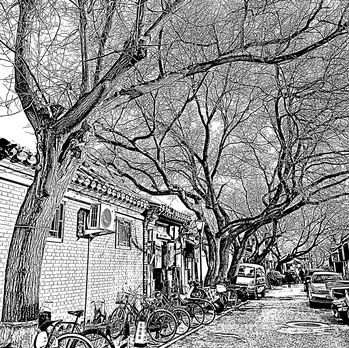
Beijing's hutongs date back to the Yuan Dynasty (1271–1368), and at their peak, there were over six thousand of them. Old Beijingers have a special term—"Four-Nine City" (四九城)—referring to the four inner city gates and nine outer city gates. Most hutongs are clustered near the bustling areas between these gates. They look similar on the surface: gray walls, black tiles, narrow lanes. But each has its own character. They are not just the city's veins; they are the homes of ordinary people and the essence of Beijing's cultural flavor.
[Link: Best time to visit Beijing hutongs for photography]
The Most Beautifully Named Hutong: Baihua Shenchu (Hundred Flowers Deep)
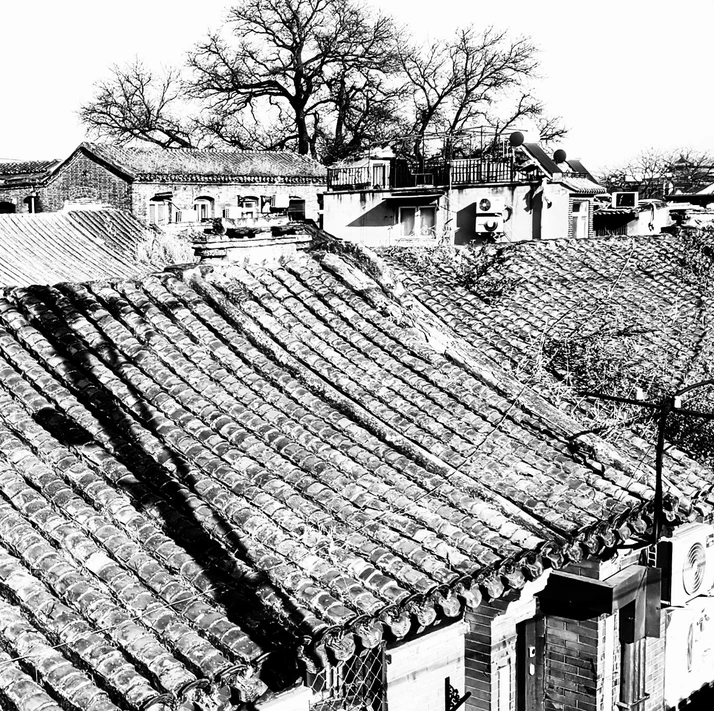
"The hutong is narrow and long, with walls built of broken bricks. The south wall rarely sees sunlight, thinly covered in green moss, with faint silver trails of snails crawling high up. As you go deeper, it opens up a bit, but the walls on both sides become more broken..."
This is Lao She's description of "Baihua Shenchu" (Hundred Flowers Deep). Just hearing the name stirs the imagination. Chen Sheng sang in One Night In Beijing: "One Night In Beijing, I leave behind many feelings. I dare not ask for directions at midnight, afraid of walking into Hundred Flowers Deep..." This is perhaps the most elegant name among all Beijing hutongs.
History and Origins of Baihua Shenchu
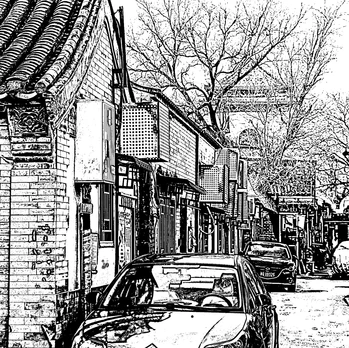
The name Baihua Shenchu dates back to the Wanli era of the Ming Dynasty (1573–1620). At that time, a vegetable vendor grew crops on an empty plot in the lane. After saving enough money, he began planting peonies, Chinese herbaceous peonies, chrysanthemums, and other flowers. The area bloomed year-round, becoming a serene retreat for scholars and artists. Over time, people called it "Hundred Flowers Deep."
A Sacred Site for Chinese Rock Music
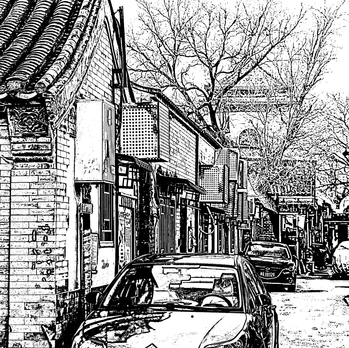
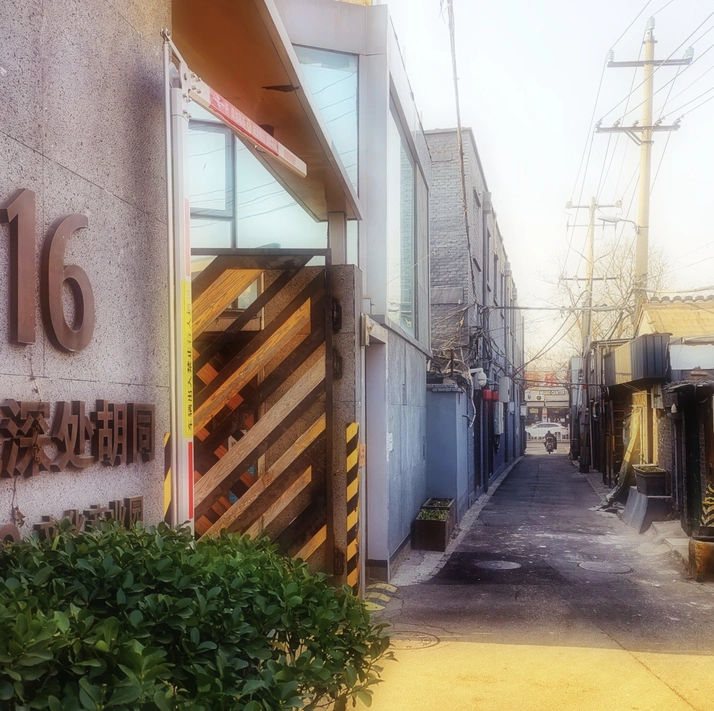
This hutong has no illustrious celebrity residences or grand attractions. But No. 16 is a sacred site for Chinese rock music. In the 1990s—a groundbreaking era for Chinese rock—classic works like He Yong's Garbage Dump, the Tang Dynasty Band's Tang Dynasty, and Zhang Chu's Sister were all born here. Countless musicians made music and chased dreams here, including Chen Sheng. Today, No. 16 remains one of Beijing's music production bases.
Speaking of that era, we cannot forget the "Magic Rock Three" (魔岩三杰)—Dou Wei, Zhang Chu, and He Yong. They represented the highest level of Chinese rock at the time. He Yong's only album, Garbage Dump, is still revered as a classic. The track Bell and Drum Tower, with its distinctive three-stringed sanxian (Chinese lute) intro, sings of a deeply old-Beijing flavor. For me, that song is Beijing's eternal memory.
Nearby Hutongs Worth Visiting
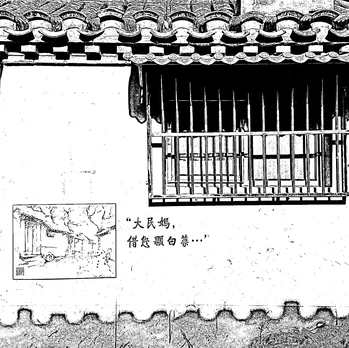
Mianhua Hutong (Cotton Hutong): Connected to the east entrance of Baihua Shenchu. During the Ming Dynasty, Ming troops wove cotton cloth and raised military funds here, hence the name. Its most famous resident was General Cai E (蔡锷), who lived at No. 66 after being transferred to Beijing. The kindergarten I attended as a child is still there.
Ouya Hutong (Lotus Root Sprout Hutong): Connects with Mianhua Hutong. Named after the vendors who once sold fresh lotus roots and bean sprouts here. The gate of No. 7 deep inside the alley features exquisite brick carvings, rare in Beijing courtyards.
Huguosi Street: Beijing Snack Heaven
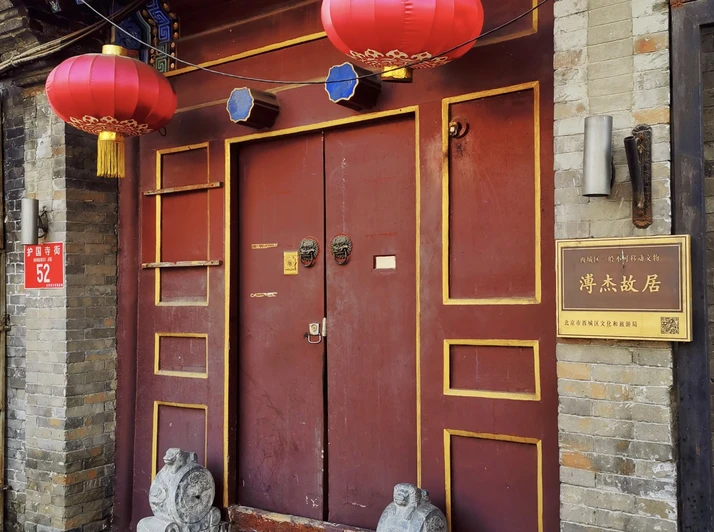
Exiting the south end of Mianhua Hutong, you arrive at Huguosi Street (Protecting the Nation Temple Street). Huguosi Temple was built in the Yuan Dynasty, originally called Chongguo Temple, and was one of Beijing's eight great temples, officially named "Imperially Built Great Protecting the Nation Temple of Abundant Goodness." Old Beijingers call it Huguosi but dropped the "Abundant Goodness" part. Meanwhile, the eastern Longfusi Temple is only called "Longfu" without "Protecting the Nation." Today, only the lonely Vajra Hall of Huguosi remains, closed to the public. But on the street, No. 9's Mei Lanfang Former Residence (ticket 10 RMB, closed Mondays) and No. 52's Pu Jie Former Residence (not open to the public) are still worth a visit.
Huguosi Street is also synonymous with Beijing snacks. The main Huguosi Snack Shop is here, offering men ding rou bing (door-nail meat pies), bao du (quick-boiled tripe), roast duck, zha jiang mian (fried sauce noodles), Daoxiangcun pastries, and more. If you're a foodie, this place is unmissable.
[Link: Top 10 Beijing street food you must try]
Transport: Take Metro Line 4 to Ping'anli Station. Exit northeast, walk north to the west entrance of Huguosi Street, and after a few hundred meters, you'll see the "Baihua Shenchu" sign on the east side.
Walking Route: Baihua Shenchu → Mianhua Hutong → Ouya Hutong → Huguosi Street (can also be done in reverse)
The Most Historically Ancient Hutong: Zhuanta Hutong (Brick Pagoda Hutong)

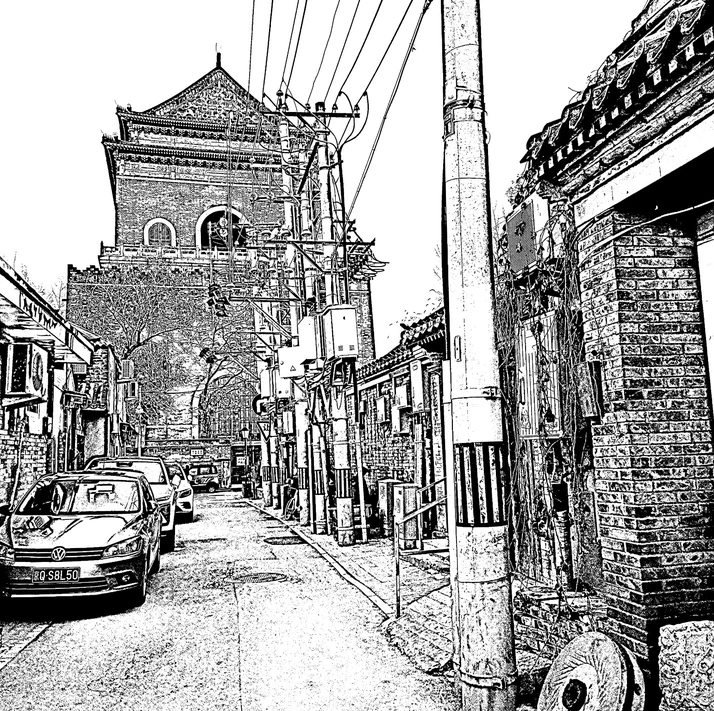
Near Xisi (West Four) Archway in Beijing lies Zhuanta Hutong, named after a gray brick pagoda at its east entrance. This pagoda is Beijing's only surviving dense-eave brick pagoda. Its owner was the burial pagoda of the revered monk Wansong, teacher of the Yuan Dynasty minister Yelü Chucai. It is several hundred years old. Today, the pagoda houses "Zhengyang Bookstore," also Beijing's first non-profit public reading space—the "Beijing Brick Reading Space." Ancient texts, old books, vintage photos, maps... it's all filled with "Beijing flavor."
Historically, luminaries like Lu Xun, Zhang Henshui, and Liu Shaoqi once lived here. Coincidentally, a close friend of mine also lived here, and I often visited to hang out, drink, play cards, and sleep. At the time, I thought it was just an ordinary hutong. Who knew it was one of Beijing's oldest?
The Guandi Temple: A Hidden Glazed-Tile Treasure
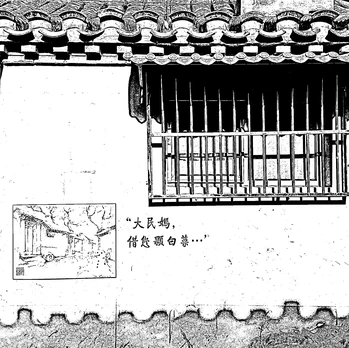
In the middle of the hutong stands a dilapidated "Ancient Protecting the Nation Temple of Lord Guan" (Guandi Temple). Its roof uses glazed tiles, normally reserved for imperial use, indicating its extraordinary status. Today, the gate is tightly shut. It's said the government has relocated the residents and will open it to the public after renovation.
Nearby Hutongs Worth Visiting
Qian Chaoshu Hutong (Front Arm-Folded Hutong): In Beijing, some hutongs twist and turn, leading you back near the entrance—shaped like two hands folded together, hence "Chaoshou" (arm-folded). The Qian Chaoshu Hutong near Fuchengmen is famous for its proximity to the White Pagoda of Miaoying Temple. In the winding alley, the white pagoda appears and disappears, a sight of China's oldest and largest Tibetan-style stupa (reliquary pagoda).
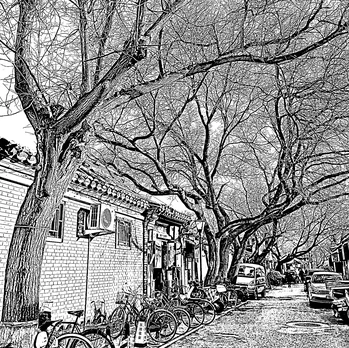
Su Luobo Hutong (Turnip Su Hutong): Only about 100 meters long. Legend has it that during the Ming Dynasty, a vendor named Su sold turnips that were exceptionally crisp and sweet, and he was known for his friendly manner. The fame spread, and over time, the hutong became known as Su Luobo Hutong.
Baitasi Dongjiadao (White Pagoda Temple East Side Lane): Formerly called Baitasi Donglangxia (White Pagoda Temple East Corridor). Walking here feels like entering another world—on one side, red walls and the white pagoda rise majestically; on the other, trendy cafes and boutique shops blend seamlessly with ancient architecture. This is where old Beijing meets modern creativity.
[Link: How to plan a hutong walking tour in Beijing]
Why Hutongs Matter: Preserving Beijing's Cultural Heritage
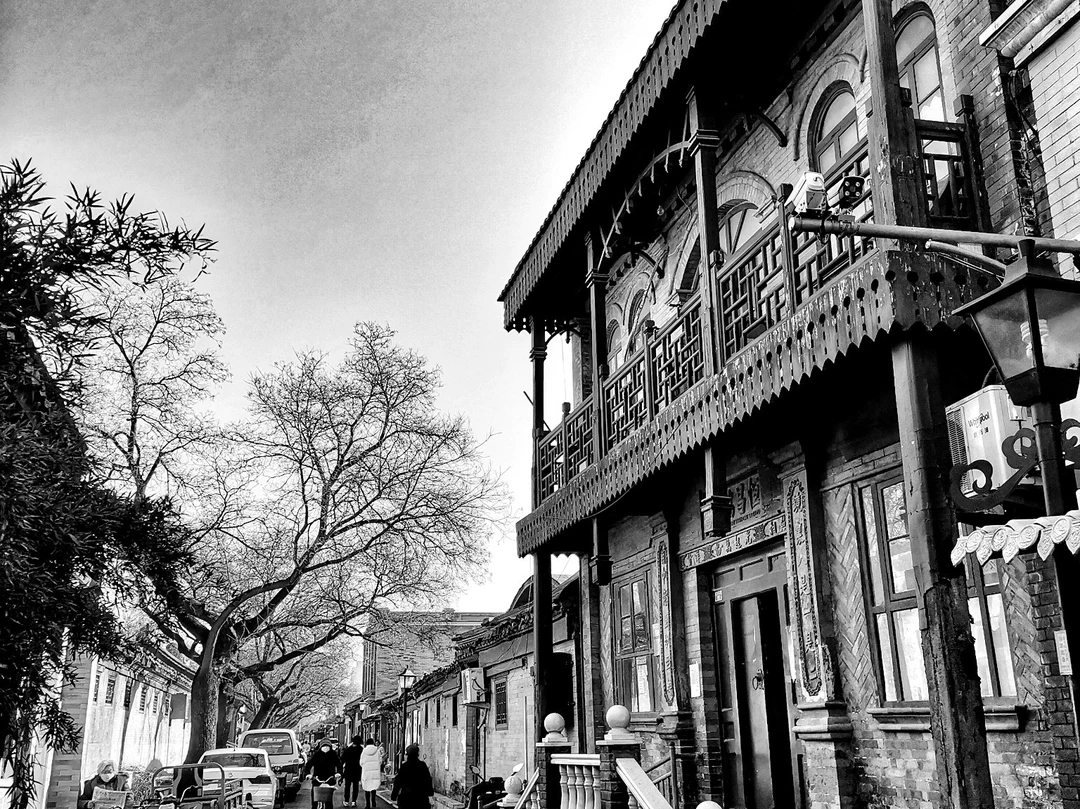
Beijing's hutongs are more than just tourist attractions—they are living museums of daily life. Each hutong tells a story of migration, commerce, art, and community. The gray brick walls, the carved wooden gates, the stone drums at entrances—all bear witness to centuries of change.
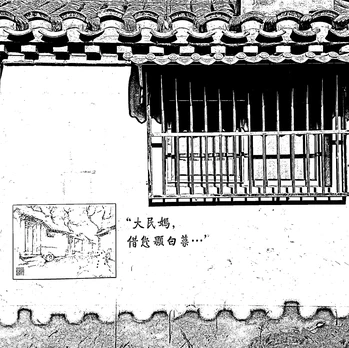
Yet, modernization threatens these historic lanes. Many hutongs have been demolished for new developments. Those that remain are increasingly commercialized. But initiatives like the Beijing Brick Reading Space and the preservation of cultural landmarks show that there is hope for balancing progress with heritage.
For visitors, exploring hutongs offers a rare glimpse into authentic Beijing life—the sound of mahjong tiles clicking, the smell of fried dumplings, the sight of elderly residents playing chess under a tree. These are the moments that make Beijing unforgettable.
FAQ: Exploring Beijing's Hutongs
1. What is the best time of year to visit Beijing's hutongs?
Spring (April–May) and autumn (September–October) offer the most pleasant weather for walking. Summer can be hot and humid, while winter is cold but less crowded. Early mornings or late afternoons provide the best light for photography.
2. Are hutongs safe for solo travelers?
 Yes, hutongs are generally very safe. They are residential areas with a strong community presence. However, watch out for bicycles and electric scooters in narrow lanes. Stick to well-lit areas at night.
3. How can I find authentic Beijing snacks in hutongs?
 Head to Huguosi Street, Niujie Street, or Wangfujing Snack Street. For the most authentic experience, look for small, family-run shops with long queues of locals. Avoid overly touristy spots near major attractions.
4. Can I enter a siheyuan (courtyard house) in a hutong?
 Most siheyuans are private residences and not open to the public. However, some have been converted into boutique hotels, museums, or cafes that welcome visitors. The Mei Lanfang Former Residence and the Beijing Brick Reading Space are excellent options.
5. What should I wear when exploring hutongs?
Comfortable walking shoes are essential. Dress in layers, as temperatures can vary. In summer, bring sunscreen and water. In winter, wear warm clothing and gloves. Respect local customs—avoid loud behavior and littering.
Conclusion: Your Hutong Adventure Awaits
Beijing's hutongs are not just lanes—they are time capsules preserving the city's soul. From the poetic Baihua Shenchu to the ancient Zhuanta Hutong, each alley offers a unique slice of history, culture, and everyday life. Whether you're a foodie craving authentic Beijing snacks, a history buff tracing the footsteps of literary giants, or a music lover seeking the birthplace of Chinese rock, the hutongs have something for you.
So put on your walking shoes, grab your camera, and step into the heart of old Beijing. Measure these lanes with your own footsteps. Listen to their stories. Taste their flavors. Because every hutong is a folk museum, and you are the next visitor to write your own chapter in its living history.
Ready to explore? Download our free Beijing Hutong Walking Map [Link: Free Beijing hutong map PDF] and start planning your journey today. Share your hutong discoveries with us using #HutongMemories—we'd love to see your photos and hear your stories!
[Link: Best boutique hotels in Beijing's hutongs] [Link: Guided hutong tours with local experts]
You should also read:
Walking Through Ancient Sites, Recalling Old Peking: When History Falls Silent, Life Is but a Dream
Meta Description: Explore Beijing's hidden historical gems—from Lu Xun's Former Residence to the abandoned Fusuijing Building and Emperor Guangxu's birthplace. A photographer's journey through ancient sites, capturing the soul of Old Peking. Have you ever imagined pressing the shutter button while standing at the birthplace…
Continue reading...
Dear Little Poop-Scooper, Do You Remember Our Round-the-World Trip Before You Were Born? A Mother’s Journey of Womb Travel, Mountains, and Memories
Meta Description: Discover one mother’s unforgettable round-the-world trip before birth—hiking with a husky, navigating pregnancy anxiety, and creating womb travel memories. A heartfelt story of prenatal adventures and family bonds. The most wondrous journeys in life often begin before you even open your eyes to…
Continue reading...
The Ultimate Beijing Foodie Frenzy: Three Days, Two Nights – Measuring the Imperial Capital with Your Taste Buds
Meta Description: Explore Beijing beyond Peking duck! This 3-day foodie itinerary covers Ghost Street crayfish, hutong lamb offal soup, imperial pea paste, and more. Your ultimate guide to Beijing street food and hidden eats. If you think Beijing is only about Peking duck and zhajiangmian…
Continue reading...