The Majestic Capital | A Solo Journey Through Beijing: A Complete Travel Guide
Meta Description: Discover Beijing's timeless allure through a solo traveler's lens. From the Forbidden City to Tiananmen Square, explore practical tips, historical insights, and heartfelt reflections in this SEO-optimized travel guide.
Introduction: Why Beijing Deserves a Place on Your Bucket List
Beijing—a city that carries the dreams and memories of countless people—has been a seed planted in my life since childhood. When I was young, the Forbidden City from the TV drama My Fair Princess filled our living room screen, and later, the palace intrigues of Empresses in the Palace added layers of mystery to those red walls and golden tiles. The stories hidden behind them felt like veils I desperately wanted to lift. Add to that the literary descriptions of hutong alleyways, the hustle and bustle of everyday life, and the city's current status as a global commercial hub and political center—Beijing has never lacked stories, nor storytellers.
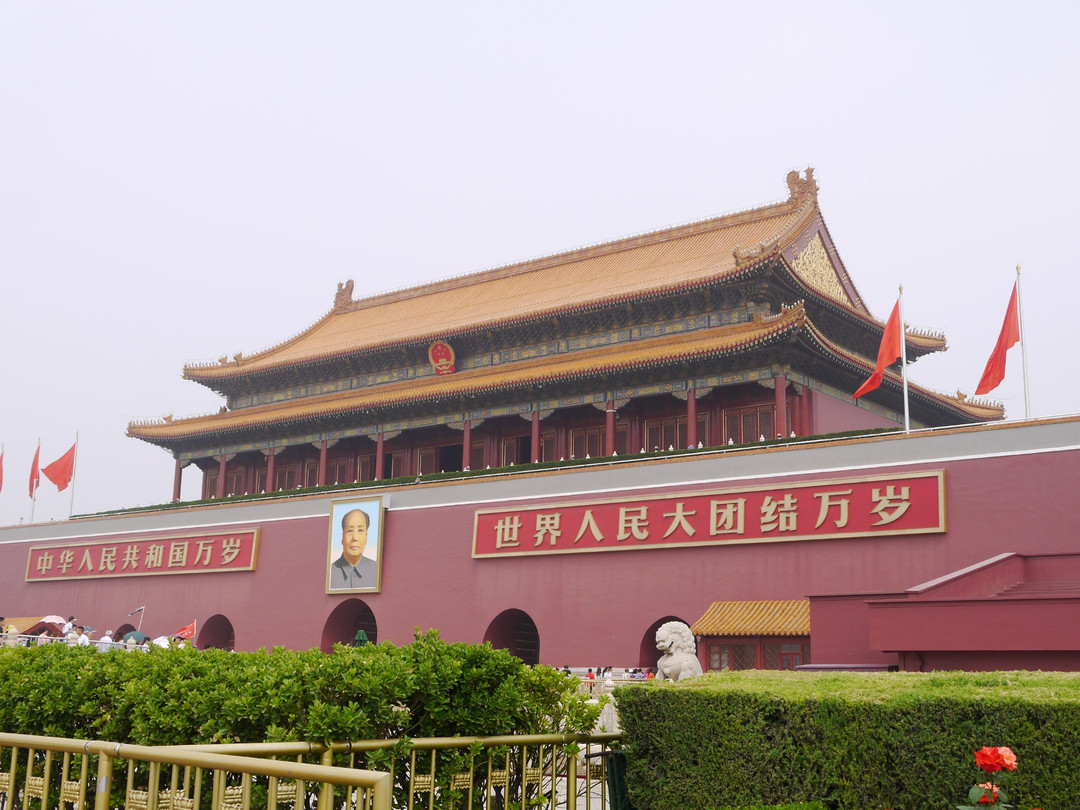
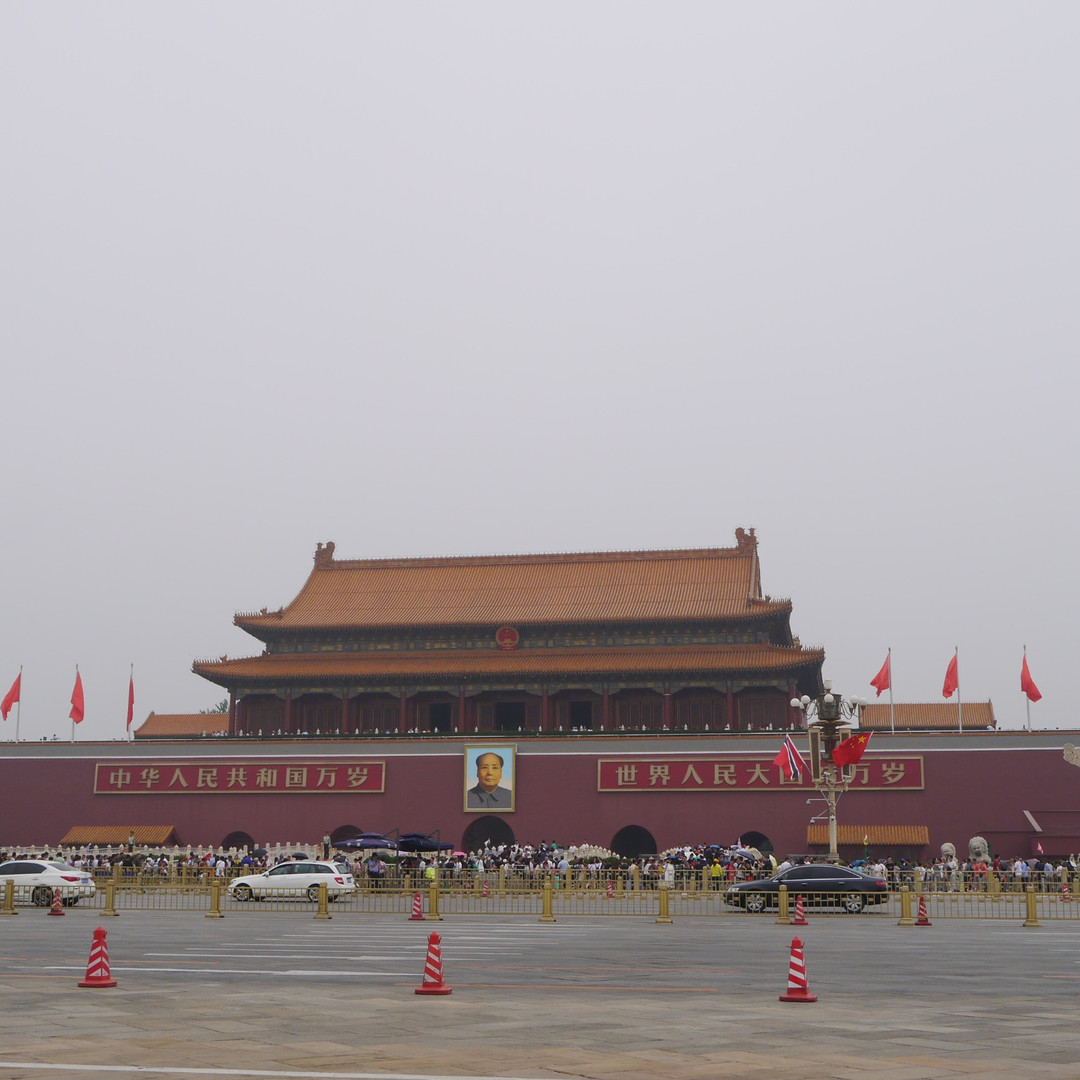
For my grandparents' generation, making a pilgrimage to Beijing was one of life's most solemn aspirations. In their minds, Beijing was the portrait of Chairman Mao hanging on the wall, the solemn Tiananmen Gate broadcast on the evening news, and a distant destination they had murmured about countless times but never managed to visit. My grandfather is now eighty years old. Though still relatively healthy, long-distance travel is a physical challenge, and that dream has gradually been shelved. So I told myself: this time, let me fulfill that dream for you.
I had always wanted to see Beijing for myself. Those place names, landmarks, and stories I've heard since childhood—I needed to experience them firsthand to feel complete. By a stroke of luck, a work opportunity fell into my lap, and a trip to the capital suddenly landed on my doorstep.
Practical Travel Tips for a Solo Beijing Trip

Getting Around: Why the Subway is Your Best Friend
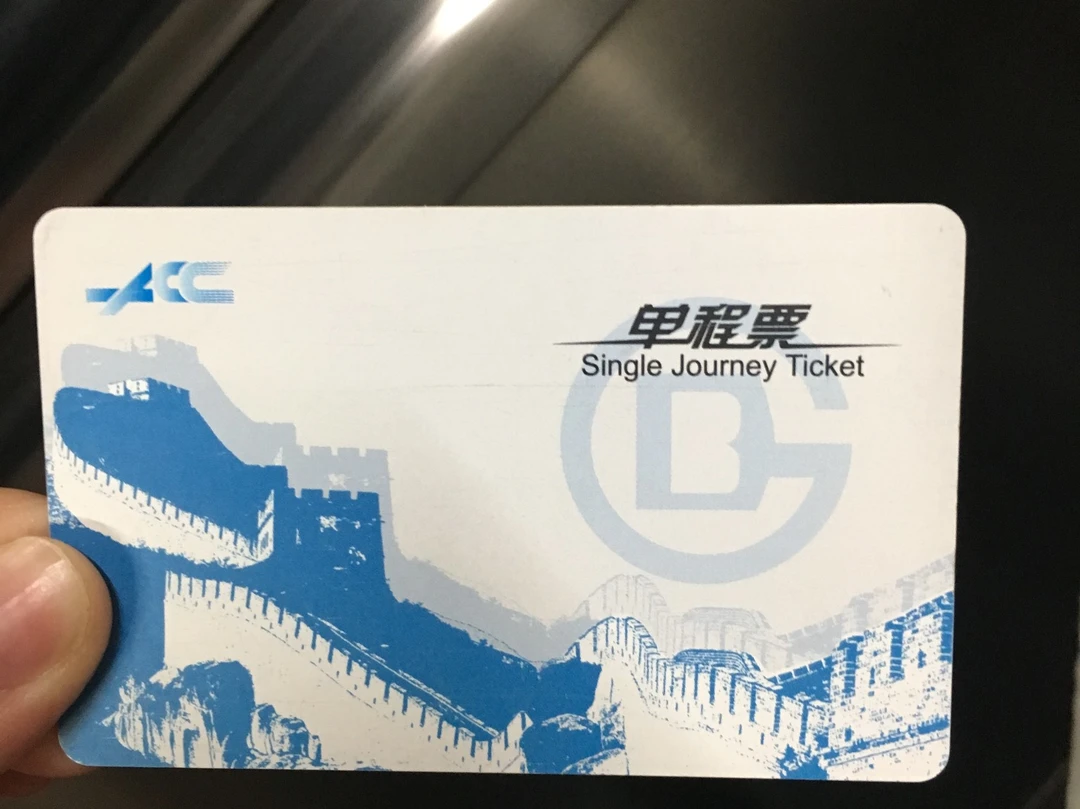
When it comes to getting around Beijing, the subway is king. On my first day, I naively bought a physical ticket, only to discover later that using the WeChat QR code for rides is incredibly convenient. Still, for the sake of a souvenir, I snapped a photo of the ticket stub—Beijing's subway card design has a nice texture to it, worth keeping.
Pro tip: If you're a first-time visitor, download the WeChat app and set up the QR code payment system before you arrive. It will save you time and hassle at every station.
Where to Stay: Location Matters
As for accommodation, I stayed in the Shijingshan District. To be honest, it was beyond my control—not my choice. If you're visiting purely for sightseeing, I really wouldn't recommend staying that far out. Commuting takes at least an hour each way, and it can make you question your life choices.
Recommendation: Choose accommodation near the central subway lines—ideally within the 2nd or 3rd ring road. Areas like Dongcheng, Xicheng, or near the Forbidden City offer the best access to major attractions. [Link: Best neighborhoods to stay in Beijing]
Essential Gear for Solo Travelers
When traveling solo, a selfie stick and a portable charger are absolute lifesavers. I'm grateful my boss had them ready for me beforehand—otherwise, I might not have a single decent photo from this trip. Other essentials include:
- Comfortable walking shoes (you'll thank me later)
- A reusable water bottle (Beijing's tap water is safe to drink when boiled)
- A small backpack for daily excursions
- A printed map (just in case your phone battery dies)
Beijing's Rich History: The Name Changes of a City
Beijing is an ancient capital with over three thousand years of history, having gone by more than twenty different names across various dynasties. Behind each name lies a chapter of turbulent history.
From Yandu to Beijing: A Timeline of Names
- Yandu (Capital of Yan): In 1122 BC, after King Wu of Zhou overthrew the Shang dynasty, he enfeoffed the Duke of Shao in the Yan region. The state of Yan, named after its proximity to the Yan Mountains, called its capital "Yandu."
- Youzhou: One of the nine ancient provinces, first recorded in the Book of Documents. The Han, Wei-Jin, and Tang dynasties all established Youzhou, with its administrative seat in present-day Beijing.
- Jingcheng (Capital City): A general term for the national capital. After Beijing became the capital, it was also referred to as Jingcheng.
- Nanjing (Southern Capital): In 938 AD, during the Liao dynasty, Youzhou was elevated to Youdu Prefecture and renamed Nanjing, serving as the Liao's auxiliary capital.
- Dadu (Great Capital): In the Yuan dynasty, a new city was built centered around Beihai Park. In 1272, it was renamed Dadu, commonly known as Yuan Dadu.
- Beiping (Northern Peace): In 1368, after Zhu Yuanzhang (the Hongwu Emperor) overthrew the Yuan dynasty, he renamed Yuan Dadu to Beiping to commemorate the pacification of the north.
- Beijing (Northern Capital): In 1403, Zhu Di (the Yongle Emperor) changed Beiping Prefecture to Shuntian Prefecture and established Beijing city. This marks the official beginning of the name "Beijing," which has lasted over 600 years.
- Jingshi (Capital): In 1420, the Yongle Emperor moved the capital to Beijing and renamed it Jingshi, a name that continued through the Qing dynasty.
- Jingzhao: In 1913 (the second year of the Republic of China), Shuntian Prefecture was abolished and replaced by the Jingzhao region. In 1928, Jingzhao was abolished, and Beijing was renamed Beiping.
Key takeaway: Understanding Beijing's name changes helps you appreciate the layers of history embedded in every street and building. [Link: Historical walking tours in Beijing]
Exploring the Forbidden City: From Qianmen to Jingshan Park
Qianmen: Where Shopping Street Meets History
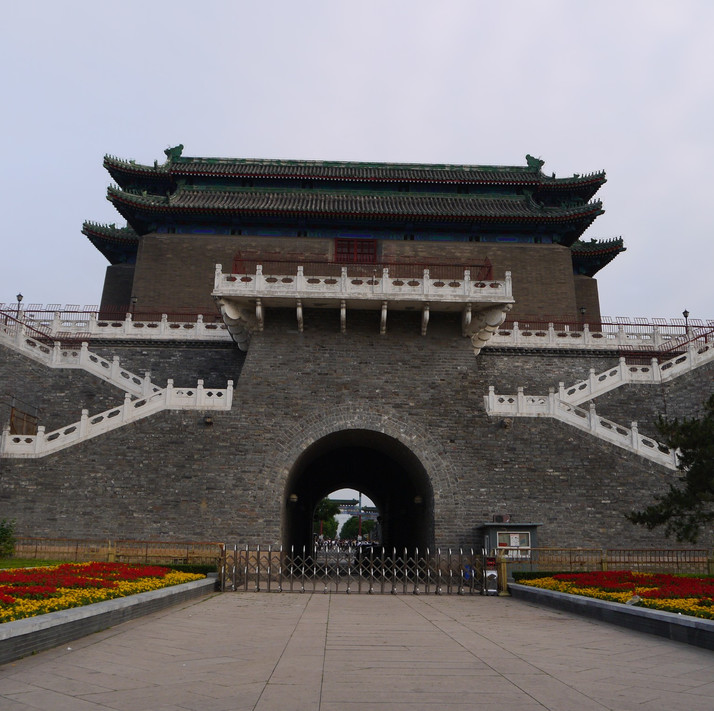
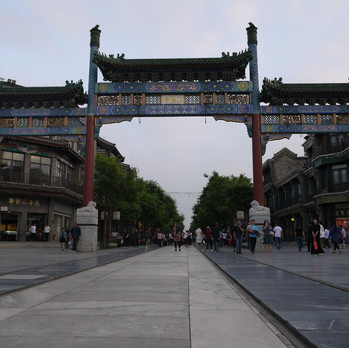
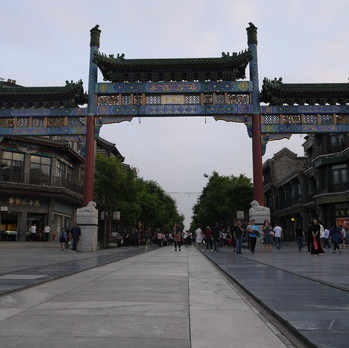
My Beijing journey began at the Forbidden City. When you look at a map, you'll notice that almost all of Beijing's attractions are concentrated in the inner ring, with the entire city planned around the Forbidden City's central axis. This axis starts at Qianmen (the Front Gate), passes through Tiananmen and the Monument to the People's Heroes, and extends all the way to the Forbidden City and Jingshan Park.
Qianmen is essentially a shopping street now—worth a quick stop for a photo. From there, you can walk to Tiananmen. Although it looks close on the map, the actual walk will make you question your eyes. Beijing's plazas and buildings are so massive that something seemingly within reach takes forever to get to. Add to that my thin-soled shoes, and after a few days, I felt like I'd lost two centimeters of height. For someone already not particularly tall, that was a bit disheartening.
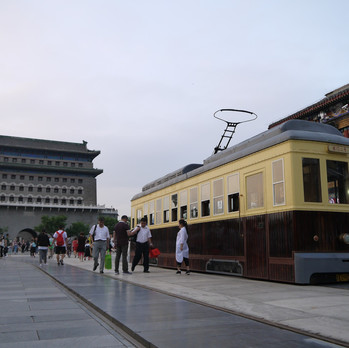
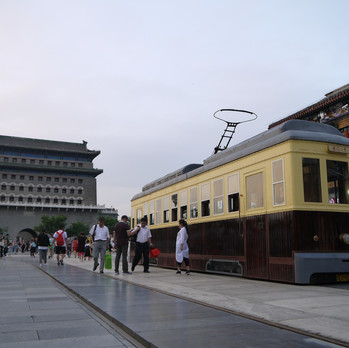
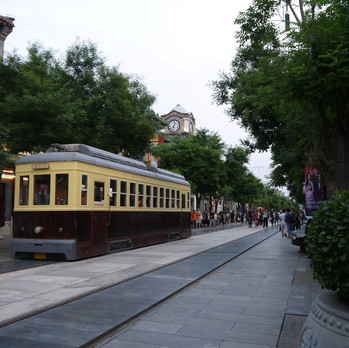
On Qianmen Street, there's also a vintage tram that still runs today, but it's purely for display—it doesn't carry passengers. As for Beijing's sugar-coated hawthorn skewers (bing tang hu lu), my friend He strongly recommended them, and I had been craving them for ages. Unfortunately, maybe it was the wrong season—I took one bite and found it just okay.
Pro tip: Visit Qianmen in the late afternoon to see the street come alive with lights, then walk toward Tiananmen as dusk falls. [Link: Best time to visit Qianmen]
Tiananmen: From Textbook to Reality
Tiananmen, as part of the Forbidden City, made me hesitate about whether to write about it separately. But I decided it was necessary. Since elementary school, Tiananmen has been a staple in art homework—I've drawn it countless times. And now, standing before this gate that has weathered storms and witnessed countless historic moments, solemn and sacred, I felt a surge of emotion.
Tiananmen at night is even more lively. One evening after class, I took an hour-long subway ride from Shijingshan just to see what my friend Han meant when he said, "The Tiananmen Square at night is the people's Tiananmen Square." Standing in the brightly lit square, I posted on my social media:
Maybe it's because Beijing is so far from the city I know; Maybe it's because the lights of Tiananmen Square are too bright and the crowds too lively; Maybe it's because the capital I've only ever seen in textbooks and on TV suddenly comes to life before my eyes, too abruptly; It feels like a long-lost reunion, yet also like the nervousness of coming home. Walking under Beijing's night lights, I felt a sense of loneliness.
At that moment, I was truly alone. Amid the bustling crowd, standing alone in Tiananmen Square—it's an indescribable feeling. Later, I concluded that it was just my first time traveling alone, and I lacked a sense of security. I'm capable of handling everything, but I've never enjoyed traveling by myself. This trip, a "necessary" one, showed me beautiful sights, but I didn't want to stay a day longer. As soon as my task was done, I immediately booked my return flight.
Insight: Visiting Tiananmen at night offers a completely different perspective—quieter, more reflective, and deeply moving. [Link: Tiananmen Square night tours]
The Forbidden City: Even a Glimpse Is Breathtaking
The Forbidden City is enormous. The emperor's home really had to be big—after all, there were three thousand concubines in the harem.
The Forbidden City is renowned as one of the world's five greatest palaces, a national 5A-level scenic spot, and a UNESCO World Heritage Site since 1987. Tickets are now purchased via QR codes; there's only one manual window for elderly visitors who can't scan codes. I found this a bit disappointing—I had hoped to keep a physical ticket as a souvenir.
What you need to know:
- Opening hours: 8:30 AM to 5:00 PM (last entry at 4:10 PM)
- Ticket price: 60 RMB (peak season), 40 RMB (off-peak)
- Recommended visit time: At least 3-4 hours
- Must-see sections: The Hall of Supreme Harmony, the Palace of Heavenly Purity, and the Imperial Garden
Pro tip: Book your tickets online at least 7 days in advance, especially during peak seasons like National Day (October 1-7) and Spring Festival. [Link: Forbidden City ticket booking guide]
Frequently Asked Questions About Solo Travel in Beijing
1. Is Beijing safe for solo travelers?
Absolutely. Beijing is one of the safest major cities in the world for solo travelers, including women traveling alone. The city has a strong police presence, well-lit streets, and a helpful local population. Just practice common sense—keep your valuables secure, avoid poorly lit areas late at night, and trust your instincts.
2. What is the best time of year to visit Beijing?
Spring (April to May) and autumn (September to October) offer the most pleasant weather—mild temperatures, clear skies, and fewer crowds. Summer can be hot and humid, while winter is cold but offers the chance to see the Forbidden City dusted with snow.
3. How many days do I need to see the main attractions?
A minimum of 4-5 days is recommended to cover the Forbidden City, Tiananmen Square, the Great Wall, the Summer Palace, and a few hutongs. If you have limited time, prioritize the Forbidden City and the Great Wall as your top two must-sees.
4. What should I eat in Beijing?
Don't miss Peking duck, zhajiangmian (noodles with fried sauce), jianbing (Chinese crepes), and of course, bing tang hu lu (sugar-coated hawthorn skewers). For a truly local experience, visit a traditional hutong restaurant or a night market like Wangfujing.
5. Do I need a visa to visit Beijing?
Most international visitors need a visa to enter China. Check with your local Chinese embassy or consulate for the most up-to-date requirements. Tourist visas (L visas) are typically valid for 30 days and allow single or multiple entries.
Conclusion: Your Beijing Adventure Awaits
Beijing is more than a city—it's a living museum, a cultural treasure, and a place where history and modernity collide in the most breathtaking ways. Whether you're walking through the Forbidden City's grand halls, standing in awe at Tiananmen Square, or simply getting lost in a hutong alley, every moment in Beijing is a story waiting to be told.
This solo journey taught me that traveling alone doesn't have to mean feeling lonely. It's an opportunity to connect with a place on your own terms, to listen to its stories, and to write your own chapter in its endless narrative.
Ready to plan your own Beijing adventure? Start by booking your flights and accommodation, then download the essential apps (WeChat, Didi, and a translation tool). The majestic capital is waiting for you—go write your story.
Did you enjoy this guide? Share it with a friend who's dreaming of Beijing, or leave a comment below with your own travel tips! For more solo travel inspiration, check out our guides on [Link: Solo travel in China] and [Link: Budget travel in Beijing].
You should also read:
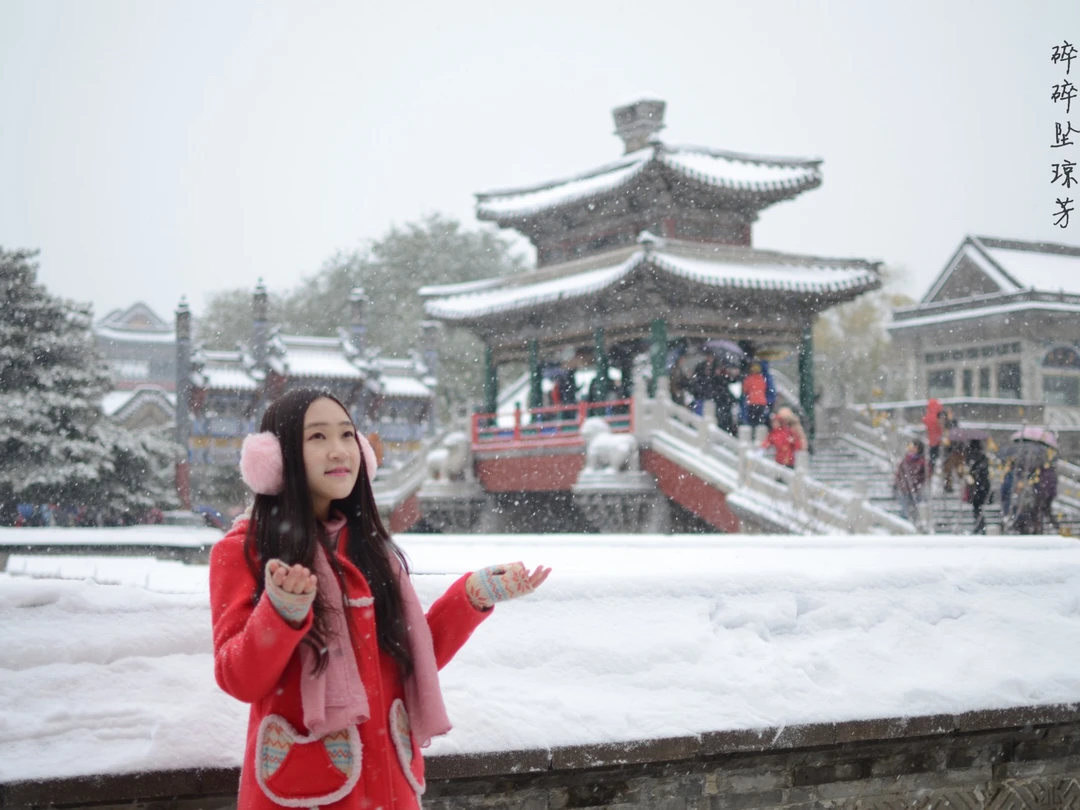
White Snow Adorning Crimson Walls: A Winter Guide to Beijing's Summer Palace
Meta Description: Discover the magic of Beijing's Summer Palace in snow. Our guide explores crimson walls, jade-like snowflakes, and winter photography tips. Plan your snowy visit today. On November 22, 2015, the solar term "Minor Snow" arrived precisely on schedule. That day, the ancient capital…
Continue reading...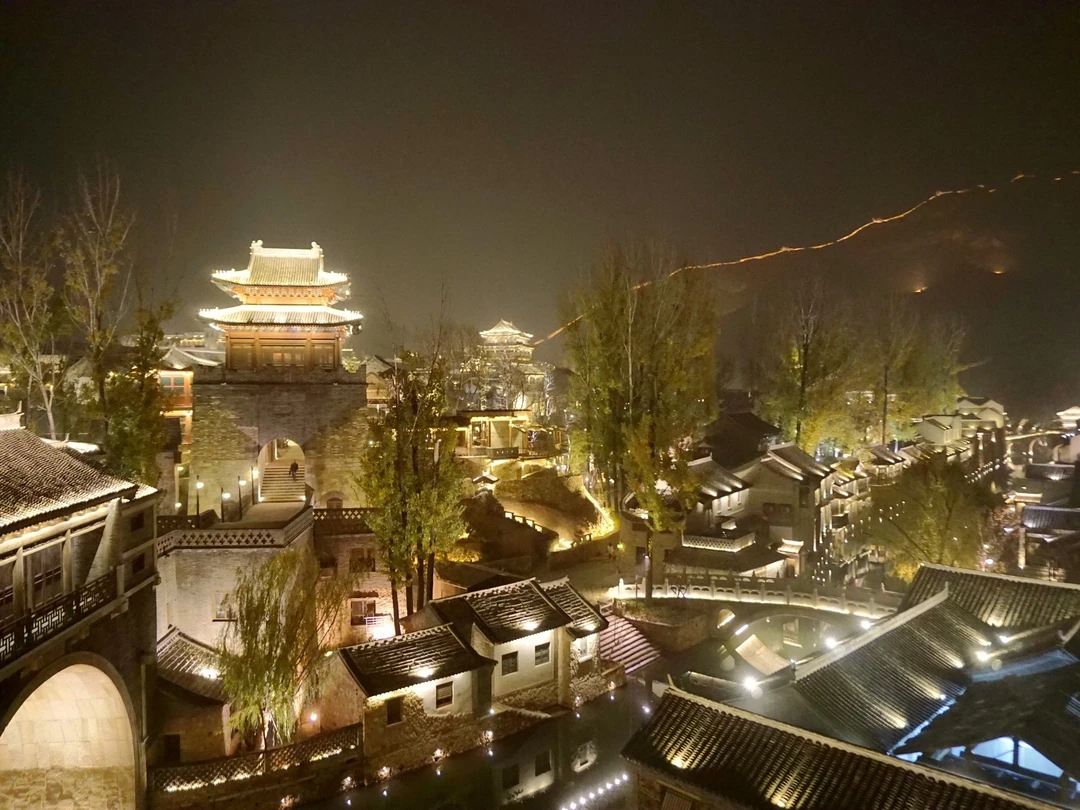
A Jiangnan Dream on Beijing's Outskirts: The Ultimate Gubei Water Town Travel Guide (November 2015)
Meta Description: Discover Gubei Water Town, Beijing's Jiangnan-inspired getaway at the foot of Simatai Great Wall. Read this detailed November 2015 travelogue with costs, tips, and must-see spots. The world is vast, yet life is fleeting. Sometimes, all it takes is a weekend—a spontaneous short…
Continue reading...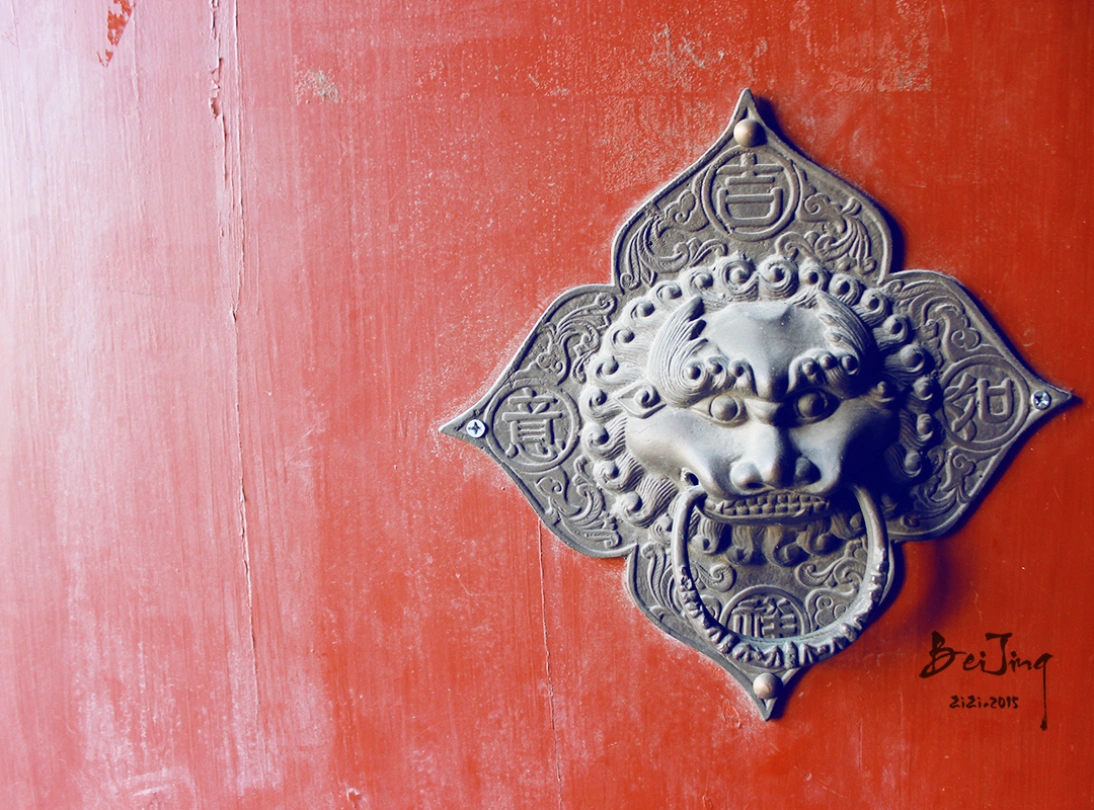
Lost in Beijing for Seven Days: A Solo National Day Journey Through the Capital
Meta Description: Discover how to survive—and thrive—during China's Golden Week in our SEO-optimized Beijing travel guide. From hidden hutongs to imperial palaces, this 7-day solo itinerary reveals crowd-avoidance secrets, budget tips, and must-visit attractions. Some say traveling during National Day is asking for trouble. But…
Continue reading...