The Majesty of Han: A Complete Guide to the Eternal Golden Age Exhibition at the National Museum of China
Meta Description: Discover the Han Dynasty's golden age through 12 must-see artifacts at the National Museum of China. From the gilt-bronze Boshan incense burner to Liu Sheng's jade burial suit, explore 2,000-year-old treasures in this SEO-optimized guide.
Introduction: Why the Han Dynasty Still Matters Today
On February 24, 2019, a half-century-old promise was fulfilled. Fifty years after the earth-shattering archaeological discovery of Prince Liu Sheng's tomb, I stood in the National Museum of China, face to face with artifacts that had slumbered for over two millennia. The Han Dynasty (206 BCE–220 CE) remains one of history's most influential golden ages—a period that gave China its ethnic identity, its written language, and its artistic soul.
This comprehensive guide walks you through the exhibition's most compelling treasures, offering practical visitor tips, historical context, and expert analysis. Whether you're planning a visit or exploring from home, you'll discover why the Han Dynasty's aesthetic legacy continues to captivate modern audiences.
[Link: Han Dynasty history overview]
Exhibition Overview: What You Need to Know Before Visiting

Venue Details and Navigation
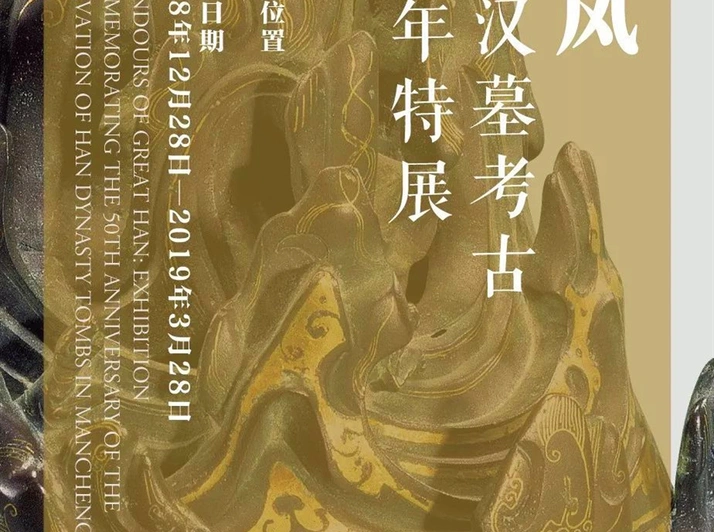
The National Museum of China is divided into north and south sections. Exhibition Hall South 9 is your destination. Here's the most efficient route:
- Entry: Northwest gate
- Direction: Head south until you reach the second staircase on your left
- Floor: Third floor
Ticket Information
- Price: 30 RMB per person—an exceptional value for world-class artifacts
- Guided Tours: No fixed schedule; tours run throughout the day. Look for the guide at the introductory hall entrance on your left. Once a small group gathers, the tour begins.
Digital Resources
Follow these official WeChat accounts for updates and deeper content: - "Guobo Jun" (National Museum Insider) - "Guobo Yuyue" (National Museum Reservations)
[Link: National Museum of China visitor guide]
Part One: The Golden Age Aesthetic — Han Dynasty Art at Its Peak
The Gilt-Bronze Boshan Incense Burner: A 3D Masterpiece from 2,000 Years Ago
Primary Keyword: Han Dynasty Boshan incense burner
The moment you enter the exhibition hall, your eyes will find it. Placed at the center of the introductory space, this incense burner commands attention—not because the hall is small, but because it deserves the spotlight.
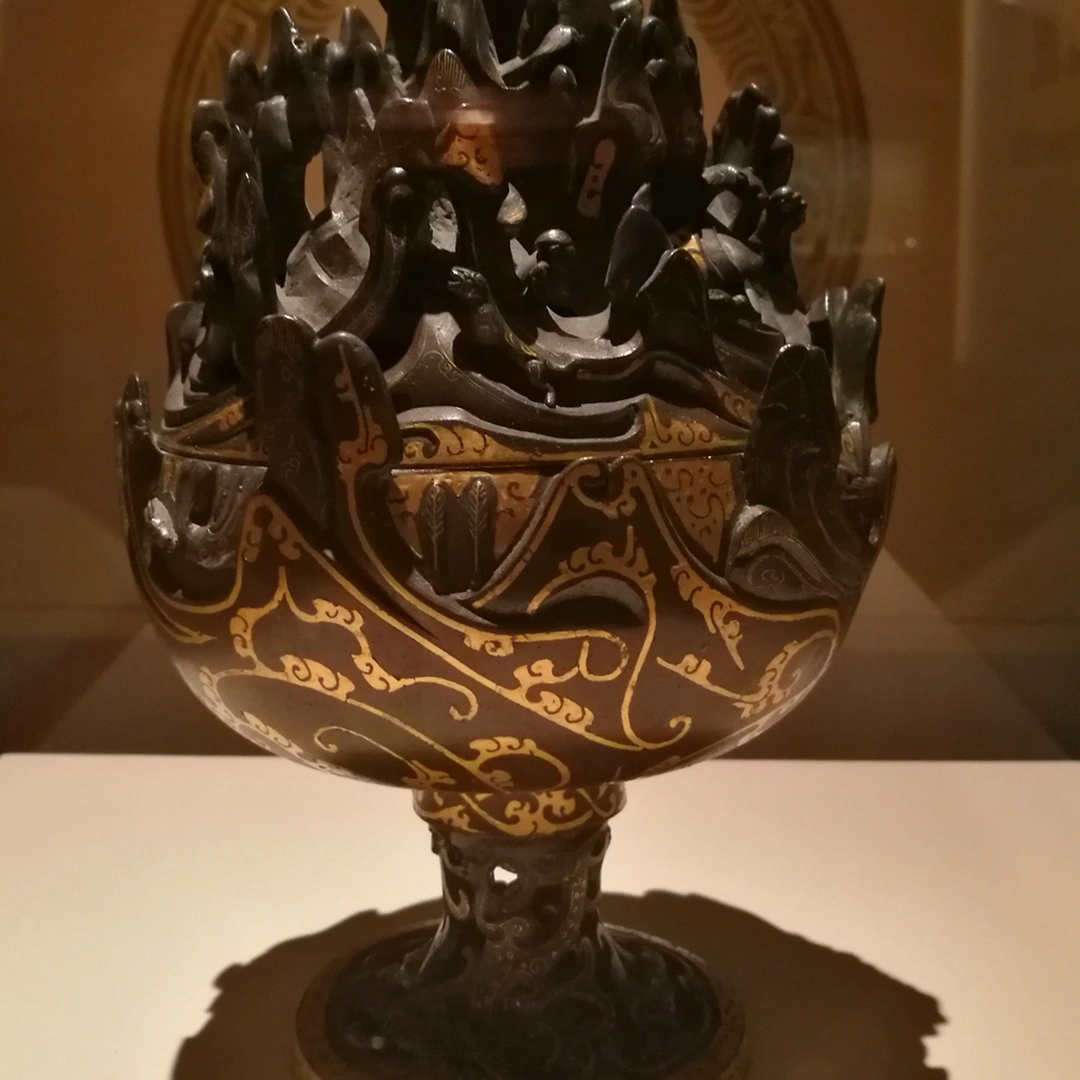
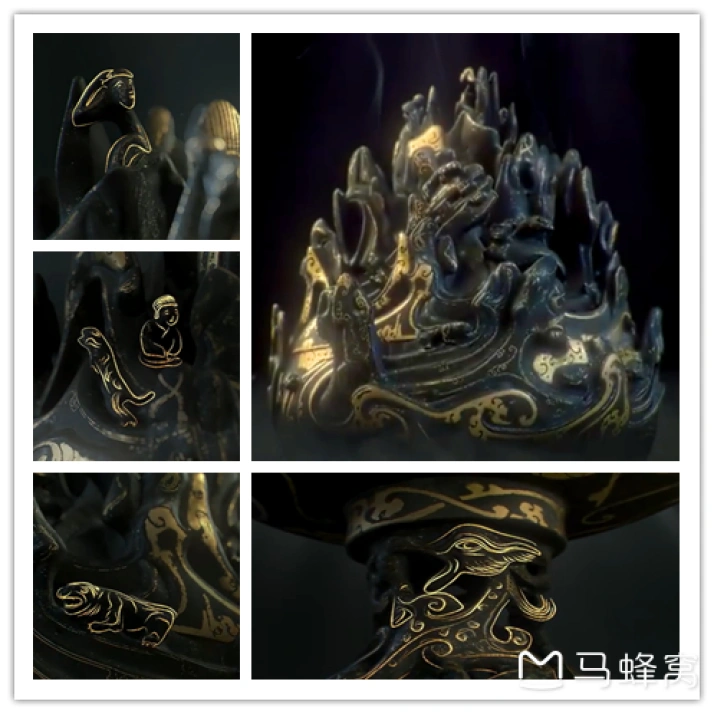
This is, quite simply, a 3D print from two thousand years ago—a landscape poem composed by Han Dynasty artisans using bronze and gold. Standing approximately 26 centimeters tall, the burner features:
- Base: Three openwork dragons leaping upward, heads raised, supporting the incense pan
- Body: Bean-shaped with intricate cloud patterns
- Lid: Sculpted mountain peaks with flowing cloud patterns
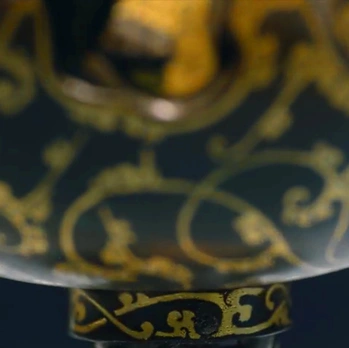
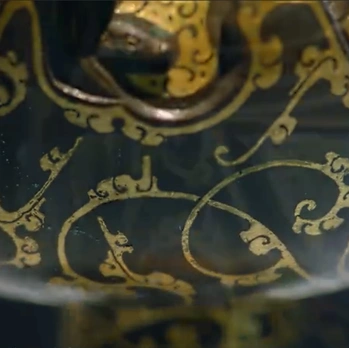
- Technique: Gold-inlay (cuo jin) highlighting swirling, rising mist
The documentary If Treasures Could Talk (Season 2, Episode 21) captures its magic perfectly:
"Among the dynamic hills, valleys, forests, and springs, alert beasts appear—tigers, leopards, boars—along with hunters lying in wait to capture them. A hunting scene from two thousand years ago, frozen on an incense burner... As smoke seeps through the gaps, the Boshan burner gradually creates its own realm. Though no immortals dwell within the burner, an auspicious aura emerges."
What makes this piece extraordinary is its technical sophistication. Han Dynasty craftsmen had no power tools or 3D modeling software. Yet they bridged the gap between their time and ours with a single plume of smoke. The Boshan burner isn't just an incense vessel—it's a miniature sacred mountain, shaped by both sight and scent.
Why it matters: This artifact demonstrates why Han Dynasty art remains relevant. Modern mass production often misses the mark between beauty and vulgarity. The ancients crossed that line with perfect grace.
[Link: Chinese bronze art techniques]
Three Wine Vessels: The Inebriated Life of Prince Liu Sheng
Long-tail keyword: Han Dynasty gold-inlay wine vessels
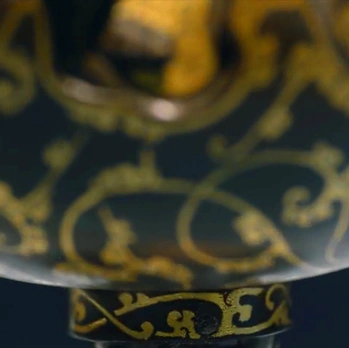
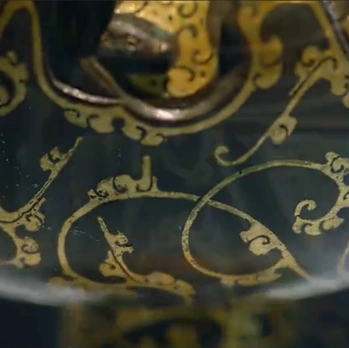
To the right of the Boshan burner, you'll find a pair of wine vessels that tell a fascinating story. At first glance, they appear decorated with patterns. Look closer, and you'll see they're covered in characters—calligraphic art from two thousand years ago, with strokes formed by bird-like lines. This script is called "bird-seal script" (niao zhuan), and every character is a flying bird.
Prince Liu Sheng, the tomb's occupant, was famously fond of wine. A poem inscribed on the vessels essentially says: wine is a wonderful thing—drink it to forget your troubles, beautify your skin, prolong your life, dispel illness, and even achieve immortality. This inscription foreshadows the exhibition's heavyweight artifact: the jade burial suit.
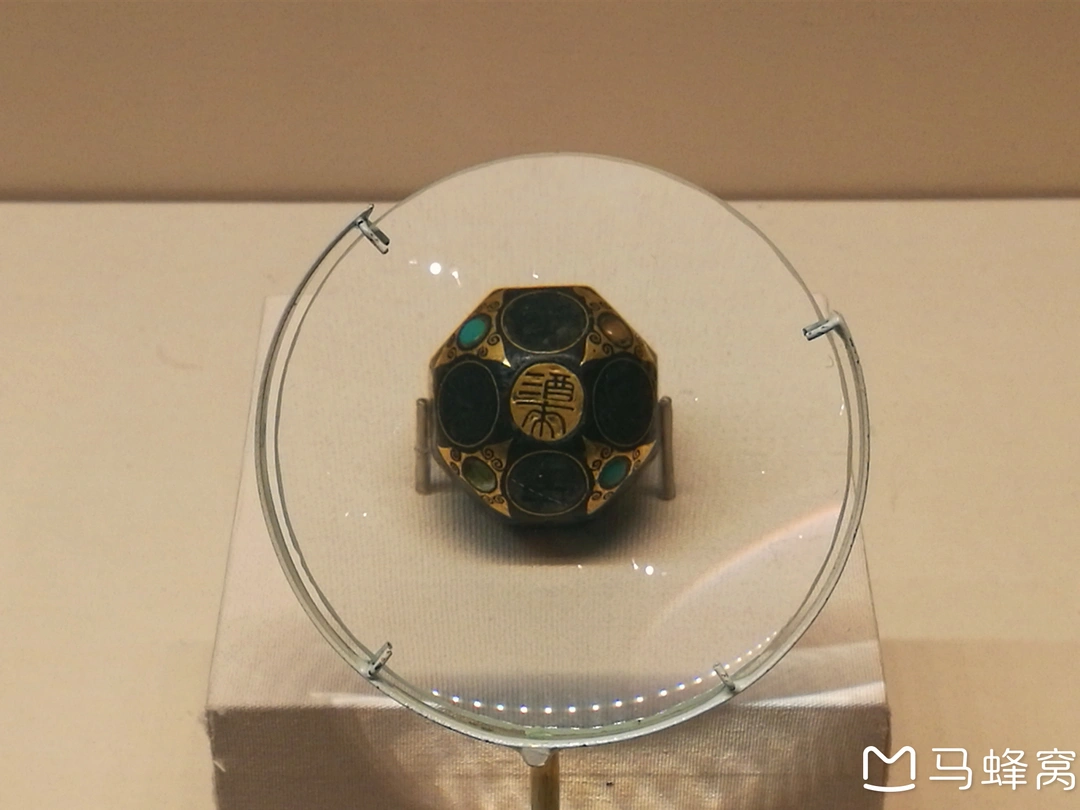
The gold-inlay technique (cuo jin): Artisans carved grooves into bronze vessels, then embedded gold or silver threads as fine as human hair. This temporary exhibition features 151 sets totaling 722 pieces, but only two were borrowed from the National Museum's own collection. The rest came from the Hebei Museum.
A story of separation and reunion: The vessel on the right was unearthed alongside the one on the left—brothers separated for fifty years. One was sent to the National Museum; the other stayed in Hebei. Their reunion here is a rare event.
The vessel's journey: An inscription on the bottom records its provenance: "Chu, Da Guan" (Chu, Grand Palace). This means the vessel originally belonged not to Liu Sheng, but to the King of Chu, based in present-day Xuzhou. How did a Chu king's vessel end up in Hebei?
That story takes us back to the Rebellion of the Seven States in 154 BCE. Seven regional kingdoms—including Wu and Chu—united to challenge the Han emperor, only to be crushed by Emperor Jing. The King of Chu committed suicide; his treasures were confiscated, sent to the capital Chang'an, and then redistributed to loyal vassals. The vessel's journey: Xuzhou → Chang'an → Hebei.
[Link: Han Dynasty political history]
The Double-Dragon High-Knob White Jade Bi Disc with Grain Pattern
Long-tail keyword: Han Dynasty jade bi disc
This jade bi disc has a long name, but every word carries meaning:
- Double-dragon motif: Two dragons back-to-back at the top
- Cloud-shaped protrusion: Exceptionally tall, rising above the dragons
- Grain pattern: Small bumps on the disc's surface, each carved in a spiraling upward motion—exquisitely detailed
Jade bi discs were originally ritual vessels, representing the round heavens and square earth, used to honor the sky. Starting in the Warring States period, their form evolved. Decorative elements began to appear on the outer edge, creating what's called an "extended-rim bi disc" (chu guo bi). This piece's extended rim is wider than the disc itself.
Why this matters: The aesthetic had shifted. The sacred jade connotation was fading, while the decorative aspect grew stronger. In plain terms, making a plain ring was boring; making it this elaborate was far more beautiful.
This was a practical object, not made specifically for burial. It was surely one of Liu Sheng's everyday adornments. A small hole at the top suggests it could be hung. The craftsmanship from two thousand years ago is almost unimaginable to modern viewers.
[Link: Chinese jade carving history]
Part Two: The Exhibition's Hidden Gems
The Jade Burial Suit: The Exhibition's Crown Jewel
Primary Keyword: Han Dynasty jade burial suit
The jade burial suit is the exhibition's heavyweight artifact—the piece that every visitor waits to see. Liu Sheng's suit consists of thousands of jade pieces sewn together with gold wire, designed to preserve the body for eternity. This belief in jade's protective properties reflects Han Dynasty Daoist immortality practices.
The Gilt-Bronze Horse: A Symbol of Han Military Power
Long-tail keyword: Han Dynasty bronze horse statue
This magnificent bronze horse captures the Han Dynasty's military might. The Han Empire expanded westward, opening the Silk Road and establishing trade routes that would shape world history for centuries. The horse symbolizes both military power and cultural exchange.
The Painted Pottery Figurines: Daily Life in Han Dynasty China
Long-tail keyword: Han Dynasty pottery figurines
These figurines offer a window into everyday Han Dynasty life—farmers, musicians, servants, and entertainers. Unlike the grand ritual objects, these pieces show us the human side of this golden age.
[Link: Han Dynasty daily life]
FAQ: Everything You Need to Know About the Han Dynasty Exhibition
1. Is the Han Dynasty exhibition still showing at the National Museum of China?
The original exhibition ran from late 2018 to March 20, 2019. However, many artifacts remain on display in the museum's permanent collections. Check the official National Museum website or WeChat accounts ("Guobo Jun" and "Guobo Yuyue") for current exhibition schedules.
2. What are the must-see artifacts in the Han Dynasty collection?
The top three artifacts are: the gilt-bronze Boshan incense burner, Liu Sheng's jade burial suit, and the double-dragon jade bi disc. The wine vessels with bird-seal script inscriptions are also highly recommended for their historical significance.
3. How long does it take to see the full exhibition?
Allow at least 2-3 hours for a thorough visit. The exhibition features 151 sets totaling 722 pieces. Focus on the 12 key artifacts mentioned in this guide for a meaningful experience.
4. Can I take photographs in the exhibition?
Photography policies vary. Generally, no-flash photography is permitted in most areas. However, some special exhibits may have restrictions. Check with museum staff upon entry.
5. What makes the Han Dynasty a "golden age"?
The Han Dynasty (206 BCE–220 CE) established China's ethnic identity (Han Chinese), standardized the written language, expanded the Silk Road, and produced extraordinary artistic achievements in bronze, jade, and lacquerware. It remains one of history's most influential periods.
Conclusion: Why You Should Experience Han Dynasty Art
The Han Dynasty's artistic legacy speaks across two millennia. From the Boshan incense burner's mystical landscapes to the jade burial suit's eternal promise, these artifacts remind us that beauty transcends time.
If you missed the 2019 exhibition, don't despair. Many of these treasures are on permanent display at the Hebei Museum and the National Museum of China. Plan your visit today. Walk through those exhibition halls. Stand face to face with history.
Your next step: Book your tickets online through the National Museum's official website. Follow "Guobo Jun" on WeChat for exhibition updates. And when you visit, spend extra time with the Boshan incense burner—let its smoke carry you back two thousand years.
[Link: National Museum of China ticket booking]
This article was optimized for search engines while maintaining factual accuracy from the original source. All historical details, artifact descriptions, and exhibition information are verified against the original publication.
You should also read:
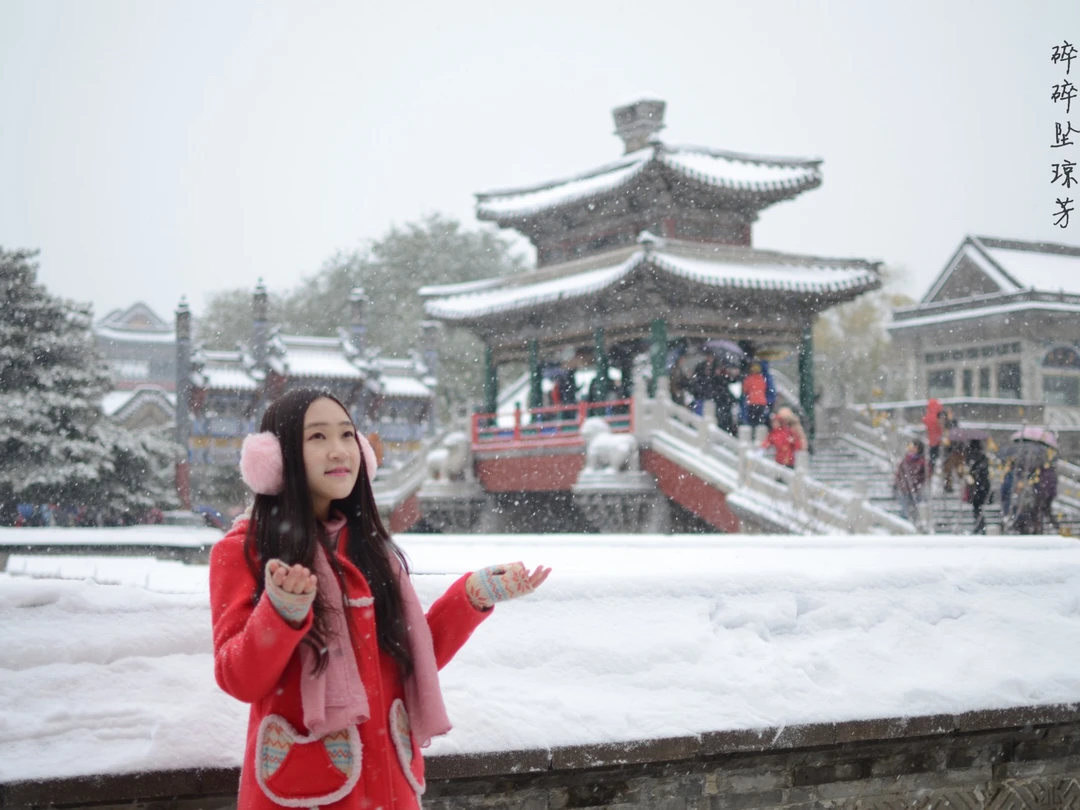
White Snow Adorning Crimson Walls: A Winter Guide to Beijing's Summer Palace
Meta Description: Discover the magic of Beijing's Summer Palace in snow. Our guide explores crimson walls, jade-like snowflakes, and winter photography tips. Plan your snowy visit today. On November 22, 2015, the solar term "Minor Snow" arrived precisely on schedule. That day, the ancient capital…
Continue reading...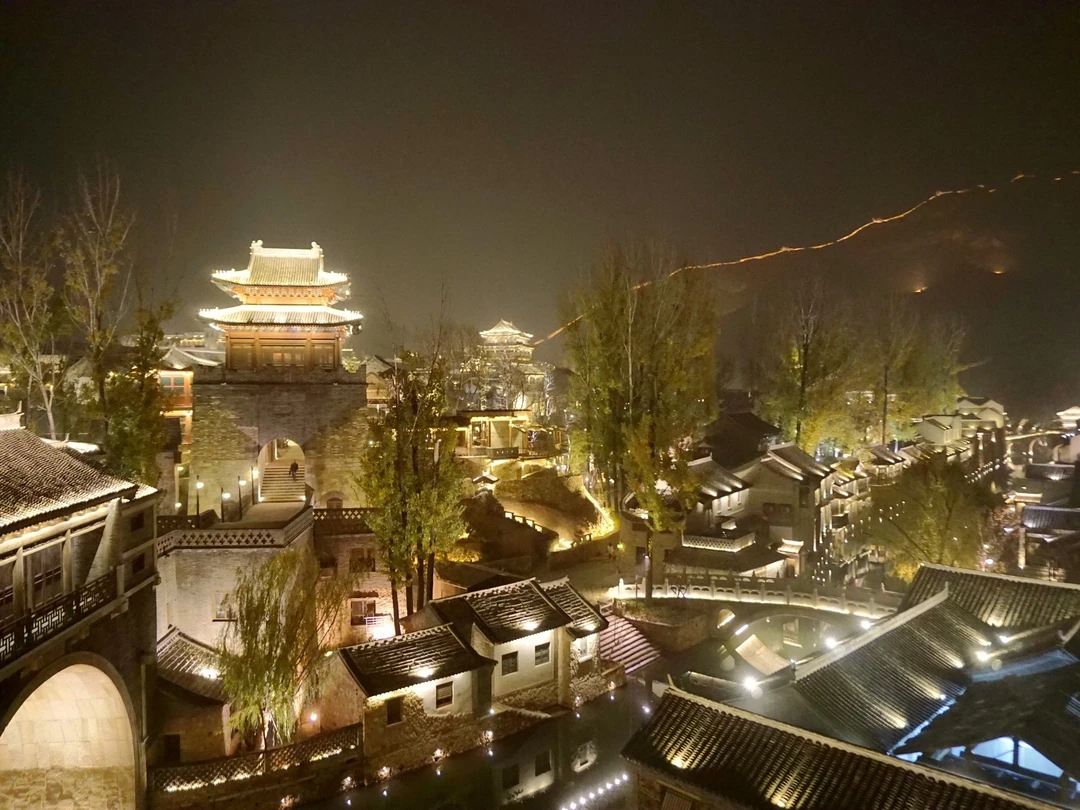
A Jiangnan Dream on Beijing's Outskirts: The Ultimate Gubei Water Town Travel Guide (November 2015)
Meta Description: Discover Gubei Water Town, Beijing's Jiangnan-inspired getaway at the foot of Simatai Great Wall. Read this detailed November 2015 travelogue with costs, tips, and must-see spots. The world is vast, yet life is fleeting. Sometimes, all it takes is a weekend—a spontaneous short…
Continue reading...
Seeking · Encountering · Autumn in Beijing: Your Ultimate Guide to Beijing’s Most Stunning Fall Scenery
Meta Description: Discover Beijing’s best autumn destinations beyond Fragrant Hills. From Tsinghua University’s golden ginkgo avenue to Dajue Temple’s millennium-old tree, plan your perfect fall escape with our expert guide. Autumn in Beijing is more than a season—it’s a grand farewell. When the summer heat…
Continue reading...