The Most Beautiful Great Wall: Jiankou – A Hiker's Guide Before Restoration Changes Everything
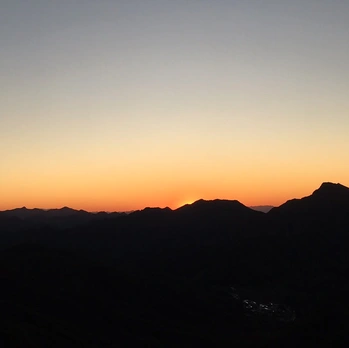
Meta Description: Discover Jiankou Great Wall, Beijing's most breathtaking "wild wall" section. Explore hiking routes, history, and legends before comprehensive restoration tames this iconic landmark forever.
Introduction: Why Jiankou Great Wall Captivates the World
Few sights in China rival the dramatic splendor of the Jiankou Great Wall. Known as the "most beautiful Great Wall" among outdoor enthusiasts, this perilous section in Beijing's Huairou District has drawn photographers, hikers, and history buffs for decades. Its crumbling watchtowers, knife-edge ridges, and heart-stopping drops create a raw, untamed beauty that the restored sections simply cannot replicate.
But time is running out. In 2019, comprehensive restoration began on Jiankou—meaning the "wild wall" that adventurers have cherished is gradually being tamed. For those who dream of experiencing the Great Wall in its most authentic, dramatic form, the window is closing.
This guide covers everything you need to know: the history, the legends, the hiking routes, and why you should visit now before Jiankou changes forever.
The History of Jiankou Great Wall: A Thousand-Year Legacy
When Was Jiankou Built?
The Jiankou Great Wall section has a surprisingly complex history. Archaeological research reveals that the outer wall from the Nine-Eye Tower to Datong was built on foundations from the Northern Wei (386–534 AD) and Northern Qi (550–577 AD) dynasties—meaning parts of Jiankou are over 1,400 years old.
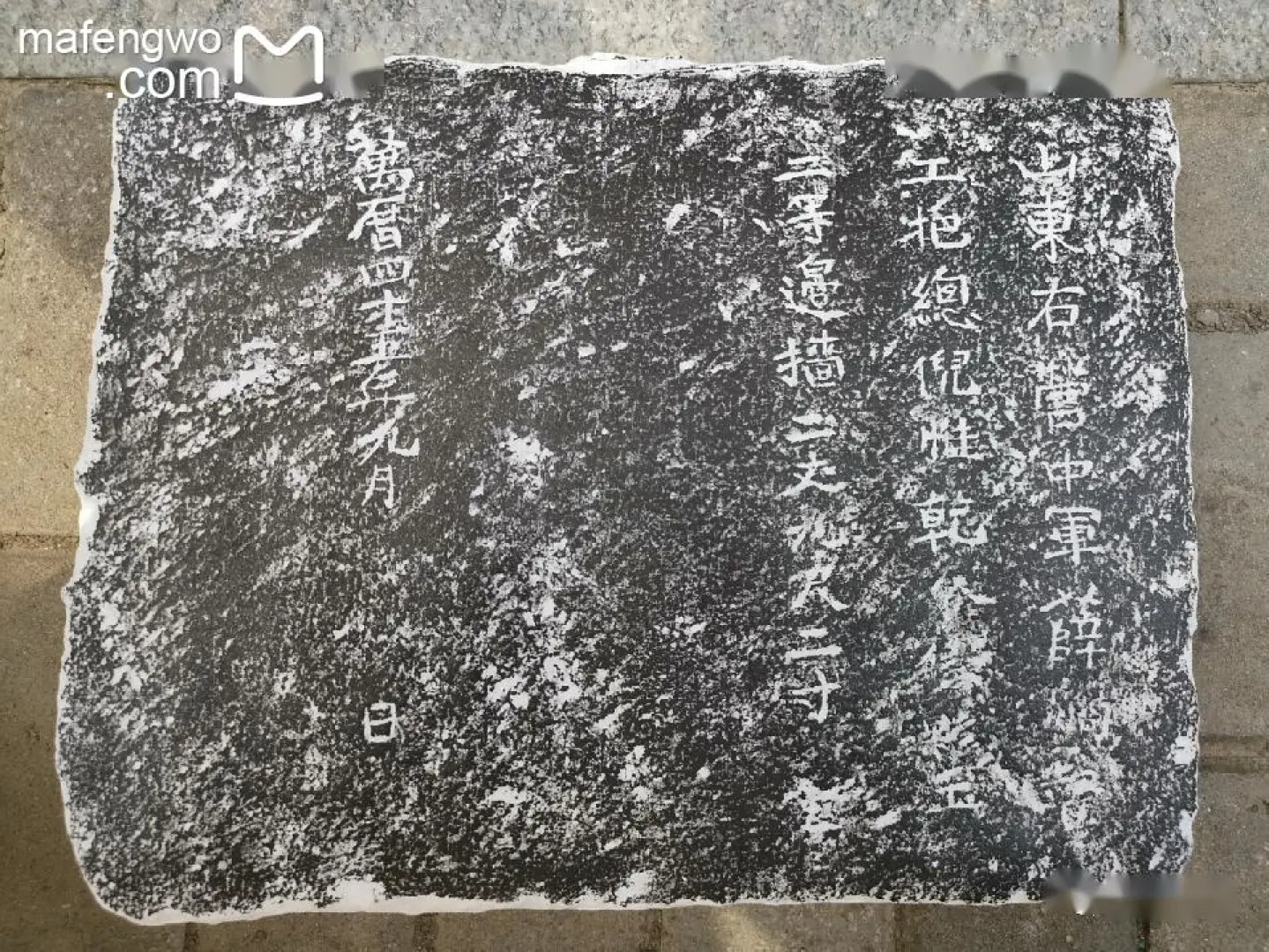
The Ming Dynasty (1368–1644) significantly expanded and reinforced the wall. According to historical records, General Xu Da oversaw construction under Emperor Zhu Yuanzhang. The Records of the Four Garrisons and Three Passes note that "the border wall stretches 81.5 li, built in the 31st year of the Jiajing reign." Further evidence came in May 2020, when a city wall stele unearthed during restoration confirmed that this section was completed in the 45th year of the Wanli reign (1617 AD).
Thus, Jiankou's story spans over a millennium—from Northern Qi foundations to Ming Dynasty fortifications, taking the dramatic form we see today.
The Mystery of the Name: From "Jiankou" (Mountain Pass) to "Jiankou" (Arrow Nock)
One of Jiankou's most fascinating aspects is its name. Local folklore tells of a Ming Dynasty Ministry of Works official who, after inspecting a 40-li section of wall, observed it forming a "Jiankou" (mountain pass opening) between two peaks. He named it "Jiankou Border Wall."
Dissatisfied, he later recalled a verse: "With iron horses and golden spears, I laugh up at the sky; a bent bow with an arrow drawn shoots down a pair of eagles." Realizing the wall's W-shape resembled a bow with an arrow nocked, he changed the name to "Jiankou" (arrow nock).
However, historical records tell a different story. When late Qing poet Liu Qingtang visited over a hundred years ago, his poem still used "Jiankou" (mountain pass). He wrote: "The towering mountain pass opens amid layered peaks; a narrow path on steep cliffs winds into the clouds."
It wasn't until the 1980s and 1990s, with tourism development at nearby Mutianyu, that "Jiankou" (arrow nock) gained popularity. The names sound similar in Chinese, and the dramatic W-shaped wall indeed resembles a drawn bow. By 2001, the Selected Historical and Cultural Materials of Huairou officially adopted "Jiankou," explaining: "At the lowest concave point, when viewed from a distance, it looks like a bow placed here, and this spot is exactly where a bow is drawn and an arrow is nocked."
Even if historians discover the original name, visitors will likely always call it Jiankou—because that name, along with its steepness and grandeur, is etched into every traveler's memory.
Why Jiankou Is Called the "Most Beautiful Great Wall"
Jiankou's reputation as the most beautiful Great Wall section stems from its unique geography. Located in the mountains straddling Bohai Town and Yanqi Town in Huairou District, it features:
- Watchtowers perched on cliffs: The Nine-Eye Tower, West Wall, Beijing Knot, and Eagle Flies Upside Down are built on impossibly steep terrain
- Undulating lines: The wall rises and falls dramatically, creating a breathtaking silhouette against the sky
- Wild, unrestored condition: Unlike Badaling or Mutianyu, Jiankou retains its original Ming Dynasty character—crumbling, overgrown, and authentic
- Over 20 scenic spots: Including the Big and Small Heavenly Ladders, Thirty-Eight Steps, Jade Rabbit Gathering Lingzhi, and General Guarding the Pass
This combination of danger, uniqueness, steepness, beauty, and wildness has made Jiankou a mecca for photographers and outdoor enthusiasts worldwide.
Jiankou Great Wall Hiking Routes: 10 Ways to Reach the Wall
One of Jiankou's greatest charms is its multiple access routes, each offering different scenery and challenges. Here are the ten most popular Jiankou hiking routes:
1. Xishanzi Village (Most Convenient)
- Entry fee: 20 yuan (village fee)
- Access: Provides access to all major attractions: Nine-Eye Tower, West Wall, Beijing Knot, Eagle Flies Upside Down
- Best for: First-time visitors and photographers
2. Yingbeigou Village (Free)
 - Entry fee: Free - Access: Enter from the undeveloped Mutianyu section, heading west via Niujiaojian (Ox Horn Edge) - Best for: Budget travelers
3. Mutianyu Scenic Area (Ticket Required)
- Entry fee: Standard Mutianyu ticket
- Access: Enter via Niujiaojian to Jiankou
- Best for: Those combining a visit to Mutianyu
4. Nine-Eye Tower Scenic Area (Currently Free)
- Entry fee: Free (may charge in future)
- Access: Direct access to the iconic Nine-Eye Tower
- Best for: Photography enthusiasts
5. Shiyao Village (Free, Inconvenient)
 - Entry fee: Free - Access: Requires longer approach; suitable for experienced hikers - Best for: Adventurers seeking solitude
6. Zhuanghu Village (Ticket Required)
- Entry fee: Xiangshuihu (Echo Lake) Scenic Area ticket
- Access: Can reach Nine-Eye Tower or West Wall
- Best for: Combining lake and wall views
7. Wangquanyu Village (Free, Scenic)
- Entry fee: Free
- Access: Longer route with stunning scenery
- Best for: Nature lovers
8. Tianxianyu Village, Wofo Mountain Villa (Free, Dangerous)
- Entry fee: Free
- Access: Dangerous, time-consuming, physically demanding
- Best for: Experienced hikers only
9. Zhenzhuquan Village (Free, Unclear)
 - Entry fee: Free - Access: Road conditions unclear - Best for: Not recommended without local guide
10. Cashikou Village (Ticket Required)
- Entry fee: Moya Shike (Cliff Inscriptions) ticket
- Access: Less common route
- Best for: History enthusiasts
[Link: Great Wall hiking safety tips]
When to Visit Jiankou Great Wall
The best time for Jiankou Great Wall hiking is spring (April-May) and autumn (September-October). These seasons offer:
- Spring: Wildflowers bloom along the wall; temperatures are mild
- Autumn: Clear skies and stunning fall foliage create incredible photo opportunities
Avoid summer (June-August) due to heat, humidity, and thunderstorms. Winter (November-March) brings snow and ice, making already dangerous trails treacherous.
What to Know Before You Go: Essential Tips
Safety First

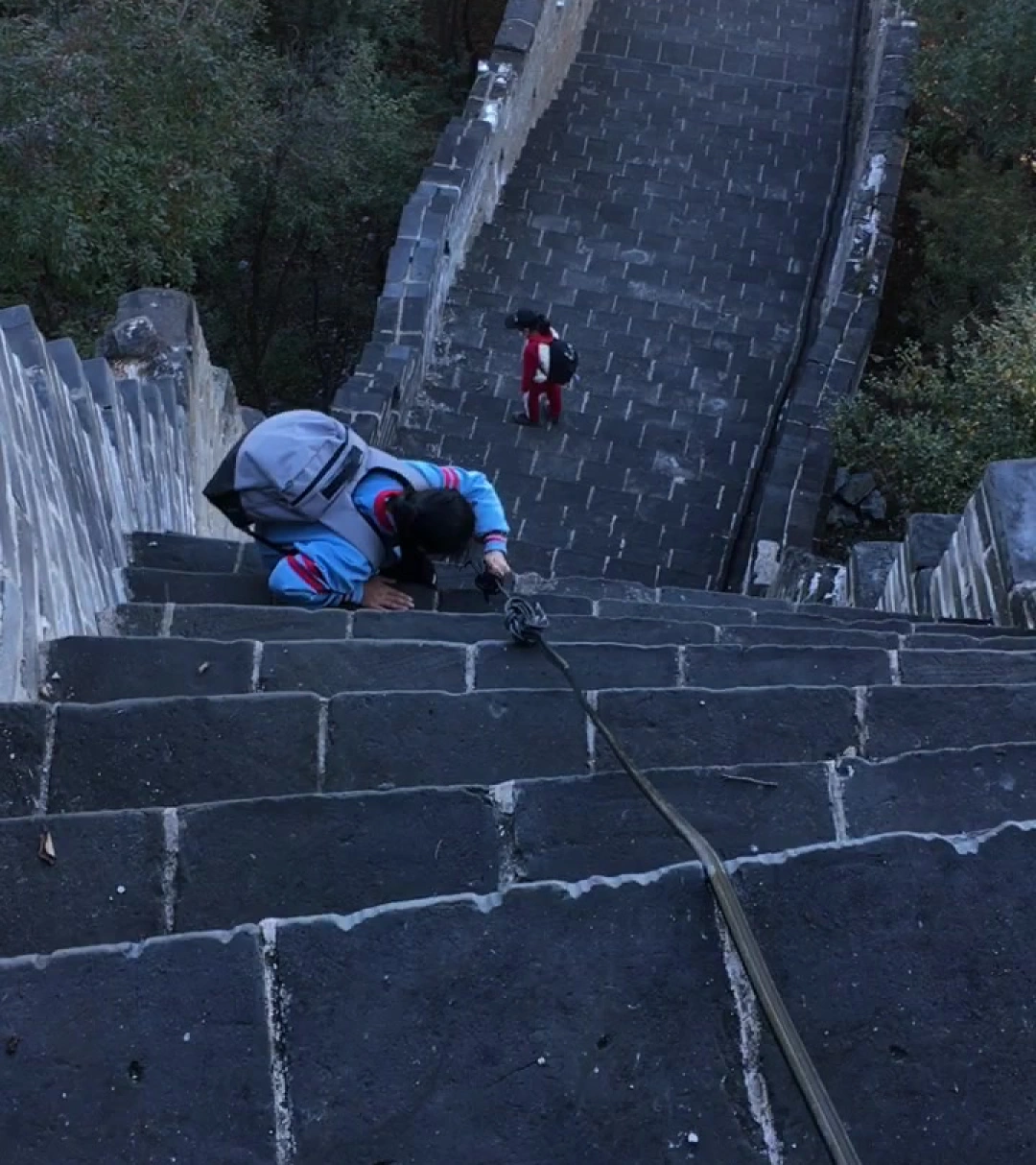
Jiankou is not a restored tourist section. It is a "wild wall" with: - Crumbling bricks and unstable sections - Steep drops with no guardrails - Overgrown vegetation - No facilities (restrooms, food, water)
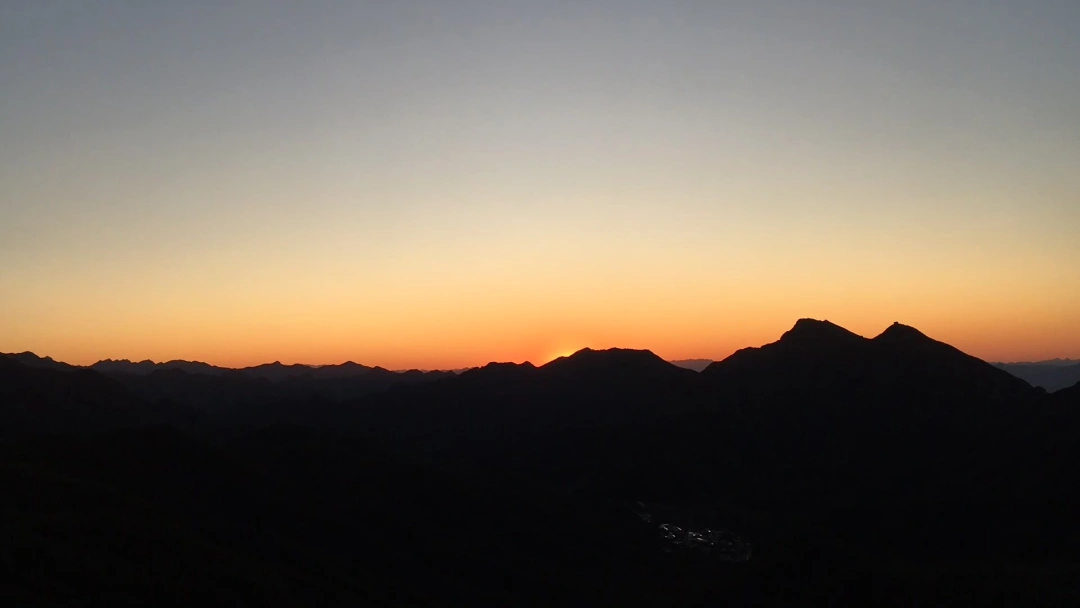
Never hike alone. Bring experienced companions or hire a local guide.
What to Pack
- Sturdy hiking boots with good grip
- Plenty of water (at least 2 liters)
- High-energy snacks
- First-aid kit
- Sun protection (hat, sunscreen, sunglasses)
- Lightweight rain jacket
- Headlamp or flashlight
- Mobile phone with offline maps
Physical Preparation
Jiankou requires moderate to high fitness levels. Practice hiking on uneven terrain before attempting. Some sections require scrambling on hands and knees.
The Future of Jiankou: Restoration and Conservation
In 2019, comprehensive Jiankou Great Wall restoration began. The project aims to: - Stabilize dangerous sections - Preserve historical integrity - Improve safety for visitors - Prevent further deterioration

However, this means the "wild wall" character that made Jiankou famous is gradually disappearing. While restoration ensures the wall's survival, it also means losing the raw, untamed beauty that has drawn adventurers for decades.
Visit now to experience Jiankou before it becomes another polished tourist attraction.
[Link: Great Wall conservation efforts]
Frequently Asked Questions About Jiankou Great Wall
1. Is Jiankou Great Wall dangerous?
Yes. Jiankou is considered one of the most dangerous Great Wall sections. It features crumbling bricks, steep drops, and unstable terrain. Only experienced hikers should attempt it, and always with proper safety gear and companions.
2. How long does it take to hike Jiankou?
A typical hike takes 4-8 hours, depending on your route and fitness level. Most visitors spend a full day exploring the key attractions like the Nine-Eye Tower and Beijing Knot.
3. Can I visit Jiankou without a guide?
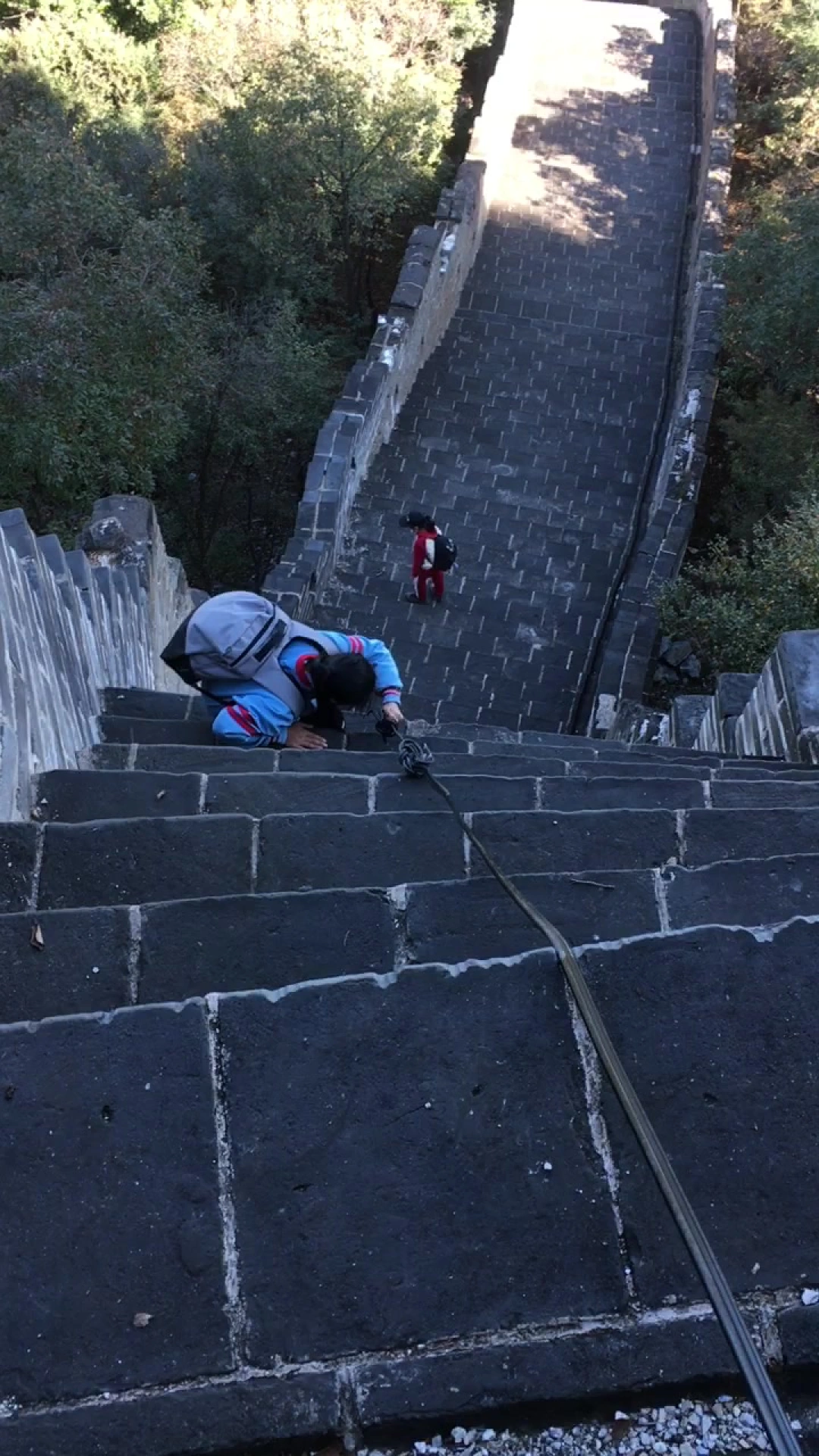 While possible, it's strongly recommended to hire a local guide. The terrain is confusing, trails are unmarked, and cell service is unreliable. Guides know the safest routes and can share fascinating history.
4. What is the best route for first-time visitors?
Xishanzi Village is the most convenient and provides access to all major attractions. The 20 yuan village fee is well worth the convenience and safety.
5. Will Jiankou be closed for restoration?
Some sections may be temporarily closed during restoration phases. Check current conditions before planning your trip. The goal is to preserve the wall while maintaining public access.
Conclusion: Your Journey to Jiankou Starts Now
The Jiankou Great Wall represents the pinnacle of Great Wall experiences—raw, dramatic, and unforgettable. But time is running out. As restoration progresses, the "wild wall" you've dreamed of visiting is slowly being tamed.
Don't let this opportunity slip away. Whether you're a photographer seeking the perfect shot, a history buff tracing Ming Dynasty fortifications, or an adventurer craving the ultimate hike, Jiankou awaits.
Plan your trip today. Research your route, prepare your gear, and make the journey to Beijing's most beautiful Great Wall section. Because once it's restored, the Jiankou you've read about will exist only in memories and photographs.
The wall is calling. Will you answer before it's too late?
Have you hiked Jiankou Great Wall? Share your experience in the comments below. For more Great Wall hiking guides, subscribe to our newsletter.
You should also read:
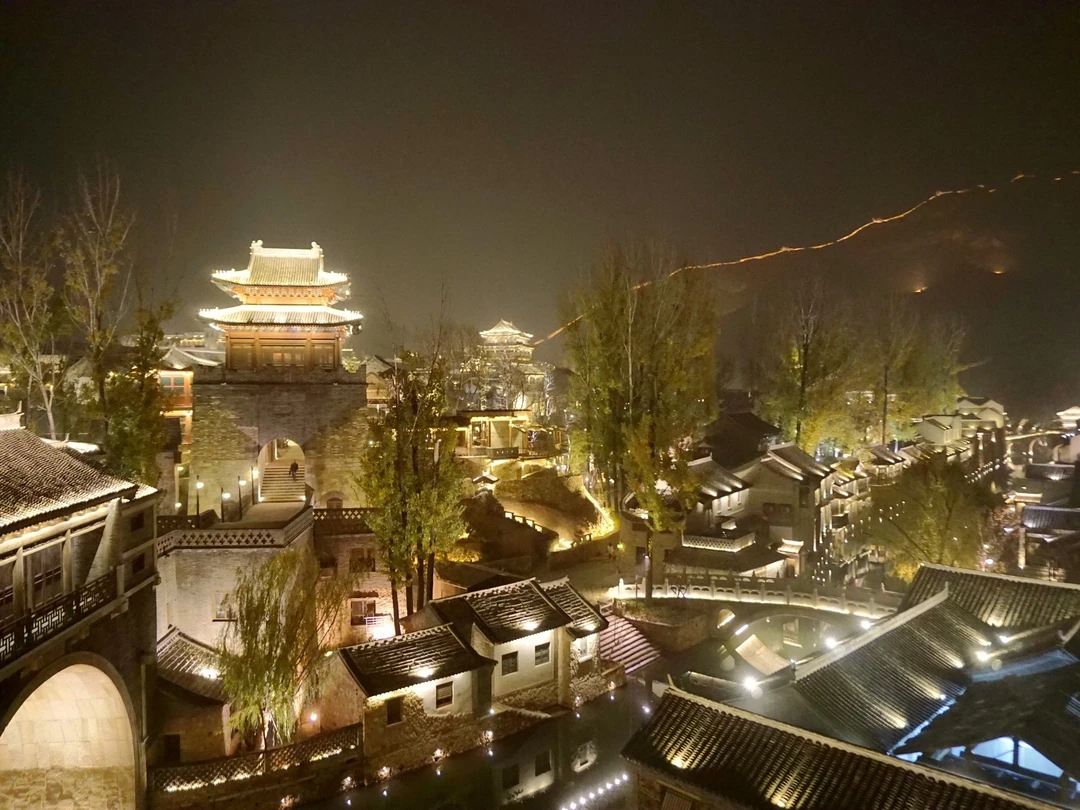
A Jiangnan Dream on Beijing's Outskirts: The Ultimate Gubei Water Town Travel Guide (November 2015)
Meta Description: Discover Gubei Water Town, Beijing's Jiangnan-inspired getaway at the foot of Simatai Great Wall. Read this detailed November 2015 travelogue with costs, tips, and must-see spots. The world is vast, yet life is fleeting. Sometimes, all it takes is a weekend—a spontaneous short…
Continue reading...
Seeking · Encountering · Autumn in Beijing: Your Ultimate Guide to Beijing’s Most Stunning Fall Scenery
Meta Description: Discover Beijing’s best autumn destinations beyond Fragrant Hills. From Tsinghua University’s golden ginkgo avenue to Dajue Temple’s millennium-old tree, plan your perfect fall escape with our expert guide. Autumn in Beijing is more than a season—it’s a grand farewell. When the summer heat…
Continue reading...
A Winter Journey in Beijing: Romance and Misery at Minus Five Degrees – An SEO-Optimized Travel Guide
Meta Description: Discover the romance and misery of a winter trip to Beijing at -5°C. Explore snowy Jingshan Park, historic hutongs, and budget-friendly tips for a 4-day Spring Festival adventure. Some say Beijing is a city you both love and hate. You love its profound…
Continue reading...