The Other Side of Beijing: A Private Collection of Off-the-Beaten-Path Travel Map (2012-2014)
Meta Description: Discover Beijing beyond the tourist crowds with this curated off-the-beaten-path travel map. Explore hidden hutongs, modern architecture, and secret spots from 2012-2014 that reveal the city's authentic soul.
Introduction: Why Seek the Hidden Beijing?
Anyone who has lived in Beijing knows this city is like a book you can never finish reading. Every step into the depths of a hutong (traditional alleyway), every turn revealing an unassuming building, could bring an unexpected surprise. Between 2012 and 2014, I traveled countless times between Tianjin and Beijing—the speed of the intercity trains made me feel that going to Beijing was faster than returning to my school from home. So, like collecting stamps, I documented every obscure corner that tourists rarely visit.

If you're tired of the sea of people at the Forbidden City and the Great Wall, these off-the-beaten-path places might suit you better. They may not qualify as traditional "sights," but each one holds a unique atmosphere and story. More importantly, they allow you to feel the city's true breath when you press the shutter.
The Cold Aesthetic of Modern Architecture in Beijing

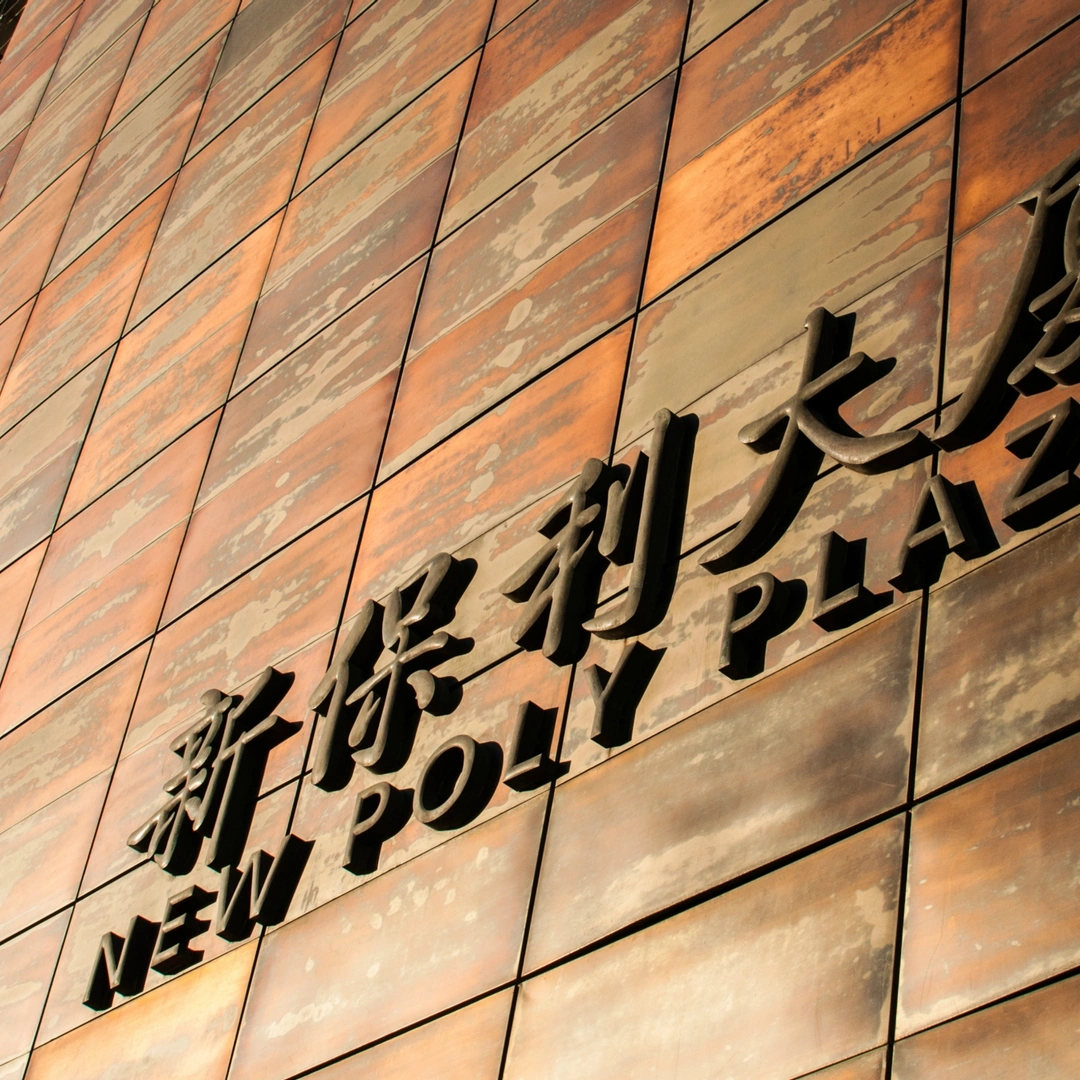
New Poly Plaza: A Hidden Museum and Café Combo
Location: Exit D, Dongsi Shitiao Station, Subway Line 2
The first time I walked into New Poly Plaza, I almost thought I had discovered a secret base. I recommend visiting in the afternoon—you can explore the museum first and then head upstairs to enjoy the night view.
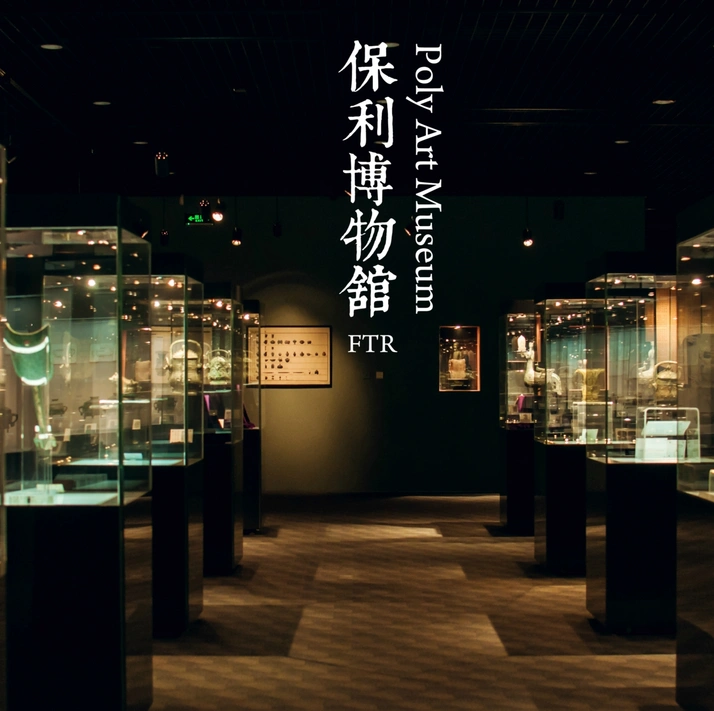
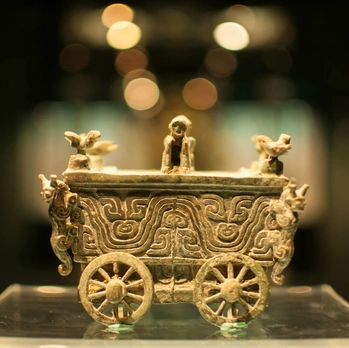
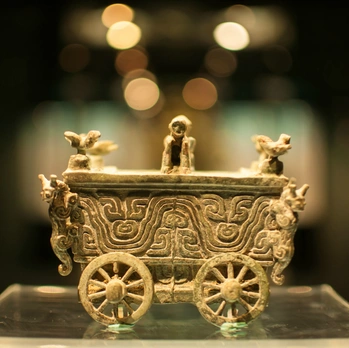
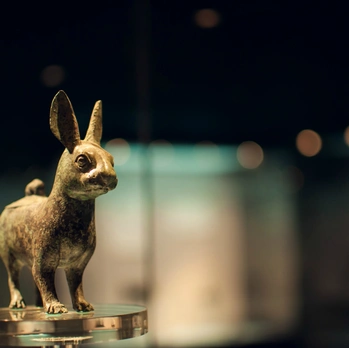
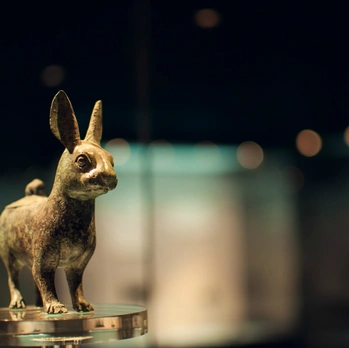
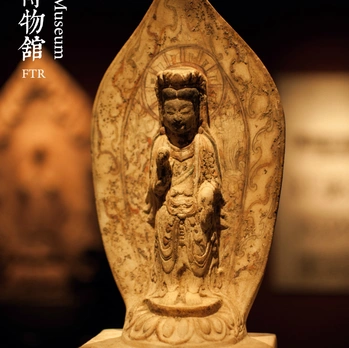
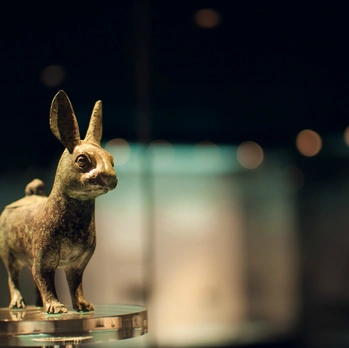
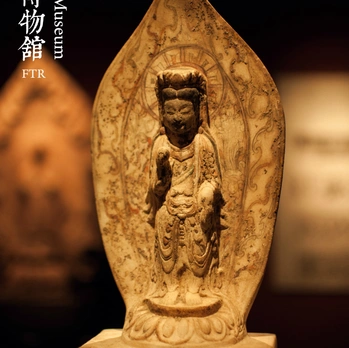
The Poly Art Museum on the ninth floor costs only 20 RMB for admission (free with a student ID). Though small, the lighting and exhibition design are top-notch by domestic standards. The four bronze animal heads from the Old Summer Palace (Yuanmingyuan) are displayed here. Light falls on the Buddha statues, creating a serene beauty that makes you reluctant to move. A cute rabbit sculpture became my favorite photo of the day.
Don't rush off. Take the elevator to the 15th floor, where there's a café. When we visited on a weekend, it happened to be closed, leaving the entire floor to just my companion and me. I placed my camera on the railing, looked down through the glass wall, and used a slow shutter speed to capture the flowing car lights. The effect was surprisingly good—that photo later became my computer's desktop wallpaper.
When we came out, the surrounding buildings had already lit up, and Beijing's night was just the right shade of gentle.
Galaxy SOHO: An Architectural Marvel in a Desolate Commercial Street
Location: Chaoyangmen Station, Subway Line 2 or Line 6
The commercial street at Galaxy SOHO is so empty that you might wonder if you've come to the wrong place. But if you're an architecture enthusiast, it's absolutely worth a visit. In the evening, the curves and light play inside the building create an illusion—as if you're standing in a scene from a sci-fi movie. Bring a tripod—the night view is its highlight.
[Link: Best time to visit modern architecture in Beijing]
Sanlitun: More Than Just Bars and Trendy Brands
The charm of Sanlitun lies in its diversity. Taikoo Li is more interesting than its counterpart in Guangzhou, and the restaurant "Yi Zuo Yi Wang" (One Sit, One Forget) is a personal favorite. This Yunnan cuisine restaurant has branches in both Beijing and Tianjin, but the meal I had in Beijing was the most successful. We participated in a "put your phone away and eat well" activity—a meal worth over 220 RMB cost only 120 RMB, with almost everything finished. The Yunnan ham tofu wrap, potato balls, and a delicious green vegetable still linger in my memory.
In the evening, head to Taikoo Li. The lights are dazzling, and the decorations around Christmas are especially charming. Page One Bookstore is a paradise for the artsy crowd—filled with English original editions and books on design and photography. Even if you don't buy a book, just browsing the miscellaneous section is enjoyable enough. In comparison, The Bookworm—though named one of the world's most beautiful bookstores by Lonely Planet—is better suited for quietly sipping coffee and reading original-language books.
[Link: Best bookstores in Beijing for travelers]
Parkview Green Fangcaodi: Art and Commerce Perfectly Blended
Location: Exit D2, Dongdaqiao Station, Subway Line 6
Parkview Green Fangcaodi is the most artistic shopping mall I've ever seen. Outside the entrance, there's a stinky tofu stall—the tofu is crispy, the sauce is fragrant, and it costs only 5 RMB. The auntie running it is also very kind.
Inside, art pieces are everywhere—a chair on the first floor is itself a sculpture, a gorilla sits under the glass ceiling on the top floor, and the gallery on the second floor often hosts exhibitions. After shopping, don't forget to check out the supermarket downstairs—it's a fixed routine for my companion and me.
The Imprints of Time in the Ancient Capital
Wudaoying Hutong—Yonghe Temple—Guozijian: One Route, Three Tranquil Spots
If Nanluoguxiang is the commercialized showroom of Beijing's hutongs, then Wudaoying Hutong is its quiet and interesting neighbor. The quality of the shops here is more than twice as good. In the afternoon, cats and dogs bask in the sun in the alley, creating a warmth that makes you want to stop for a cup of tea.
I highly recommend "Baozi and Bingbing's Home" —a miscellaneous goods store where you can paint your own ceramics. They keep several Persian cats named Baozi (Steamed Bun), Bingbing (Pancake), Mantou (Steamed Bread), and Huajuan (Twisted Roll). Bingbing's sleeping pose is utterly adorable.
From Wudaoying, walk to Yonghe Temple (Lama Temple) . This largest Tibetan Buddhist monastery in Beijing costs only 25 RMB for admission (12 RMB with a student ID), and it comes with a free mini CD. Upon entering, each visitor receives a large bundle of incense—three sticks at a time, just enough to pay respects at each hall. Inside the main hall, there's a Buddha statue so tall that if you look up, your hat might fall off—the awe is indescribable. The little creatures perched on the flying eaves come to life in the sunlight.
On Guozijian Street, the shop "Lost and Found" is worth a visit. Though the items are expensive, the furniture and leather bags have a strong sense of design.
[Link: How to plan a day trip through Beijing's hutongs]
Jingshan Park and the Corner Towers of the Forbidden City
Admission: Negligible cost, priceless view
Jingshan Park offers the perfect view of Beijing's central axis. In recent years, many films have been shot here—Personal Tailor and Beijing Love Story both looked down upon this central axis. On a clear day, you can see the glazed tiles of the Forbidden City sparkling in the sunlight; on a smoggy day, it's just a gray haze. On the day of the National Day military parade (known for its exceptionally blue sky), we captured photos with incredible visibility—the contrast with previous shots was like night and day.
After leaving Jingshan, head straight to see the corner towers. At first, I thought it wasn't interesting, but when we walked to the middle of the road, my companion turned around and saw the corner tower lights come on. Both of us happily rushed back to photograph the night scene. On a bad weather day, the results with a third-party lens were admittedly mediocre, but the joy we felt was genuinely unforgettable.
The Forbidden City: A Classic Never Too Often Visited
No tourist likely misses the Forbidden City. Student tickets are 20 RMB, and it's closed on Mondays (except for national holidays and summer). Take Subway Line 1 to Tian'anmen East or West Station. There's always something new to discover each visit, but remember to make a reservation in advance.
[Link: Forbidden City ticket booking tips and hidden spots]
Season-Limited Romance: Yuyuantan Park
Yuyuantan Park is a seasonal gem. While the source article cuts off here, this park is famous for its cherry blossoms in spring and serene lake views year-round. It's a perfect spot for a peaceful afternoon away from the crowds.
FAQ: Your Off-the-Beaten-Path Beijing Questions Answered
Q1: What is the best time of year to explore hidden Beijing? A: Spring (March-May) and autumn (September-November) offer the most pleasant weather for walking through hutongs and visiting outdoor spots. Winter can be cold but offers fewer crowds and unique photographic opportunities.
Q2: Are these off-the-beaten-path locations accessible by public transport? A: Absolutely. All locations mentioned—New Poly Plaza, Galaxy SOHO, Sanlitun, Parkview Green Fangcaodi, Wudaoying Hutong, Yonghe Temple, and Jingshan Park—are accessible via Beijing's extensive subway system.
Q3: Do I need to speak Chinese to visit these places? A: While basic Chinese phrases help, many of these spots (especially modern malls and art spaces) have English signage. The hutongs and local food stalls may require more patience, but pointing and smiling works wonders.
Q4: How can I avoid crowds at popular spots like the Forbidden City? A: Visit on weekdays, book tickets in advance online, and arrive early (right when gates open) or late afternoon. The corner towers are less crowded than the main palace area.
Q5: Are these spots suitable for solo travelers? A: Yes! Beijing is generally safe for solo travelers. Many of these locations—especially the cafes, bookstores, and parks—are perfect for exploring alone.
Conclusion: Your Private Beijing Awaits
Beijing is not just the Great Wall and the Forbidden City. It's the quiet hutong where a cat naps in the sun, the museum where ancient artifacts glow in perfect light, and the rooftop café where you capture the city's pulse through your lens.
Between 2012 and 2014, I collected these fragments like stamps. Now, they're yours to explore. Whether you're a first-time visitor or a seasoned traveler, these off-the-beaten-path spots offer a Beijing that most tourists never see.
Ready to discover the other side of Beijing? Start planning your trip today. Book your subway pass, pack your camera, and step off the main road. The hidden Beijing is waiting for you.
Have you visited any of these hidden spots? Share your experience in the comments below, or tag us in your photos using #HiddenBeijing.
You should also read:
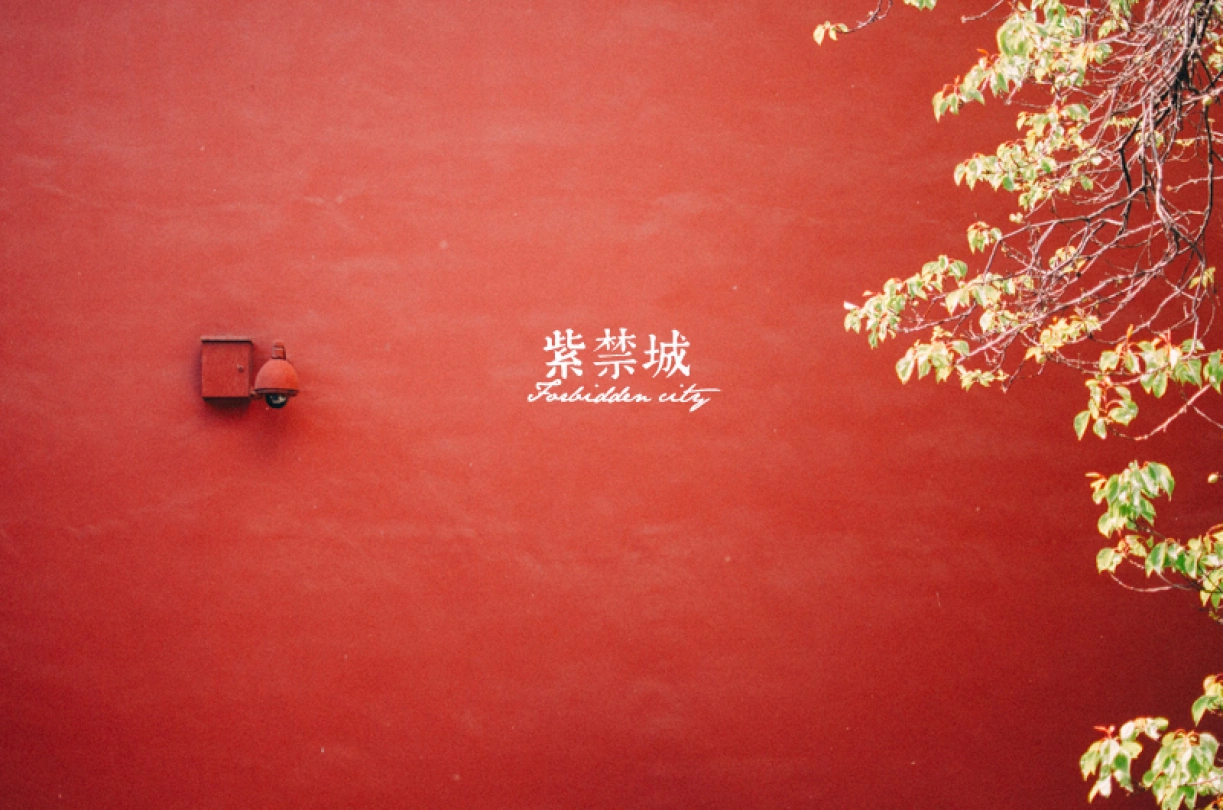
Strolling Through Fragrant Beijing: The Imperial City of Crimson Walls and Azure Tiles – A Complete Travel Guide
Meta Description: Explore Beijing's Forbidden City, Temple of Heaven & hidden hutongs in this SEO-optimized travel guide. Walk 60km through crimson walls & azure tiles with insider photography tips. Plan your imperial city adventure today. "My Beijing City" plays on repeat as I write this—the…
Continue reading...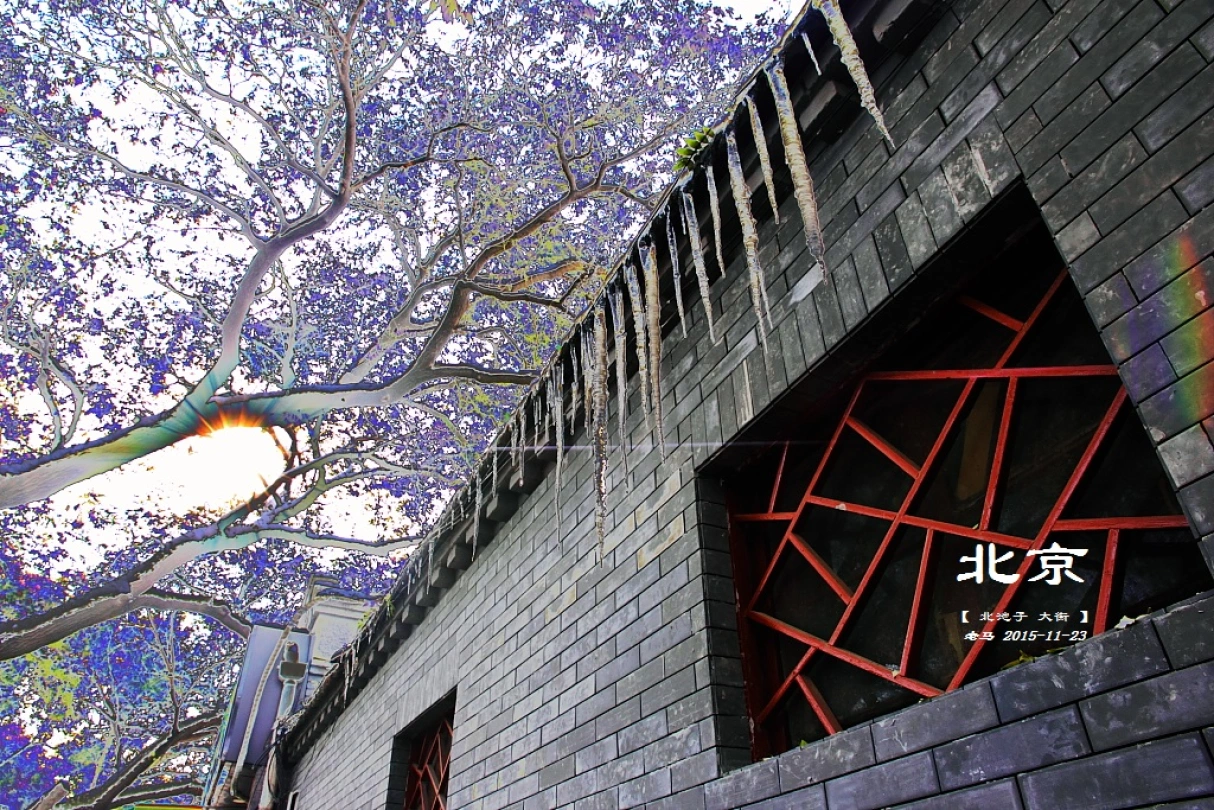
Beijing: From Deep Autumn to Early Winter – Discover Hidden Seasonal Beauty in China's Capital
Meta Description: Explore Beijing's transition from autumn to winter through personal stories and hidden gems. Discover Western Hills sunrises, Forbidden City snow scenes, and authentic hutong experiences in this SEO-optimized travel guide. Beijing isn't just a city of history and politics—it's a living, breathing entity…
Continue reading...
Four Days, Three Nights in Beijing: A Super Practical Self-Guided Travel Guide (Including Food, Stay, and Transport Tips)
Here is the SEO-optimized, rewritten version of your article, structured for maximum search visibility and reader engagement. SEO Title: 4 Days 3 Nights in Beijing: The Ultimate Self-Guided Travel Guide (Food, Stay & Transport) Meta Description (160 chars): Plan the perfect 4-day Beijing itinerary. From…
Continue reading...