The Silent Beauty of the Forbidden City: How Capacity Limits Reveal the True Face of a 600-Year-Old Imperial Palace
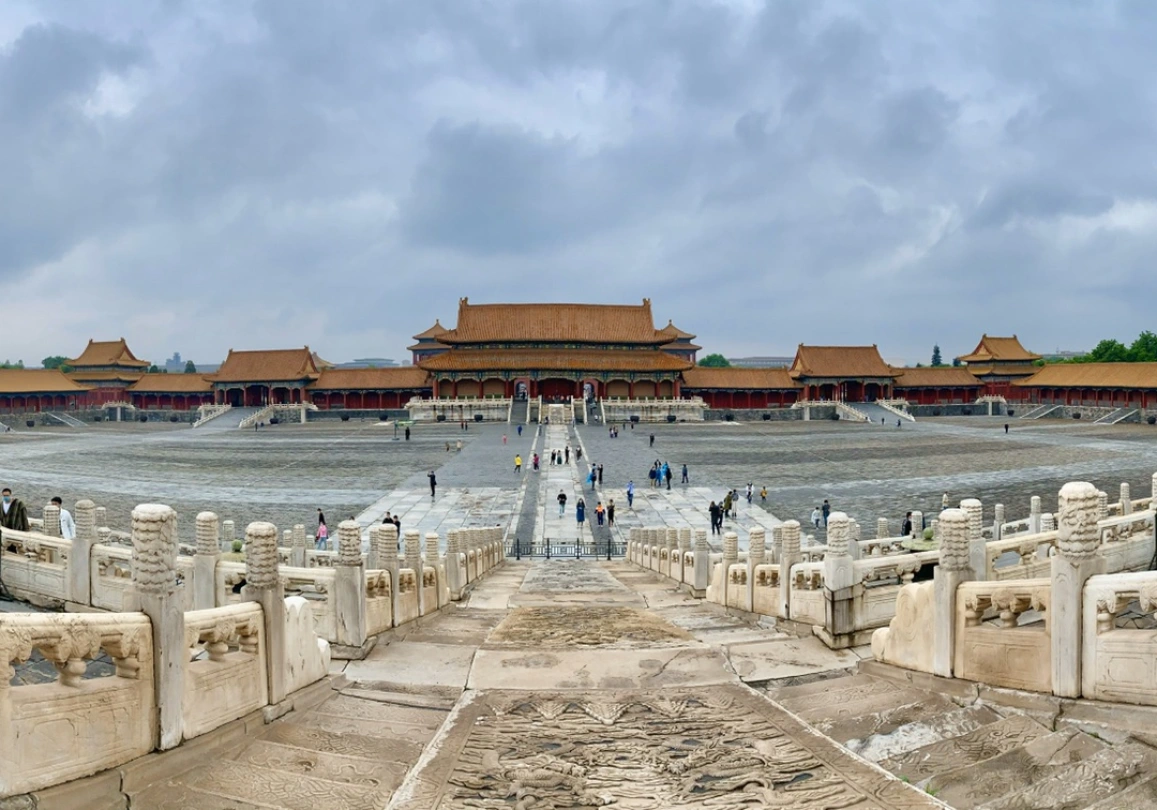
Meta Description: Discover the Forbidden City like never before. With daily visitor caps reduced from 80,000 to 5,000, this 600-year-old imperial palace reveals hidden details, ancient drainage secrets, and rare tranquility. Plan your peaceful visit now.
Introduction: Rediscovering the Forbidden City After Two Decades
As a mother who despises crowds, avoids palace intrigue dramas, and dreads taking children to packed tourist attractions, I never imagined I would step foot in the Forbidden City twice within two weeks. The last time I visited alone was right after junior high school graduation. For over two decades, this imperial palace was merely a landmark on Beijing's map to me.
Everything changed when my second-grade son brought home a reading assignment—Beijing: A City on the Central Axis—and his teacher recommended the documentary series The Forbidden City 100 as supplementary material.
This 100-episode documentary, each episode only six minutes long, became the key unlocking the 600-year-old secrets of the Purple Forbidden City. From cosmology to architectural aesthetics, from artisan spirit to historical transformations, I initially planned to screen just a few episodes for my child—but I found myself utterly captivated first.
Then came the news: after the pandemic, the Forbidden City would reopen with a daily visitor cap of 5,000. My best friend, who scouted ahead, exclaimed, "I've never seen the Forbidden City so empty!"
I immediately booked the earliest available weekday tickets online and visited with my eldest son. Then I snagged family tickets for the weekend ten days later. Two visits in half a month—each time, I rediscovered this familiar yet unfamiliar imperial city.
The Forbidden City After Capacity Limits: Finally, a Chance to See It Properly
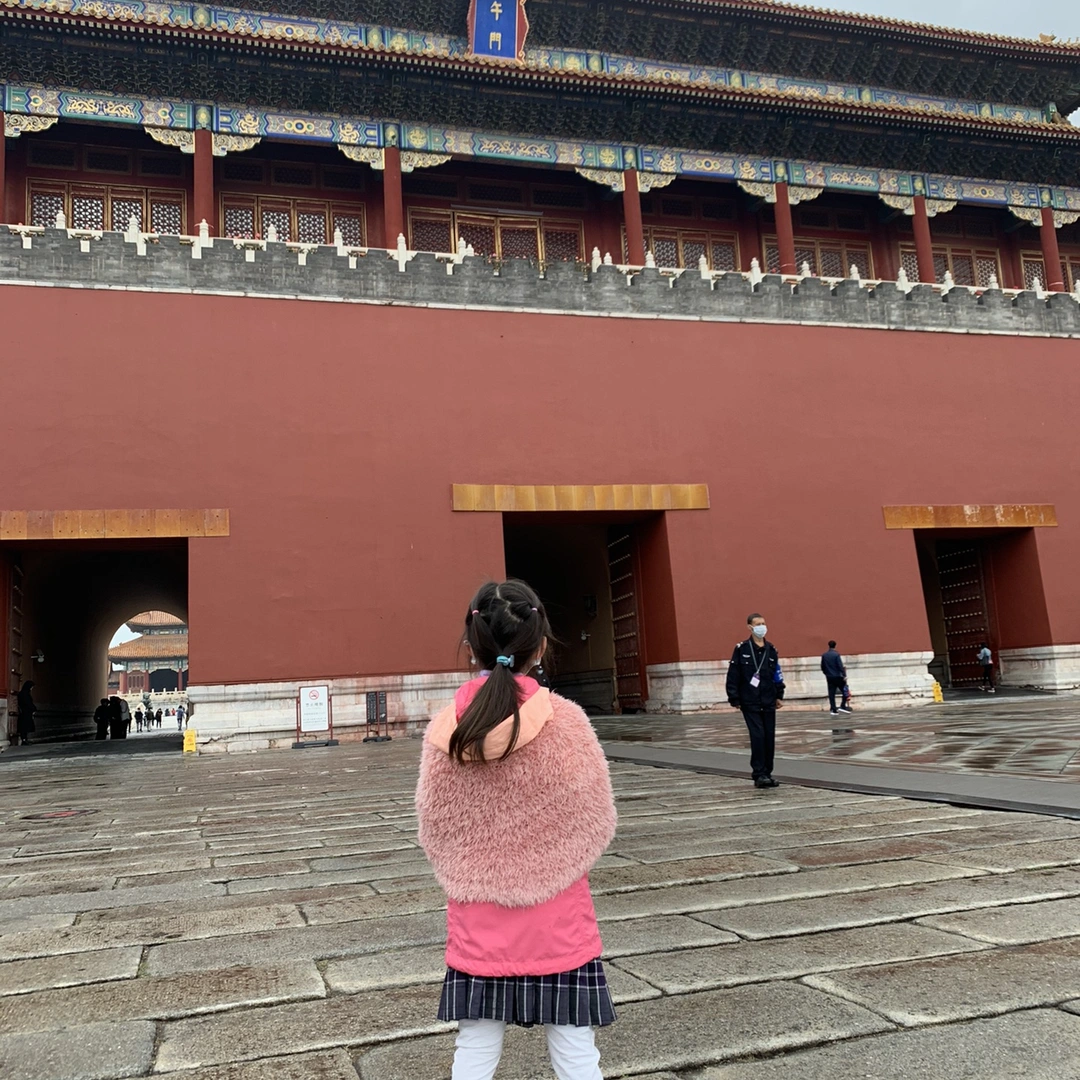
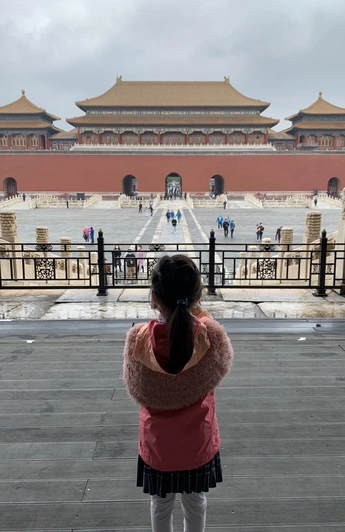
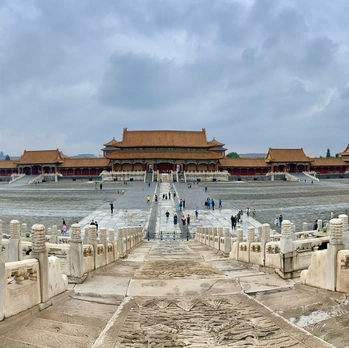
When the daily visitor cap plummeted from 80,000 to 5,000, the Forbidden City revealed a tranquility unseen for centuries. The Hall of Supreme Harmony square felt eerily vast. The plaque outside the Meridian Gate could be photographed without jostling. The imperial walkway along the central axis was yours to stroll freely. The cloud-and-dragon marble carving, once surrounded by layers of people, could finally be examined up close.
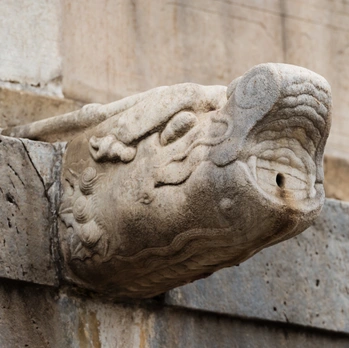
This emptiness offered more than just photo opportunities—it enabled deep exploration. Armed with knowledge from the documentary, I found the water-spouting grooves on the Sumeru platform, identified the unique ridge beast "Xingshi" on the Hall of Supreme Harmony, admired the dazzling gold-leaf painted decorations after renovation, and even discovered the lions in the front courtyard with upright ears and glaring eyes, while those in the rear palace had drooping ears and half-closed eyes. There was also the remnant arrow still embedded in the plaque of the Gate of Military Prowess. These details were simply invisible in the usual sea of humanity.
Why Capacity Limits Matter for Your Visit
The reduced visitor cap transforms the Forbidden City from a crowded tourist trap into a serene historical sanctuary. With only 5,000 daily visitors instead of 80,000, you can:
- Photograph without crowds at iconic spots like the Meridian Gate and Hall of Supreme Harmony
- Examine architectural details up close, including chi-head spouts and ridge beasts
- Walk the central axis without being jostled
- Absorb the atmosphere of a 600-year-old imperial palace in near-silence
Practical Information: How to Book This "Peaceful Journey"
Forbidden City Ticket Booking Tips
Booking Method: Reserve tickets through the Forbidden City's official website. Tickets are released at midnight ten days in advance. Weekend tickets usually sell out within one to two days, so book exactly ten days ahead. Weekday tickets can be reserved one to two days in advance. The palace is closed on Mondays. Payment must be made online, and cancellations are allowed before 8:00 PM on the day of the visit.
Health Code: All visitors (including children with free tickets) must generate a health code through the Beijing Health Kit app. You can use the "Check Health Status for Others" function to register for your child.
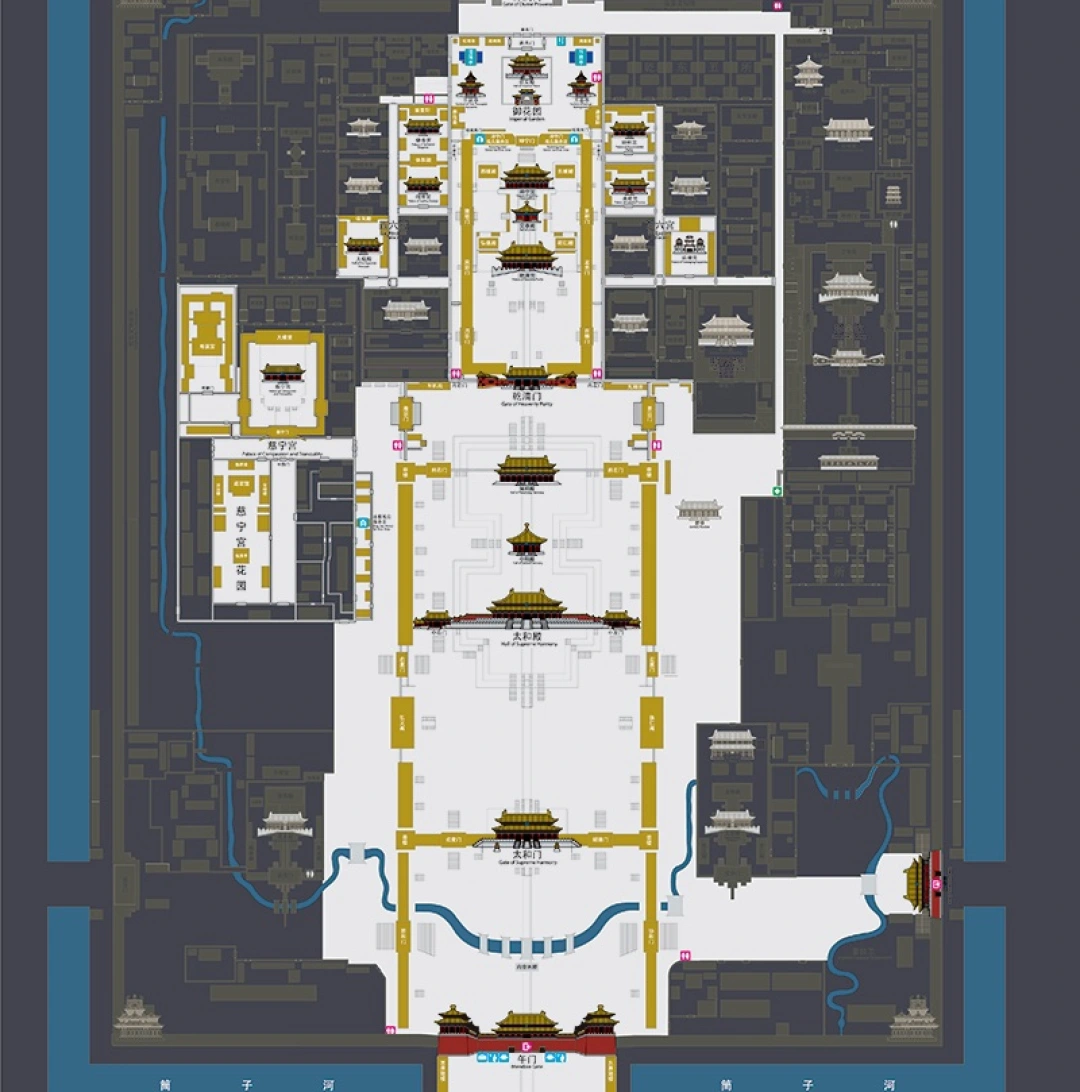
Suggested Route: Get off near the Donghuamen (East Glorious Gate), then walk along the road between the city wall and the moat to the Meridian Gate. First, go through health code verification at the southwest side pre-screening area, activate your ID card, then enter through the ticket-checking gates on either side of the Meridian Gate using your ID card.
Open Areas: The entire central axis is open. Three of the six eastern and western palaces are open. On the southwest side, the Palace of Compassion and Tranquility, its garden, and the Palace of Longevity and Health are accessible. On the southeast side, from outside the six eastern palaces to the Archery Pavilion, the Hall of Literary Profundity, and the Hall of Literary Brilliance, ending at the Donghuamen exit. Indoor venues (Clock and Watch Gallery, Treasure Gallery, etc.), bookstores, souvenir shops, and restaurants remain closed. The Ice Cellar only sells water, popsicles, and potato chips. Souvenirs can be purchased at the entrance of the Imperial Garden cultural products store, but the store itself is off-limits.
What to Bring for Your Forbidden City Visit

- Valid ID (passport for international visitors)
- Printed or digital health code
- Comfortable walking shoes (the palace complex is massive)
- Water and snacks (limited food options inside)
- Camera for those rare empty-shot opportunities
[Link: Forbidden City official ticket booking guide]
The Outer Court Central Axis: The Hidden World of the Three Great Halls
The Meridian Gate and the Imperial Walkway: From "Sea of People" to "Deserted"
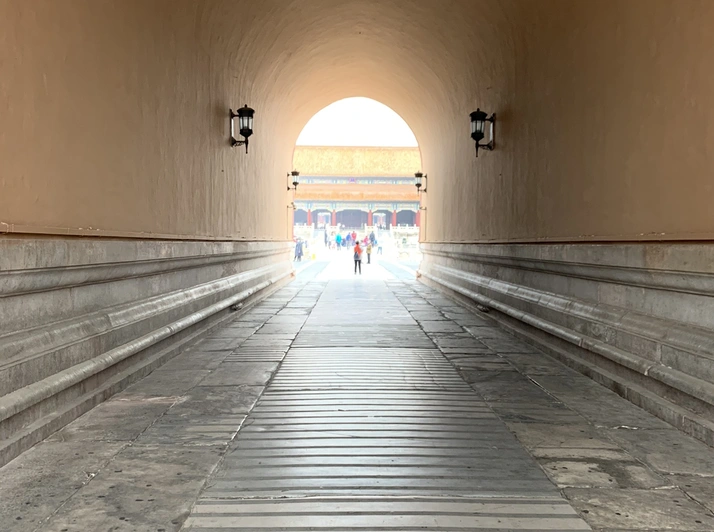
What does a daily limit of 5,000 visitors mean for the Forbidden City? The answer: an eerily empty, chilly atmosphere. The imperial walkway through the center of the Meridian Gate felt so vacant it seemed unreal. Looking back at the Meridian Gate from the Gate of Supreme Harmony, the "three visible gates, five actual gates" structure was strikingly clear—the two side gates were closed, opening inward from the corners of the eastern and western "goose wing" towers flanking the Meridian Gate, hence their name "side gates."
This architectural marvel, normally obscured by crowds, becomes fully visible when capacity is limited. The five-gate design was a symbol of imperial authority, with each gate reserved for specific ranks and occasions.
The Sumeru Platform: A Union of Power and Ingenuity
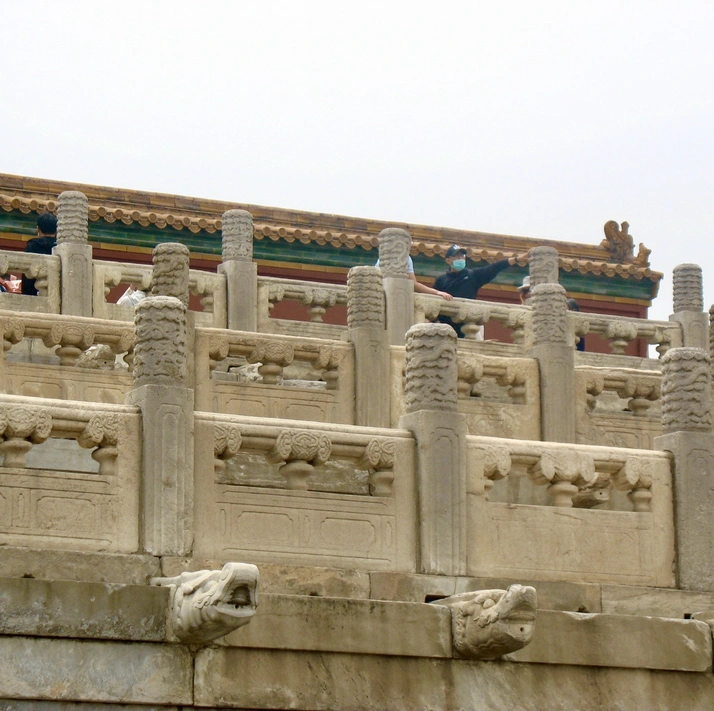
The three great halls of the outer court sit atop a three-tiered Sumeru platform. From a map view, this platform resembles a character for "earth" (土) pointing south. At the tip of this "earth" shape sit two measuring instruments: the sundial on the left (setting standard time) and the standard grain measure on the right (setting standard space). In ancient times, there was no bureau of standards—releasing the standards for time and space was a symbol of national authority. Legend has it that before Emperor Kangxi overthrew Oboi, he gained public support through more accurate timekeeping methods.
Even more astonishing, the Sumeru platform functions as a massive water mechanism. Around the three-tiered base are thousands of protruding chi-head spouts, each with a hole about one centimeter in diameter connected to the platform's interior drainage. During heavy rain, the spectacle of a thousand dragons spouting water appears, perfectly solving drainage problems. This blend of practicality, aesthetics, and playfulness is a testament to ancient ingenuity.
Standing on the Sumeru platform also offers excellent views. Walking down from the west side, passing the Hall of Preserving Harmony through a side gate, a strikingly different building suddenly appears in the northwest corner—the Rain Flower Pavilion. Built during the Qianlong era as a Tibetan Buddhist hall modeled after Tibetan city temples, it has three visible stories but four interior levels, housing statues representing the four levels of exoteric and esoteric Gelugpa Buddhist practice. The blue eaves, rounded roof ridges, and dragons perched on the ridge are extremely rare elements in the Forbidden City.
The Cloud-and-Dragon Marble Carving: An Exclamation Mark on the Central Axis
Behind the Hall of Preserving Harmony lies the largest single stone component in the Forbidden City, quarried from the Fangshan quarry. During deep winter, workers dug wells along the route, poured water on the road to create an ice path for transporting the massive stone, yet it still took a month to reach the construction site. Now, I could finally photograph the intricate carvings clearly, rather than catching fleeting glimpses through gaps in the crowd.
[Link: Ancient Chinese architectural techniques]
The Secrets of the Ridge Beasts: From "Too Many to Count" to "Too Many to Identify"
The Mystery of the Eleven Beasts on the Hall of Supreme Harmony
Many people believe there are nine mythical beasts on the ridge of the Hall of Supreme Harmony, but the actual number is eleven. Two factors cause this confusion: first, the "Riding Immortal" figure leads the procession but isn't counted among the beasts; second, the Hall of Supreme Harmony is the only building in China with eleven ridge beasts—a privilege reserved for the highest imperial authority.
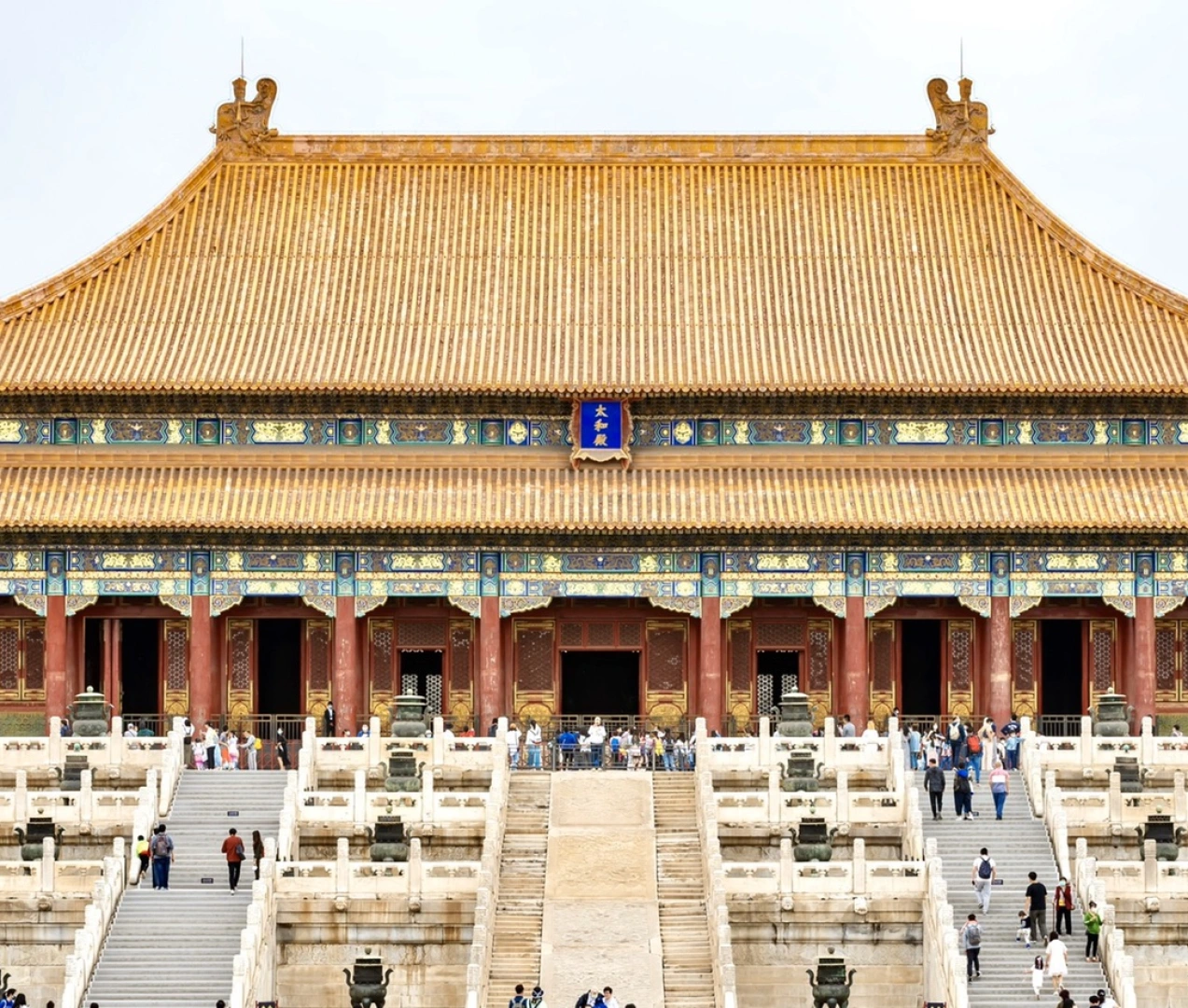
These ridge beasts are not merely decorative. Each carries symbolic meaning:
- Xingshi (the "Riding Immortal"): Represents the emperor's journey toward immortality
- Dragon: Symbolizes imperial power and good fortune
- Phoenix: Represents virtue and grace
- Lion: Guards against evil spirits
- Heavenly Horse: Carries the emperor to heaven
- Sea Horse: Represents the emperor's naval power
- Suan Ni: Mythical lion-like creature that can eat tigers and leopards
- Xie Zhi: Justice beast that can distinguish truth from lies
- Dou Niu: Dragon-like creature that controls floods
- Xingshi (the eleventh beast): Unique to the Hall of Supreme Harmony
With reduced crowds, you can count these beasts yourself using binoculars or a zoom lens—an experience impossible during peak season.
Forbidden City FAQ: Everything You Need to Know Before You Go
1. How do I book Forbidden City tickets with the new capacity limits?
Tickets are released at midnight, ten days in advance on the official website. Weekend tickets sell out within 1-2 days, so book exactly ten days ahead. Weekday tickets can be reserved 1-2 days in advance. The palace is closed on Mondays. All payments must be made online.
2. What areas of the Forbidden City are open during the capacity limit period?
The entire central axis is open. Three of the six eastern and western palaces are accessible. On the southwest side, the Palace of Compassion and Tranquility, its garden, and the Palace of Longevity and Health are open. Indoor venues like the Clock and Watch Gallery, Treasure Gallery, bookstores, souvenir shops, and restaurants remain closed.
3. Can I bring my children, and do they need tickets?
Yes, children are welcome. All visitors, including children with free tickets, must generate a health code through the Beijing Health Kit app. Use the "Check Health Status for Others" function to register for your child.
4. What is the best route for a peaceful Forbidden City visit?
Get off near the Donghuamen (East Glorious Gate), walk along the road between the city wall and the moat to the Meridian Gate. Go through health code verification at the southwest side pre-screening area, activate your ID card, then enter through the ticket-checking gates. This route minimizes crowds and maximizes your time.
5. What should I bring for a comfortable visit?
Bring your ID, printed or digital health code, comfortable walking shoes, water, snacks (limited food options inside), and a camera for those rare empty-shot opportunities.
Conclusion: Experience the Forbidden City Like Never Before
The Forbidden City's capacity limits have transformed this 600-year-old imperial palace into a sanctuary of silence and discovery. From the hidden drainage system of the Sumeru platform to the eleven ridge beasts on the Hall of Supreme Harmony, every detail becomes visible when crowds disappear.
If you've ever dreamed of walking through the Forbidden City without elbowing through tourists, now is your chance. Book your tickets early, prepare your health code, and prepare for an experience that reveals the true face of one of the world's greatest architectural wonders.
Ready to plan your peaceful Forbidden City visit? Start your ticket booking today and discover the silent beauty that has been hidden for centuries.
[Link: Forbidden City official website] [Link: Beijing travel guide for families] [Link: Top 10 things to see in the Forbidden City]
Have you visited the Forbidden City during the capacity limit period? Share your experience in the comments below or tag us in your photos using #SilentForbiddenCity.
You should also read:
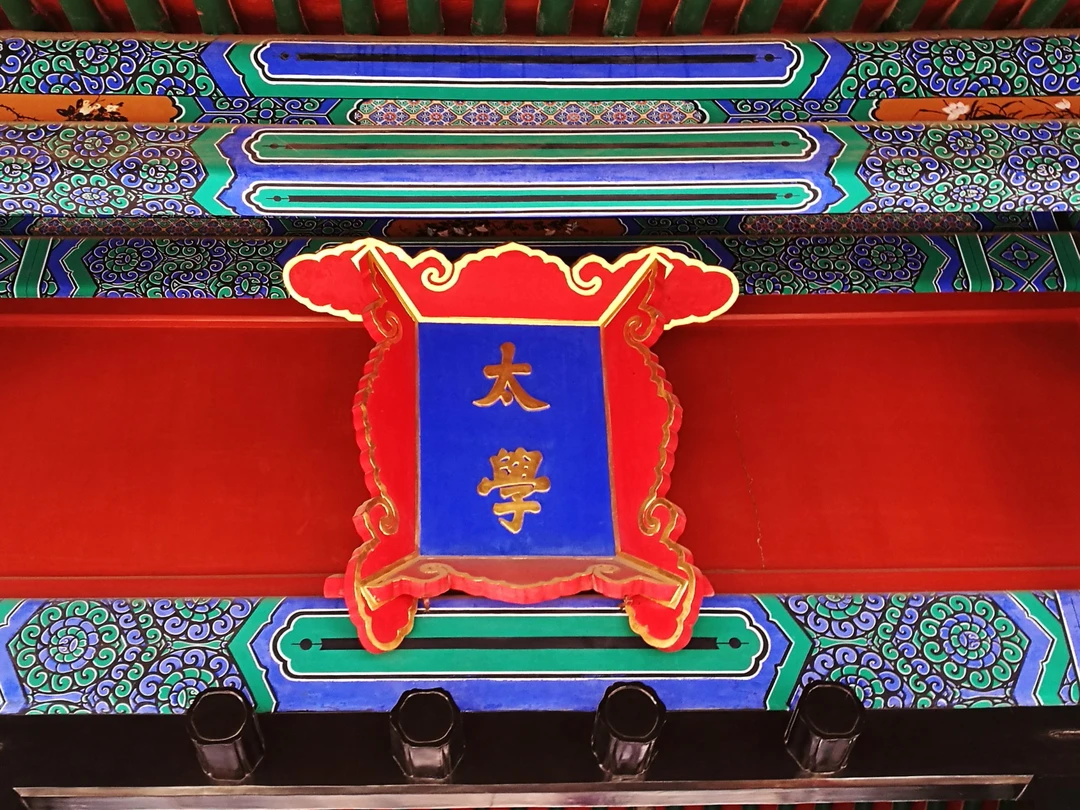
The Imperial College (Guozijian): Beijing's Ancient "Central University" & Confucius Temple Guide
Meta Description: Discover the Beijing Imperial College (Guozijian) and Confucius Temple – ancient China's highest learning institution. Explore 700-year-old stelae, the Treachery-Exposing Cypress, and Qianlong Stone Classics. Plan your cultural pilgrimage with our complete guide. Beijing has always been more than a capital – it's…
Continue reading...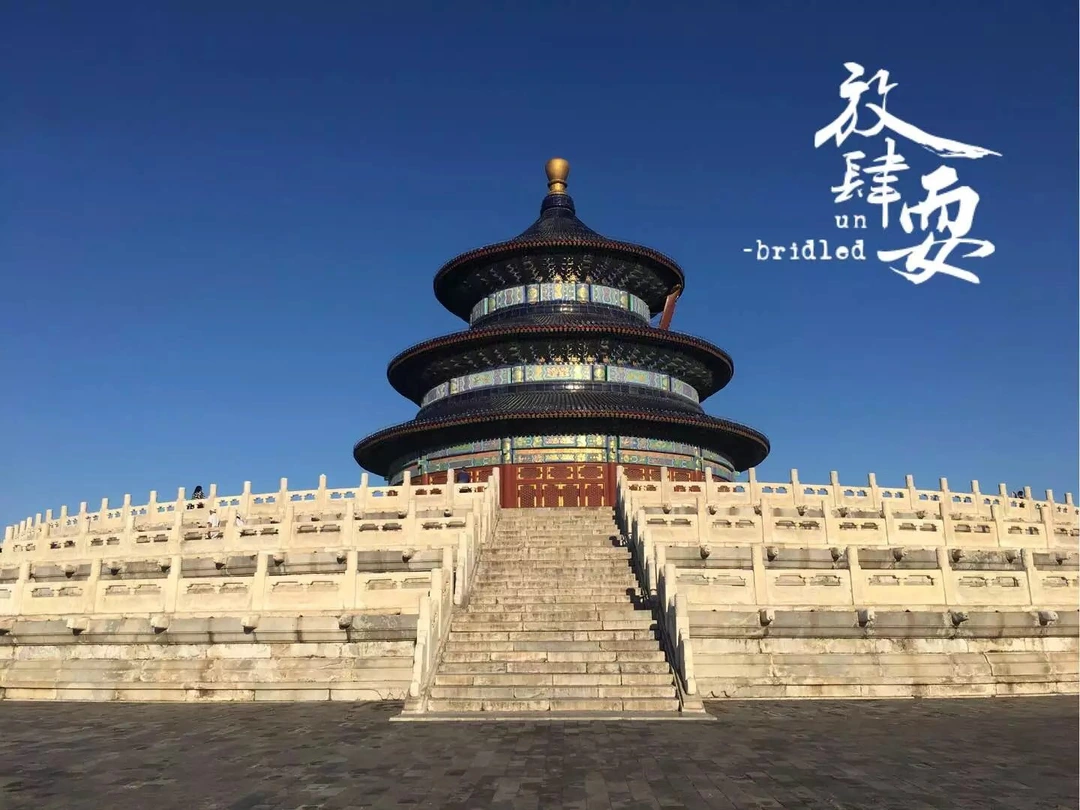
Early Autumn at the Foot of the Imperial City: Slow Travel Notes from Beijing, Chengde, and Tianjin
Meta Description: Discover slow travel in early autumn through Beijing, Chengde, and Tianjin. Expert tips on high-speed rail, Beijing Yikatong, budget accommodation near Qianmen, and hidden gems. Perfect for first-time visitors and family trips. Early autumn in northern China brings crisp air, golden sunlight, and…
Continue reading...
Three Days and Two Nights in Beijing: A Student’s Spring Travel Guide to the Imperial City
Meta Description: Discover Beijing on a student budget with this 3-day spring itinerary. From the Forbidden City to the Temple of Heaven, experience history, culture, and unexpected blue skies. Perfect for solo travelers. There are places you always think you can visit “someday”—until someday finally…
Continue reading...