The Ultimate Guide to Beijing Booking Battles: Navigating Non-Red-Leaf Season Travel
Meta Description: Planning a Beijing trip during non-red-leaf season? Discover insider tips for booking the Forbidden City, Great Wall, and more. Learn how to win the reservation war and explore hidden gems. (158 characters)
Introduction: Why Beijing's Booking System Is Your Biggest Challenge
Beijing in autumn should be a dream—crisp air, golden sunlight, and the promise of fiery red leaves. But when I embarked on an eight-day trip with my parents, I quickly discovered the real battle wasn't chasing autumn foliage. It was conquering the invisible wall of online reservation systems that guard the capital's most iconic attractions.
If you're planning a Beijing non-red-leaf season trip, you need more than a train ticket and hotel booking. The city's unique reservation ecosystem can make or break your itinerary. This guide will help you navigate the chaos, save money, and discover underrated gems—even when the leaves haven't turned.
H2: The Pre-Trip "War": Mastering Beijing's Online Reservation System
H3: Why Beijing's Booking System Is Different
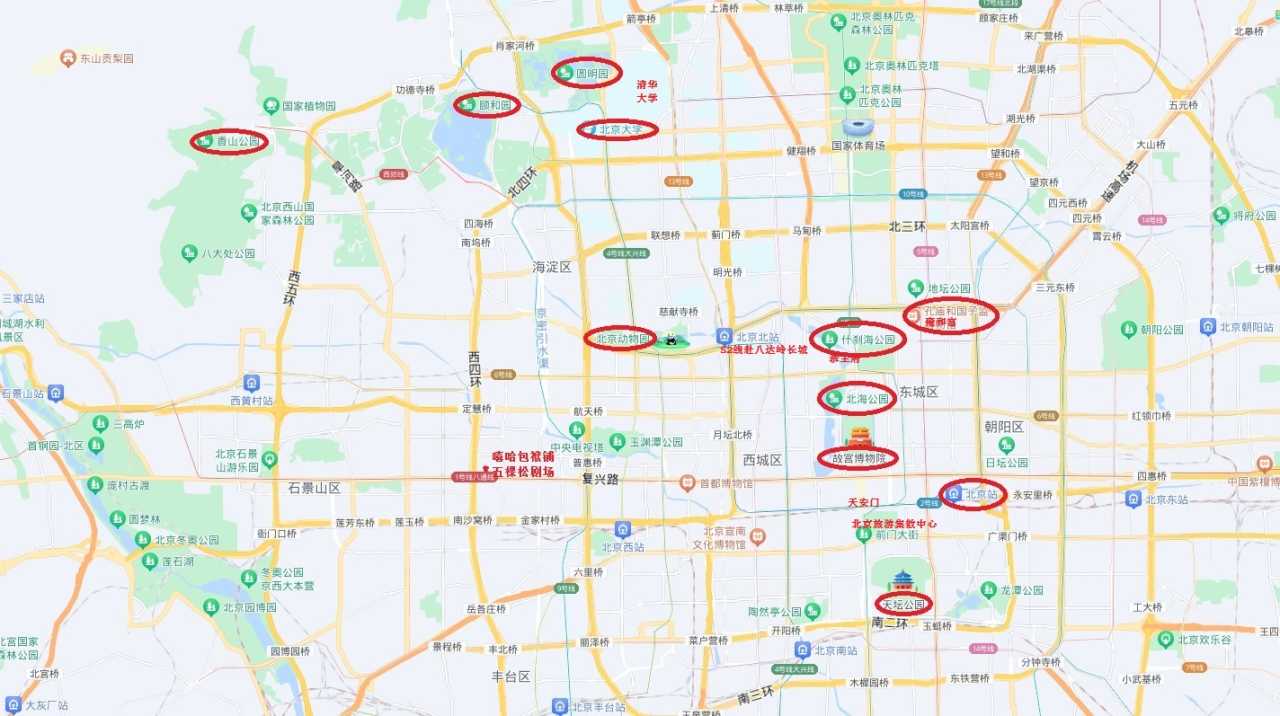
Beijing's major attractions operate on a strict online reservation system that feels more like a lottery than a travel plan. The Forbidden City, Tiananmen Rostrum, Chairman Mao Memorial Hall, and National Museum of China all require advance bookings—often weeks ahead. During non-peak foliage season, competition remains fierce because demand never truly drops.
H3: Insider Tricks for Winning the Booking Battle
I created a detailed spreadsheet with alarms for each attraction's ticket-release time. Here's what I learned:
- Forbidden City tickets: Check back every few days after the initial release—occasionally, hundreds of tickets reappear like ghosts.
- Tiananmen Rostrum & Chairman Mao Memorial Hall: These sell out in seconds. Even clicking at the exact minute often shows "Fully Booked."
- Great Hall of the People: Surprisingly easy to book because it offers poor value for money, so fewer people compete.
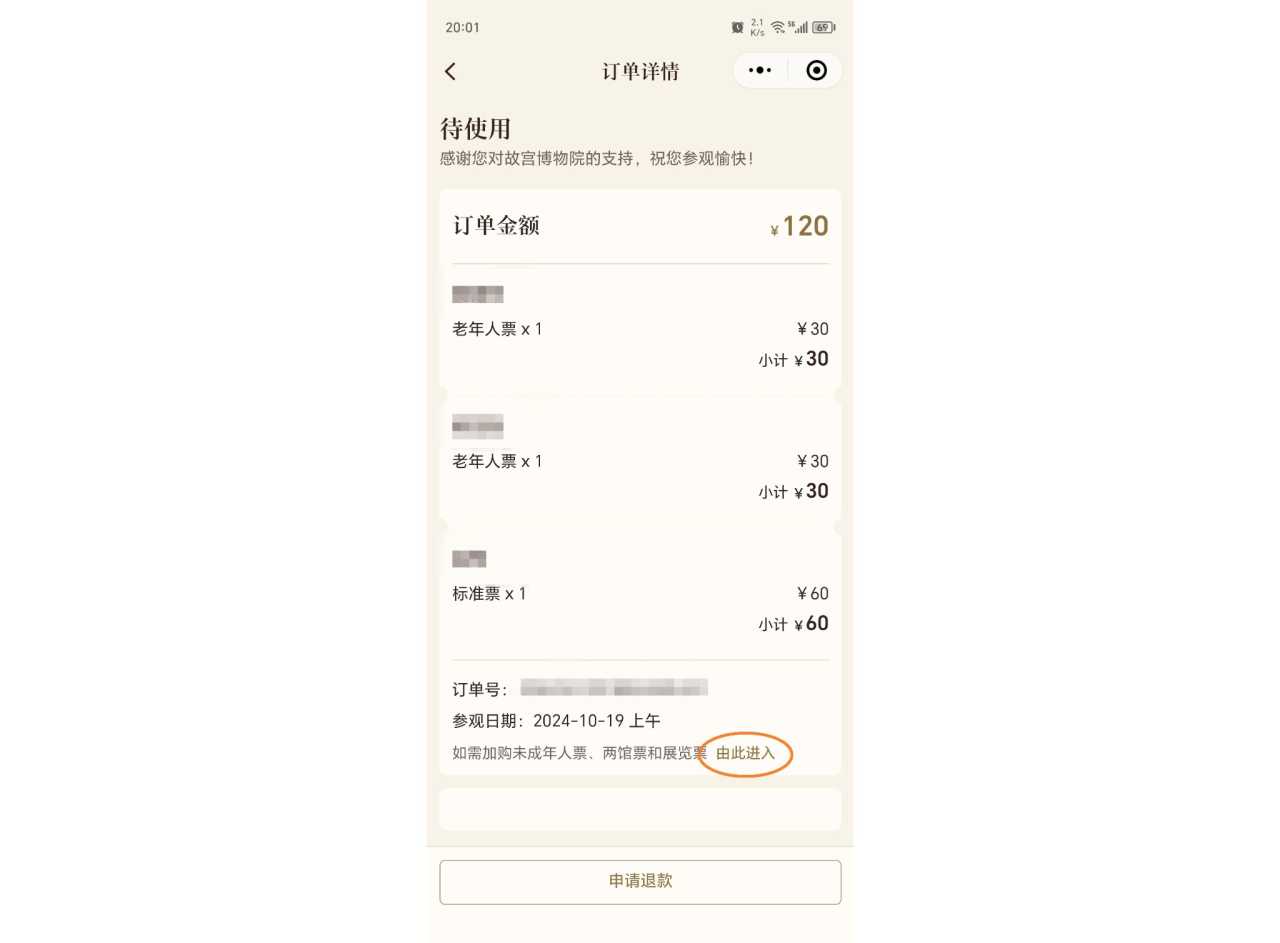
- Confucius Temple & Imperial College: Free admission for the first 300 visitors every Wednesday. Log in on time, and you can snag a spot instantly.
H3: Transportation Tips for a Smooth Beijing Trip
I chose a sleeper train from Shanghai Station to Beijing Station, departing around 7 p.m. and arriving after a good night's sleep. This allowed me to avoid missing Friday's work or Monday's schedule. However, note that bullet trains are louder than old green trains—light sleepers should pack earplugs.
H2: Day One: Imperial Ancestral Temple & Forbidden City—Crowds and Hidden Gems
H3: The Imperial Ancestral Temple (Taimiao): Beijing's Underrated Gem
At 7:52 a.m., we stepped out of Beijing Station to a sky of blue and white clouds. Taking Bus 52 to Tiananmen East, we walked against the tide of tourists heading toward the Forbidden City, turning instead to the Beijing Workers' Cultural Palace—better known as the Imperial Ancestral Temple.
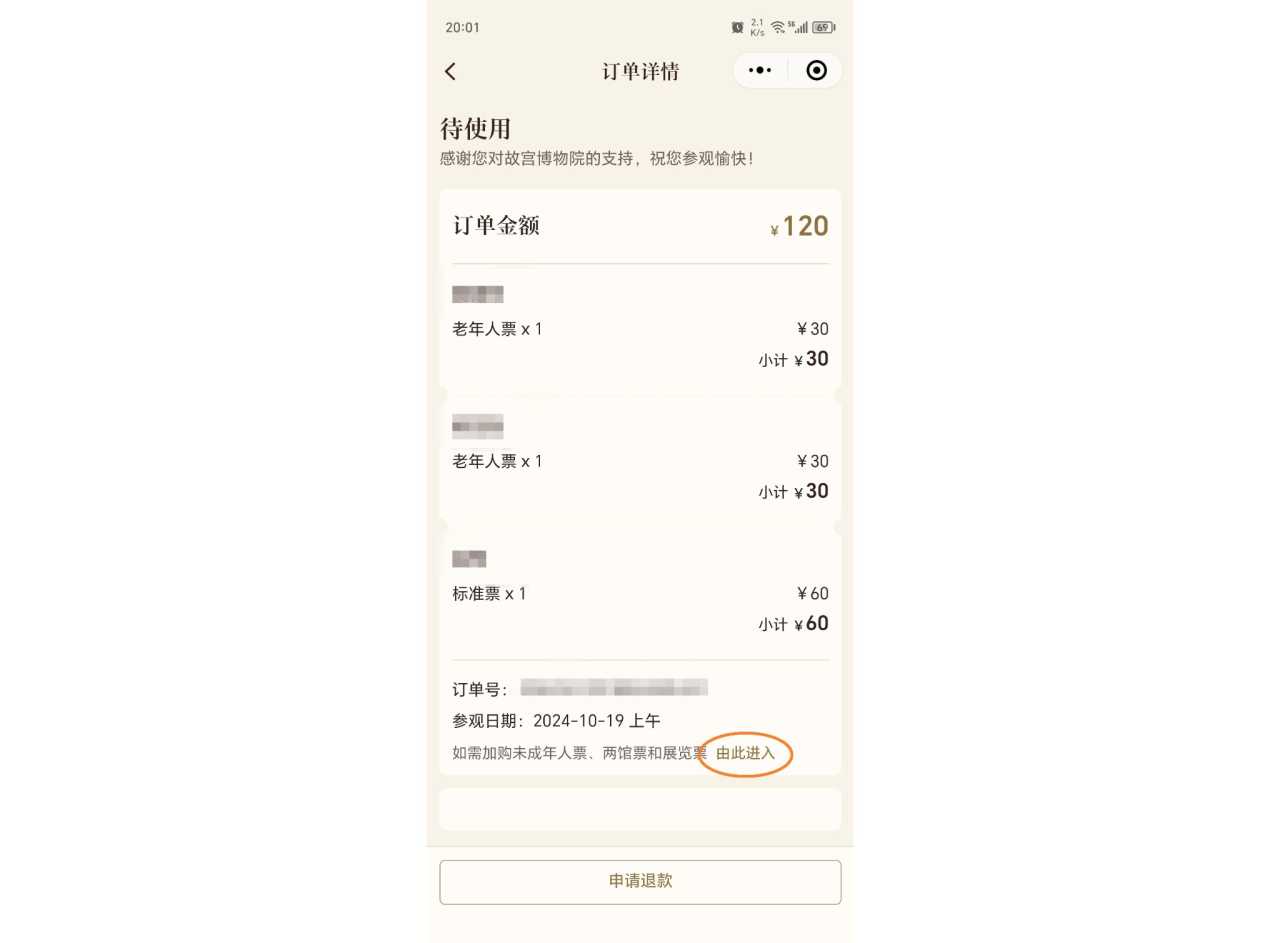
Located southeast of the Forbidden City, this temple sits symmetrically with the Altar of Land and Grain along the central axis. Once the holiest state sacrificial site of the Ming and Qing dynasties, it now serves as a cultural palace for workers. At ¥15 for a combo ticket (free for seniors with ID), it's incredible value.
What to see: - "Prince's Forest" —ancient cypress trees planted haphazardly by generations of princes - Main hall —red walls and golden tiles against a blue sky - "China Peace Bells" —chime bells arranged in descending order - Golden nanmu wood columns —protected by coverings; touching them invites reprimands
Money-saving tip: Buy the ¥2 ticket. You can't enter the main hall, but you can explore the rear hall, side halls, and white marble balustrades. The rear hall hosts an exhibition of Beijing workers' art, while the side halls display calligraphy and paintings. For photos, this place is far less crowded than the Forbidden City.
H3: The Forbidden City: A Tug-of-War with the Masses
We entered the Forbidden City through the Imperial Ancestral Temple's west gate. After storing bags and renting electronic audio guides (¥20 each), I realized these guides are not great—they keep falling off, hurt your ears, and only play each point once. Bring your own earphones or use a smartphone guide.
Key highlights: - Hall of Supreme Harmony —the sundial cast no shadow, and bronze cranes looked lifeless, but history feels palpable - Gilded bronze vats —tarnished from scratching (some blame tourists, others the Eight-Nation Alliance) - Hall of Treasures —the crown jewel of the Forbidden City
Hall of Treasures must-sees: - Nine-Dragon Wall —29.4 meters long, made of 270 glazed tiles, each dragon in a different pose - White jade carving —a lady under a parasol, crafted from leftover jade - Gold-thread crown —inlaid with pearls and precious stones - Phoenix crown —adorned with kingfisher feathers, pearls, and gems (over 5,000 pearls and 100 gems) - Gold celestial globe —studded with 3,242 pearls representing stars
Warning: The lighting in the Hall of Treasures is terribly dim. There's not even a floor-level light strip—it's so dark you dare not move your feet.
H2: Day Two: Yuanmingyuan to Peking University—Dealing with Unexpected Cancellations

Our plan was to visit Yuanmingyuan (the Old Summer Palace) and Peking University, but the university suddenly announced "major events on campus; reservations suspended." Tsinghua University, though close by, lost its appeal given the saying that it "trains talent for America." So we switched to Yuanmingyuan.
Best part: The Western Mansions area is the only part truly worth seeing; time is ample. The ruins silently narrate a century of humiliation. Standing before the Great Fountain site, imagining the splendor of the "Garden of Gardens" and contrasting it with the rubble before me, I felt a mix of emotions.
H2: Day Three: The Great Wall Dilemma—Badaling vs. Mutianyu
The Great Wall was a flexible part of the itinerary. Badaling tickets aren't hard to get, but train tickets are—either available a week later or snapped up instantly. The return trip to Qinghe Station lets you metro to the Olympic Sports Center to see the Bird's Nest.
Badaling vs. Mutianyu: - Mutianyu: Defensive crenellations on both sides, less crowded, spectacular mountain views - Badaling: Crenellations on one side only, more crowded, harder train tickets
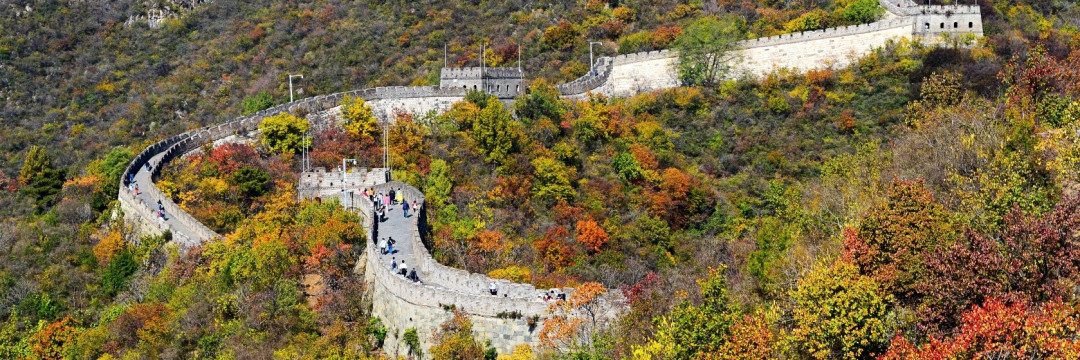
Because I snagged free tickets to the Confucius Temple, I chose Mutianyu. It proved a wise choice—Mutianyu was less crowded, and the wall snaking through the mountains offered spectacular views.
H2: Day Four: Confucius Temple and Imperial College—Wednesday's Freebie

The Confucius Temple and Imperial College offer free admission to the first 300 visitors every Wednesday. This is a hidden gem for budget travelers during Beijing's non-red-leaf season. The complex showcases traditional Chinese architecture and scholarly history, making it a peaceful alternative to overcrowded attractions.
H2: FAQ: Your Beijing Booking Questions Answered
Q1: How far in advance should I book Beijing attractions?
Most major attractions release tickets 7-14 days ahead. The Forbidden City often sells out within hours, so book as soon as tickets go live. For the Great Wall, book train tickets 2-3 weeks in advance.
Q2: Can I visit the Forbidden City without a reservation?
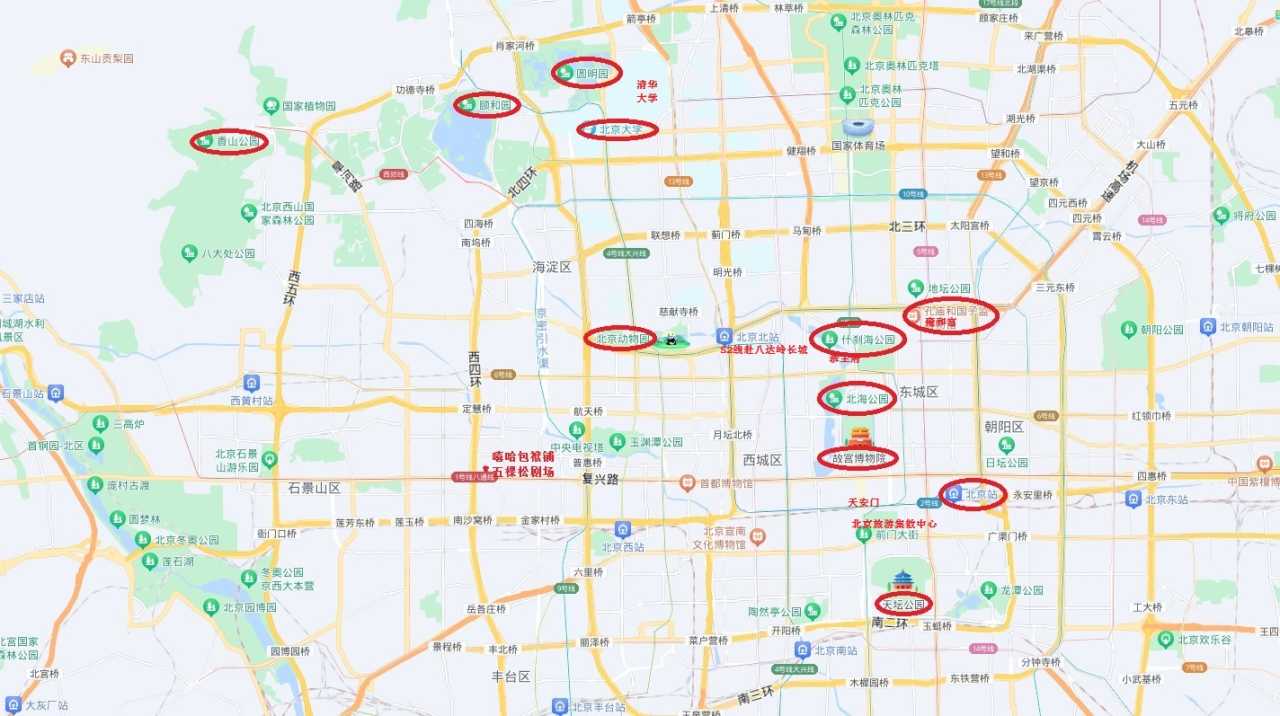 No. The Forbidden City requires a timed-entry reservation with a valid passport or ID. Walk-up tickets are not available.
Q3: What's the best time to visit Beijing to avoid crowds?
Late October to early November (non-red-leaf season) offers thinner crowds. Weekdays are significantly less busy than weekends. Avoid Chinese national holidays (October 1-7, Labor Day, Spring Festival).
Q4: Are there any free attractions in Beijing?
Yes! The Confucius Temple and Imperial College offer free admission every Wednesday (first 300 visitors). The Imperial Ancestral Temple's ¥2 ticket grants access to the grounds. Many parks and temples offer free or low-cost entry.
Q5: How do I book the Great Wall?
For Badaling, book train tickets via 12306.cn. For Mutianyu, book bus tours or private transfers. Both require advance reservations, especially during peak seasons.
H2: Internal Linking Suggestions
- [Link: Beijing travel tips for first-time visitors]
- [Link: How to book Forbidden City tickets in 2025]
- [Link: Best budget attractions in Beijing]
- [Link: Great Wall day trip guide: Badaling vs. Mutianyu]
- [Link: Navigating China's online reservation systems]
Conclusion: Your Beijing Adventure Awaits—Start Booking Now
Beijing during non-red-leaf season offers a unique opportunity to explore the capital without the peak-season crowds—if you can master the booking system. From the Imperial Ancestral Temple's hidden beauty to the Forbidden City's treasures, from Yuanmingyuan's poignant ruins to Mutianyu's serene Great Wall, the city rewards those who plan ahead.
Ready to conquer Beijing's booking battles? Start your reservation checklist today. Set your alarms, bookmark the official booking sites, and prepare for an unforgettable journey through China's ancient capital. The leaves may not be red, but the memories will be golden.
Book your Beijing adventure now—before the next batch of tickets disappears!
You should also read:
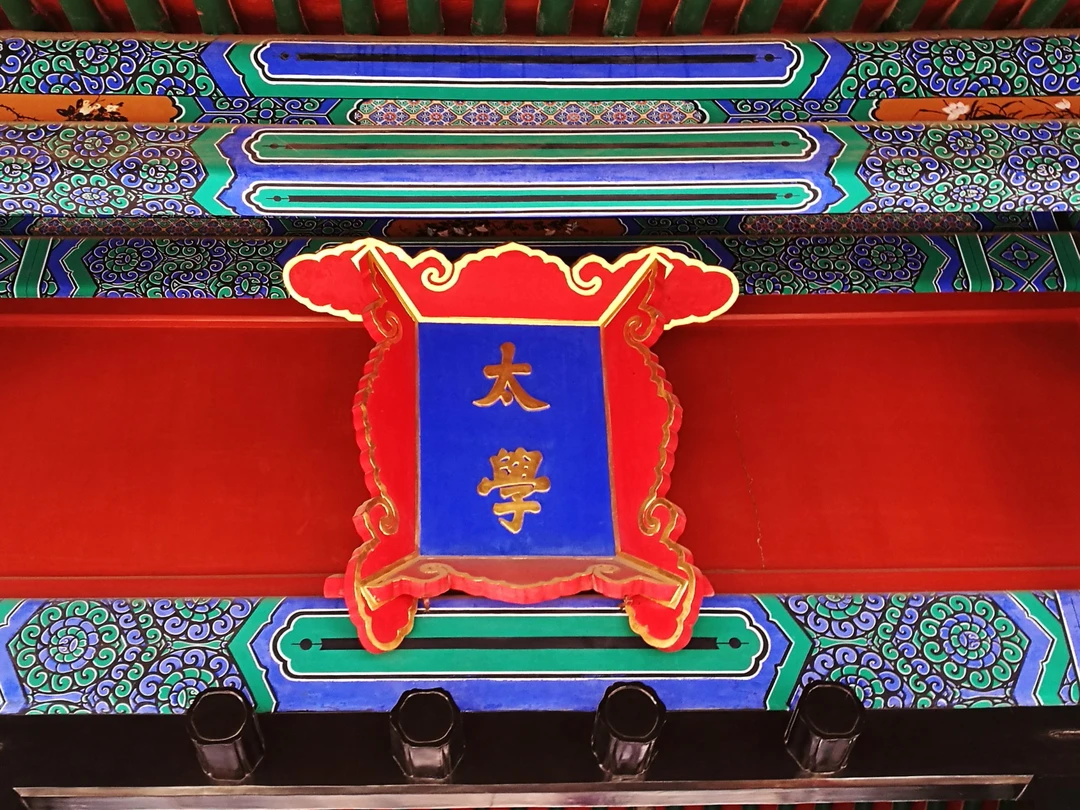
The Imperial College (Guozijian): Beijing's Ancient "Central University" & Confucius Temple Guide
Meta Description: Discover the Beijing Imperial College (Guozijian) and Confucius Temple – ancient China's highest learning institution. Explore 700-year-old stelae, the Treachery-Exposing Cypress, and Qianlong Stone Classics. Plan your cultural pilgrimage with our complete guide. Beijing has always been more than a capital – it's…
Continue reading...
First Visit to Beijing: Living in a Century-Old Courtyard, Being the Forbidden City's Neighbor
Meta Description: Experience Beijing like a local with this first-timer's guide. Stay in a century-old siheyuan near the Forbidden City, explore hutongs, climb the Great Wall, and avoid common tourist pitfalls. Your ultimate Beijing itinerary awaits. I've always believed that the best kind of travel…
Continue reading...
A Pause for Mafengwo: How to Make Honey and Build a Travel Guide Legacy
Meta Description: Discover how one Beijing native turned travel passion into Mafengwo honey, achieving a 62% adoption rate. Learn authentic guide tips, goal-setting strategies, and why a pause isn't the end. I never imagined I would write a "pause" on Mafengwo in this way. This…
Continue reading...