The Ultimate Guide to the Forbidden City: Unlocking 600 Years of Imperial Splendor
Here is the SEO-optimized and rewritten article based on your source material. It is structured to target high-intent keywords, improve readability, and drive user engagement.
SEO Title: The Ultimate Guide to the Forbidden City: Unlocking 600 Years of Imperial Splendor (2025 Visitor Tips)
Meta Description: Planning a visit to the Forbidden City? Discover 600 years of imperial history with our expert guide. Explore the Three Great Halls, hidden treasures, and curated routes for a perfect trip.
The Ultimate Guide to the Forbidden City: Unlocking 600 Years of Imperial Splendor
As someone who has lived in Beijing for over a decade, I firmly believe that if there is one destination in China that everyone must visit in their lifetime, it is the Forbidden City. This sprawling palace complex, which witnessed the reigns of 24 emperors from the Ming and Qing dynasties, is not only a cultural treasure of the Chinese nation but also a living, breathing history book.
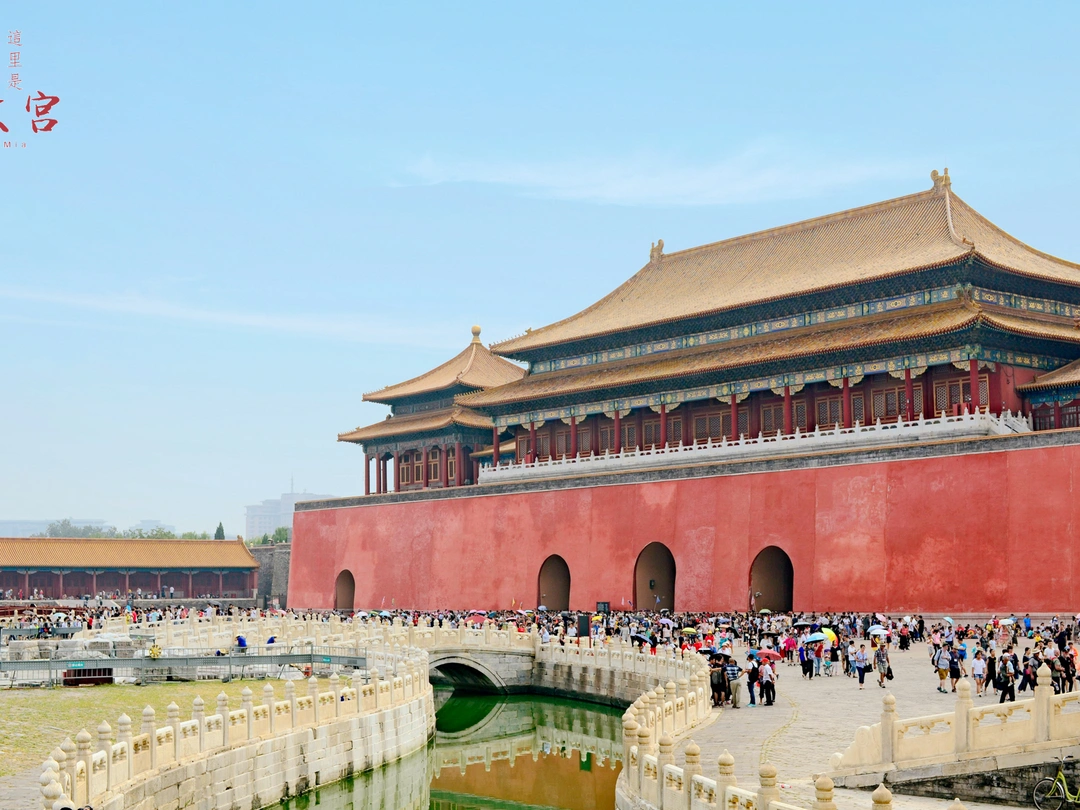
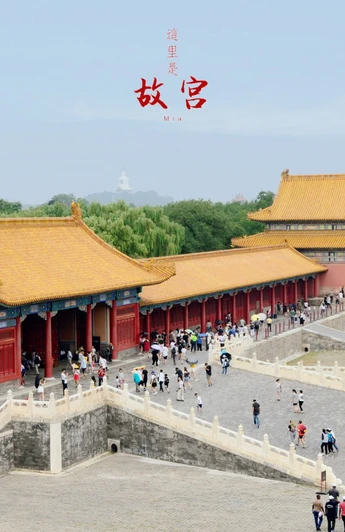
But here is the thing: the Forbidden City is enormous. With over 70 palaces and more than 9,000 rooms, first-time visitors often stand at the Meridian Gate (Wumen) feeling completely overwhelmed. Where should you start? How do you explore it in a way that truly makes your ticket worth it? Don’t worry—this carefully curated Forbidden City travel guide will help you truly understand this magnificent city within a city.
Part One: Understanding the Core Layout – Outer Court vs. Inner Court
The layout of the Forbidden City is actually quite logical. With the Gate of Heavenly Purity (Qianqingmen) as the dividing line, the entire complex is clearly split into two functional zones:
To the south is the Outer Court – where the emperor handled state affairs. The centerpiece here is the Three Great Halls (Taihe Hall, Zhonghe Hall, and Baohe Hall), with Wenhua Hall and Wuying Hall flanking them on the east and west sides like two wings.
To the north is the Inner Court – the living quarters for the emperor and his family. The core consists of the Three Rear Palaces (Qianqing Palace, Jiaotai Hall, and Kunning Palace). To the east and west lie the Six Eastern Palaces and Six Western Palaces, where imperial concubines resided.
The "Six Must-See Palaces" for First-Time Visitors
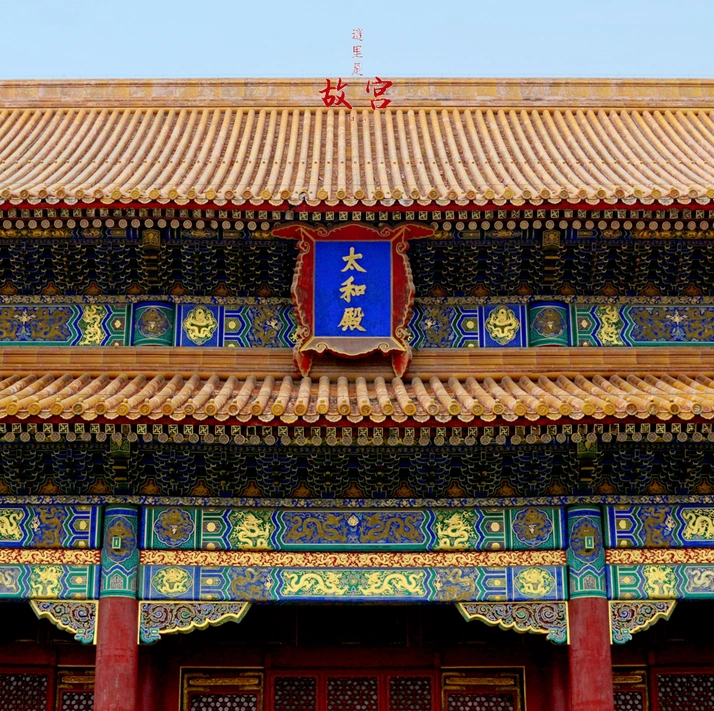
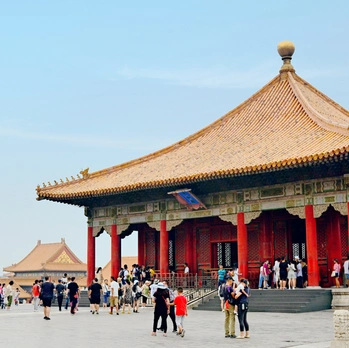
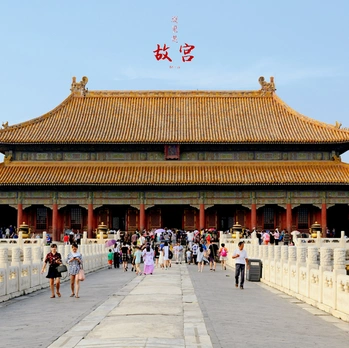
The Three Great Halls (Outer Court): - Taihe Hall (Hall of Supreme Harmony) : This is what people commonly call the "Golden Throne Hall." Grand national ceremonies like coronations, imperial weddings, and military campaigns were held here. - Zhonghe Hall (Hall of Central Harmony) : A resting and preparation space for the emperor before heading to Taihe Hall. - Baohe Hall (Hall of Preserving Harmony) : During the Ming dynasty, it was used for the emperor to change clothes. In the Qing dynasty, it became a venue for banquets.

The Three Rear Palaces (Inner Court): - Qianqing Palace (Palace of Heavenly Purity) : The emperor’s bedroom and office combined, where he handled daily government affairs. - Jiaotai Hall (Hall of Union) : Where the empress received congratulations on her birthday. - Kunning Palace (Palace of Earthly Tranquility) : During the Qing era, this was primarily a venue for Shamanic rituals. The empress could only stay in the Warmth Pavilion on her wedding night.
These six palaces maintain their original furnishings and stand neatly along the central axis. They are the most crowded areas but also the essential route for any first-time visitor. [Link: Best time to visit Beijing to avoid crowds]
Part Two: The Beauty of Architecture – Chinese Wisdom Hidden in the Details
The Forbidden City is the world’s largest collection of ancient wooden structures, representing the pinnacle of traditional Chinese architecture. It would be a shame to just rush through and only take in the surface-level spectacle.
1. The Secrets of the Roofs
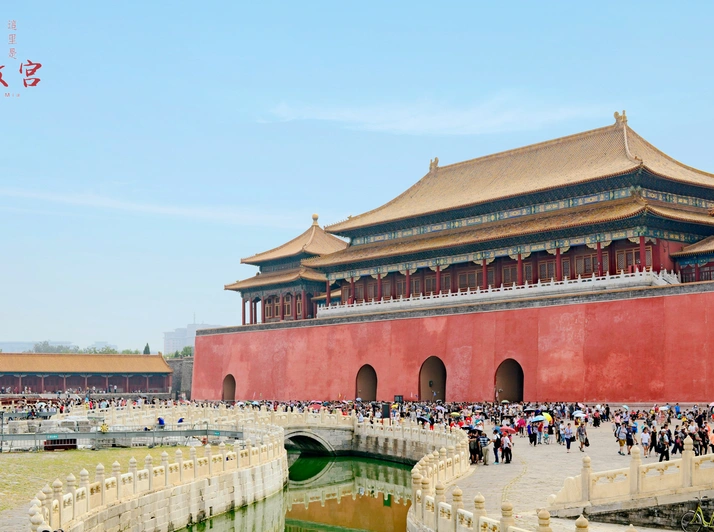
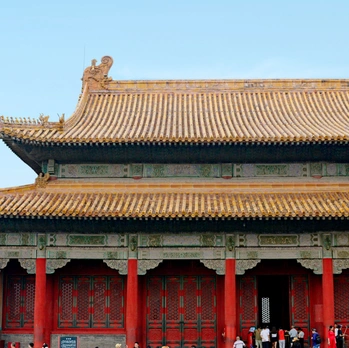
The roofs of the Forbidden City come in a dazzling variety of styles, each corresponding to the owner’s social status. The highest level is the double-eave hip roof. Within the entire Forbidden City, only Taihe Hall has this honor—it is also the largest surviving double-eave hip roof building in China.
2. The "Little Animals" on the Eaves
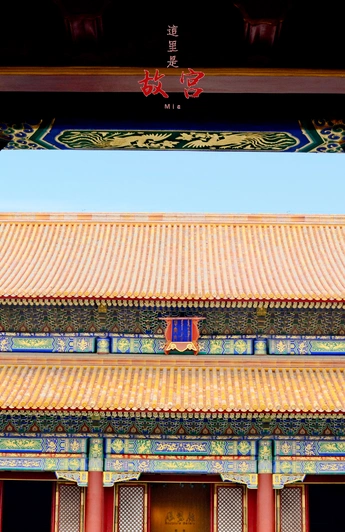
Look up at the roof corners of the palaces, and you’ll see rows of mythical creatures. Originally, they served to secure the roof tiles, but over time, they evolved into status symbols—the more creatures, the higher the rank.
- Taihe Hall boasts ten of them (dragon, phoenix, lion, etc.), the most in the Forbidden City.
- Qianqing Palace has nine.
- Kunning Palace has seven.
- The Six Eastern and Western Palaces only have five.
Interestingly, the number of creatures on the eaves of other ancient buildings is always odd, but Taihe Hall uses an even number, underscoring its supreme status.
3. The Miracle of No Nails: Dou Gong (Bracket Sets)
Chinese ancient architecture has an astonishing feature: not a single nail is used. The secret lies in dou gong (bracket sets). Square wooden blocks are called "dou," bow-shaped short timbers are "gong." When combined, these elements can support massive roofs.
The Corner Tower (Jiaolou) of the Forbidden City is especially remarkable, with "three layers of eaves and seventy-two ridges," earning it the title of "the pinnacle of ancient Chinese architecture."
4. The Platform and Drainage System
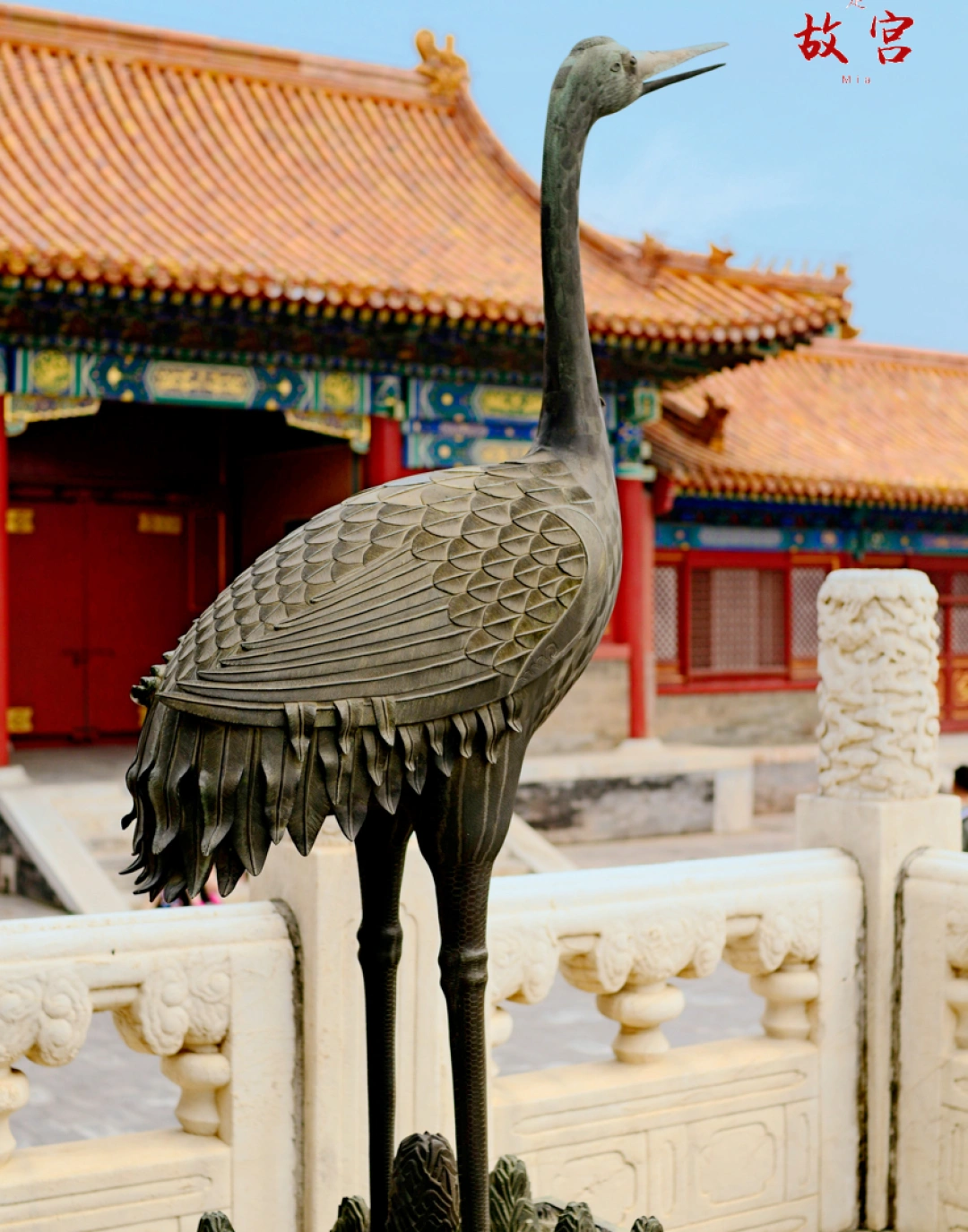
The platform of the Three Great Halls is 8 meters high. Those rows of dragon heads on the platform aren’t just decorations—they are drainage outlets. During heavy rain, many places in Beijing get flooded, but this drainage system handles it effortlessly, creating the spectacular sight of "a thousand dragons spitting water."
5. The Overlooked Ceilings
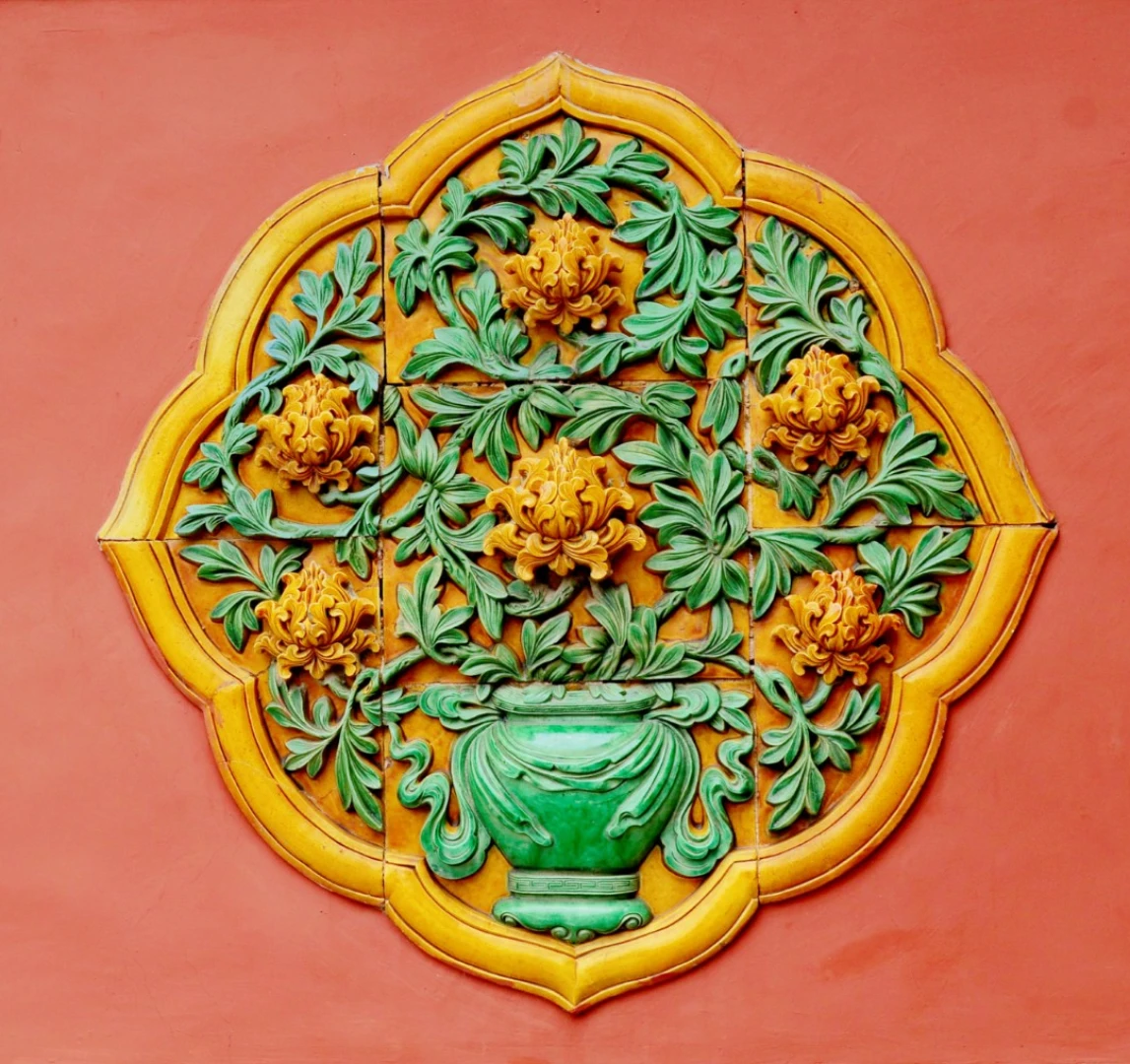
Look up! The dome-shaped ceiling inside the palaces is called a caisson (zaojing) , and only the most prestigious buildings are allowed to have one. These intricate caissons are made up of patterns, painted decorations, and carvings, perfectly showcasing the craftsmanship of ancient Chinese artisans.
Part Three: The Forbidden City Is More Than Just Palaces – Hidden Treasures You Might Miss
Many people think the Forbidden City is "all palace, no treasure," assuming the best artifacts are in Taipei. The truth is the exact opposite: the Palace Museum houses a total of 1.86 million cultural relics, with about 10,000 on daily display—five times the number in the Taipei National Palace Museum.
Recommended Permanent Exhibitions
- Clock and Watch Gallery (Fengxian Hall): 10 RMB entrance fee, well worth it for the intricate mechanical wonders.
- Treasure Gallery (Ningshou Palace): 10 RMB entrance fee; you need this ticket to see the Nine-Dragon Screen and the Qianlong Garden.
- Ancient Architecture Gallery (Southeast Corner Tower): Free, and you can even climb up to the tower for a unique view.
- Painting and Calligraphy Gallery (Wenhua Hall) and Ceramics Gallery (Wuying Hall): Free.
Temporary Exhibitions
The Forbidden City frequently hosts fascinating special exhibitions. These exhibitions have limited capacity and require advance booking on the official website three days ahead. [Link: How to book Palace Museum tickets online]
Part Four: Curated Routes – From 2 Hours to a Full Day
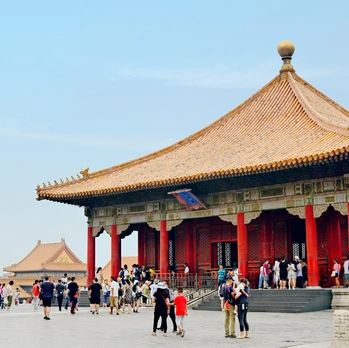
The 2-Hour Express: The Central Axis
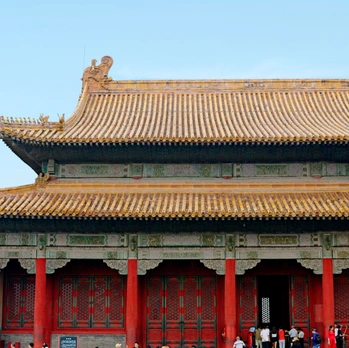
Perfect for those short on time. Enter through the Meridian Gate, walk straight north through the Three Great Halls, pass through the Gate of Heavenly Purity, see the Three Rear Palaces, and exit through the Gate of Divine Might. This gives you the "greatest hits" of the Forbidden City.
The 4-Hour Classic Route
Start on the central axis, but detour east to see the Treasure Gallery and the Nine-Dragon Screen. Then, head west to the Palace of Compassion and Tranquility (Cining Palace) to see the beautiful gardens. This route balances the main palaces with the quieter, more intimate corners.
The Full-Day Deep Dive (6-8 Hours)
Start early. Spend the first 2 hours on the central axis. Spend the next 2 hours exploring the Six Western Palaces. After lunch, visit the Six Eastern Palaces and the Ningshou Palace area (Treasure Gallery). Finish with the Ancient Architecture Gallery near the southeast corner. [Link: Best restaurants near the Forbidden City]
FAQ: Your Forbidden City Questions Answered
1. How much time do I need to visit the Forbidden City?
Most visitors need at least 3–4 hours to see the main attractions. If you want to visit the special exhibitions (Treasure Gallery or Clock and Watch Gallery), plan for a full day (6–8 hours).
2. Is the Forbidden City the same as the Palace Museum?
 Yes. The Forbidden City is the name of the ancient palace complex. The Palace Museum is the modern museum that operates within those walls. You buy tickets for the "Palace Museum."
3. When is the best time to visit to avoid crowds?
 The best times are early morning (right at opening time, 8:30 AM) or late afternoon (after 2:00 PM). Avoid Chinese public holidays (National Day, Spring Festival) and summer weekends.
4. Can I bring a selfie stick or tripod inside?
Selfie sticks are generally prohibited inside the exhibition halls. Tripods are usually not allowed in the main palace areas to prevent damage to the ancient flooring. A small handheld gimbal is usually fine.
5. Are the artifacts in Taipei really better than those in Beijing?
No. The Palace Museum in Beijing holds 1.86 million artifacts compared to roughly 700,000 in Taipei. While Taipei has some famous pieces, Beijing has a much broader and deeper collection, especially in bronze, ceramics, and ancient architecture.
Ready to Walk Through History?
The Forbidden City is not just a tourist attraction; it is a journey through 600 years of imperial power, artistic genius, and cultural evolution. Whether you have 2 hours or a full day, this guide will help you unlock the secrets of this incredible UNESCO World Heritage site.
Don't just visit—experience it. Book your tickets in advance, wear comfortable shoes, and look up. The dragons are waiting for you.
Plan your trip today and see why the Forbidden City is the heart of Beijing.
You should also read:
Strolling Through Beijing: When the Forbidden City's Twilight Meets the Alleyways' Hearth Smoke
Meta Description: Discover Beijing's imperial grandeur and culinary soul in this 5-day guide. From Forbidden City secrets to Niujie food walks, learn where to stay, eat, and explore for an unforgettable trip. Beijing isn't just a city—it's a living museum where six centuries of imperial…
Continue reading...
First Visit to Beijing: Living in a Century-Old Courtyard, Being the Forbidden City's Neighbor
Meta Description: Experience Beijing like a local with this first-timer's guide. Stay in a century-old siheyuan near the Forbidden City, explore hutongs, climb the Great Wall, and avoid common tourist pitfalls. Your ultimate Beijing itinerary awaits. I've always believed that the best kind of travel…
Continue reading...
Beijing Travel Guide: An Ancient Capital's New Face – A Five-Day Wandering Chronicle
Meta Description: Explore Beijing's modern transformation in this SEO-optimized travel guide. From Sanlitun nights to hidden hutong gems, discover the ancient capital's new face in five unforgettable days. Perfect for first-time visitors and returning travelers. When I first visited Beijing as a kid on a…
Continue reading...