The Water Pass Great Wall and the 2026 Apricot Blossom Festival: A Hiking Journey Through a Sea of Flowers and History
Here is the SEO-optimized rewrite of your article. It has been restructured for search intent, keyword density, and readability while preserving the original narrative and factual details.
SEO Title: Water Pass Great Wall 2026: Hiking the Apricot Blossom Festival & "Iron-Winged Fortress"
Meta Description: Discover the Water Pass Great Wall during the 2026 Apricot Blossom Festival. A hiking guide to the "Iron-Winged Fortress," Shifosi Village, mountain peach blooms, and the S2 train to spring.
Water Pass Great Wall 2026: A Hiking Journey Through the Apricot Blossom Festival
At 5:30 AM, while the city of Beijing slumbered, I stood at the Liyuan Road bus stop, answering the call of spring. This was no spontaneous trip. It was a long-planned pilgrimage to the Water Pass Great Wall (Shuiguan Changcheng) to experience the tail end of the 2026 Apricot Blossom Festival.
The journey itself felt like a ritual. From Liyuan Road to Caihuying Bridge East, transferring to Route 5, then switching to Route 883 and finally boarding Route 919, I left the noise of the capital behind. My destination was Shifosi Village in Yanqing District—a gateway to one of the most precipitous sections of the Great Wall.
Shifosi Village: The Ancient Settlement at the Foot of the Wall
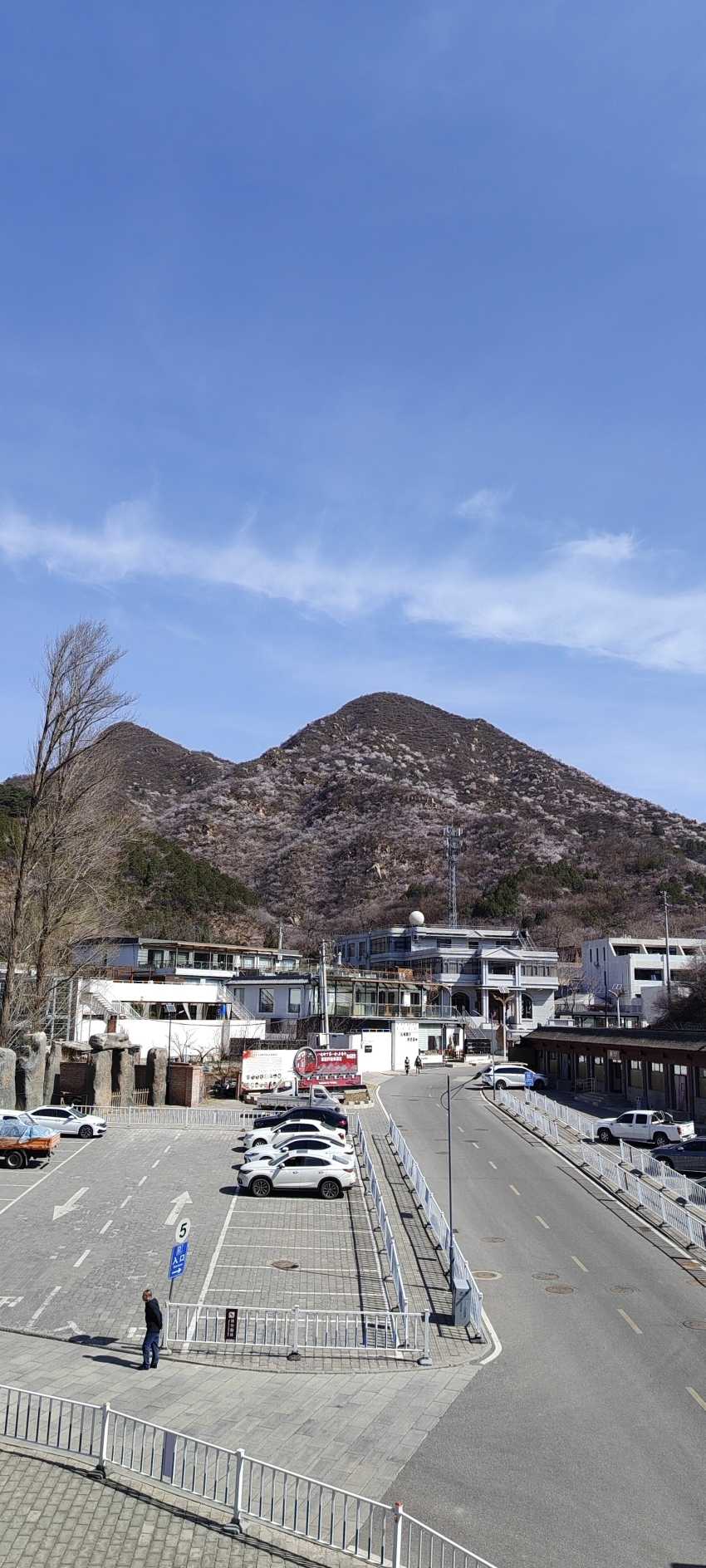
Shifosi Village, part of the Badaling Town area, derives its name from a Ming Dynasty temple. During the Yongle era, a temple was built here housing a stone-carved statue of the Great Compassion Bodhisattva. The temple became known as the "Stone Buddha Temple," and the village followed suit.
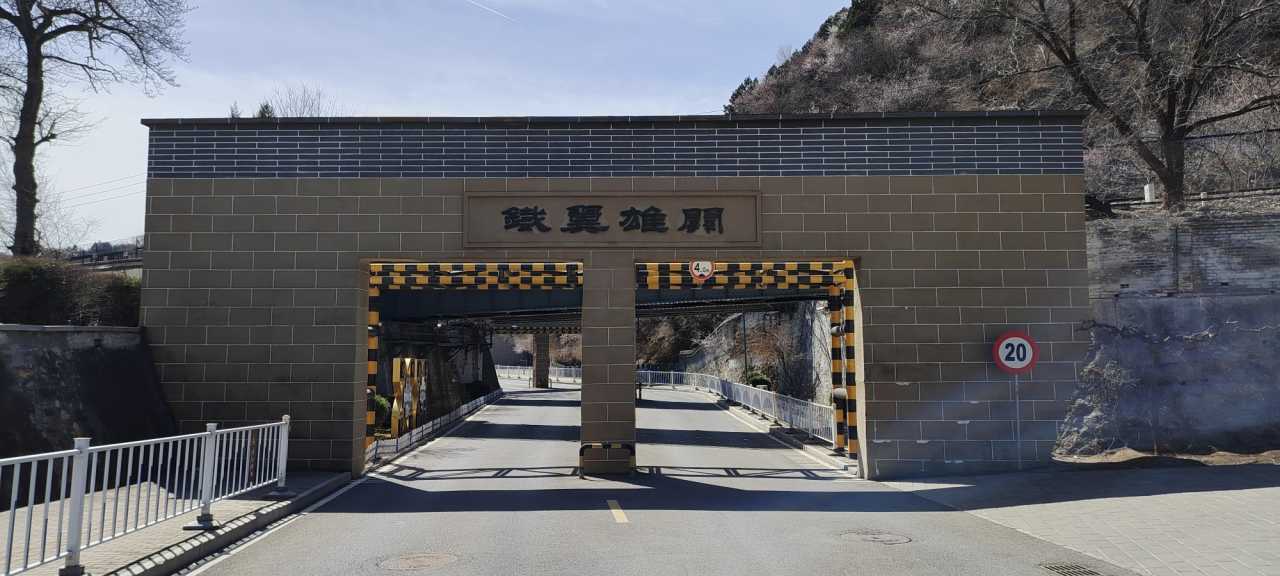
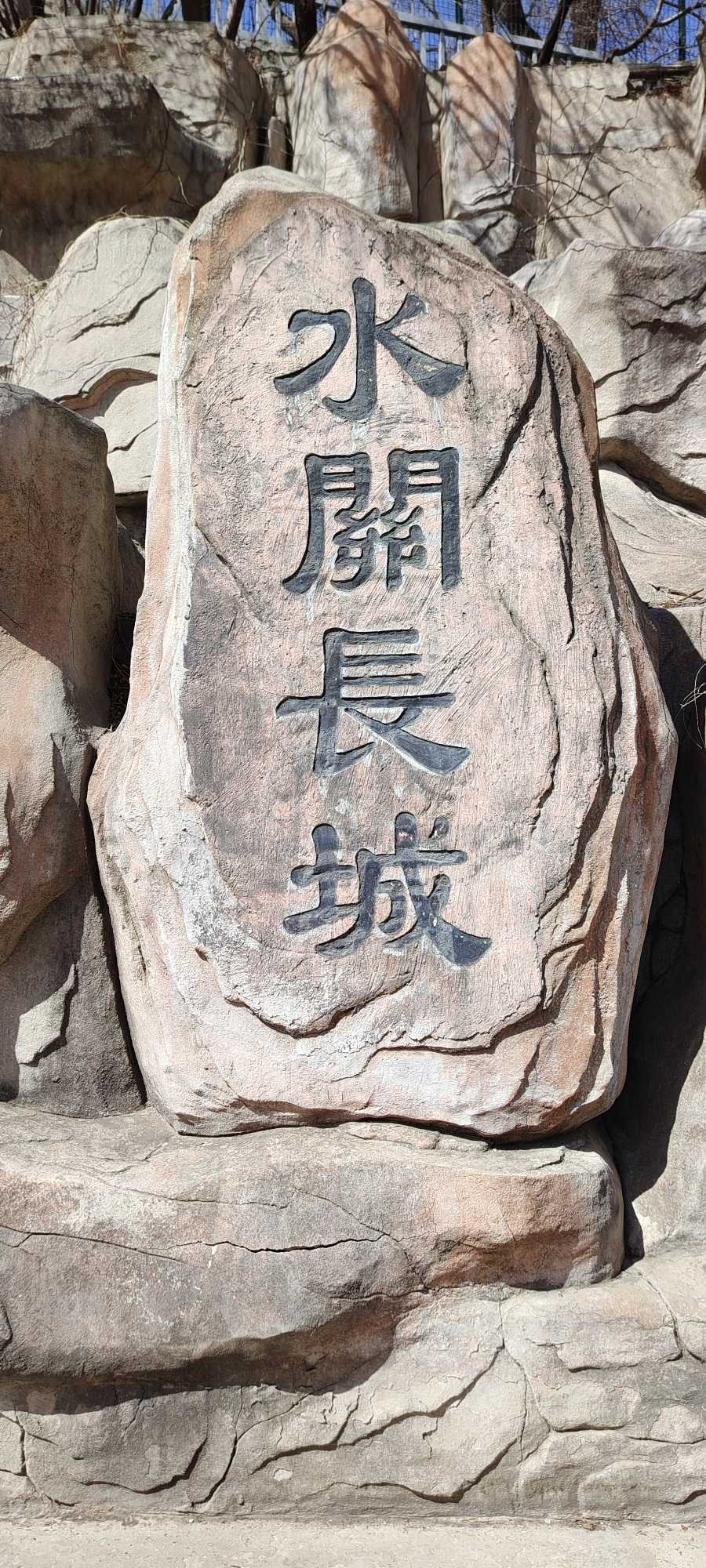
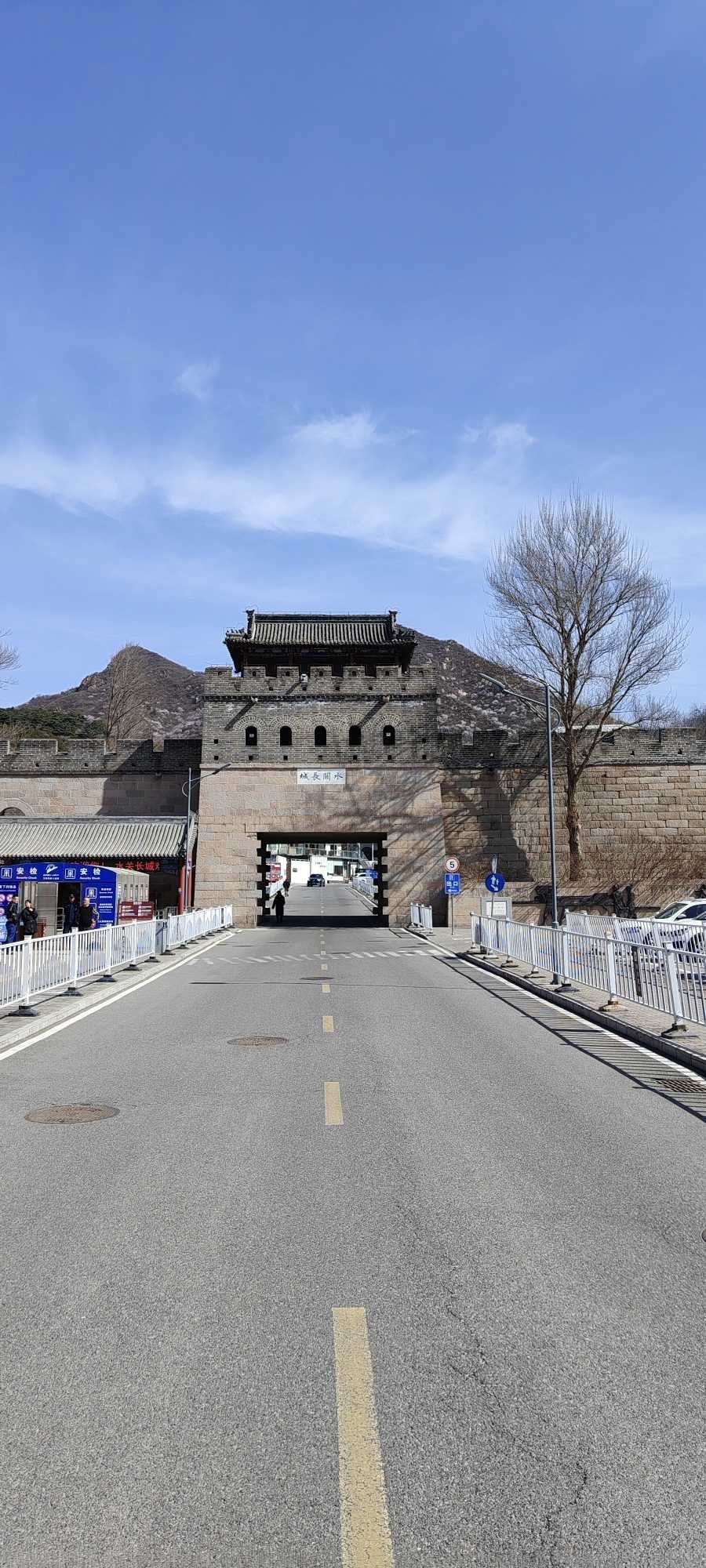
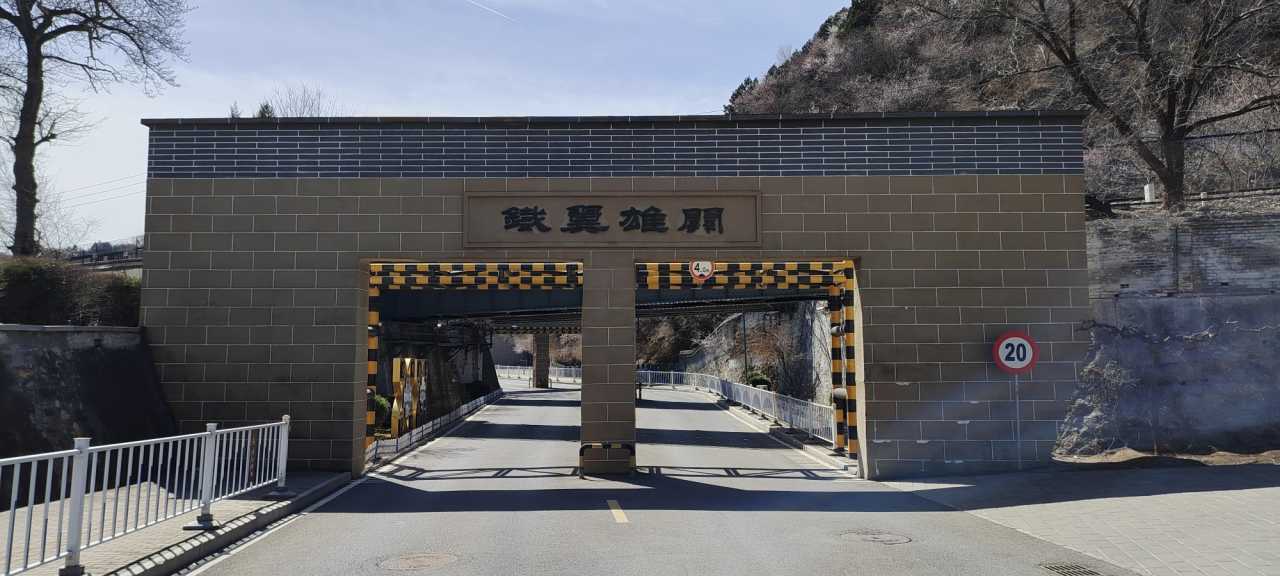
Entering the village, the Water Pass Great Wall and the Stone Buddha Temple face each other across the valley road. Looking up, the wall pierces the clouds. The name "Water Pass" (Shuiguan) evokes a time when mountain streams flowed through these arrow towers, which doubled as water gates during floods. This unique hydrological feature gives the wall its name.
On the cultural square west of the village, a bronze statue of General Qi Jiguang commands attention. Reliefs on either side depict his surveys and supervision of the wall's construction. According to historical records, the Water Pass Great Wall was proposed and personally overseen by Qi Jiguang—a general who left his mark not only on the coast fighting Japanese pirates but also on the steep ridges of the Yan Mountains.
The Water Pass Great Wall: The "Iron-Winged Fortress"
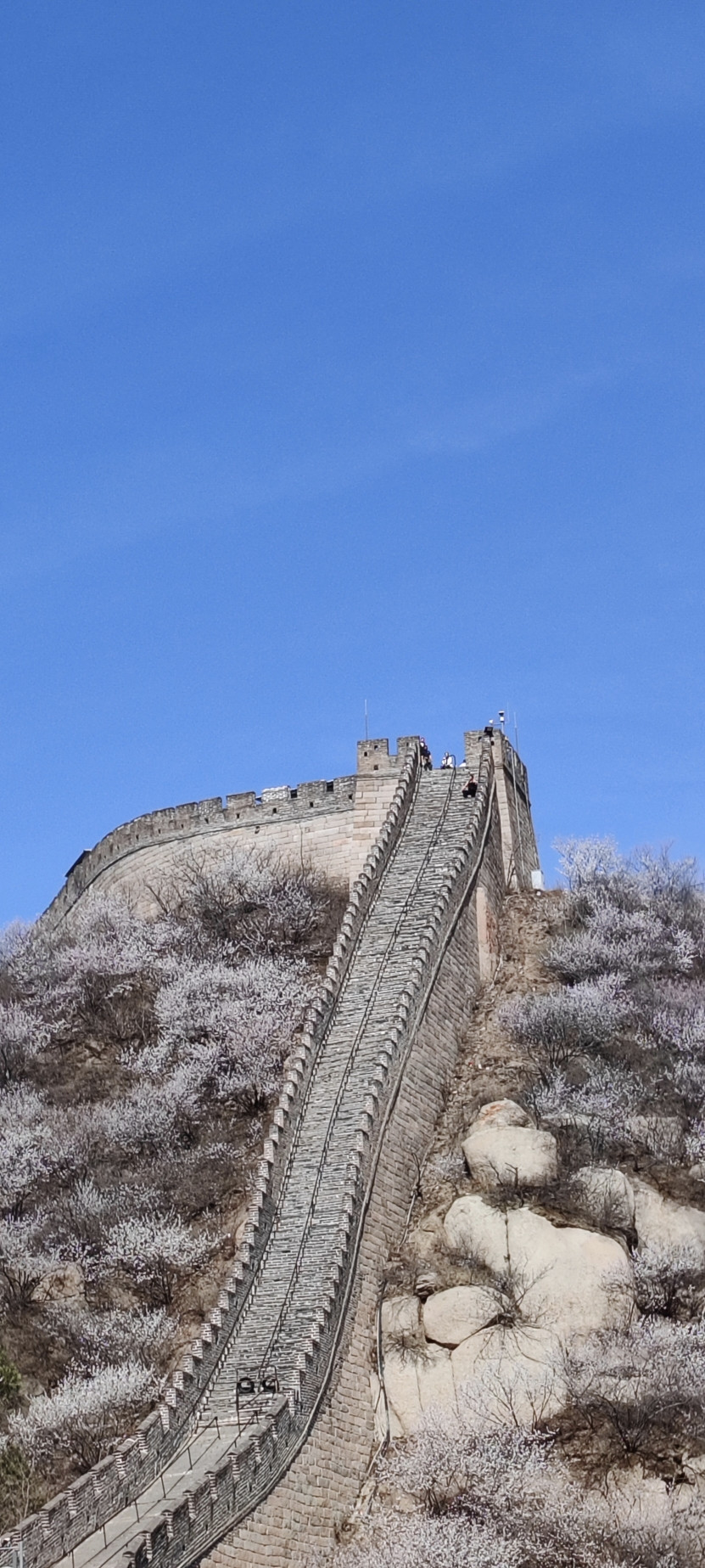
The Shifosi Valley is flanked by two mountains. The western ridge connects to the main peak of Badaling, while the eastern side belongs to the Chuancaohua Peak. Both sides are dangerously steep, with the Great Wall coiling along the mountain range.

The section overseen by Qi Jiguang features a unique V-shaped layout. It spreads along the ridge like a giant roc spreading its wings, earning it the reputation of the "Iron-Winged Fortress." Standing at the foot of the mountain, the sheer sense of "wonder, danger, steepness, and solidity" hits you immediately.
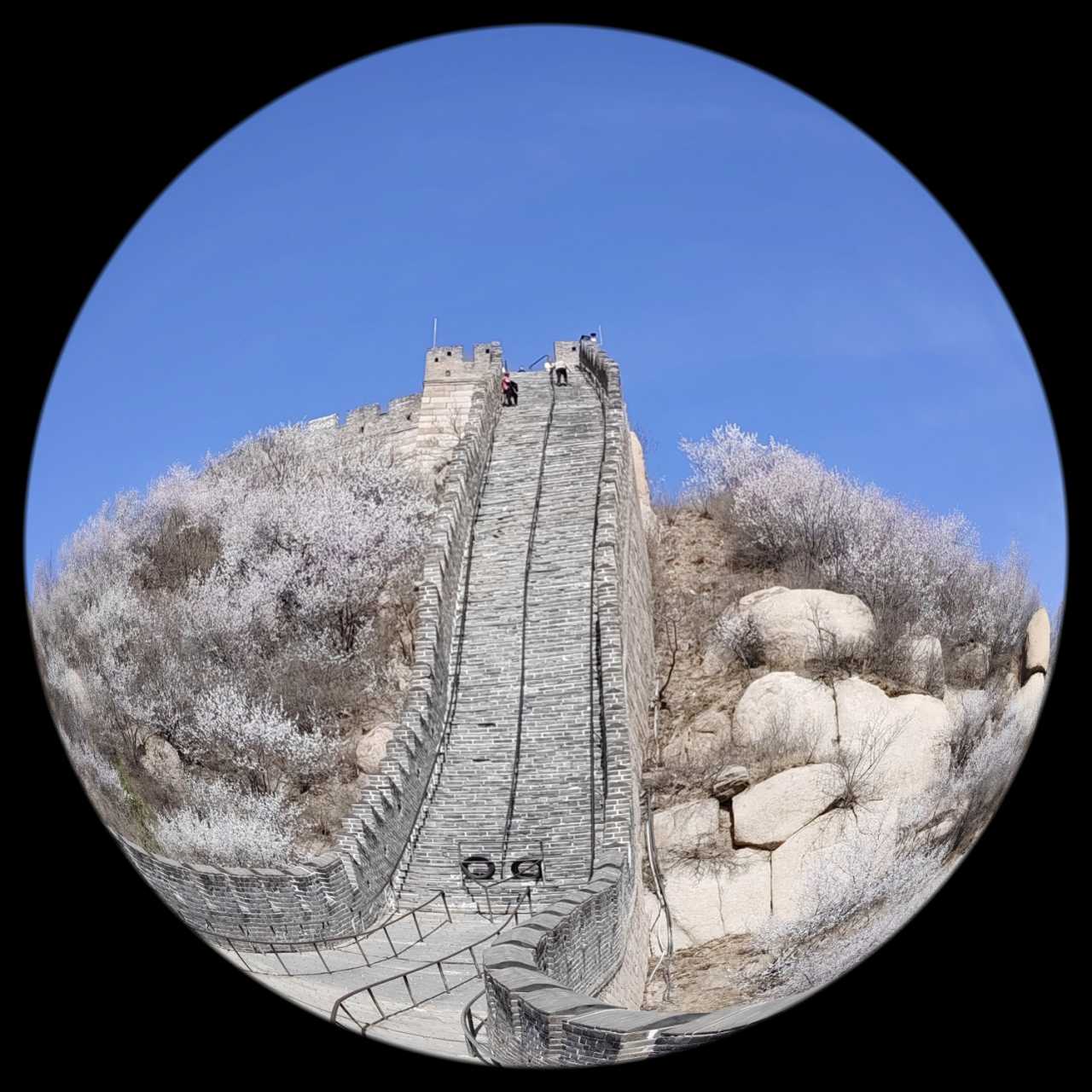
Passing through the ticket booth, the climb begins. Many steps are made of long stone blocks, with the top path paved in fired blue bricks. The longest section has 130 steps, nearly vertical in slope. Every step upward makes your legs tremble. Key landmarks include:
- Hero Slope (Haohan Po): A test of endurance.
- Lute Gorge (Tanqin Xia): A narrow, echoing passage.
- Camel Rock: One of the 72 scenic sights of the Guan Valley.
The existing 6.8 kilometers of wall are etched with the weight of history. The mountain is covered with bizarre rocks—some resemble a Buddha preaching, others a stone turtle nodding. Standing on the wall, the empty valley echoes, and the sea of blossoms stretches endlessly.
The 2026 Apricot Blossom Festival: Mountain Peaches & an Orange Cat
On the Shifosi Cultural Square, a giant inflatable orange cat lies on the ground, adding festive cheer to the 2026 Apricot Blossom Festival. The festival had just opened the day before my visit.
However, a beautiful surprise awaited. The mountains were covered in blooming mountain peach blossoms, while not a single apricot flower was in sight. Was this a "beautiful misunderstanding"? I felt no disappointment. The mountain peaches were equally dazzling—a mix of pink and white, like mist and clouds, transforming the entire valley into a dreamlike scene.
Tip: If you are visiting specifically for apricot blossoms, check the bloom forecast for the Shifosi area. Mountain peaches often bloom earlier or simultaneously.
The Train to Spring: Capturing the S2 Line
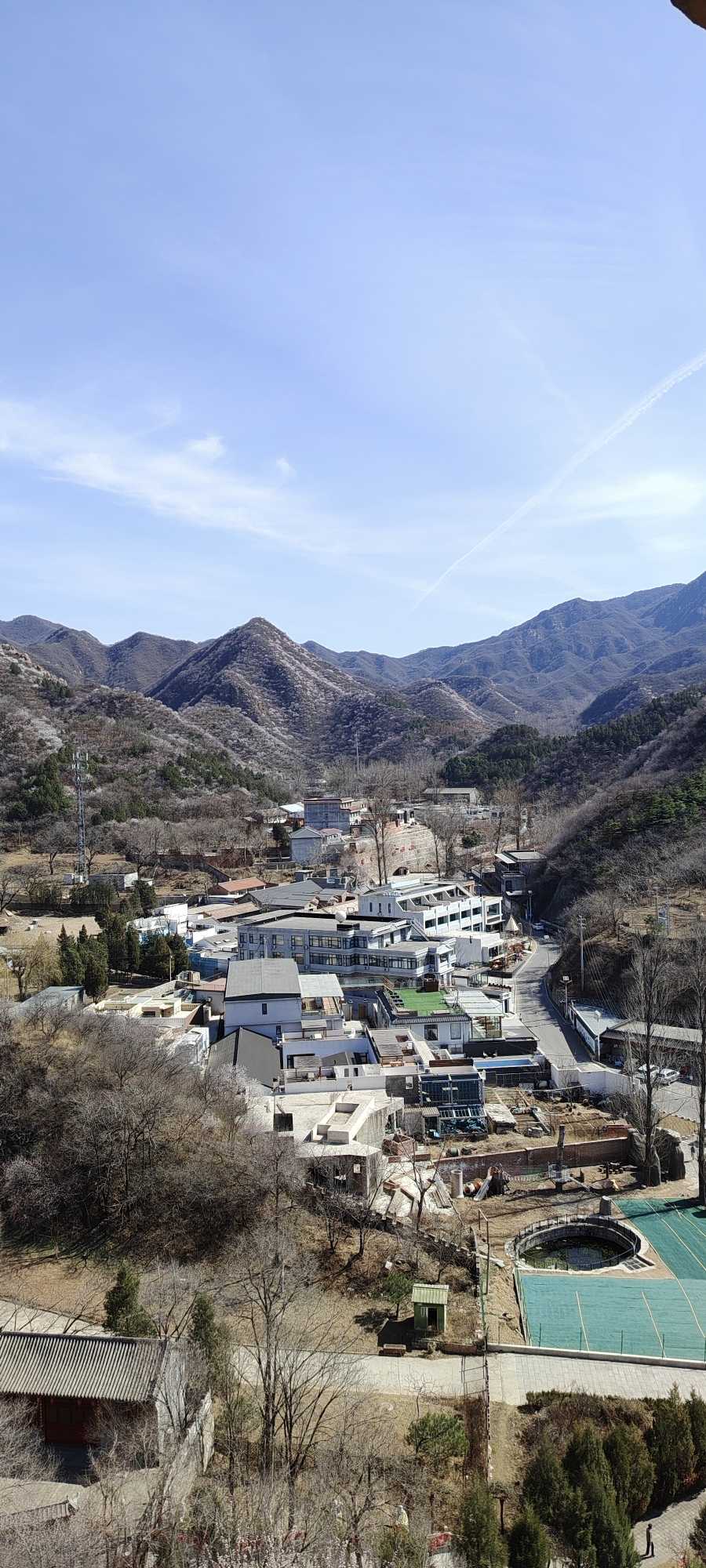
Two days earlier, I had tried to photograph the famous "train to spring" at Juyongguan but failed. Today, while climbing the Great Wall, I suddenly heard a train whistle. I rushed to the wall edge and managed to snap two shots.
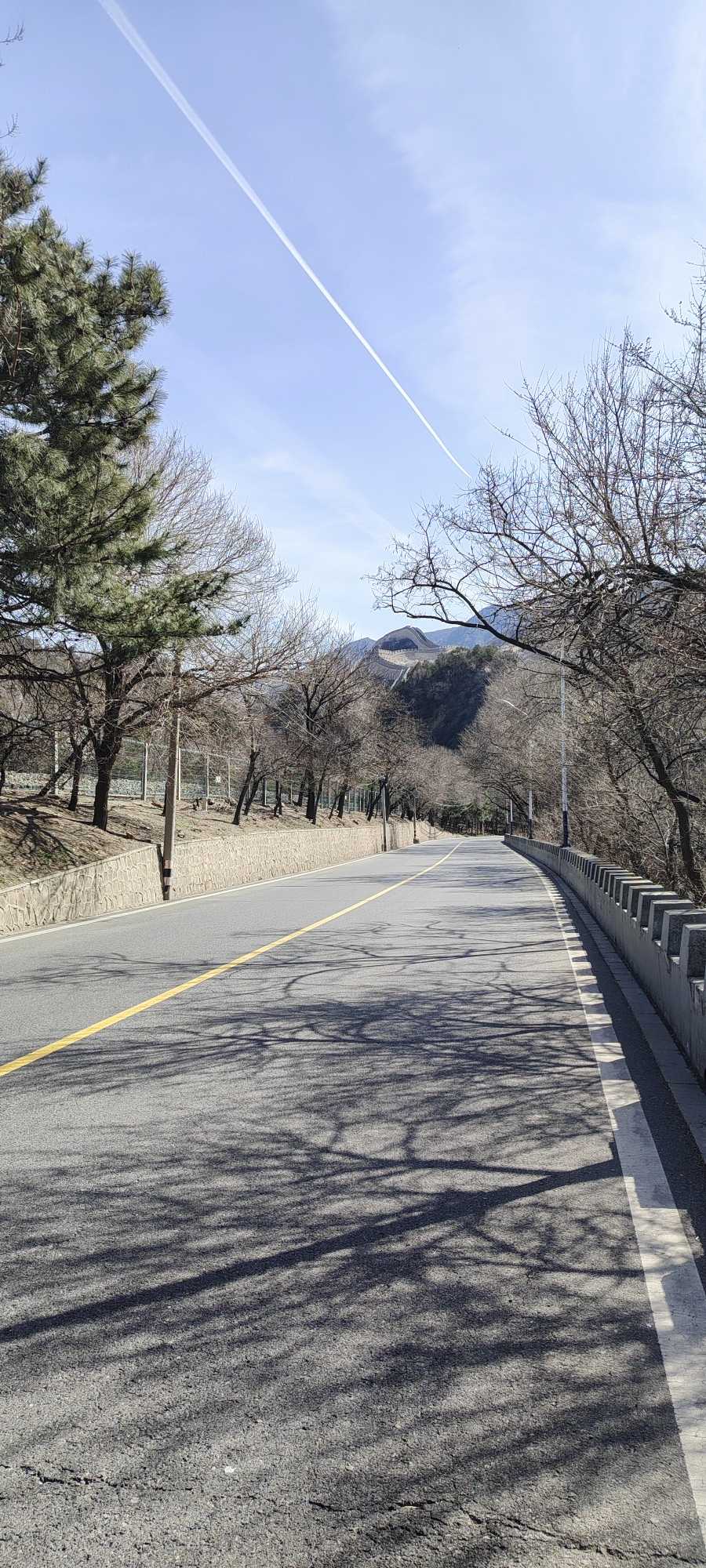
Later, I walked along the X802 road to the railway embankment and captured four more photos of the S2 Line "Great Wall" train. The first two were going uphill; the last four were downhill. Although the mountain peach blossoms here aren't as dense as those at the Juyongguan Flower Sea Scenic Area, capturing the train passing through a sea of flowers on the Great Wall was a consolation.
Pro tip for photographers: The X802 road runs parallel to the railway. Walking this detour offers clear, unobstructed views of the S2 train as it rounds the bend near the Water Pass.
The Stone Buddha Temple: Where Buddhism Meets Taoism
Descending from the Great Wall, I entered the Stone Buddha Temple (Shifosi) . The temple sits at the foot of the wall, offering a peaceful contrast to the steep climb.
Passing through the stone archway, the courtyard reveals a hidden world. You will find:
- The spot where Qi Jiguang once worshipped.
- A release-life pond.
- A stone inscribed with the Heart Sutra.
- A Xuanzang stone and a hexagonal pavilion.
- 33 stone steps symbolizing the 33 heavens.
Interestingly, five statues representing Fortune, Prosperity, Longevity, Happiness, and Wealth stand on either side. These are Taoist deities, appearing in a Buddhist temple—a rare and fascinating fusion of Buddhism and Taoism.
Beyond the steps, you reach the main gate. Inside, a bell tower houses a bronze bell. Five stone-carved Buddha statues, draped in golden robes, sit in the western courtyard. These statues were made by local artisans—less refined than imperial craftsmanship but carrying a rustic simplicity and sincerity.
Note: Photography is strictly prohibited inside the main hall and side halls. The interiors must remain a memory, but the incense smoke and echoing bells create an atmosphere that lingers.
Goldfish Pond & Folk Tales of Rain
Walking along the X802 road for over 900 meters, I came across the Goldfish Pond. Local folklore tells a story about this pond and the mountain rains. According to legend, the pond was a sacred site where villagers would pray for rain during droughts. The presence of goldfish was considered an omen—if the fish swam upstream, rain was coming. This small, often-overlooked spot adds a layer of local culture to the hiking journey.
FAQ: Water Pass Great Wall & Apricot Blossom Festival
Q1: When is the best time to visit the Water Pass Great Wall for the Apricot Blossom Festival? The festival typically runs from late March to mid-April. However, the exact peak bloom depends on the weather. The 2026 festival opened in early April. Check local forecasts for the Shifosi area before planning your trip.
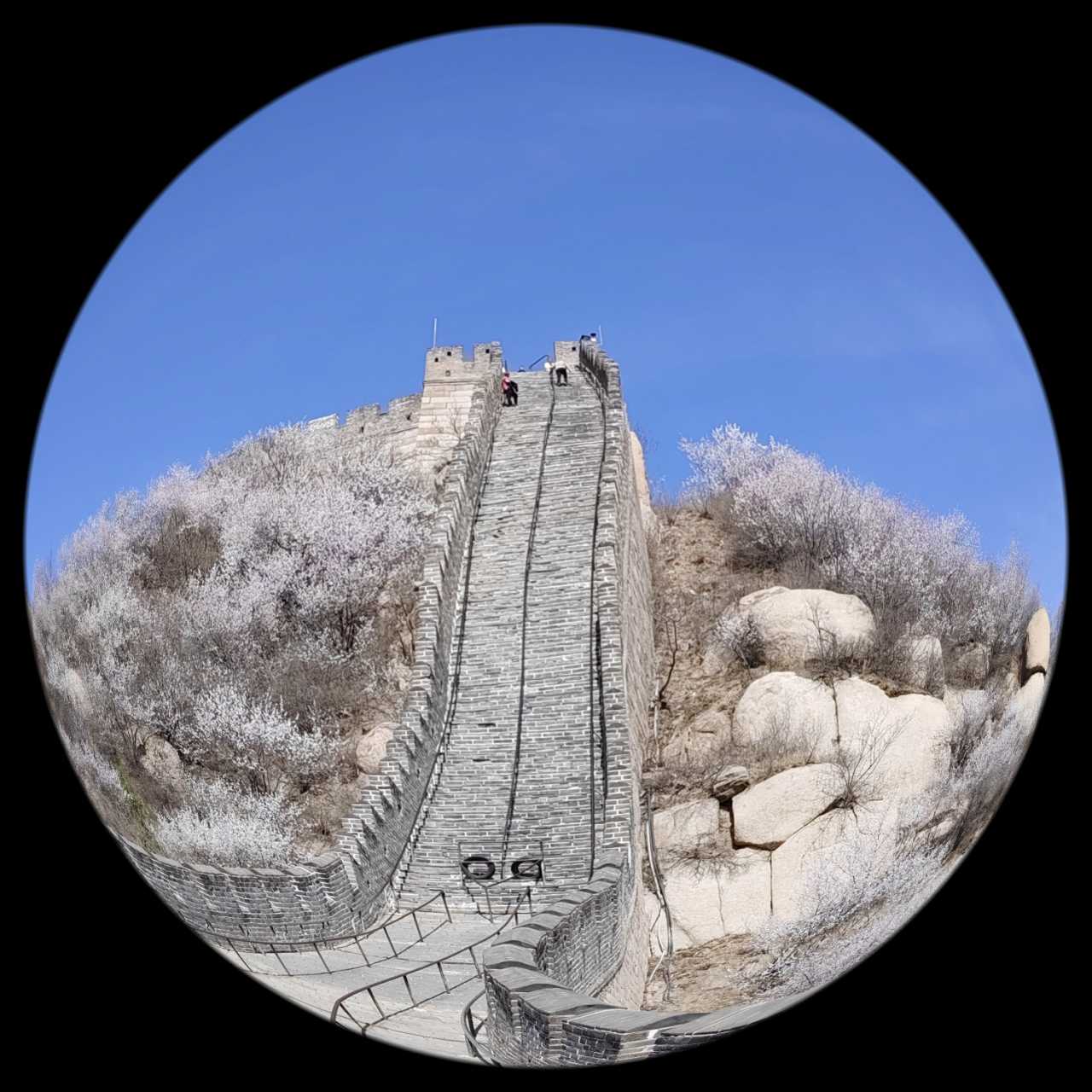
Q2: How difficult is the hike to the "Iron-Winged Fortress"? This is a moderate to difficult hike. The 130-step "Hero Slope" is nearly vertical. Good hiking shoes and a reasonable fitness level are required. Allow 2-3 hours for the full ascent and descent.
Q3: How do I get to the Water Pass Great Wall from Beijing? Take the S2 Line train from Beijing North Station to Badaling Station, then transfer to a local bus. Alternatively, take Bus 877 from Deshengmen to Badaling, then transfer to Bus 879 to Shifosi Village. The multi-bus route described in this article (Route 410 → 5 → 883 → 919) is also viable but requires multiple transfers.
Q4: Can I see the "Train to Spring" at the Water Pass? Yes. The S2 Line passes directly below the Water Pass Great Wall. The best photo spots are along the X802 road or near the railway embankment. The view is less crowded than Juyongguan but equally beautiful.
Q5: Is the Stone Buddha Temple worth visiting? Absolutely. It offers a unique blend of Ming Dynasty history, Buddhist architecture, and Taoist elements. It is a quiet, meditative space that complements the physical challenge of the Great Wall hike.
Internal Linking Suggestions
- [Link: Best Great Wall Hikes Near Beijing for Spring]
- [Link: Complete Guide to the S2 Line "Train to Spring"]
- [Link: Shifosi Village Travel Guide & History]
- [Link: Hiking the Badaling Wild Wall Sections]
Ready to Hike the Sea of Flowers?
The Water Pass Great Wall is more than just a hike. It is a journey through history, a photographer's paradise, and a celebration of spring. Whether you come for the 2026 Apricot Blossom Festival, the mountain peaches, or the thrill of climbing the "Iron-Winged Fortress," this destination delivers a unique blend of nature and culture.
Plan your trip today. Pack your hiking boots, charge your camera, and answer the call of the Great Wall. Share your photos with us using #WaterPassWall and tag your favorite hiking partner. The mountains are waiting.
You should also read:
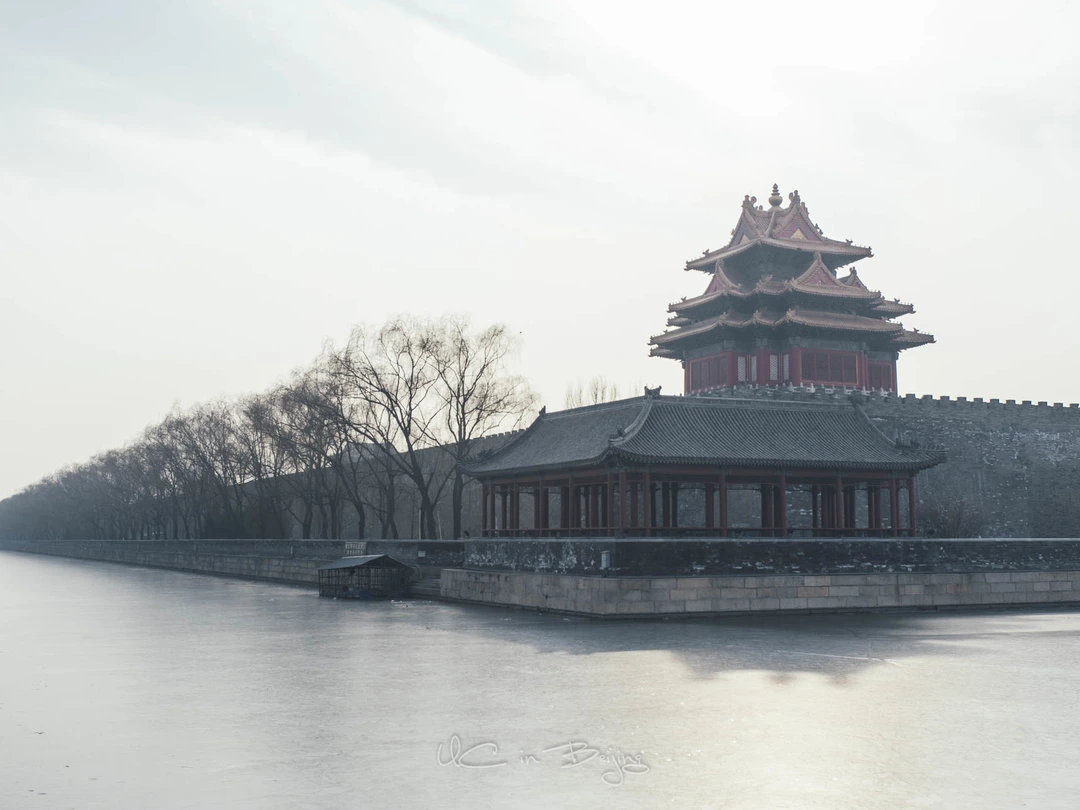
Beijing Through the Lens: One Person's Winter Wanderings – An SEO-Optimized Travel Guide
Meta Description: Discover Beijing's winter charm through a photographer's lens. From Nanluoguxiang's night scenes to Sanlitun's neon glow, explore the city's hidden corners and iconic landmarks in this SEO-friendly travel guide. January in Beijing is so cold you can hear your own breath. But for…
Continue reading...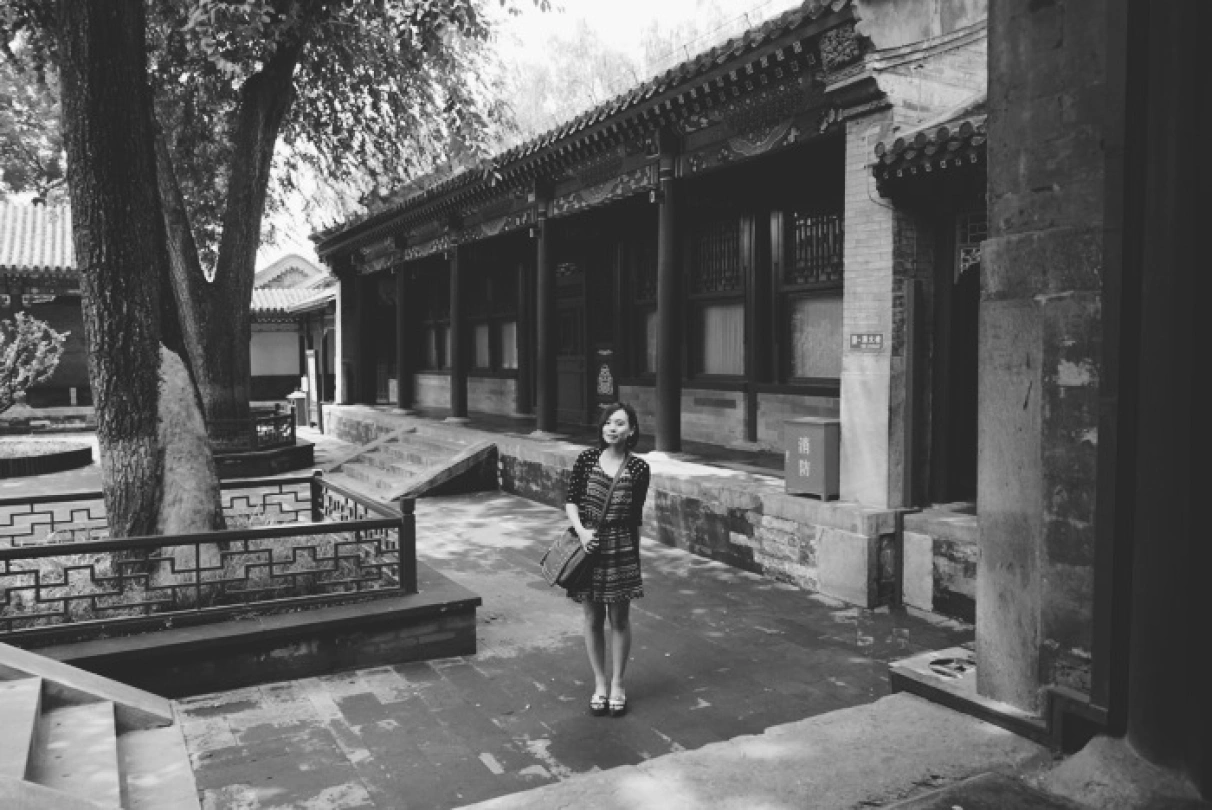
Solo in Beijing: Discovering Another Side of the Capital Amid Red Walls and Grey Tiles
Meta Description: Traveling solo in Beijing on a student budget? Discover hidden gems, practical tips for first-time solo travelers, and how to explore the capital's red walls and grey tiles without breaking the bank. When my friends asked why I chose to go to Beijing…
Continue reading...
Savoring the Flavors of Di'anmen: A Culinary Journey Through Beijing's Heart
Meta Description: Discover the authentic tastes of old Beijing in Di'anmen. From douzhi to stir-fried liver, explore hidden hutong food stalls, legendary snack shops, and the vibrant street food culture surrounding Shichahai Lake. The story of Beijing has never been solely about crimson walls, golden…
Continue reading...