Three Generations in Beijing: A Six-Day, Five-Night Dream Journey, Bringing History to Life Underfoot
Here is the SEO-optimized rewrite of your article. It is structured for search engine visibility while maintaining the emotional, narrative heart of the original family journey.
SEO Title: Three Generations in Beijing: 6-Day Family Itinerary for History, Food & Memories
Meta Description: Explore Beijing with a 6-day family itinerary. From the Great Wall to the Forbidden City, discover how three generations brought history to life. Includes tips for parents and kids.
Three Generations in Beijing: A Six-Day, Five-Night Dream Journey, Bringing History to Life Underfoot
Planning a multi-generational family trip to Beijing can feel overwhelming. How do you balance the interests of grandparents, parents, and young children? In this detailed travelogue, one family shares their six-day, five-night adventure across China’s capital—proving that the best Beijing family tours are those that let history speak directly to the heart.
From the rain-soaked paths of Tsinghua University to the golden roofs of the Forbidden City, this journey was more than a vacation; it was a living history lesson. Here is their story, optimized to help you plan your own three-generation Beijing itinerary.
Departure: A Long-Awaited Family Promise to Beijing
On the morning of August 12, 2025, the sky over Qinzhou was just beginning to lighten, but our home was already buzzing with excitement. This day had been six months in the making, carrying the hopes and dreams of every family member, young and old—we were finally going to Beijing.

No one was more thrilled than our two daughters. Ever since we booked the plane tickets, our younger daughter had been dreaming of airplanes. She hurried me along with cries of "Mommy, hurry up!" while slipping into her favorite dress, as if heading to a grand celebration. For her, this trip boiled down to three magic words: Beijing, roast duck, and candied hawthorn skewers (bing tang hu lu). The sisters had already mapped out every must-eat, must-do, and must-see spot online, leaving me, their mother, to sit back and enjoy the ride.
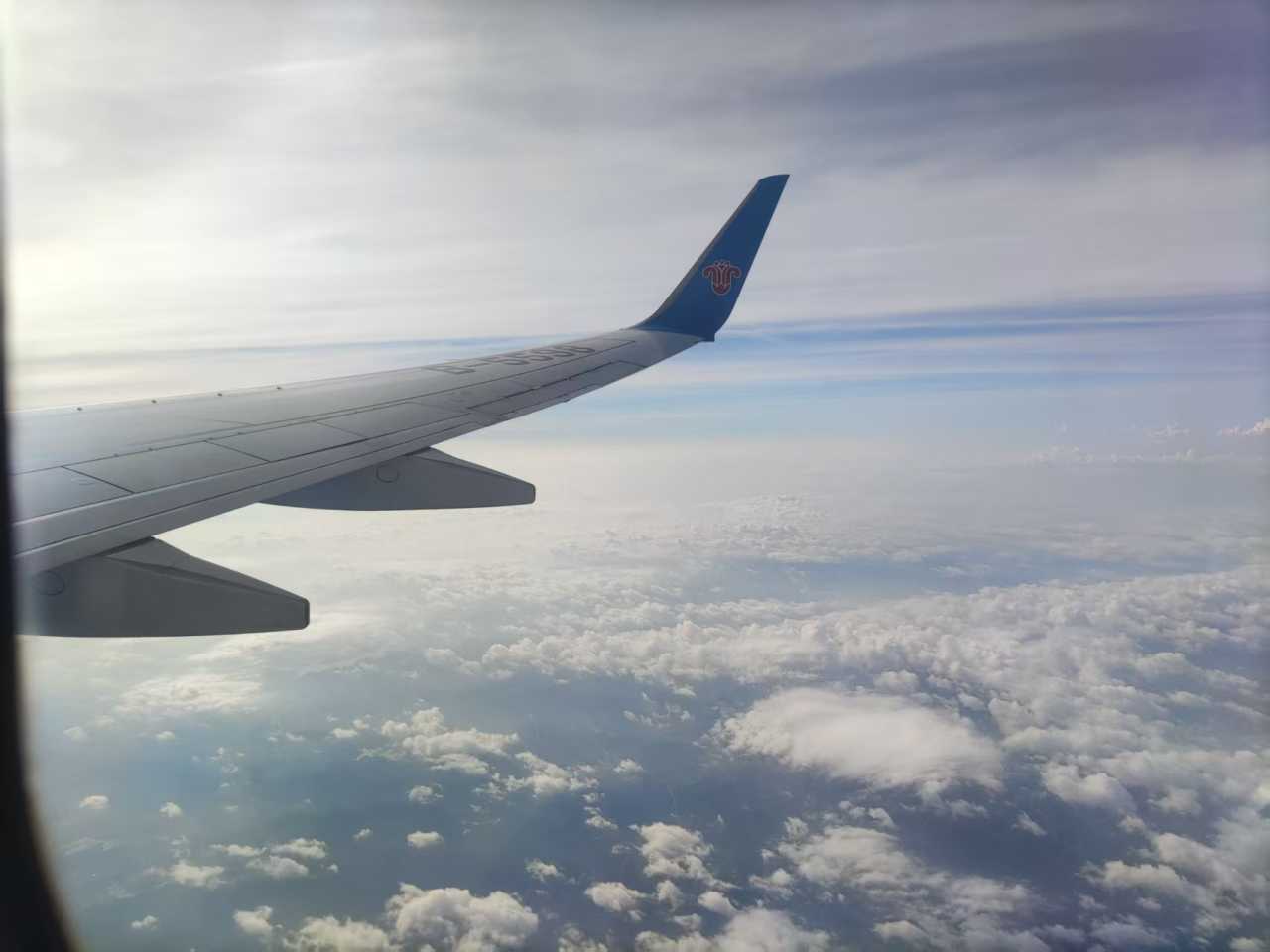
We drove from Qinzhou to Nanning, then boarded the 8:10 a.m. flight, our family's excitement undimmed. It was our younger daughter's first time on a plane, a mix of anticipation and nervousness. She gripped my hand tightly and asked, "Mommy, is the plane scared of thunder?" I smiled and told her that planes are braver than birds—they love gliding through the clouds.
Tsinghua in the Rain: An Unexpected Poetic Encounter
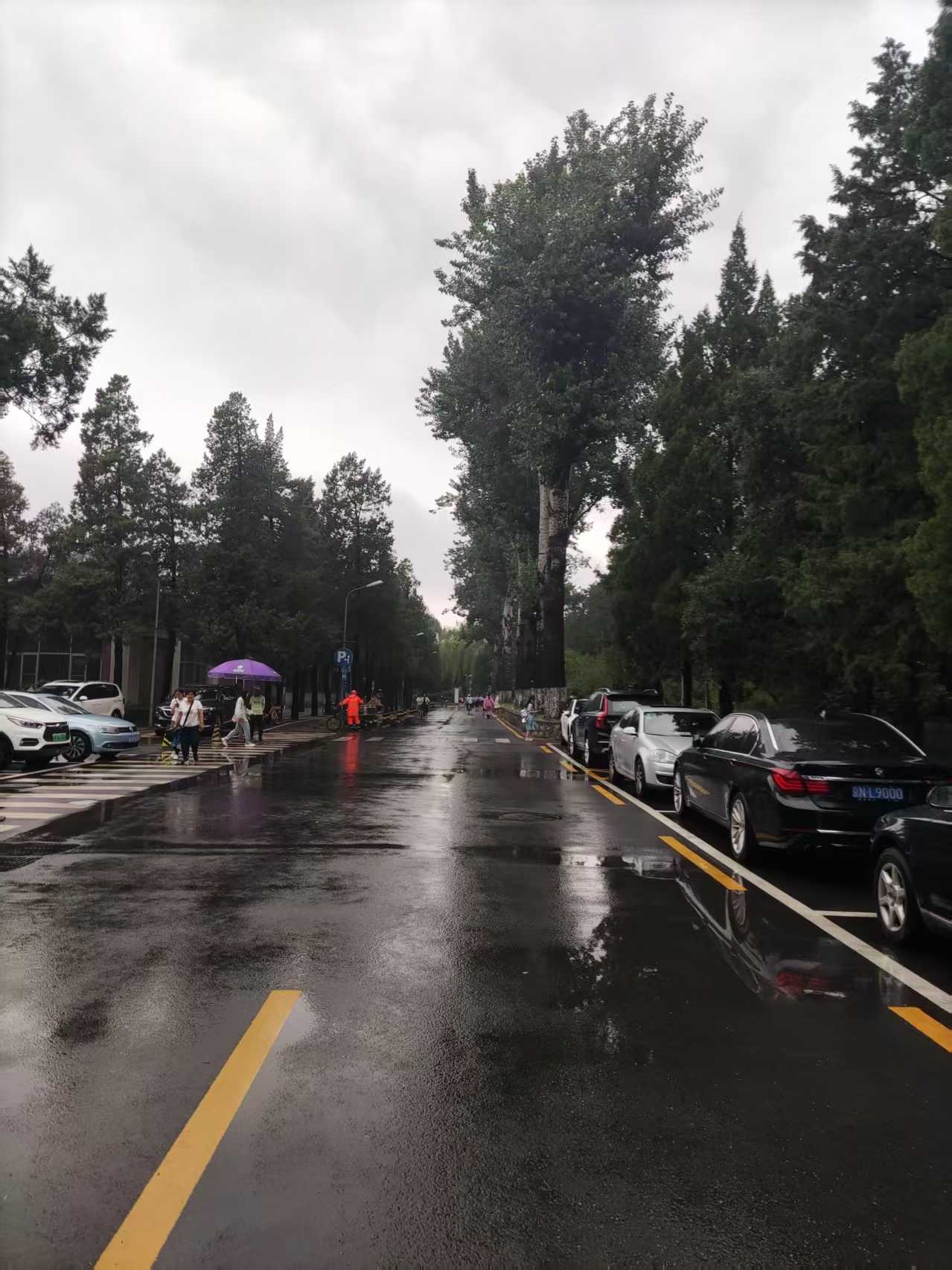
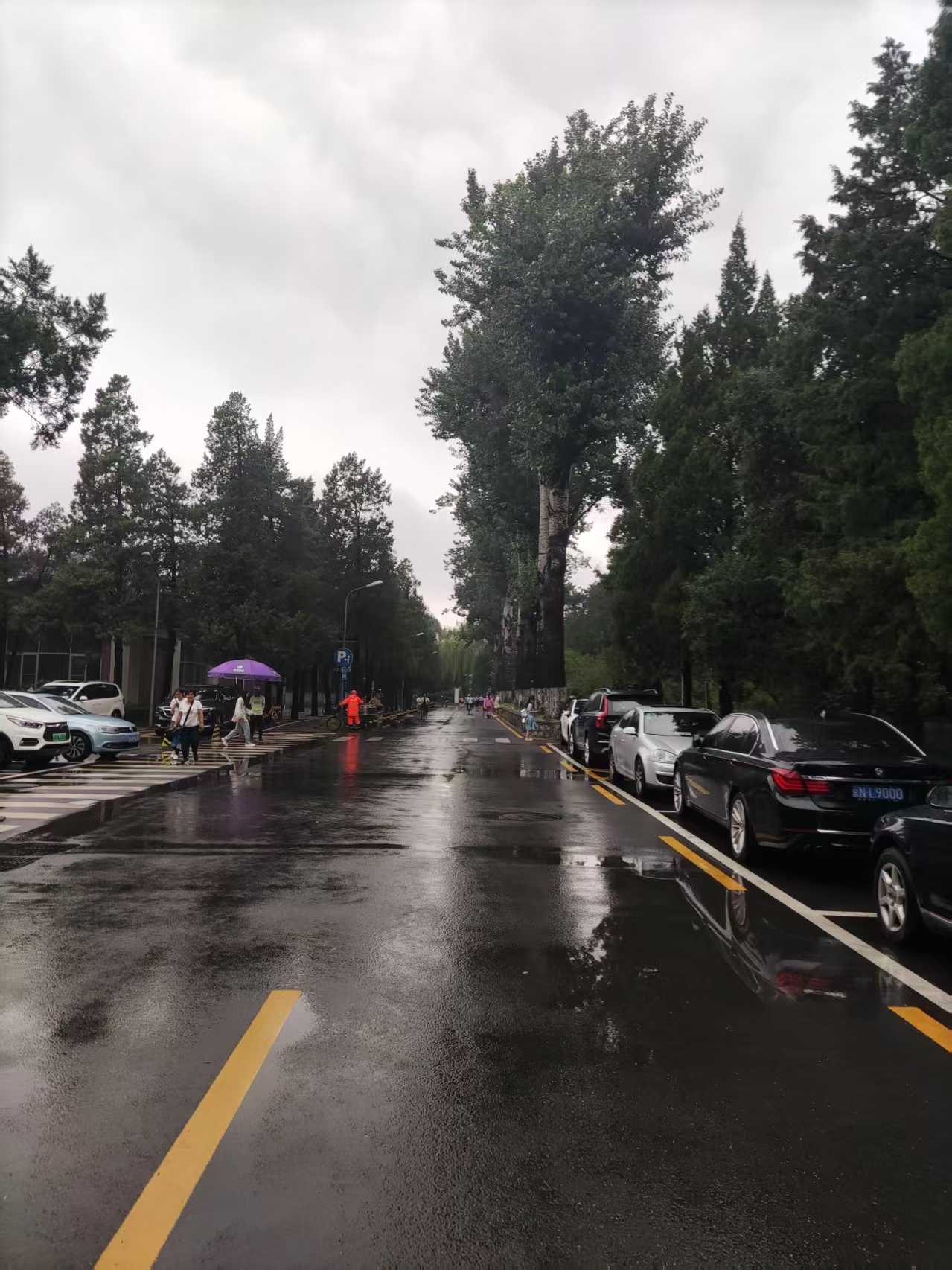
After landing in Beijing and settling into our lodging, the weather decided to give us a proper welcome—a torrential downpour. But a little rain couldn't dampen our spirits. Our whole clan hailed a taxi and headed straight for Tsinghua University.
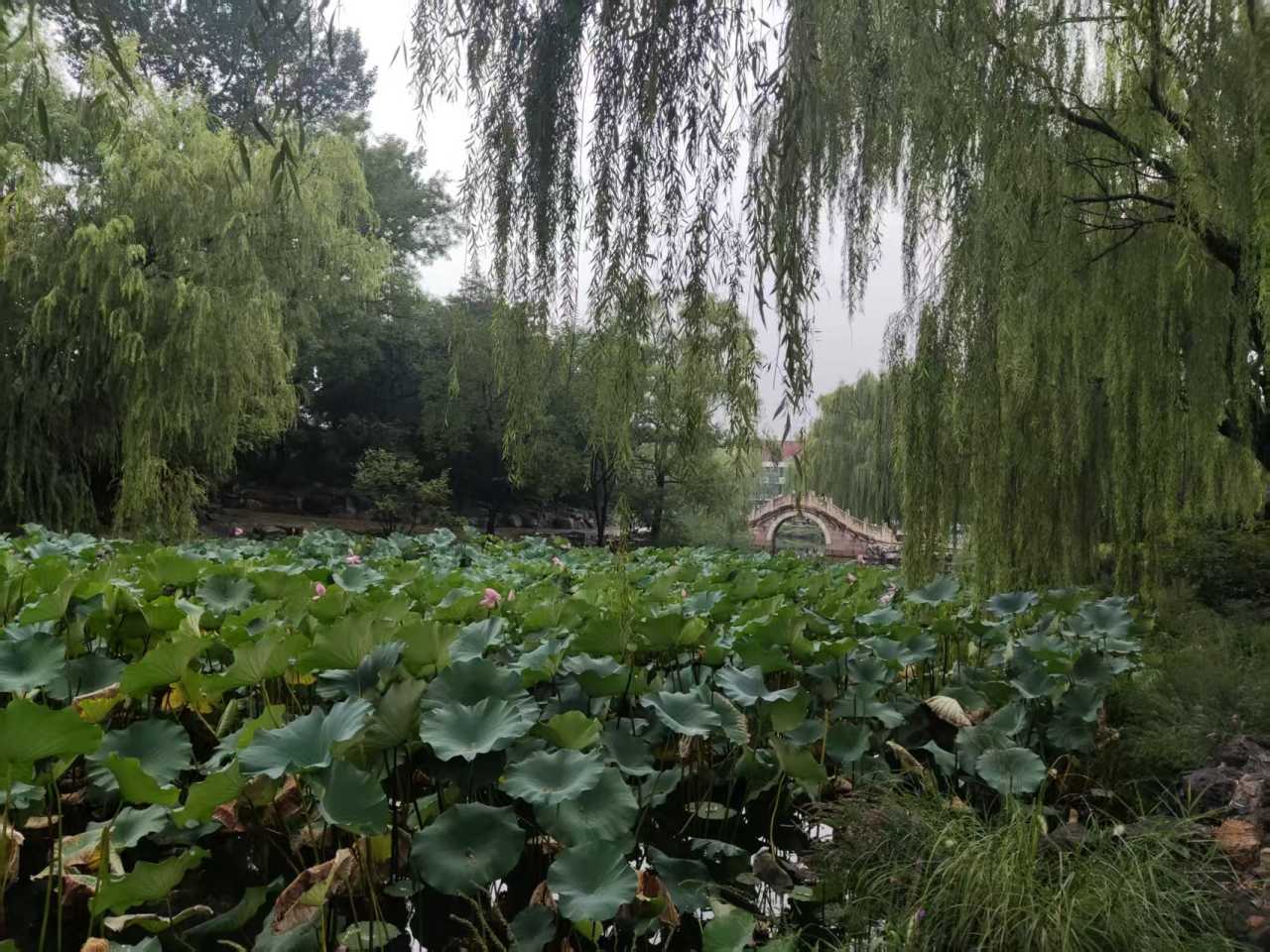
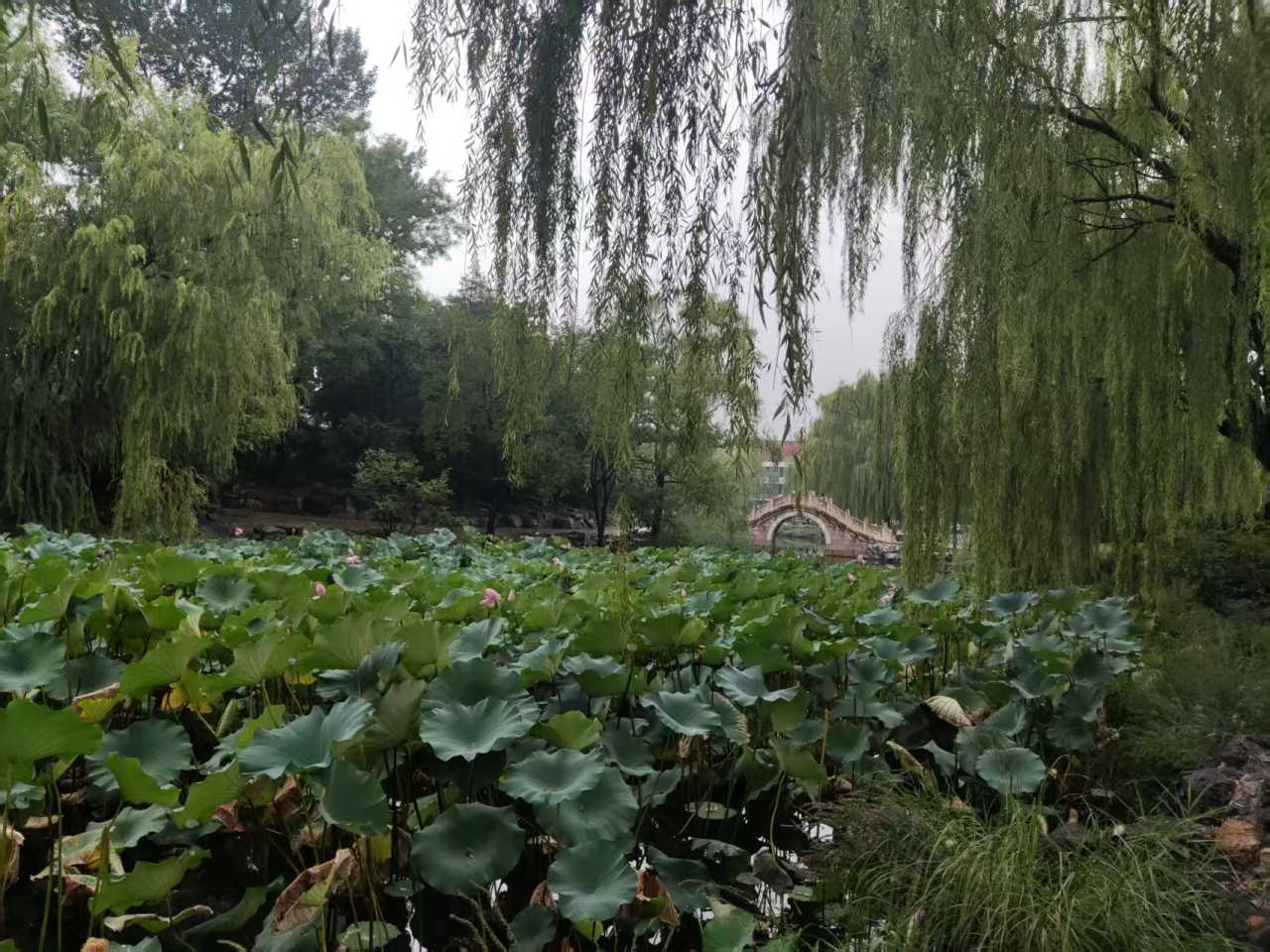
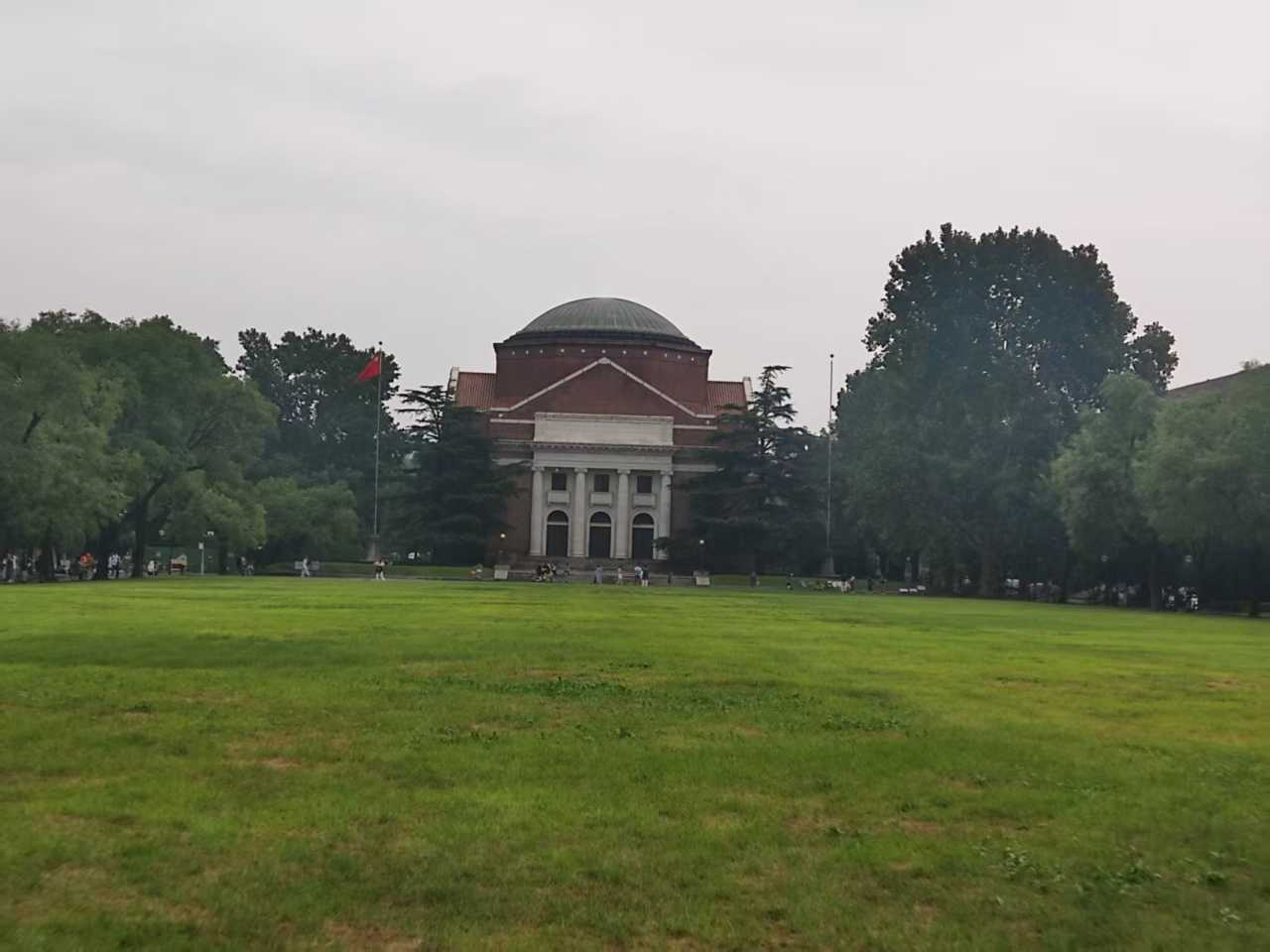
The campus in the rain took on a mysterious, serene quality. Rainwater dripped from the eaves of ancient buildings, splashing into fine droplets on the bluestone paths. Umbrellas in hand, we splashed through puddles, wandering past the Scenery of Water and Wood (Shui Mu Qing Hua), the Moonlit Lotus Pond (He Tang Yue Se), the Second School Gate (Er Xiao Men), and the Tsinghua学堂 (Xuetang) building. We only covered about a fifth of the sprawling campus, but we managed to hit most of the major landmarks.
As we walked, I told the girls stories from Tsinghua's history—Zhu Ziqing's lyrical essay on the lotus pond under moonlight, Liang Qichao's impassioned speeches here, and the scientific giants who once studied on these grounds. The children listened, spellbound, the rain serving as the perfect soundtrack.
When our legs grew tired, we found a milk tea shop on campus and ordered cups of "Ba Wang Cha Ji" (Overlord Tea Princess). Sipping milk tea in the heart of Tsinghua made even the drink taste different. Our younger daughter held her cup seriously and said, "Mommy, I want to study here someday." At that moment, I felt the rain had been a blessing.
Tip for families: If you are planning a Beijing educational trip, visiting a top university like Tsinghua or [Link: Peking University] can be a powerful motivator for children.
The Great Wall and the Old Summer Palace: A Day of Sweat and Reflection
The next morning, we joined a tour group, our first stop being the Badaling section of the Great Wall.
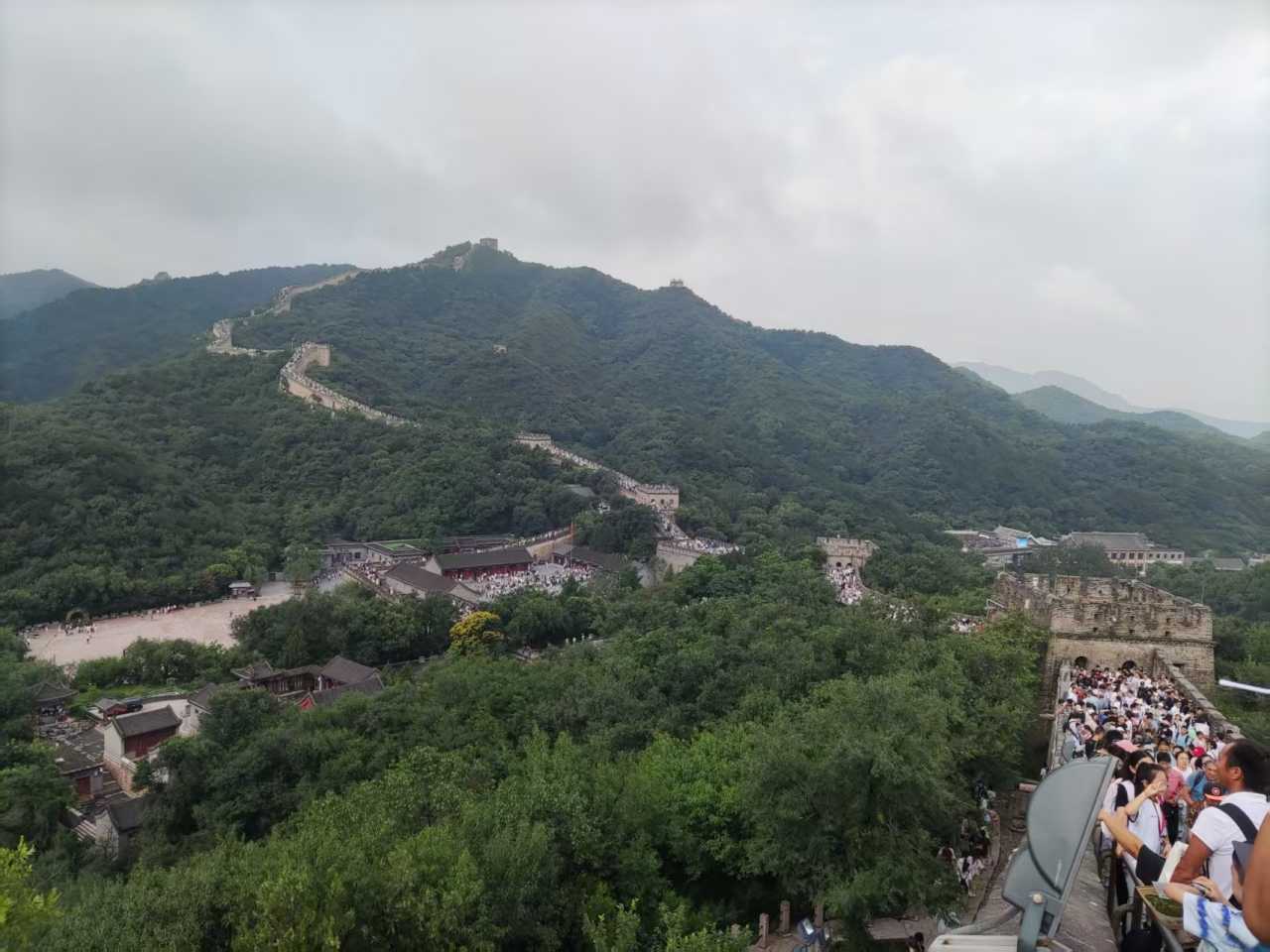
During summer break, the Great Wall was absolutely packed—an ocean of people. The steps were crammed with tourists from all corners of the country; it was truly "hard to move an inch." But the moment we stepped onto the wall, the breathtaking view made every complaint vanish. The winding wall stretched like a giant dragon along the mountain ridges, with distant peaks appearing and disappearing through the mist.
"You're not a true hero until you've climbed the Great Wall, and once you've climbed it, you're drenched in sweat." That old saying felt all too real under the scorching sun. We wiped our brows and kept climbing, telling the girls about Emperor Qin Shihuang building the wall and the legend of Meng Jiangnu weeping it down. Though their little faces were flushed with exhaustion, their eyes sparkled.
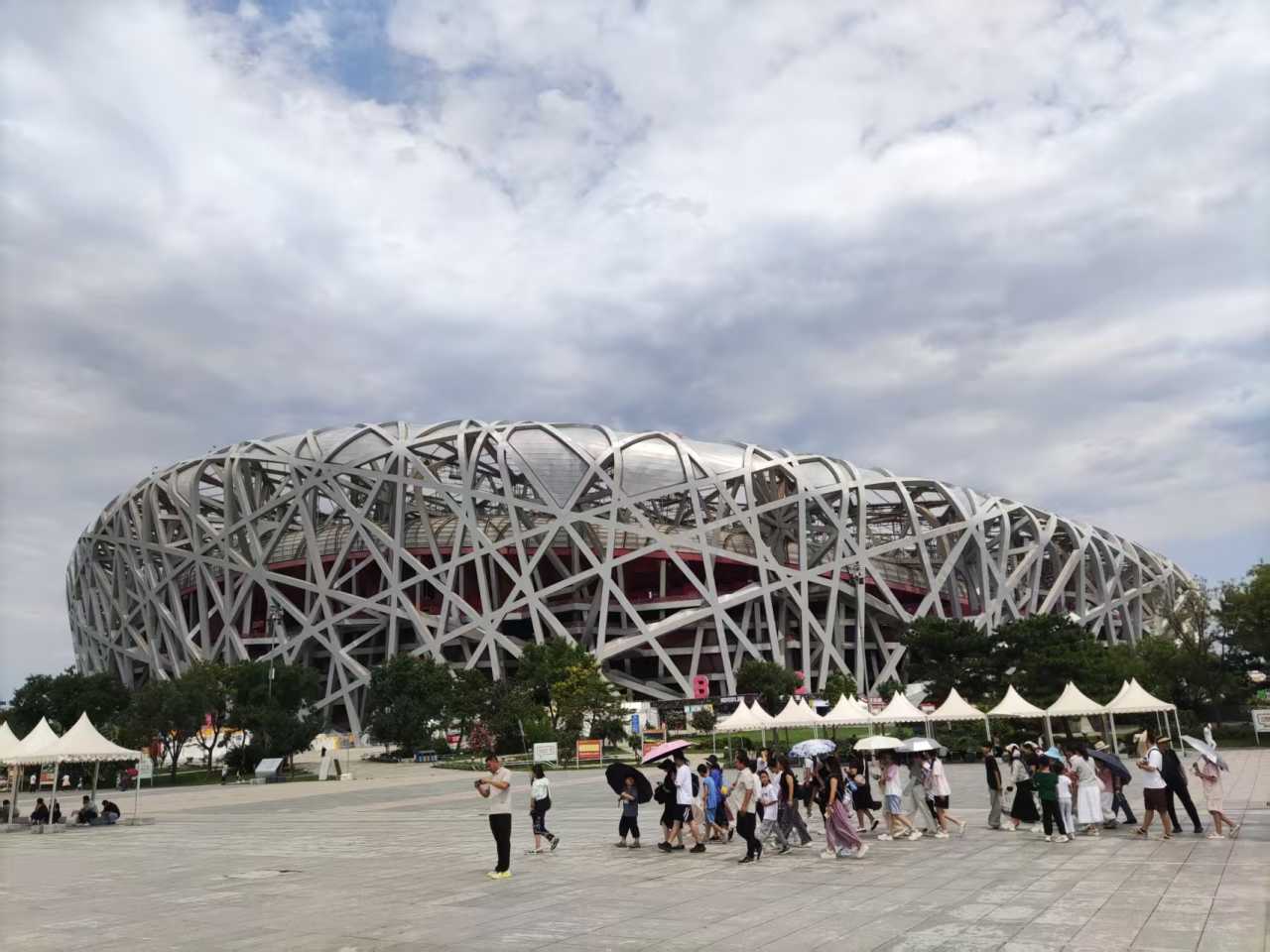
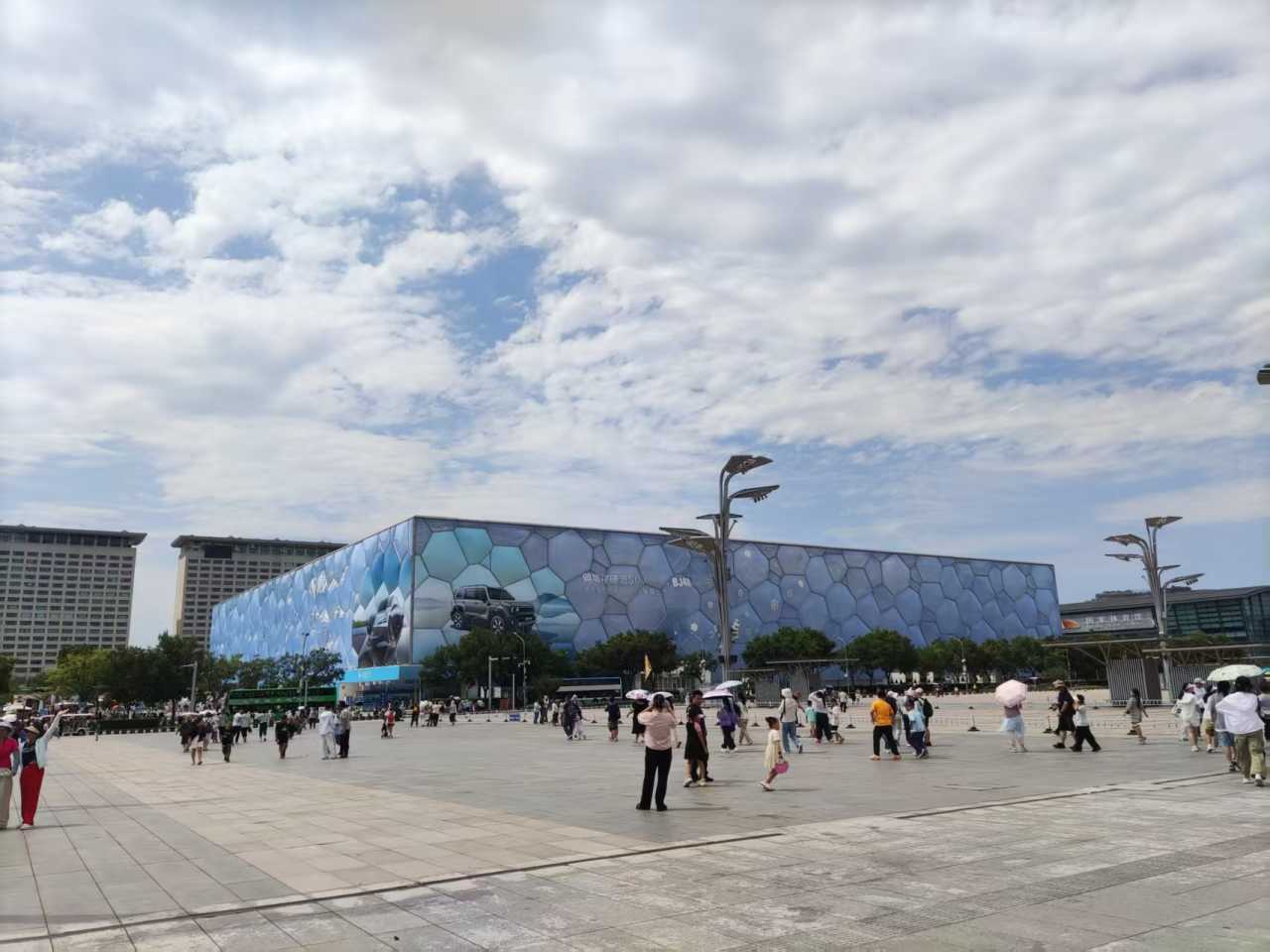
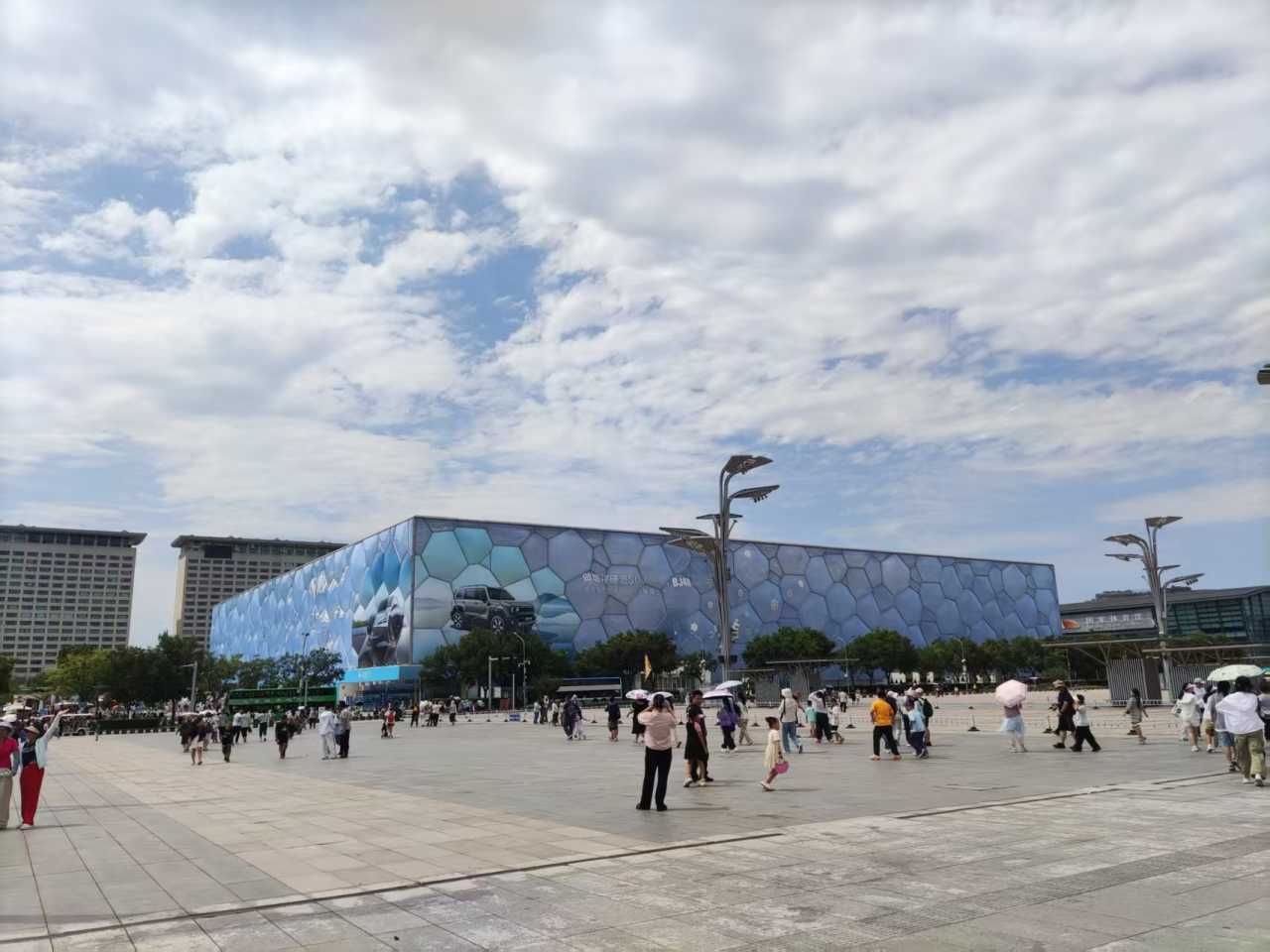
We took a quick look at the Bird's Nest and the Water Cube—the modern Olympic venues stood in stark contrast to the ancient wall, as if representing two endpoints of Beijing's timeline.
In the afternoon, we visited the Old Summer Palace (Yuanmingyuan) Ruins Park. Our guide led a huge crowd, his voice lost in the noise. So we broke off on our own, relying on memories from history textbooks to find traces of the past. Standing before the broken stone pillars and crumbling walls, a heaviness settled in my heart. My daughter asked, "Mommy, who did this?" I knelt down and told her, in terms she could understand, a story about how "backwardness leaves you vulnerable to attack."
Thankfully, the park also had vast lotus ponds. We took a boat ride, closed our eyes, and imagined royal family members gliding through the water, admiring the flowers. It was a surprisingly pleasant escape.
That evening, after waiting in line for an hour or two, we finally enjoyed an authentic copper-pot lamb hot pot (tong guo shuan yang rou). The tender meat, dipped in sesame sauce, practically melted in our mouths. But there was a small hiccup—our daughter asked for rice, and the waiter smiled apologetically, shaking his head: "We don't have rice." He then enthusiastically recommended various noodle dishes. Our daughter looked at me, bewildered: "Mommy, why is there no rice at mealtime?" In the end, the waiter brought out two bowls of rice from the kitchen, which he'd kept for himself. We were deeply grateful. From then on, our daughter developed a new habit: before every meal, she'd ask, "Is there white rice?"
Pro Tip: When planning Beijing food tours with kids, always confirm the menu in advance. Many traditional hot pot restaurants focus on noodles and meat, not rice.
From the Summer Palace to Tiananmen: Pride Written in Our Bones
Day four was packed: the Summer Palace (Yiheyuan), the Temple of Heaven (Tiantan), Tiananmen Square, and Qianmen Street.
The Summer Palace's lakes and hills were mesmerizing, and the Echo Wall at the Temple of Heaven left us in awe of ancient ingenuity. But the moment that moved me most came at Tiananmen Square.
I had assumed the children would find these "non-interactive" ancient buildings boring—after all, they usually prefer amusement parks. But when I saw my two daughters standing before the Tiananmen Rostrum, their little faces lifted, eyes filled with reverence and pride, I knew I was wrong. That longing for the capital, that love for our country, seems to be etched into every Chinese person's bones. No explanation is needed.
Our only regret was that our tight schedule didn't allow us to watch the flag-raising ceremony in person. But our younger daughter clenched her little fist and said, "Mommy, next time we have to come watch the flag-raising!" That small wish had already taken root in her heart.
Planning ahead: If you want to see the Tiananmen flag-raising ceremony, arrive at least 1–2 hours early. It is one of the most popular free things to do in Beijing.
Prince Gong's Mansion: One Residence, Half a Dynasty
On the fifth day, we visited Prince Gong's Mansion (Gong Wang Fu).
Some people say it's just the home of the corrupt official Heshen, not worth seeing. But stepping inside, you realize it holds far more than one man's story. From Emperor Qianlong to Emperor Jiaqing, from peak prosperity to decline, the mansion witnessed the rise and fall of the Qing Dynasty. Every brick, every carved beam and painted pillar, tells a tale of that tumultuous era.
"One Prince Gong's Mansion, half a Qing Dynasty history." That saying is no exaggeration. We walked slowly, observed carefully, and though the children didn't fully grasp the political intrigues, they could still sense the mansion's grandeur and opulence.
For history buffs: This site is a must-see for anyone interested in Qing Dynasty history or Chinese imperial architecture. [Link: Best historical mansions in China]
The Forbidden City: Playing Empress for a Day
On our last day, since our return flight wasn't until evening, we braved Beijing's subway early in the morning and rushed to the Palace Museum (Gu Gu Gong).
The Forbidden City is so vast that even a cursory tour leaves you awestruck. Unfortunately, the museum was closing at noon that day, so we missed several exhibitions our friends had recommended. A few regrets lingered.
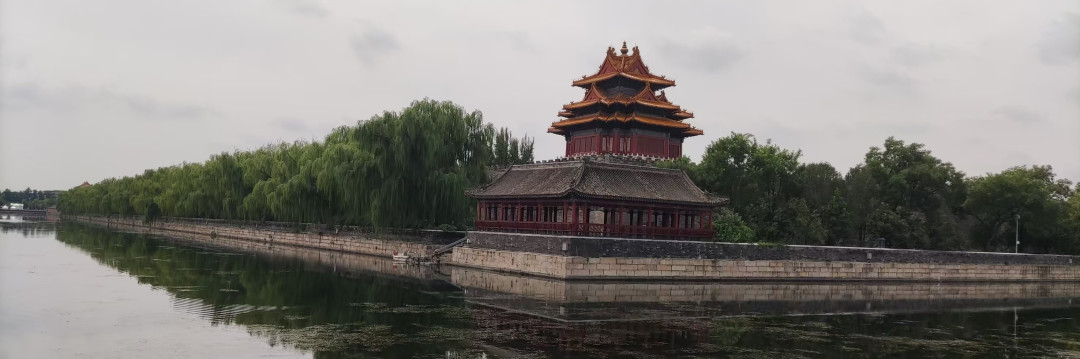
But my daughters and I completed one important "mission"—taking costume photos. I dressed as an empress, and the two girls dressed as little princesses (gege). Against the Forbidden City's red walls and golden tiles, we captured a beautiful set of photos. The photographer was professional.
Family fun: Costume photography in the Forbidden City is a trending activity for families. Book your photographer in advance to secure a slot during peak season.
Frequently Asked Questions (FAQ)
1. What is the best time to visit Beijing with kids? Spring (April–May) and autumn (September–October) offer the best weather. Summer is hot and crowded, but it is also when many school holidays align.
2. Is it easy to find kid-friendly food in Beijing? Yes, but with a catch. While Peking duck, dumplings, and noodles are popular, many traditional hot pot spots do not serve rice. Always ask for "bai fan" (white rice) if your child prefers it.
3. How many days do you need to see Beijing's main attractions? A minimum of 5–6 days is recommended for a relaxed pace. This allows time for the Great Wall, Forbidden City, Summer Palace, and a cultural experience like a hutong tour.
4. Is the Forbidden City wheelchair or stroller friendly? Partially. The main path is accessible, but many side halls have high steps and uneven stone paths. A lightweight stroller is recommended for younger children.
5. Can you visit the Great Wall in a half-day? Yes, but it will be rushed. A full-day trip (including travel time from central Beijing) is better for families, especially if you want to avoid the worst crowds.
Conclusion: Your Own Beijing Family Adventure Awaits
This six-day journey through Beijing was more than a vacation—it was a bridge between generations. The rain at Tsinghua, the sweat on the Great Wall, the history at the Old Summer Palace, and the laughter at the Forbidden City all combined to create memories that will last a lifetime.
If you are planning a family trip to China, don't hesitate to include Beijing. The city may be ancient, but the wonder it inspires in children is timeless.
Ready to plan your own trip? Start by booking your flights and creating a flexible itinerary that balances sightseeing with downtime. And remember: whether it's roast duck, hot pot, or candied hawthorn skewers, the food is just as important as the history.
[Click here to explore our recommended Beijing family tour packages] or [Download our free 7-day Beijing itinerary checklist]
Internal Linking Suggestions: - [Link: How to visit the Great Wall with kids] - [Link: Best family-friendly hotels in Beijing] - [Link: Complete guide to the Forbidden City] - [Link: Top 10 Chinese dishes for picky eaters]
You should also read:
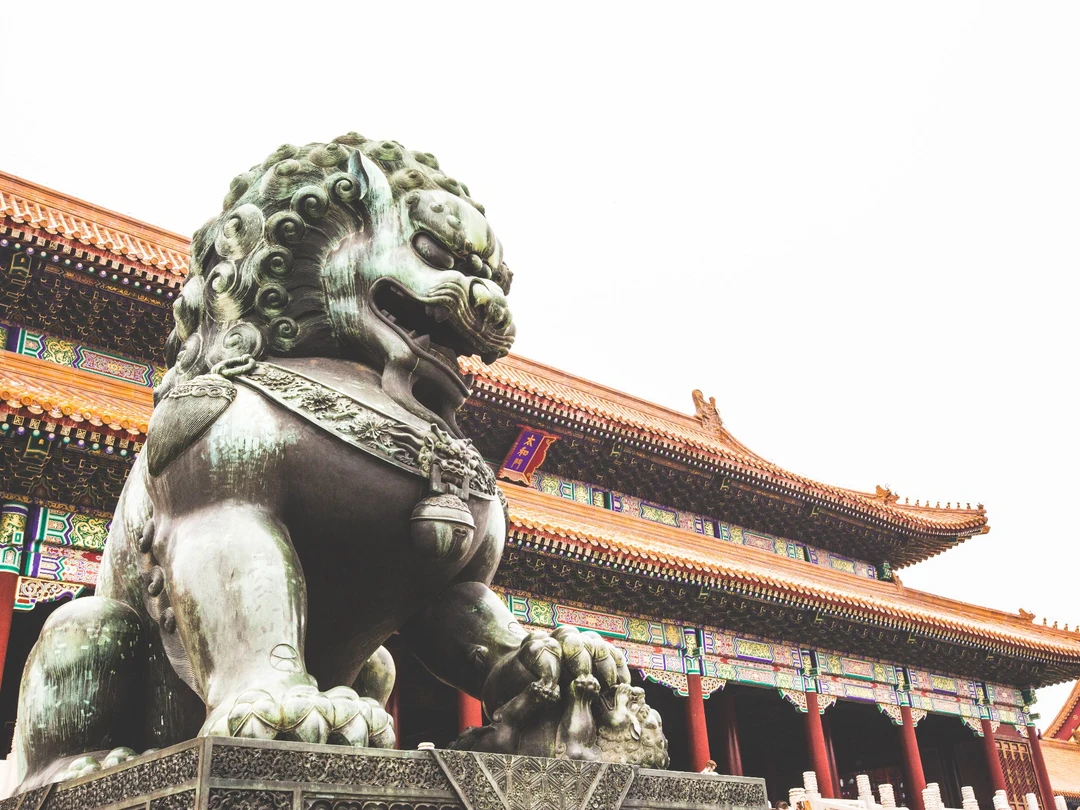
First Visit to Beijing: Living in a Century-Old Courtyard, Being the Forbidden City's Neighbor
Meta Description: Experience Beijing like a local with this first-timer's guide. Stay in a century-old siheyuan near the Forbidden City, explore hutongs, climb the Great Wall, and avoid common tourist pitfalls. Your ultimate Beijing itinerary awaits. I've always believed that the best kind of travel…
Continue reading...
Strolling Through Fragrant Beijing: The Imperial City of Crimson Walls and Azure Tiles – A Complete Travel Guide
Meta Description: Explore Beijing's Forbidden City, Temple of Heaven & hidden hutongs in this SEO-optimized travel guide. Walk 60km through crimson walls & azure tiles with insider photography tips. Plan your imperial city adventure today. "My Beijing City" plays on repeat as I write this—the…
Continue reading...
Beijing Travel Guide: A Personal Journey Through Smog, History, and Hidden Stories
Meta Description: Discover Beijing beyond the tourist traps. This personal travel story explores hutong culture, historical sites, and local secrets—from Jingshan Park to Yuanmingyuan. Perfect for travelers seeking authentic experiences. Beijing. The name alone conjures images of smog-shrouded skylines, the majestic Forbidden City, labyrinthine hutong…
Continue reading...