Traveling with Parents Season 2: Beijing – A Journey Through Time and Kinship
Meta Description: Plan the perfect family trip to Beijing with our SEO-optimized guide. Discover top attractions like the Temple of Heaven, Tiananmen Square, and Quanjude roast duck. Tips for traveling with parents included.
Introduction: When Filial Piety Meets the Ancient Capital
Some say travel is the ultimate test of a relationship, and traveling with parents is a practice in love and patience. On the eve of National Day in 2018, I took my parents on a trip to Beijing. This was more than a simple family getaway—it was a cultural exploration spanning history and modernity, tradition and innovation. From the overnight train departing Shenzhen North Station to the first rays of sunlight at Beijing West Station, every moment was filled with anticipation and warmth.
Whether you're planning a Beijing family tour or looking for multi-generational travel tips, this guide offers practical advice and heartfelt insights for exploring China's capital with aging parents.
Pre-Trip Preparation: Thoughtfulness Packed in a Checklist
Before departure, I prepared like a general about to march into battle, meticulously assembling all the gear. IDs and cash were essential, but what truly showed my professionalism were those seemingly trivial yet indispensable items.
Electronics for Capturing Memories
- Camera gear: Canon 5D3 with 16-35mm f/2.8 and 70-200mm f/2.8 IS lenses, plus Sony RX1R as backup
- Power bank: Feimao 20,000mAh to keep devices charged all day
- Memory cards: Multiple SD cards, card reader, and storage bag for photos
- Phone: Samsung S9 for quick snaps and navigation
Daily Necessities for Comfort
- Dual-shoulder camera bag for easy carrying
- Spare glasses, iPad Air 2, MP4 player, power strip, umbrella
- Medication, water bottle, herbal tea, laptop
- Even a grip strengthener, bathroom scale, and foam roller—yes, gum too

This level of detail wasn't just for comfort—it was to show my parents: your son has grown up.
Day 1: Warmth on the Overnight Train
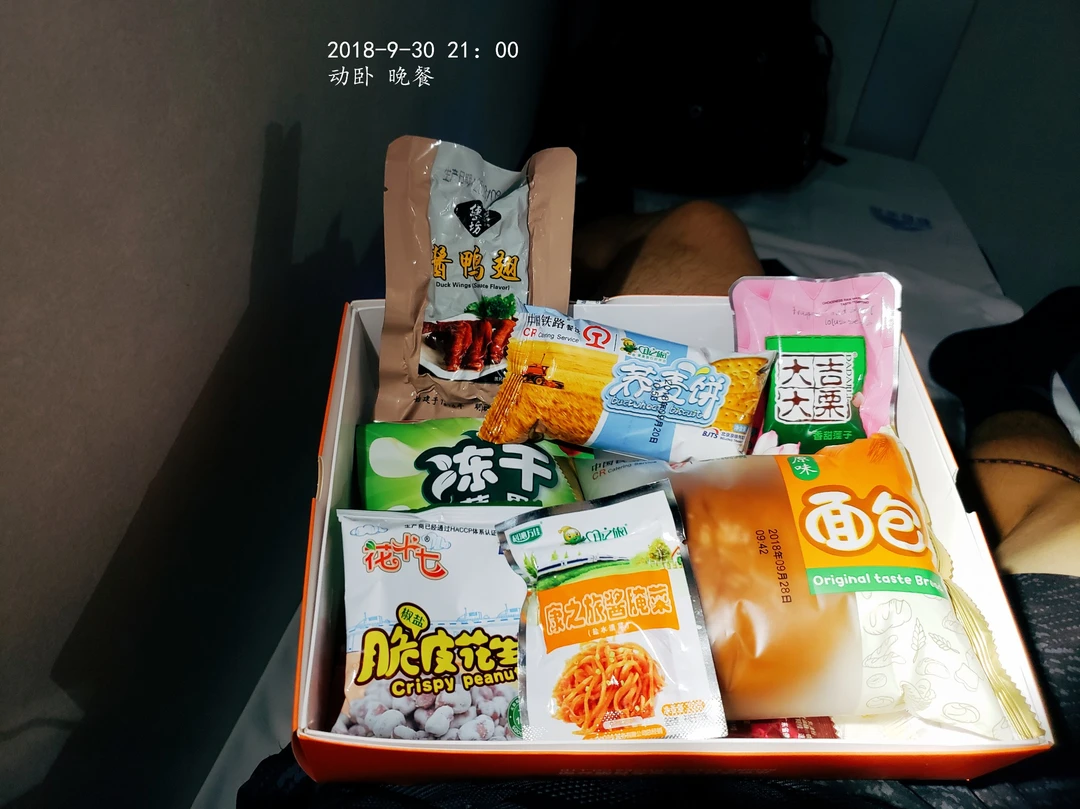
After work on September 30, I hurried to Shenzhen North Station. On the sleeper train, the lower bunk was occupied by an elderly couple, reminding me of my own parents. As night fell, the train slowly departed, the lights outside fading into the distance. When dinner was served, I held the meal tray and watched my parents chatting on the opposite bunks. In that moment, all fatigue melted into warmth.
Pro tip for parents traveling by train: Book lower bunks for elderly travelers—easier access and better views.
Day 2: National Day – First Impressions of the Capital
Morning Arrival: From Beijing West Station to Dongjiaomin Lane
On the morning of October 1, Beijing West Station welcomed its first wave of travelers. I quickly bought three Beijing Yikatong cards—a smart move, as they work on both buses and subways, saving us the hassle of queuing for tickets. I took the subway from Beijing West Station to Beijing Station to pick up my parents. Along the way, we passed Dongjiaomin Lane, a 1,552-meter-long street that served as the embassy district after 1860. Its Western-style buildings still stand, telling stories of a century of change.
[Link: Beijing transportation guide for tourists]
Check-in at Capital Hotel
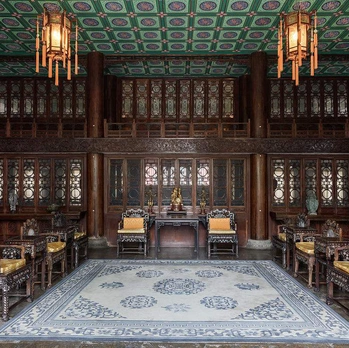
We stayed at the Beijing Capital Hotel, a classic establishment that opened in 1988. Its location near Wangfujing, Tiananmen, and Qianmen was ideal. The triple room wasn't luxurious, but its convenience was unbeatable—we could walk to the Temple of Heaven.
Temple of Heaven: The Wisdom of Round Heaven and Square Earth
The Temple of Heaven, where Ming and Qing emperors performed rituals to pray for good harvests, covers 2.73 million square meters and was first built in 1420. As we strolled through, the most awe-inspiring sight was the Hall of Prayer for Good Harvests. This circular structure, 32.72 meters in diameter and 38 meters tall, is supported by 28 massive Nanmu pillars. The four central ones, called "Dragon Well Pillars," symbolize the four seasons; the 12 inner pillars represent the 12 months; the 12 outer pillars correspond to the 12 double-hours of the day; and all 24 pillars together signify the 24 solar terms—ancient wisdom that leaves you speechless.
Nine-Dragon Juniper: An ancient cypress northwest of the Imperial Vault of Heaven, its trunk twisting like nine coiled dragons. Legend has it that Emperor Qianlong once saw nine snakes burrow into the ground here, giving the tree its name. My parents listened, utterly captivated, as if transported back to the Qing dynasty.
Echo Wall: The enclosing wall of the Imperial Vault of Heaven, 3.72 meters high, 0.9 meters thick, and 193.2 meters in circumference. If two people stand behind the east and west side halls and speak softly against the wall, the sound travels along the curve. My parents tried it, laughed with delight, and felt like kids again.
Circular Mound Altar: The southern part of the Temple of Heaven, used for worshipping Heaven, was built in 1530. Its four gates—Chengzhen, Taiyuan, Guangli, and Zhaoheng—form the phrase "yuan heng li zhen" when their second characters are combined, symbolizing growth, prosperity, and smoothness. My parents didn't understand the deeper meaning, but watching them listen intently to the guide filled me with warmth.
Tiananmen Square: A Sea of People on National Day
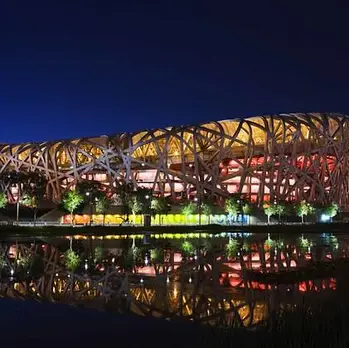
On National Day, Tiananmen Square was packed. The giant flower basket, the Monument to the People's Heroes, the Great Hall of the People—every landmark carried profound history. The monument stands 37.94 meters tall, with Mao Zedong's inscription "Eternal Glory to the People's Heroes" on the front and Zhou Enlai's 150-character epitaph on the back. My parents stood silently before it, lost in thought. I knew they were recalling the stories from their textbooks.
Great Hall of the People: This magnificent building, covering 171,800 square meters, houses the National People's Congress and the Chinese People's Political Consultative Conference. The Hunan Hall features a giant wool tapestry titled "Chairman Mao with the People of All Ethnic Groups," while the Liaoning Hall boasts a mural called "Prosperity." Every room exudes national grandeur. The 10,000-seat Great Auditorium, with its column-free domed ceiling, left my parents craning their necks in awe: "How much did this cost?!"
[Link: Top 10 things to do in Beijing with family]
Qianmen Street: The Flavor of Old Beijing
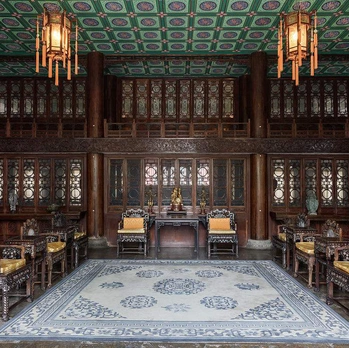
In the evening, we arrived at Qianmen Street. This 845-meter-long commercial thoroughfare was once the imperial route for emperors heading to the Temple of Heaven. Historical scenes are carved into the paving stones, and the aroma of copper-pot hotpot from the century-old Donglaishun restaurant filled the air. The night view of Qianmen was stunning, with the lantern-lit alleyways of Dashilan inviting endless wandering.
Day 3: Zoo and Shichahai
Beijing Zoo: Pandas Fighting – Pure Adorableness
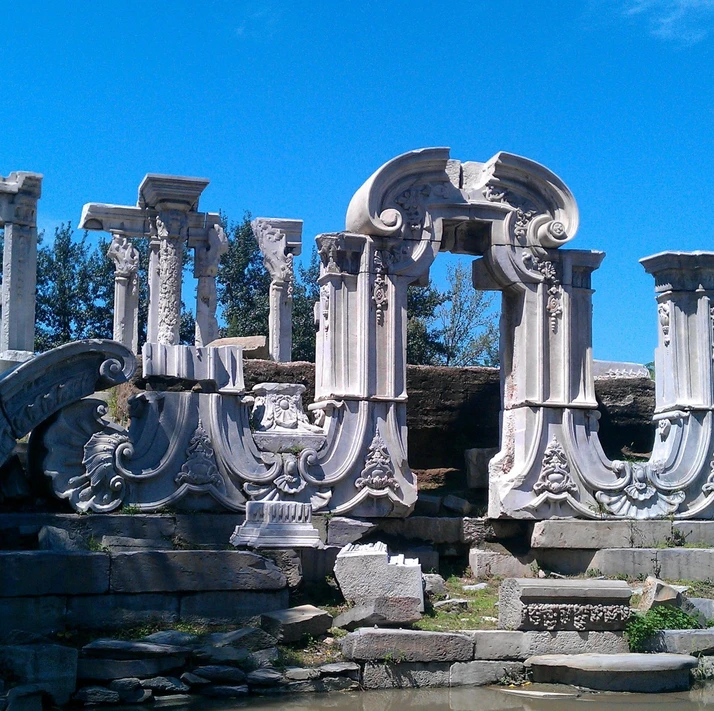
On October 2, we visited the Beijing Zoo. Founded in 1906, it houses over 5,000 animals of more than 500 species. The most unforgettable moment was in the Panda Hall—we witnessed two pandas wrestling, their round bodies tumbling together, melting everyone's hearts. My parents laughed uncontrollably: "This is way better than watching TV!" The penguins, zebras, eagles, and elephants at the aquarium and elsewhere turned my parents into curious kids again.
Shichahai: The Silver Ingot Bridge and Distant Mountains
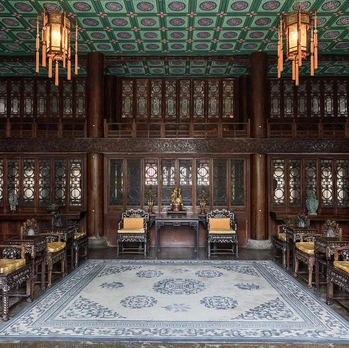
In the afternoon, we went to Shichahai. This scenic area, covering 336,000 square meters of water, is the only open expanse of water within Beijing's inner city. The Silver Ingot Bridge (Yinding Bridge) spans the gap between Qianhai and Houhai lakes, shaped like a silver ingot. Standing on it, you can glimpse the Western Hills in the distance—a view known as "Silver Ingot Viewing the Mountains." My parents stood there, watching the sunset, and sighed, "Beijing is so vast!"
National Centre for the Performing Arts: A Pearl in Water
In the evening, we visited the National Centre for the Performing Arts. Designed by French architect Paul Andreu, this unique structure sits surrounded by a pool of clear water, resembling a luminous pearl. My parents didn't understand the architecture, but gazing at its reflection, they kept saying, "It's so beautiful!"
Quanjude: China's Top Culinary Experience
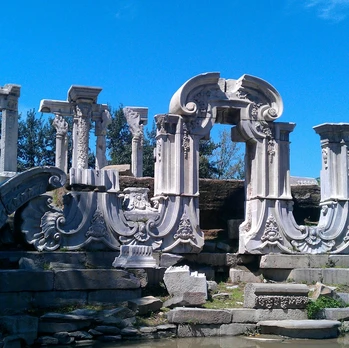
Dinner was at Quanjude Roast Duck. Founded in 1864, this legendary restaurant is hailed as "China's number one culinary establishment." The crispy skin, tender meat, and delicate pancakes made for an unforgettable meal. My parents, who usually prefer home-cooked food, couldn't stop eating—they even asked for seconds.
[Link: Best Peking duck restaurants in Beijing]
FAQ: Traveling with Parents in Beijing
1. What is the best time to visit Beijing with elderly parents?
Spring (April–May) and autumn (September–October) offer mild weather, fewer crowds, and beautiful scenery. Avoid National Day (October 1–7) if you want to skip massive crowds.
2. How can I make public transportation easier for parents?
 Buy Beijing Yikatong cards at subway stations—they work on buses and subways, eliminating ticket queues. Use wheelchair-accessible subway stations and consider ride-hailing apps like Didi for longer distances.
3. Are there senior discounts for Beijing attractions?
 Yes! Many attractions offer free or discounted entry for seniors aged 60+ with valid ID. Check official websites or ask at ticket counters.
4. What should I pack for a family trip to Beijing?
Essentials include comfortable walking shoes, layered clothing, sun protection, a power bank, medication, and snacks. For parents, bring a portable stool for resting, a water bottle, and a small umbrella.
5. Can I visit the Forbidden City with elderly parents?
Yes, but plan for limited mobility—the complex is vast, and many areas require walking. Rent a wheelchair (available at the entrance) or take a guided tour that covers key highlights without exhausting walking.
Conclusion: The True Wealth of Travel
This trip wasn't about luxury or Instagram-worthy photos. It was about the moments in between—the shared laughter at the pandas, the awe at the Temple of Heaven, the simple joy of a roast duck dinner. Traveling with parents is a practice in love, patience, and gratitude. It reminds us that the greatest gift we can give is time.
Ready to plan your own family adventure? Start by booking your Beijing family tour today. Whether you choose a multi-generational travel package or a DIY itinerary, the memories you create will last a lifetime.
[Link: Book your Beijing family tour now]
Have you traveled with your parents to Beijing? Share your story in the comments below!
You should also read:
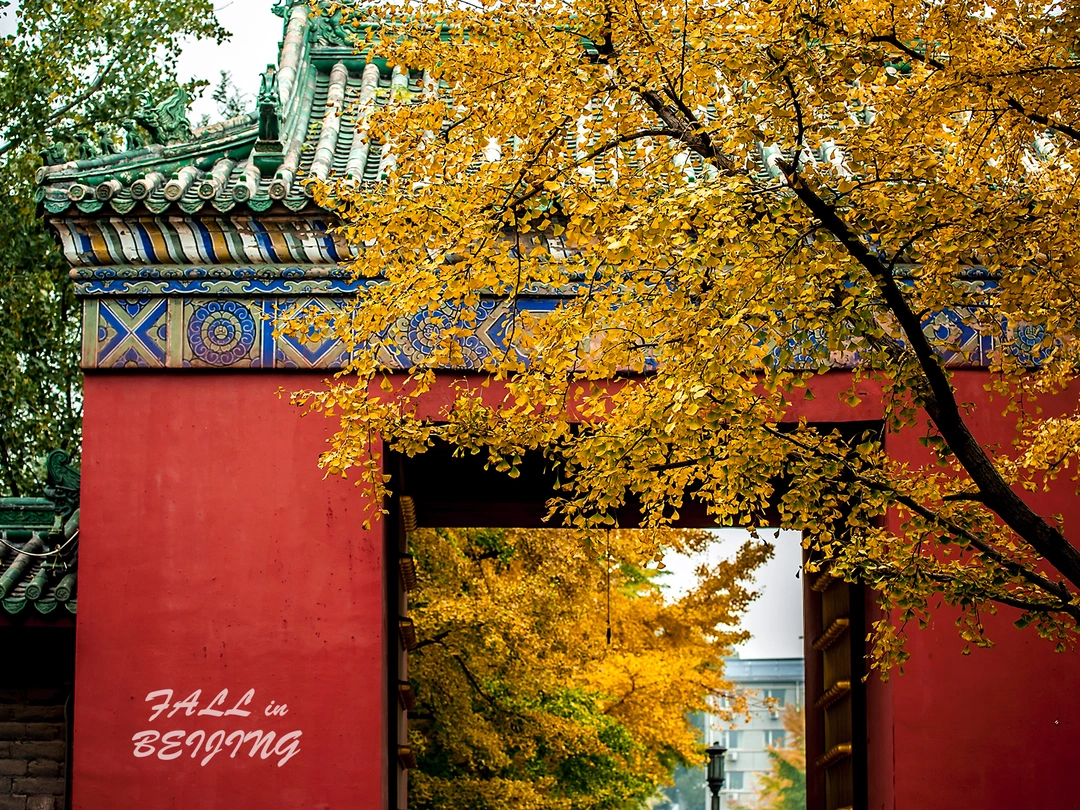
Living in Beijing: A Love Letter to Autumn – Why October Is the City's Best-Kept Secret
Meta Description: Discover why Beijing in autumn is pure magic. From golden ginkgo avenues to hidden hutong gems, this 2014 love letter captures the city's soul. Plan your fall visit now. There's a reason why old Beijing hands get misty-eyed when October rolls around. It's…
Continue reading...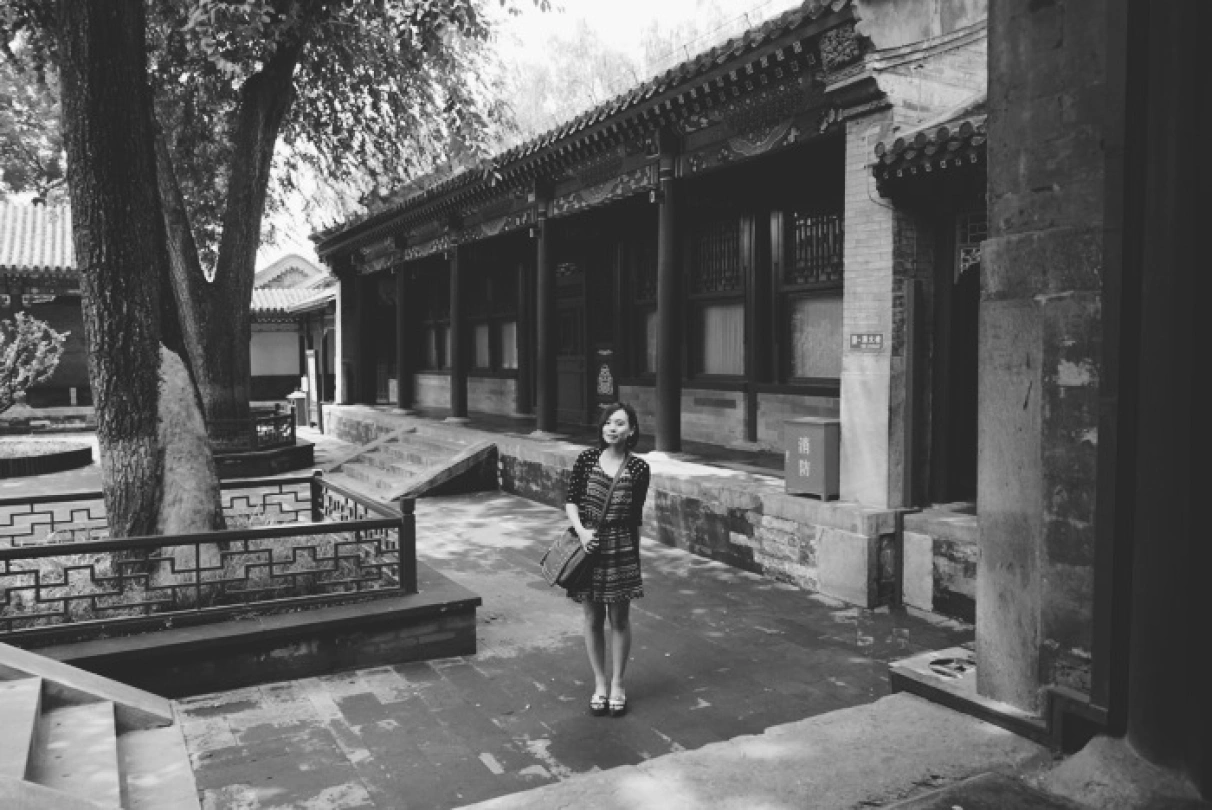
Solo in Beijing: Discovering Another Side of the Capital Amid Red Walls and Grey Tiles
Meta Description: Traveling solo in Beijing on a student budget? Discover hidden gems, practical tips for first-time solo travelers, and how to explore the capital's red walls and grey tiles without breaking the bank. When my friends asked why I chose to go to Beijing…
Continue reading...
A Spontaneous Escape Through Tianjin, Beijing, and Shandong: An Unforgettable Solo Travel Adventure
Meta Description: Discover the raw beauty of a spontaneous solo journey through Tianjin, Beijing, and Shandong. From Quanjude roast duck to Tanggu night views, read this heartfelt travelogue of escape and self-discovery. The July wind carried restlessness and unease. After abruptly ending a ten-day job…
Continue reading...