Two Days in Old Beijing: The Ultimate Itinerary for Exploring Ancient China's Capital
Meta Description: Discover the perfect 2-day Old Beijing itinerary covering the Forbidden City, Jingshan Park, Yonghe Temple, and hidden hutong gems. Expert tips on tickets, photography, and where to eat authentic Peking duck.
Introduction: Why a Spontaneous Trip to Old Beijing Beats Any Planned Tour
Have you ever felt that sudden urge to abandon all your carefully laid plans and simply walk through a city's oldest textures? That's exactly what happened during my recent trip to Beijing. What started as a whim turned into an unforgettable two-day journey through the city's ancient heart—a soulful dialogue with imperial history, hutong culture, and culinary traditions that have endured for centuries.

This Old Beijing itinerary is designed for travelers who want to experience the city's authentic soul, not just tick off tourist boxes. Fair warning: This schedule is ambitious. If you prefer a slower pace, stretch it into three days. I've included visiting times, transportation options, and practical tips for every attraction.
Key tip: Most of this route is walked on foot. Choose comfortable shoes—or follow my transportation alternatives at key spots.
Day 1 | Forbidden City, Corner Tower Coffee & Peking Duck: A Perfect Day in Old Beijing
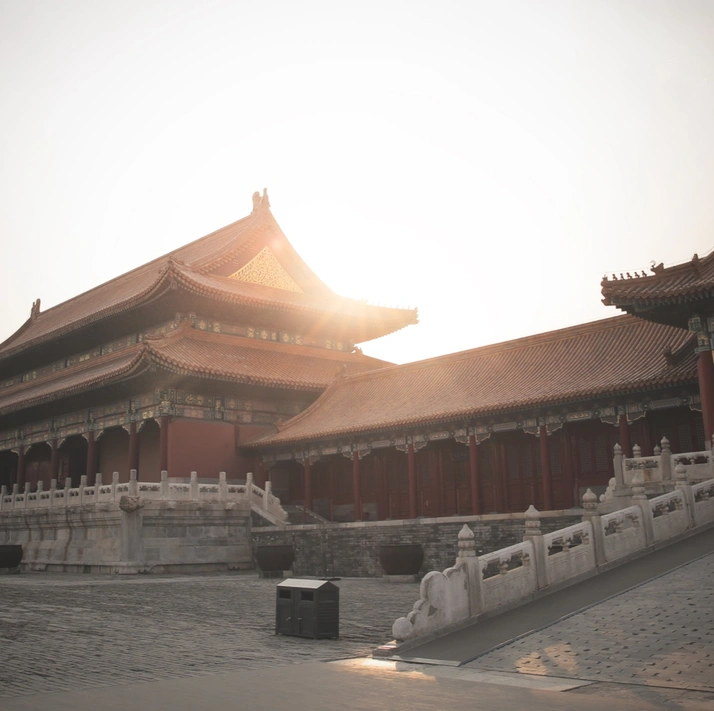
The Forbidden City: Beijing's Hardest-Working Trendsetter
Primary Keyword: Forbidden City tickets and visiting guide
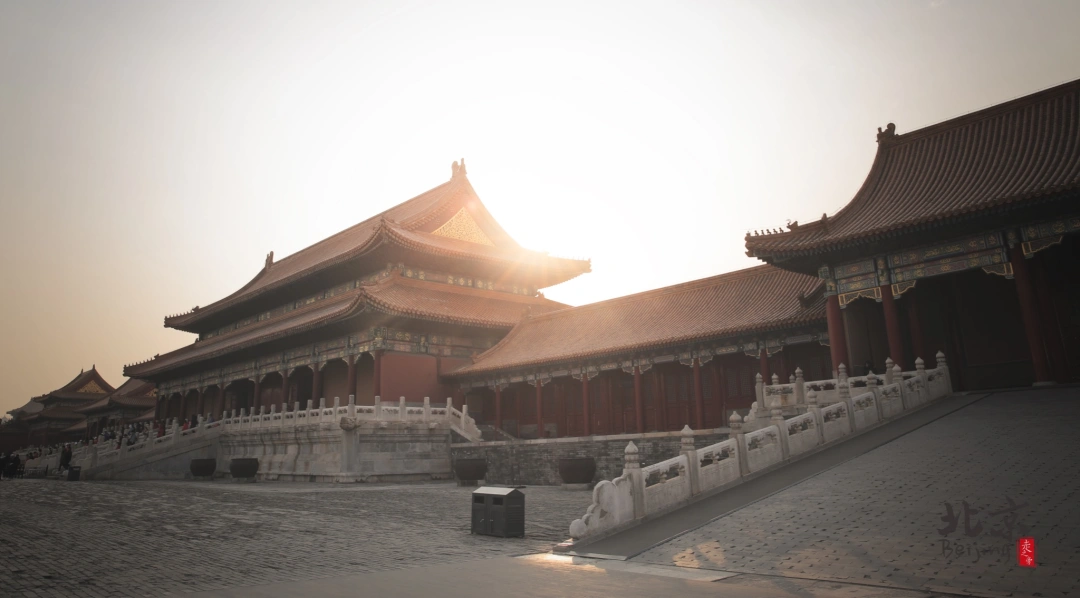
The Forbidden City isn't just Beijing's most iconic landmark—it's the centerpiece of any Old Beijing itinerary. But here's the catch: You must book tickets in advance. Walk-up sales are virtually nonexistent.
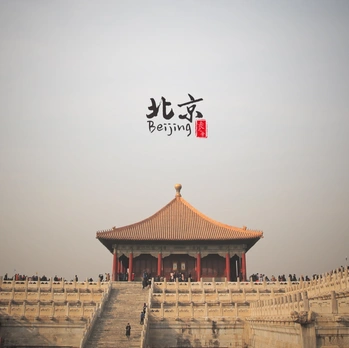
Ticket Information: - Low season (November-March): 40 RMB/person - High season (April-October): 60 RMB/person - Treasure Gallery & Clock Gallery: 10 RMB each (separate tickets required)
Transportation: Take Subway Line 1 to "Tiananmen East" or "Tiananmen West" station, then walk.
Visiting Time: Allow 5 hours for a thorough exploration.
Pro photography tips for crowded days: - Arrive early or late to avoid peak crowds - Skip the central axis—explore side halls instead - Shoot from low angles to minimize crowd interference - Include people in your frame for scale - Focus on architectural details
For a complete Forbidden City route and more photos, see my dedicated post: "A Winter Visit to the Forbidden City" [Link: Forbidden City photography tips]
Corner Tower Café: The Must-Visit Spot After the Forbidden City
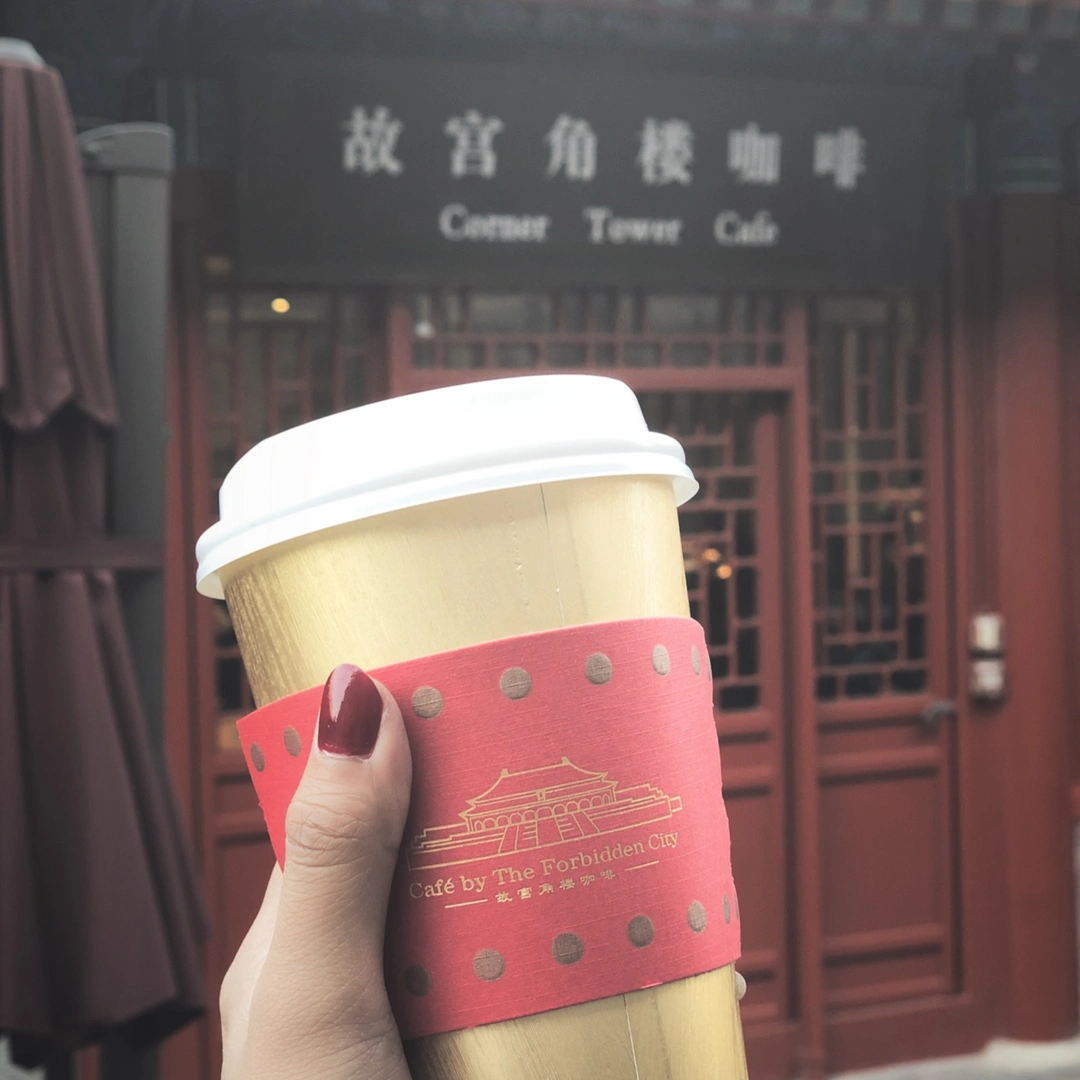
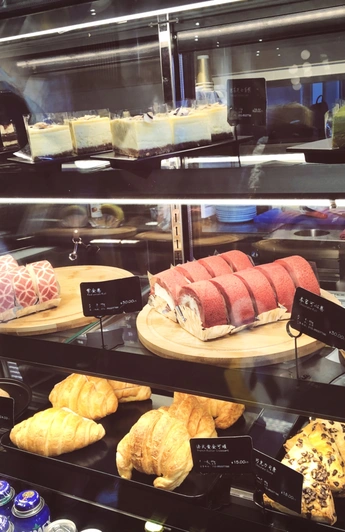
After exiting through the Gate of Divine Might, turn left (west) and you'll find the famous Forbidden City Corner Tower Café. Despite a short queue, it's worth the wait—especially when your legs feel like they're about to give out.
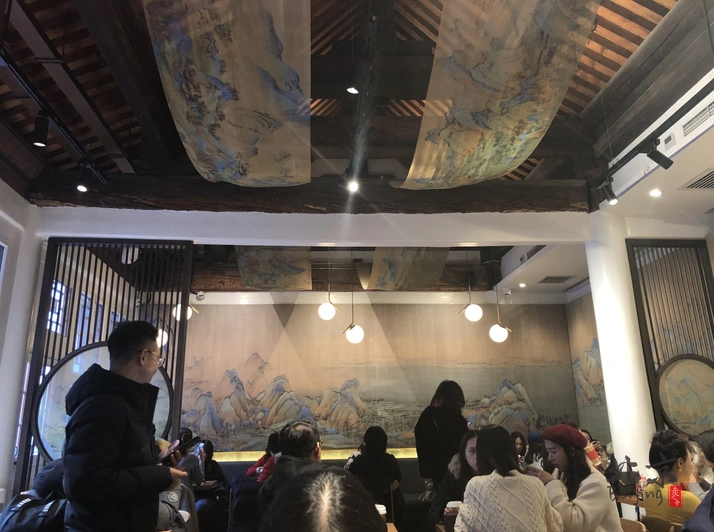
The experience: The café's interior features the famous A Thousand Li of Rivers and Mountains painting. Space is tight, so finding a seat requires patience. I ordered "Kangxi's Favorite Chocolate" (a rich hot chocolate) paired with "A Thousand Li Roll" (a creative dessert). It revived me instantly.
Cost: Approximately 50 RMB per person Rating: ★★★★ (above-average quality, fun creative concept) Time: About 1 hour (including waiting and photos)
Jingshan Park: The Best Panoramic View of the Forbidden City
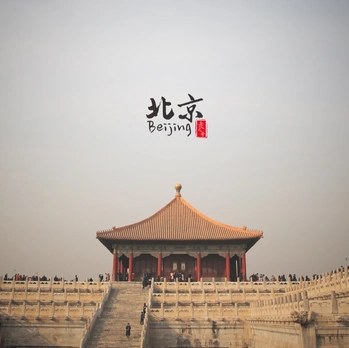
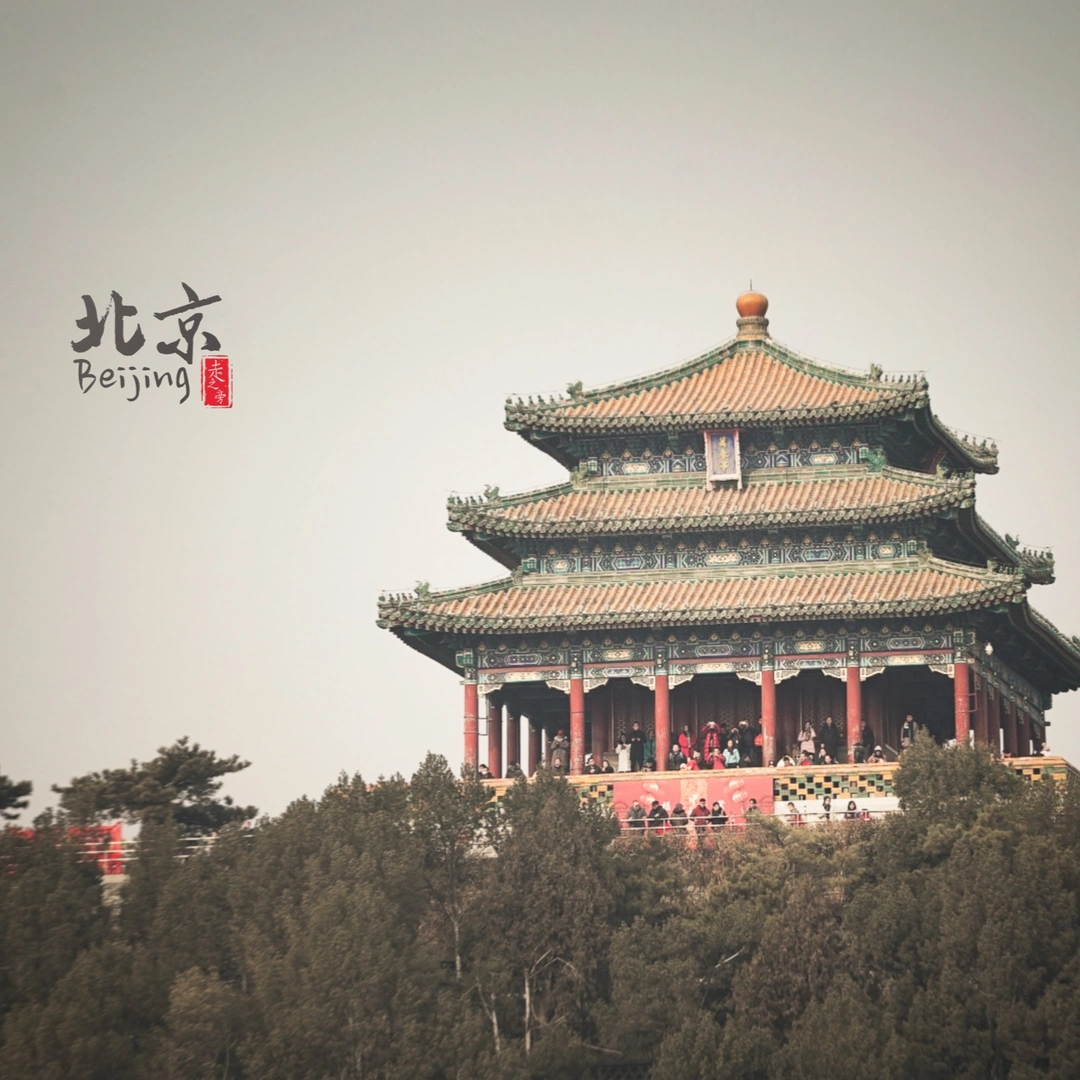
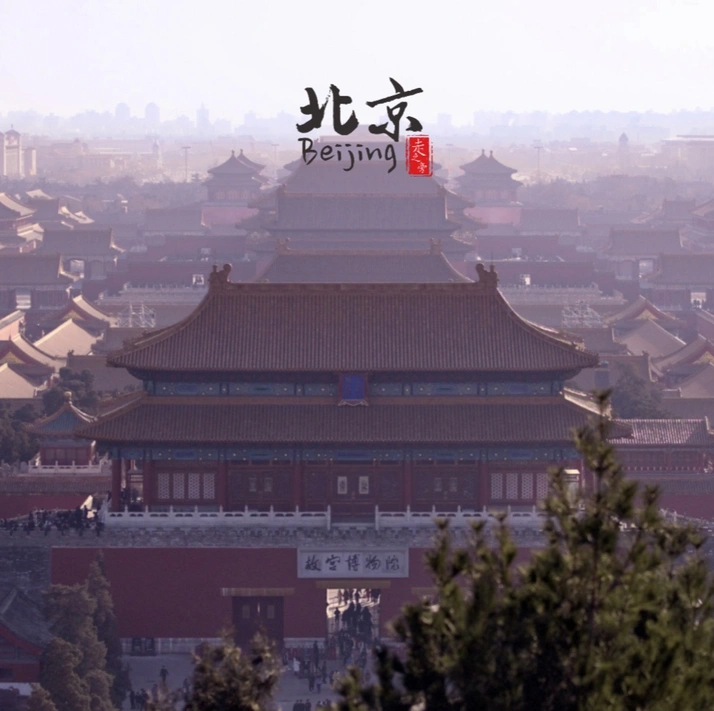
Jingshan Park sits on Beijing's central axis and offers the only elevated vantage point within the Second Ring Road. This is where you get that iconic panoramic shot of the Forbidden City.
Ticket Info: 2 RMB/person (half price for students and seniors)
Visiting Time: Only 10 minutes to reach the top; allow 1 hour total
At Wanchun Pavilion, photography enthusiasts with long lenses had already claimed the best spots. Despite hazy weather, the view was breathtaking. Bonus: Jingshan has far fewer visitors than the Forbidden City, yet features the same red walls and golden tiles—perfect for quiet tourist photos.
Where to Eat Authentic Peking Duck in Old Beijing
Long-tail keyword: Best Peking duck near Qianmen
Hungry and exhausted, we headed to Qianmen for dinner—specifically, Peking duck. We skipped famous Quanjude in favor of Sijimin Fu, a restaurant hidden in a Qianmen hutong recommended by a friend.
The meal: - Roasted duck served fresh with multiple combinations: duck skin with sugar, duck meat with garlic paste, and skin-and-meat together in small pancakes - Beller Roast Lamb (Beijing-style lamb) - Mung Bean Tofu - Geda Soup (dough drop soup)
Cost: Approximately 120 RMB per person Rating: ★★★★☆ (classic Beijing cuisine, worth trying)
Qianmen & Dashilan: Old Songs, New Tunes
After dinner, we strolled through Qianmen Pedestrian Street and Dashilan (Dà shí làn er) . The area has been renovated, losing some old charm, but time-honored shops remain.
Transportation: Subway Line 2 to "Qianmen" station
Visiting Time: Flexible—this is an open area
Entertainment tip: Guangde Lou Theater hosts Deyun Society comedy shows. Tickets sell out fast—book 2-3 days in advance.
Food options nearby: Donglaishun, Juqi, Baodu Feng, Huguosi Snacks, plus street-side roast duck and meat skewers.
New addition: "Beijing Fun" (mixed Chinese-Western area) featuring PAGE ONE Bookstore, MUJI Hotel, Harrods British House, Voyage Coffee, and a Starbucks flagship store.
Day 2 | Yonghe Temple, Confucius Temple & Hutong Life: Beijing's Spiritual Heart
Yonghe Temple (Lama Temple): Beijing's Most Popular Incense-Burning Temple
Primary Keyword: Yonghe Temple visiting guide
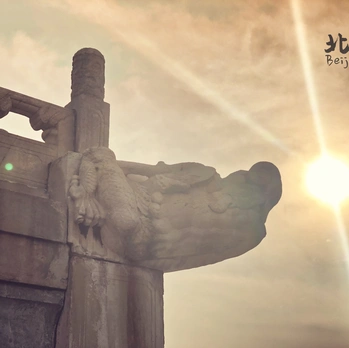
Yonghe Temple is Beijing's largest imperial Buddhist temple. Originally the residence of Prince Yong (later Emperor Yongzheng), it produced two emperors—Yongzheng and Qianlong—earning the nickname "Dragon's Hidden Land."
Ticket Info: 25 RMB/person (includes free incense)
Transportation: Subway Line 5 to "Yonghe Temple" station
Visiting Time: About 1 hour
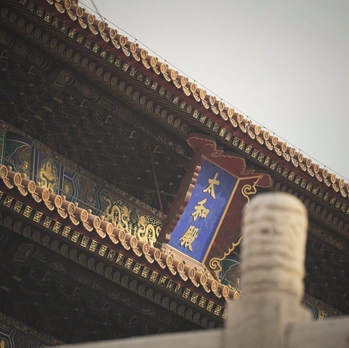
Special experience: On the 1st and 15th of each lunar month, plus festivals, the temple is packed with worshippers burning incense. During my visit, we witnessed a solar halo—a divine light that felt deeply spiritual.
Confucius Temple & Imperial College (Guozijian): The Scholar's Dream
Long-tail keyword: Confucius Temple Beijing tickets
Exiting Yonghe Temple, cross the south gate into Guozijian Street. Walking west brings you to the "Confucius Temple and Imperial College Museum."
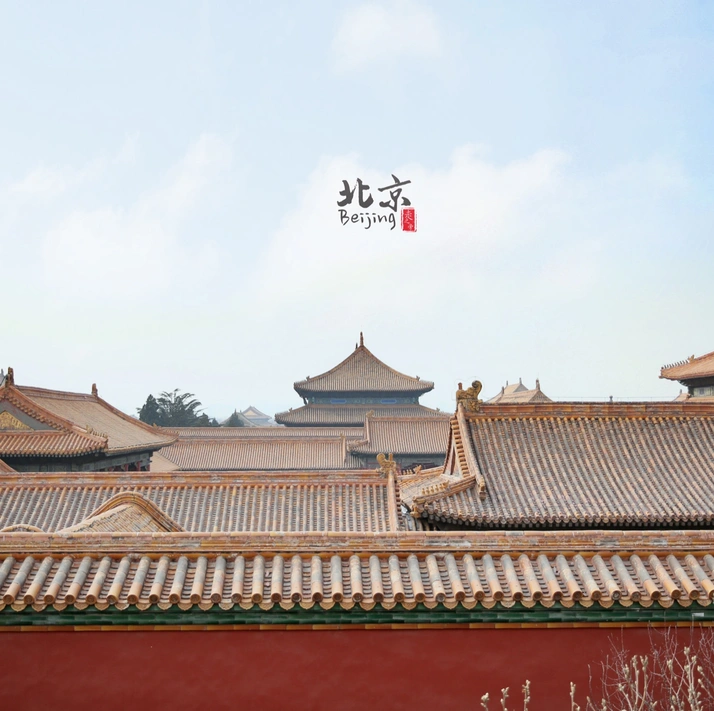
What it is: The Imperial College was the highest educational institution during the Yuan, Ming, and Qing dynasties—essentially ancient China's "National University."
Ticket Info: 30 RMB/person (combined ticket)
Visiting Time: 1-1.5 hours
Why visit: This complex offers a fascinating glimpse into China's scholarly traditions. The Hall of Great Accomplishment (Confucius Temple) and the Biyong Hall (Imperial College) are architectural highlights.
FAQ: Your Old Beijing Travel Questions Answered
Q1: Is two days enough to see Old Beijing?
A: Yes, but it's ambitious. This itinerary covers the Forbidden City, Jingshan Park, Qianmen, Yonghe Temple, and the Confucius Temple complex. If you prefer a relaxed pace, stretch it to three days—especially if you want to explore hutongs in depth.
Q2: Do I need to book Forbidden City tickets in advance?
A: Absolutely. Walk-up tickets are virtually unavailable. Book online through the official website or travel platforms at least 3-5 days ahead, especially during peak seasons (spring, autumn, and Chinese holidays).
Q3: What's the best time to visit Old Beijing?
A: Spring (April-May) and autumn (September-October) offer the most pleasant weather. Winter (November-February) has fewer crowds but can be very cold. Summer is hot and humid with peak tourist numbers.
Q4: How do I get around Old Beijing?
A: The subway is the most efficient option. For this itinerary, use Lines 1, 2, and 5. Walking is essential for experiencing hutongs and alleyways. Taxis are available but can be slow during rush hours.
Q5: Where can I find authentic Peking duck near the Forbidden City?
A: Sijimin Fu in Qianmen (about 120 RMB/person) offers excellent roasted duck. Other options include Quanjude (famous but touristy) and Hutong Roast Duck (more intimate setting). Book ahead for dinner.
Internal Linking Suggestions
- [Link: Forbidden City photography tips]
- [Link: Best Peking duck restaurants in Beijing]
- [Link: Beijing hutong walking tours]
- [Link: Temple of Heaven visiting guide]
- [Link: Beijing subway navigation tips]
Final Tips for Your Old Beijing Adventure
- Book everything in advance—Forbidden City tickets, Peking duck restaurants, and comedy show tickets sell out fast.
- Wear comfortable shoes—You'll walk 15,000-20,000 steps per day.
- Bring water and snacks—Especially on Day 1, which is the most physically demanding.
- Download offline maps—GPS can be spotty in hutongs.
- Learn basic Chinese phrases—"Xièxiè" (thank you) and "Duōshao qián" (how much) go a long way.
Your Turn: Experience Old Beijing's Soul
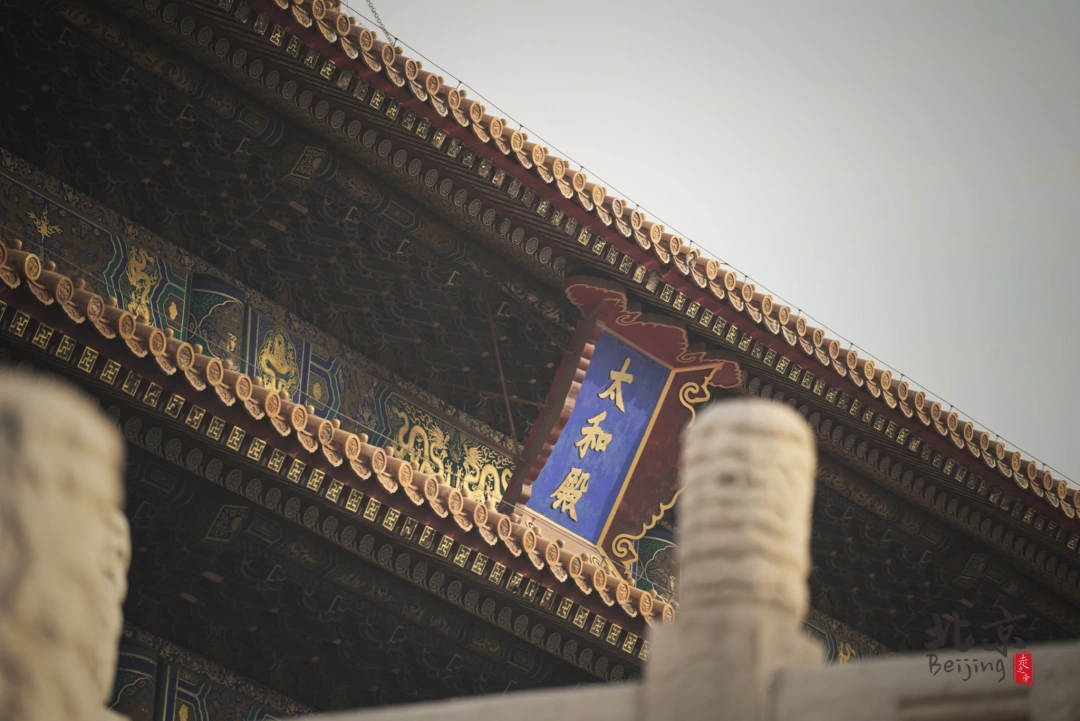
This two-day itinerary isn't just about seeing landmarks—it's about feeling Beijing's ancient heart. From the Forbidden City's imperial grandeur to Yonghe Temple's spiritual tranquility, from the scholar's dream at the Imperial College to the sizzling aroma of Peking duck in a Qianmen hutong—every moment is a dialogue with history.
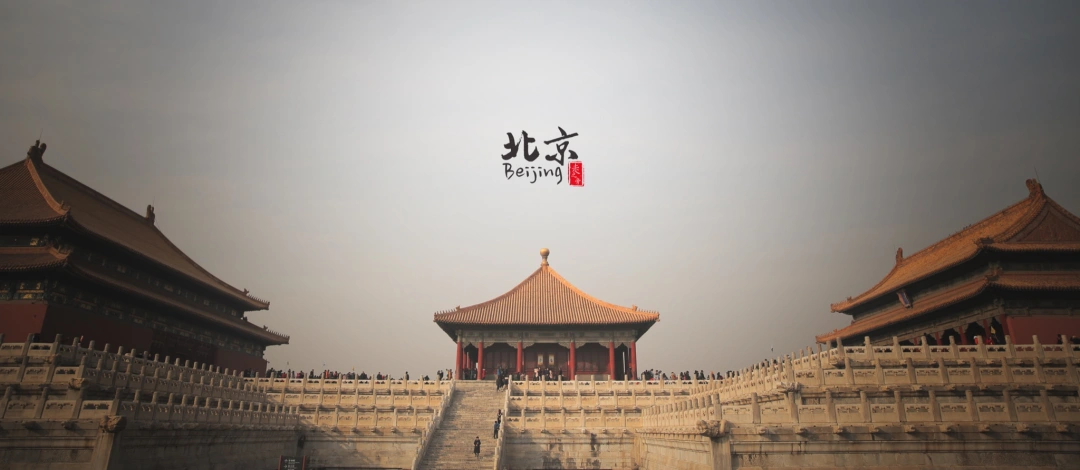
Ready to plan your trip? Start by booking your Forbidden City tickets today. Then, grab a comfortable pair of shoes, download this guide, and prepare for an unforgettable journey through China's most captivating city.
Have questions about your Old Beijing itinerary? Drop them in the comments below—I'd love to help you plan the perfect trip!
Note: All prices and information are accurate as of the time of writing. Check official websites for current updates before your visit.
You should also read:
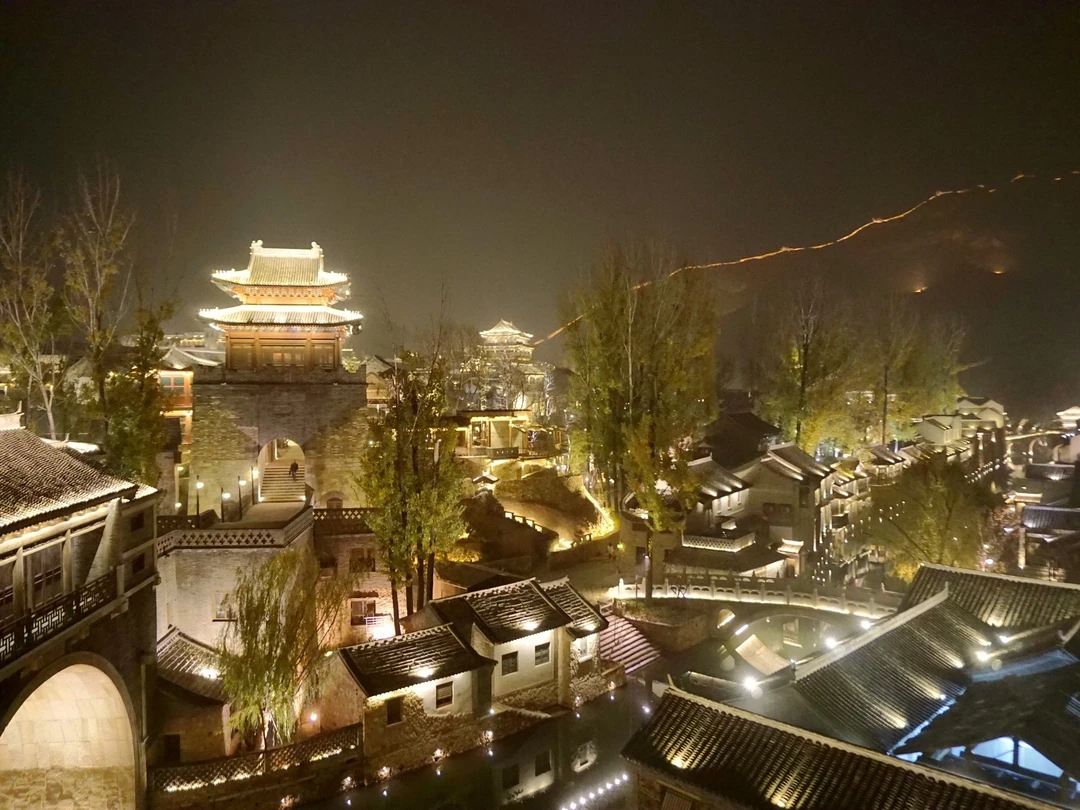
A Jiangnan Dream on Beijing's Outskirts: The Ultimate Gubei Water Town Travel Guide (November 2015)
Meta Description: Discover Gubei Water Town, Beijing's Jiangnan-inspired getaway at the foot of Simatai Great Wall. Read this detailed November 2015 travelogue with costs, tips, and must-see spots. The world is vast, yet life is fleeting. Sometimes, all it takes is a weekend—a spontaneous short…
Continue reading...
Seeking · Encountering · Autumn in Beijing: Your Ultimate Guide to Beijing’s Most Stunning Fall Scenery
Meta Description: Discover Beijing’s best autumn destinations beyond Fragrant Hills. From Tsinghua University’s golden ginkgo avenue to Dajue Temple’s millennium-old tree, plan your perfect fall escape with our expert guide. Autumn in Beijing is more than a season—it’s a grand farewell. When the summer heat…
Continue reading...
A Winter Journey in Beijing: Romance and Misery at Minus Five Degrees – An SEO-Optimized Travel Guide
Meta Description: Discover the romance and misery of a winter trip to Beijing at -5°C. Explore snowy Jingshan Park, historic hutongs, and budget-friendly tips for a 4-day Spring Festival adventure. Some say Beijing is a city you both love and hate. You love its profound…
Continue reading...