Verdant Layers of Juyong Pass: A Millennium-Old Fortress and Spring Blossoms Crossing Through Time
Meta Description: Discover the history, beauty, and cultural significance of Juyong Pass—a Ming Dynasty fortress and one of the Eight Great Sights of Yanjing. Explore ancient architecture, spring blossoms, and travel tips in this SEO-optimized guide.
Introduction: A Pilgrimage to the Ancient Pass
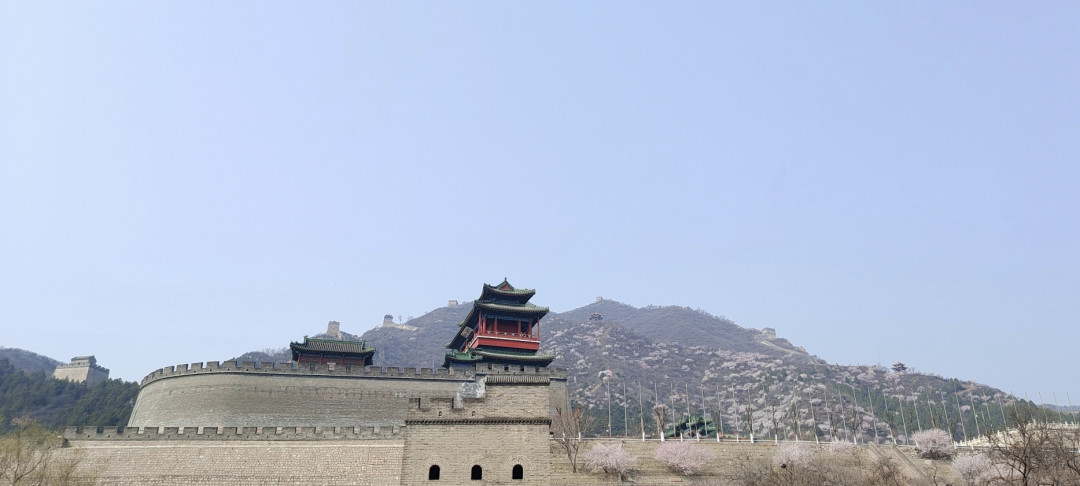
The alarm clock at 4:30 in the morning always carries a sense of near-religious ritual. While the city still lay sleeping, I had already embarked on a journey into history. Setting out from the Liyuan Road bus terminal, I transferred four times—bus routes 410, 5, 883, and 879—enduring a ride of over three hours, all to reach that thousand-year-old fortress that holds a unique place among the Eight Great Sights of Yanjing: Juyong Pass.
This was not a spontaneous trip, but a long-planned pilgrimage. When I finally stood at the crossroads of Juyongguan Village, gazing at the watchtowers looming faintly among the distant mountain ridges, all the exhaustion of the journey vanished in an instant.
The History of Juyong Pass: A Millennium-Old Fortress
Ancient Origins and Strategic Importance
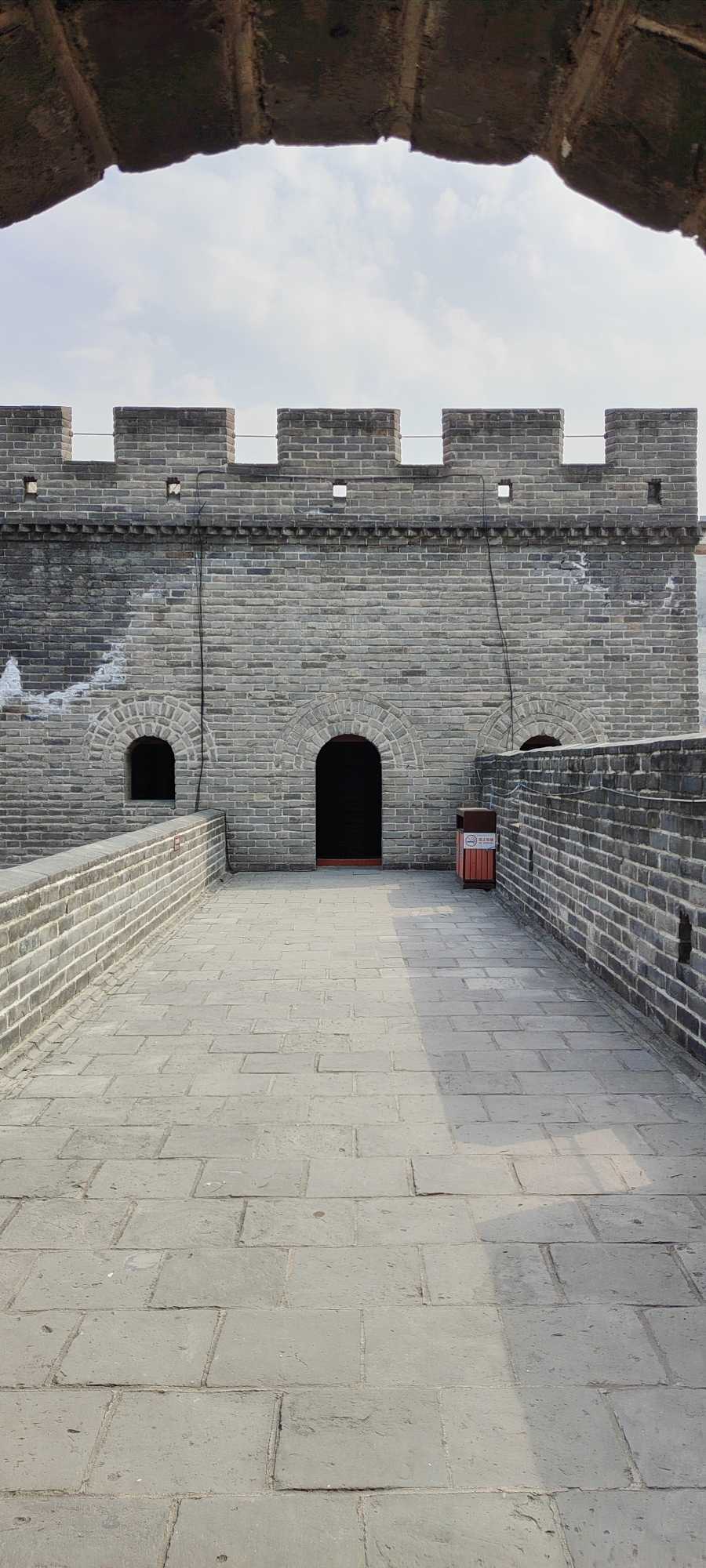
The history of Juyong Pass is almost a condensed chronicle of China's ancient border defense. As early as the Spring and Autumn and Warring States periods (770–221 BCE), this place had a name; during the Han Dynasty (206 BCE–220 CE), historical records provided clear documentation. But what truly elevated Juyong Pass to the status of "the number one strategic pass under heaven" was the first year of the Hongwu reign of the Ming Dynasty (1368 CE)—when General Xu Da was ordered to plan and construct the fortress here, cementing its prominent role as one of the three inner passes of the Ming Great Wall.
Forming a pincer formation with Zijing Pass and Daoma Pass, and complemented by the three outer passes—Yanmen Pass, Ningwu Pass, and Pianguan Pass—these fortifications together created a layered security barrier protecting Beijing. This tiered defensive system makes one marvel at the strategic vision of the ancients.
The Meaning Behind the Name
The name "Juyong" itself carries a heavy historical weight. When Qin Shi Huang (the First Emperor) built the Great Wall, he ordered soldiers, laborers, and prisoners to be relocated here, "settling the conscripted laborers"—hence the name "Juyong Fortress." It was first called "Juyong Pass" during the Han Dynasty, renamed "Western Pass" during the Three Kingdoms period (220–280 CE), and then "Nakuan Pass" under the Northern Qi Dynasty (550–577 CE). By the Tang Dynasty (618–907 CE), the name changed even more frequently: Juyong Pass, Jimen Pass, Jundu Pass... Behind each name lies a chapter of war-torn years.
Geography and the Eight Passes of the Taihang Mountains
If you know a bit about geography, you've likely heard of the "Eight Passes of the Taihang Mountains"—eight natural corridors through the Taihang range in ancient times. From south to north, they are: Zhiguan Pass, Taihang Pass, Bai Pass, Fukou Pass, Jingxing Pass, Feihu Pass, Puyin Pass, and Jundu Pass. Jundu Pass is precisely where Juyong Pass is located. Here, the terrain is treacherous, guarding the intersection of the Taihang and Yan Mountains. The "Forty-Li Pass Gully" is flanked by towering peaks, forming the only route connecting the North China Plain with the Mongolian Plateau. Whether nomadic tribes moved southward or Central Plains dynasties advanced northward, they all had to pass through this strategic throat.
"One man can hold the pass against ten thousand"—this saying is no exaggeration when applied to Juyong Pass.
Verdant Layers of Juyong: The Poetry and Evolution of the Eight Great Sights of Yanjing

The Origin of the Eight Great Sights
The name "Eight Great Sights of Yanjing" first appeared during the Jin Dynasty (1115–1234 CE), when they were called the "Eight Sights of Yanshan." Over the subsequent Yuan, Ming, and Qing dynasties, the names and order of these sights changed repeatedly, but "Verdant Layers of Juyong" always held its place.
"Verdant Layers of Juyong" refers to the layered, lush green mountains on both sides of the Pass Gully where Juyong Pass is located. Imagine: in spring, mountain peach blossoms blanket the hills; in summer, trees cast deep shade, and the landscape is a sea of green; in autumn, the forests are dyed in vibrant colors; in winter, snow covers the peaks, creating a silver-white world. Each season brings its own unique beauty.
A Personal Experience with the Haze
That said, the weather today was a bit disappointing. A thin layer of haze hung over the mountains, somewhat diminishing the "verdant layers" effect. But that didn't dampen my enthusiasm for exploring history.
The Inscription by Aisin Gioro Pujie
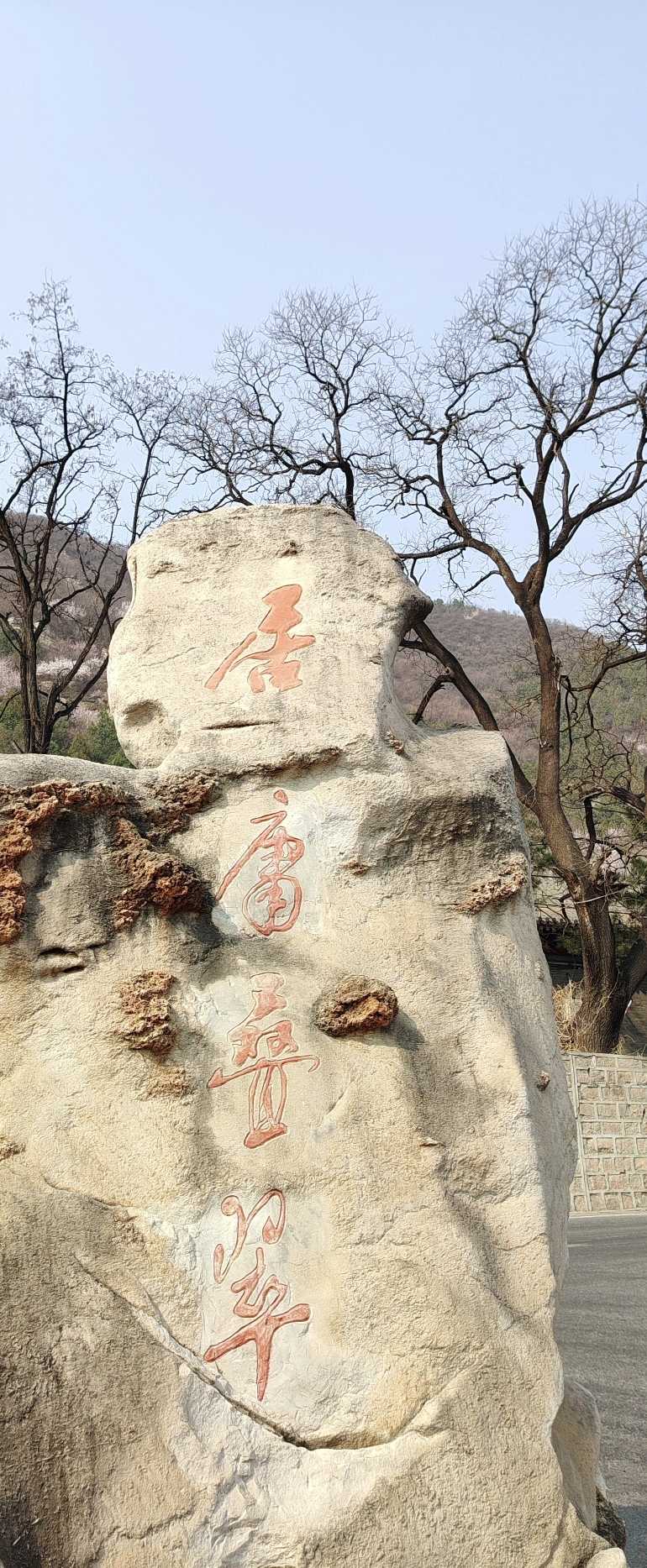
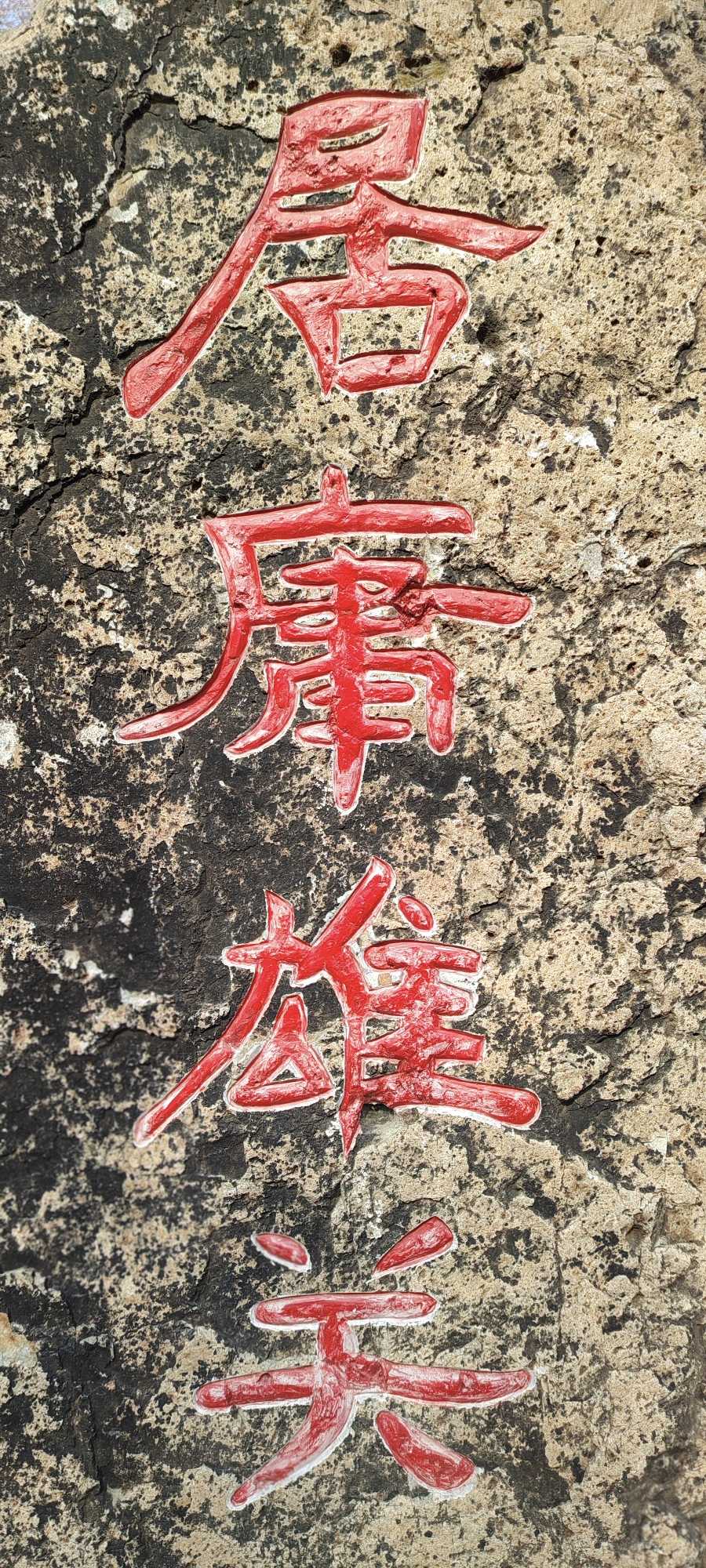
It's worth noting that the inscription "Verdant Layers of Juyong" at the current Juyong Pass scenic area was penned by Aisin Gioro Pujie, the full-blooded younger brother of Puyi, the last emperor of China. Pujie's calligraphy was unique—he blended the "Slender Gold" style with Han Dynasty bamboo slip script to create his own distinct form. Standing before his inscription, one can't help but reflect on the closing of one era and the opening of another.
The Eight Great Sights Through the Dynasties
Here is a list of the Eight Great Sights of Yanjing through the dynasties:
Jin Dynasty's Eight Sights of Yanshan: - Autumn Waves of Taiye - Spring Shade of Qiong Island - Evening Glow of Daoling - Flying Rain at Jimen - Accumulated Snow of West Mountain - Rainbow Hanging at Yu Spring - Moonlit Lugou Bridge - Verdant Layers of Juyong
Yuan Dynasty's Eight Sights of Yanjing: - Autumn Billows of Taiye - Spring Shade of Qiong Island - Evening Glow of Daoling - Flying Rain at Jimen - Clearing Snow of West Mountain - Rainbow Hanging at Yu Spring - Moonlit Lugou Bridge - Verdant Layers of Juyong
Ming Dynasty's Eight Sights of Yanjing: - Verdant Layers of Juyong - Rainbow Hanging at Yu Spring - Clear Waves of Taiye - Spring Clouds of Qiong Island - Misty Trees of Jimen - Clearing Snow of West Mountain - Moonlit Lugou Bridge - Evening Glow of Golden Terrace
Qing Dynasty, Officially Designated in the 16th Year of Qianlong (1751 CE): - Autumn Waves of Taiye - Spring Shade of Qiong Island - Evening Glow of Golden Terrace - Misty Trees of Jimen - Clear Snow of West Mountain - Jade Spring Gushing - Moonlit Lugou Bridge - Verdant Layers of Juyong
The Temple of Lord Guan and the Cloud Terrace: Where Faith and Art Converge
Temple of Lord Guan: A Military Shrine
Entering the fortress, the first thing to catch the eye is the Temple of Lord Guan. In military defense systems, it was common to enshrine Guan Yu within the fortress—and that makes perfect sense. Lord Guan was a great general; offering worship to the Martial Saint in a military camp was a prayer for invincible victory. The main hall honors Guan Yu, with side altars to Zhou Cang and Guan Ping. Amid the curling incense smoke, one can almost hear the prayers of soldiers before they set off for battle.
Cloud Terrace (Yuntai): A Yuan Dynasty Marvel
Passing through the Guojifang Archway, you arrive at the Cloud Terrace (Yuntai). This structure, first built in the fifth year of the Zhizheng reign of the Yuan Dynasty (1345 CE), is entirely made of white marble. The base measures 26.84 meters from east to west and 15.57 meters from north to south, tapering upward. The top is 25.21 meters wide east to west and 12.9 meters north to south, with a height of 9.5 meters, forming a rectangular plan. Standing before the Cloud Terrace, you can't help but be awed by its grandeur.
The Cloud Terrace was originally an "over-the-street pagoda"—it spans east to west, with a north-south passage running through its arched tunnel. Today, the stone pavement inside the tunnel is protected by glass covers. Walking over it, you can still clearly see the wear marks and deep ruts left by ancient roads. Those uneven stone surfaces seem to silently tell the stories of countless merchants, armies, and envoys who passed through here over thousands of years.
As for the Tai'an Temple and the pagoda that once stood atop the terrace, they have long vanished into the river of history, leaving only this stone platform standing, witnessing the vicissitudes of time.
On the center of the Cloud Terrace's archway is carved a Golden-Winged Garuda Bird, with Buddhist guardian figures, dragon sons, twin elephants, vajra pestles, and child deities riding auspicious beasts carved on the sides and extending downward. The intricacy of the carving and the fluidity of the lines are breathtaking.
Spring Blossoms at Juyong Pass: Crossing Through Time
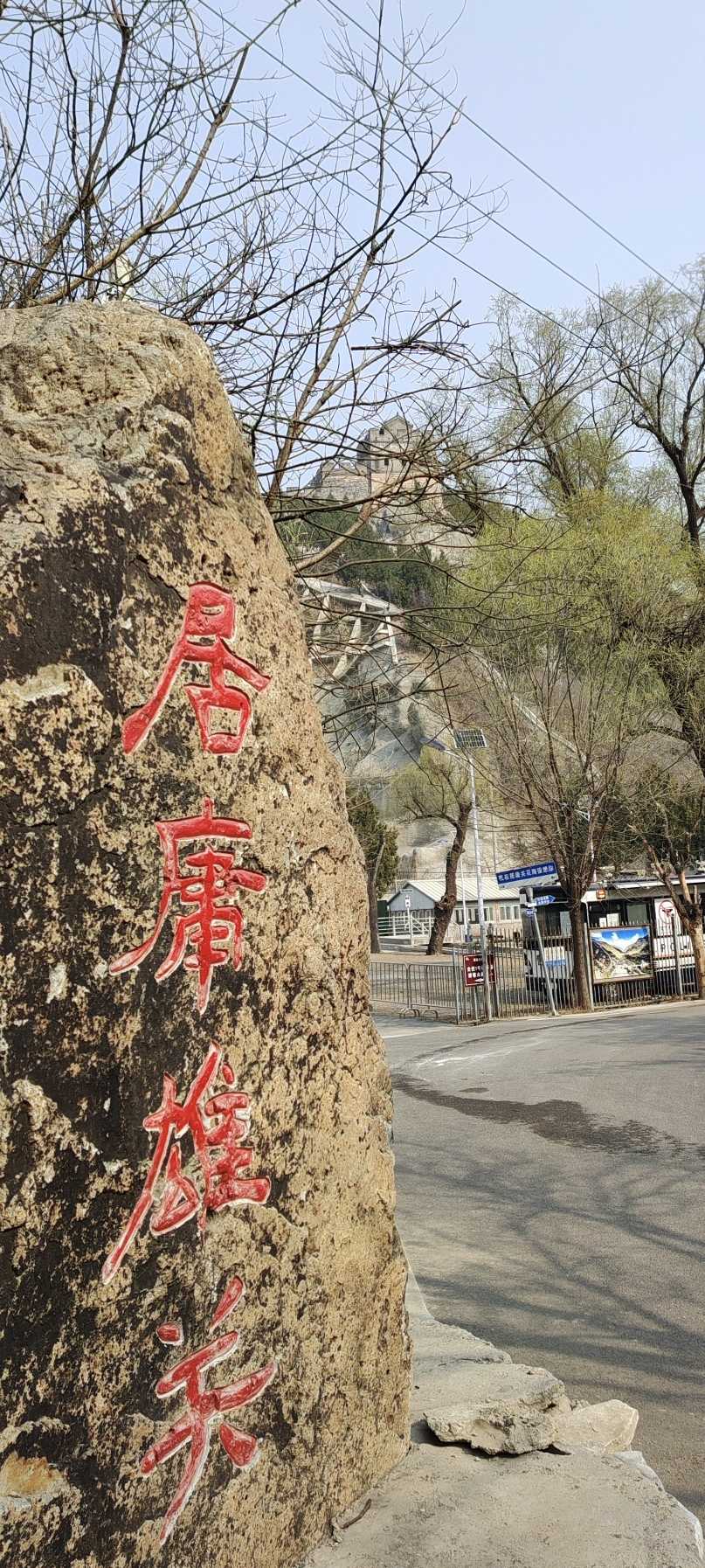
The Beauty of Spring Peach Blossoms
Spring is arguably the most magical time to visit Juyong Pass. The mountain peach blossoms blanket the hills in shades of pink and white, creating a stunning contrast against the ancient gray stone walls. The "Verdant Layers" come alive with color, and the air is filled with the scent of blooming flowers. It's a scene that has inspired poets and painters for centuries.
A Journey Through Time
Walking through the fortress, you can't help but feel a deep connection to the past. The spring blossoms are a reminder that life continues to bloom even in places marked by centuries of warfare and change. The juxtaposition of fragile flowers against the enduring stone walls is a powerful metaphor for the resilience of nature and culture.
FAQ: Everything You Need to Know About Juyong Pass
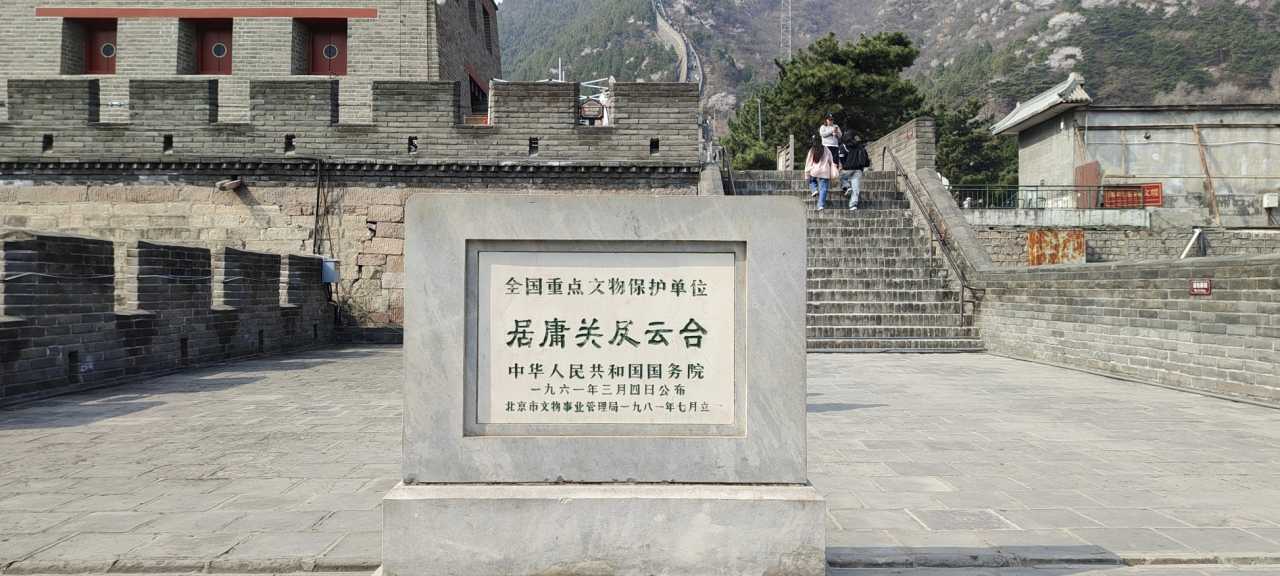
1. What is the best time to visit Juyong Pass for spring blossoms?
The best time to see spring blossoms at Juyong Pass is typically from late March to mid-April, when mountain peach and apricot trees are in full bloom. However, weather conditions can vary, so it's advisable to check local forecasts before planning your visit.
2. How do I get to Juyong Pass from Beijing?
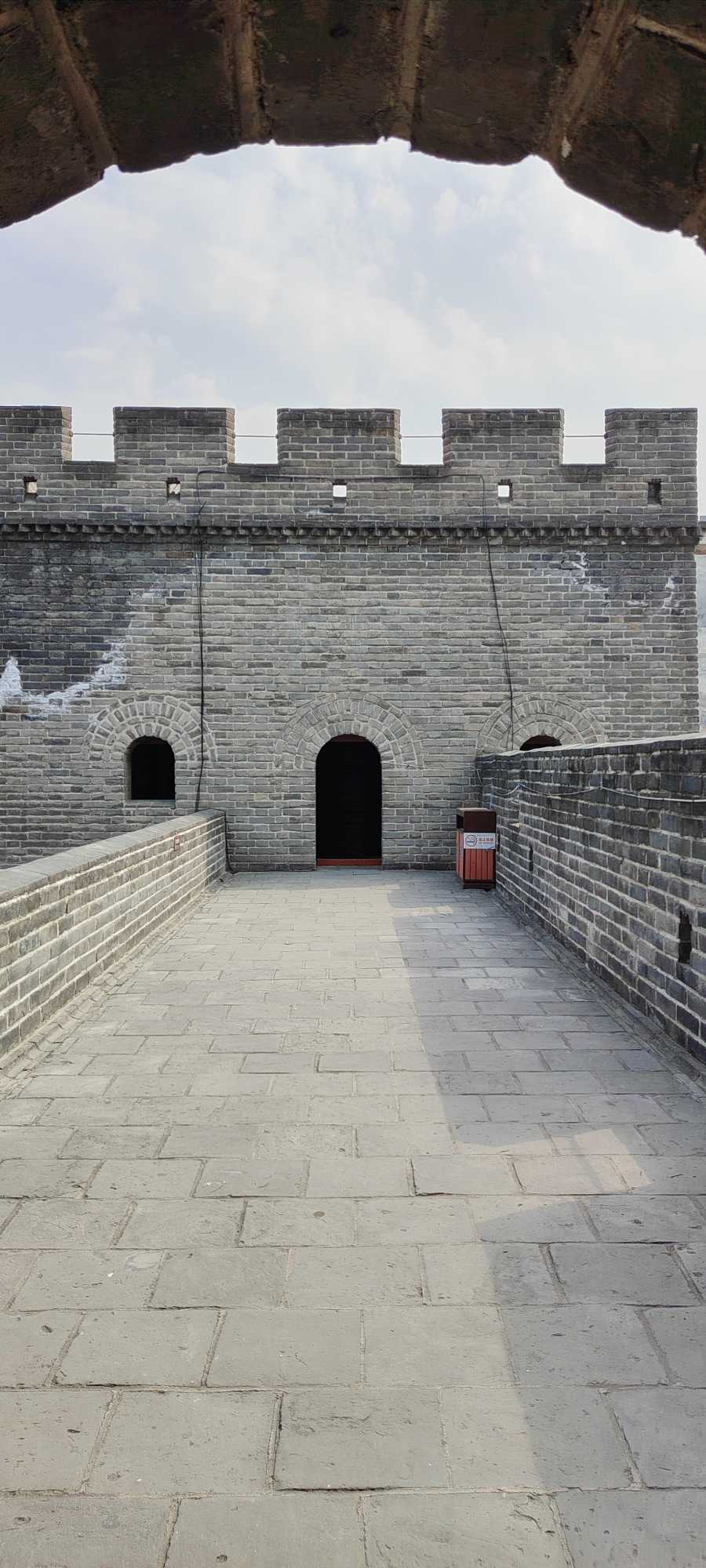
You can reach Juyong Pass by public bus from Beijing. The route involves taking bus 410, then transferring to 5, 883, and 879 from the Liyuan Road bus terminal. The journey takes approximately 3 hours. Alternatively, you can take a direct tour bus or drive via the Badaling Expressway.
3. Is Juyong Pass part of the Great Wall of China?
Yes, Juyong Pass is one of the three inner passes of the Ming Great Wall, along with Zijing Pass and Daoma Pass. It served as a key defensive structure protecting Beijing.
4. What is the Cloud Terrace (Yuntai) at Juyong Pass?
The Cloud Terrace is a white marble structure built in 1345 CE during the Yuan Dynasty. It was originally an over-the-street pagoda and features intricate carvings of Buddhist figures, guardian deities, and auspicious animals. It is a masterpiece of Yuan Dynasty art.
5. Are there any nearby attractions worth visiting?
Yes, Badaling Great Wall is only about 10 kilometers away and is one of the most popular sections of the Great Wall. Other nearby attractions include the Ming Tombs and the Shisanling Reservoir. [Link: Badaling Great Wall travel guide]
Internal Linking Suggestions
- [Link: Ming Great Wall history and architecture]
- [Link: Top 10 historical sites near Beijing]
- [Link: Spring travel guide to the Eight Great Sights of Yanjing]
- [Link: Yuan Dynasty art and architecture in China]
- [Link: How to plan a day trip from Beijing to Juyong Pass]
Conclusion: Your Journey Awaits
Juyong Pass is more than just a historical site—it's a living testament to China's rich cultural heritage, strategic genius, and natural beauty. Whether you're a history buff, a nature lover, or a traveler seeking a unique experience, this millennium-old fortress offers something for everyone.
From the Verdant Layers of spring blossoms to the awe-inspiring Cloud Terrace, every corner of Juyong Pass tells a story. The wear marks on the stone pavement, the calligraphy of Aisin Gioro Pujie, and the echoes of ancient battles all invite you to step back in time.
Don't wait any longer. Plan your trip to Juyong Pass today. Experience the magic of "Verdant Layers of Juyong" for yourself, and let the spring blossoms carry you through the ages.
Book your tour now and discover the timeless beauty of Juyong Pass!
This article was optimized for SEO with primary keywords: "Juyong Pass," "Verdant Layers of Juyong," "Ming Great Wall," "Eight Great Sights of Yanjing," and "Cloud Terrace."
You should also read:
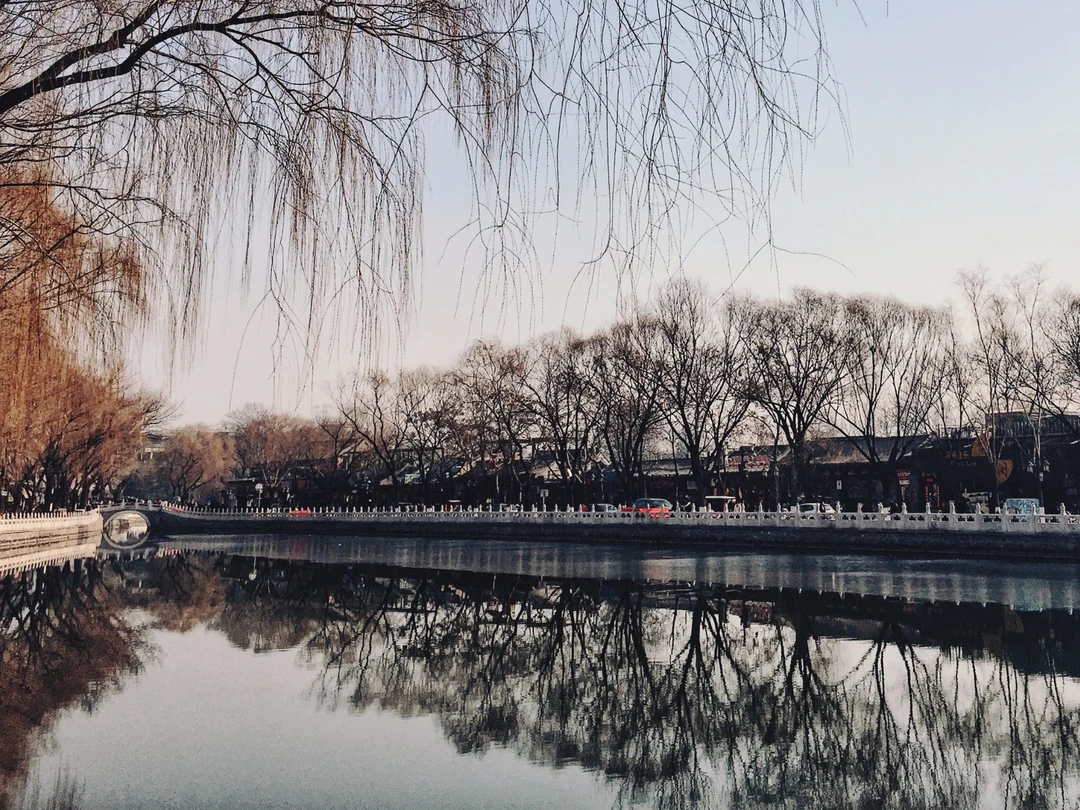
Strolling Through Old Beijing: The Ultimate Hutong Walking Tour of Nanluoguxiang, Yandaixiejie, Shichahai, and Houhai
Meta Description: Explore Beijing's historic hutongs on a day-long walking tour from Nanluoguxiang to Houhai. Discover hidden courtyards, Qing Dynasty alleys, and lakeside charm. Your complete guide to Old Beijing's most iconic neighborhoods. Beijing’s hutongs—those winding, narrow alleys—are like veins threading through the ancient capital,…
Continue reading...
Glorious Beijing, Timeless City: A 7-Day In-Depth Journey Through Old Beijing – The Ultimate SEO-Optimized Travel Guide
Meta Description: Discover Beijing in 7 days with this SEO-optimized guide. From Forbidden City tours to hutong homestays, authentic Peking duck, and hidden gems. Perfect for first-time visitors planning a Beijing itinerary. Some encounters are simply destined to happen. In September 2016, as a Southern…
Continue reading...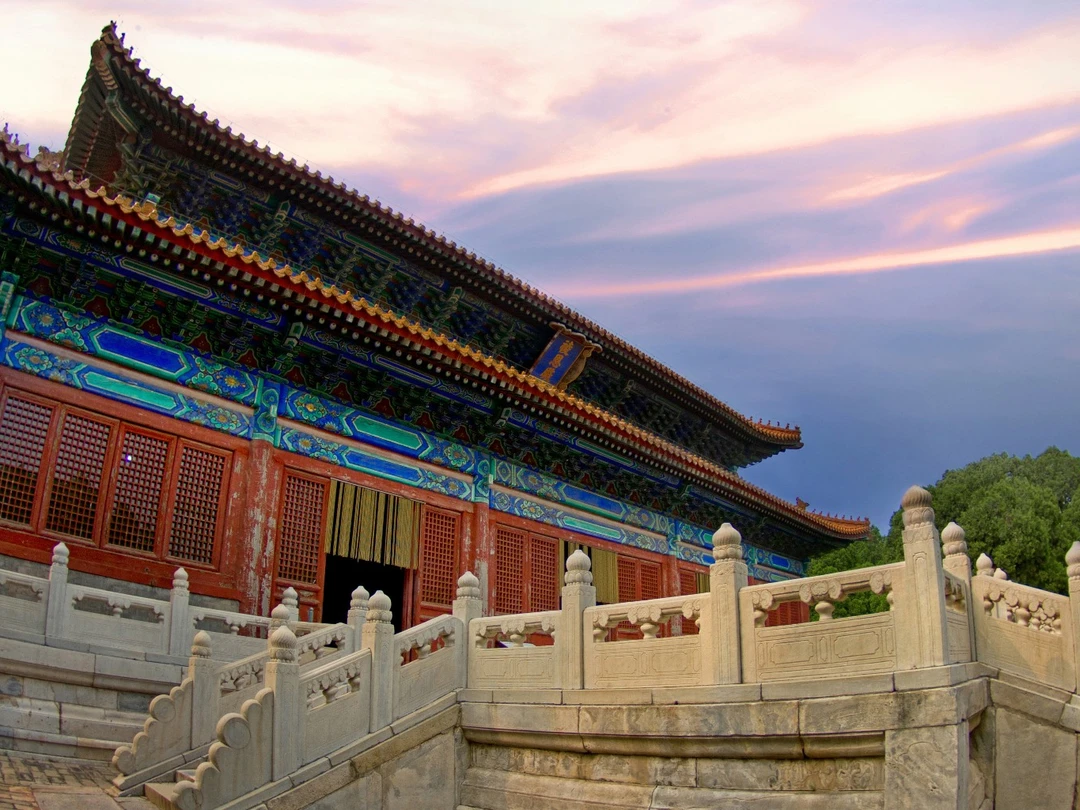
A Journey Through Time: Exploring the Ming Tombs and Juyongguan Great Wall in Changping, Beijing
Meta Description: Discover the Ming Tombs & Juyongguan Great Wall in Changping, Beijing. Our 2-day itinerary covers the Sacred Way, underground palaces, feng shui secrets, and the "Number One Pass Under Heaven." Plan your historical adventure today. History is never the black-and-white standard answer found…
Continue reading...