Vietnam Travel Guide: A Seven-Day Slow Journey Through Southern Vietnam – Costs, Tips & Hidden Gems

Meta Description: Planning a Vietnam trip? Discover our 7-day slow travel itinerary through Southern Vietnam, including Nha Trang and Da Lat. Get practical tips on visas, currency exchange, SIM cards, and must-try street food. Your ultimate Vietnam travel guide starts here.
Prologue: When "Prejudice" Meets Surprise – Why Vietnam Surprised Us
What is travel? Nothing more than leaving the place you're tired of living in to visit a place where others are tired of living.

To be honest, before departure, my impression of Vietnam was still stuck on the stereotypical label of "poor socialist brother." Although my travel partner — Shuai Zhou and I — had already visited over a dozen countries together, we had never been particularly interested in this Southeast Asian neighbor most deeply influenced by Chinese culture. It wasn't until late February 2018 that we hastily flipped through a few travel guides and boarded a China Southern flight with a "just have a look" mindset.
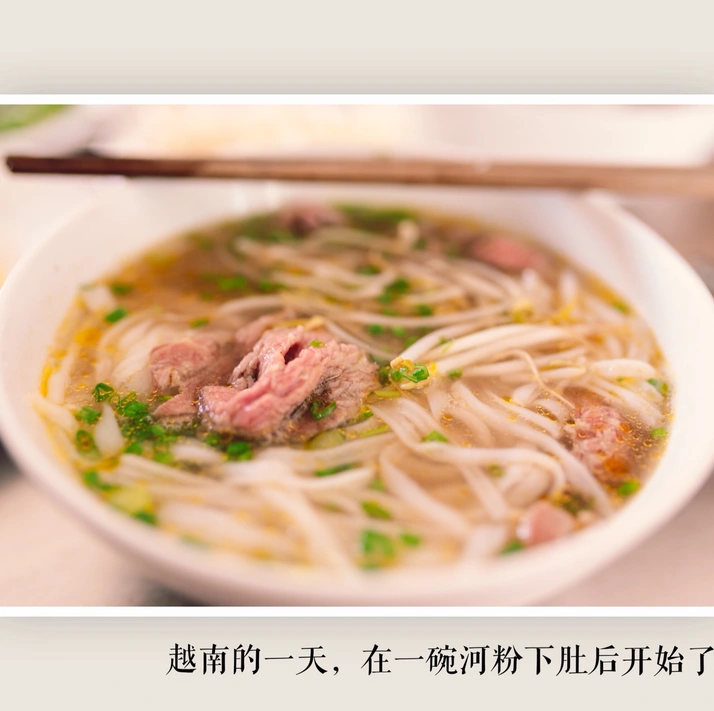
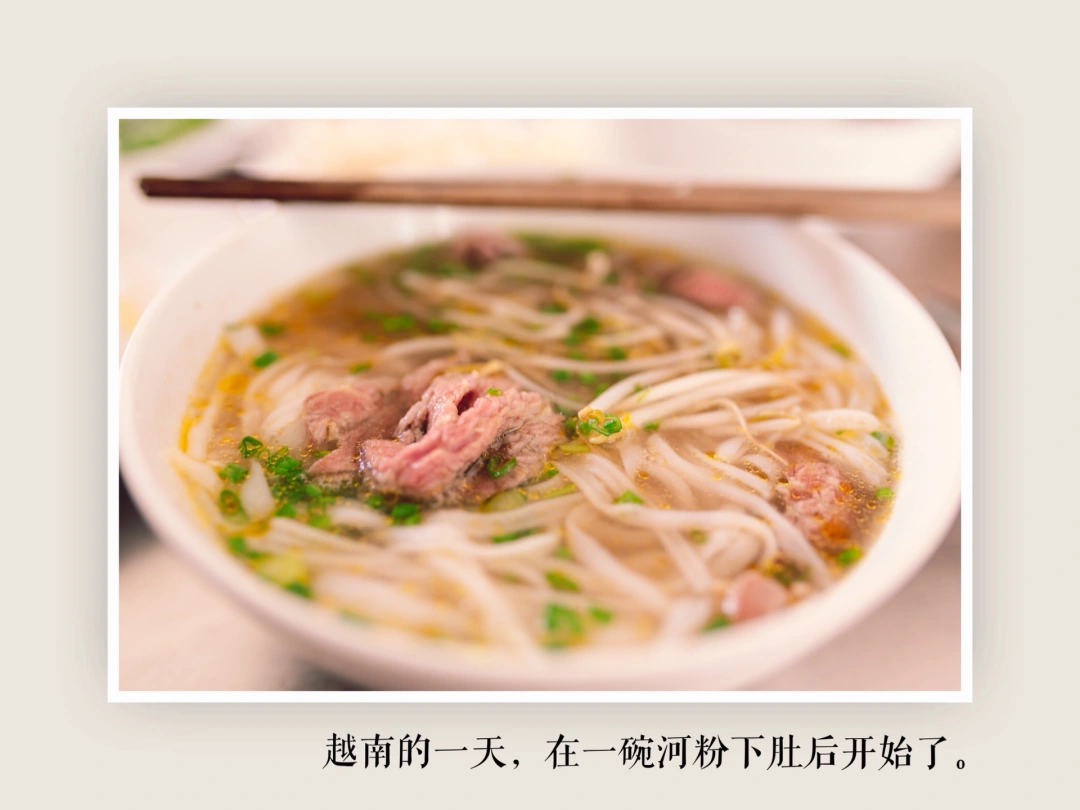
Yet, when I looked back at those shining moments after the trip ended, I realized: what truly stays with you is never the star-rated attractions in the guidebooks, but that deserted beach you stumbled upon while lost, that bowl of pho you happened upon in a random alley, those "unexpected" surprises. These fragments, settled by time, always glow in memory on their own.
Vietnam Travel Tips: What You Must Know Before You Go
💰 Vietnam Currency Exchange: Don't Fall in the First Trap
Exchange Rate Reference: 1 RMB ≈ 3,588 Vietnamese Dong (March 2018 data)
It's almost impossible to exchange RMB for Vietnamese Dong directly at domestic banks in China. The safest method is: exchange RMB for USD first → then exchange USD for VND at the airport in Vietnam. After landing in Nha Trang, we found the exchange counter near the baggage carousel offered poor rates. Once we exited the baggage claim area into the arrival hall, the rates were more favorable (around 1:3,300). Local banks usually offer better rates than the airport, but ATMs displaying VISA/Mastercard charge exorbitant withdrawal fees — we once withdrew the equivalent of 300 RMB in VND and were charged a 15 RMB fee. Some ATMs now support UnionPay, but it's still best to bring enough cash.
Pro tip: Always carry small denominations for street food and local markets. Larger notes can be difficult to break at small vendors.
📱 Vietnam SIM Cards: Don't Make an Impulse Buy by the Baggage Carousel
There are two SIM card stalls right next to the baggage carousel at the airport, but don't rush to buy — the shops in the arrival hall outside the baggage claim area are much cheaper. As for signal strength, it's basically sufficient in cities, but you'll lose connection in the mountainous areas between Nha Trang and Da Lat. If you need reliable internet for navigation, consider purchasing a Vietnam eSIM before departure. [Link: Best Vietnam eSIM for travelers]
🌤️ Vietnam Weather: Temperature Differences That Make You Question Reality
The climate in northern and southern Vietnam is markedly different: the north is similar to Guangxi, with distinct seasons; the south is like Thailand, with a dry season (October to March) and a rainy season (April to September). We left at the end of February. During the day in Nha Trang, the sun was scorching hot, but as soon as the sun set, the sea breeze turned bone-chillingly cold — I, who get cold easily, had to switch to long pants and long sleeves. Because of its high altitude, Da Lat has even more extreme temperature swings. It's common to see locals walking around in padded jackets. If you go in summer, this won't be an issue.
Packing tip: Layer up! A light jacket for evenings and a raincoat for sudden downpours are essential.
📄 Vietnam Visa for Chinese Citizens: The "Magical" Experience of a Separate Visa Paper

Due to territorial disputes, Vietnam issues a separate visa paper for Chinese citizens. You can apply through an agent on Taobao. You only need a copy of your passport (with at least six months' validity) and a 2-inch photo with a white background. It's usually issued within 5 days. Note: The visa is valid for 30 days from the date of issuance, but you can tell the travel agency your departure date, and they will set the issuance date to that day.
Important Reminder: Never glue the visa paper into your passport yourself — some travelers have been fined by customs for "non-compliance." Also, keep the visa paper safe after entry, as you'll need to show it when you leave. In other words, when you go to Vietnam, your passport won't bear any trace of the visit except for the Chinese border control stamps. [Link: Vietnam visa on arrival vs e-visa comparison]
🚌 Transportation in Vietnam: Open Bus vs. Plane – Which to Choose?
There are two main options for intercity travel: planes and Open Buses. Major cities like Nha Trang, Da Lat, Ho Chi Minh City, and Da Nang all have airports. If you're short on time, fly. But Open Buses offer better value for money. Companies like Sinh Cafe and Futa charge only a few dozen RMB, and the buses are in decent condition. For our trip from Nha Trang to Da Lat, we chose Futa's sleeper bus. Being able to lie down and sleep was much more comfortable than sitting for hours. Key Point: The road to Da Lat is all mountain roads. Shuai Zhou, who never gets carsick, was pale after getting off — I strongly recommend taking motion sickness medicine in advance.
When you arrive at the Da Lat bus station, small shuttles will take passengers to their hotels for free. At this point, taxi drivers will swarm around you trying to get your business. People unfamiliar with the situation can easily be scammed.
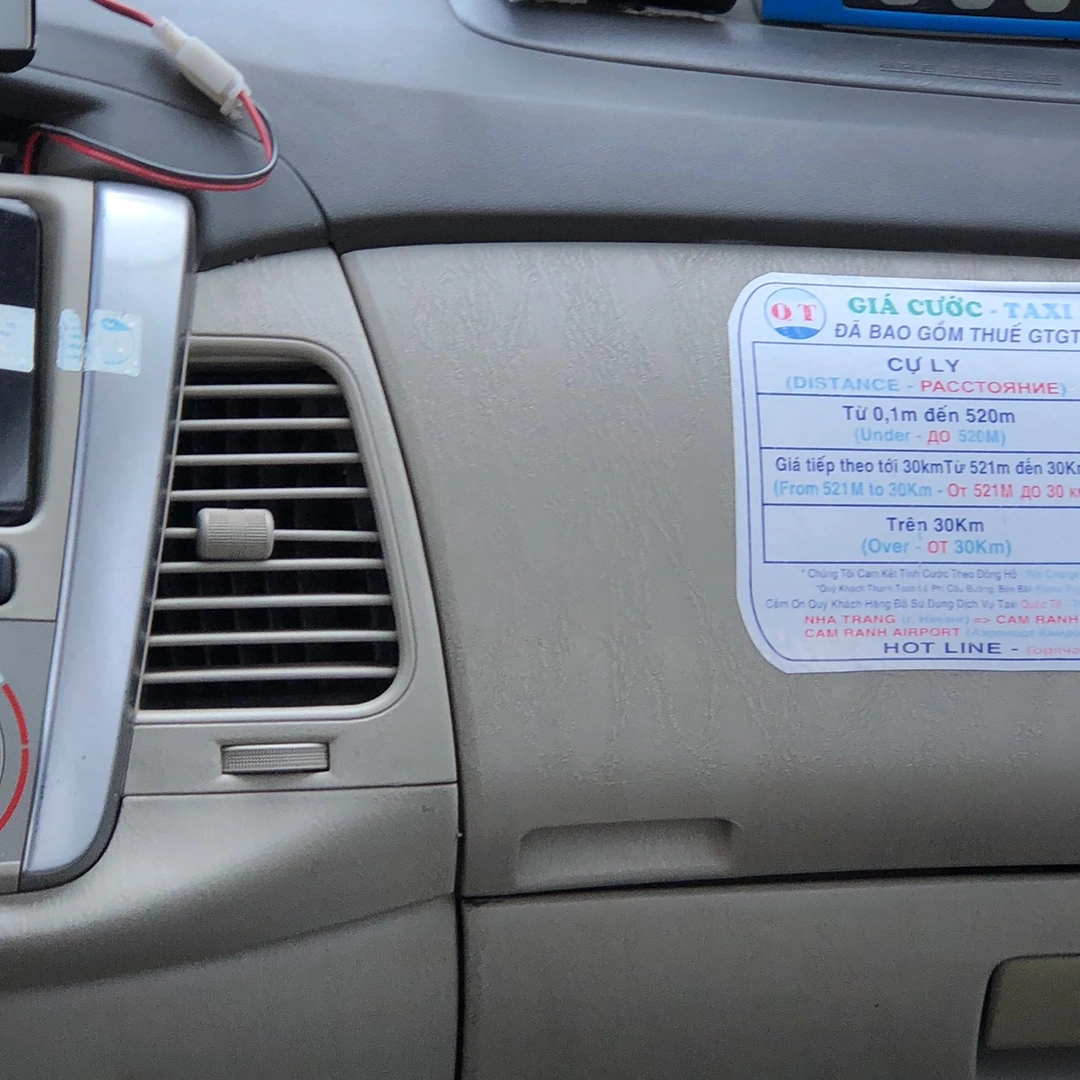
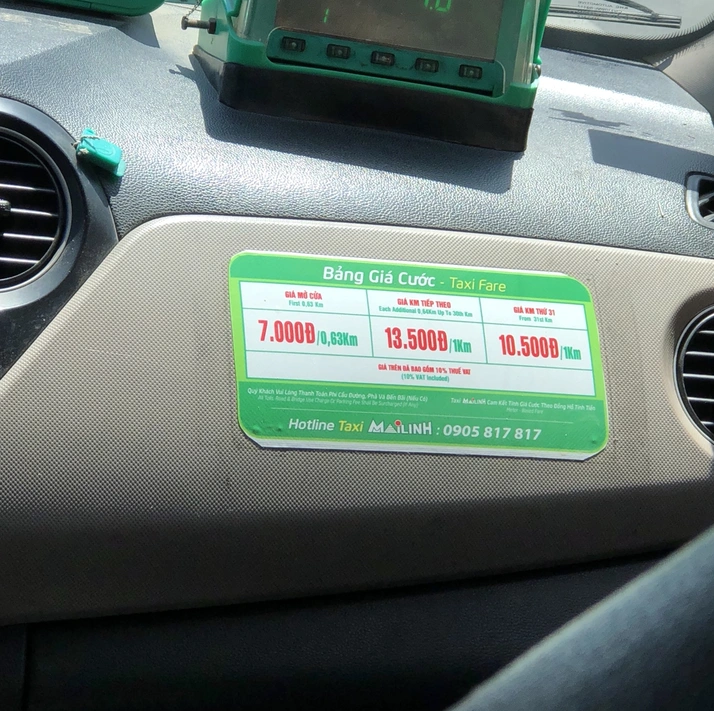
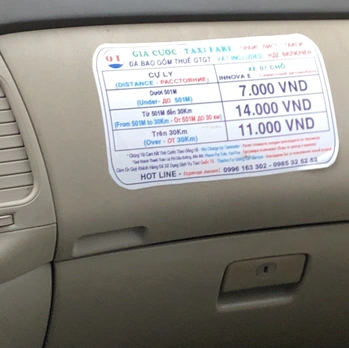
For getting around within the city, the main options are taxis and motorbikes. Reputable taxis generally don't overcharge, but prices vary by city — Nha Trang is generally more expensive. Also, 7-seater cars and 5-seater cars have different prices: when we came out of the airport, we were put in a 7-seater car. A trip that should have cost 300,000 VND ended up costing over 500,000 VND. Watching the meter numbers jump was nerve-wracking.
Pro tip: Use ride-hailing apps like Grab for transparent pricing and avoid taxi scams.
🏨 Vietnam Hotels: Deposit or Passport?

Budget hotels in Vietnam have a strange habit: they like to hold onto your passport as a deposit. This is something we've never encountered anywhere else. I suggest insisting on paying a cash deposit instead of leaving your passport. Higher-end hotels are less strict; they'll just take a credit card pre-authorization.
📷 Photography in Vietnam: The Price of Packing Light

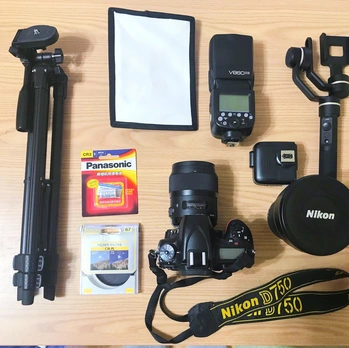
This time, I only brought a 35mm prime lens. As a result, I found that many scenes simply couldn't be captured the way I wanted without a wide-angle lens. If you also prioritize packing light, at least bring a zoom lens.
Flying to Nha Trang: First Impressions of Vietnam

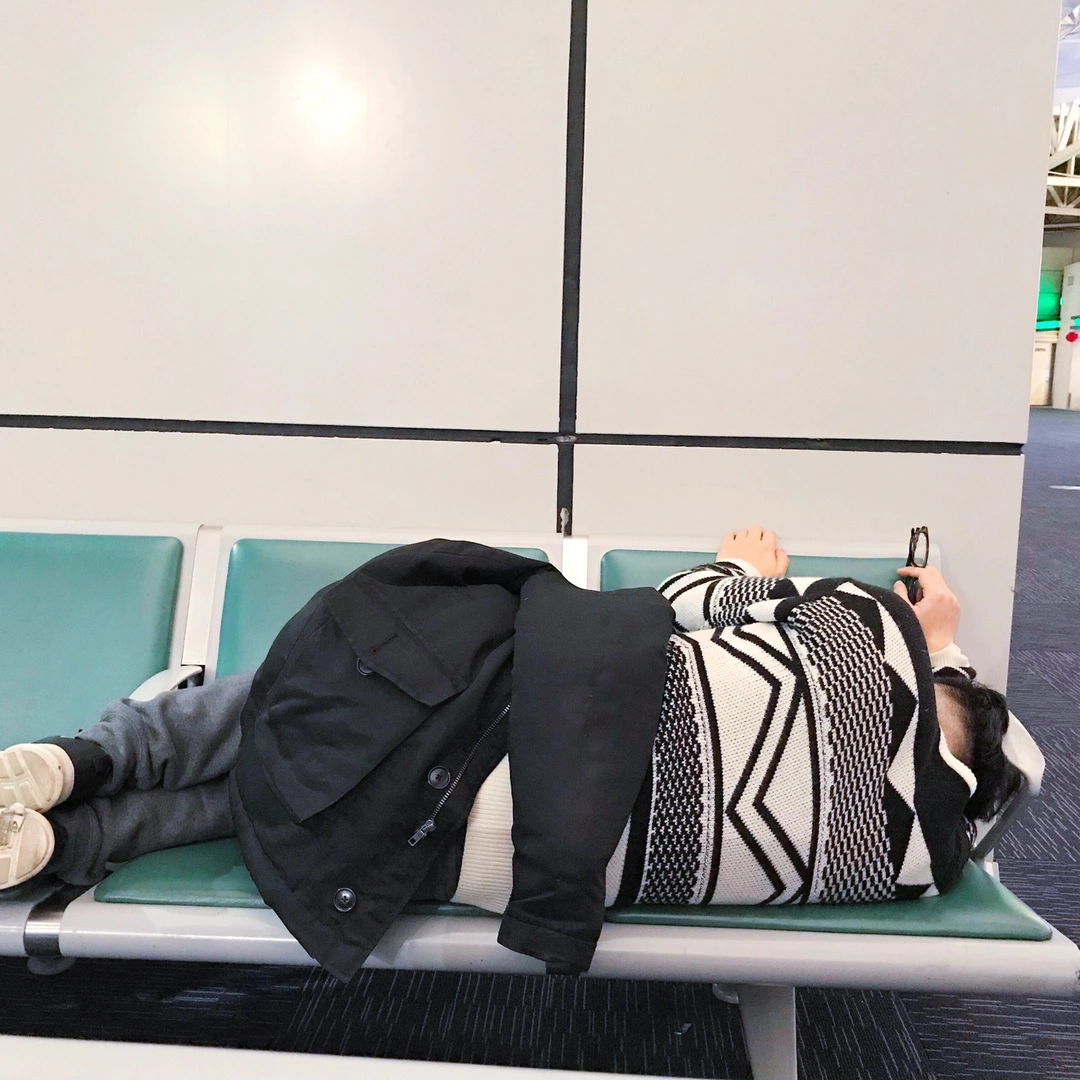
To save money, we chose a China Southern flight with a layover in Guangzhou. China Southern's service is very commendable — if your layover is over 8 hours, they provide free transit accommodation, and you can even choose a 4- or 5-star hotel online in advance. We landed in Guangzhou at midnight, slept for 4 hours at the hotel, and were then shuttled back to the airport. At 6 AM, Baiyun Airport was empty and desolate, with just the two of us sprawled on the benches like refugees.
It took less than 3 hours to fly from Guangzhou to Nha Trang. As soon as we left the airport, the "shrewdness" of the Vietnamese gave us a rude awakening — the exchange rate and SIM card prices at the stalls near the baggage carousel were inflated. Buying them outside the baggage claim area was much cheaper. OPPO advertisements were everywhere, featuring a young, handsome Vietnamese celebrity. This sense of "Made in China" penetration felt both familiar and subtly strange.
Nha Trang Travel Guide: Slow Time, Soaked in at the Hotel

Amiana Resort: Our "Seclusion from the World"

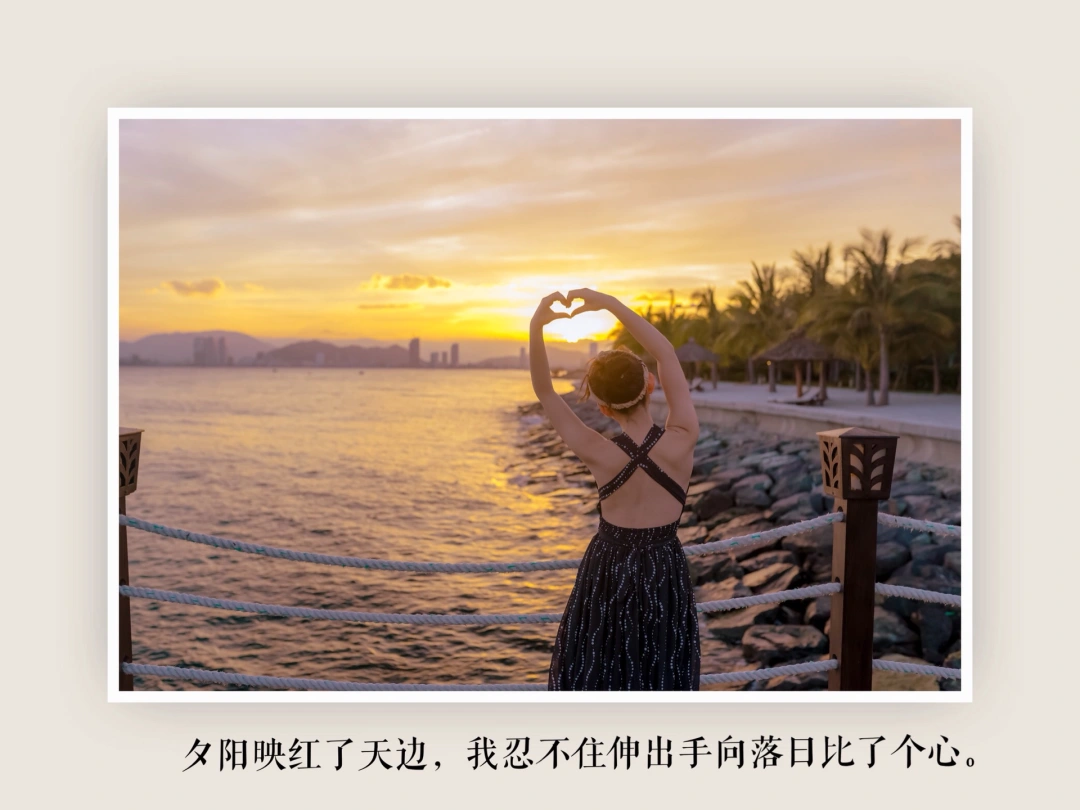
We spent most of our days in Nha Trang just lounging at the hotel. This resort, located in the northern part of Nha Trang about a dozen kilometers from the city center, was designed in a courtyard style — each room had its own small yard. Our daily routine was: sleep, eat, and daydream on the beach. The hotel also offered a free shuttle to the city center, which took about ten minutes, but you had to book in advance.
Because it was far from the city, the beach was often empty. I could finally make funny faces without worrying about being stared at. In the morning, the beach was covered in tiny, fingernail-sized crabs, which would mysteriously disappear during the day.
The Motorcycle Army: A Visual Shock
The next day, we finally decided to head to the city center to find food. As soon as we exited the hotel, we were greeted by a sea of motorbikes. In Nha Trang, motorbikes are not just a mode of transport — they are a way of life. Crossing the street felt like playing a real-life game of Frogger. The key is to maintain a steady pace and never stop or run. The motorbikes will flow around you like water.
Safety tip: Always look both ways, and then look again. Traffic in Vietnam can be chaotic for first-time visitors.
Da Lat Travel Guide: The City of Eternal Spring
From Nha Trang, we took a Futa sleeper bus to Da Lat. The journey took about 4 hours, winding through stunning mountain passes. As we ascended, the temperature dropped noticeably. Da Lat is known as the "City of Eternal Spring" for a reason — the weather is mild year-round, but evenings can be chilly.
Must-try in Da Lat: The local coffee is excellent, especially the weasel coffee (cà phê chồn). Don't leave without trying a bowl of bánh căn (mini rice pancakes) from a street vendor.
FAQ: Vietnam Travel Questions Answered
1. Is Vietnam safe for solo travelers?
 Yes, Vietnam is generally safe for solo travelers. However, be cautious with your belongings in crowded areas like markets and bus stations. Petty theft can occur, but violent crime is rare.
2. What is the best time to visit Southern Vietnam?
 The dry season (October to March) is ideal for Southern Vietnam. The weather is sunny and warm, perfect for beach activities and outdoor exploration. Avoid the rainy season (April to September) if you want to avoid daily downpours.
3. How much does a 7-day trip to Vietnam cost?
 A mid-range 7-day trip to Southern Vietnam (Nha Trang, Da Lat, Ho Chi Minh City) can cost around 3,000–5,000 RMB per person, including flights, accommodation, food, and activities. Budget travelers can do it for less.
4. Do I need to tip in Vietnam?
 Tipping is not mandatory but appreciated. In restaurants, a 5–10% tip is common if service is good. Taxi drivers and hotel staff do not expect tips, but rounding up the fare is a nice gesture.
5. Can I use credit cards in Vietnam?
Credit cards are accepted in larger hotels, restaurants, and shops in cities. However, cash is king in local markets, street food stalls, and rural areas. Always carry enough Vietnamese Dong for daily expenses.
Internal Linking Suggestions

- [Link: Best time to visit Vietnam by region]
- [Link: How to apply for Vietnam visa online]
- [Link: Top 10 street food in Vietnam you must try]
- [Link: Nha Trang vs Da Nang – which beach city is better?]
- [Link: Vietnam travel budget calculator]
Ready to Plan Your Vietnam Adventure?

Vietnam is a land of contrasts — bustling cities, serene beaches, misty mountains, and mouthwatering cuisine. Whether you're a first-time visitor or a seasoned traveler, Southern Vietnam offers something for everyone.

Your next step: Book your flight, pack your bags, and get ready for a journey that will surprise you at every turn. Don't forget to apply for your visa at least two weeks in advance, and download offline maps for navigation in mountainous areas.
Share your Vietnam travel story in the comments below — we'd love to hear about your favorite hidden gems!
Disclaimer: Exchange rates and prices mentioned are from March 2018. Please check current rates before traveling.
You should also read:
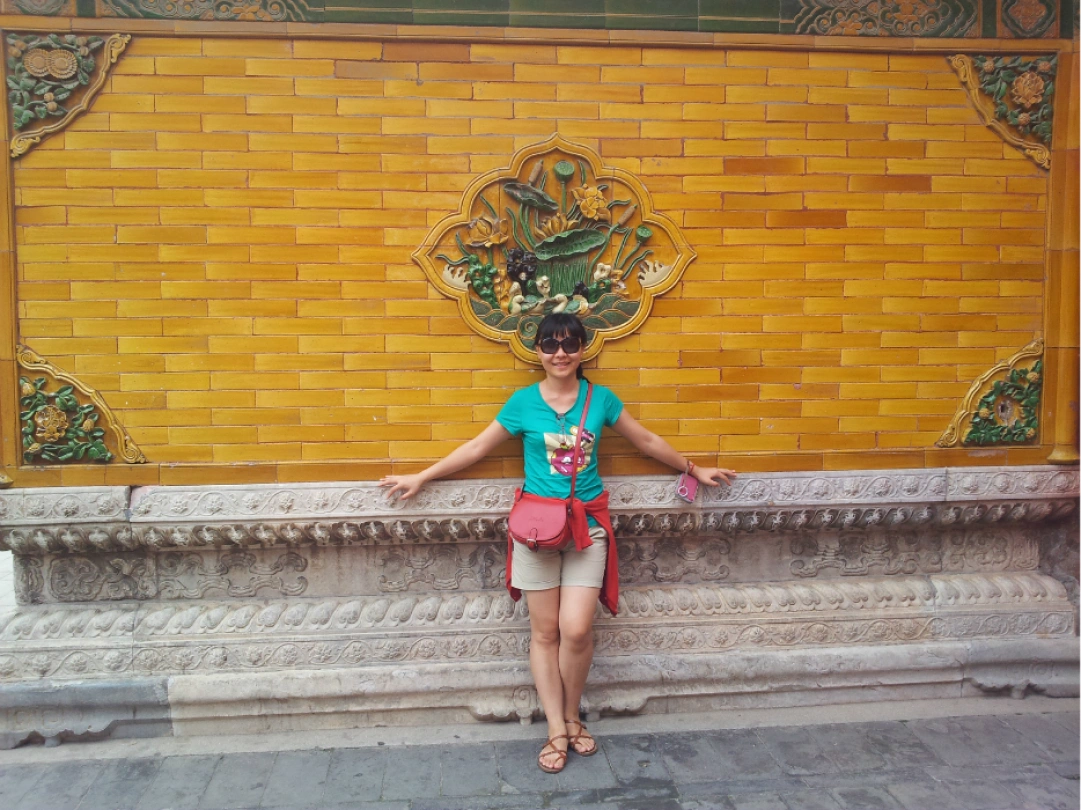
Four Days, Three Nights in Beijing: A Super Practical Self-Guided Travel Guide (Including Food, Stay, and Transport Tips)
Here is the SEO-optimized, rewritten version of your article, structured for maximum search visibility and reader engagement. SEO Title: 4 Days 3 Nights in Beijing: The Ultimate Self-Guided Travel Guide (Food, Stay & Transport) Meta Description (160 chars): Plan the perfect 4-day Beijing itinerary. From…
Continue reading...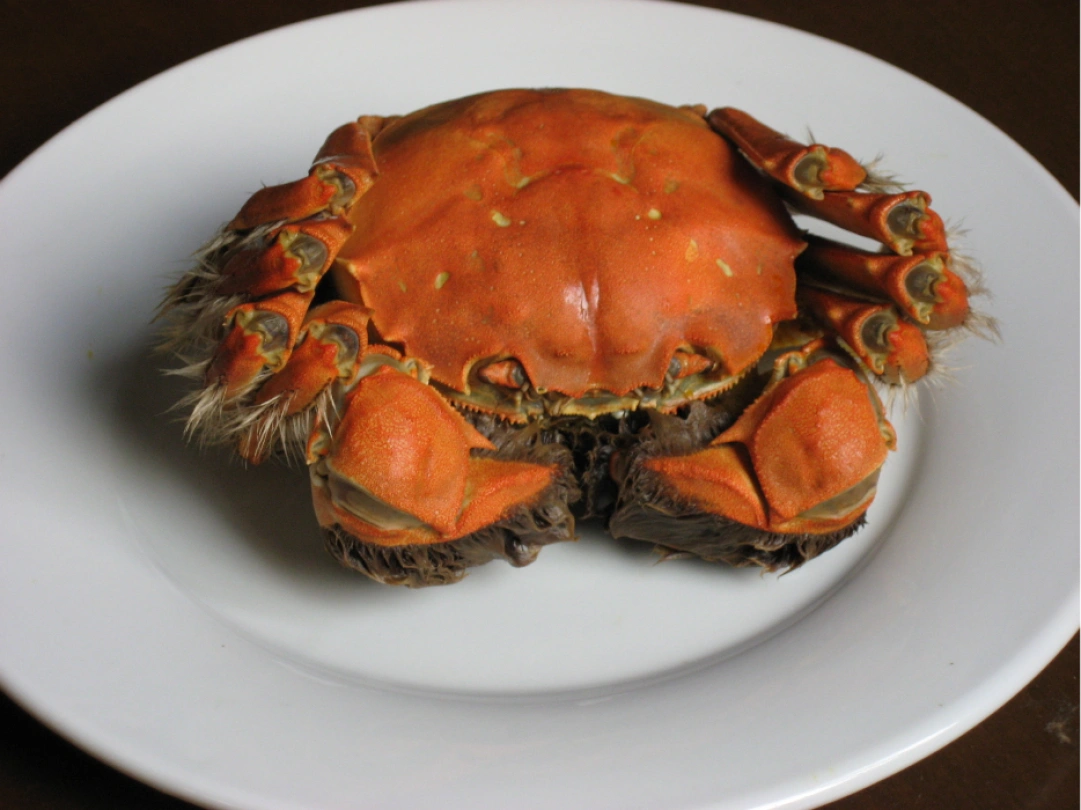
Savoring the Flavors of Di'anmen: A Culinary Journey Through Beijing's Heart
Meta Description: Discover the authentic tastes of old Beijing in Di'anmen. From douzhi to stir-fried liver, explore hidden hutong food stalls, legendary snack shops, and the vibrant street food culture surrounding Shichahai Lake. The story of Beijing has never been solely about crimson walls, golden…
Continue reading...
A Spontaneous Escape Through Tianjin, Beijing, and Shandong: An Unforgettable Solo Travel Adventure
Meta Description: Discover the raw beauty of a spontaneous solo journey through Tianjin, Beijing, and Shandong. From Quanjude roast duck to Tanggu night views, read this heartfelt travelogue of escape and self-discovery. The July wind carried restlessness and unease. After abruptly ending a ten-day job…
Continue reading...