Walking Through Time: The Past and Present of Beijing’s Hutongs: An SEO-Optimized Guide
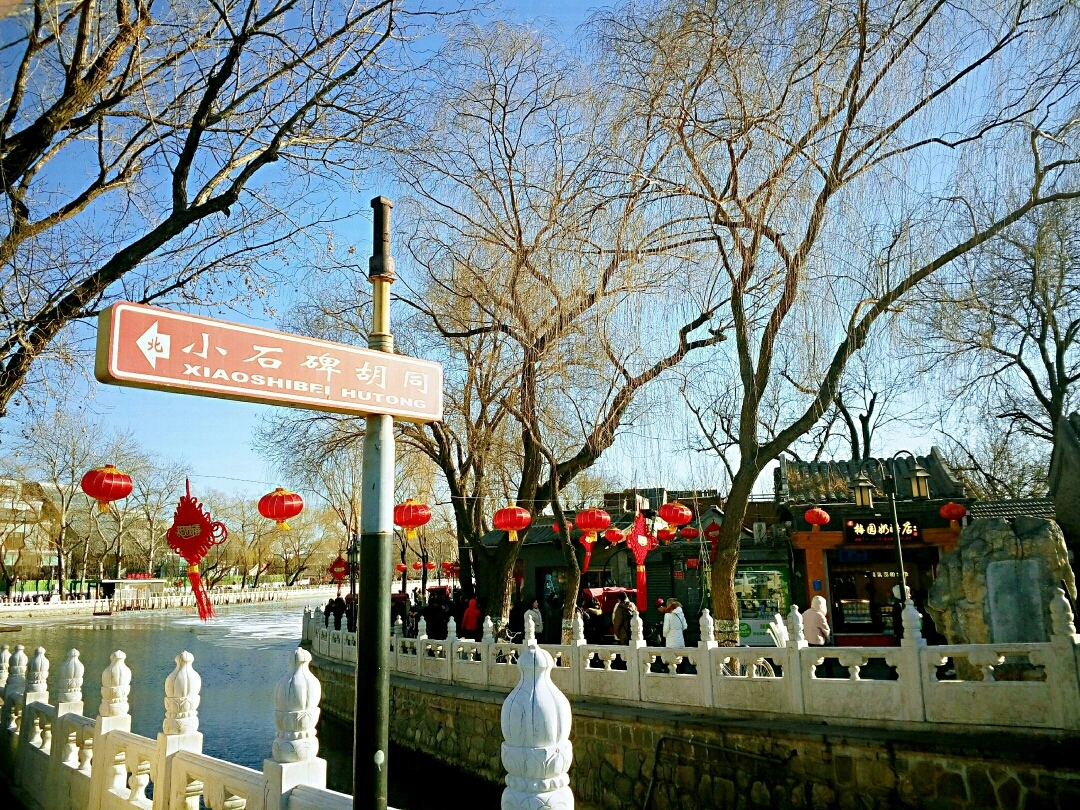
Meta Description: Explore the 700-year history of Beijing’s hutongs, from Yuan Dynasty origins to modern-day cultural treasures. Discover Nanluoguxiang, Yandai Xiejie, and hidden courtyard homes in this SEO-friendly guide.
Introduction: Why Beijing’s Hutongs Are the Soul of the Capital
In Beijing, nothing lets you feel the pulse of this ancient capital quite like a narrow hutong. These alleyways, winding like capillaries through the fabric of the old city, hold centuries of everyday life—stories of emperors and ministers intertwined with those of ordinary townsfolk. As the saying goes, to understand the hutong is to understand Beijing itself. For travelers seeking authentic Beijing culture, exploring these historic lanes offers an unmatched glimpse into the city’s living heritage.
The Origins of Hutongs: Urban Memories from the Yuan Dynasty
How the Term "Hutong" Entered Chinese History

The history of Beijing’s hutongs stretches back over 700 years to the Yuan Dynasty (1271–1368). In 1981, scholar Cao Ersi noted in his Discussions on Beijing Hutongs that the term “hutong” first appeared in Yuan-dynasty opera. Guan Hanqing’s The Single Sword Meeting includes the line, “Fight your way out through a bloody hutong,” while in the Yuan drama Zhang Sheng Boils the Sea at Shamen Island, when Zhang Yu asks Mei Xiang where she lives, she replies, “My home is on Brick Pagoda Hutong.” From the Ming Dynasty onward, interpretations of the word “hutong” have varied widely, but one point is universally agreed upon: from the Yuan Dynasty onward, it became a specific term for the architectural layout of northern Chinese cities.
The Sheer Scale of Beijing’s Hutongs
An old Beijing saying goes: “There are 3,600 big hutongs, and the small ones are as countless as the hairs on an ox.” This may sound exaggerated, but it captures the sheer number of these alleyways. In 1990, linguist Zhang Qingchang counted in his essay More on Hutongs that by 1980, Beijing had 6,029 streets, lanes, and hutongs, of which 1,320 were hutongs. Behind these numbers lies centuries of urban growth and change. Today, Beijing hutong tours often focus on the most well-preserved clusters, but the city’s hutong history is woven into its entire urban fabric.
The Layout of Old Beijing: Nine Gates of the Inner City, Seven of the Outer, Four of the Imperial City
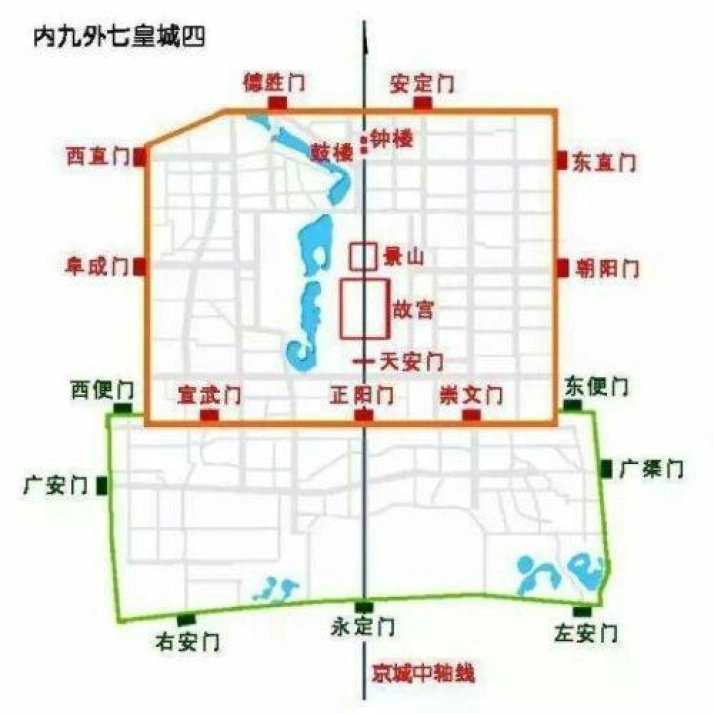
Understanding Beijing’s Historic Urban Structure
To understand hutongs, you first need to grasp Beijing’s urban layout. After the Ming Dynasty (1368–1644), Beijing developed a structure known as “nine gates of the inner city, seven of the outer city, and four of the imperial city.” The inner city had nine gates, the outer city seven, and the imperial city four. During the Qing Dynasty (1644–1912), the rulers enforced a policy of ethnic segregation, driving all Han Chinese residents to the outer city while reserving the inner city for the Eight Banner armies and their families. The banner aristocracy referred to themselves as “people of the four-nine cities” (the inner city’s four imperial and nine inner gates) to signify their superior status—a term that later became a nickname for Beijing itself.
The Four Layers of Old Beijing
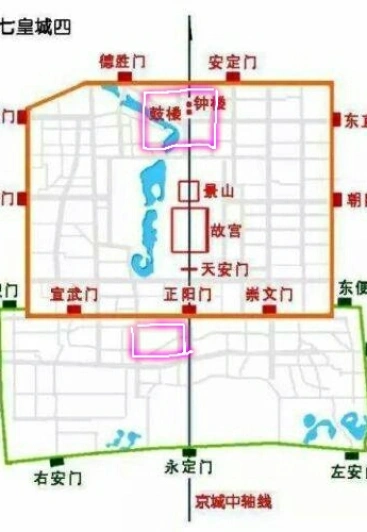
Old Beijing was divided by its city walls into roughly four layers: the outer city, the inner city, the imperial city, and the Forbidden City. The inner city’s nine gates were Zhengyangmen (Front Gate), Chongwenmen, Xuanwumen, Chaoyangmen, Fuchengmen, Dongzhimen, Xizhimen, Andingmen, and Deshengmen. The outer city’s seven gates were Yongdingmen, Zuo’anmen, You’anmen, Guangqumen, Guang’anmen, Dongbianmen, and Xibianmen. The imperial city’s four gates were Tiananmen (Gate of Heavenly Peace), Di’anmen (Gate of Earthly Peace), Dong’anmen (Eastern Peace Gate), and Xi’anmen (Western Peace Gate).
The Loss of Beijing’s City Walls
Sadly, after the founding of the People’s Republic in 1949, the proposal by architect Liang Sicheng to build a new city outside the old one while preserving the original layout was rejected. In the years that followed, driven by urban development, subway construction, and preparations for war, most of old Beijing’s inner and outer city walls and several gate towers were demolished. This loss makes preserved hutong neighborhoods even more valuable for understanding Beijing’s past.
[Link: Beijing city wall history and preservation efforts]
The Transformation of Hutongs: From Courtyard Homes to Communal Compounds
The Rise of the Dazayuan
Beijing’s hutongs are concentrated within the old city limits. In the early years of the People’s Republic, the Great Leap Forward and the wave of people’s communes caused the city’s population to swell dramatically. The housing department began allocating properties uniformly, turning siheyuan (traditional courtyard houses) that once housed a single family into dazayuan (large communal compounds) shared by seven, eight, or even more families. During the Cultural Revolution (1966–1976), makeshift additions built in any available space severely damaged the original character of many hutongs.
Modern Threats and Preservation Efforts
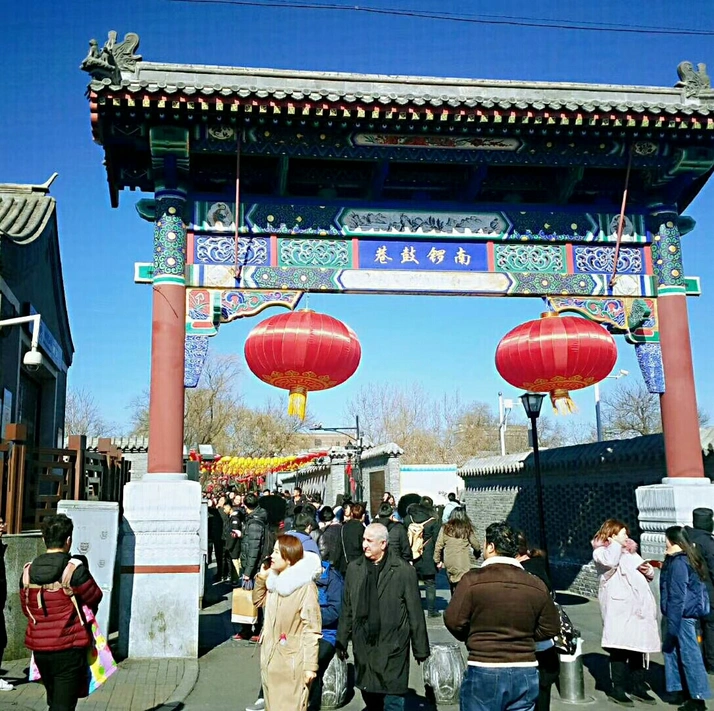
After the Cultural Revolution, high-rises sprang up, and countless hutongs and courtyard houses were bulldozed in vast swaths. Fortunately, cultural preservation awareness gradually grew, and some valuable hutongs were designated as protected areas, allowing hutong culture to survive. Today, visitors can experience traditional Beijing courtyard houses in designated heritage zones, though many have been converted into trendy cafes, boutique hotels, and art galleries.
[Link: Siheyuan architecture and courtyard house restoration]
The Northern Hutong Clusters: Imperial Elegance Meets Local Life
Today, Beijing’s most famous hutongs are mainly found in two areas: the northern cluster around the Bell and Drum Towers and Yonghe Temple (Lama Temple), and the southern cluster near Qianmen (Front Gate) and Hepingmen (Peace Gate).
Nanluoguxiang: The Centipede Alley of Famous Figures
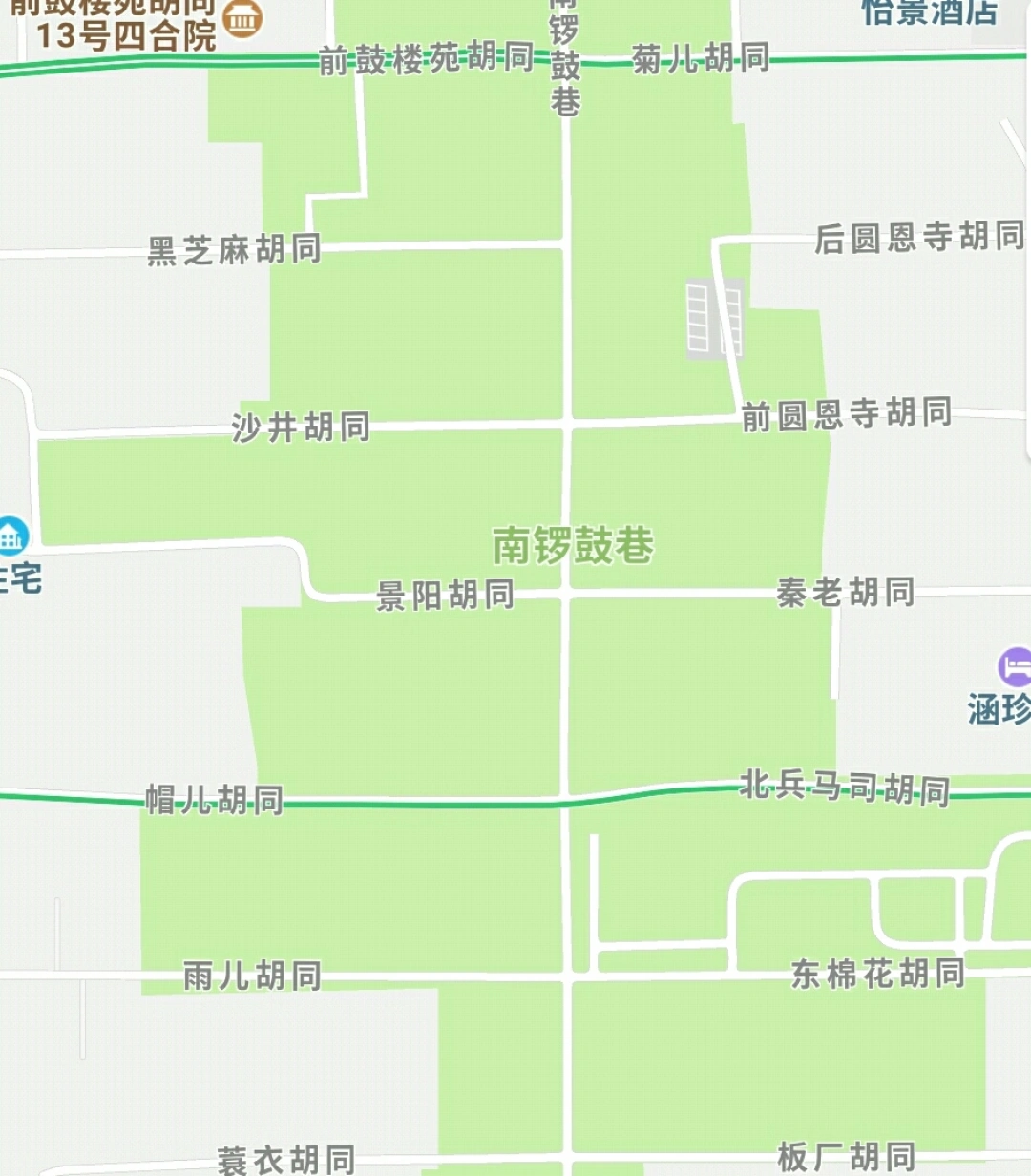
Nanluoguxiang runs north-south for about 800 meters (half a mile). Eight hutongs branch off on each side in a neat fishbone pattern, earning it the nickname “Centipede Alley.” The eight on the west include Fuxiang Hutong, Suoyi Hutong, Yu’er Hutong, Mao’er Hutong, Jingyang Hutong, Shajing Hutong, Heizhima Hutong, and Qian Gulouyuan Hutong. Those on the east are Chaodou Hutong, Banchang Hutong, Dongmianhua Hutong, Bei Bingmasi Hutong, Qinlao Hutong, Qian Yuan’ensi Hutong, Hou Yuan’ensi Hutong, and Ju’er Hutong. These alleyways had no names during the Yuan Dynasty; their names evolved gradually from the Ming Dynasty onward.
Exploring Beyond the Main Strip
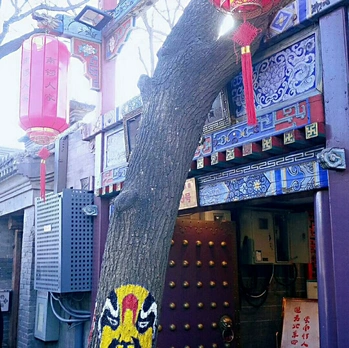
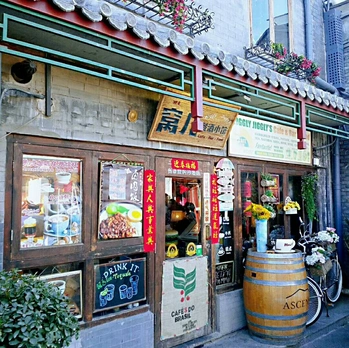
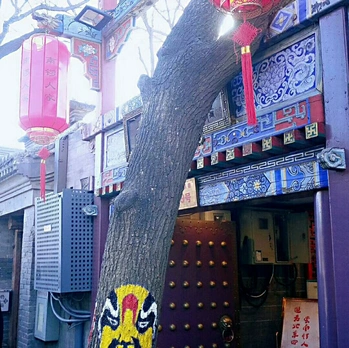
Many people think Nanluoguxiang refers only to the main thoroughfare, but to truly experience hutong culture, you need to explore the eight alleyways on either side. Even after the Spring Festival, Nanluoguxiang remains festive, rivaling temple fairs in liveliness. The main street is lined with specialty shops and trendy boutiques, but the area’s historical depth goes far deeper.
Historical Residences in Nanluoguxiang
In Ju’er Hutong stands the former residence of Ronglu, a high-ranking official trusted by Empress Dowager Cixi during the Guangxu reign (1875–1908). At No. 13 Hou Yuan’ensi Hutong is the home where Mao Dun, the first Minister of Culture of the People’s Republic, lived from 1972 until his death six years later. The Chiang Kai-shek Mansion—originally the residence of Zai Fu, the second son of Qing Prince Qing (Yikuang)—served as Chiang’s Beijing headquarters from 1945 to 1949. After liberation, it housed the North China Bureau of the Communist Party Central Committee, the Yugoslavian Embassy, and the Chinese People’s Association for Friendship with Foreign Countries.
In Qian Yuan’ensi Hutong, the Heizhima Hutong Primary School bears a calligraphic inscription by Mao Dun himself. Founded in 1644 (the first year of the Shunzhi reign of the Qing Dynasty), it was originally a school for the Bordered Yellow Banner and now has a history of over 370 years. No. 13 Yu’er Hutong was the home of the great painter Qi Baishi, now converted into the Qi Baishi Memorial Hall. Other notable residences include No. 59 Nanluoguxiang, the former home of Hong Chengchou, a powerful minister of the late Ming and early Qing dynasties; Chaodou Hutong, where the Qing prince Sengge Rinchen once lived; and Nos. 35 and 37 Mao’er Hutong, the pre-wedding home of Wanrong, the last empress of the Qing Dynasty. These seemingly ordinary houses conceal layers of profound history.
[Link: Best hutong walking routes in Beijing]
Yandai Xiejie: The Lively Lane by Houhai
Yandai Xiejie (Tobacco Pipe Slanted Street) lies along Houhai (Rear Sea). From the western hutongs of Nanluoguxiang, walk westward and you’ll reach Di’anmen Outer Street, with Houhai on the western side. Yandai Xiejie is 232 meters (760 feet) long, running northeast to southwest. Its name has two origins: first, the street’s shape resembles a tobacco pipe—the long, narrow lane is the stem, the eastern entrance is the mouthpiece, and the western end that bends south toward Yinding Bridge looks like the bowl; second, the Manchu bannermen who lived in the northern city were fond of smoking pipes or water pipes, and most shops here historically sold tobacco products.
Today, Yandai Xiejie is a vibrant pedestrian street filled with souvenir shops, snack stalls, and bars. It’s one of the most popular Beijing nightlife areas and a must-visit for anyone exploring Houhai and the Bell and Drum Towers.
[Link: Houhai lake area attractions and activities]
FAQ: Everything You Need to Know About Beijing’s Hutongs
1. What is the best time to visit Beijing’s hutongs?
Spring (April–May) and autumn (September–October) offer the most pleasant weather for walking through hutongs. Avoid Chinese public holidays like National Day (October 1–7) when crowds peak. Early morning or late afternoon provides the best light for photography and fewer tourists.
2. How many hutongs are left in Beijing today?
While thousands existed historically, only about 1,300 hutongs remain, with roughly 600 designated as protected areas. The most concentrated and well-preserved clusters are around Nanluoguxiang, Yandai Xiejie, and the Dashilan area near Qianmen.
3. Can you enter the courtyard houses (siheyuan) in hutongs?
Many courtyard houses are private residences and not open to the public. However, some have been converted into museums (like the Qi Baishi Memorial Hall), boutique hotels, or tea houses that welcome visitors. Always respect residents’ privacy when exploring.
4. What is the difference between a hutong and a siheyuan?
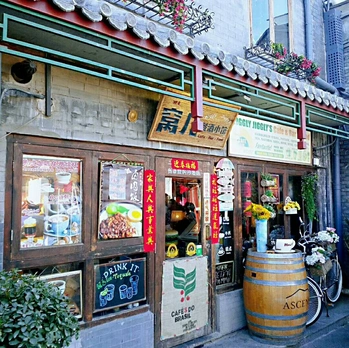
A hutong is the narrow alley or lane itself, while a siheyuan is the traditional courtyard house that lines the hutong. Think of the hutong as the street and the siheyuan as the homes along it. The two are intrinsically linked in Beijing’s urban fabric.
5. Are there guided tours available for hutong exploration?
Yes, many companies offer Beijing hutong walking tours, rickshaw tours, and cycling tours. Local guides provide historical context and access to hidden courtyards that independent travelers might miss. Prices range from 150–400 RMB per person depending on duration and inclusions.
Conclusion: Step Into Beijing’s Living History
Beijing’s hutongs are more than just tourist attractions—they are living museums of Chinese urban history, architectural heritage, and everyday life. From the Yuan Dynasty origins of Nanluoguxiang to the vibrant nightlife of Yandai Xiejie, these alleyways offer an authentic glimpse into the soul of the capital. Whether you’re a history buff, a photography enthusiast, or a curious traveler, exploring Beijing’s historic hutongs will enrich your understanding of this ancient city.
Ready to walk through time? Plan your hutong adventure today. Book a guided walking tour, download a self-guided map, or simply put on comfortable shoes and get lost in the winding lanes. The stories of emperors, artists, and ordinary Beijingers await you around every corner.
Keywords: Beijing hutongs history, Nanluoguxiang guide, Yandai Xiejie, traditional Beijing courtyard houses, hutong walking tours, Beijing cultural heritage, ancient Beijing layout, siheyuan architecture, Beijing travel guide, authentic Beijing experiences
You should also read:
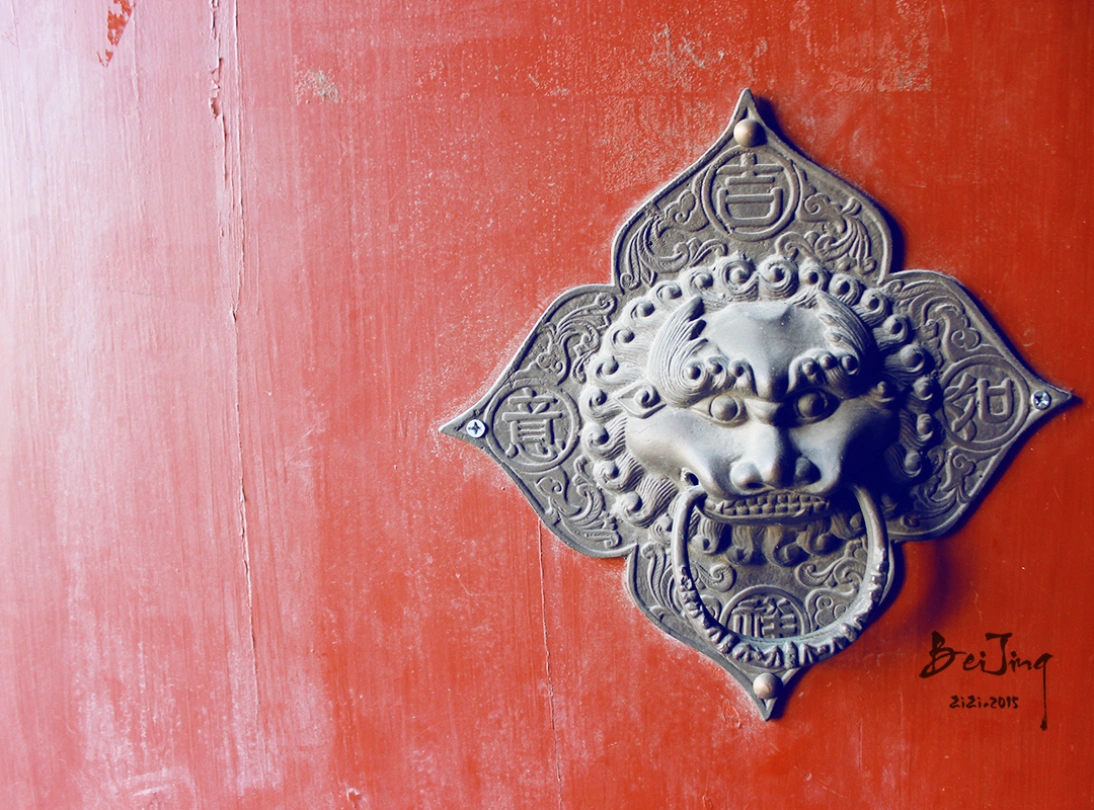
Lost in Beijing for Seven Days: A Solo National Day Journey Through the Capital
Meta Description: Discover how to survive—and thrive—during China's Golden Week in our SEO-optimized Beijing travel guide. From hidden hutongs to imperial palaces, this 7-day solo itinerary reveals crowd-avoidance secrets, budget tips, and must-visit attractions. Some say traveling during National Day is asking for trouble. But…
Continue reading...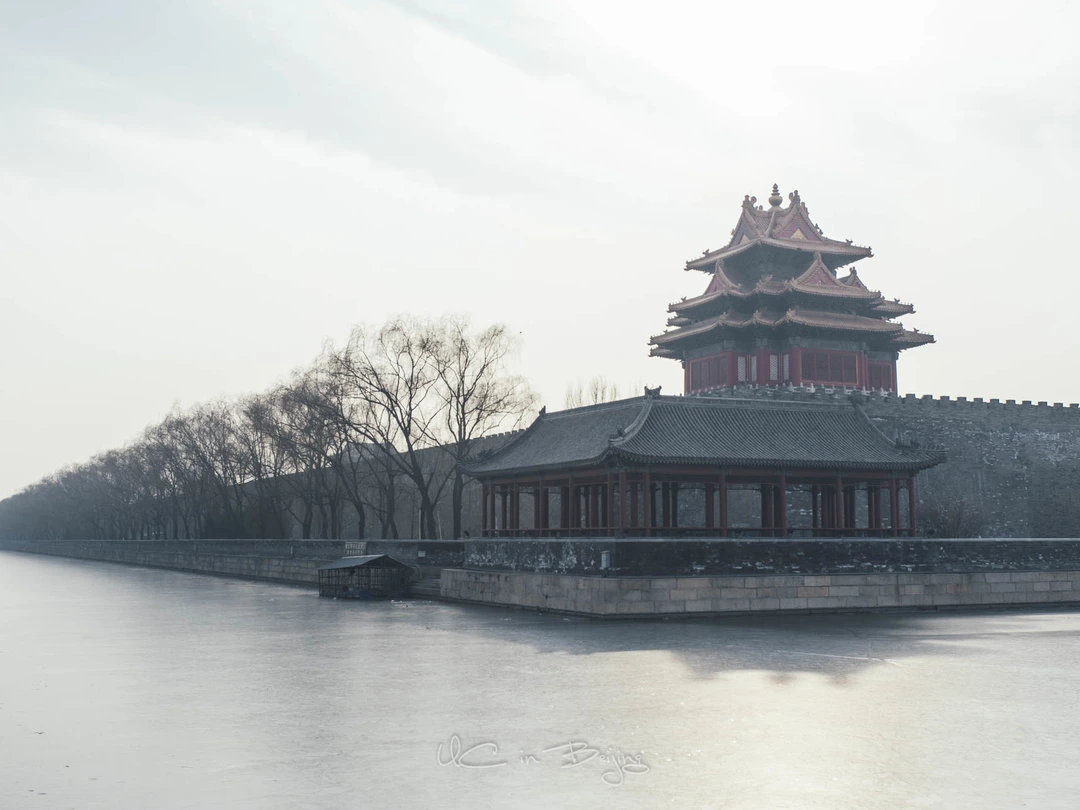
Beijing Through the Lens: One Person's Winter Wanderings – An SEO-Optimized Travel Guide
Meta Description: Discover Beijing's winter charm through a photographer's lens. From Nanluoguxiang's night scenes to Sanlitun's neon glow, explore the city's hidden corners and iconic landmarks in this SEO-friendly travel guide. January in Beijing is so cold you can hear your own breath. But for…
Continue reading...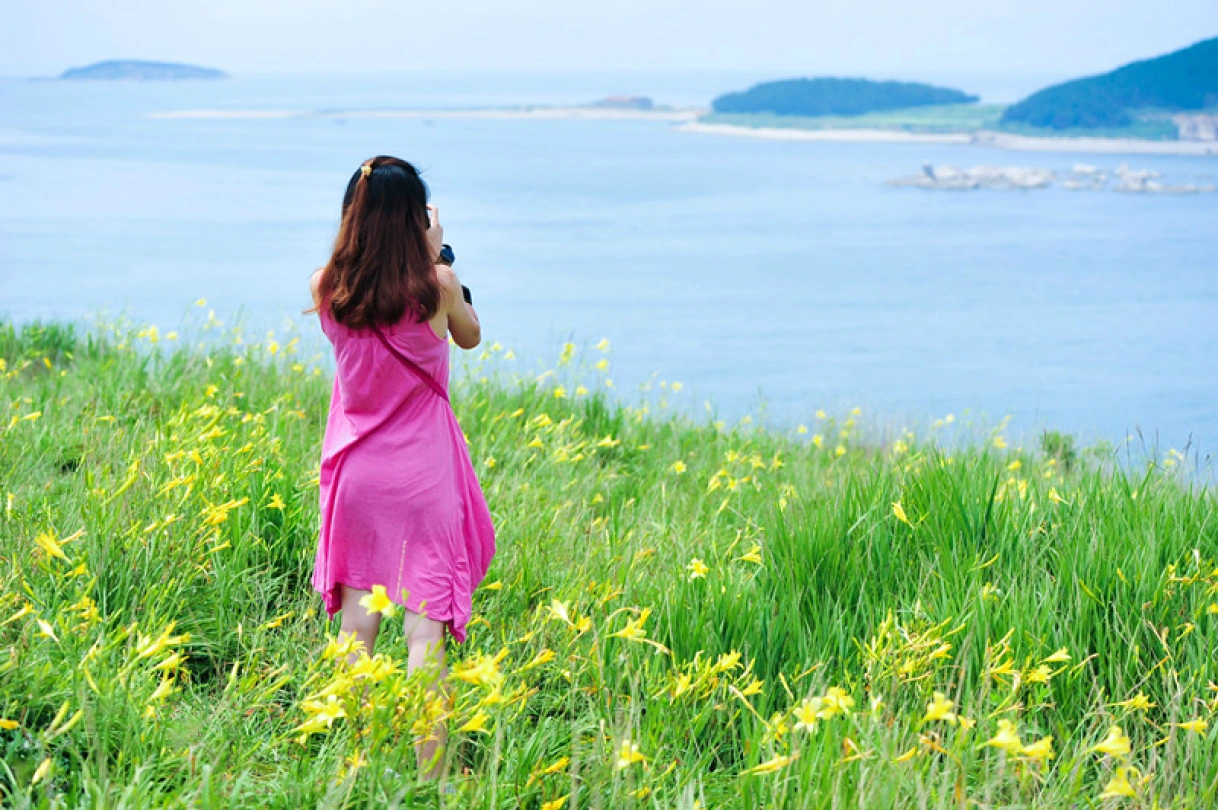
A Spontaneous Escape Through Tianjin, Beijing, and Shandong: An Unforgettable Solo Travel Adventure
Meta Description: Discover the raw beauty of a spontaneous solo journey through Tianjin, Beijing, and Shandong. From Quanjude roast duck to Tanggu night views, read this heartfelt travelogue of escape and self-discovery. The July wind carried restlessness and unease. After abruptly ending a ten-day job…
Continue reading...