Wandering in Leisure: The Fluttering Banners and the Great Wall — A Journey to Beijing's Huairou District, Mutianyu, and Hongluo Temple (Following the Textbook Through the World, Part 11)
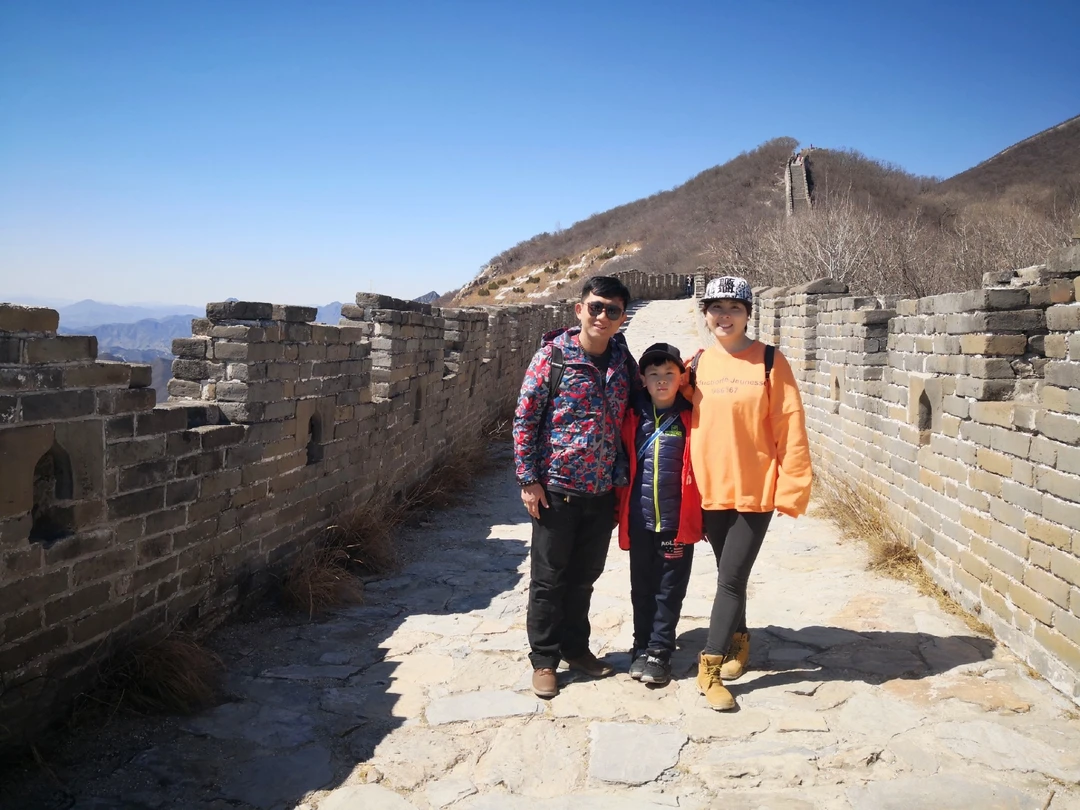
Meta Description: Explore Mutianyu Great Wall, Hongluo Temple, and Huairou's hidden gems in this family travel guide. Follow a textbook-inspired journey through Beijing's iconic landmarks, from wild wall hikes to ancient temples.
Prologue: When the Textbook Comes Alive
The Great Wall of China. For centuries, it has stood as a symbol of Chinese resilience, a UNESCO World Heritage site, and one of the Eight Wonders of the World. But for my son, it was just a drawing in his Chinese language textbook—until we decided to turn those pages into footsteps.
This weekend, we packed our bags, grabbed our child, and drove north from Beijing to Huairou District—home to the world-famous Mutianyu Great Wall and the ancient Hongluo Temple, often called "the Nanputuo of the North." This is the story of how we brought history to life, one brick at a time.
Mutianyu Great Wall: Touching the Pulse of a Millennium

An "International Encounter" on the Cable Car
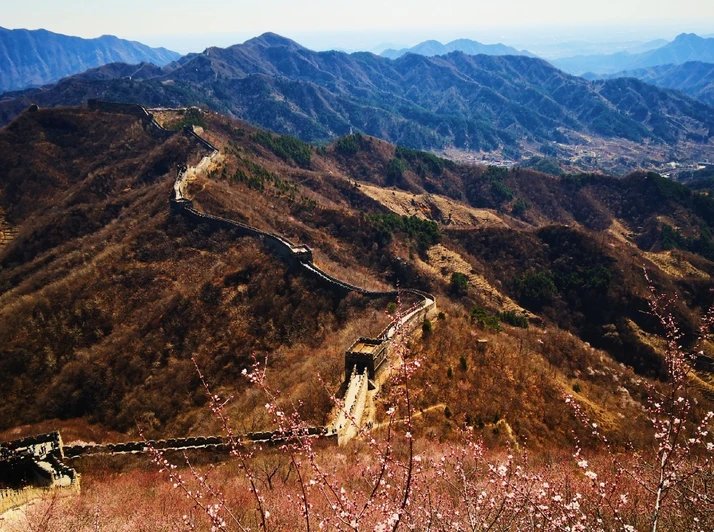
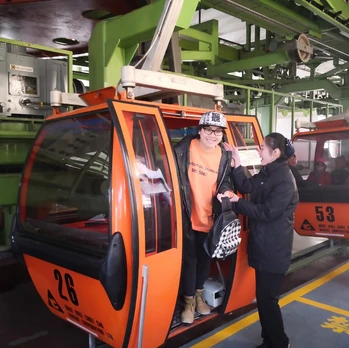
Mutianyu isn't just another section of the Great Wall. It's the one that has hosted presidents, diplomats, and dignitaries from around the world. We chose the classic route: cable car up to Beacon Tower No. 14, then hike west to east toward Beacon Tower No. 24.
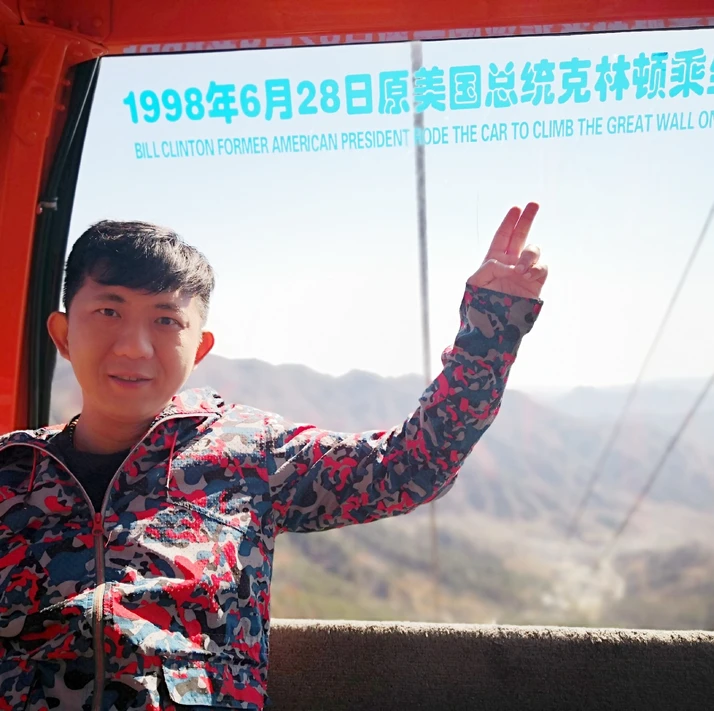
As we boarded the cable car, my son noticed a small plaque. "Dad, this is the same cable car that carried President Bill Clinton!" he shouted. That little "international encounter" turned a routine ride into a moment of wonder. For a child, riding in the same seat as a U.S. president is like touching history itself.
From "Loyal to Chairman Mao" to the Wild Wall

As the cable car climbed, five large Chinese characters appeared on the hillside: "Loyal to Chairman Mao." It was a stark reminder that the Great Wall is not just a relic of ancient dynasties—it's a living monument that has witnessed revolutions, reforms, and modern tourism.
We stepped onto the wall at Beacon Tower No. 14. The stone bricks beneath our feet were worn smooth by centuries of footsteps. The slope was gentle here, perfect for families. We passed a playful child, an elderly couple walking hand in hand, and a lone backpacker photographing the crenellations.
One beacon tower had a designated graffiti area—a rare spot where visitors could leave their names on the ancient bricks. My son carefully carved his initials. "Now I'm part of the Great Wall," he said. It was a strange but beautiful blend of history and modernity.
The True Challenge of "Haohan Slope"
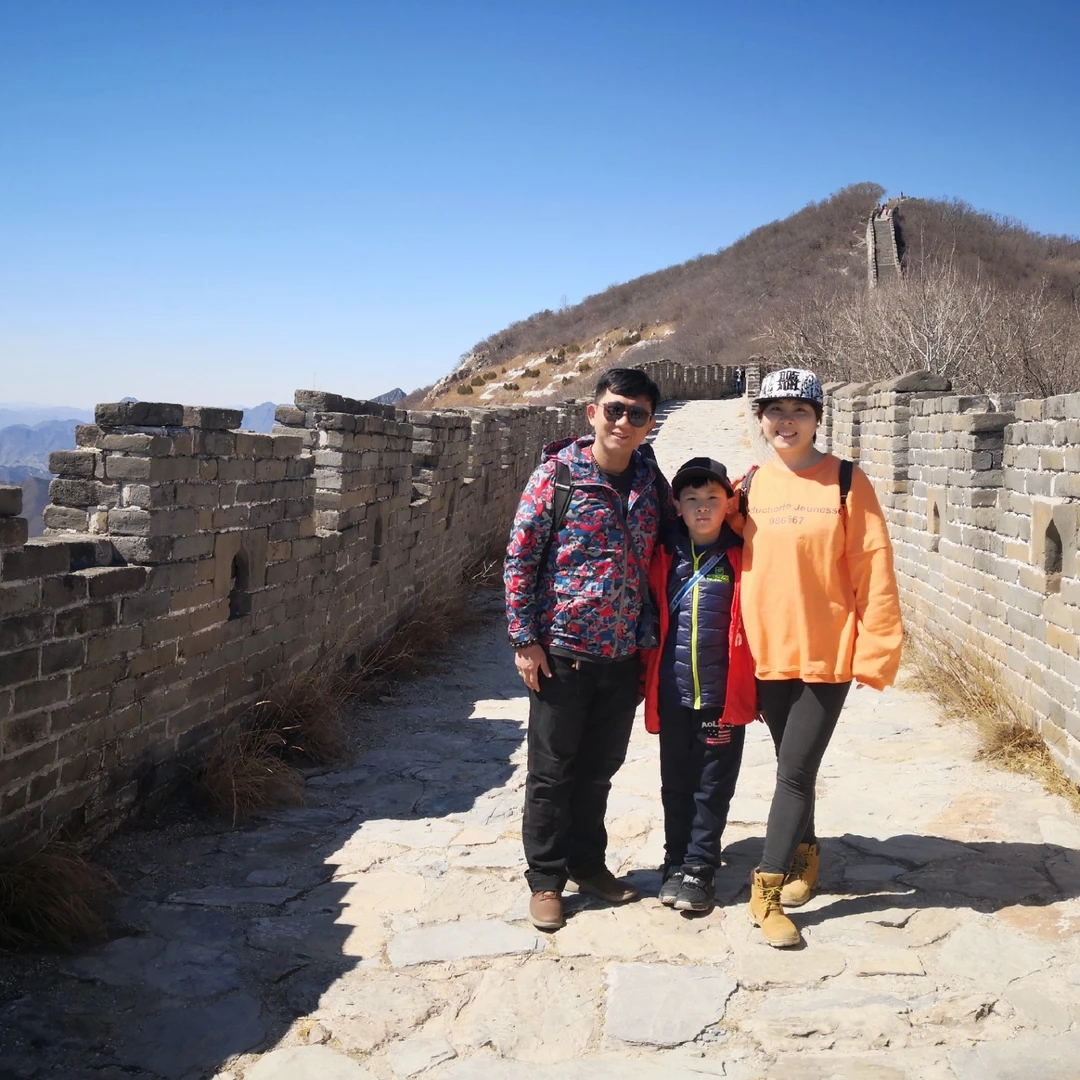
The path from Beacon Tower No. 19 to No. 20 is not for the faint of heart. Known as "Haohan Slope" (Good Man Slope), it's a steep, narrow staircase that tests your legs and lungs. The final twenty or thirty steps are nearly vertical—a ninety-degree climb that forces you to use your hands.
My son laughed as he crawled upward. "Now this is really 'climbing' the Great Wall!"
But when we reached the top and sat down to catch our breath, the view was worth every gasp. The wall snaked into the distance like a dragon's spine. The crenellations, the horse-blocking pits, the watchtowers—all stood in silent testimony to the soldiers who once guarded this frontier. Looking down, we could see the "lesser mountains at a glance," just as the ancient poets described.
The Wild Wall: A Private Rendezvous with History
Mutianyu has 24 beacon towers. The first 20 are restored, but beyond Tower No. 20 lies the wild wall—an undeveloped, crumbling section overgrown with weeds and wild peach blossoms.
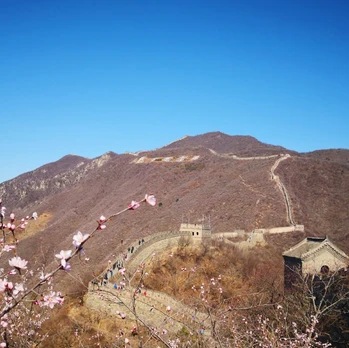
We climbed over a low barrier and stepped onto the wild wall. Few tourists venture here. The silence was profound. The stones were loose, the walls broken, and the wind whispered through the gaps. My son said, "This feels like a secret."
We walked to Beacon Tower No. 23 and looked up at No. 24—the highest point. "Let's save it for next time," my son said. I nodded. Sometimes, leaving a little mystery makes the journey richer.
[Link: Best family-friendly sections of the Great Wall near Beijing]
Hongluo Temple: In Search of the Jade Emperor's Daughters
The next day, we slept in and drove to Hongluo Temple, a Buddhist sanctuary nestled in the mountains of Huairou. The saying goes: "There is Nanputuo in the south, and Hongluo in the north."
Legend says the temple was guarded by two daughters of the Jade Emperor who descended to the mortal world. For this reason, prayers for romantic matches are said to be especially effective here. My son, with all the seriousness of a nine-year-old, said, "I'm still young—I don't need to pray for a match." I smiled. "It doesn't hurt to ask early. Your future wife might not even be born yet."
We took an automatic slide up the mountain, saving energy for the temple grounds. Inside the Guanyin Temple, incense smoke swirled in the air. An elderly woman knelt before the altar, chanting scriptures with a focus that was deeply moving. For a moment, the modern world faded away.
On the way down, the slide was faster and more winding. My son screamed with excitement, his laughter echoing through the forest. After paying respects to the various deities, I found that my wishes had become simpler: health, happiness, and a little more time together.
At noon, we enjoyed a delicious meal of fresh fish from a local restaurant. My son declared it "the best fish ever." I wasn't sure if the Hongluo maidens had heard my prayers, but I felt completely satisfied.
[Link: Top temples to visit near Beijing for family trips]
Yanqi Lake: Leaving a Little Mystery
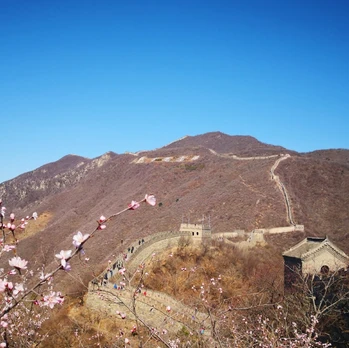
Huairou has three major attractions: the Great Wall, Hongluo Temple, and Yanqi Lake. We arrived a bit too early—Yanqi Lake wouldn't officially open until April. That was fine. Leaving something to look forward to makes the dream richer, just like the Beacon Tower No. 24 we left unconquered on the Great Wall.
Some suspense makes the journey more memorable.
The "Logistics Base" at the Foot of the Wall
The best part of this trip was our choice of accommodation. Instead of staying at a luxury hotel like the Kempinski, we opted for a guesthouse at the foot of the Great Wall, inside the Shentangyu Scenic Area.
Three reasons why this was the perfect choice:
- Views of the wild Great Wall from our window—as if we had traveled back hundreds of years to a garrison for border guards.
- Surrounded by nature—mountains, water, and forests made it an ideal place for children to play and explore.
- Great value for money—the landlady's home-cooked dishes gave us a taste of the most authentic Huairou flavors.
My son spent hours playing in the stream behind the guesthouse, catching tadpoles and chasing butterflies. It was the kind of childhood memory that no textbook can capture.
[Link: Best family-friendly guesthouses near Mutianyu Great Wall]
FAQ: Planning Your Huairou Trip
1. When is the best time to visit Mutianyu Great Wall?
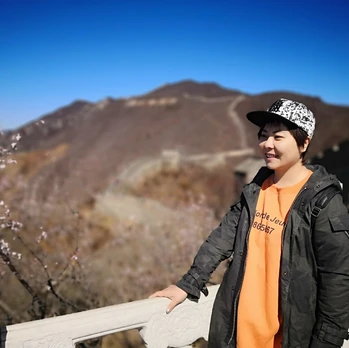 Spring (April-May) and autumn (September-October) offer the most comfortable weather. Summer can be hot and crowded, while winter offers fewer tourists but colder temperatures. Early spring, as we experienced, brings wild peach blossoms and crisp air.
2. How long does it take to hike the Mutianyu Great Wall?
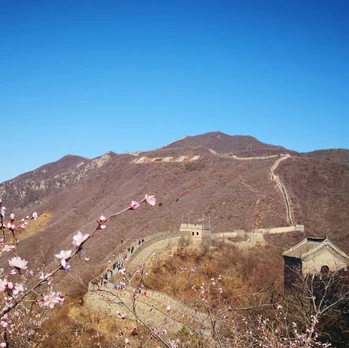 A full hike from Beacon Tower No. 14 to No. 24 takes about 3-4 hours, including breaks. If you only have limited time, the section from No. 14 to No. 20 is the most scenic and accessible for families.
3. Is the wild wall section safe for children?
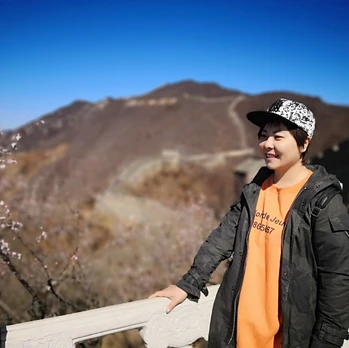 The wild wall beyond Beacon Tower No. 20 is not maintained and can be dangerous. We recommend it only for older children who are sure-footed and supervised closely. For younger kids, stick to the restored sections.
4. What should I pack for a trip to Huairou?
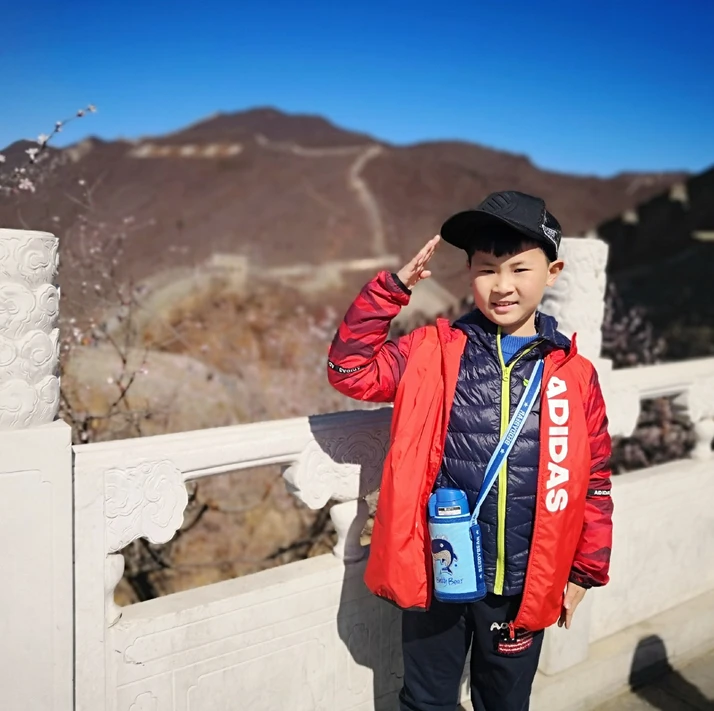 Comfortable walking shoes, sunscreen, a hat, plenty of water, snacks, and a light jacket (even in summer, the mountain breeze can be cool). Don't forget a camera—the views are spectacular.
5. Can I visit Mutianyu and Hongluo Temple in one day?
Yes, but it will be a packed day. We recommend two days: one for the Great Wall and one for Hongluo Temple and Yanqi Lake. This allows for a relaxed pace, especially with children.
Epilogue: Following the Textbook, Moving On
Three days—not too long, not too short—was enough to bring the words in the textbook to life. The Great Wall was no longer just a winding dragon in a picture; it was the solid bricks and stones beneath our feet. Hongluo Temple was no longer just a name from legend; it was the devotion and tranquility amid swirling incense smoke.
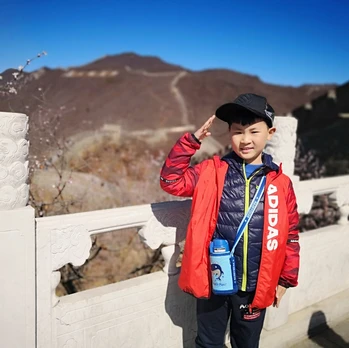
We took our child, measuring history with our footsteps, recording the scenery with our eyes, and feeling the culture with our hearts. Perhaps this is the true meaning of "Following the Textbook Through the World" —to free knowledge from the confines of paper and let it merge into our blood, becoming a part of our very being.
Next time, we will set out again. Another textbook page awaits. Another adventure calls. And we'll be ready.
Your Turn: Plan Your Own Textbook Journey
Ready to bring history to life for your family? Start planning your Huairou District adventure today. Whether you're climbing the Mutianyu Great Wall, praying at Hongluo Temple, or exploring the wild beauty of Yanqi Lake, every step is a page turned in your own story.
Book your trip now and discover why the Great Wall is more than a monument—it's a memory waiting to be made.
[Link: Recommended 3-day Huairou itinerary for families] [Link: How to get from Beijing to Mutianyu Great Wall by public transport]
You should also read:
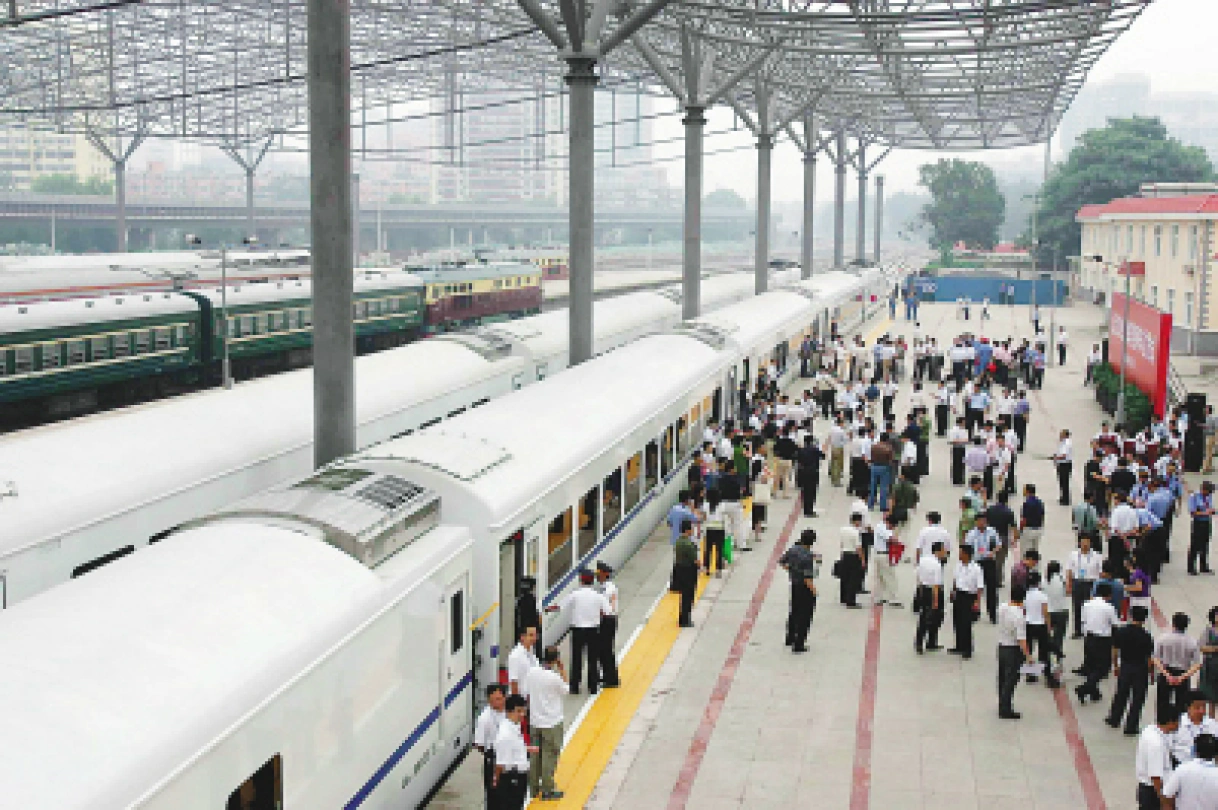
Avoid the Crowds and Traps: The Ultimate Guide to Taking the S2 Train to Badaling Great Wall
Meta Description: Discover the cheapest, most scenic way to reach Badaling Great Wall from Beijing. Avoid fake buses and traffic jams with the S2 train—just 6 yuan, no crowds, and stunning mountain views. If you ask a Beijing local for the most comfortable way to…
Continue reading...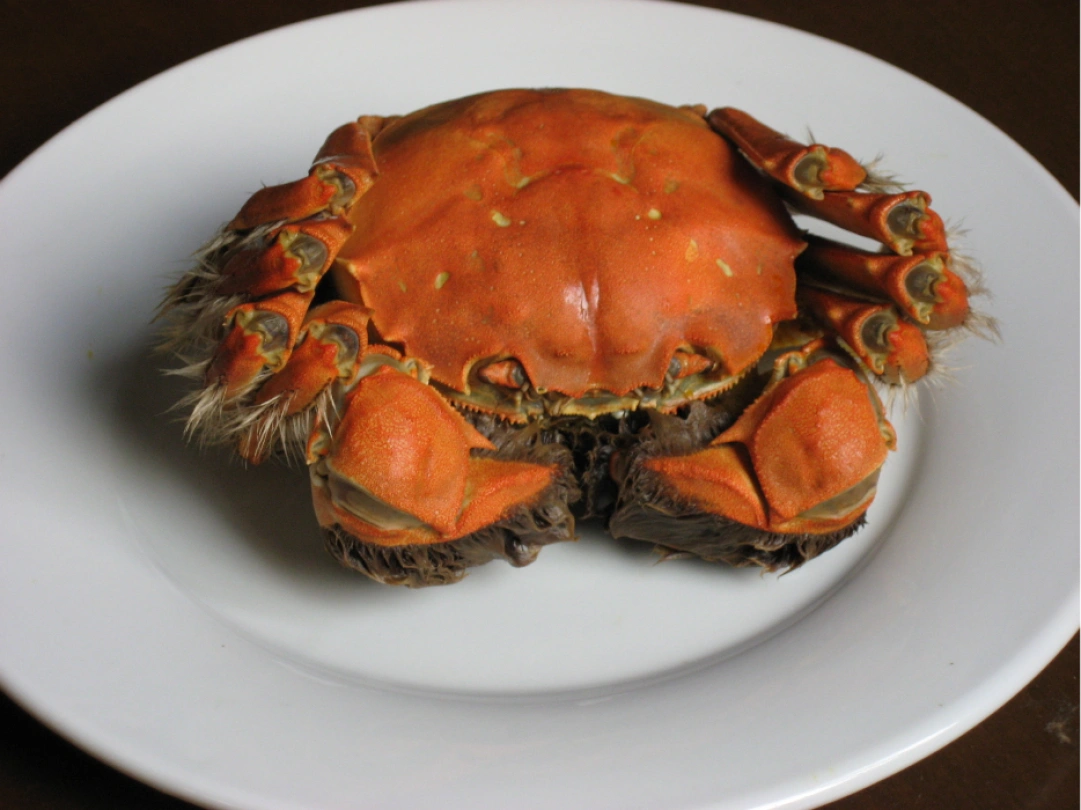
Savoring the Flavors of Di'anmen: A Culinary Journey Through Beijing's Heart
Meta Description: Discover the authentic tastes of old Beijing in Di'anmen. From douzhi to stir-fried liver, explore hidden hutong food stalls, legendary snack shops, and the vibrant street food culture surrounding Shichahai Lake. The story of Beijing has never been solely about crimson walls, golden…
Continue reading...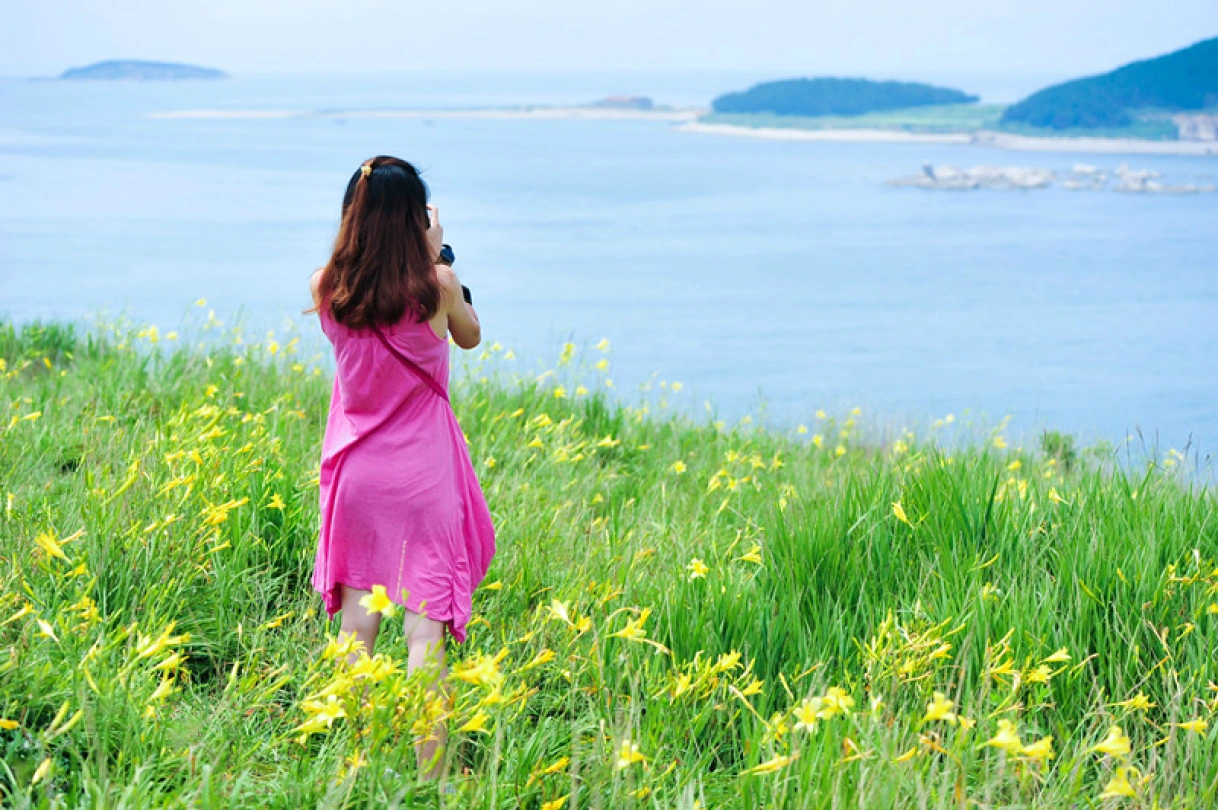
A Spontaneous Escape Through Tianjin, Beijing, and Shandong: An Unforgettable Solo Travel Adventure
Meta Description: Discover the raw beauty of a spontaneous solo journey through Tianjin, Beijing, and Shandong. From Quanjude roast duck to Tanggu night views, read this heartfelt travelogue of escape and self-discovery. The July wind carried restlessness and unease. After abruptly ending a ten-day job…
Continue reading...