When Your Phone Becomes Your Ultimate Travel Tool: A Complete Recap of the Mafengwo Headquarters Mobile Photography Workshop

Meta Description: Discover how to master mobile photography for travel with expert tips from Mafengwo's Beehive Meetup. Learn light, composition, and editing tricks to capture stunning travel photos with your phone.
Have you ever watched a breathtaking sunset slip away while fumbling with your DSLR settings? Or missed a perfect street shot because your camera was buried in your bag? You're not alone. The gap between a traditional camera and life's fleeting moments is real—and it's exactly why mobile photography has become the ultimate travel tool.
On a March afternoon in Beijing, Mafengwo's headquarters buzzed with creative energy. The second edition of our Beehive Meetup series brought together travel enthusiasts and mobile photography lovers for an unforgettable workshop. We invited renowned mobile photography expert @Photographer Pinky to share how the device we never leave home without—our phones—can capture images that stop the scroll and tell powerful travel stories.
What Is the "Beehive Meetup"?
Since the first "Beehive" feature story published on August 9, 2010, Mafengwo has celebrated nearly 2,000 travel pioneers. From mountain conquerors to deep-sea explorers, poets to painters, the Beehive community represents the most passionate travelers in the world.
The Beehive Meetup is our platform for bringing these extraordinary travelers together. Our editorial team invites Beehive-featured explorers to Mafengwo headquarters—or any city they happen to be in—to share their passions and deliver unforgettable offline experiences.
For the first meetup, we cycled through the night along Chang'an Avenue. For this second edition, we picked up our phones and went searching for stories of light and shadow right inside the Mafengwo campus.
Featured Guest: Why a Professional Photographer Fell in Love with Mobile Photography
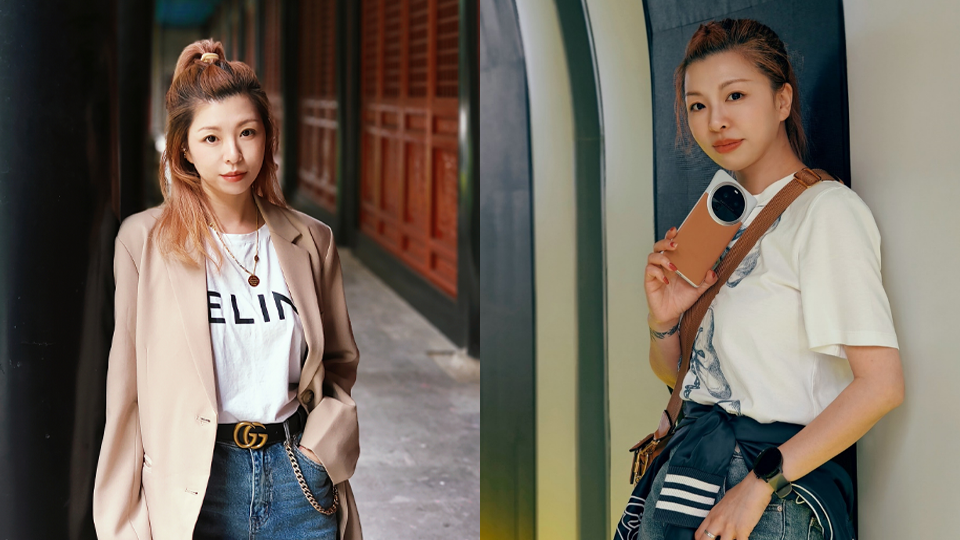
@Photographer Pinky's credentials are impressive: Canon partner photographer, vivo/OPPO/Xiaomi brand collaborator, Huawei Gold Medal Photographer, and Visual China签约 photographer. But the question everyone wanted answered was: why would a professional with a full arsenal of gear develop such a deep affection for mobile photography?
The answer is surprisingly simple: Our phones are an extension of ourselves. A camera is just a tool.

"Cameras are heavier. They come with multiple lenses, tons of accessories, and they're not exactly quick to pull out of your bag," Pinky explained during the workshop. "In daily life, we don't walk out the door with a camera every day. You might just be going grocery shopping, taking a stroll, or heading out for a COVID test—you're definitely only carrying your phone. When those unexpected moments pop up during travel, there's no time to dig through your camera bag. If you can quickly pull out your phone and capture it, you're already lucky."
More importantly, mobile imaging technology is evolving at a staggering pace. From automatic HDR processing in low-light scenes to intelligent skin-smoothing and face-slimming in portrait mode, phones are steadily lowering the barrier to professional-grade photography.
"I've reviewed flagship phones from countless brands, and every time I'm surprised," Pinky said. "Image quality keeps improving, creative features keep multiplying, and while the shooting process gets simpler, the results can look almost professional."
Today, Pinky takes more photos with his phone than with his camera.
The Core of Mobile Photography: Going Beyond the Limits of Gear

During the heart of the workshop, Pinky dropped a statement that made the entire room fall silent:
"Photography isn't easy. There are no shortcuts."
But this wasn't meant to discourage—it was meant to liberate. When we let go of the obsession with settings and parameters, taking photos actually brings us closer to the essence of photography: light, composition, and meaning.
Skill One: Observation—Finding Poetry in the Everyday
Spring brings renewal, summer bursts with flowers, autumn carpets the ground with fallen leaves, and winter wraps everything in ice and snow. The changing seasons themselves are an inexhaustible source of material. But Pinky emphasized that true masters don't just seek out beautiful scenery—they cultivate an eye for beauty.
Those overlooked,平淡 details—a sliver of sunlight on a windowsill, a reflection on the water's surface, a shadow in the corner—are exactly what mobile photography excels at. Because your phone is always with you, you're not "going out of your way to shoot"; you're "capturing it just as it happens."
[Link: How to find photo-worthy spots in any city]
Skill Two: Dancing with Light
Photography is the art of using light, and this holds true for mobile photography as well. Pinky broke down four types of lighting techniques in detail:
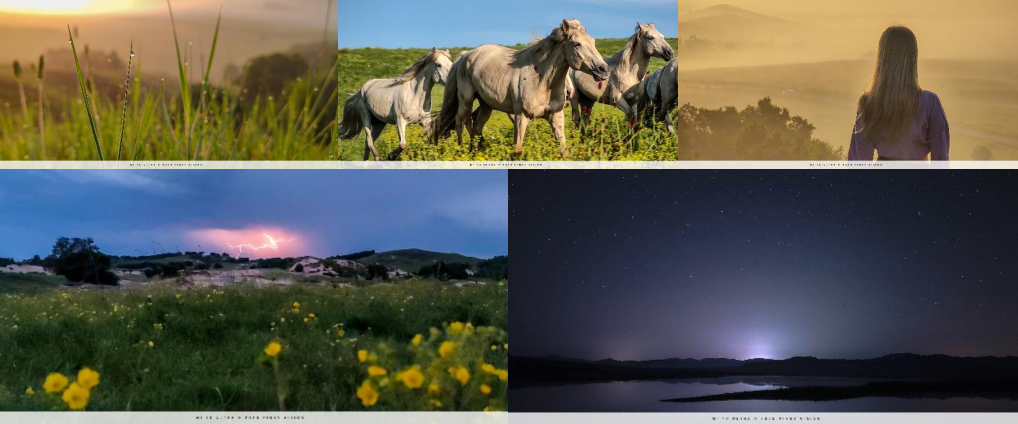
Localized Light: On a bright, sunny day, the light is harsh, creating strong contrasts between lit areas and shadows. Using a small patch of intense light to illuminate your subject while keeping the rest of the frame dark creates a visually striking image. Remember to turn off auto HDR when shooting this way. Focus on your subject, then drag the "little sun" exposure slider down so only the subject is properly exposed.

The Story of Shadows: After 3 PM or during golden hour, the light is slanted and warm—the perfect time to capture shadows. Keep your background clean and simple. If the shadow can interact with its environment in some way, you've got a masterpiece in the making.
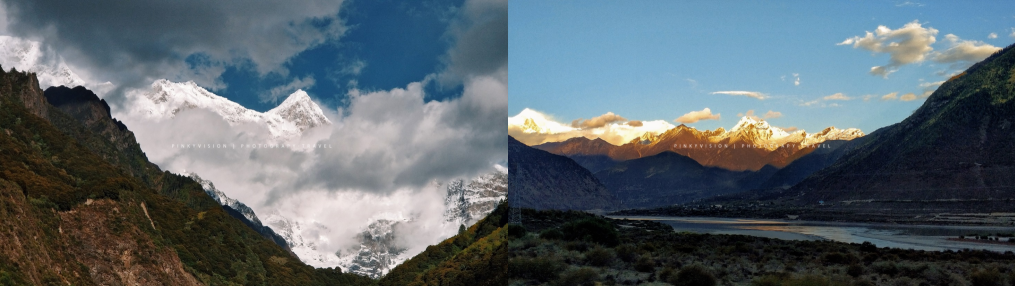
The Art of Silhouettes: Unlike shadows, silhouettes are created when a solid object is underexposed or placed in shadow. During sunrise or sunset, use the sun as your backdrop. A person standing against it in backlight naturally forms a silhouette, and the stark contrast between light and dark gives the image an artistic feel.
Color Temperature Contrast: The warm golden light of a setting sun, combined with the cooler tones your phone's automatic white balance produces in the background, creates a natural warm-cool contrast. This effect might need a little post-processing tweaking, but the key is having the awareness to shoot for it in the first place.
[Link: Best time of day for travel photography]
Skill Three: Composition—Making Your Frame Speak
Composition determines whether a photo is good or bad—it's even more important than the gear. Pinky shared five practical composition techniques:
The Rule of Thirds: Divide your frame into a 3x3 grid. Place your subject at any of the four intersecting points. If you can't remember, just turn on the gridlines in your phone's camera settings.
Center Composition: When using an ultra-wide-angle lens, the edges tend to distort. Placing your subject dead center is the safest bet. This composition feels stable and powerful.
Diagonal Composition: Arranging your subject along a diagonal line creates more dynamic energy than a horizontal or vertical alignment. It packs a stronger visual punch.
Symmetrical Composition: Create symmetry along a central axis—left-right, top-bottom, or all four sides. This is especially effective for photographing architecture.
Leading Lines Composition: Use roads, rivers, color patterns, or shadows to guide the viewer's eye toward the focal point of your image.
[Link: Travel composition tips for beginners]
The Hands-On Session: A Mobile Photography PK Battle in the Campus
After the theory came the real test. The Mafengwo campus was instantly transformed into an open-air photography studio.
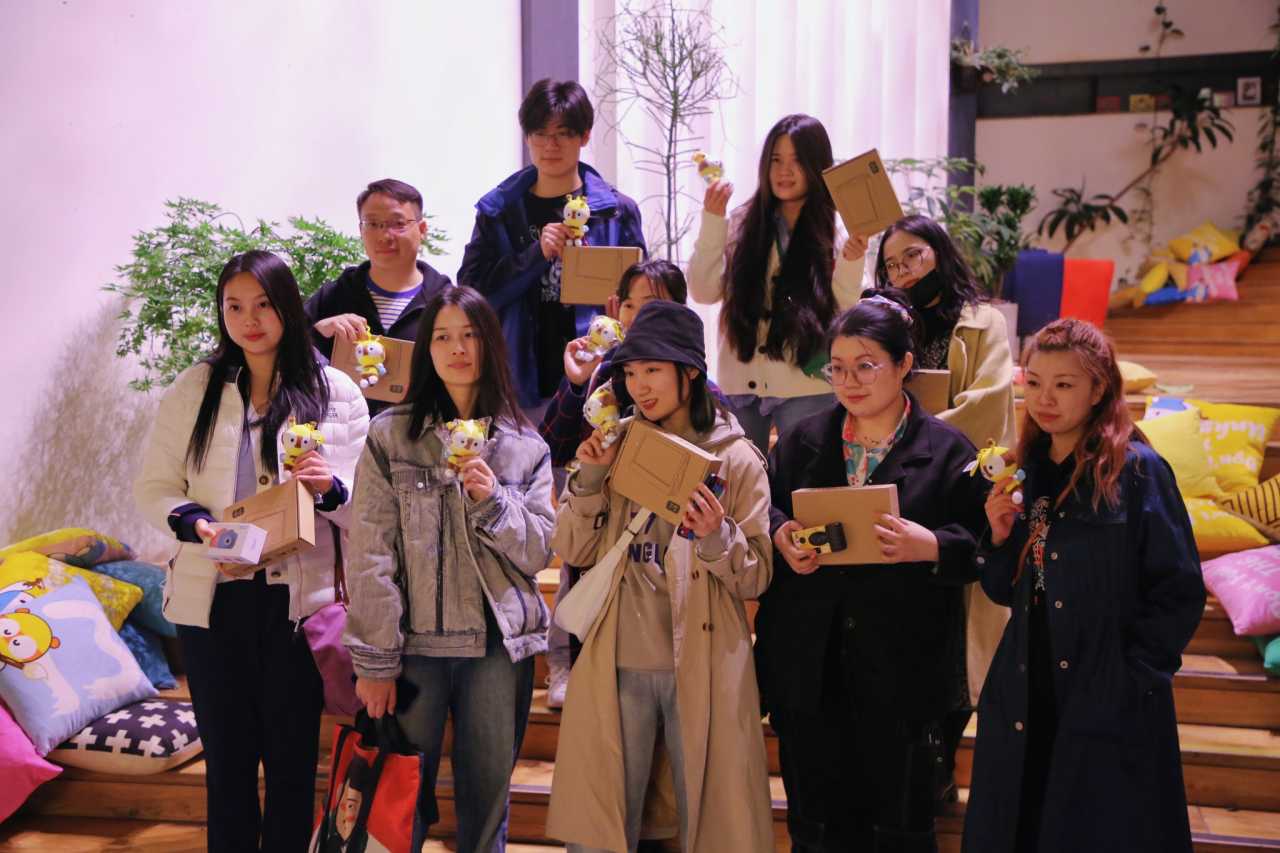
Pinky led the Beehive members on a hunt for the perfect vantage points: How do you capture a reflection on the water? How do you frame a silhouette? Everyone huddled together, phones held high, looking like a bunch of kids discovering a new world.
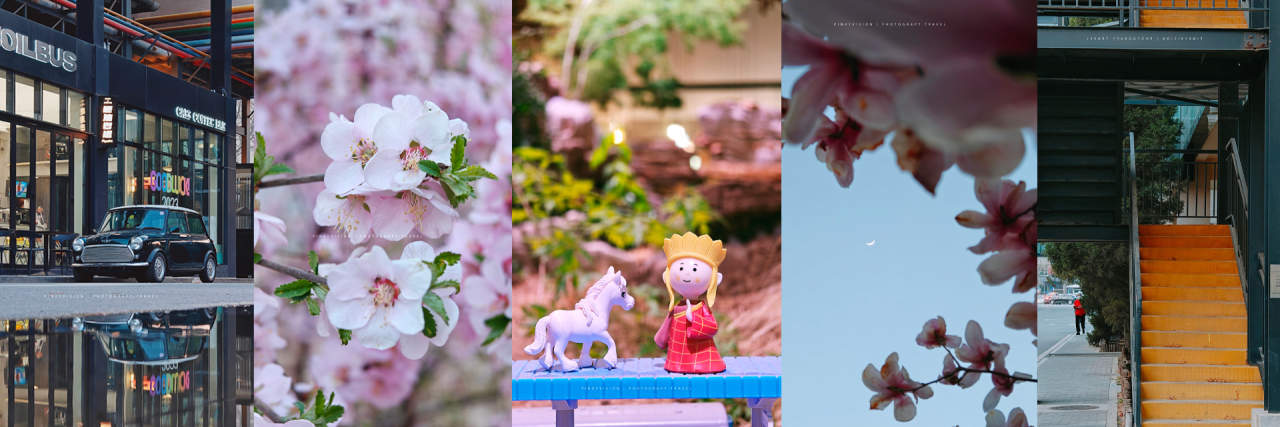
Some crouched in front of a flower bed, pressing their phones close to the magnolia blossoms to achieve a dreamy, blurred background. Others stood by the pond, using the water's reflection to create a perfectly symmetrical composition.
The energy was electric. Members traded tips, compared shots, and learned from each other's perspectives. It was a reminder that mobile photography isn't just about gear—it's about seeing the world with fresh eyes.
[Link: Best travel photography apps for editing]
FAQ: Mobile Photography for Travel
1. What's the best phone for travel photography?
 There's no single "best" phone. Flagship models from Apple, Samsung, Huawei, Xiaomi, and Google all offer excellent cameras. The key is understanding your phone's strengths—whether it's low-light performance, zoom capabilities, or portrait modes. Test your phone thoroughly before your trip.
2. Do I need extra lenses or accessories?
 Not necessarily. Modern phone cameras are incredibly capable on their own. However, a small tripod for long exposures, a clip-on wide-angle lens, or a portable light can expand your creative options. Start with just your phone and add accessories as you grow.
3. How do I edit travel photos on my phone?
Start with native editing tools in your phone's gallery app. For more control, try Adobe Lightroom Mobile (free version is excellent), Snapseed, or VSCO. Focus on adjusting exposure, contrast, and white balance before applying filters.
4. How can I take better low-light travel photos?
 Use a tripod or steady surface for long exposures. Tap to focus on a bright area first, then recompose. Avoid digital zoom—move closer instead. Many phones now have dedicated night modes that work wonders.
5. What's the biggest mistake beginners make?
Obsessing over settings instead of the moment. Your phone handles most technical aspects automatically. Focus on composition, light, and storytelling. The best travel photos capture emotion and atmosphere, not perfect exposure.
Your Turn: Start Your Mobile Photography Journey Today
The Mafengwo Beehive Meetup proved one thing: your phone is already the most powerful travel tool you own. You don't need a professional camera to capture stunning travel memories—you just need the right techniques and a willingness to see the world differently.
Ready to transform your travel photos? Here's your next step:
- Practice one lighting technique from this article every day for a week
- Join the Mafengwo community to share your best mobile shots and get feedback from fellow travelers
- Attend our next Beehive Meetup—stay tuned for announcements on upcoming events
Your phone is always in your pocket. Now you know how to use it like a pro. The world is waiting—go capture it.
[Link: Mafengwo travel photography community] [Link: Upcoming Beehive Meetup events]
Want more travel photography tips? Subscribe to our newsletter and get exclusive content delivered to your inbox every week.
You should also read:
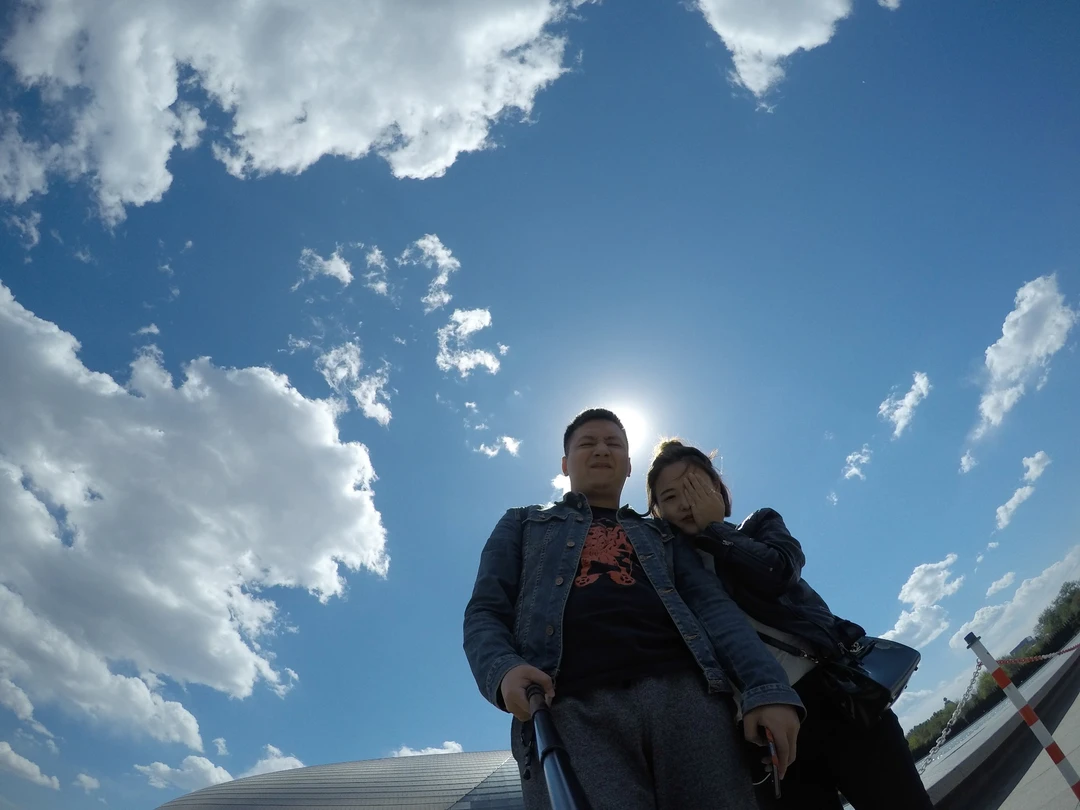
Beijing Travel Guide: An Ancient Capital's New Face – A Five-Day Wandering Chronicle
Meta Description: Explore Beijing's modern transformation in this SEO-optimized travel guide. From Sanlitun nights to hidden hutong gems, discover the ancient capital's new face in five unforgettable days. Perfect for first-time visitors and returning travelers. When I first visited Beijing as a kid on a…
Continue reading...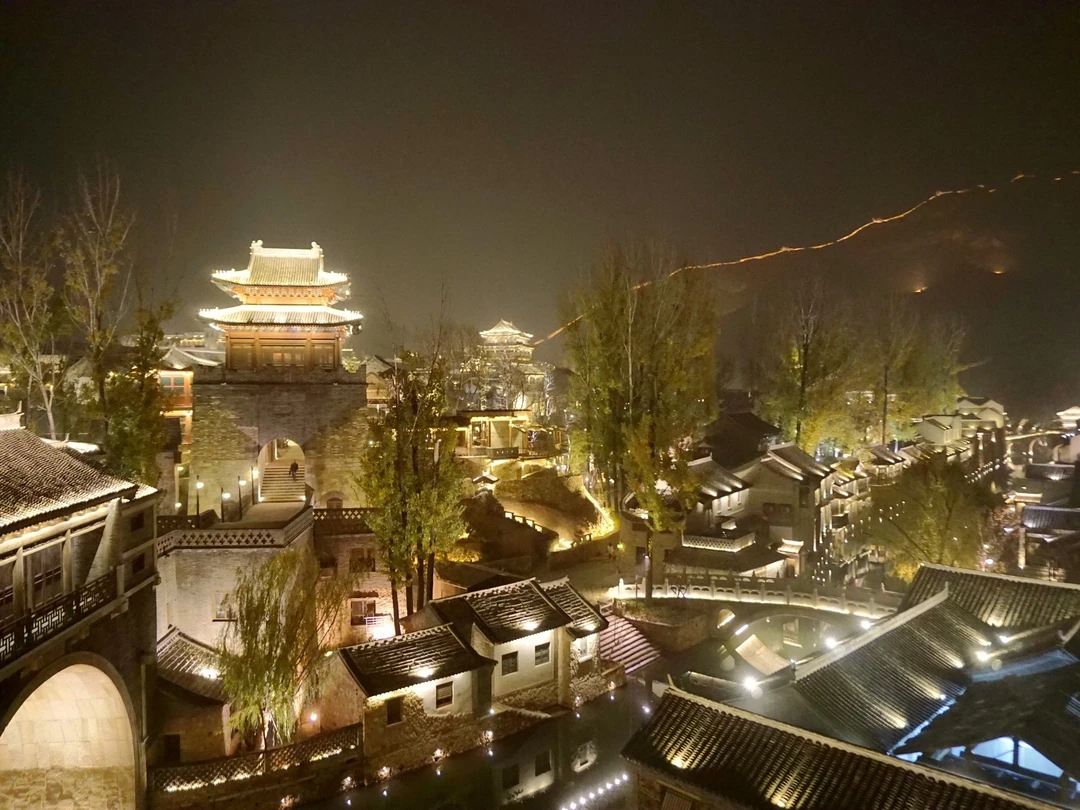
A Jiangnan Dream on Beijing's Outskirts: The Ultimate Gubei Water Town Travel Guide (November 2015)
Meta Description: Discover Gubei Water Town, Beijing's Jiangnan-inspired getaway at the foot of Simatai Great Wall. Read this detailed November 2015 travelogue with costs, tips, and must-see spots. The world is vast, yet life is fleeting. Sometimes, all it takes is a weekend—a spontaneous short…
Continue reading...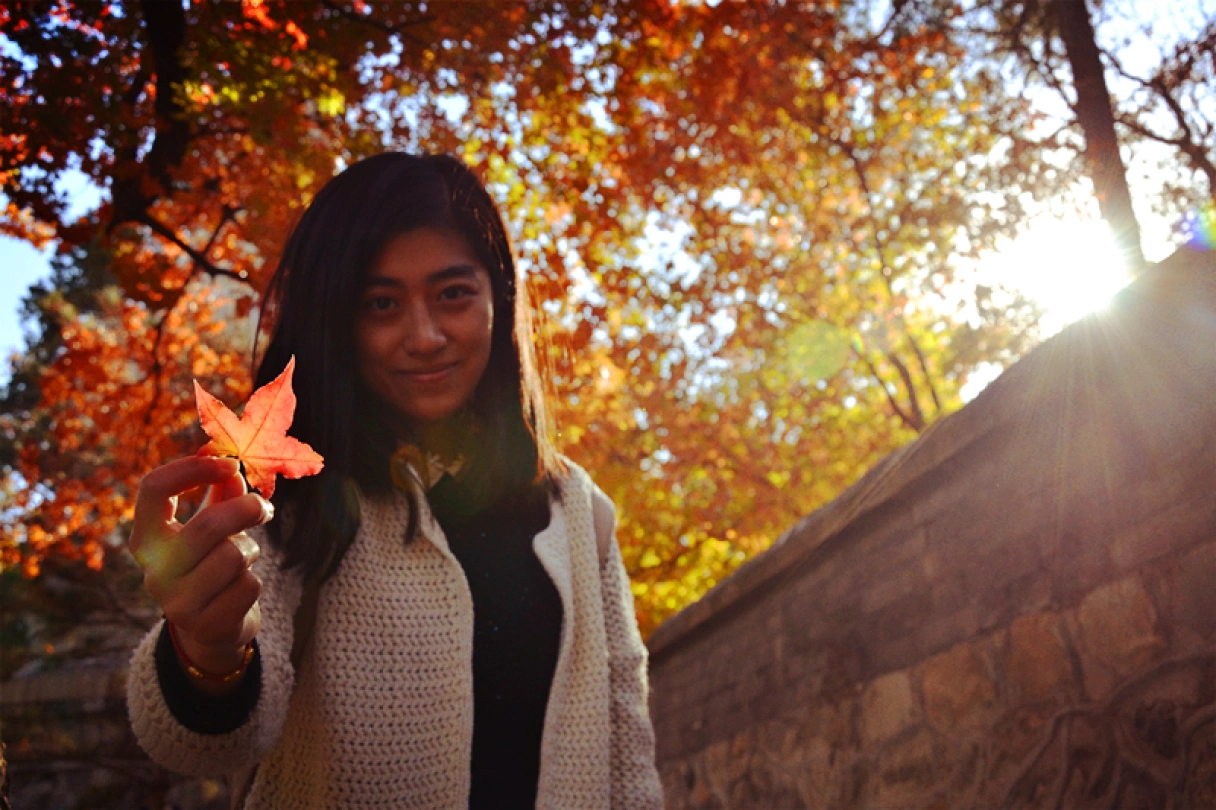
Seeking · Encountering · Autumn in Beijing: Your Ultimate Guide to Beijing’s Most Stunning Fall Scenery
Meta Description: Discover Beijing’s best autumn destinations beyond Fragrant Hills. From Tsinghua University’s golden ginkgo avenue to Dajue Temple’s millennium-old tree, plan your perfect fall escape with our expert guide. Autumn in Beijing is more than a season—it’s a grand farewell. When the summer heat…
Continue reading...