Where Love Begins: A Journey Through Beijing Zoo, Part 1 – The East Zone

Meta Description: Explore Beijing Zoo's East Zone in this SEO-optimized travel guide. From giant panda Menglan to historic enclosures, discover what makes this century-old zoo a beloved Beijing attraction. Plan your visit now.
Foreword: A Century-Old Zoo, Half a Lifetime of Memories
Beijing Zoo is more than just a collection of animal enclosures—it's a living chronicle of childhood wonder, family traditions, and evolving conservation ethics. For decades, this iconic Beijing attraction has been the first introduction to wildlife for millions of Chinese visitors. As a lifelong visitor, I've watched the zoo transform from a simple menagerie into a complex institution grappling with modern zoo management challenges.
Originally, I planned to continue my travelogue of Tianjin Zoo, but a rushed visit in mid-May left me dissatisfied. So I turned to the place I know best: Beijing Zoo. This is the zoo that sparked my passion for the animal kingdom. As a child, I'd pester my parents to take me rain or shine—just to see the leisurely pandas, the slow-strolling white tiger, the endearingly clumsy brown bears, and the gibbons swinging high above.
Now, revisiting as an adult, I see both progress and decline. Hardware has improved—enrichment is better, and animal care philosophies are evolving. But species diversity is shrinking. Many outdoor exhibits now bear "Temporarily Closed" signs, and once-vibrant pavilions feel desolate.
For this comprehensive zoo guide, I divided my visit into three parts: East Zone, North Zone, and West Zone. On May 25–26, 2024, I entered through the main gate to document the bustling crowds and star attractions of Beijing Zoo's East Zone.
The Superstar: Menglan Brings More Than Just Cuteness
Who is the current headliner of Beijing Zoo? Without a doubt, it's the giant panda Menglan.
The Giant Panda Pavilion occupies prime real estate right at the main entrance—and it's the only enclosure requiring a separate ticket. With 11 giant pandas, it's a population most zoos can only dream of. Since Menglan became a nationwide internet sensation, holiday queues stretch from the panda pavilion entrance all the way to the Pheasant Aviary. Even after entering, visitors queue again outside Menglan's activity area.
Panda Enclosure Design: A Mixed Report Card
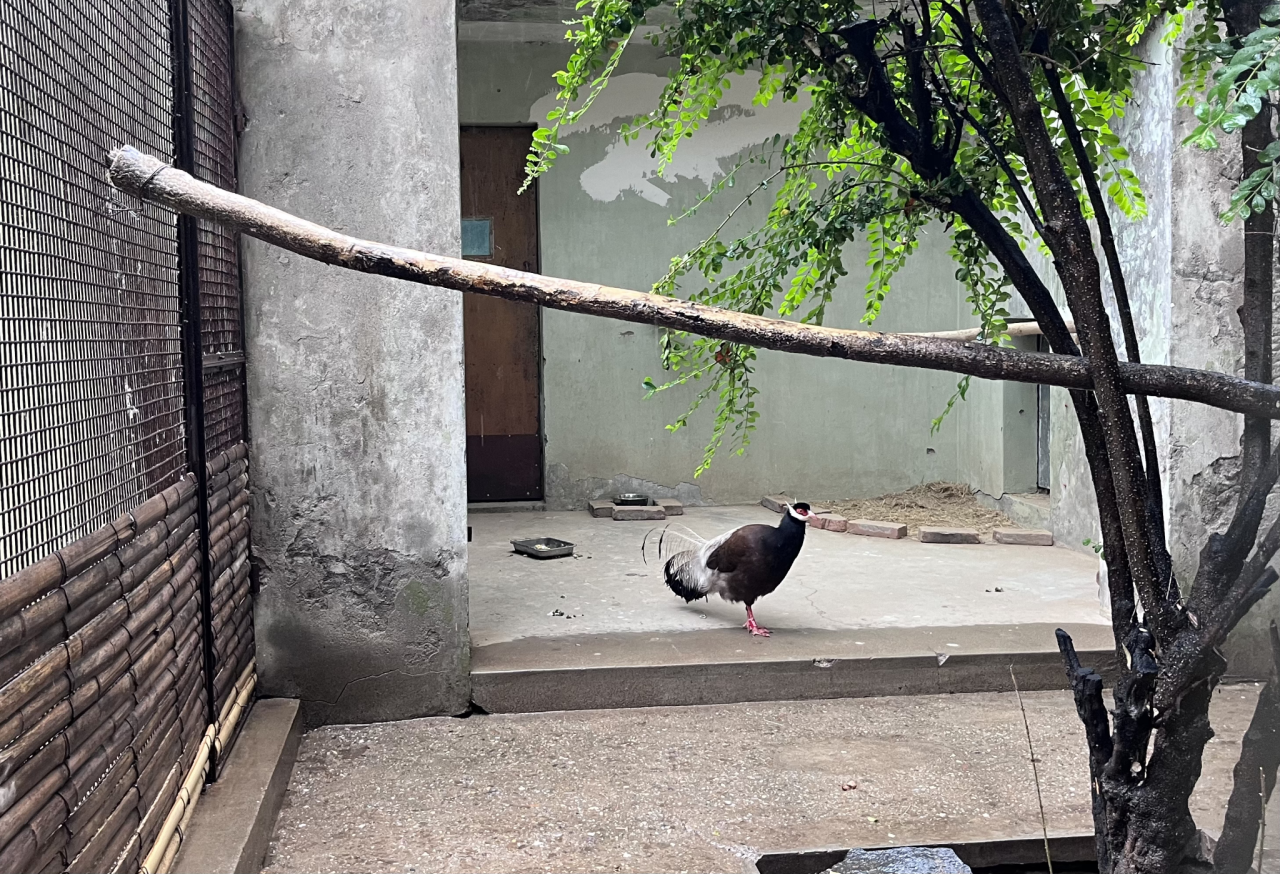
As China's most celebrated national treasure, giant pandas have always received top-tier treatment. Beijing Zoo, being the first in China to publicly exhibit giant pandas, has invested heavily in both indoor and outdoor enclosures. I remember when brown bears were still stuck in pit-style exhibits, the pandas already enjoyed climbing frames and bamboo shoots.
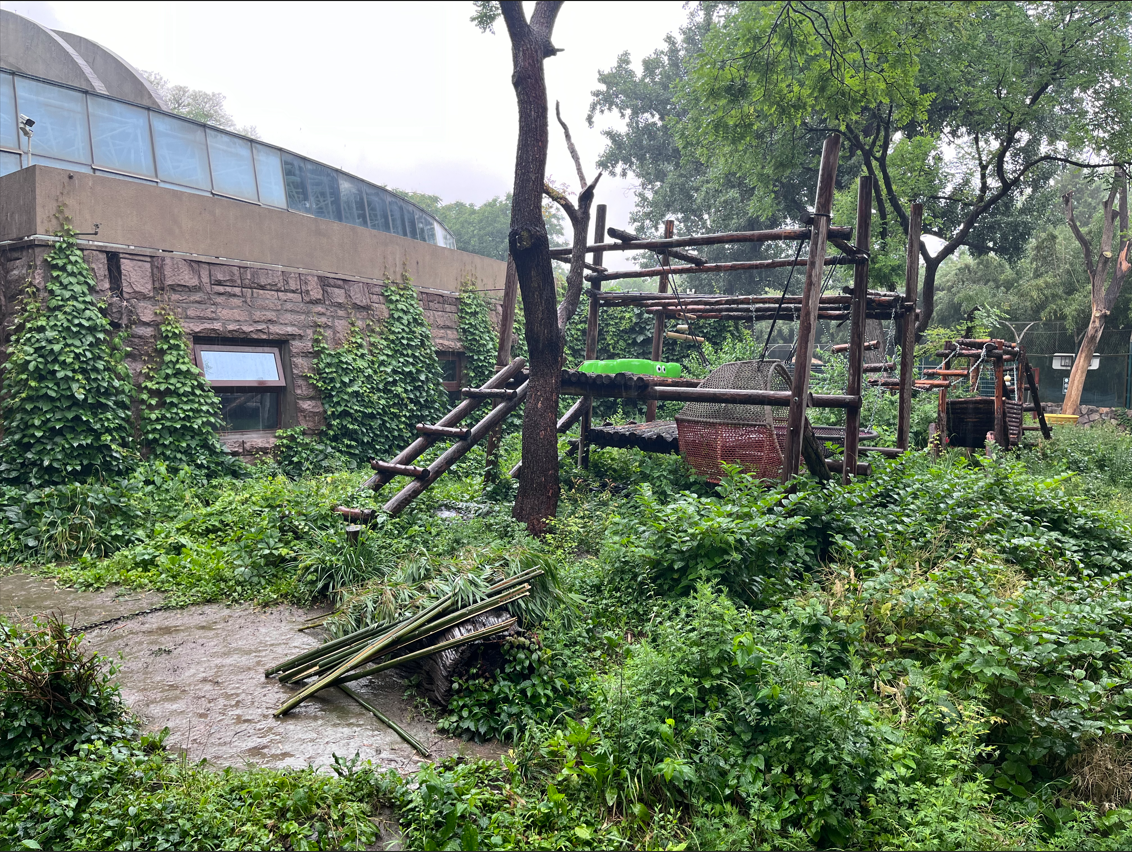
Today, the two pavilions are spacious, with: - Three-dimensional climbing structures - Naturalistic vegetation (far better than the spherical shrubs at Dalian Forest Zoo) - Educational signage and panda lineage guides - Multiple outdoor areas with enrichment toys
However, indoor enclosed areas still feature obviously artificial scenery with bare ground—though bamboo, toys, and climbing frames are present.
The Menglan Effect: Internet Fame Meets Zoo Management
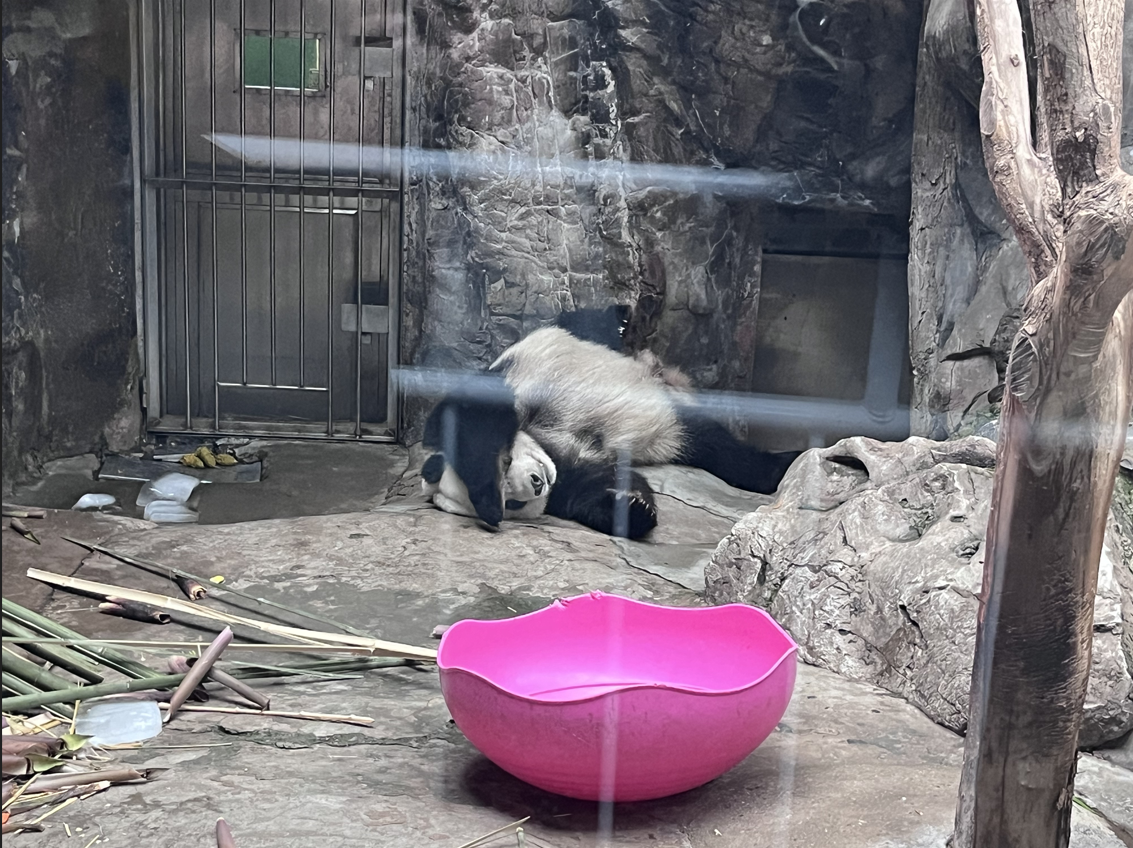
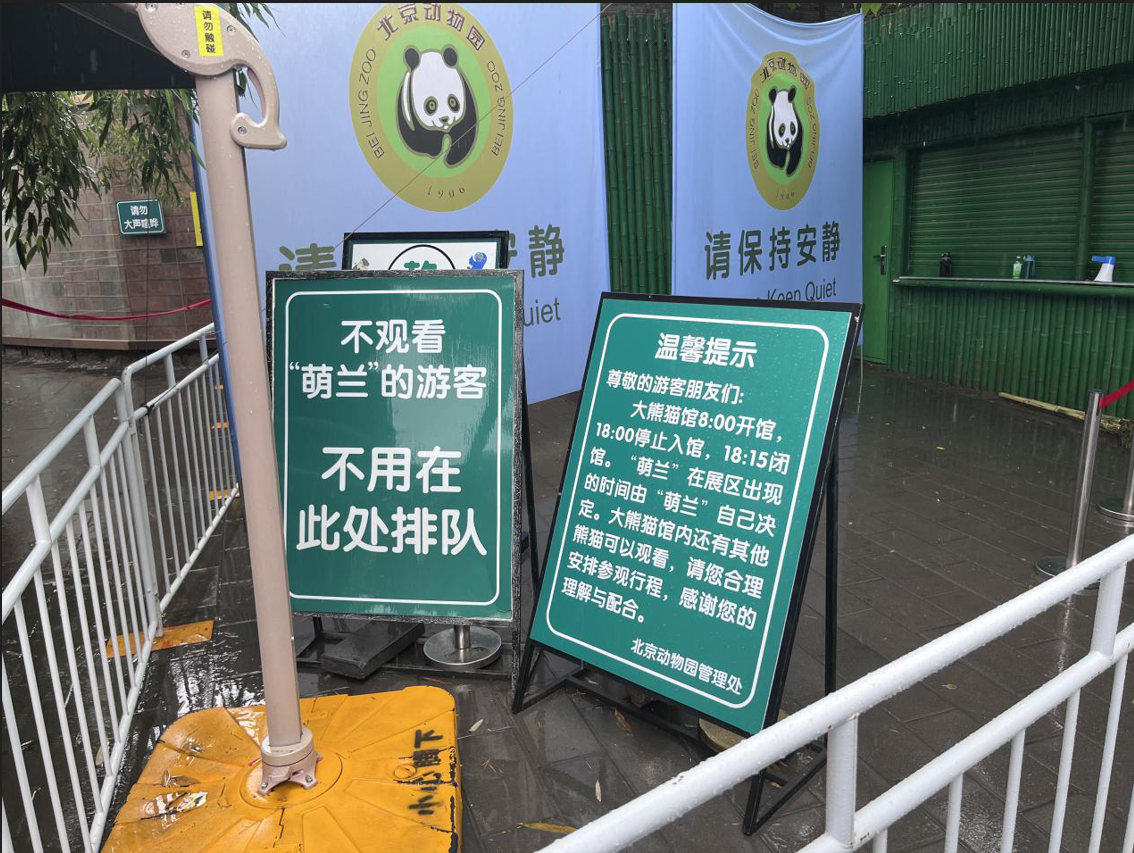
I didn't see Menglan this time. Even in rain, fans with umbrellas had queued from the enclosure back to the park entrance. A staff member told me it's normal to wait hours without getting in. The zoo has posted signs stating: "Whether Menglan comes out, how long it stays, and what behaviors it displays are entirely up to Menglan."
Menglan's online fanbase has driven a wave of live-streamers to broadcast from the panda pavilion. Under this direct scrutiny, the giant panda exhibit is now the most-watched enclosure in the zoo.
According to bidding documents released this February, Beijing Zoo plans to demolish the existing Pheasant Aviary, Small Mammal Exhibit, and Nocturnal Animal House to create a brand-new giant panda exhibit. When completed, a massive panda zone will stretch from the main entrance deep into the park.
The Controversy: Panda Expansion vs. Other Species
Online panda fans celebrate the expansion, saying "we misjudged Beijing Zoo before." But long-time visitors and zoo enthusiasts react with confusion and anger. The current panda pavilion already occupies a large area with top-tier welfare. Yet critics still complain the enclosure isn't big enough or the pandas are too thin.
As a city zoo where land is at a premium, Beijing Zoo's boundaries are absolutely fixed. Expanding the giant panda exhibit inevitably comes at the cost of other animals. Where will rare pheasant species—many nationally protected—go? What about the ring-tailed lemurs in the Small Mammal Exhibit?
As a fellow zoo enthusiast put it: "This is Beijing Zoo, not Beijing Panda Pavilion." The internet celebrity effect brings popularity and revenue, but sacrificing other species' welfare for a single star attraction deepens the conflict between zoo administration, conservationists, and visitors.
East Zone Highlights: Beyond the Panda Pavilion
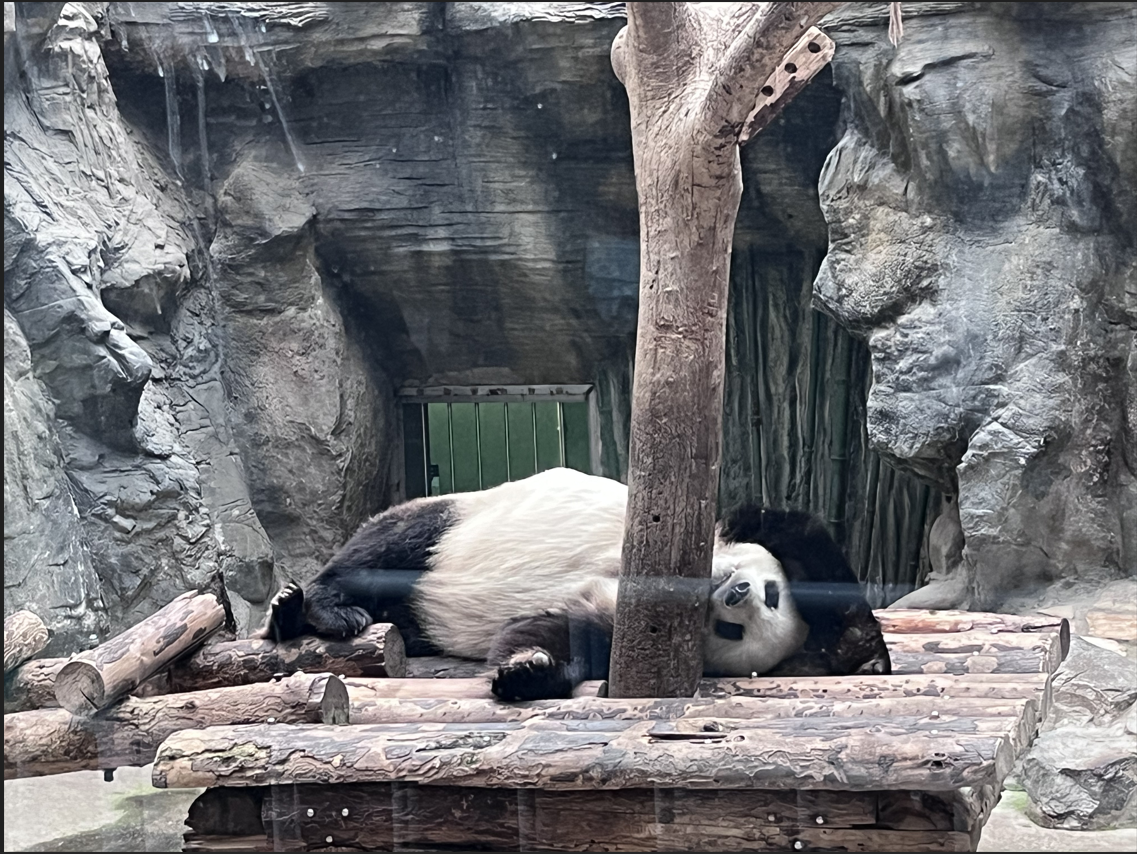
Pheasant Aviary: A Forgotten Gem
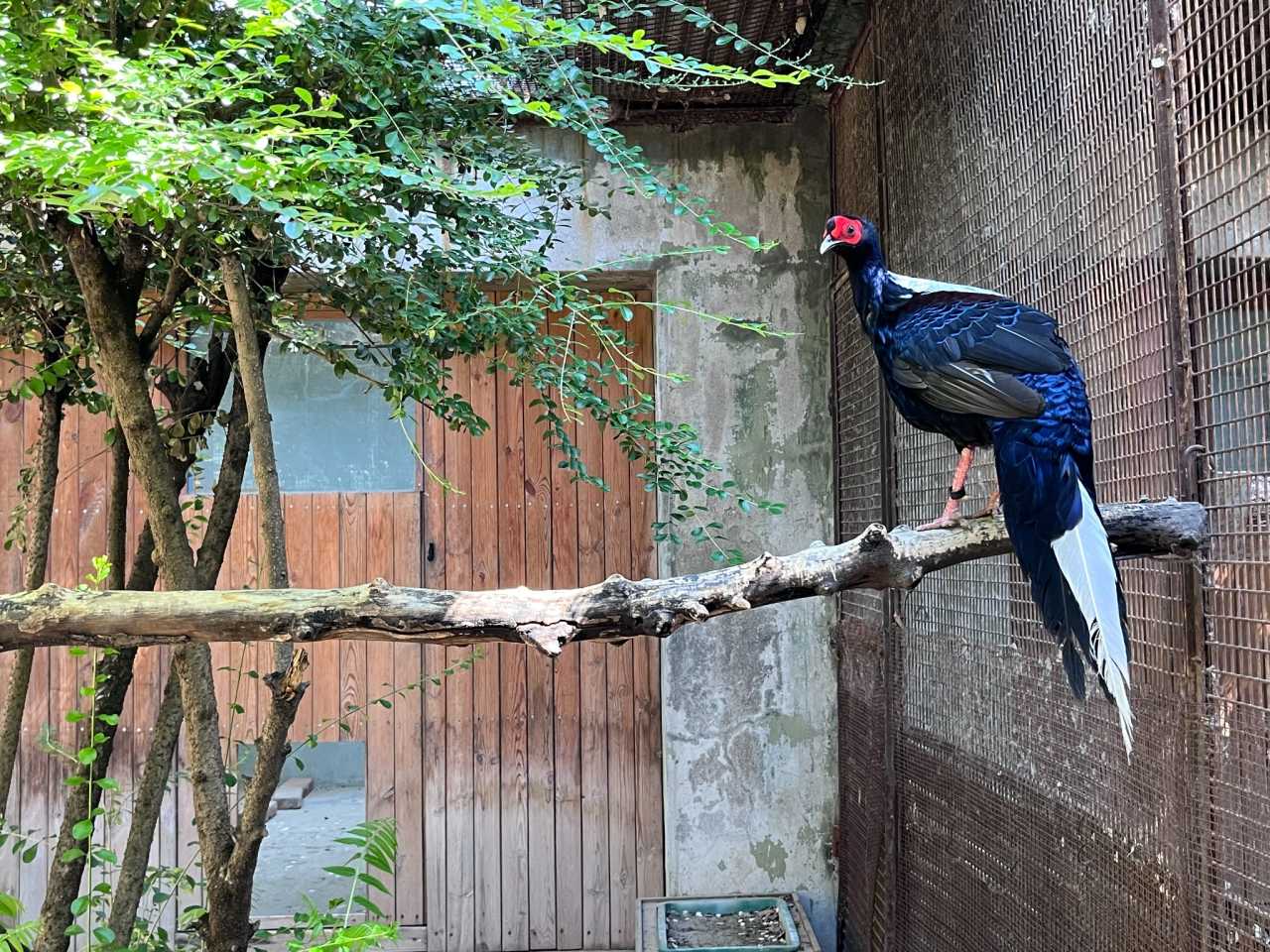
Located adjacent to the panda pavilion, the Pheasant Aviary houses a diverse collection of pheasants, peafowl, and other galliformes. While overshadowed by the pandas, this exhibit offers excellent birdwatching opportunities. However, many enclosures show signs of age, and some species are no longer on display. [Link: Birdwatching in Beijing]
Small Mammal Exhibit: Ring-Tailed Lemurs and More
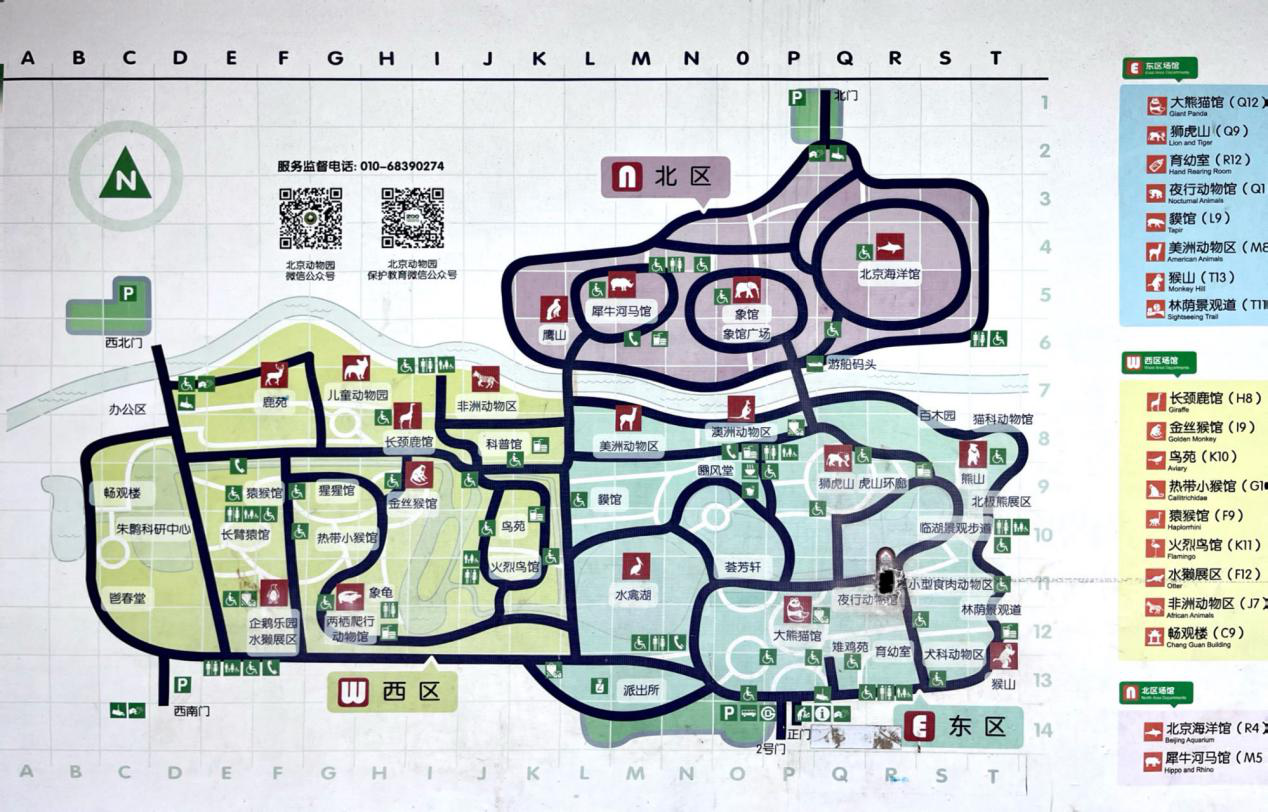
The Small Mammal Exhibit features ring-tailed lemurs, meerkats, and other charismatic small species. The lemur enclosure includes climbing structures and outdoor access, though the space feels cramped compared to modern standards. This exhibit is slated for demolition in the panda expansion plan.
Nocturnal Animal House: A Dark World
The Nocturnal Animal House offers a unique experience with reversed day-night cycles. Visitors can observe bats, owls, and other nocturnal species in dimly lit habitats. However, many exhibits were empty during my visit—a sign of the zoo's declining species diversity.
Bear Mountain: A Historic Exhibit
The Bear Mountain exhibit, once a pit-style enclosure, has been renovated with more naturalistic features. Brown bears and black bears now have climbing structures and pools. However, the legacy of the old "begging bears" era still lingers in visitor behavior—some tourists continue to throw food despite clear prohibitions.
Visitor Tips for Beijing Zoo's East Zone

Best Time to Visit
- Weekdays are significantly less crowded than weekends
- Early morning (8:00–10:00 AM) offers the best animal activity
- Avoid holidays if you want to see Menglan without hours of queuing
Ticket Information
 - General admission: 15 RMB (adults) - Giant Panda Pavilion: Additional 5 RMB (separate ticket required) - Discounted tickets available for students, seniors, and children
Getting There
- Subway: Line 4, Beijing Zoo Station (Exit A or B)
- Bus: Multiple routes stop at Beijing Zoo
- Parking: Limited; public transport recommended
What to Bring
- Comfortable walking shoes (the zoo is large)
- Water and snacks (limited dining options inside)
- Camera (no flash photography near animals)
- Patience (especially for panda viewing)
FAQ: Beijing Zoo East Zone
Q1: Is it worth visiting Beijing Zoo just for the pandas?
Yes, but manage expectations. The Giant Panda Pavilion is excellent, but queues for Menglan can exceed 2–3 hours. Consider visiting on weekdays or early mornings. If you miss Menglan, the other pandas are still delightful.
Q2: How long does it take to explore the East Zone?
 Plan 2–3 hours for a thorough visit, including the panda pavilion. If you queue for Menglan, add 1–2 hours. The entire zoo requires 4–6 hours.
Q3: Are the animal enclosures humane?
Beijing Zoo has improved significantly, but standards vary. The panda pavilion is excellent; older exhibits like the Pheasant Aviary show their age. The zoo is gradually upgrading facilities, but the panda expansion controversy highlights ongoing tensions.
Q4: Can I see all animals in one visit?
Not anymore. Many exhibits are "Temporarily Closed" or empty. The zoo's species diversity has declined. Focus on the East Zone for pandas, pheasants, and small mammals; the North Zone for large mammals; and the West Zone for reptiles and aquatics.
Q5: What's the best strategy for seeing Menglan?
- Visit on weekdays (Tuesday–Thursday)
- Arrive before 8:00 AM when the zoo opens
- Check social media for Menglan's activity patterns
- Be prepared to queue for 1–2 hours even on good days
- Have a backup plan (other pandas, other exhibits)
Conclusion: A Zoo in Transition
Beijing Zoo's East Zone offers a microcosm of the challenges facing modern urban zoos. The Giant Panda Pavilion represents the pinnacle of animal care and visitor engagement—but at what cost? As the zoo pivots toward panda-centric development, other species and exhibits suffer.
For visitors, this means a mixed experience. The pandas are spectacular, but the zoo's declining diversity is palpable. Empty enclosures and "Temporarily Closed" signs tell a story of institutional prioritization that prioritizes star power over conservation.
Yet Beijing Zoo remains a beloved Beijing attraction—a place where childhood memories meet adult reality. The century-old park still fills me with anticipation, even as I mourn what's been lost.
What's your favorite Beijing Zoo memory? Share your stories in the comments below. And stay tuned for Part 2: The North Zone, where we'll explore the large mammal exhibits and the historic aquarium.
Internal Linking Suggestions
- [Link: Beijing Zoo North Zone Guide]
- [Link: Best Zoos in China for Panda Viewing]
- [Link: Zoo Conservation Ethics in China]
- [Link: Beijing Family-Friendly Attractions]
- [Link: Giant Panda Conservation Programs]
Plan your visit to Beijing Zoo today! Book tickets online to skip queues, download our free zoo map, and follow us for updates on new exhibits and animal arrivals. Subscribe to our newsletter for exclusive travel tips and conservation stories from China's top zoos.
Disclaimer: This article reflects the author's personal observations during a visit on May 25–26, 2024. Enclosure conditions and animal populations may change. Always check official Beijing Zoo announcements for the latest information.
You should also read:
A Passionate Journey Through Beijing & Tianjin: Beijing Complete Guide – JOJO's In-Depth Travel Notes
Meta Description: Explore Beijing & Tianjin in 5 days with this complete travel guide. From the Forbidden City to the Great Wall, discover insider tips, transportation hacks, and must-see attractions. Plan your perfect China trip today. Beijing is not just a city—it's a living museum…
Continue reading...
The Accent of Beijing: A Hutong Odyssey in a Downpour – Exploring Beijing's Hidden Charms
Meta Description: Discover Beijing's soul through a rain-soaked hutong odyssey. From Shichahai's melancholy to Mianhua Hutong's philosophy, experience the authentic "accent of Beijing" in this immersive travel story. I'm probably going to laze myself to death. I visited Beijing eight hundred years ago—took the high-speed…
Continue reading...
A Solo Journey Through Beijing: One Girl's Seven-Day Adventure
Here is the SEO-optimized, rewritten article based on your source material. It is structured for high readability, keyword density, and user engagement, targeting approximately 1500 words. SEO Title: Solo Travel in Beijing: One Girl’s 7-Day Budget Adventure (2,000 Yuan Itinerary) Meta Description: Discover the ultimate…
Continue reading...