Where the Heart Leads, Westward Bound: The Ultimate Northwest Grand Loop Travel Guide
Meta Description: Plan your epic Northwest Grand Loop adventure with insider tips from five Fujian and Guangdong travelers. Discover the best time to visit, packing essentials, chartering advice, and hidden gems for an unforgettable journey.
Introduction: Why the Northwest Grand Loop Should Be Your Next Adventure
Two years after our unforgettable graduation trip, I'm finally putting pen to paper—or fingers to keyboard—to share the complete chronicle of our Northwest Grand Loop journey. As five travelers from Fujian and Guangdong, we ventured into China's vast northwestern frontier, and the experience changed us forever. Whether you're planning a graduation trip, a family vacation, or a solo expedition, this comprehensive guide will help you navigate the stunning landscapes, avoid common pitfalls, and create memories that last a lifetime.
The Northwest Grand Loop is more than a road trip; it's a pilgrimage through some of China's most breathtaking scenery. From the ethereal salt flats of Chaka to the ancient Silk Road echoes of Dunhuang, every mile delivers a new wonder. But to truly enjoy this journey, you need the right preparation. Let's dive into everything you need to know.
When to Visit the Northwest: Timing Is Everything

Best Time to Travel: Late August to Early October
Every travel guide screams "June and July" as peak season, but here's the truth from seasoned travelers: late August to early September, or before National Day in early October, is the sweet spot. Why? Because peak season brings doubled charter fees, overcrowded salt lakes, and traffic jams that test your patience.
Consider this: during off-season, our triple room at Heimahe (Black Horse River) cost just 60 yuan per bed. In peak season, that same bed skyrockets to 600 yuan. For that price difference, you could have an entire Southeast Asian getaway.
Pro tip: If you must travel during peak season, book everything—accommodation, charter cars, and tickets—at least two months in advance.
Route Planning: A Mature Itinerary You Can Trust
The Northwest Grand Loop route is remarkably well-established. Whether you hire a private driver or join a tour, the general direction remains consistent. The only variations are minor branches like Water Yadan, No-Man's-Land Yadan, and Dunhuang Yadan.
Key tip: If you have specific destinations in mind, communicate with your driver beforehand. Most are flexible and happy to customize the route.
Sample 7-Day Northwest Grand Loop Itinerary
- Day 1: Xining → Ta'er Monastery → Heimahe (Black Horse River)
- Day 2: Heimahe → Chaka Salt Lake → Dachaidan
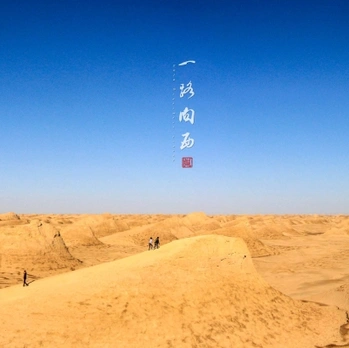
- Day 3: Dachaidan → Yadan Landform → Dunhuang
- Day 4: Dunhuang (Mogao Caves, Mingsha Mountain)
- Day 5: Dunhuang → Jiayuguan → Zhangye
- Day 6: Zhangye Danxia → Qilian Mountains → Xining
- Day 7: Xining departure
[Link: Best Northwest Grand Loop itineraries for first-timers]
Packing Essentials: A Southerner's Survival Guide
Coming from humid Fujian and Guangdong, the Northwest's dry climate and dramatic temperature swings were a shock. Here's what you absolutely need:
1. Sunglasses: Non-Negotiable Protection
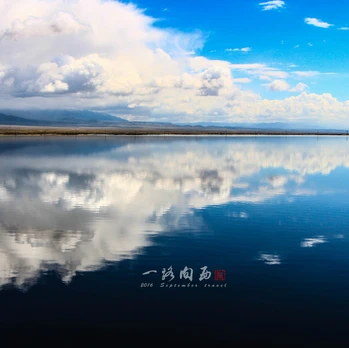
The salt flats reflect sunlight with blinding intensity. Combine that with the Northwest's merciless sun, and you'll understand why sunglasses are not accessories—they're survival gear.
2. Brightly Colored Clothing: Your Photo Secret
Want Instagram-worthy shots at the salt flats? Pack red, yellow, blue, or any vibrant color. Against the pristine white salt backdrop, you'll stand out like a movie star.
3. Windbreaker or Lightweight Down Jacket
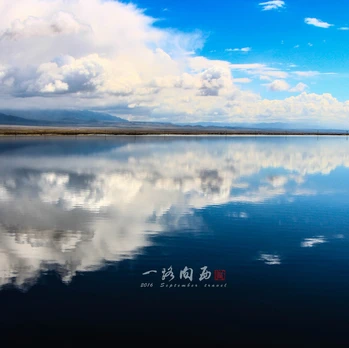
The temperature difference between day and night will make you question reality. Short sleeves during the day, down jacket at night—this isn't an exaggeration. You'll also encounter sudden hail and temperature drops, so windproof, warm layers are essential.
4. Small Spray Bottle: Your Dryness Solution
As a Fujian native, the Northwest's dryness was my biggest challenge. My mouth and nose felt like they were on fire. A small spray bottle filled with mineral water became my lifeline—spritzing myself brought instant relief.
5. High-Powered Flashlight
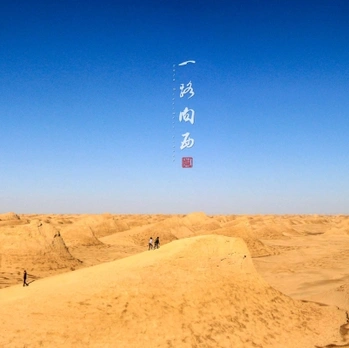
Essential for astrophotography and navigating dark areas at night.
Self-Driving Tips: Expert Advice from the Road
If you're driving yourself, heed these hard-earned lessons:
Avoid Fatigued Driving and Watch Your Speed
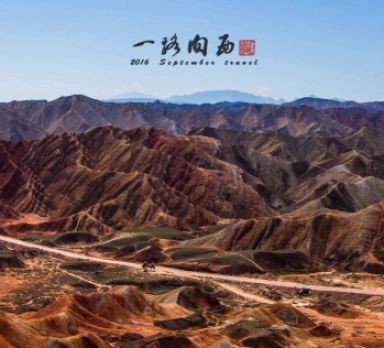
From Chaka to Dachaidan to Yadan, the roads are smooth but monotonous. Identical scenery stretches for dozens of kilometers, making it easy to speed without noticing. Visual fatigue can make you drowsy. Plus, people frequently stop for photos, and everyone drives fast. Stay alert.
National Highway G227: Respect the Mountain Roads
This road rivals the Sichuan-Tibet Highway in difficulty. Despite first-class construction, it features numerous switchbacks and mountain sections. Your brakes can overheat quickly, so stop periodically to let them cool. Beginners should avoid this route entirely. The scenery is stunning, but only park at designated viewing platforms—never stop randomly. Section speed cameras are strictly enforced.
Refuel When Your Tank Is Half Full
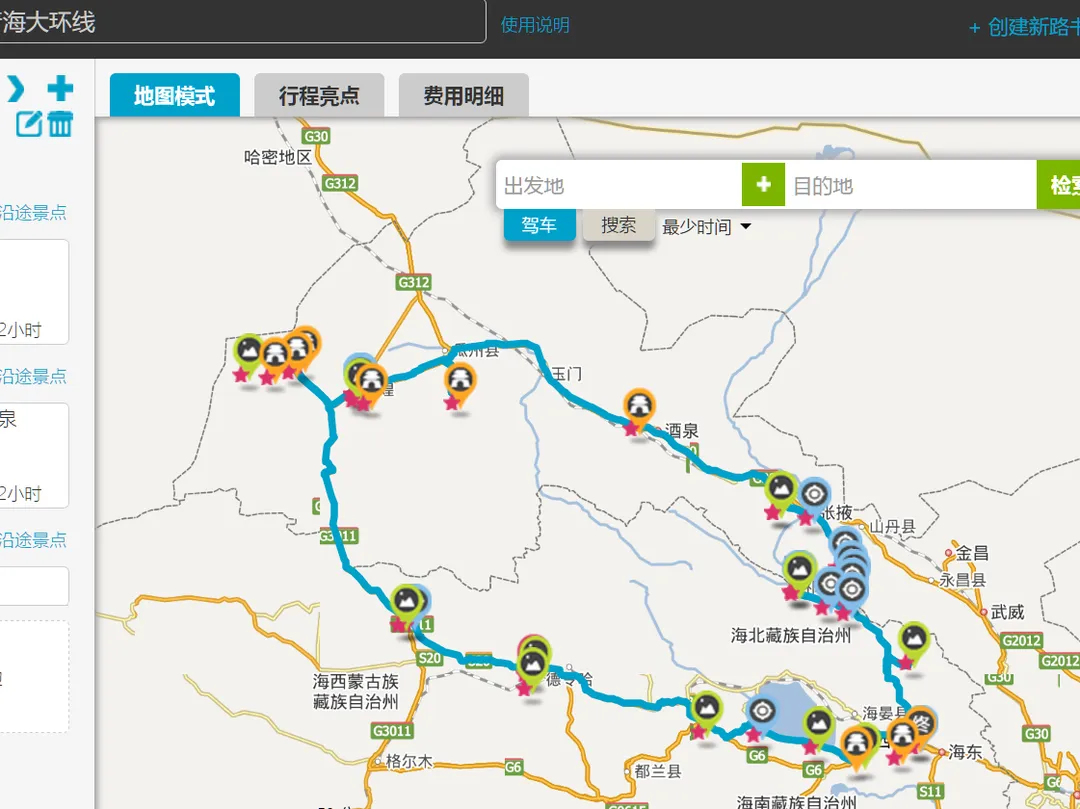
This habit will never steer you wrong. Gas stations are plentiful, but forming this habit saves you from stressful situations. Overall road conditions are good, and regular tires suffice—no need for off-road tires.
[Link: Essential self-driving safety tips for Tibetan Plateau roads]
Photography Tips: Don't Make Our Mistakes
Bring a Tripod for Astrophotography
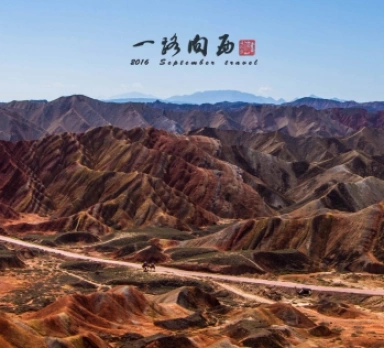
The Northwest is an astrophotographer's paradise. Far from city light pollution, you can see the Milky Way with the naked eye. But my travel companion and I made a rookie mistake: we left our tripod in the driver's car because it was "too heavy."
When we camped at Mingsha Mountain (Singing Sand Mountain), we had to improvise with a sandboard, camera bag, and even our own bodies as a tripod. Needless to say, a 30-second exposure was impossible. We ended up lying on the dunes, memorizing the starry sky with our eyes—a beautiful but frustrating memory.
Protect Your Camera from Fine Sand
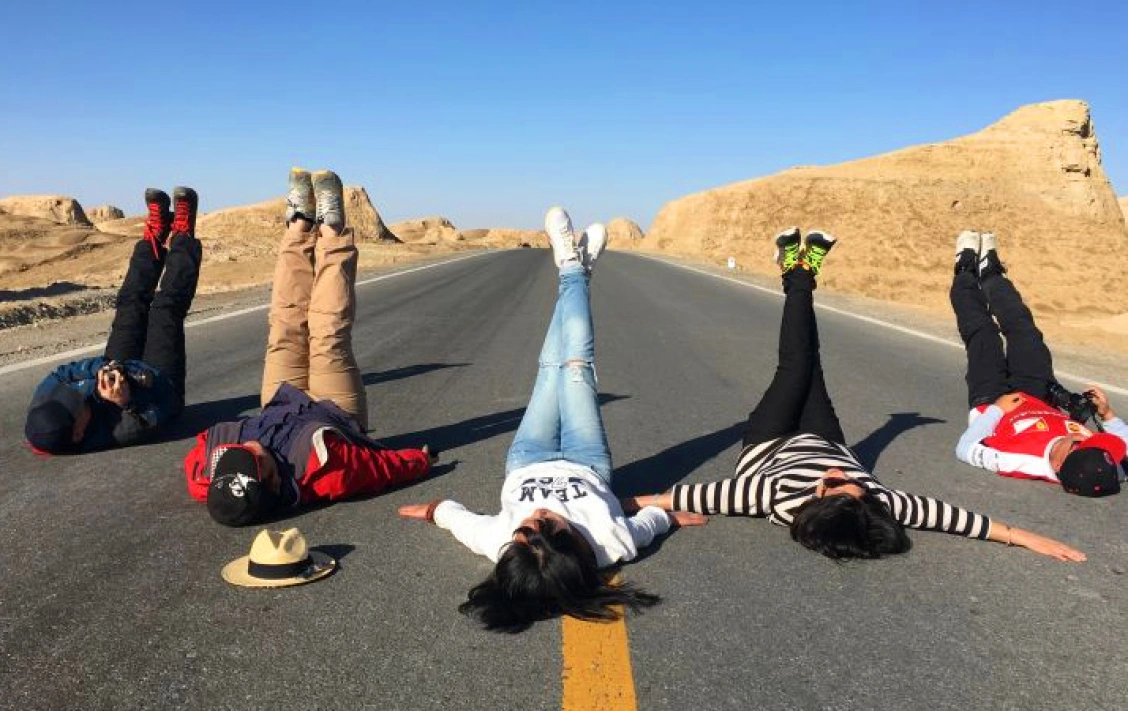
Northwest sand is incredibly fine—much finer than beach sand. When changing lenses, be extremely careful to avoid dust getting into your camera body.
Altitude Sickness: Don't Fear It, But Respect It
The Northwest Grand Loop's elevation varies, with the highest point near Mount Laji at approximately 3,800 meters (12,467 feet). If you visit a glacier, you might go above 4,000 meters (13,123 feet). Most other locations range between 1,000 and 2,000 meters (3,281-6,562 feet). Since you ascend gradually, altitude sickness isn't usually severe.
What Actually Works
- Rhodiola rosea tea: Drink it a week before departure for psychological comfort
- Glucose: Dissolve in water and drink—it's remarkably effective in emergencies
- Danshen dripping pills (Salvia miltiorrhiza pills): Personally verified for severe altitude sickness at Daocheng Yading
Golden Rules of Plateau Survival
- Shower as little as possible when staying at lower elevations
- Avoid strenuous exercise
- Don't catch a cold
- Download an Altimeter app or use your iPhone's built-in compass to monitor elevation
Chartering a Car: Why a Good Driver Beats Ten Travel Guides
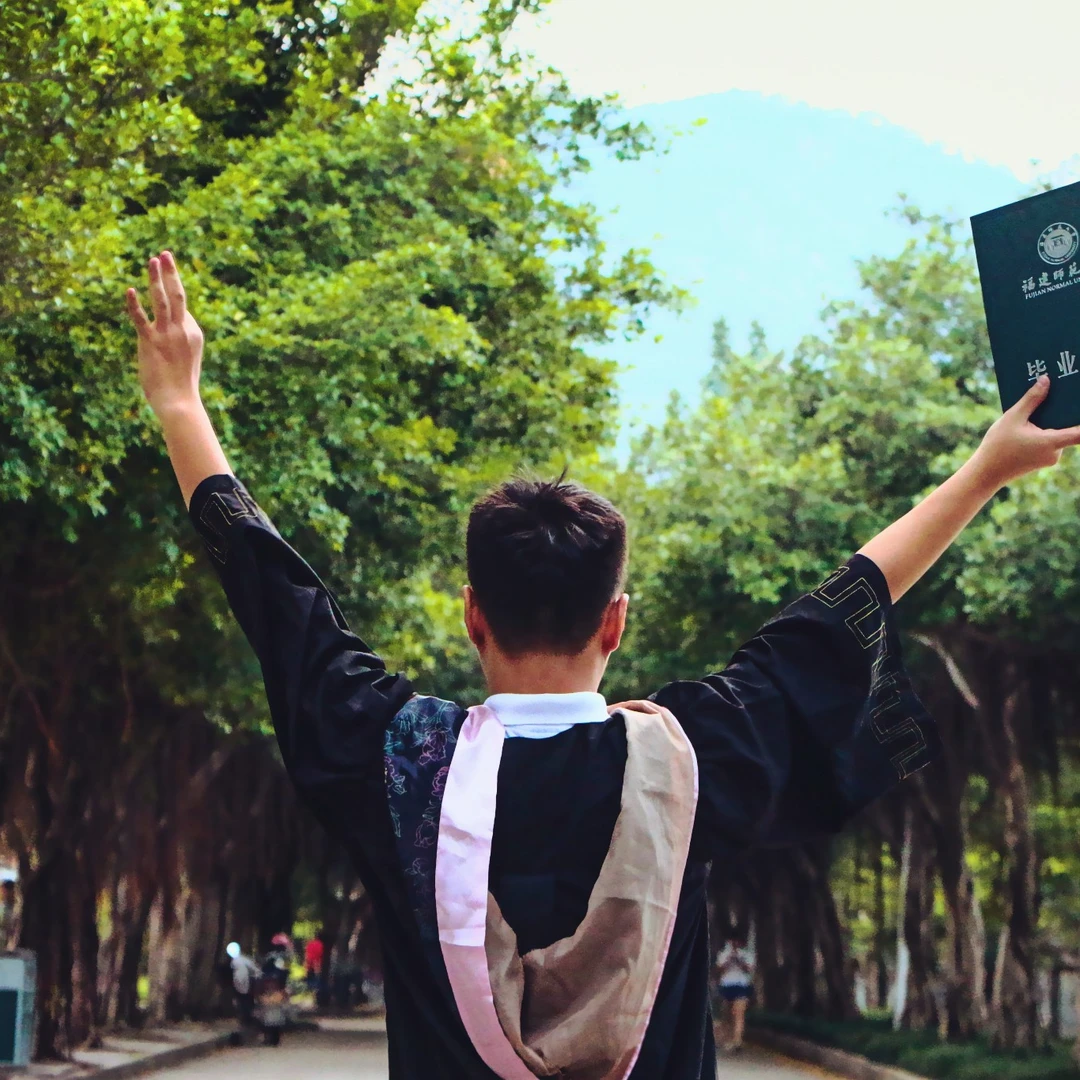
Most travelers choose to charter a car for the Grand Loop. I actually don't recommend self-driving—fatigue sets in too easily. If you charter, find a driver or team directly rather than through a platform. Platform ads are notorious for exaggerations.
A reliable charter driver is more than a driver—they're a guide, a negotiator, and often a friend.
Communication Is Key to Saving Money
Before departure, tell your driver your main purpose and budget. Along the way, we stayed in both hostels and hotels. When the driver suggested eating simply to avoid checkpoint traffic, we cooperated—and it benefited everyone.
Trust your driver, and he'll save you money. In Heimahe, Dunhuang, and Dachaidan, our driver secured prices cheaper than Meituan (a Chinese group-buying platform). When we wanted a hostel, he even negotiated with the owner.
Keep an Open Mind
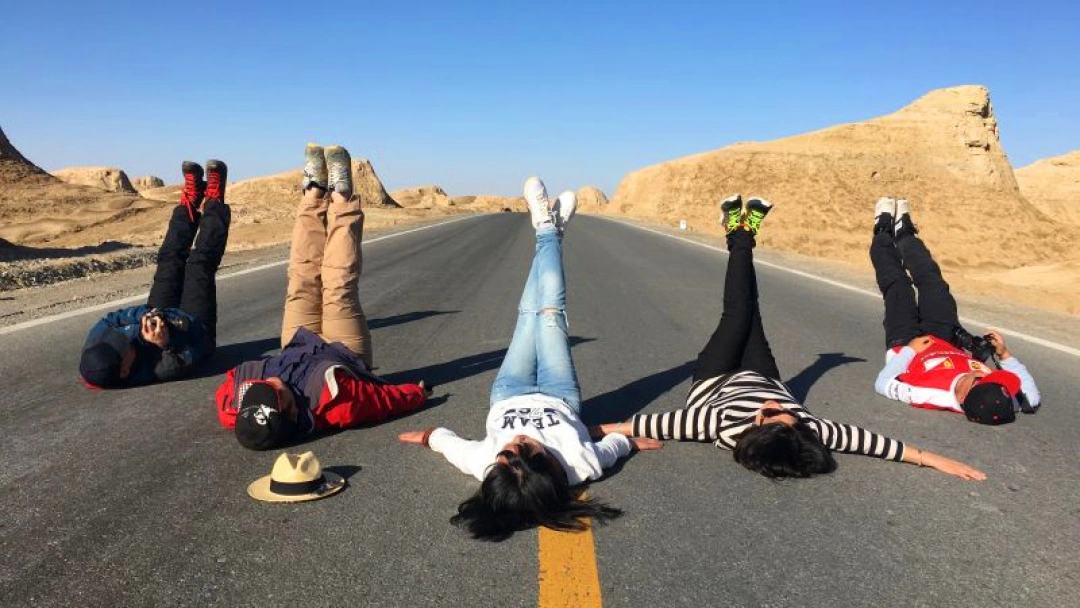
Everyone needs to make a living. As long as prices are reasonable, visit the places your driver recommends. It's about making friends, chatting, and having a good time.
Our Driver's Unexpected Gems
Our driver was from Dunhuang. He suggested that after camping at Mingsha Mountain, we skip the Crescent Moon Spring scenic area. Instead, after visiting the Mogao Caves, we slept in, explored the night market, and ate the best lamb of our lives. That night, back at the hostel, everyone who visited the scenic area was complaining about overpriced, disappointing experiences.
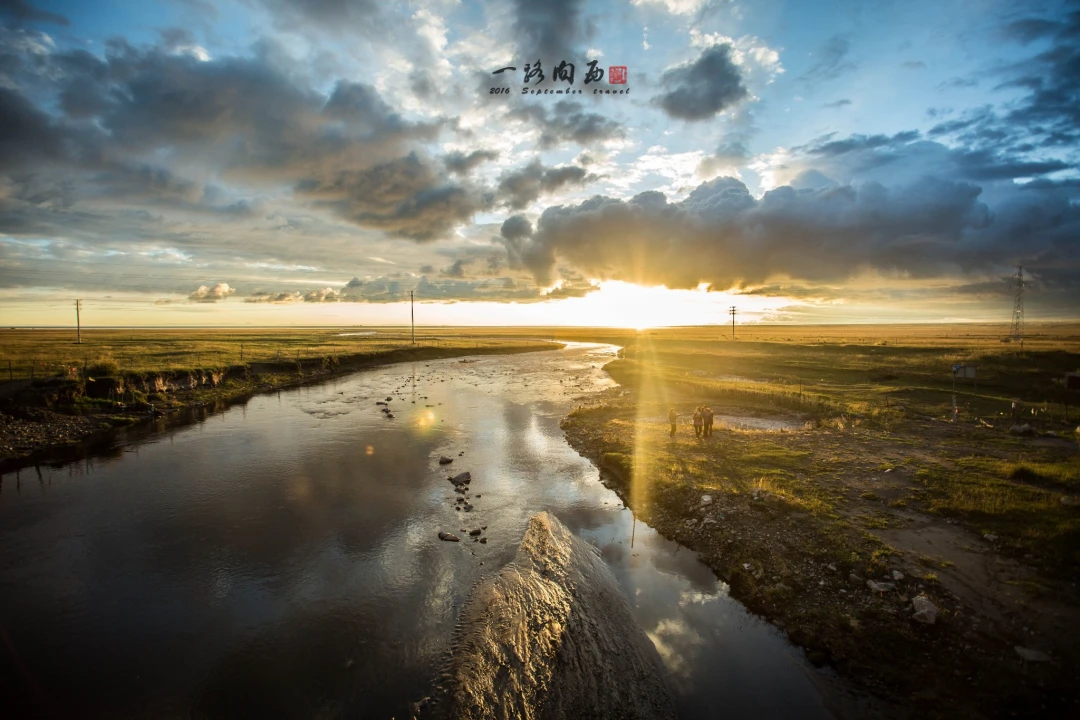
Our driver was also a straightforward Northwestern guy. As long as we didn't need an early start, we'd share a few drinks in the evening. It made the journey feel like a road trip with an old friend.
[Link: How to find a reliable charter driver for Northwest China tours]
FAQ: Your Northwest Grand Loop Questions Answered
Q1: Is the Northwest Grand Loop safe for solo female travelers?
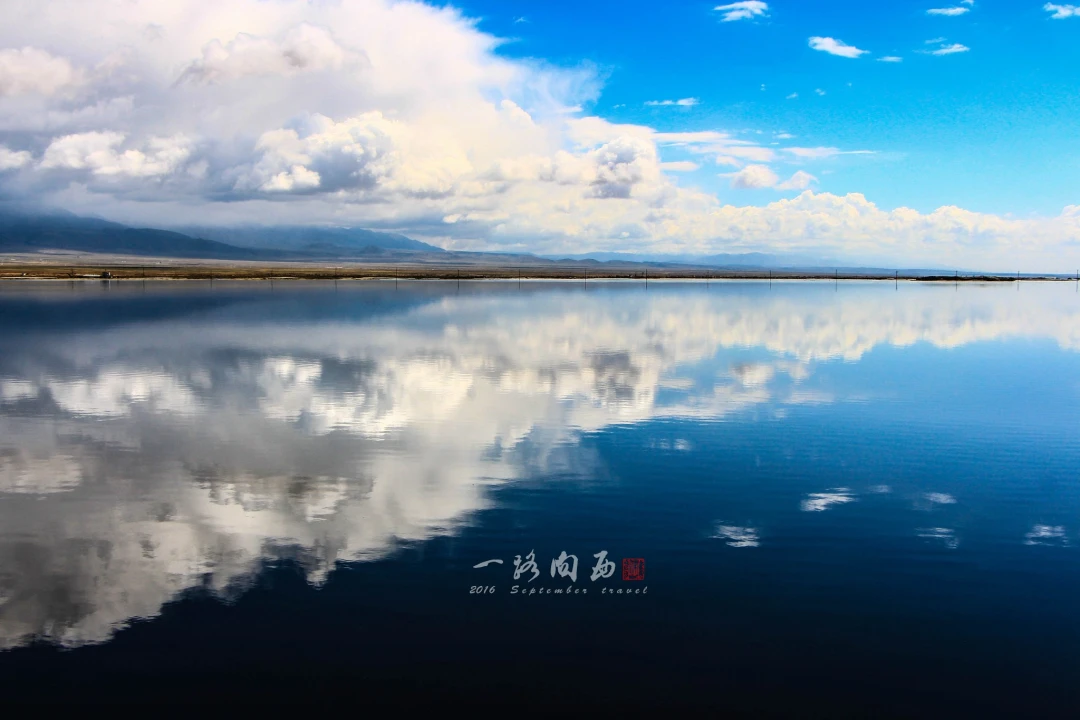
A: Yes, but with precautions. The route is well-traveled, and charter drivers are generally trustworthy. However, always share your itinerary with someone back home, avoid traveling at night, and choose reputable charter services. Many solo female travelers have completed this route safely.
Q2: How much does a Northwest Grand Loop trip cost?
A: Costs vary widely based on season and comfort level. Budget travelers can expect 3,000-5,000 yuan per person for a 7-day trip (excluding flights). Mid-range travelers should budget 5,000-8,000 yuan. Peak season prices can double or triple accommodation costs.
Q3: Do I need a special vehicle for the Grand Loop?
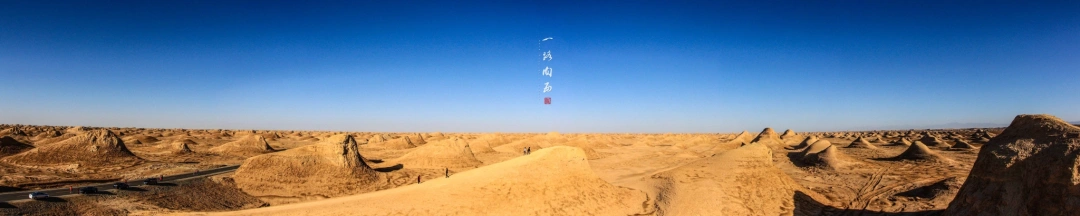
A: No. Regular cars with standard tires are sufficient for most routes. The roads are well-maintained. However, if you plan to explore off-road areas like Water Yadan or No-Man's-Land Yadan, consider an SUV.
Q4: What's the best way to handle altitude sickness?
A: Prevention is key. Ascend gradually, stay hydrated, avoid alcohol and strenuous activity, and carry glucose or Danshen dripping pills. Most people adapt within 2-3 days. If symptoms become severe (persistent vomiting, confusion), descend immediately.
Q5: Can I visit the Northwest Grand Loop with children?

A: Absolutely. The route is family-friendly, with plenty of stops and activities suitable for kids. However, monitor children for altitude sickness, pack warm clothing for temperature changes, and bring entertainment for long drives.
Final Thoughts: Your Journey Starts Now
The Northwest Grand Loop is more than a trip—it's a transformation. From the blinding white salt flats of Chaka to the ancient caves of Mogao, from the star-studded skies of Mingsha Mountain to the warm hospitality of a Dunhuang driver, every moment etches itself into your memory.
Two years after our journey, I still remember lying on those dunes, memorizing the Milky Way. I remember the taste of that lamb at the night market. I remember the laughter shared over drinks with our driver. These aren't just travel memories; they're life memories.
So what are you waiting for? Pack your bags, book that charter car, and head west. The Northwest is calling, and trust me—your heart already knows the way.
Ready to plan your Northwest Grand Loop adventure? [Link: Book a reliable charter driver] | [Link: Download our complete packing checklist] | [Link: Join our traveler community for real-time tips]
Have questions about your upcoming trip? Drop them in the comments below—our community of experienced travelers is here to help!
You should also read:
Savoring the Flavors of Di'anmen: A Culinary Journey Through Beijing's Heart
Meta Description: Discover the authentic tastes of old Beijing in Di'anmen. From douzhi to stir-fried liver, explore hidden hutong food stalls, legendary snack shops, and the vibrant street food culture surrounding Shichahai Lake. The story of Beijing has never been solely about crimson walls, golden…
Continue reading...
A Spontaneous Escape Through Tianjin, Beijing, and Shandong: An Unforgettable Solo Travel Adventure
Meta Description: Discover the raw beauty of a spontaneous solo journey through Tianjin, Beijing, and Shandong. From Quanjude roast duck to Tanggu night views, read this heartfelt travelogue of escape and self-discovery. The July wind carried restlessness and unease. After abruptly ending a ten-day job…
Continue reading...
Beijing Happy Valley Ultimate Money-Saving Guide: Ride Everything, See Every Show in One Day
Here is the SEO-optimized, rewritten article based on the source material. It is structured for readability, keyword density, and user engagement, targeting approximately 1500 words. SEO Title: Beijing Happy Valley Ultimate Money-Saving Guide: Ride Everything & See Every Show in One Day Meta Description: Maximize…
Continue reading...